1. Select a Dedicated Space:
- Choose a dedicated area for your home office to establish a clear boundary between work and personal life. Ideally, this space should be quiet, well-lit, and free from frequent interruptions.
2. Ergonomic Furniture:
- Invest in ergonomic furniture, including a comfortable chair and a functional desk. Ensure that the furniture supports proper posture and minimizes strain on your back, neck, and wrists.
3. Ample Natural Lighting:
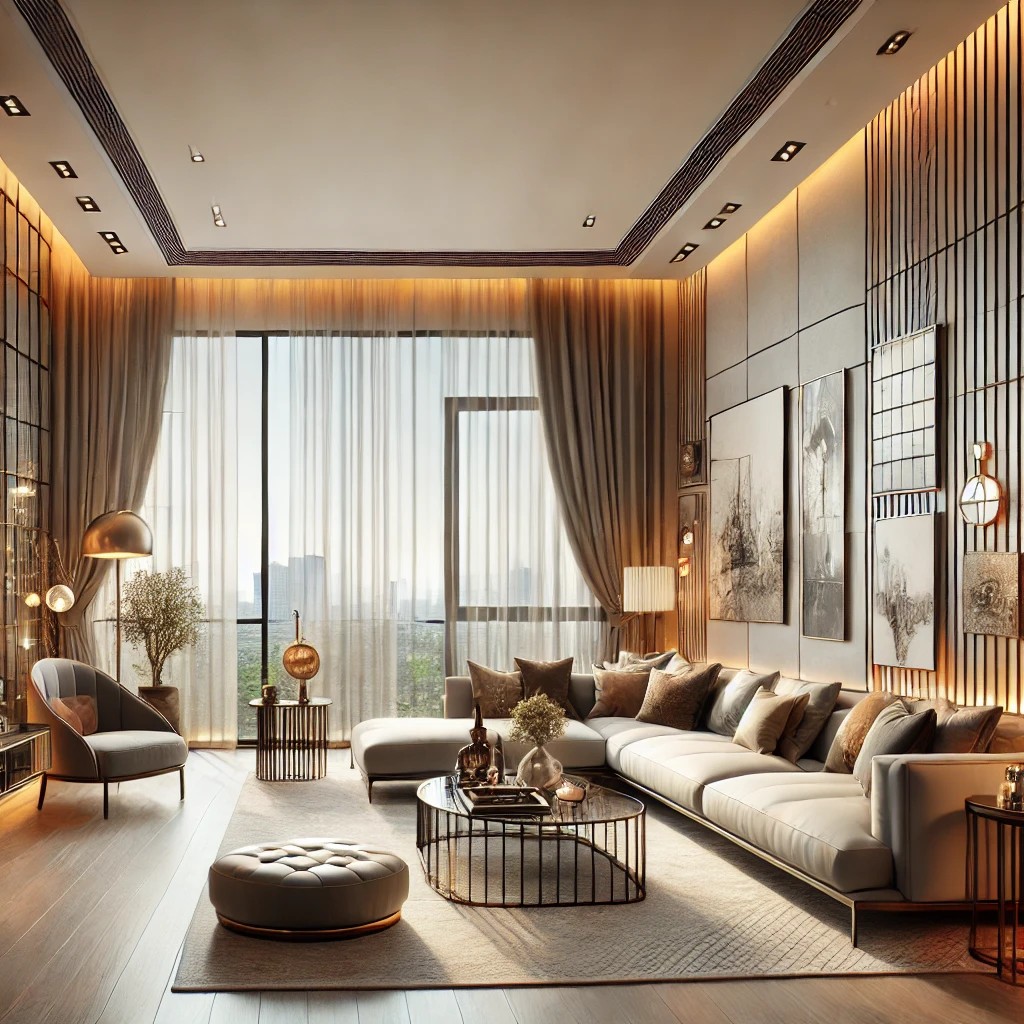
- Position your desk near a window to take advantage of natural light. Natural lighting not only reduces eye strain but also enhances mood and productivity. Use adjustable window treatments to control glare.
4. Task Lighting:
- Supplement natural light with task lighting. Place desk lamps or overhead lighting with adjustable brightness to provide focused illumination for tasks without causing eye fatigue.
5. Declutter Your Workspace:
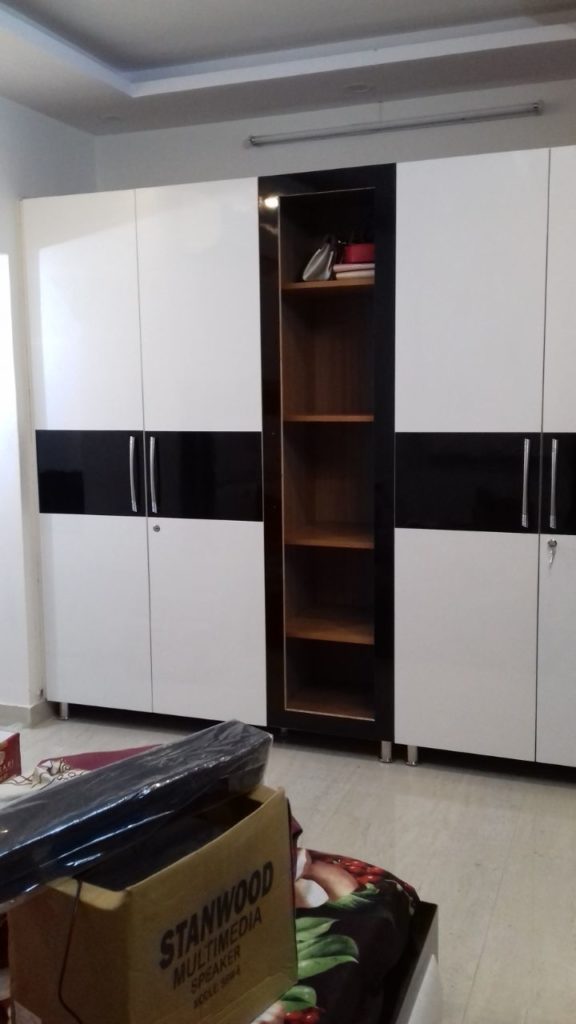
- Keep your workspace organized and free from unnecessary clutter. Use storage solutions like shelves, cabinets, and organizers to create a clean and efficient work environment.
6. Proper Technology Setup:
- Ensure that your computer, monitor, keyboard, and mouse are set up at an ergonomic height. Use cable management solutions to avoid a tangled mess of wires.
7. Comfortable Flooring:
- If possible, choose a comfortable flooring option, such as a supportive rug or carpet. This can help reduce noise, provide insulation, and contribute to an overall comfortable environment.
8. Personalized Decor:
- Personalize your home office with decor that motivates and inspires you. This could include artwork, plants, or items that hold personal significance. A well-decorated space can boost your mood and creativity.
9. Adequate Storage Solutions:
- Implement effective storage solutions to keep your office organized. Utilize filing cabinets, shelves, and storage bins to keep documents, supplies, and equipment easily accessible.
10. Sound Management: – Consider soundproofing measures to minimize distractions. This could include using curtains, rugs, or acoustic panels to absorb sound and create a quieter work environment.
11. Tech Connectivity: – Ensure reliable and high-speed internet connectivity. Invest in quality tech equipment, such as a reliable computer and a comfortable headset for virtual meetings if needed.
12. Break and Relaxation Area: – Create a designated area for breaks and relaxation. Having a comfortable spot away from your desk can help you recharge during breaks, promoting overall well-being.
13. Greenery: – Introduce plants to your home office space. Not only do they add a touch of nature, but plants also contribute to improved air quality and a more pleasant atmosphere.
14. Personal Climate Control: – Consider the temperature and airflow in your home office. Ensure that you have control over the climate with features like a fan, air purifier, or a heater, depending on your needs.
15. Distraction-Free Zone: – Minimize distractions by positioning your desk away from high-traffic areas or noisy appliances. Use noise-cancelling headphones if needed, and establish boundaries with family members or housemates.
By incorporating these tips, you can design a home office that optimizes productivity and comfort, providing you with a conducive environment for focused and efficient work.
Q: How do I choose the right location for my home office?
A: Select a dedicated and quiet space for your home office. Ideally, choose a location with ample natural light and minimal distractions. This helps create a clear boundary between work and personal life.
Q: Why is ergonomic furniture important for a home office?
A: Ergonomic furniture, such as a comfortable chair and functional desk, promotes proper posture, reduces strain on the body, and enhances overall comfort. Investing in ergonomic furniture is crucial for long hours of work.
Q: How can natural lighting improve productivity in a home office?
A: Position your desk near a window to maximize natural light. Natural lighting reduces eye strain, improves mood, and enhances productivity. Use adjustable window treatments to control glare and brightness.
Q: What is the significance of task lighting in a home office?
A: Task lighting, such as desk lamps or adjustable overhead lights, provides focused illumination for specific work tasks. It helps prevent eye fatigue and ensures proper visibility in your workspace.
Q: How can I keep my home office organized and clutter-free?
A: Use storage solutions like shelves, cabinets, and organizers to keep your workspace organized. Declutter regularly and maintain a clean environment to enhance productivity and efficiency.
Q: What role does technology setup play in a home office design?
A: Ensure that your computer, monitor, keyboard, and mouse are set up at an ergonomic height to prevent strain. Implement cable management solutions to keep wires organized and avoid a messy workspace.
Q: Why is sound management important in a home office?
A: Sound management, including measures like curtains, rugs, or acoustic panels, helps minimize distractions and creates a quieter work environment. It is essential for maintaining focus and concentration.
Q: How can I personalize my home office decor for increased motivation?
A: Personalize your home office with decor that motivates and inspires you. This could include artwork, plants, or items that hold personal significance. A well-decorated space can boost mood and creativity.
Q: What storage solutions are effective for a home office?
A: Utilize filing cabinets, shelves, and storage bins to keep documents, supplies, and equipment organized and easily accessible. Effective storage solutions contribute to a clean and efficient workspace.
Q: How can I create a comfortable break and relaxation area within my home office?
A: Designate a specific area for breaks and relaxation, separate from your desk. Include comfortable seating and elements that help you recharge during breaks, promoting overall well-being.
Q: Why should I incorporate greenery into my home office design?
A: Plants contribute to improved air quality and create a more pleasant atmosphere. Introducing greenery to your home office adds a touch of nature, which has been linked to enhanced well-being and productivity.
Q: How can I ensure a distraction-free zone in my home office?
A: Position your desk away from high-traffic areas and minimize noise distractions. Consider using noise-cancelling headphones and establish boundaries with family members or housemates to create a focused work environment.
Q: What elements contribute to personal climate control in a home office?
A: Consider the temperature and airflow in your home office. Features like a fan, air purifier, or heater can contribute to personal climate control, ensuring a comfortable and productive work environment.
By addressing these frequently asked questions, you can gain insights into designing a home office that maximizes productivity and comfort, creating a conducive space for focused and efficient work.