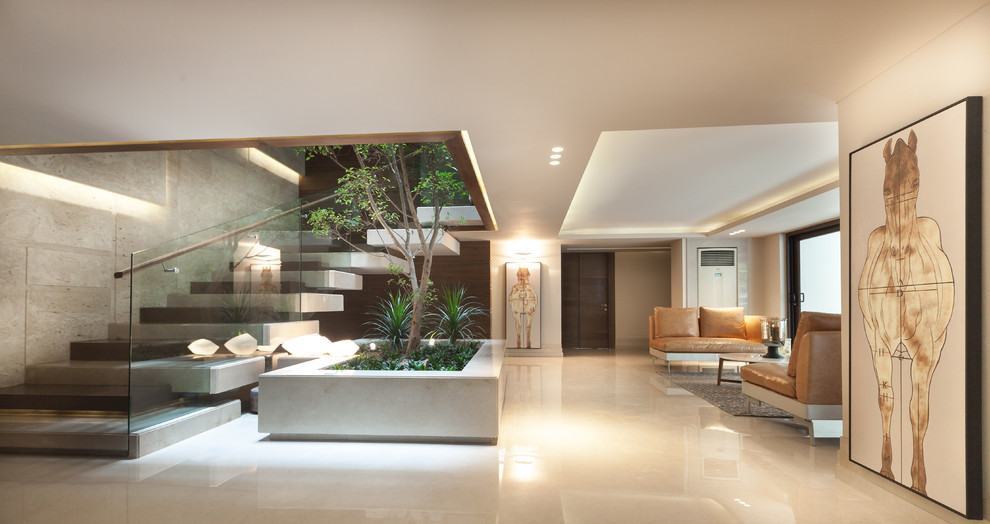
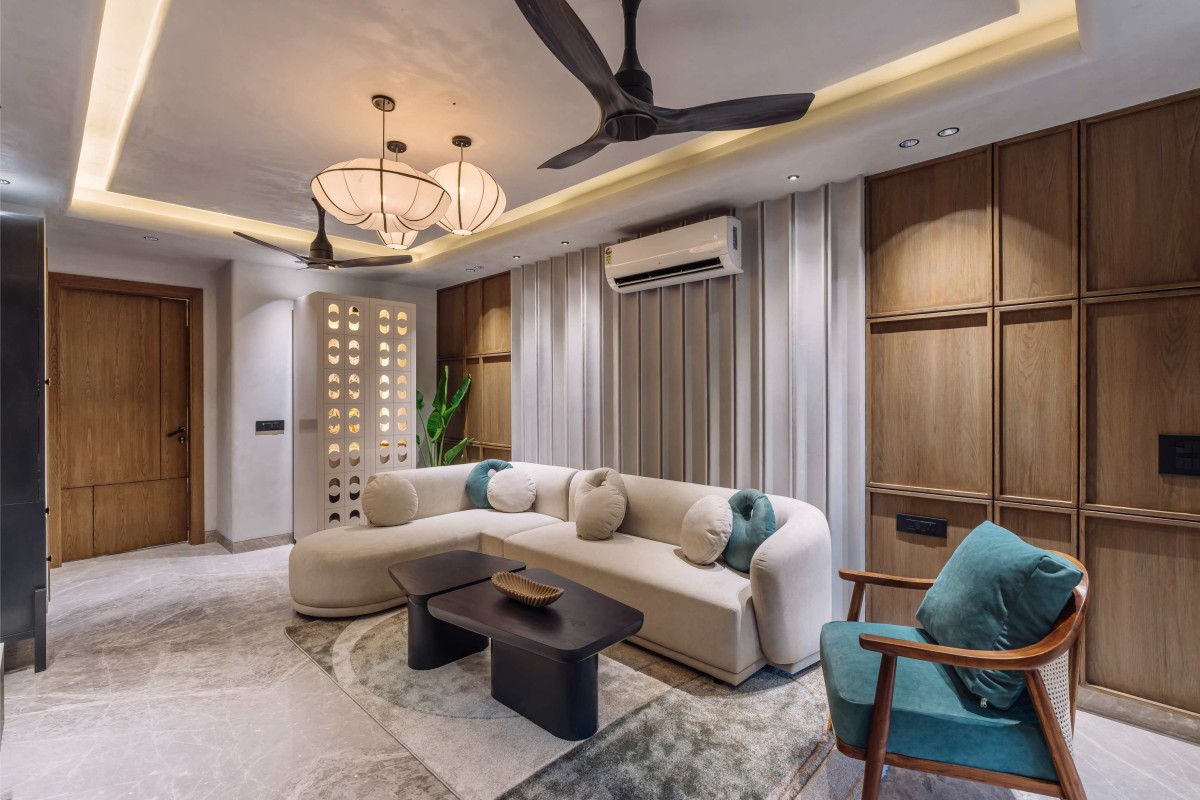
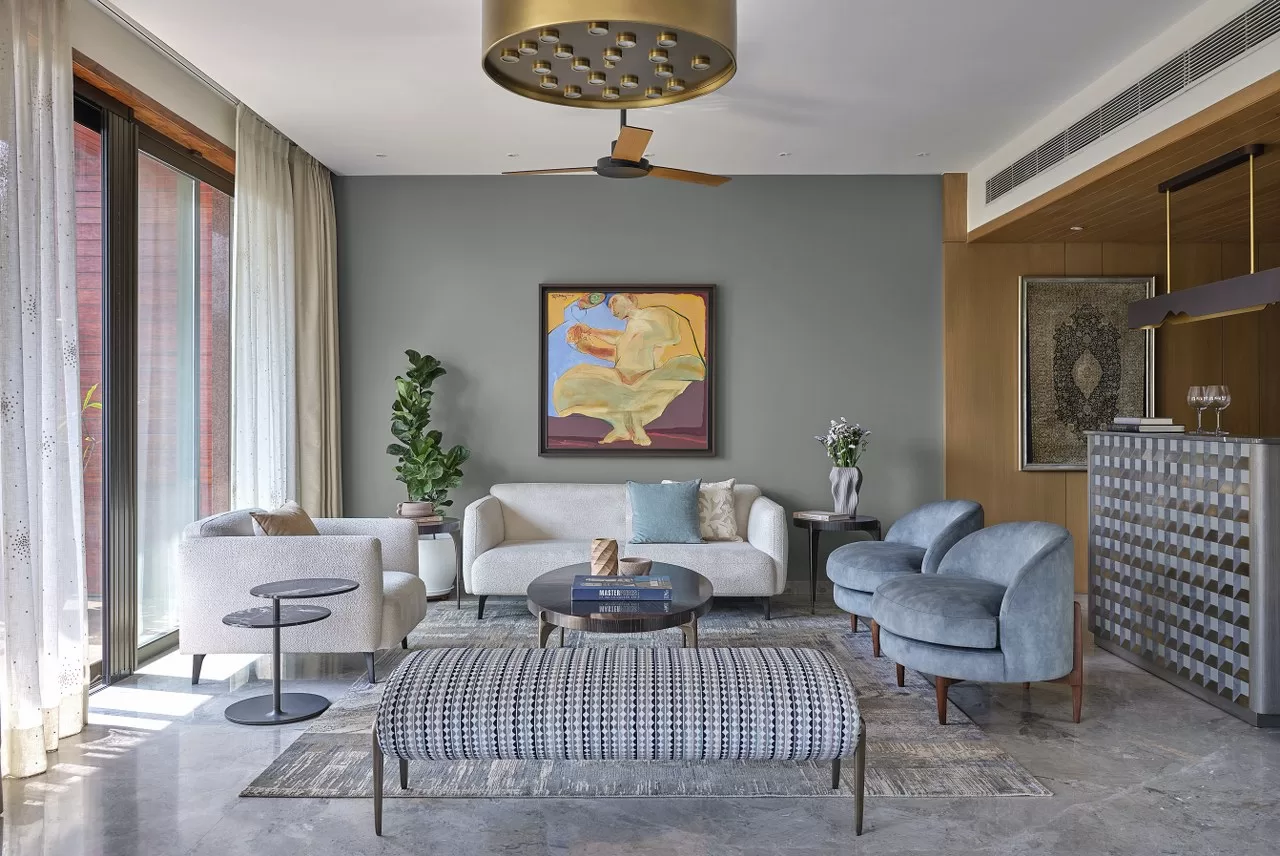
Exploring the Essence of Interior Architecture in Delhi NCR
Interior Architecture in Delhi NCR
Discover how thoughtful spatial planning, architectural detailing, materials, lighting and customized interiors can transform ordinary rooms into functional and distinctive spaces.
What Interior Architecture Brings Together
A successful interior is more than decoration. It connects the architecture of a space with everyday function and visual character.
- Spatial planning and circulation
- Architectural interior details
- Furniture and built-in planning
- Lighting and ceiling design
- Materials and surface finishes
- Storage and functional solutions
- Customized residential interiors
What Is Interior Architecture?
Interior architecture is concerned with how an interior space is organized, experienced and constructed. It considers the relationship between walls, openings, circulation, furniture, lighting, materials and the people who use the space.
Unlike an approach focused only on decoration, interior architecture considers the underlying structure and function of an interior. It can involve changes to spatial layouts, built-in elements, ceilings, partitions, storage, lighting and architectural details.
In Delhi NCR, where apartments, builder floors, villas and independent homes have very different layouts, this integrated approach can help create interiors that are both visually coherent and practical.

Architecture Meets Everyday Living
Good interior architecture connects the physical space with the lifestyle, needs and movement of the people who use it.
9 Essential Principles of Interior Architecture
These principles help transform a collection of rooms into a coordinated interior environment.

1. Space Planning
Organize rooms, furniture and circulation so that the available area works efficiently for everyday activities.

2. Functionality
Design decisions should support how residents cook, work, relax, entertain, sleep and store everyday belongings.

3. Proportion & Scale
Furniture, ceilings, lighting and architectural elements should relate naturally to the size and proportions of the room.

4. Natural & Artificial Light
Lighting can influence atmosphere, comfort, visibility and the perception of space.

5. Material Selection
Flooring, wall finishes, laminates, veneers, stone, glass and metal contribute to both performance and visual identity.

6. Built-In Elements
Customized wardrobes, cabinetry, TV units, shelving and other built-ins can maximize difficult or underused areas.

7. Ceiling & Vertical Design
Ceilings, partitions, wall treatments and vertical details can define zones and add architectural character.

8. Storage Integration
Good interior architecture incorporates storage without allowing cabinets and furniture to visually overwhelm the room.

9. Visual Cohesion
Colours, textures, materials and furniture should work together to create a consistent design language throughout the property.
Create Spaces That Look Better and Work Better
An attractive interior can still feel uncomfortable if furniture blocks circulation, storage is inadequate or lighting is poorly coordinated.
Interior architecture brings these considerations together before implementation, helping homeowners make more informed design decisions.
- Improved use of available floor area
- Better circulation between spaces
- More practical storage solutions
- Coordinated lighting and ceiling design
- Better relationship between furniture and architecture
- More consistent material selection
- Personalized interior character

How Interior Architecture Projects Are Planned
A structured process helps turn an initial idea into a coordinated interior environment.
Understand the Property
Review the existing floor plan, dimensions, openings, natural light, services and architectural constraints.
Understand the Lifestyle
Identify how residents use the property, including work, cooking, entertaining, storage and relaxation requirements.
Develop the Layout
Plan rooms, circulation, furniture, storage, partitions and other key spatial elements.
Develop the Design
Establish materials, colours, textures, ceilings, lighting and architectural details.
Visualize the Proposal
Use drawings and 3D visualizations where appropriate to communicate the intended result.
Coordinate Execution
Translate the approved design into materials, specifications, site work and finished interiors.
Interior Architecture for Different Spaces
Each area of a property has its own functional, spatial and architectural requirements.
Living Areas
Plan seating, circulation, entertainment, storage, lighting and focal points around the way the family uses the room.
Bedrooms
Integrate beds, wardrobes, bedside storage, lighting, materials and privacy into a comfortable residential environment.
Kitchens
Organize work zones, cabinetry, appliances, storage, lighting and finishes for efficient everyday use.
Home Offices
Create productive workspaces through ergonomic furniture, task lighting, storage and suitable spatial separation.
What Makes Interior Architecture Successful?
Start With Function
Understand what the occupants need from the space before selecting decorative elements.
Respect Existing Architecture
Work with structural features, windows, columns, ceiling heights and natural light rather than treating them as afterthoughts.
Design for Movement
Maintain comfortable circulation between furniture, doors, storage and functional zones.
Integrate Storage
Plan storage early so wardrobes, cabinets and shelving become part of the architecture.
Coordinate Services
Electrical points, lighting, plumbing and air-conditioning requirements should align with the interior layout.
Choose Durable Materials
Consider maintenance, daily use and longevity alongside appearance when selecting finishes.
Layer Lighting
Combine ambient, task and accent lighting to create adaptable environments.
Maintain Visual Consistency
Repeat selected materials, proportions, colours and details to create a unified home.
Interior Architecture Across Delhi, Gurgaon & Noida
Different property types across Delhi NCR call for different approaches to space, materials, storage and architectural detailing.
Delhi
Interior architecture for apartments, independent houses, builder floors and premium residences, with an emphasis on intelligent space utilization.
Gurgaon
Contemporary apartments and larger homes can benefit from integrated storage, modern materials, customized furniture and refined architectural detailing.
Noida
Residential planning can focus on efficient layouts, flexible furniture, storage and practical solutions for modern apartment living.
South Delhi
Independent homes can incorporate bespoke furniture, premium finishes, architectural details and highly personalized interiors.
Greater Noida
New properties can benefit from early interior planning that coordinates layouts, storage, lighting and finishes before execution.
Delhi NCR
A coordinated interior architecture approach can connect space planning, materials, furniture, lighting and execution requirements across the complete property.
Interior Architecture in Delhi NCR FAQ
What is interior architecture?
Interior architecture focuses on the planning and transformation of interior spaces, including spatial organization, circulation, architectural details, materials, lighting, functionality and the relationship between people and the built environment.
What does interior architecture in Delhi NCR include?
Interior architecture in Delhi NCR can include space planning, interior layouts, built-in elements, ceiling and lighting concepts, material selection, custom furniture, storage planning, architectural detailing and coordination with interior execution.
What is the difference between interior design and interior architecture?
Interior design generally emphasizes aesthetics, furnishings, colours, finishes and decoration, while interior architecture places greater emphasis on spatial organization, built elements, circulation, architectural detailing and how the interior functions as a whole. The two disciplines often overlap.
Can interior architects work on residential projects?
Yes. Interior architecture can be applied to apartments, villas, independent houses, builder floors and other residential properties to improve space planning, functionality, architectural details and overall interior character.
Do interior architecture services cover Gurgaon and Noida?
Interior architecture services can be provided across Delhi NCR, including Delhi, Gurgaon and Noida, depending on the professional’s project coverage and scope of work.
How much does interior architecture cost in Delhi NCR?
The cost varies according to property size, design scope, level of customization, materials, drawings, site visits and execution requirements. A project-specific proposal is more accurate than a single standard rate.
Plan a Better Interior From the Inside Out
Discuss your property, lifestyle, preferred aesthetic and design requirements with Interior A to Z to develop a coordinated interior architecture strategy for your Delhi NCR space.
Talk About Your Interior Architecture Project
Share your property type, location and design requirements to start the conversation.
Interior A to Z
Residential interior design and turnkey interior solutions for homeowners across Delhi, Gurgaon, Noida and Delhi NCR.
Services include space planning, customized interiors, 2D/3D design, modular kitchens, wardrobes, furniture, lighting and execution.
Contact Details
Phone: +91 9891050117
Email: info@interioratoz.com
Office: 53, Ground Floor, Khasra No. 308, A-1147, Block A1, Chhatarpur, New Delhi, Delhi 110074
Book Consultation
Interior Architecture
Interior architecture is more than just the aesthetics of spaces; it embodies a seamless blend of creativity and functionality. Particularly in bustling regions like Delhi NCR, interior architecture plays a significant role in defining the way we interact with our environments.
Key Principles of Interior Architecture
One of the fundamental principles of interior architecture is the ability to maximize space utilization while ensuring aesthetic appeal. In an urban area like Delhi NCR, where real estate is at a premium, effective interior design can transform both residential and commercial spaces. The focus is often on creating multi-functional areas that cater to the diverse needs of the inhabitants.
Modern Trends in Delhi NCR’s Interior Architecture
The interior architecture scene in Delhi NCR is constantly evolving. Current trends emphasize sustainability, with designers opting for eco-friendly materials and energy-efficient solutions. Additionally, there’s a noticeable shift towards minimalistic designs that prioritize open spaces, natural light, and a connection to nature. These modern approaches not only enhance the aesthetic value but also contribute to the well-being of the occupants.
Conclusion
In summary, the intricacies of interior architecture in Delhi NCR reflect a unique mix of tradition and innovation. As the region continues to grow, the emphasis on thoughtful interior design will undoubtedly shape the future of both residential and commercial spaces, making them more adaptable and inviting for all.
Exploring the Essence of Interior Architecture in Delhi NCR Read More »