Hospitality Interior Design: 7 Powerful Insights for Gurgaon, Noida & Delhi NCR
Design hospitality spaces that are memorable for guests and practical for the people who operate them. Explore seven practical insights covering experience, identity, planning, durability, cost and execution.
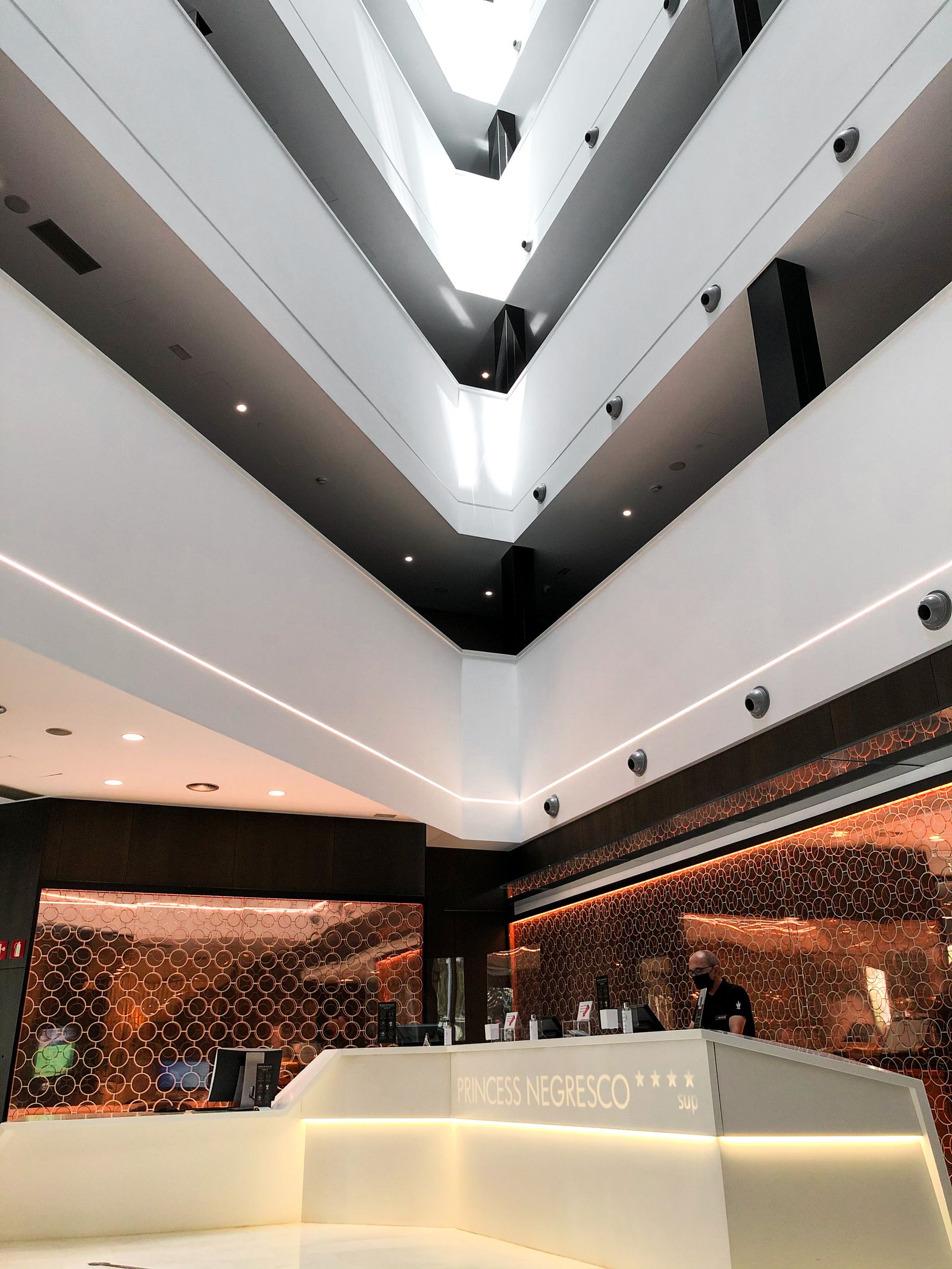
Hospitality design starts with the guest experience
Hospitality interior design sits at the intersection of aesthetics, comfort and operations. From luxury hotels in Gurgaon to modern cafés in Noida and restaurants across Delhi NCR, the interior needs to support both the customer journey and the business behind it.
The original article highlights hospitality interiors as a way to create memorable guest experiences while improving usability, comfort and brand identity. That means the design should consider more than decorative finishes: circulation, furniture, lighting, materials, service movement and maintenance all matter.
7 powerful hospitality interior design insights
Design for guest comfort
Plan seating, movement, lighting, acoustics and visual comfort around how guests actually use the property. The goal is a space that feels intuitive rather than merely attractive.
Build a recognisable brand environment
Colours, materials, furniture, lighting and decorative elements should work together to communicate the personality of the hotel, restaurant, café or resort.
Balance beauty with operations
Guest circulation and staff movement need to coexist. A strong plan supports service efficiency, seating, storage, access and day-to-day operation.
Choose hospitality-specific experience
Review relevant hotel, restaurant, café or resort projects rather than judging a designer only by residential work. Hospitality has different durability and operational demands.
Select materials for real use
High-traffic hospitality environments need finishes and furniture that can handle frequent use, cleaning and maintenance without losing their visual character.
Plan the budget around scope
Property type, floor area, materials, custom furniture, fabrication, lighting, civil work and design complexity can all change the final project cost.
Coordinate design through handover
Timelines, procurement, fabrication, site coordination and finishing need to connect back to the approved design so the final space reflects the intended concept.
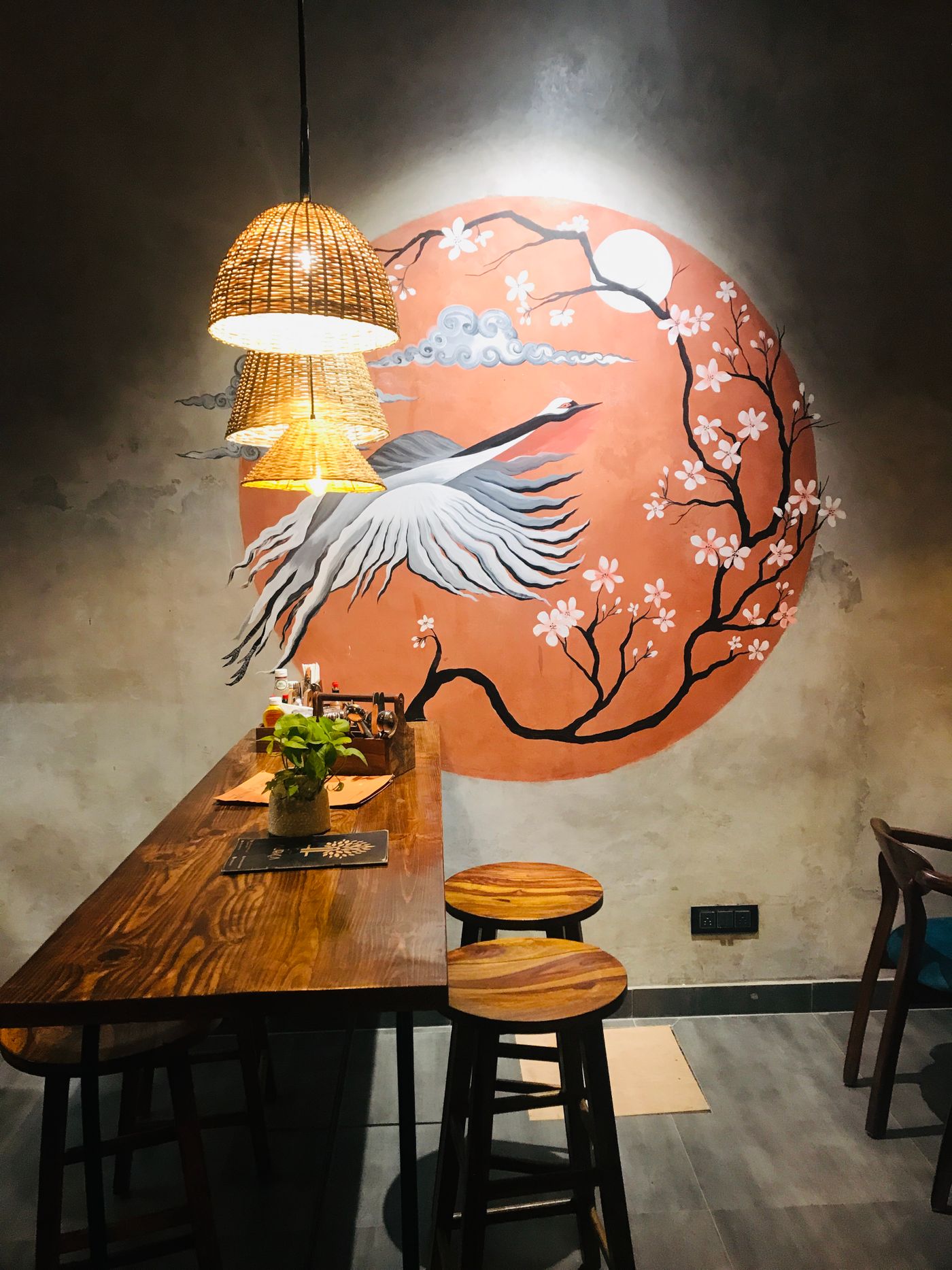
Hospitality interiors influence the whole business environment
A well-considered interior can strengthen brand presentation, improve guest comfort, make better use of available space and create a more coherent customer journey.
What to check before hiring a hospitality interior designer
Hospitality experience
Look for evidence of work across restaurants, hotels, cafés, resorts or other hospitality environments.
Style compatibility
Review whether the designer’s visual language can support the concept and positioning you want for the property.
Local expertise
Familiarity with Delhi NCR vendors and execution conditions can help with material sourcing and project coordination.
Budget clarity
Ask for clear scope, material assumptions, execution responsibilities and exclusions so the proposal can be understood before work starts.
Operational knowledge
The design should account for guest movement as well as staff, service, storage and maintenance requirements.
Timeline discipline
Hospitality openings often work to commercial deadlines, so design development, procurement and execution should be coordinated early.
Benefits of working with hospitality interior designers
Stronger brand identity
Interior elements can create a consistent visual language from arrival to dining, accommodation and guest touchpoints.
Better guest experience
Comfortable layouts, appropriate lighting and intuitive movement can make the space easier and more pleasant to use.
Optimised operations
Planning can consider customer flow, staff movement, storage and service routes before construction decisions become expensive.
Fewer design mistakes
Early planning helps coordinate furniture, materials, lighting and functional requirements before procurement and execution.
Market differentiation
A distinctive interior concept can help a hospitality brand create a recognisable environment and customer experience.
Better material decisions
Hospitality-specific use patterns make durability, cleaning and maintenance important parts of the material conversation.
Hospitality design across Gurgaon, Noida and Delhi
The original guide highlights Gurgaon, Noida and Delhi NCR as active hospitality markets where hotels, restaurants, cafés and resorts need interiors that combine visual appeal with practical operation.
Gurgaon / Gurugram
Plan contemporary hospitality environments around guest flow, seating, ambience, brand identity and commercial operating requirements.
Noida & Greater Noida
Balance customer experience with efficient layouts, 3D visualisation, furniture, lighting, materials and execution coordination.
Delhi & South Delhi
Adapt hospitality interiors to the property, customer profile, available area and desired design character.
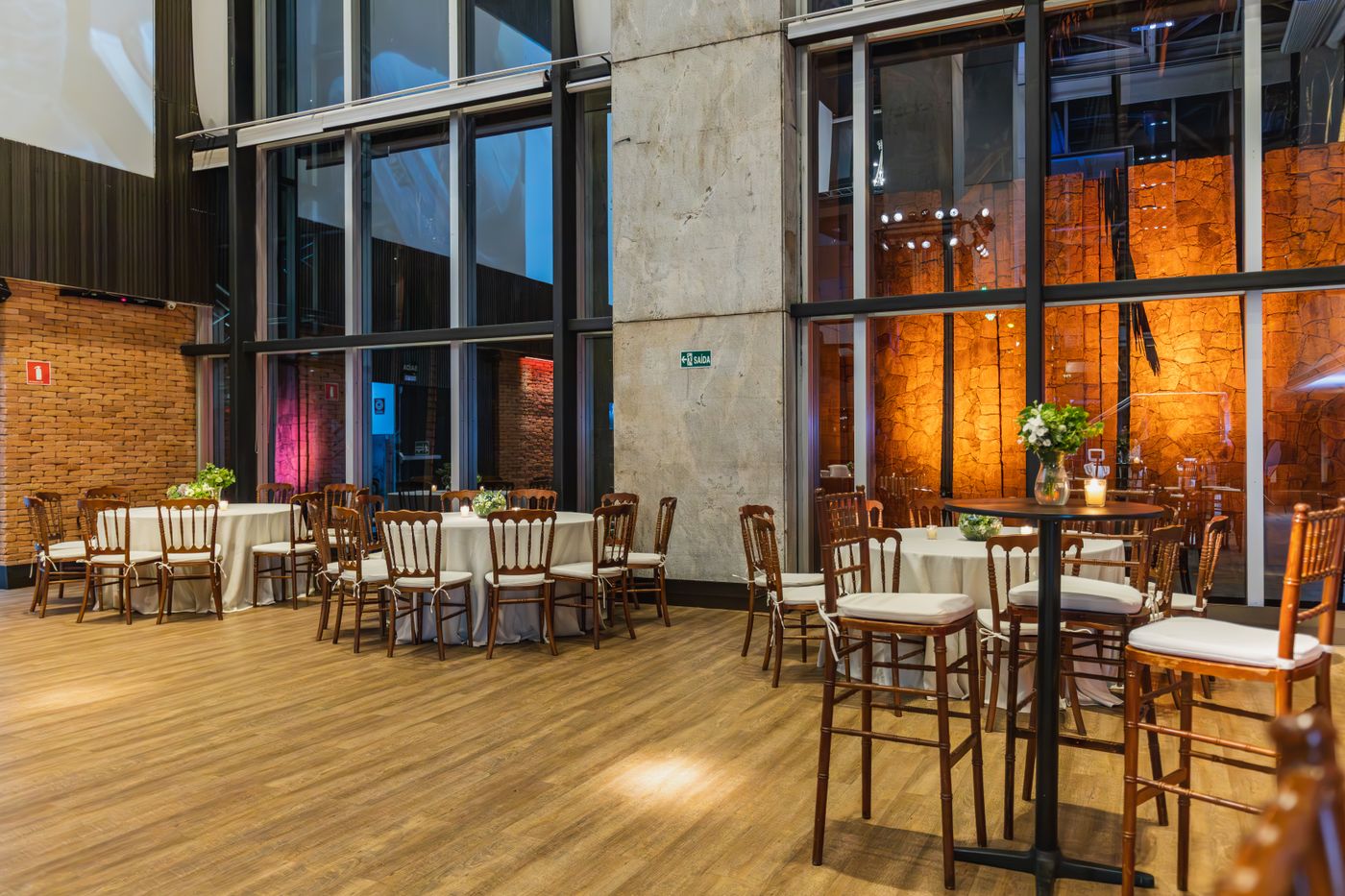
Hospitality interior design cost in Delhi NCR
The source article gives an indicative hospitality interior design range of INR 2,000–4,500 per sq. ft. It also notes that the final figure depends on the property type, materials, custom furniture, design complexity and local labour/vendor conditions.
| Cost driver | Why it changes the budget |
|---|---|
| Property type | Hotels, restaurants, cafés and resorts have different operational and fit-out requirements. |
| Materials | Budget, premium and sustainable specifications affect both appearance and project cost. |
| Custom furniture | Bespoke seating, counters, tables, wardrobes and decorative fabrication add scope. |
| Design complexity | Minimal concepts generally require different detailing than highly themed or luxury environments. |
| Labour & vendors | Local availability, fabrication requirements and site conditions affect execution cost. |
Indicative planning information from the source article, not a fixed quotation. A project-specific proposal should define scope, materials, labour, taxes, approvals, procurement, installation, exclusions and timeline.
Five practical priorities before starting a hospitality project
Define the design goal
Decide whether the property should feel luxury, casual, modern, traditional, themed or another clearly defined direction.
Set the budget early
Establish a realistic project envelope before finalising materials, furniture and decorative detailing.
Prioritise durability
Choose finishes and furniture for the actual intensity of hospitality use, cleaning and maintenance.
Use sustainable materials thoughtfully
Where appropriate, incorporate eco-conscious materials without compromising performance or the operating needs of the property.
Connect aesthetics to operations
Make sure guest-facing design decisions work with service, storage, kitchen interfaces, staff circulation and maintenance.
Hospitality interior design trends for Gurgaon, Noida & Delhi NCR
Open layouts & natural light
Open planning and natural light can make hospitality environments feel more welcoming while supporting visual connectivity.
Smart technology
Technology and smart controls can be integrated into lighting, guest environments and operational systems where appropriate.
Sustainable interiors
Eco-conscious materials and durable specifications can support longer-term performance and responsible design goals.
Local cultural influences
Materials, artwork, colour and detailing can give a property a sense of place while remaining consistent with the brand.
Minimalist luxury
Neutral palettes, restrained detailing and tactile materials can create a premium atmosphere without excessive visual clutter.
Flexible hospitality spaces
Adaptable seating and multifunctional areas can help spaces serve different customer needs throughout the day.
Explore specialised hospitality interior design
Hospitality interior design FAQs
Why is hospitality interior design important in Delhi NCR?
It influences guest comfort, brand identity, functional space planning, operational efficiency and the overall atmosphere of hotels, restaurants, cafés and resorts.
What should I check before hiring a hospitality interior designer?
Review hospitality experience, relevant portfolio work, style compatibility, local expertise, budget clarity, timelines, materials and operational understanding.
How much does hospitality interior design cost in Delhi NCR?
The source article gives an indicative range of INR 2,000–4,500 per sq. ft. Actual project costs vary with property type, specification, custom work and execution scope.
What hospitality spaces can Interior A to Z design?
Hospitality projects can include hotels, restaurants, cafés, resorts, lounges and other commercial hospitality environments, depending on the agreed project brief.
Can hospitality interiors include 3D design?
3D visualisation can help communicate layouts, materials, lighting and the intended visual direction before execution, subject to the project scope.
How do I start a hospitality interior design project?
Share the property location, hospitality type, approximate area, room or seating requirements, preferred style, budget and timeline so the design scope can be discussed.
Planning a hotel, restaurant, café or resort interior?
Share the property details, floor plan, concept and project requirements. Interior A to Z can discuss a hospitality design approach around guest experience, functionality, visual identity and execution.
Request a Consultation Call +91 98910 50117