Interior Hardware Guide
11 essential hardware choices for kitchens, wardrobes, cabinets and furniture — with practical guidance on function, load, dimensions, compatibility, finish and installation.
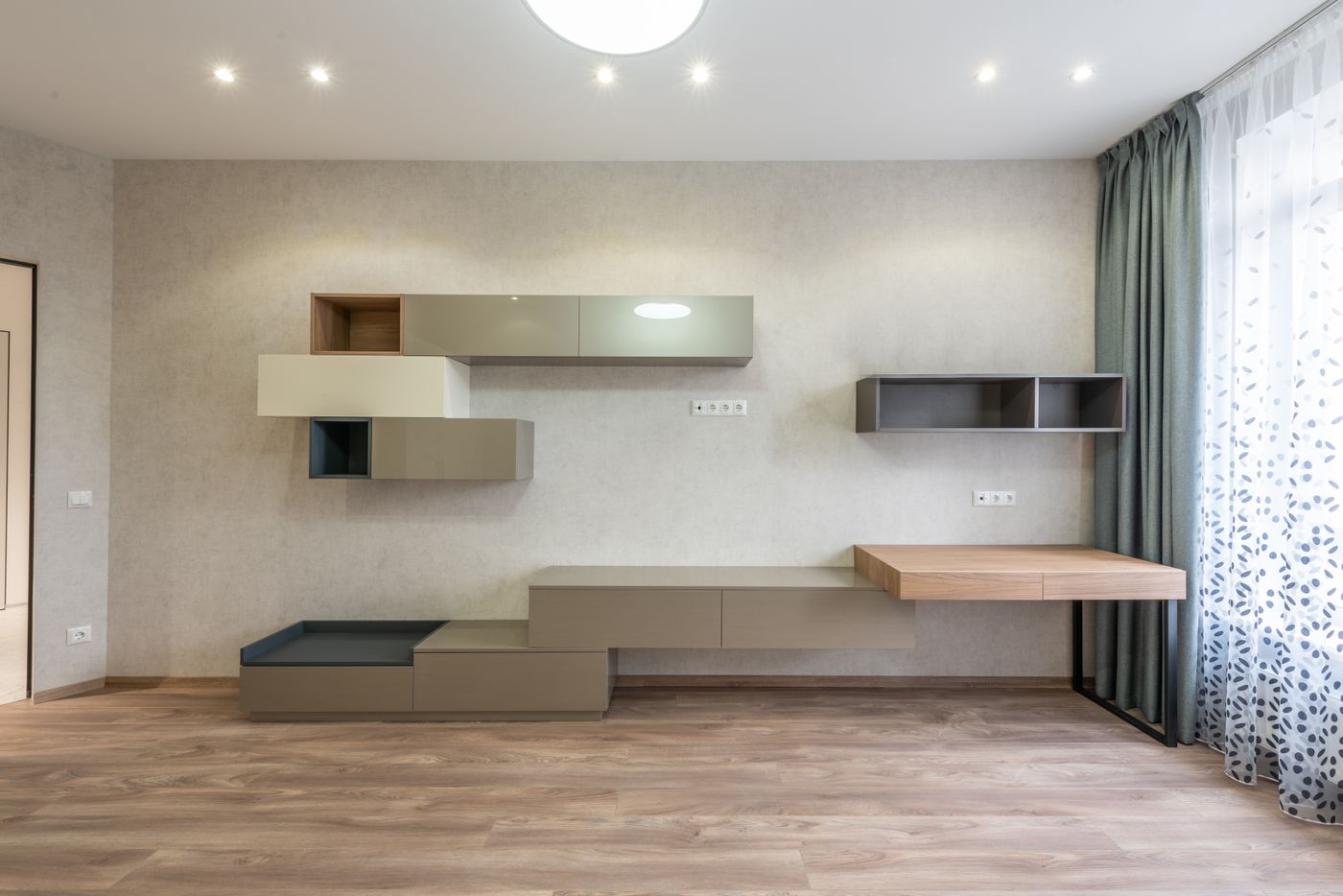
Good interior hardware is more than a finishing detail. Hinges, drawer systems, handles, lift-up mechanisms, baskets and organizers determine how furniture opens, closes, stores and performs every day.
Kitchen Hardware
Hinges, drawer runners, baskets, lift-up systems, corner solutions, organizers and handles selected around cabinet geometry and everyday use.
Wardrobe Hardware
Hinges, drawers, hanging rods, pull-outs, shoe storage, baskets and accessories planned around clothing and storage requirements.
Furniture Hardware
Hinges, handles, drawer systems, connectors, supports and fittings for beds, TV units, cabinets and custom furniture.
What Is Interior Hardware?
Interior hardware refers to the functional fittings and accessories installed in furniture and cabinetry. These components allow doors, drawers and storage systems to operate correctly and can improve organization and everyday convenience.
Hardware should be planned early
Hardware is not something to leave until the final installation stage. Door size, drawer width, cabinet depth, expected load, opening clearance and storage requirements can all affect the appropriate fitting.
Hardware is part of the furniture system
Board material, dimensions, construction, hardware, finish and installation work together. A good fitting cannot compensate for an unsuitable cabinet design or poor installation.
Decide what the storage needs to do first. Then select hardware that supports the required cabinet size, load and movement.

11 Essential Types of Interior Hardware
The following hardware categories cover many of the fittings used in modular kitchens, wardrobes, cabinets and custom furniture.
Cabinet Hinges
Connect cabinet doors to the cabinet body and influence opening angle, alignment and closing behaviour. Common in kitchens, wardrobes and cabinets.
Soft-Close Hinges
Use a damping mechanism to control the final closing movement for smoother operation and reduced impact.
Drawer Channels
Guide and support drawers. Selection should account for drawer width, depth, load, construction and frequency of use.
Soft-Close Drawer Systems
Add controlled closing action to drawers and can improve the feel of frequently used storage.
Cabinet Handles
Handles are functional and decorative. Size, position, grip, material and finish affect both usability and furniture design.
Lift-Up Mechanisms
Allow selected overhead cabinet doors to open upward rather than swinging sideways. Useful where opening clearance matters.
Kitchen Baskets
Pull-out baskets can make bottles, pantry items and other stored products easier to access.
Corner Storage Hardware
Corner mechanisms can improve access to difficult-to-reach areas in L-shaped and other kitchen layouts.
Wardrobe Accessories
Pull-down hanging systems, trouser racks, shoe storage, baskets and other accessories can improve wardrobe organization.
Furniture Connectors
Connectors and joining hardware are used to assemble furniture components and create suitable structural connections.
Support & Mounting Hardware
Brackets, supports and mounting fittings can be used for shelves, cabinets, panels and selected furniture installations.
Kitchen Hardware Guide
Modular kitchens contain many moving parts, so hardware selection should be considered during cabinet planning rather than added at the end.
| Kitchen Component | Typical Hardware | Important Considerations |
|---|---|---|
| Base cabinet doors | Hinges | Door weight, opening angle, alignment and closing action |
| Drawers | Drawer runners or drawer systems | Width, depth, load and frequency of use |
| Overhead cabinets | Hinges or lift-up mechanisms | Door size, weight and opening clearance |
| Corner cabinets | Corner storage mechanisms | Cabinet geometry, access and usable storage |
| Pantry | Pull-out systems or baskets | Storage load, width and access requirements |
| Handles | Knobs, pulls or integrated profiles | Grip, size, placement and overall kitchen style |
Wardrobe Hardware Guide
Wardrobe hardware has a direct effect on storage capacity and convenience. A well-planned internal layout can make the same wardrobe considerably easier to use.
Hanging rods
Useful for shirts, dresses, jackets and other hanging garments. Placement should follow the user’s clothing requirements.
Pull-down systems
Can make higher hanging sections more accessible where the selected mechanism is appropriate for the wardrobe layout.
Trouser racks & shoe storage
Pull-out trouser storage and dedicated shoe fittings can improve organization in suitable wardrobe compartments.
Drawer systems & internal baskets
Useful for smaller clothing, accessories, linens and flexible storage categories depending on wardrobe configuration.
Soft-Close Hardware: Is It Worth It?
Soft-close technology is popular because it changes the way cabinets and drawers operate. Instead of stopping abruptly, the mechanism controls the final part of the closing movement.
Hardware and Board Material Must Work Together
Hardware cannot be selected independently of furniture construction. Hinges, drawer runners and other fittings need a suitable substrate, correct fixing and appropriate support.
Plywood
A versatile board material commonly used in cabinetry and furniture where structural strength and durability are important. Hardware should still match thickness and construction.
Blockboard
Can be suitable for selected furniture components. Fixing details should account for board construction and component design.
Laminate Finish
The decorative surface affects appearance, but hardware is ultimately installed into the furniture construction beneath it.
8 Smart Tips for Choosing Interior Hardware
7 Common Interior Hardware Mistakes
Choosing Only by Appearance
Attractive hardware is not necessarily appropriate for the required load or movement.
Ignoring Cabinet Dimensions
Hardware should be compatible with the actual door, drawer and cabinet dimensions.
Using Low-Quality Fittings Everywhere
High-use components deserve particular attention to hardware quality and compatibility.
Forgetting Future Maintenance
Hardware should remain reasonably accessible for adjustment or replacement when required.
Overloading Drawers
Drawer systems should not be loaded beyond their intended specifications.
Ignoring Handle Ergonomics
Handle size, projection and placement affect daily usability.
Leaving Hardware Until the End
Hardware should be considered during cabinet and storage planning, not only during final installation.
Hardware Specification Checklist
Before approving an interior project, create a hardware schedule so the final installation is based on clear specifications rather than assumptions.
| Hardware | Specification to Record |
|---|---|
| Hinges | Type, opening requirement, quantity, compatibility and closing mechanism |
| Drawer systems | Type, dimensions, load requirement and closing mechanism |
| Handles | Style, size, finish and installation position |
| Lift-up hardware | Cabinet dimensions, door weight and mechanism specification |
| Pull-out baskets | Cabinet width, depth, basket type and intended storage |
| Wardrobe accessories | Accessory type, dimensions, location and expected use |

Hardware Selection at Interior A to Z
Interior A to Z is led by Naimuddin Saifi, Founder and Interior Designer, with 15+ years of experience creating residential and commercial interiors across Gurgaon, Noida and Delhi NCR. Hardware is considered as part of the complete furniture system: board material, dimensions, storage requirements, finish, functionality, installation and budget all influence the final choice.
Interior Hardware for Homes in Gurgaon, Noida & Delhi NCR
Hardware selection becomes especially important when planning complete home interiors because kitchens, wardrobes and custom furniture may require different systems within the same project.
Gurgaon Interior Projects
Kitchen hardware, wardrobe fittings and custom furniture hardware can be coordinated with apartment, villa and residential interior requirements across Gurgaon.
Interior Design Services in Gurgaon →Noida Interior Projects
Hardware selection can be integrated with modular kitchens, wardrobes, storage and custom furniture for residential interiors in Noida.
Interior Design Services in Noida →Complete Home Interiors
For complete interiors, hardware can be coordinated with materials, storage planning, furniture, finishes and execution requirements.
Home Interior Design Delhi NCR →Continue the Interior A to Z Materials Guide
Frequently Asked Questions About Interior Hardware
What is interior hardware?
Interior hardware includes functional and decorative components used in kitchens, wardrobes, cabinets and furniture, including hinges, drawer systems, handles, lift-up mechanisms, baskets, wardrobe accessories and related fittings.
What hardware is best for modular kitchens?
The appropriate kitchen hardware depends on cabinet size, door weight, drawer load, frequency of use and budget. Common systems include hinges, drawer runners, lift-up fittings, baskets, handles and organizers.
Are soft-close hinges worth it?
Soft-close hinges can improve everyday usability by slowing the closing action and reducing impact. Whether they are worth the additional cost depends on the project specification and budget.
What hardware is used in wardrobes?
Wardrobe hardware can include hinges, drawer runners, handles, hanging rods, pull-out accessories, baskets, shoe storage, trouser racks and other internal organization systems.
Does hardware affect the life of furniture?
Yes. Appropriate hardware, correct sizing and proper installation can contribute to reliable furniture operation. The board material, construction and workmanship are also important.
Which is more important: hardware or plywood?
Both are important, but they perform different roles. The board forms the furniture structure while hardware controls movement, storage access and functionality. A good interior specification considers both.
Should all kitchen drawers have the same hardware?
Not necessarily. Drawer width, depth, load and intended use can vary, so hardware should be selected according to each drawer’s requirements.
How do I choose wardrobe accessories?
Start with the clothes and accessories that need to be stored. Then plan hanging, folded, footwear and accessory zones and select hardware that improves access without unnecessarily reducing usable storage.
Need Help Choosing Interior Hardware?
Planning a modular kitchen, wardrobe, complete home interior or custom furniture? Hardware should be selected alongside the furniture design, material specification and storage requirements.