Make every square foot work beautifully.
Thoughtful space planning creates better circulation, smarter storage and more comfortable rooms—before furniture, finishes and execution begin.
Good interiors begin with a good layout.
Space planning is the process of organizing rooms, furniture, storage, circulation and functional zones so that a home works efficiently and feels comfortable.
Door and window positions, furniture dimensions, movement paths, storage needs, electrical points, lighting and lifestyle all influence the final layout. Whether you are designing a new home or renovating an existing space, thoughtful planning helps you use available space more effectively.
- Measure the space before buying furniture.
- Establish circulation and functional zones first.
- Plan storage around actual room dimensions.
- Coordinate furniture with doors, windows and services.
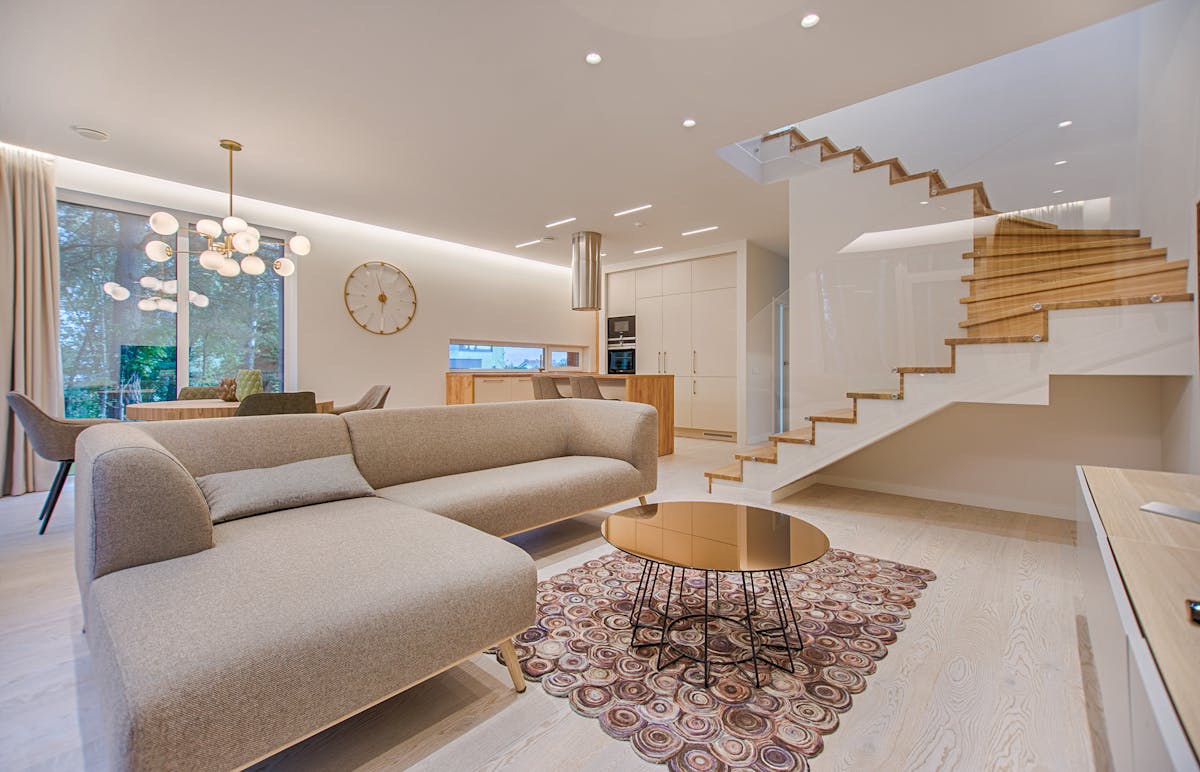
A layout should improve everyday life.
Better Room Flow
Plan comfortable movement between furniture, doors, windows and different areas of the home.
Maximum Space Use
Make awkward corners, walls and underused areas more useful without overcrowding.
Smarter Storage
Plan wardrobes, cabinets and shelves around actual dimensions and daily requirements.
Improved Function
Design each zone around how it will really be used for cooking, working, studying or relaxing.
Better Furniture
Use accurate dimensions to avoid oversized, undersized or poorly positioned furniture.
Cleaner Design
A balanced layout creates visual order and helps the finished interior feel cohesive.
Professional space planning services
Space planning can be part of a complete interior project or used to improve an existing home’s furniture and room layout.
- Furniture layout planning
- Room zoning for open and multifunctional spaces
- Wardrobe, cabinet and storage planning
- Kitchen workflow and appliance planning
- Bedroom and living room layouts
- Home office planning
- Lighting and electrical coordination
- Renovation space planning
- Circulation and movement planning
- Coordination with architectural conditions
Planning priorities change with every room.
Living Room
Seating, circulation, TV placement, storage and visual balance.
Bedroom
Bed position, privacy, wardrobes, side tables and comfortable movement.
Kitchen
Workflow, counter space, storage, appliances and movement.
Dining Area
Table access, chair clearance, circulation and supporting storage.
Home Office
Desk position, ergonomics, lighting, concentration and storage.
Entryway
Movement, shoe storage, console space and everyday organization.
Make a compact home feel considered, not crowded.
Small homes need careful attention to furniture scale, storage, circulation and multifunctional zones.
- Create clearly defined functional zones.
- Establish comfortable circulation between rooms.
- Scale furniture according to room dimensions.
- Use rugs, lighting and furniture groups to organize open areas.
- Plan storage without making the room visually heavy.
- Coordinate furniture with windows, doors and architectural features.
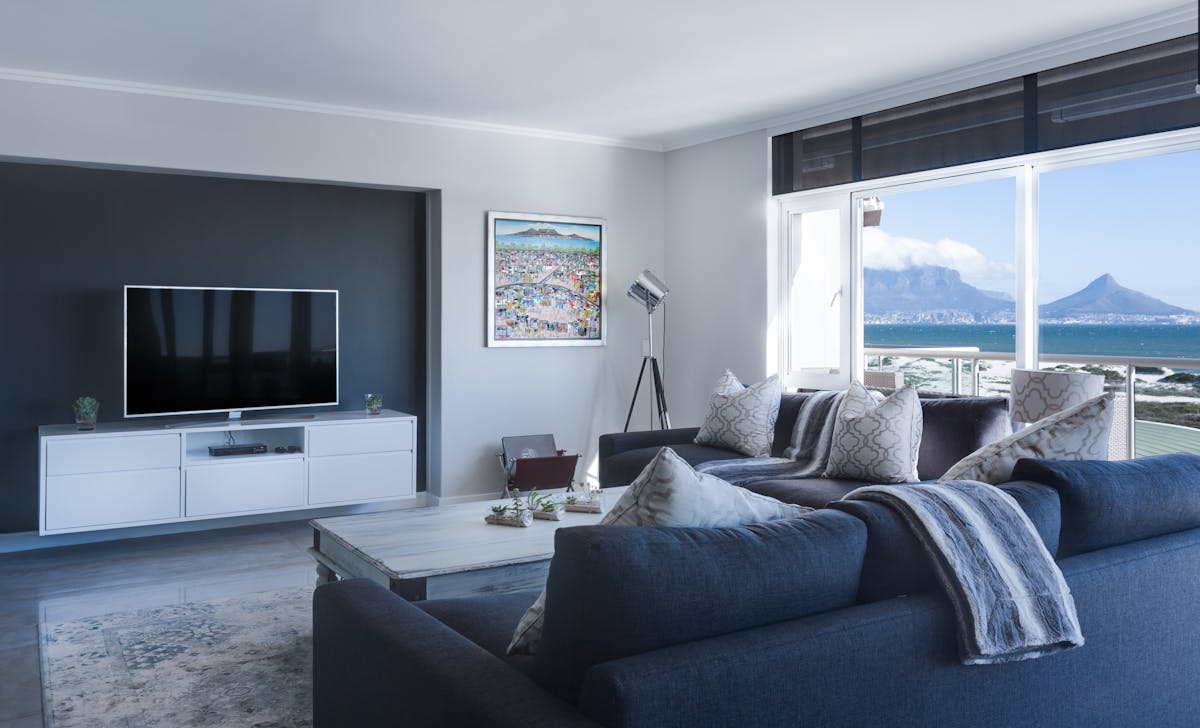
What a space plan considers.
| Element | Planning focus | Typical decisions |
|---|---|---|
| Furniture | Scale, position and clearance | Sofa, bed, dining table, desk, storage |
| Circulation | Movement and access | Walkways, door swings, room connections |
| Storage | Capacity and location | Wardrobes, cabinets, shelves and utility storage |
| Services | Coordination with the layout | Electrical, lighting, plumbing and AC requirements |
| Lifestyle | How the home is actually used | Work, study, cooking, relaxing, entertaining |
From measurements to a workable layout.
Measure the Space
Record room dimensions, doors, windows, columns, niches and relevant architectural conditions.
Understand Requirements
Identify room use, storage requirements and activities that need dedicated space.
Develop Layouts
Explore furniture positions, circulation paths and functional zones before finalizing.
Coordinate Services
Align the layout with electrical, lighting, plumbing, AC and other relevant requirements.
Space planning for homes across Delhi, Gurgaon & Noida.
Delhi
Planning for apartments, builder floors, independent homes and other residential properties.
Gurgaon / Gurugram
Layouts for apartments, high-rise homes, builder floors, villas and modern residences.
Noida & Greater Noida
Practical planning for apartments and homes with coordinated furniture, storage and room functions.
Other Delhi NCR locations include Faridabad, Ghaziabad and nearby areas, subject to project requirements.
Home space planning checklist.
- Measure every room accurately.
- Record doors, windows and architectural obstacles.
- Identify the primary purpose of each room.
- List required furniture and storage.
- Plan comfortable circulation paths.
- Consider natural light and ventilation.
- Coordinate electrical and lighting points.
- Consider AC and other service requirements.
- Choose furniture according to room scale.
- Plan storage before decorative elements.
- Consider future changes in family requirements.
Space planning FAQs
What is space planning in interior design?
Space planning is the process of arranging rooms, furniture, storage, circulation and functional zones so that an interior works efficiently and feels comfortable.
Why is space planning important for small homes?
Small homes have limited floor area, so furniture size, storage, circulation and multifunctional zones need to be carefully planned to avoid overcrowding.
Can space planning be done for an existing home?
Yes. Existing homes can be replanned by reviewing furniture placement, storage, circulation, room functions and available architectural space.
What does a space planning service include?
Depending on the project, space planning can include measurements, furniture layouts, room zoning, storage planning, circulation, lighting coordination and service planning.
Can space planning reduce renovation costs?
Good planning can help reduce avoidable changes by identifying furniture, storage, electrical and layout requirements before renovation work begins. It does not automatically reduce every project’s construction cost.
Do you provide space planning in Gurgaon and Noida?
Interior A to Z provides residential interior design and space planning solutions across Delhi NCR, including Gurgaon and Noida.
Is space planning included in interior design?
Space planning is commonly an important part of interior design. It establishes the functional layout before materials, furniture details, lighting and decorative elements are finalized.
Plan your home before you buy, build or renovate.
Share your floor plan, room dimensions and requirements with Interior A to Z. Get practical space planning for apartments, builder floors, houses and villas in Delhi NCR, Gurgaon or Noida.
Get a Space Planning Consultation