The Opulence of Healthcare: Exploring Luxury Clinic Interiors in Gurgaon
Introduction to Luxury Clinics
Luxury clinics represent an innovative convergence of medical care and high-end environments, designed to provide patients with a unique blend of comfort, exclusivity, and superior healthcare services. These establishments are strategically developed to cater to an upscale clientele that prioritizes not just the quality of medical intervention but also the overall experience associated with receiving healthcare. In urban areas like Gurgaon, the emergence of luxury clinics aligns with the increasing expectations of affluent consumers who demand a level of service that mirrors other high-end sectors.
The demand for luxury clinics has significantly grown in recent years, driven by several socioeconomic factors. As urban populations expand and disposable incomes rise, more individuals are seeking personalized healthcare solutions that go beyond standard practices. Clients frequent these clinics not only for advanced medical technologies and specialized treatments but also for the tranquil environment that promotes relaxation and healing. Luxury clinics often feature plush interiors, serene waiting areas, and attentive staff, thus elevating the standard of care and patient satisfaction.
Moreover, luxury clinics in Gurgaon are designed to eliminate the stress commonly associated with traditional hospital visits. Elements such as private consultation rooms, customized care plans, and concierge services contribute to a holistic approach to health, focusing on patients’ emotional and psychological well-being alongside their physical health. This shift in patient expectation reflects a broader trend where individuals seek more than just treatment; they seek an experience that acknowledges their status and individual needs.
In conclusion, luxury clinics are redefining healthcare in metropolitan settings like Gurgaon by marrying medical expertise with an indulgent environment. As this niche market continues to expand, it is likely to influence the future landscape of health services, as providers strive to meet the sophisticated demands of a growing affluent clientele.
Key Features of Luxury Clinic Interiors
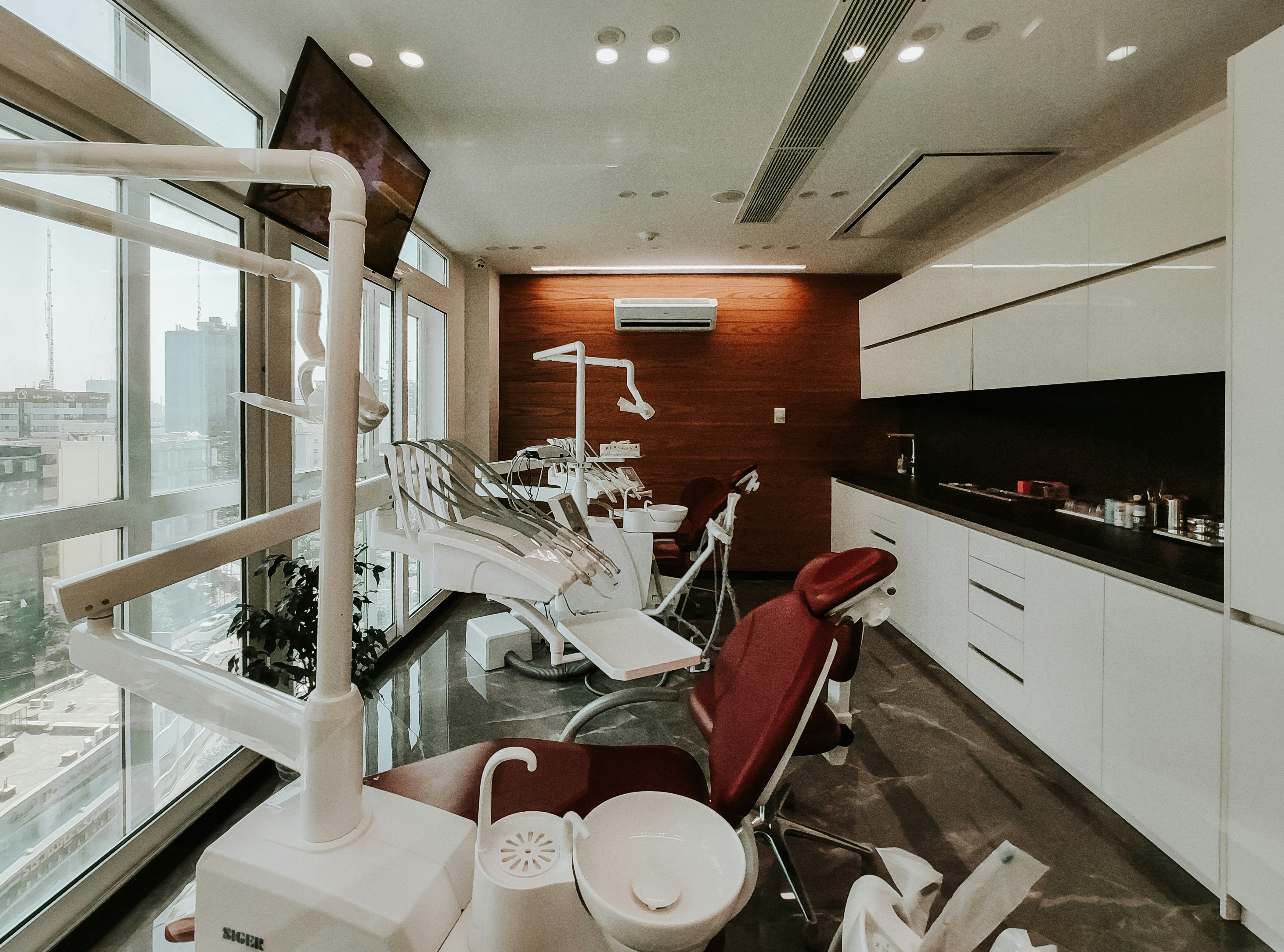
Luxury clinic interiors are designed with a focus on providing an upscale experience for patients, blending functionality with sophisticated aesthetics. One of the primary elements in these spaces is the spacious layout, which helps to eliminate any feelings of crowding and promotes a more relaxed atmosphere. This design approach not only ensures comfort but also allows for efficient flow of movement within the clinic, enhancing both patient and staff experiences.
Furthermore, the use of high-quality materials is a defining feature of luxury clinics. From plush seating to premium flooring options, the materials selected are often both durable and visually appealing. For instance, natural stone finishes, hardwood floors, and soft textiles not only elevate the ambience but also contribute to a sense of warmth and personal care. The incorporation of carefully chosen furnishings plays a key role in creating an inviting environment, which is essential for patient satisfaction.
Advanced technology is another hallmark of luxury clinic interiors. Modern clinics are equipped with state-of-the-art medical equipment that is seamlessly integrated into the design, ensuring both functionality and aesthetic appeal. This may include interactive displays, advanced diagnostic tools, and advanced lighting solutions that adjust to enhance the overall patient experience. Such technology not only improves treatment outcomes but also instills confidence in patients regarding the quality of care they will receive.
Lastly, modern design aesthetics contribute significantly to the overall environment of luxury clinics. Clean lines, contemporary art, and innovative layouts converge to create a serene and upscale atmosphere. The thoughtful incorporation of natural light through large windows or skylights further enhances this experience, aiming to reduce the anxiety often associated with medical visits. In essence, these key features work in unison to foster an environment that prioritizes patient comfort while conveying the utmost professionalism and luxury.
Design Trends in Gurgaon’s Luxury Clinics
The design landscape of luxury clinics in Gurgaon has experienced a significant transformation over recent years, reflecting the evolving approaches to patient care and wellness. One of the most prominent trends is the embrace of minimalist decor. This design philosophy prioritizes simplicity and functionality, creating therapeutic spaces devoid of visual clutter. By focusing on clean lines, neutral color palettes, and intelligent use of space, these clinics aim to foster a calming atmosphere that promotes patient relaxation and comfort.
Another essential trend is the integration of biophilic design elements, which emphasize the connection between humans and nature. This approach incorporates natural materials, greenery, and ample natural light into clinic interiors. The use of large windows, living walls, and indoor plants not only enhances aesthetic appeal but also contributes to improved mental well-being, reducing patient anxiety and creating a more serene environment. Such design choices resonate with a growing awareness of the benefits of nature on health and recovery.
Sustainability in design is also gaining traction among luxury clinics in Gurgaon. The use of eco-friendly materials, energy-efficient systems, and sustainable building practices reflects a commitment not only to patient care but also to environmental responsibility. From recycled materials to energy-saving technologies, these clinics aim to demonstrate that opulence does not have to come at the expense of the planet. The fusion of luxury and sustainability is becoming an essential aspect of facility design, promoting an image of sophistication paired with conscientiousness.
Together, these design trends encapsulate a holistic approach to healthcare that prioritizes wellness through the creation of inviting and sophisticated clinic interiors. Through minimalist decor, biophilic elements, and sustainable practices, luxury clinics in Gurgaon are reshaping healthcare experiences, catering to the needs of a discerning clientele focused on both comfort and well-being.
Patient Experience: A Priority in Design
In the realm of luxury healthcare, the design of clinic interiors plays a pivotal role in fostering a positive patient experience. From the moment patients step into these establishments, they are greeted by a carefully curated ambiance that aims to alleviate stress and create a sense of comfort. The interiors are often infused with warm colors, soothing lighting, and artwork that evoke tranquility, ensuring that patients feel at ease.
Waiting areas are exquisitely designed to be both functional and welcoming. High-quality furnishings, plush seating, and access to refreshments contribute to a luxurious atmosphere. Additionally, the layout is strategically planned to minimize congestion, allowing patients to relax without feeling hurried or anxious. The incorporation of elements such as calming water features and greenery further enhances the overall experience, providing a serene environment that contrasts sharply with the traditional clinical feel of healthcare spaces.
Consultation rooms, too, reflect a commitment to patient comfort. These spaces are outfitted with modern technology while maintaining a homely feel. The design promotes open communication between healthcare providers and patients, ensuring that discussions are not only informative but also supportive. Attention to acoustics plays a role here, as soundproofing measures ensure privacy during consultations, which is vital for patients discussing sensitive health matters.
The overall flow of luxury clinic interiors is meticulously planned to support patient comfort. Clear signage and intuitive pathways guide patients seamlessly from one space to another, reducing feelings of uncertainty and anxiety. This thoughtful approach to design emphasizes a holistic view of patient care, recognizing that enhancing the patient experience is an integral component of a high-quality healthcare service.
Technology Integration in Luxury Clinic Spaces
In the era of advanced medical practices, the integration of technology in luxury clinic spaces has become paramount. These clinics are leveraging cutting-edge technology not only to enhance operational efficiency but also to elevate the patient experience. From the moment a patient steps into a luxury clinic, they are greeted by sophisticated technological solutions designed to streamline processes and foster a seamless environment.
One of the primary innovations in luxury clinics is the introduction of smart technologies for patient check-in. Digital kiosks equipped with intuitive interfaces allow patients to register their arrival swiftly, minimizing wait times. These kiosks often include features such as self-service appointment scheduling and informational resources, enabling patients to access necessary information before they see their healthcare providers. The entire check-in process is designed to be user-friendly, ensuring a stress-free commencement of the patient’s visit.
Moreover, luxury clinics are integrating systems that facilitate virtual consultations. This technology not only caters to patients who prefer remote interactions but also allows for a more flexible approach in follow-up care. Through secure video conferencing tools, healthcare practitioners can engage with patients outside the confines of traditional clinic hours, enhancing accessibility. The incorporation of telemedicine options underscores the commitment of luxury clinics to patient-centric care.
In addition to these digital advances, luxury clinics are increasingly incorporating data-driven solutions that optimize internal operations and patient management. Advanced scheduling algorithms can balance appointment availability and patient needs, thereby improving utilization of clinical resources. Overall, the thoughtful integration of technology in luxury clinic interiors fosters an environment of efficiency and comfort, ultimately enriching the healthcare journey for every patient.
Sustainability in Luxury Clinic Design
The integration of sustainability and eco-friendliness into luxury clinic design is becoming increasingly important, especially in urban centers like Gurgaon. As the demand for healthcare environments that reflect care not only for patients but also for the planet rises, luxury clinics are adopting innovative approaches to meet the expectations of environmentally conscious patients.
In Gurgaon, many luxury clinics are investing in energy-efficient systems and sustainable building materials. These eco-friendly practices not only reduce the carbon footprint but also lower operational costs in the long run. For instance, clinics are incorporating solar panels to harness renewable energy, which significantly diminishes reliance on traditional power sources. By utilizing energy-efficient lighting and HVAC systems, these clinical spaces are able to maintain comfortable environments while conserving energy.
Additionally, the selection of sustainable building materials plays a crucial role in luxury clinic design. Clinics increasingly opt for materials that are sourced responsibly and have minimal environmental impact. This includes using recycled products and sustainable wood alternatives that not only reduce waste but also deliver a modern and sophisticated aesthetic desired in luxury settings. Natural finishes and non-toxic substances in paint and flooring further contribute to a healthier indoor environment.
Moreover, the design of these clinics often incorporates verdant landscapes, enhancing the therapeutic experience for patients while promoting biodiversity. Green roofs and vertical gardens not only serve as beautiful visual elements but also improve air quality and provide insulation, highlighting the commitment to nature within the clinic’s identity.
By embracing sustainability, luxury clinics in Gurgaon can create health-focused environments that cater to the collective desire for wellness, making significant strides towards an ecologically friendly healthcare model that resonates with patients today.
Case Studies: Successful Luxury Clinics in Gurgaon
Gurgaon, a prominent city in the National Capital Region of India, has witnessed a remarkable surge in the establishment of luxury clinics that redefine patient care and interior design. One of the standout examples is Fortis Memorial Research Institute, which exemplifies elegance both in architecture and service delivery. The interior of Fortis is characterized by a harmonious blend of contemporary aesthetics and functionality, featuring spacious waiting areas adorned with art and soothing colors, creating a calming atmosphere for patients.
Another exemplary facility is the Max Healthcare clinic, known for its unique approach to patient service and a holistic healing environment. The interior design emphasizes open spaces, ample natural light, and comfortable seating, which are crucial for reducing patient anxiety. Max Healthcare integrates advanced technology with luxurious amenities to ensure a seamless healthcare experience, making it a preferred choice for many.
Additionally, Medanta – The Medicity stands out not only for its architectural grandeur but also for its innovative patient-centric services. The clinic’s interiors are designed to provide comfort and privacy, with private suites that resemble five-star accommodations. This is coupled with an exceptional level of personalized care, making it a leader in luxury healthcare.
These luxury clinics in Gurgaon are not merely about aesthetic appeal; they also prioritize patient experience and care. The integration of technology and a focus on wellness reflect their impact on the regional healthcare landscape. As these clinics continue to evolve, their influence on setting new standards in healthcare design and service is undeniable, creating a paradigm shift in how healthcare facilities are perceived.
Challenges in Designing Luxury Clinics
Designing luxury clinics presents a myriad of challenges that require careful consideration and strategic planning. One of the primary obstacles faced by both designers and clinic owners is budget constraints. Luxury interiors necessitate high-quality materials, sophisticated technologies, and a skilled workforce, all of which can significantly inflate operational costs. Thus, striking a balance between the desired luxury elements and the financial viability of the project can be a complex task, often requiring innovative solutions without compromising overall aesthetics.
In addition to budgetary concerns, regulatory requirements pose another challenge. Healthcare facilities are subject to stringent regulations that govern various aspects of design and operation, including patient safety, accessibility, and hygiene. Designers must work collaboratively with healthcare professionals to ensure that luxury does not overshadow essential functional and safety standards. This often means that lavish design elements must be integrated seamlessly with compliance measures, which can limit creative expression.
Furthermore, there is a critical need to balance aesthetics with functionality. A luxury clinic must not only look exquisite but also facilitate an efficient workflow for healthcare providers. For instance, waiting areas may need luxurious furnishings that encourage relaxation, yet these must not obstruct patient flow or accessibility. Similarly, examination rooms should reflect a high level of sophistication while being practical and conducive to medical procedures. This dual requirement for both beauty and utility can make the design process particularly intricate.
To overcome these challenges, designers often rely on a combination of market research and innovative design principles that prioritize both luxury and compliance. Engaging with stakeholders throughout the planning and implementation phases is vital to ensure that the final design meets the expectations of a high-end healthcare environment while fulfilling necessary requirements. Ultimately, successful luxury clinic design is about creating spaces that are not only visually appealing but also functional, safe, and supportive of health and wellness.
The Future of Luxury Clinics in Gurgaon
The landscape of luxury clinics in Gurgaon is poised for transformation, influenced by multiple factors including technological advancements, changing patient demographics, and a persistent emphasis on patient-centered design. As the healthcare industry evolves, it is imperative to consider how these elements will work synergistically to enhance the luxury clinic experience.
Technological innovations are at the forefront of reshaping healthcare, driving clinics in Gurgaon to adopt cutting-edge solutions. From telemedicine services that allow remote consultations to augmented reality tools for patient education and surgical guidance, the integration of technology will not only streamline services but also enrich the overall patient experience. Additionally, the emergence of AI-driven health diagnostics is expected to become a common practice, enabling personalized treatment plans that cater to individual needs.
Another significant factor influencing luxury clinics is the evolving demographic landscape. As the population in Gurgaon grows more diverse, clinics must adapt their services to meet a wider range of cultural and health-related needs. This may include multilingual staff, cultural sensitivity training, and specialized wellness programs designed to address both physical and mental health. Forward-thinking luxury clinics will need to embrace inclusivity and accessibility as core tenets of their service offerings.
Moreover, the importance of patient-centered design will continue to shape the interiors of luxury clinics. The trend prioritizes not just aesthetic appeal but also functional layouts that enhance patient comfort and interaction. Spaces that promote relaxation, such as serene waiting areas and personalized care suites, are becoming essential features. Facilities that are designed with holistic healthcare concepts in mind will likely set new benchmarks in the industry.
In conclusion, the future of luxury clinics in Gurgaon will be characterized by a blend of advanced technology, responsive services to a diverse patient base, and design principles that focus on enhancing patient wellbeing. As the industry responds to these influences, luxury clinics will redefine the standards of healthcare service delivery in the region.
The Opulence of Healthcare: Exploring Luxury Clinic Interiors in Gurgaon Read More »