Transforming Ambiance: The Role of a Restaurant Interior Designer
Related Interior Design Services
- Interior Designer in Kirti Nagar
- Interior Designer in Punjabi Bagh
- Interior Designer in Rajouri Garden Delhi
- Interior Designer in Patel Nagar Delhi
- Interior Designer in Janakpuri Delhi
- Interior Designer in Vikaspuri Delhi
- Wallpaper for Walls
- Interior Design Cost Delhi NCR
- Room Garden Design in Gurgaon
- DLF The Ultima Interiors Gurgaon
- Interior Designer in Rudrapur
- How to Choose Long-Lasting Furniture
- Living Room Interior Ideas
- Bedroom Interior Design Delhi
- Interior Designers in Chhattarpur
- Builder Floor Interior Design
- Office Interior Design Role
- Retail Interior Design Art & Science
The Importance of Restaurant Interior Design
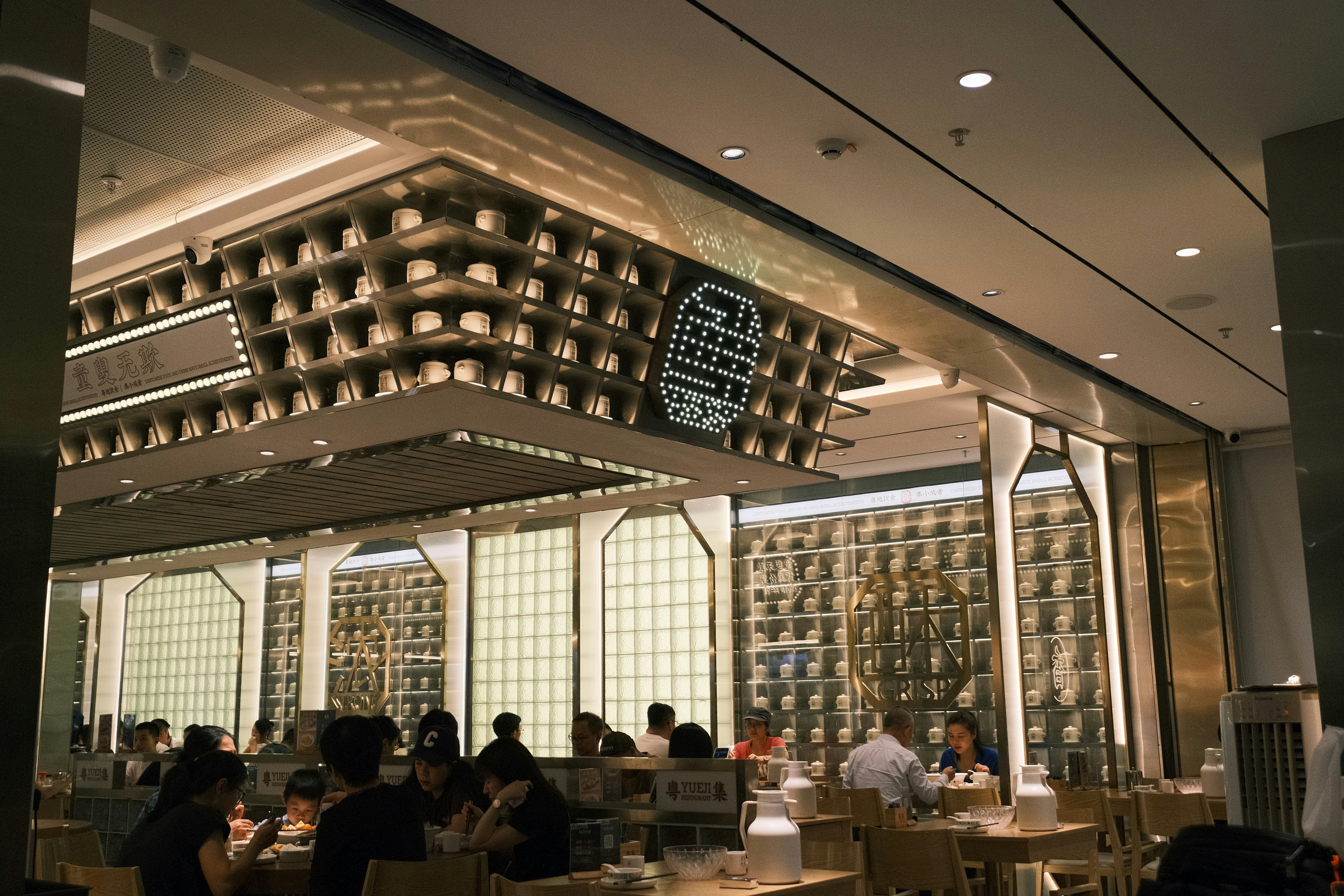
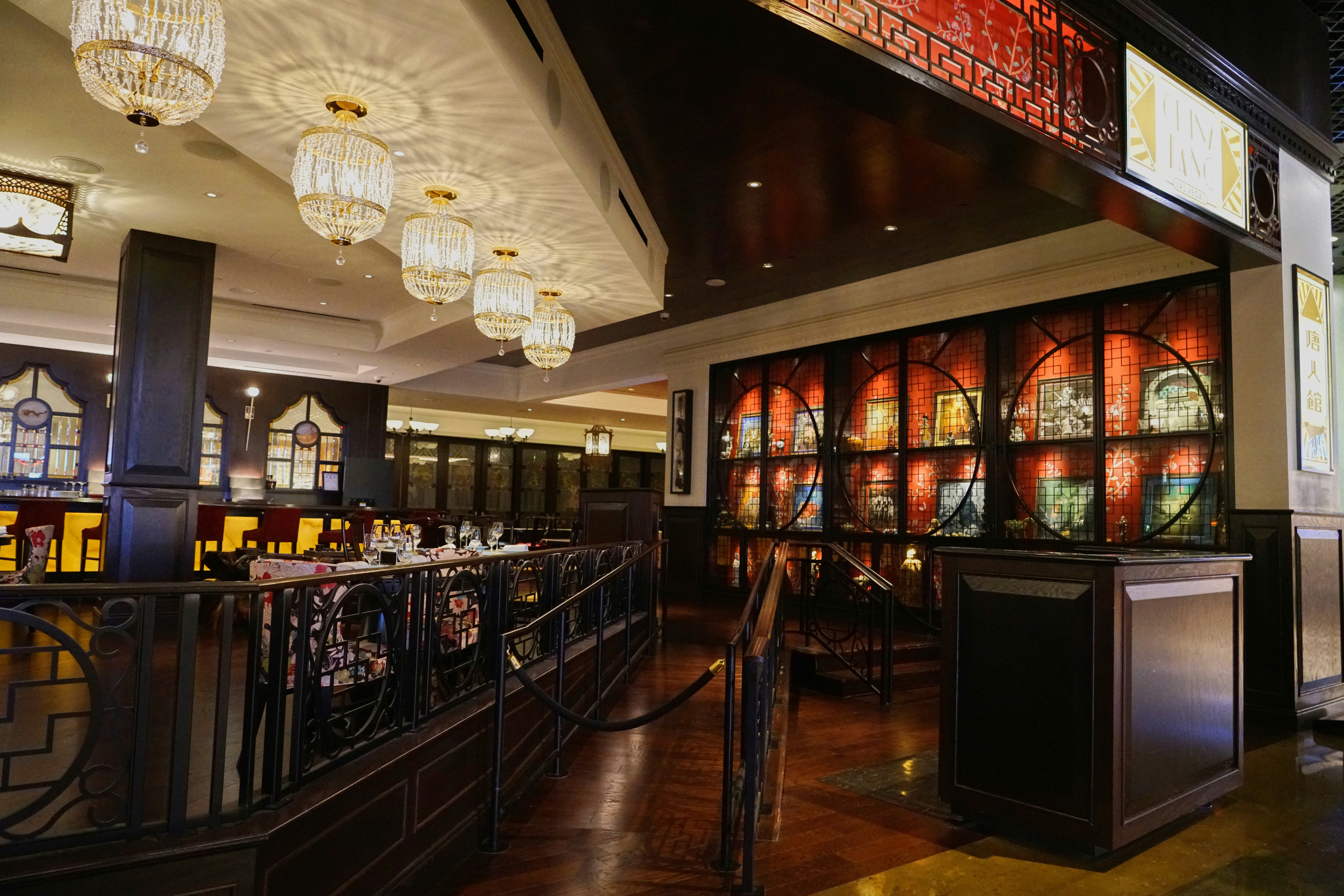
When it comes to creating a memorable dining experience, the role of a restaurant interior designer cannot be overstated. The ambiance of a restaurant significantly influences customers’ perceptions and enjoyment of their meals. Effective interior design does not simply enhance aesthetic appeal; it also contributes to functionality and efficient flow, essential for any successful restaurant.
Psychology of Dining Ambiance
A professional designer understands that every element affects the diner’s behavior and appetite:
- Color Psychology: Using reds and oranges to stimulate appetite, or blues and greens for a relaxed, fine-dining feel.
- Acoustic Management: Balancing background music and conversation levels to ensure comfort.
- Scent and Lighting: Creating a sensory harmony that complements the cuisine.
- Furniture Ergonomics: Choosing seating that encourages the desired “turnover” rate—comfortable for lounging or upright for quick service.
Key Elements of Effective Interior Design
A restaurant interior designer focuses on several core elements that together create an inviting atmosphere. These elements include color schemes, lighting, furniture selection, and spatial arrangements. For instance, warm colors can evoke feelings of comfort and help establish a welcoming vibe, while strategic lighting enhances both mood and visibility. Additionally, the arrangement of tables and seating affects customer comfort and social interaction, promoting a positive dining experience.
Trends in Restaurant Interior Design
As the restaurant industry evolves, so does the approach to interior design. Current trends emphasize sustainability by incorporating eco-friendly materials and designs that reflect a restaurant’s commitment to the environment. Moreover, many restaurant interiors now feature open-concept spaces, allowing for a seamless connection between the kitchen and dining area. This invitation for customers to witness culinary creativity enhances the overall experience and engagement.
Conclusion
In summary, a dedicated restaurant interior designer plays a pivotal role in shaping how customers perceive a dining establishment. By balancing aesthetics with practicality, they contribute to both the restaurant’s identity and its success in a competitive market. A well-designed space is the foundation of a brand’s story and customer loyalty.
Transforming Ambiance: The Role of a Restaurant Interior Designer Read More »