

Interior design is more than arranging attractive furniture or choosing stylish colors. As designer Gardner emphasizes, a space must be both visually appealing and comfortable to live in. A beautifully styled room loses its value if it does not support daily activities, comfort, and usability.
Why Function Matters as Much as Aesthetics
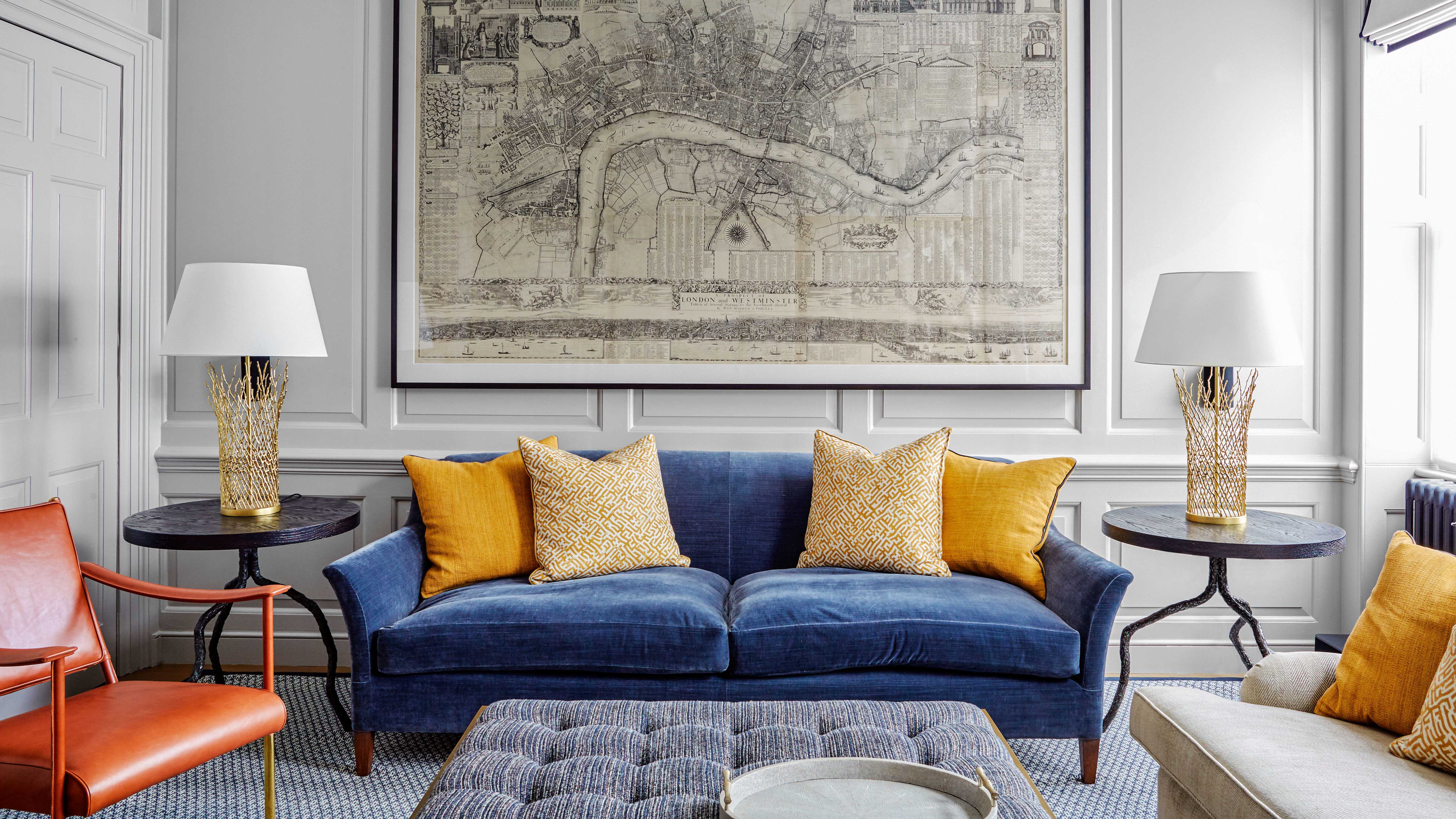
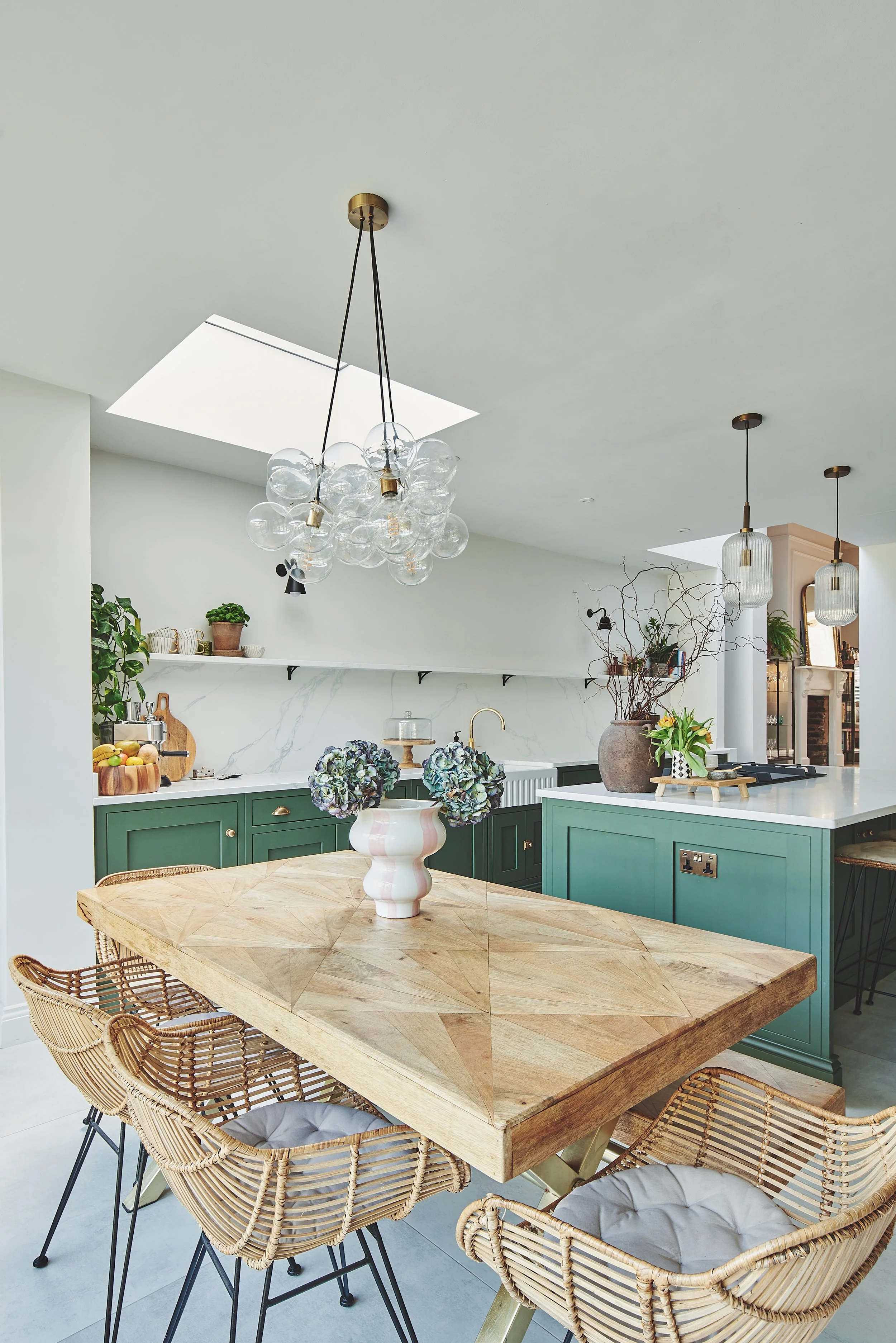
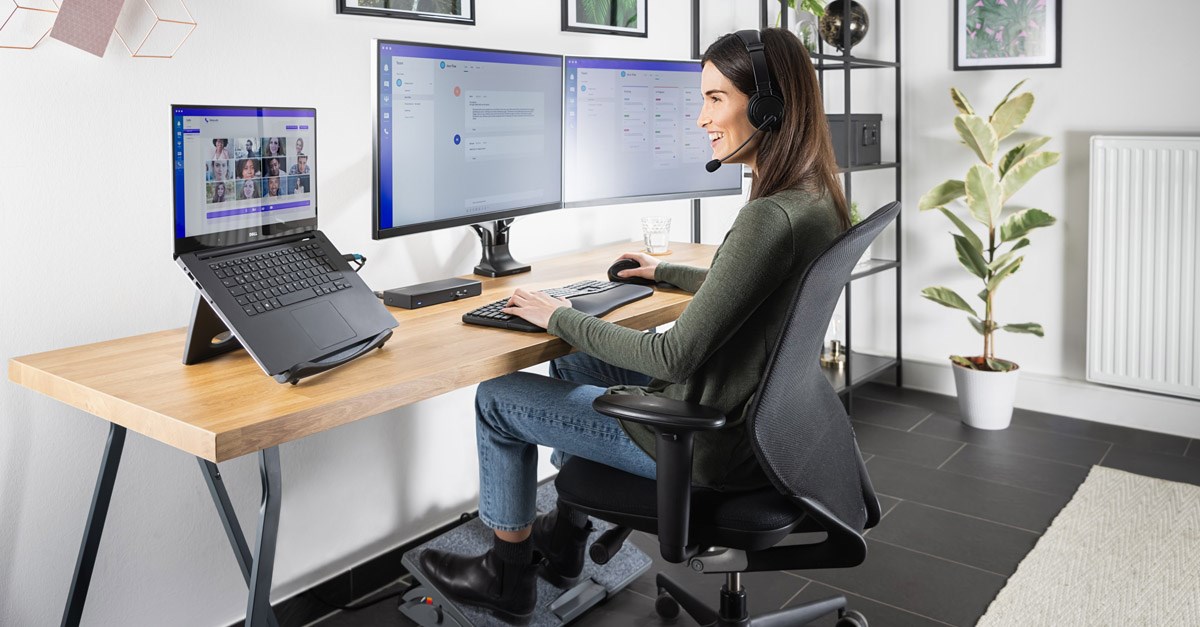
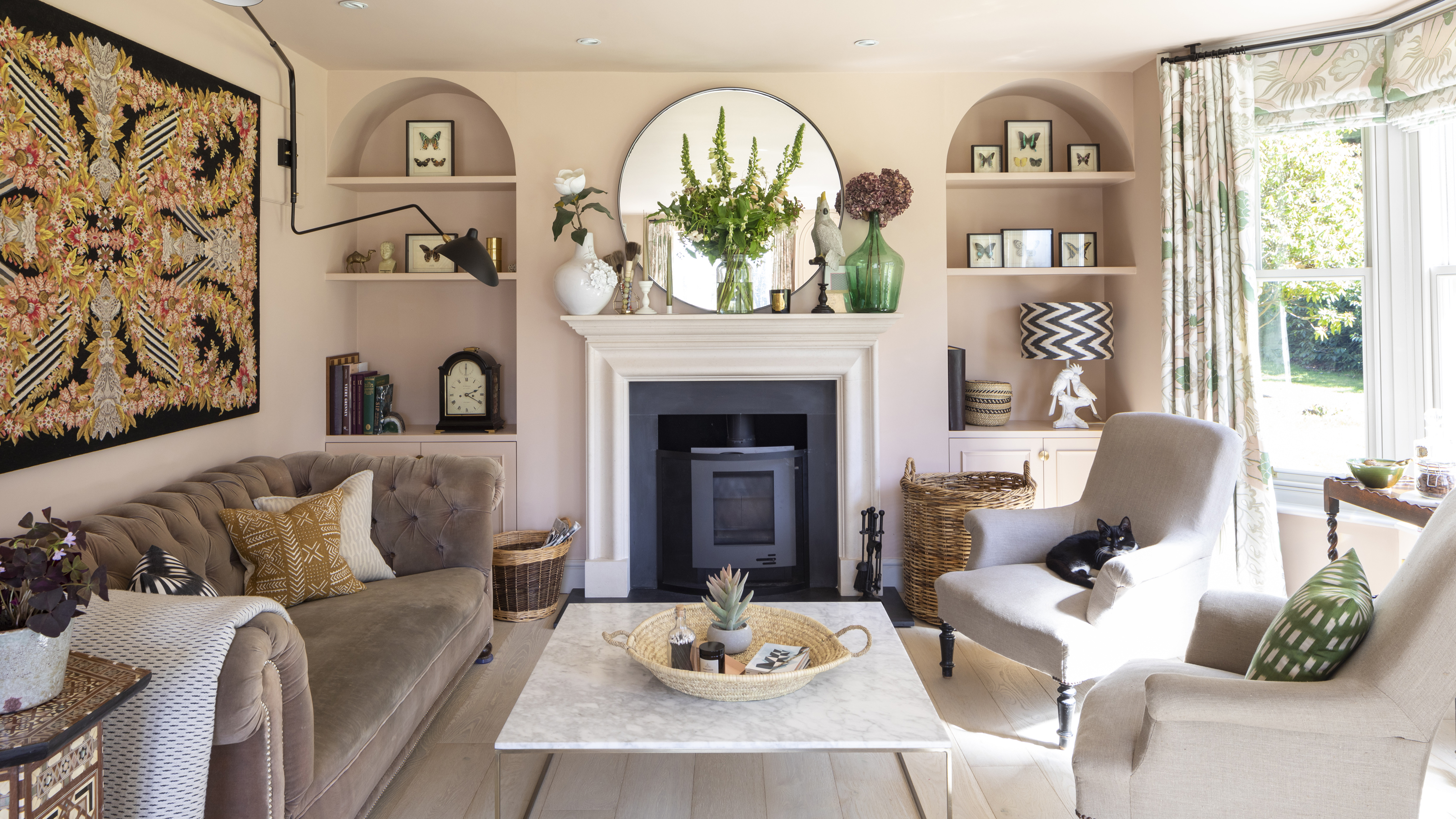
A successful interior combines visual harmony with practical usability.
Functional design ensures:
- Comfortable movement within the space
- Easy access to storage and essentials
- Proper lighting for daily tasks
- Furniture suited to lifestyle needs
A room should support how people actually live and work.
Elements of Functional Interior Design
1. Space Planning & Layout
- Clear pathways and uncluttered flow
- Furniture placement that encourages movement
- Efficient use of available square footage
2. Ergonomics & Comfort
- Seating with proper back support
- Correct table and counter heights
- Comfortable lighting levels for eyes
3. Practical Storage Solutions
- Built-in storage to reduce clutter
- Multi-functional furniture
- Organized kitchen and wardrobe systems
4. Lighting for Usability
- Task lighting for work areas
- Ambient lighting for comfort
- Accent lighting for atmosphere
The Role of Aesthetics in Livable Spaces


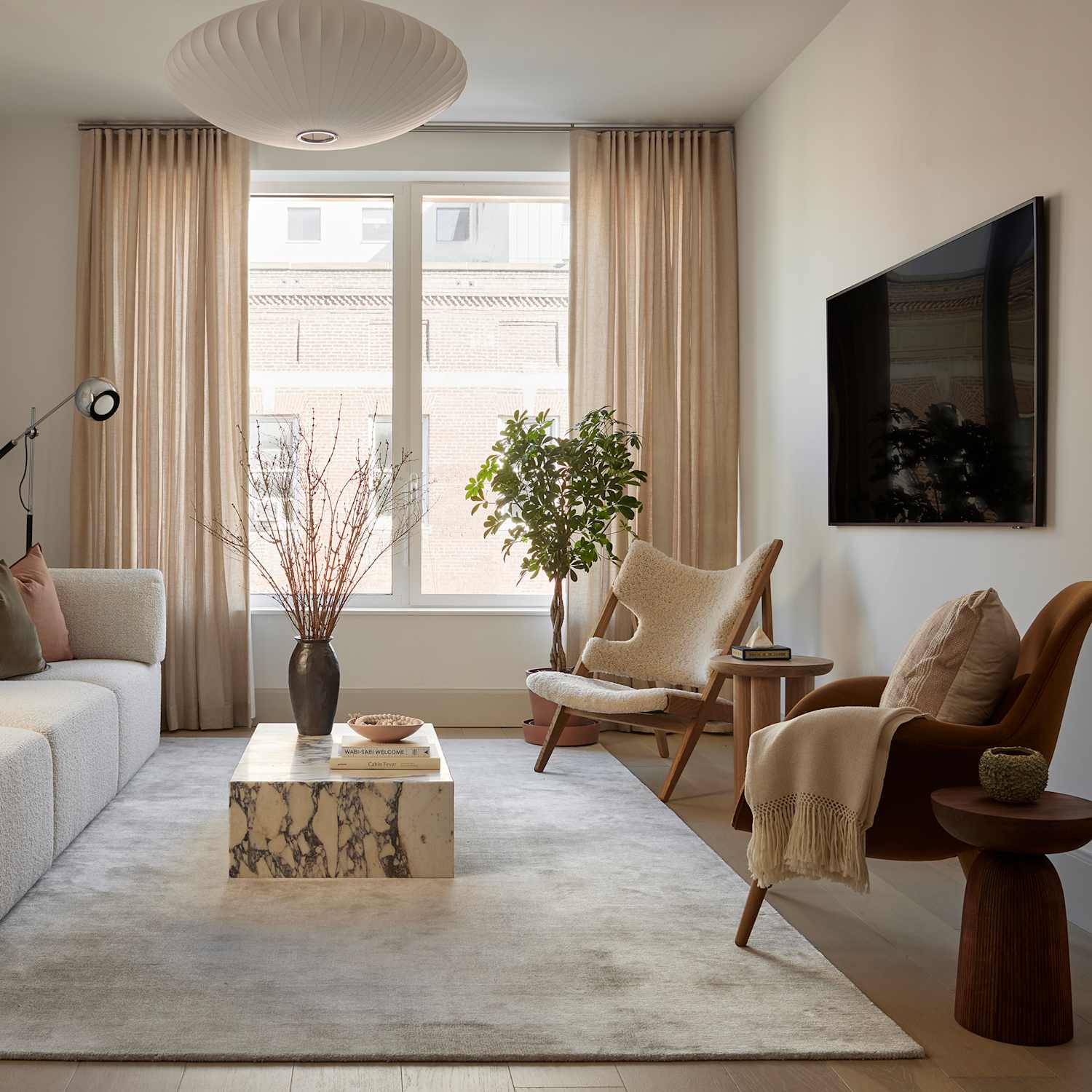

Aesthetics create emotional connection and visual harmony.
Visual design enhances:
- Mood and relaxation
- Personal identity and expression
- Sense of warmth and welcome
- Overall ambiance of the home
The goal is harmony between beauty and usability.
Common Mistakes That Prioritize Looks Over Comfort
- Oversized furniture in small rooms
- Insufficient lighting for daily tasks
- Lack of storage leading to clutter
- Trend-driven choices that reduce usability
- Ignoring ventilation and natural light
Design should enhance daily life, not complicate it.
How Designers Create Livable Interiors
Professional designers consider:
✔ Lifestyle and daily routines
✔ Family size and usage patterns
✔ Climate and natural light
✔ Maintenance and durability
✔ Long-term comfort and adaptability
This ensures spaces remain functional over time.
Tips for Creating Comfortable & Beautiful Spaces
✔ Choose furniture based on comfort first
✔ Ensure adequate lighting layers
✔ Maintain clear walking space
✔ Incorporate storage to reduce clutter
✔ Use soft textures to enhance comfort
✔ Balance aesthetics with practicality
Small decisions greatly improve livability.
Summary
Interior design is not just about visual appeal—it is about creating functional, comfortable, and livable environments. A well-designed space balances aesthetics with usability, ensuring that it supports daily life while providing visual harmony.
When comfort, functionality, and beauty work together, a space becomes not only attractive but truly enjoyable to live in.