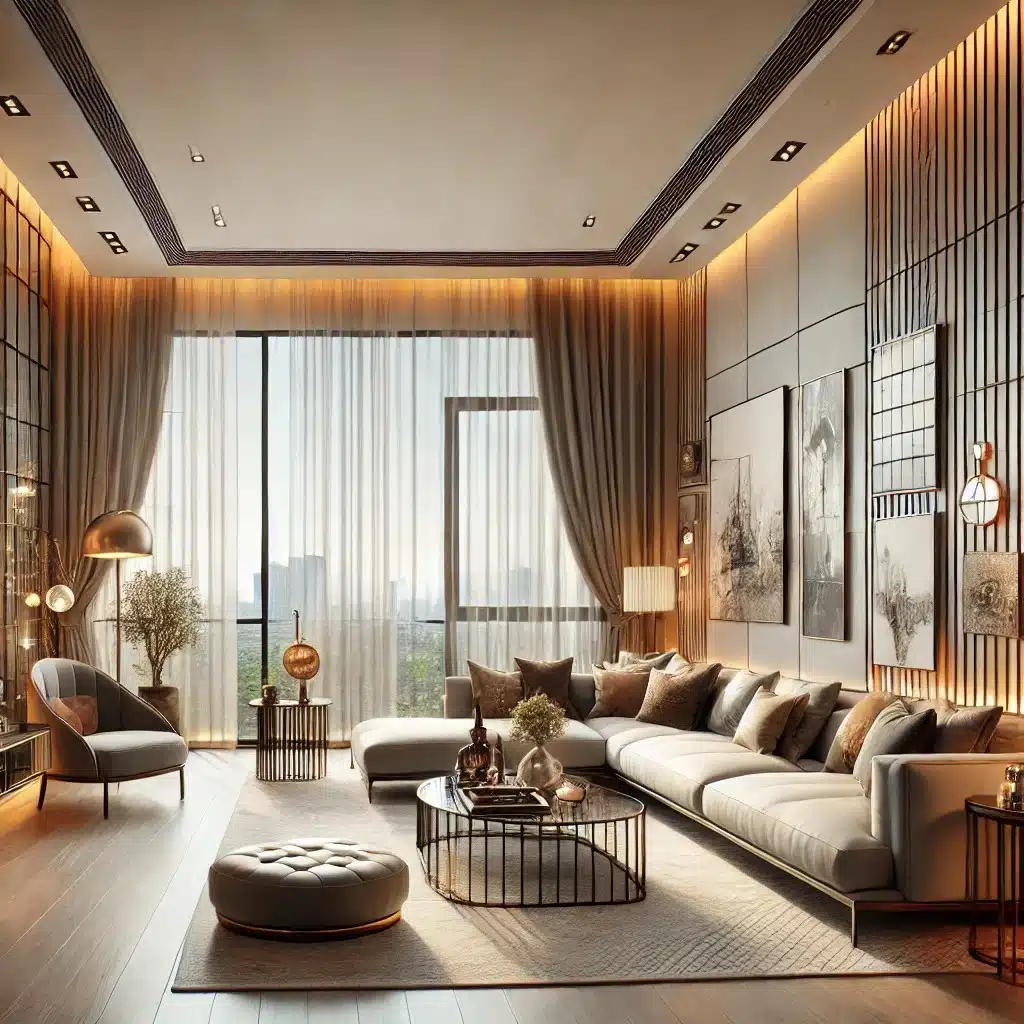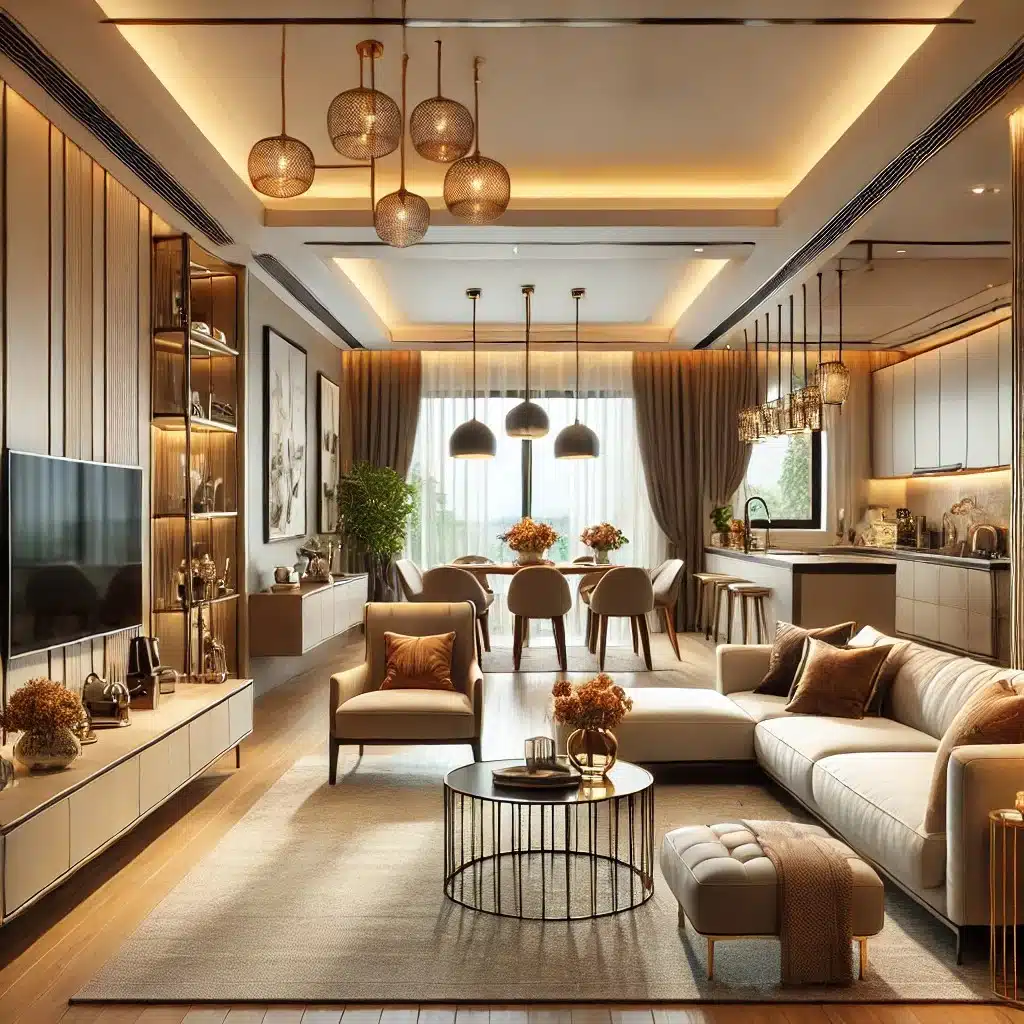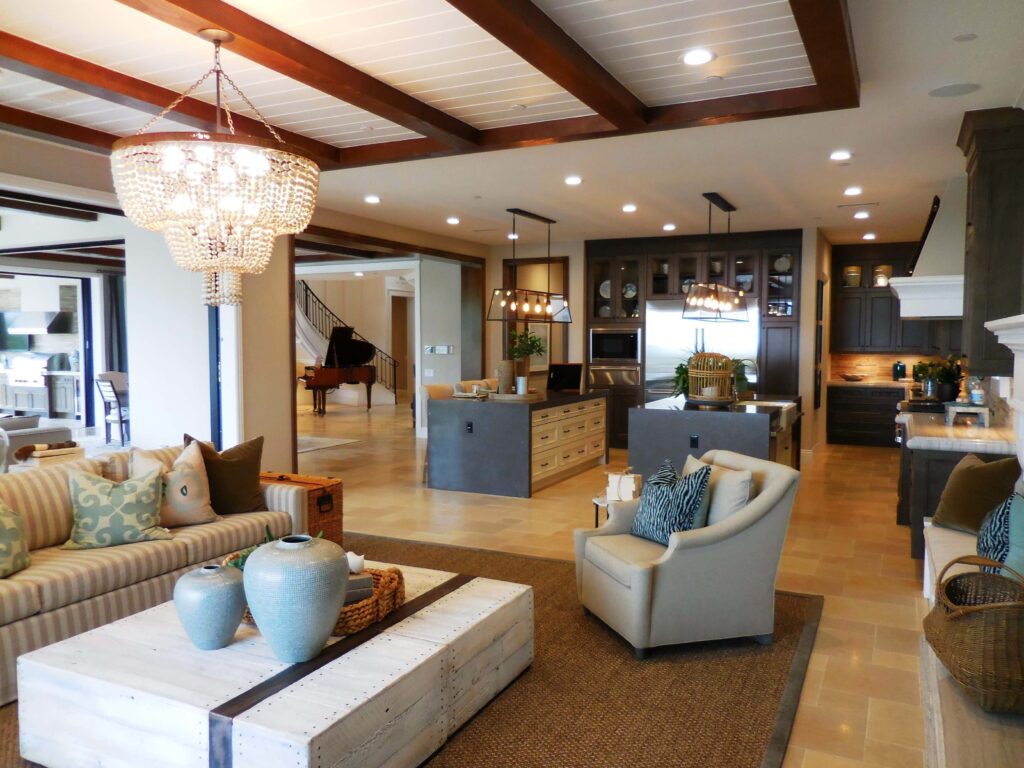
The Principal Designer or Design Firm Owner is the highest-ranking position within an interior design practice. This role combines creative leadership, business management, and strategic decision-making to ensure both design excellence and company growth.
What Does a Principal Designer Do?


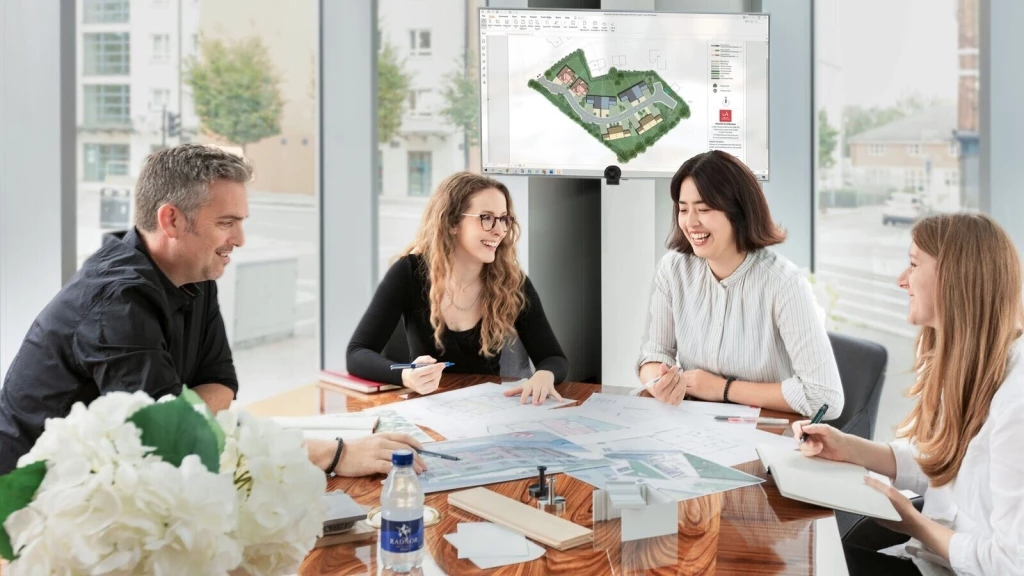
Principal designers oversee the overall vision and operations of the firm.
Core responsibilities:
- Setting the creative direction and design philosophy
- Approving final concepts and design standards
- Leading major client presentations and negotiations
- Managing high-value and flagship projects
- Ensuring brand consistency across projects
They shape the firm’s identity and design reputation.
Leadership & Business Responsibilities
Beyond design, principal designers handle strategic and operational duties.
Business leadership includes:
✔ Business development and client acquisition
✔ Financial planning and budget oversight
✔ Hiring and mentoring design teams
✔ Building partnerships with vendors and contractors
✔ Establishing company policies and workflows
They ensure long-term sustainability and profitability.
Role in Creative Direction
Principal designers guide the firm’s aesthetic and innovation.
Creative leadership involves:
- Defining signature design style
- Encouraging innovation and new ideas
- Reviewing materials and finishes for quality
- Maintaining design consistency across projects
Their vision influences every project delivered by the firm.
Client & Project Oversight
Principal designers typically manage:
- High-profile clients
- Luxury or large-scale projects
- Final approvals and design sign-offs
- Conflict resolution and decision-making
They ensure client satisfaction and project success.
Skills Required for Principal Designers
Essential competencies:
- Advanced design expertise
- Leadership and team management
- Business and financial acumen
- Negotiation and client relationship skills
- Strategic thinking and problem-solving
This role requires both creative and entrepreneurial abilities.
Career Path to Becoming a Principal Designer
Typical progression:
- Junior Interior Designer
- Interior Designer
- Senior Designer / Project Lead
- Design Manager / Creative Director
- Principal Designer / Firm Owner
Experience and a strong professional reputation are key to reaching this level.
Difference Between Principal Designer & Creative Director
| Role | Principal Designer | Creative Director |
|---|---|---|
| Leadership | Owns/heads firm | Leads creative team |
| Business decisions | Yes | Limited |
| Client acquisition | Yes | Occasionally |
| Financial responsibility | Yes | No |
| Design oversight | Yes | Yes |
In smaller firms, one person may perform both roles.
Why This Role Is Critical
A principal designer ensures:
✔ Design excellence and innovation
✔ Business growth and financial stability
✔ Strong client relationships
✔ Team development and leadership
✔ Consistent brand identity
Their leadership defines the firm’s success.
Summary
Principal Designers or firm owners lead interior design practices by setting creative direction, managing business operations, and overseeing major projects. They combine design expertise with strategic leadership, ensuring the firm delivers high-quality work while maintaining profitability and growth.
This role represents the pinnacle of an interior design career, blending creativity, leadership, and entrepreneurship.