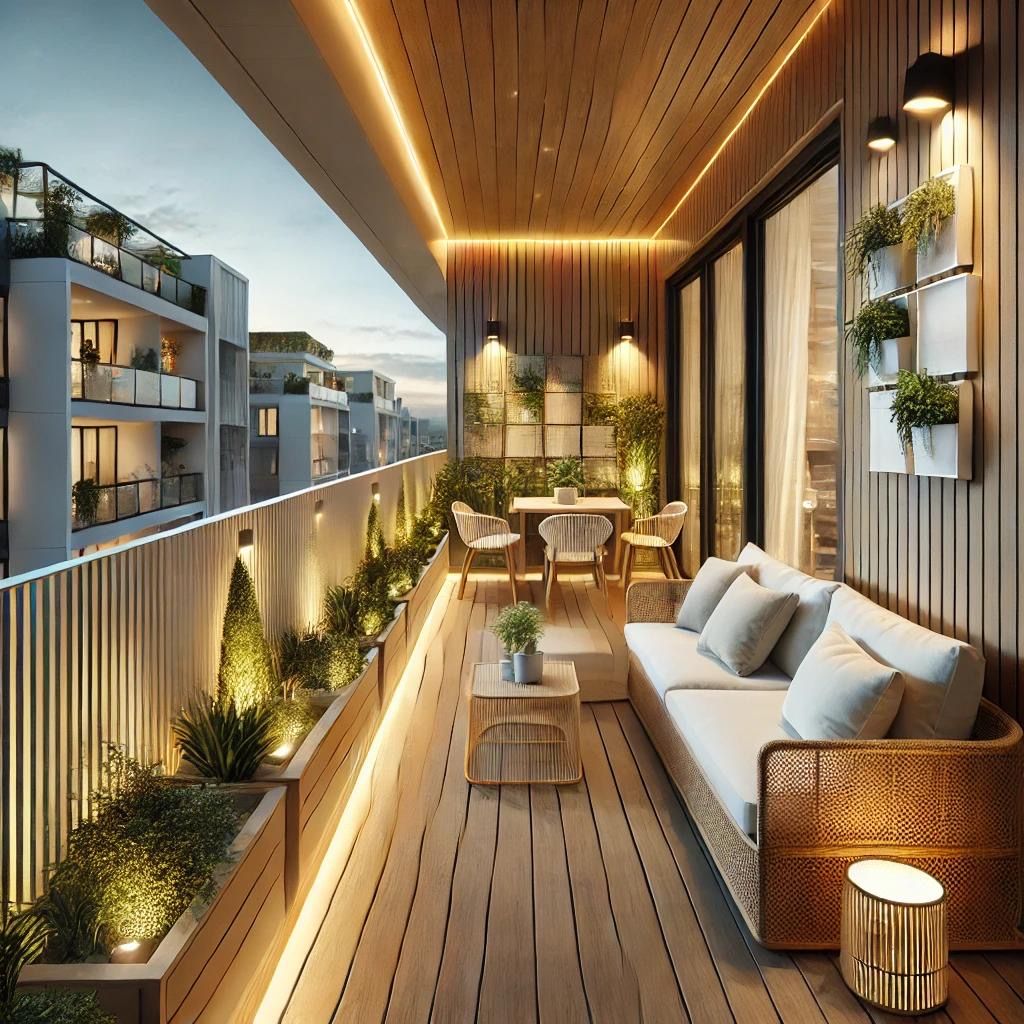
Interior designers do more than make spaces look attractive. They plan, coordinate, and execute environments that are functional, safe, and aesthetically pleasing.
1. Space Planning & Layout Design
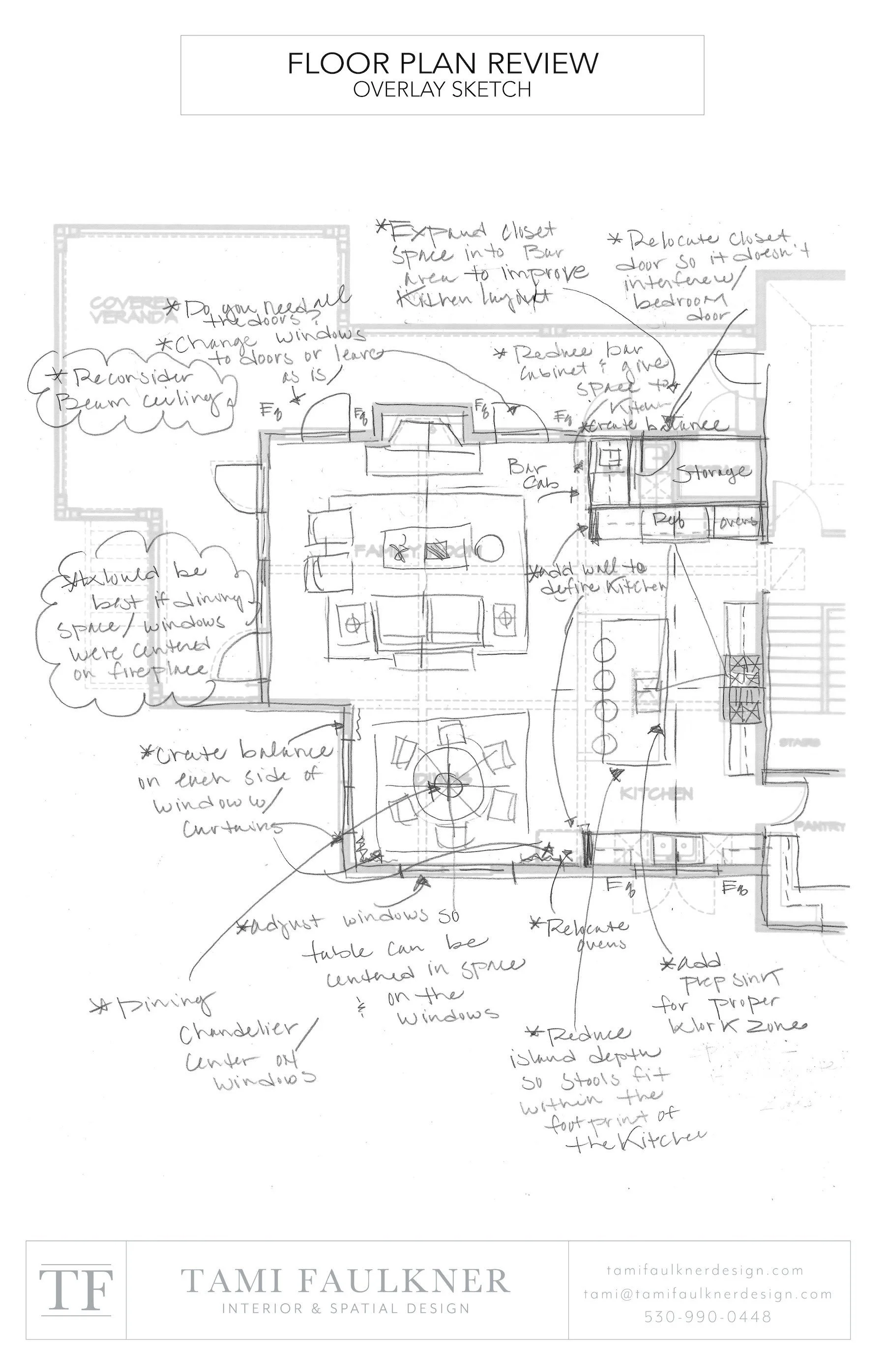

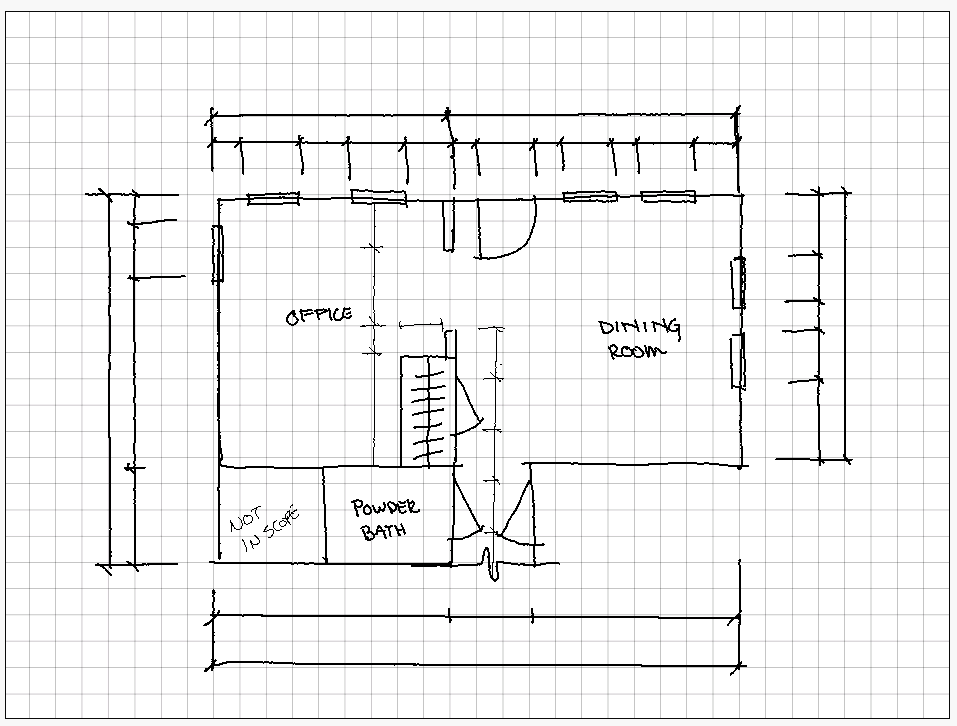

Designers analyze how a space will be used and create efficient layouts.
Includes:
- Furniture placement and circulation flow
- Maximizing usable space
- Ergonomic planning for comfort and usability
Proper planning ensures smooth movement and functionality.
2. Understanding Client Needs & Lifestyle
Responsibilities:
- Discussing client preferences and goals
- Evaluating daily routines and space usage
- Aligning design with budget and timelines
Designers translate client vision into practical solutions.
3. Material & Finish Selection

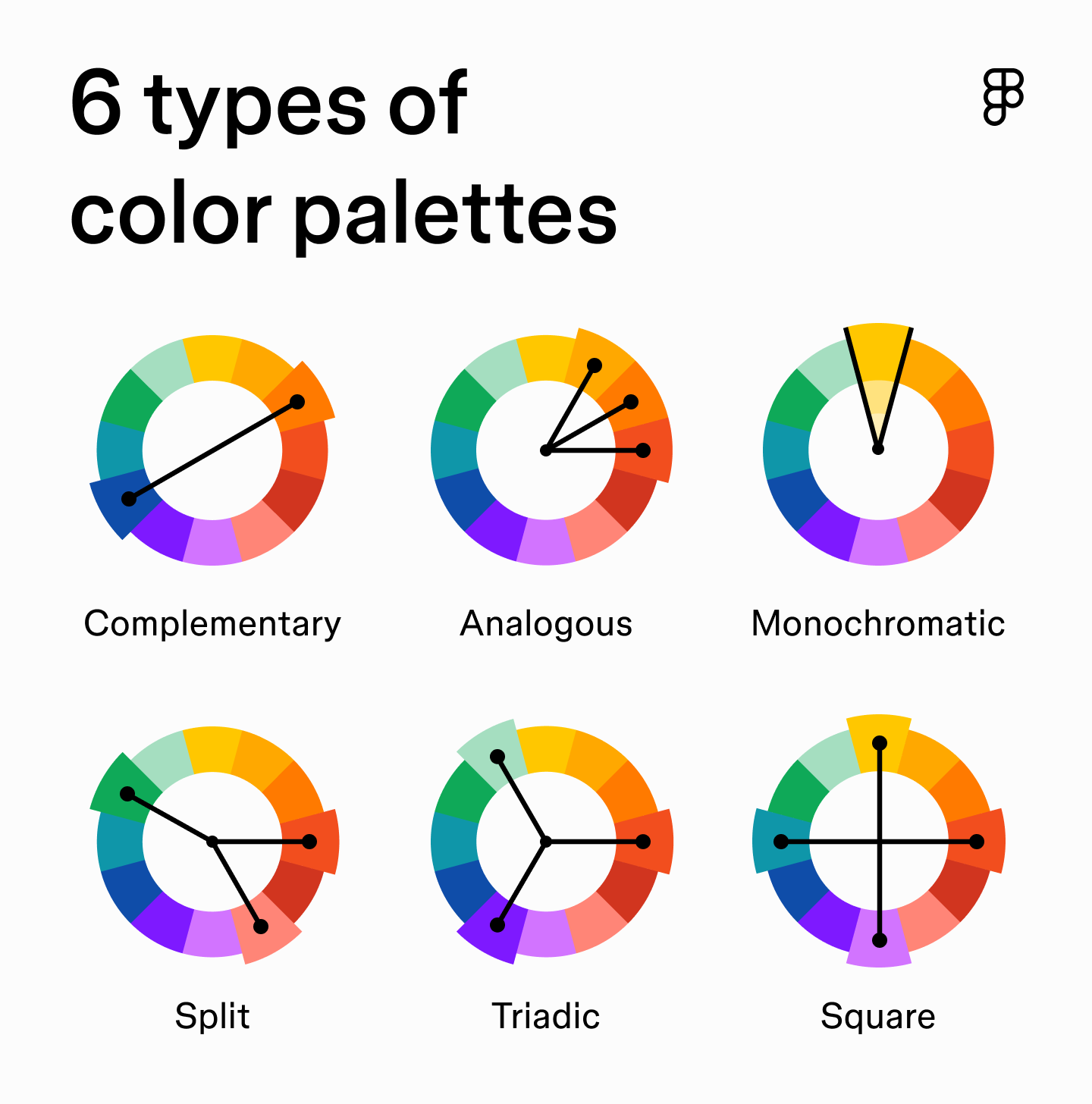

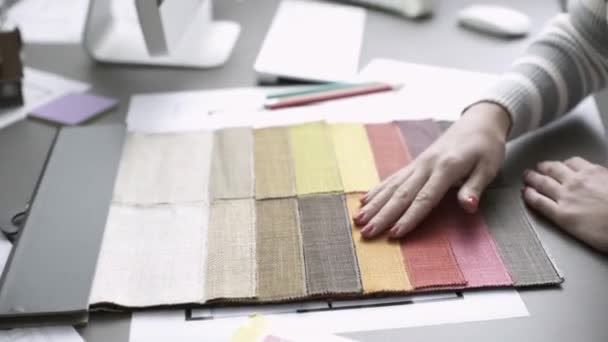
Choosing the right materials affects durability, aesthetics, and maintenance.
Includes:
- Flooring and wall finishes
- Fabrics, laminates, and textures
- Paint colors and surface treatments
Material selection balances style, cost, and longevity.
4. Lighting & Electrical Planning
Key tasks:
- Designing ambient, task, and accent lighting
- Planning switch points and electrical layouts
- Enhancing mood and functionality
Proper lighting improves usability and atmosphere.
5. Project Coordination & Site Supervision
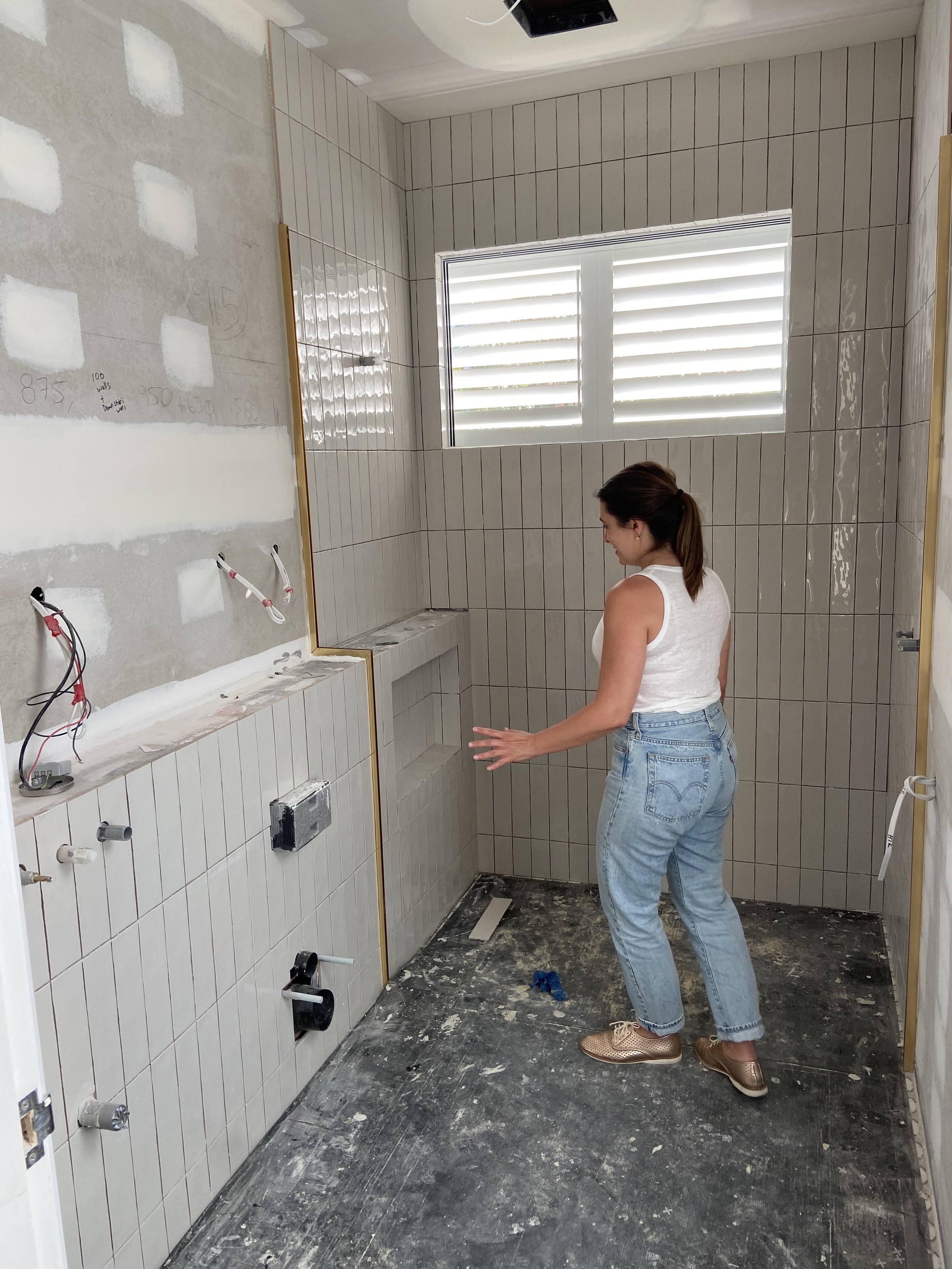
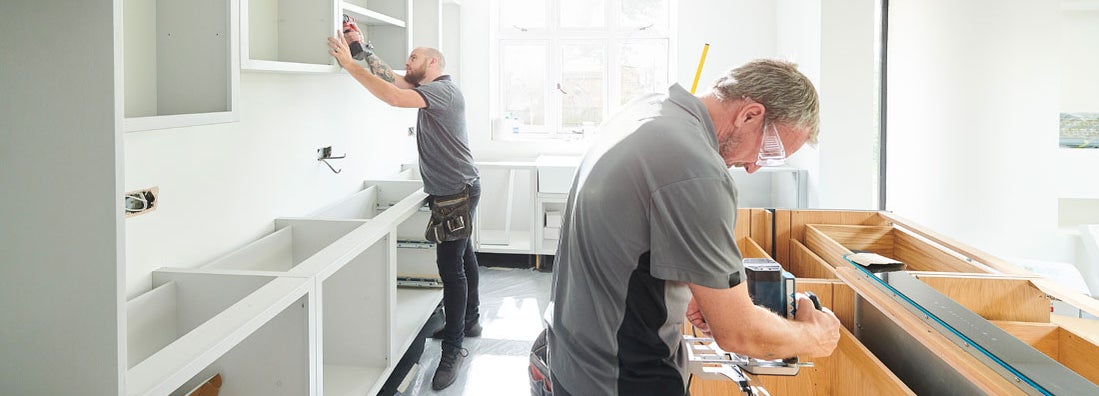
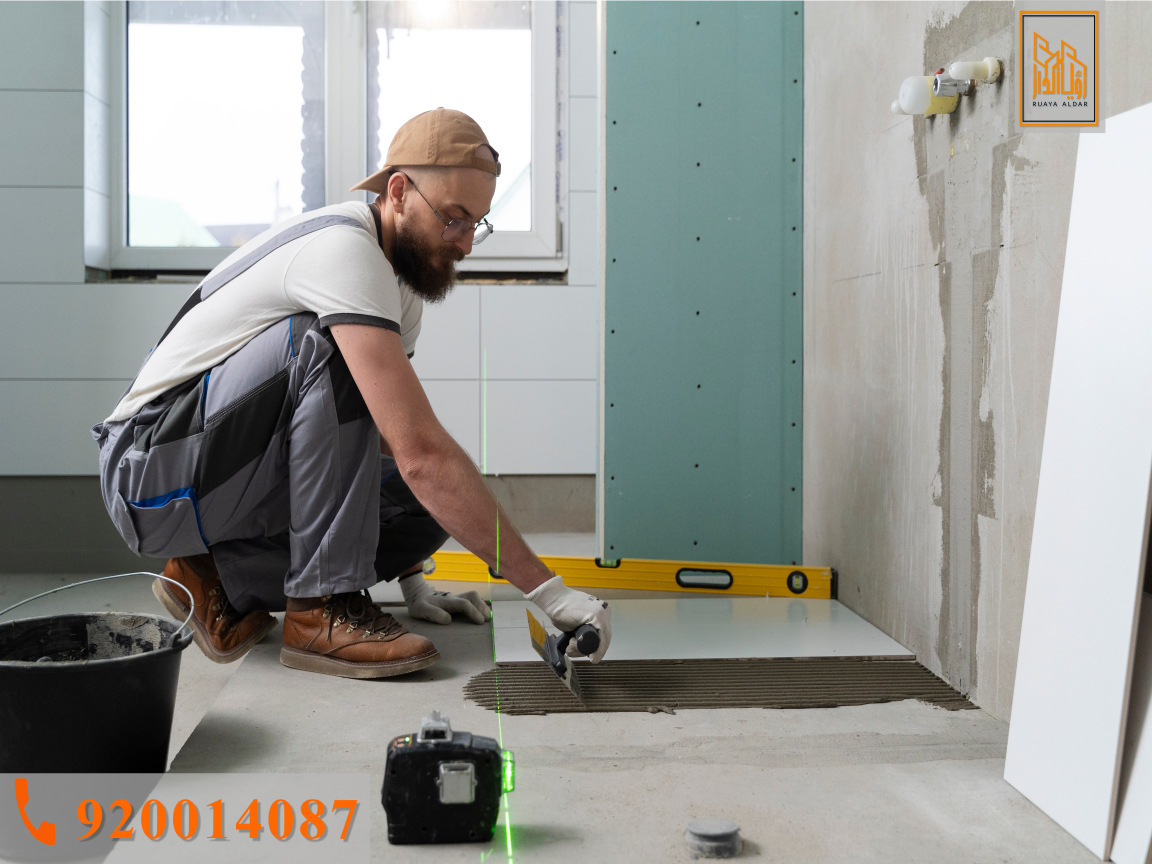
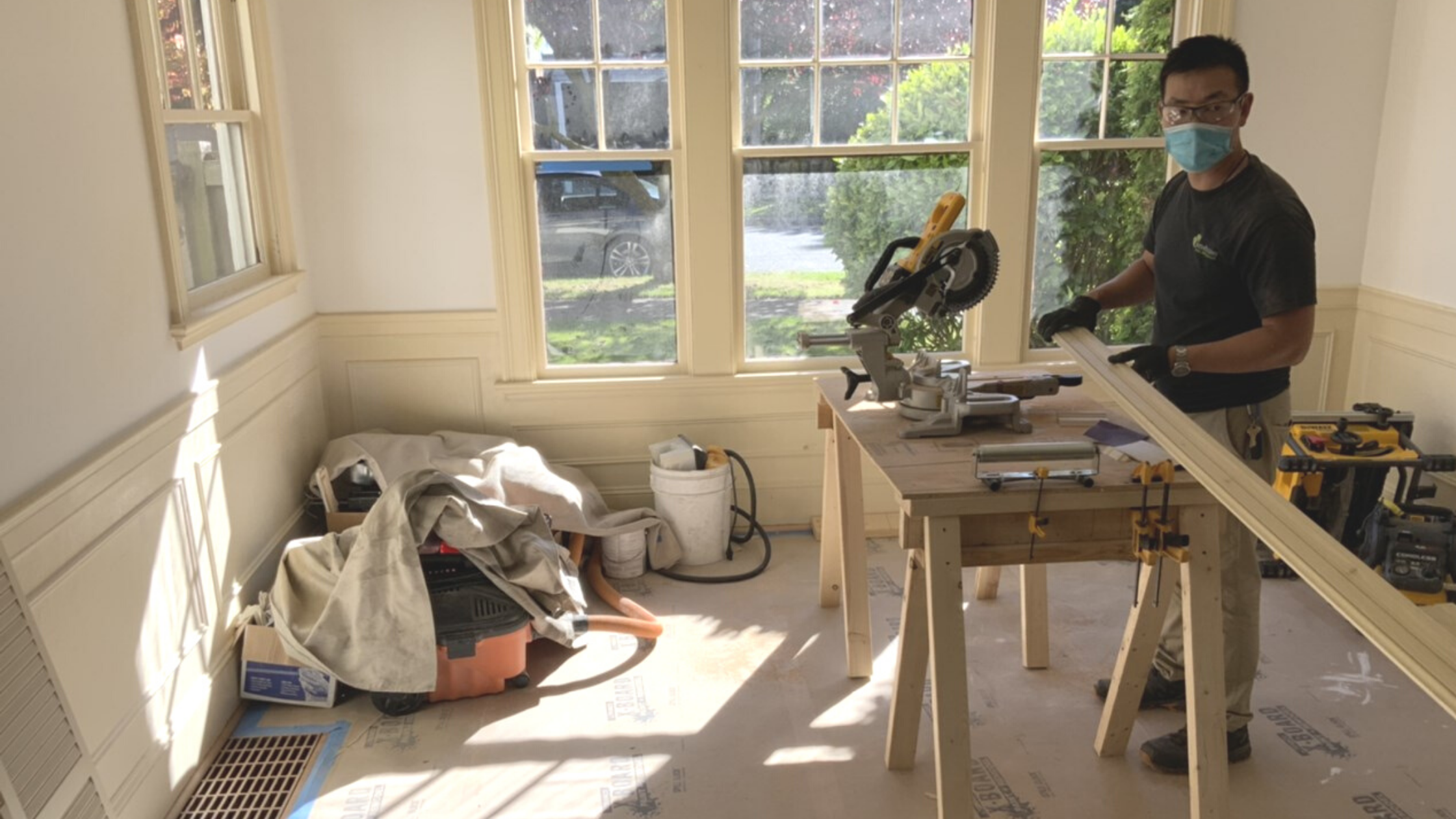
Interior designers ensure the design is executed correctly.
Responsibilities:
- Coordinating contractors and vendors
- Monitoring progress and quality
- Resolving on-site issues
- Ensuring timelines are met
Supervision ensures the final result matches the design vision.
Why These Responsibilities Matter
Interior designers ensure spaces are:
✔ Functional and comfortable
✔ Safe and code-compliant
✔ Visually appealing
✔ Efficient and practical
✔ Delivered on time and within budget
Their role bridges creativity and execution.
Summary
The five core responsibilities of an interior designer include space planning, understanding client needs, selecting materials, planning lighting and electrical layouts, and coordinating project execution. Together, these tasks ensure that a space is not only beautiful but also functional, comfortable, and well-executed.