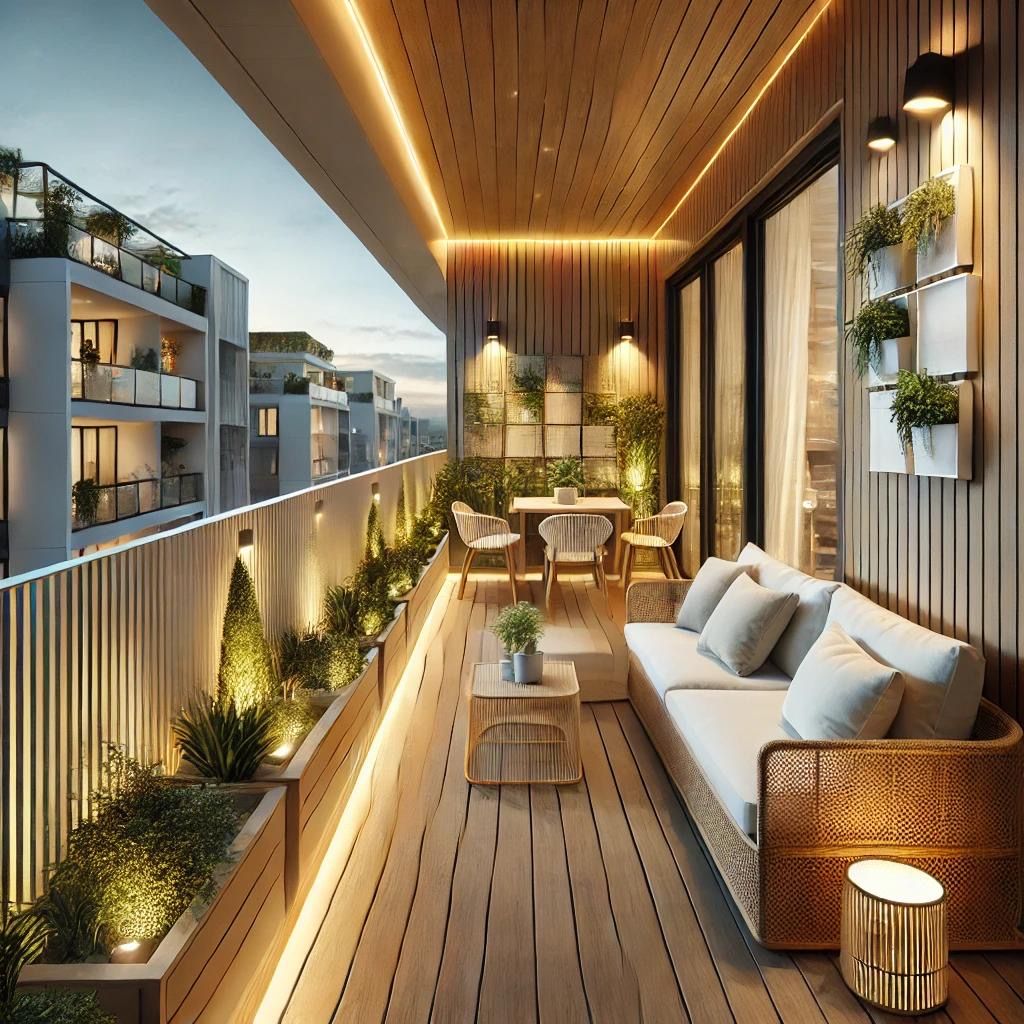
Interior design blends creativity with technical knowledge and project management. To create functional and visually appealing spaces, designers must develop a combination of artistic, practical, and interpersonal skills.
1. Creativity & Visual Sense


A strong sense of design helps create attractive and harmonious spaces.
Includes:
- Color coordination and balance
- Understanding textures and patterns
- Styling and aesthetic composition
Creativity allows designers to transform ideas into beautiful interiors.
2. Space Planning & Spatial Awareness
Key abilities:
- Efficient furniture placement
- Understanding room proportions
- Creating smooth movement flow
- Maximizing small spaces
Spatial planning ensures functionality and comfort.
3. Knowledge of Materials & Finishes
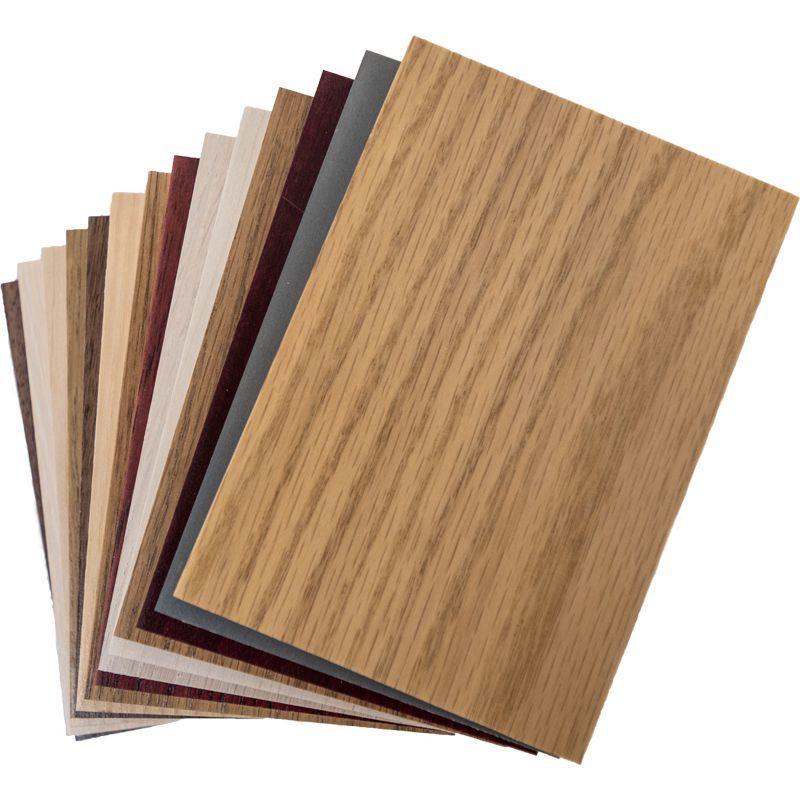

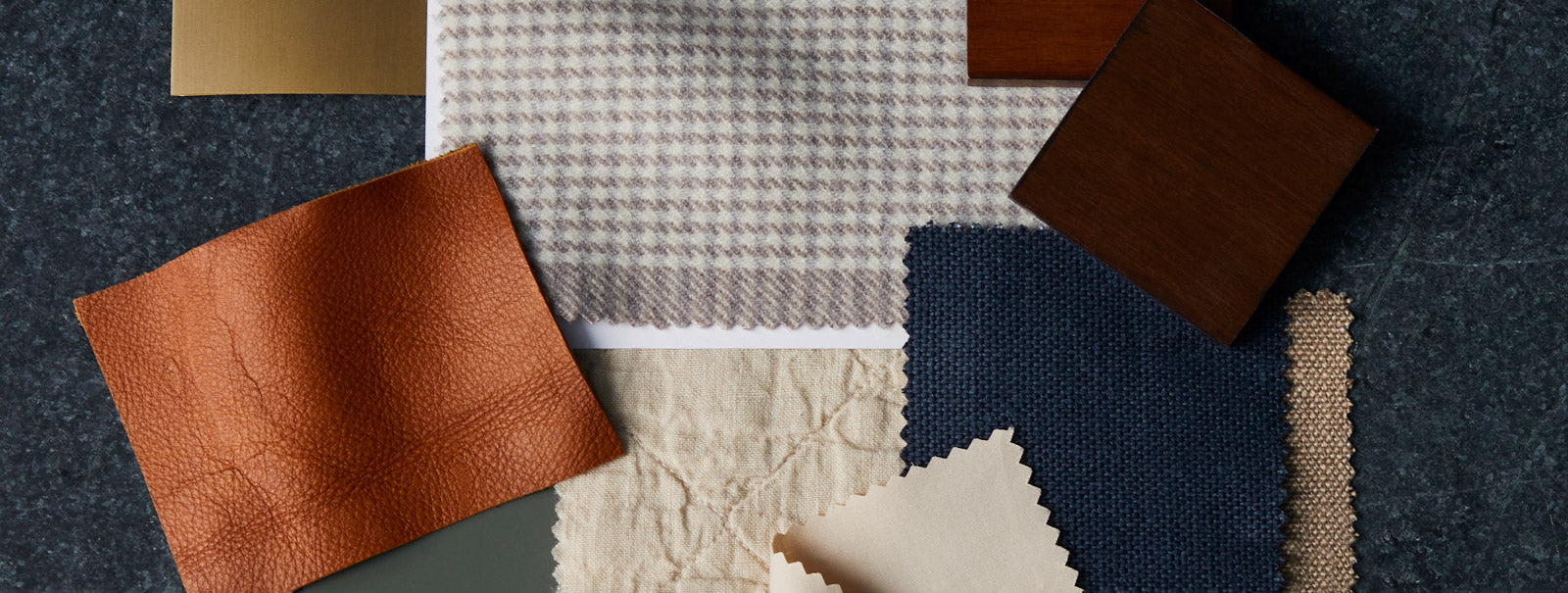
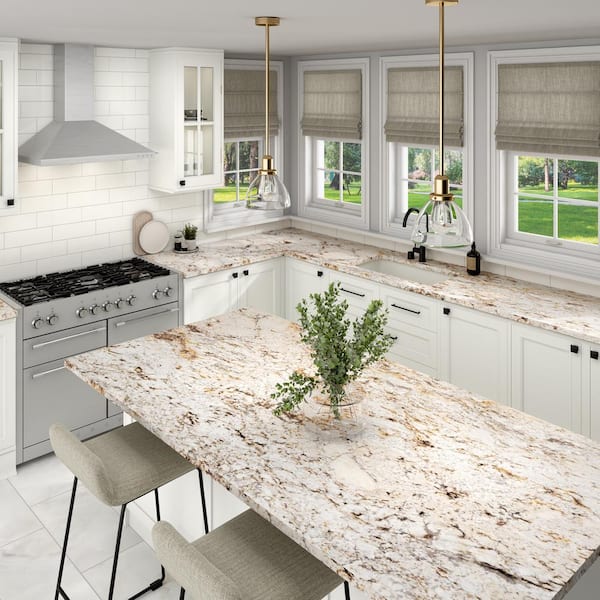
Understanding materials ensures durability and visual appeal.
Important knowledge areas:
- Flooring and wall finishes
- Fabrics, laminates, and textures
- Maintenance and durability factors
- Budget-friendly material alternatives
Material selection impacts both aesthetics and longevity.
4. Technical & Design Software Skills
Essential tools:
- AutoCAD for drafting layouts
- SketchUp or 3D software for visualization
- Photoshop or rendering tools for presentations
Digital skills help communicate ideas clearly to clients and contractors.
5. Communication & Client Management

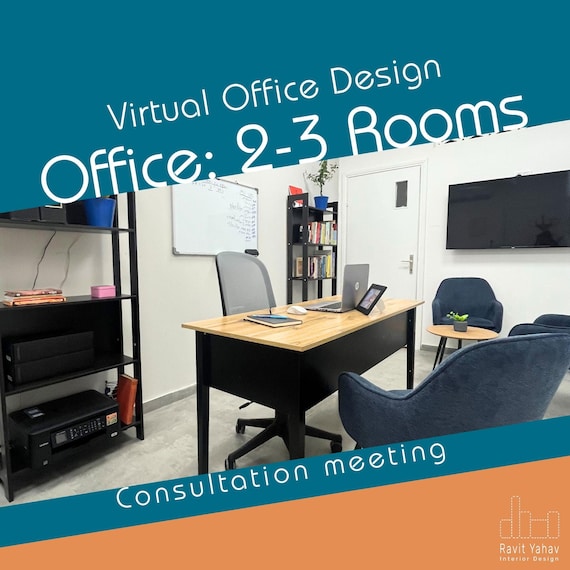
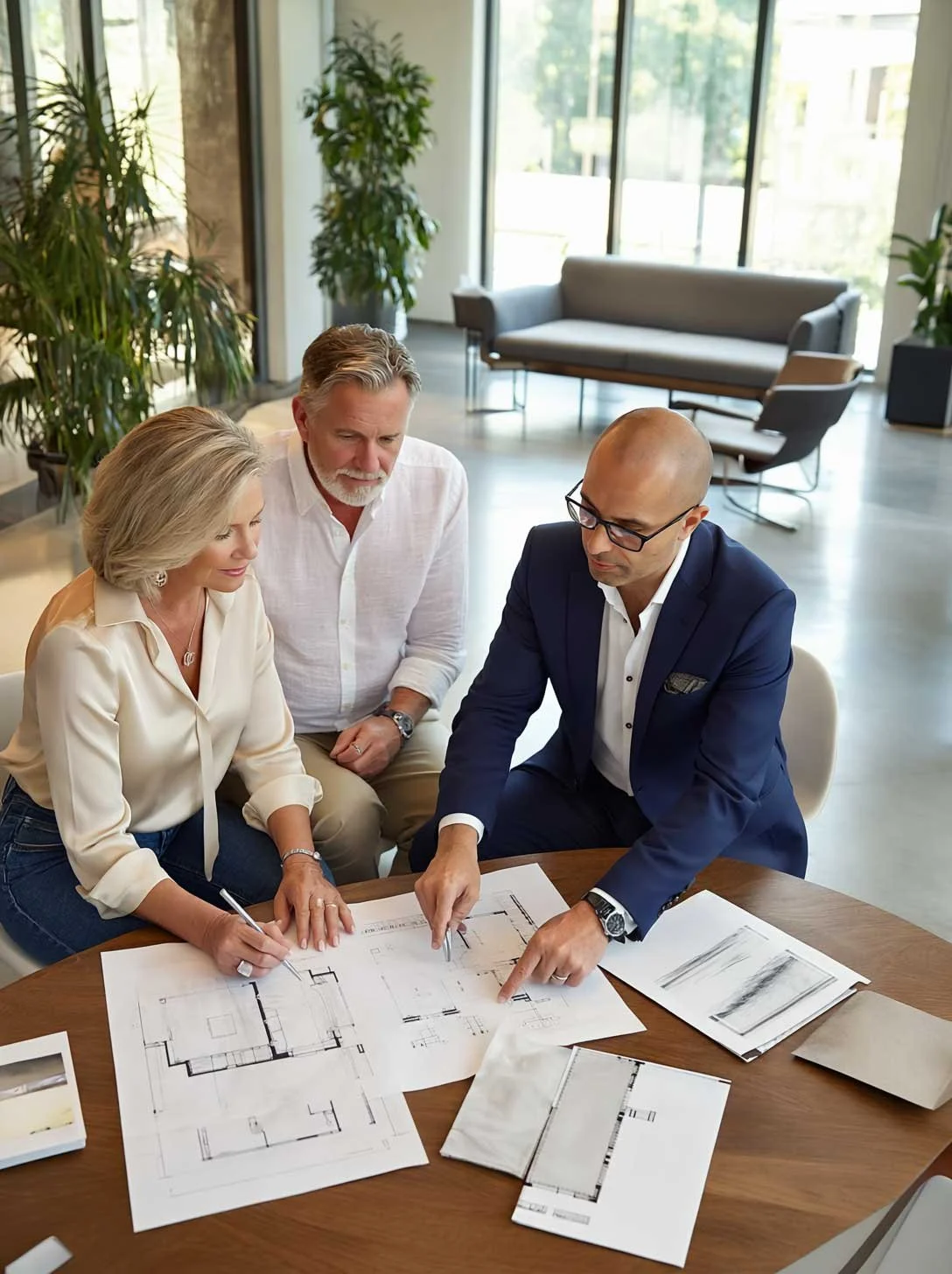
Designers must clearly convey ideas and understand client needs.
Includes:
- Listening to client preferences
- Presenting concepts effectively
- Negotiating budgets and timelines
- Managing expectations
Strong communication builds trust and satisfaction.
6. Attention to Detail
Small details influence the overall outcome.
Designers must monitor:
- Alignment and finishing quality
- Color matching and textures
- Hardware and fixture placement
Precision ensures professional results.
7. Project Management & Organization
Interior designers manage multiple moving parts.
Skills include:
- Scheduling and time management
- Vendor and contractor coordination
- Budget tracking and planning
- Meeting deadlines
Organization ensures smooth execution.
8. Problem-Solving & Adaptability
Unexpected issues arise during projects.
Designers must:
- Adjust layouts based on site conditions
- Find alternatives for unavailable materials
- Resolve budget constraints
- Adapt to client revisions
Flexibility ensures successful project completion.
Why These Skills Matter
Strong skills help designers create spaces that are:
✔ Functional and comfortable
✔ Visually appealing
✔ Durable and practical
✔ Delivered on time and within budget
Interior design requires both creativity and technical expertise.
Summary
Basic skills for an interior designer include creativity, spatial planning, material knowledge, technical software proficiency, communication, attention to detail, project management, and problem-solving. Together, these abilities enable designers to transform ideas into functional and aesthetically pleasing environments.