It’s Critical to Have a Designing Mindset
Great interior design is more than choosing attractive colours, furniture and fabrics. A professional designing mindset combines creativity, functionality, technical knowledge, psychology, spatial planning and an understanding of how people actually use a space.
What is a designing mindset in interior design?
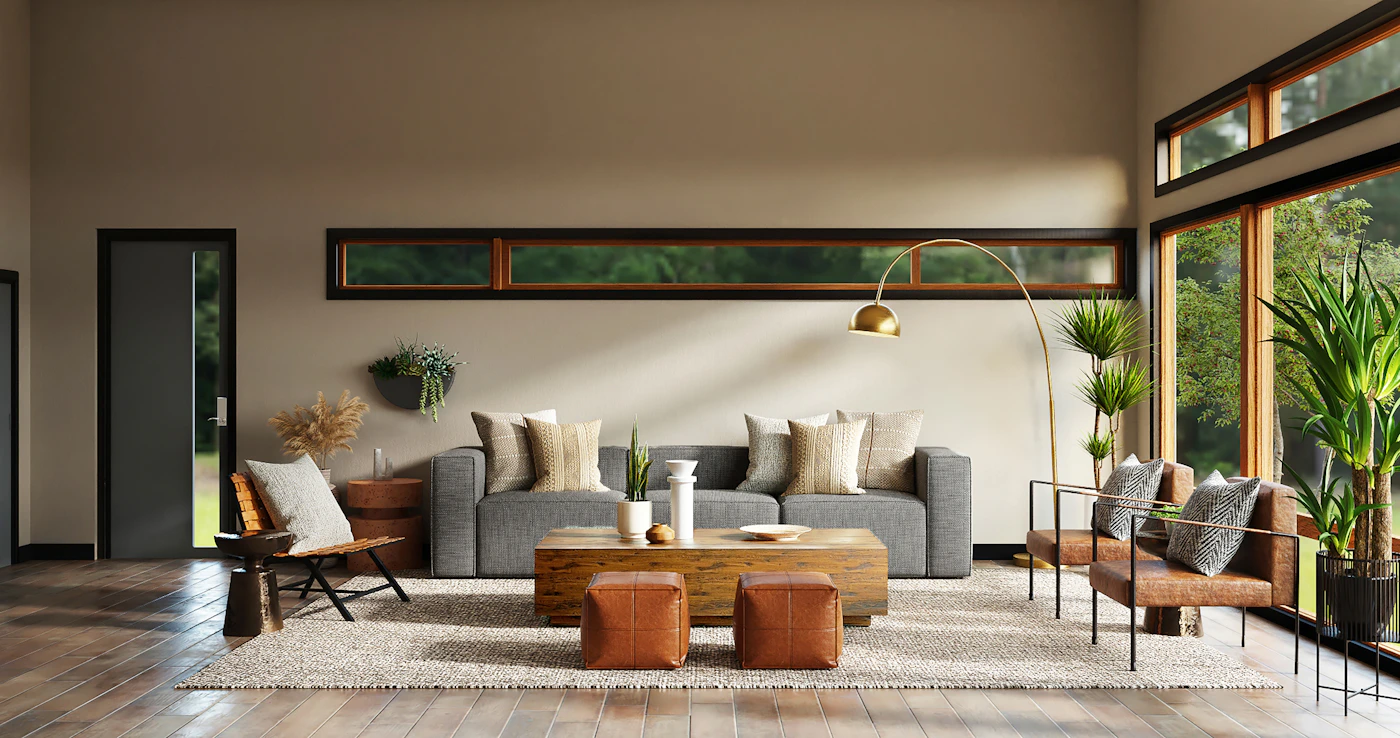
A designing mindset means looking beyond decoration and solving a space through function, proportion, circulation, lighting, materials, ergonomics, aesthetics and the homeowner’s lifestyle. It allows an interior designer to create spaces that are not only beautiful but also practical, comfortable and purposeful.
Why a Designing Mindset Matters
Interior design begins with understanding a problem. A room may be too small, poorly lit, difficult to organize or simply unsuitable for the way a family lives.
A designer with the right mindset does not immediately start selecting colours or furniture. The first step is to understand the space, the people using it and the objective behind the project.
- How will people move through the room?
- Where should storage be located?
- How much natural and artificial light is available?
- Which materials suit the lifestyle and maintenance needs?
- How can the design remain attractive without sacrificing comfort?
This problem-solving approach is what separates thoughtful interior design from simple decoration.
6 Qualities of a Strong Designing Mindset
A professional interior designer needs a combination of creative thinking and practical decision-making. These principles help turn an empty room into a purposeful space.
Think Function First
Every design decision should have a purpose. Furniture, storage, lighting and circulation need to support the way people actually use the room.
Understand Proportion
Good proportion creates visual balance. Furniture that is too large can overwhelm a small room, while pieces that are too small can make a large room feel disconnected.
Solve Spatial Problems
Designers should identify wasted corners, difficult circulation, insufficient storage and awkward layouts before adding decorative elements.
Use Light Intentionally
Natural and artificial lighting influence comfort, mood and visual perception. Layered lighting can make a space feel warmer and more functional.
Understand Materials
A good design considers durability, maintenance, texture, cost and application rather than selecting materials only for appearance.
Design for People
The final space should reflect the lifestyle, habits, preferences and practical requirements of the people living or working there.


Interior Design Requires More Than Creativity
A professional designing mindset combines artistic judgment with technical awareness. This is especially important when working on complete residential interiors.
Space Planning
Space planning determines how furniture, circulation, storage and functional zones fit together.
- Furniture dimensions
- Walking clearances
- Room zoning
- Storage requirements
- Door and window movement
Lighting Design
Lighting should be planned as part of the architecture and furniture layout rather than treated as an afterthought.
- Ambient lighting
- Task lighting
- Accent lighting
- Decorative fixtures
- Electrical planning
Material Selection
Materials need to match the location, usage and maintenance expectations of the client.
- Wood and boards
- Stone and countertops
- Glass and metal
- Wall finishes
- Hardware and fittings
Budget Awareness
A designing mindset also means understanding how design decisions affect the overall investment.
- Material cost
- Labour and installation
- Customization
- Furniture requirements
- Contingency planning
How Designers Apply a Designing Mindset
Good interior design decisions usually develop through a structured process rather than isolated decoration choices.
Understand the existing space, architecture, light, circulation and limitations.
Identify the client’s lifestyle, priorities, budget and functional requirements.
Develop layouts and design solutions that address the problems identified during planning.
Select materials, colours, furniture and lighting that support the overall concept.
Interior Design Is About Solving Problems
Decoration can improve the appearance of a room. Interior design goes further by considering how the entire environment functions.
Decoration Focuses On
- Colours
- Accessories
- Soft furnishings
- Decorative objects
- Styling
Design Focuses On
- Space planning
- Functionality
- Ergonomics
- Lighting
- Materials
- Storage
- Circulation
- Budget and execution
Apply the Designing Mindset to Different Spaces
The same design principles can be adapted to different rooms and property types across Delhi NCR.
Home Interior Design
Learn how professional space planning can improve the functionality and appearance of an entire home.
Explore Home Interiors →Living Room Design
Balance seating, circulation, lighting, storage and visual focal points in the living room.
Explore Living Room Ideas →Bedroom Design
Use colour, lighting, storage and proportion to create a comfortable and restful bedroom.
Explore Bedroom Design →Ask These Questions Before Finalizing a Design
A strong designing mindset encourages questioning before committing to a visual idea.
- Does the layout support everyday movement?
- Is there enough storage for the household?
- Are furniture dimensions appropriate for the room?
- Does the lighting plan serve different activities?
- Are materials suitable for the intended use?
- Can the design be maintained easily?
- Does the design respect the available budget?
- Does every major design element have a purpose?
Designing Mindset in Interior Design – FAQs
What is a designing mindset?
A designing mindset is a problem-solving approach that considers function, space, proportion, lighting, materials, comfort, aesthetics and the needs of the people using a space.
Why is a designing mindset important in interior design?
It helps designers create interiors that work practically rather than focusing only on appearance. A strong mindset considers how people move, store belongings, work, relax and interact with the space.
Is interior design only about decoration?
No. Professional interior design involves space planning, functionality, lighting, materials, ergonomics, storage, technical coordination and aesthetics. Decoration is only one part of the overall design process.
What skills should an interior designer have?
Important skills include spatial planning, visual communication, material knowledge, lighting awareness, budgeting, technical coordination, creativity, problem solving and communication with clients and contractors.
How does a designing mindset improve a home interior?
It helps connect the layout, furniture, lighting, storage, colours and materials into one coherent solution. The result can be more functional, comfortable and visually balanced.
Does the designing mindset matter for small homes?
Yes. Small homes often benefit significantly from thoughtful space planning because every square foot needs to perform a useful function.
Can a designing mindset work with a limited budget?
Yes. Good design does not necessarily require expensive materials. Prioritizing layout, proportion, lighting, storage and high-impact elements can produce an effective interior within a controlled budget.
Turn Design Thinking Into a Better Home
Whether you are planning a modern apartment, family home, luxury residence or complete renovation, a thoughtful design process can help you make better decisions from the beginning.
Get Free Design ConsultationIt’s Critical to Have a Designing Mindset
Moving beyond decoration to professional space planning and structural integrity.
A natural affinity for colors and fabrics is a great start, but a professional home interior designer must also master technical disciplines. Understanding what interior designers do reveals that the job is far more complex than just “decorating.”
The Multi-Disciplinary Approach
Technical Mastery
A designing mindset involves understanding structural integrity, building codes, and spatial concepts. This is critical when planning false ceiling designs or complex lighting schemes that require electrical precision.
Psychological Awareness
Designers must apply color psychology to solve client problems. For instance, knowing how colors affect our moods allows a designer to recommend the best wall colors for bedrooms that promote rest.
Spatial Problem Solving
Whether working on a modern flat or a luxury villa, the mindset is focused on how to make rooms feel luxurious through efficient space planning and design theory.
Essential Knowledge Areas
- Layouts: Mastering movement flow and functionality.
- Budgeting: Managing interior design costs without compromising quality.
- Specialization: Choosing between different types of interior designers based on project needs.
Connect with Expert Minds
Work with top designers in Delhi NCR who bring a professional mindset to every project.
Book Free Consultation