- Energy-Efficient Windows and Doors:
- Choose windows and doors with high energy efficiency ratings. Look for double or triple glazing, low-emissivity coatings, and well-insulated frames to minimize heat loss or gain.
- Proper Insulation:
- Ensure that your home is well-insulated to reduce energy consumption for heating and cooling. Use insulation materials with high R-values in walls, roofs, and floors.
- Smart Home Technology:
- Integrate smart home systems to control and optimize energy usage. Smart thermostats, lighting, and appliances allow for efficient management of energy consumption.
- Solar Panels and Renewable Energy:
- Install solar panels on the roof to harness renewable energy from the sun. This can significantly reduce your reliance on conventional energy sources and lower your utility bills.
- Energy-Efficient Lighting:
- Opt for LED or CFL bulbs, which are more energy-efficient than traditional incandescent bulbs. Use natural daylight whenever possible and incorporate energy-efficient lighting fixtures.
- High-Efficiency HVAC Systems:
- Choose heating, ventilation, and air conditioning (HVAC) systems with high energy efficiency ratings. Regular maintenance and proper sizing are also crucial for optimal performance.
- Water-Efficient Fixtures:
- Install water-efficient fixtures such as low-flow toilets, faucets, and showerheads. Consider rainwater harvesting systems for landscaping irrigation to further reduce water consumption.
- Energy-Efficient Appliances:
- Invest in Energy Star-rated appliances for the kitchen and laundry. These appliances meet strict energy efficiency guidelines, reducing both energy consumption and operating costs.
- Green Roof and Living Walls:
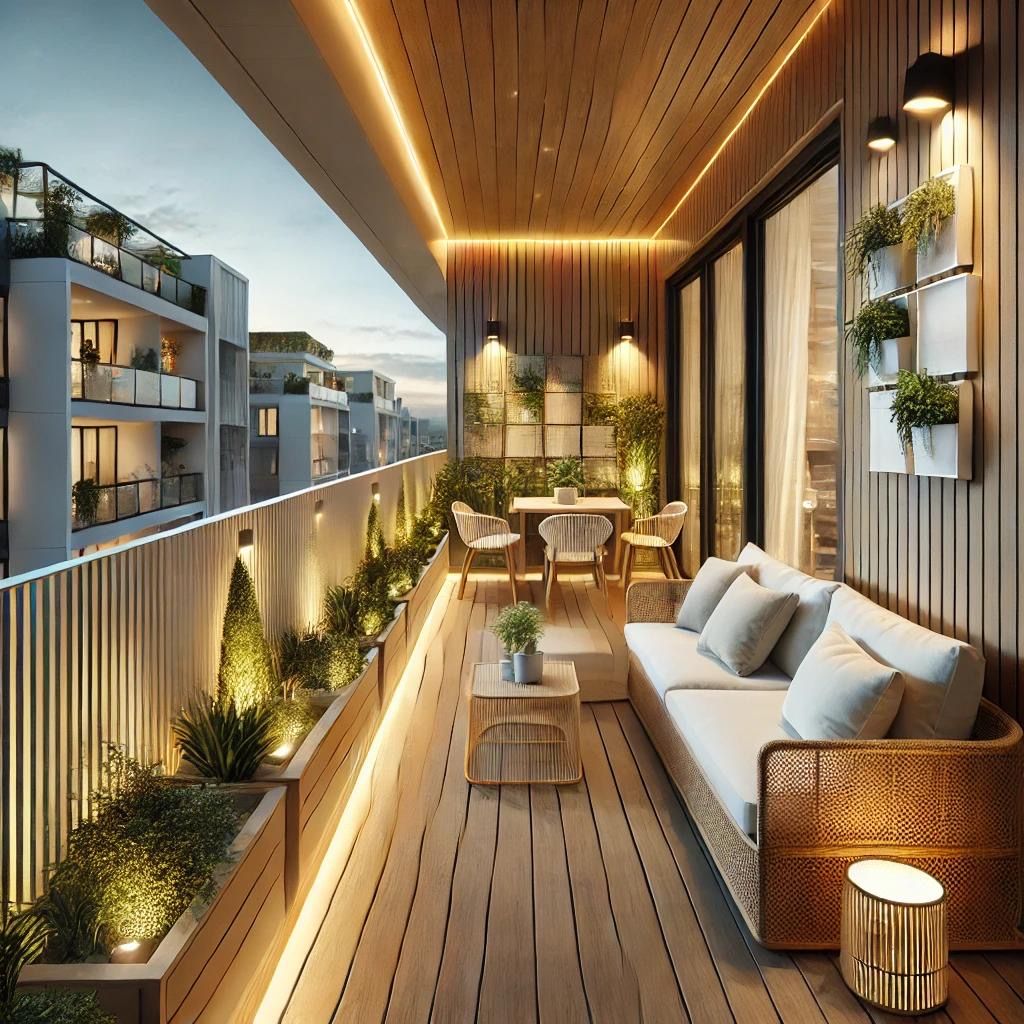
- Consider a green roof or living walls, which provide natural insulation, absorb rainwater, and contribute to a more sustainable and energy-efficient home.
- Natural Ventilation:
- Design the home to maximize natural ventilation. Position windows strategically to capture prevailing breezes, and consider the use of cross-ventilation to cool indoor spaces without relying solely on air conditioning.
- Energy-Efficient Landscaping:
- Plan your landscaping with energy efficiency in mind. Planting trees strategically can provide shade and reduce cooling costs during hot seasons. Choose native, drought-resistant plants to minimize water usage.
- Recycled and Sustainable Materials:
- Use recycled and sustainable materials for construction and interior finishes. Look for eco-friendly options such as bamboo flooring, reclaimed wood, recycled glass, and low-VOC paints.
- Passive Solar Design:
- Embrace passive solar design principles by optimizing the home’s orientation to the sun. This involves maximizing south-facing windows for natural heating and minimizing east and west exposures.
- Rainwater Harvesting:
- Implement a rainwater harvesting system to collect rainwater for non-potable uses like watering the garden or flushing toilets. This reduces dependence on traditional water sources.
- Energy-Efficient Home Design:
- Work with an architect who specializes in energy-efficient home design. Consider factors like the home’s orientation, layout, and the use of natural materials to optimize energy performance.
- Community and Local Resources:
- Consider the availability of community resources such as public transportation, local amenities, and proximity to workplaces. Choosing a location that reduces the need for extensive commuting contributes to overall sustainability.
- Home Energy Audit:
- Conduct a home energy audit to identify areas for improvement in energy efficiency. This can help prioritize upgrades and ensure that your home is performing at its best.
By integrating these eco-friendly and energy-efficient features into your home design, you not only contribute to a healthier planet but also create a comfortable and cost-effective living space for yourself and future generations.
Certainly! Here’s a brief FAQ summarizing key aspects of designing a home with eco-friendly and energy-efficient features:
Q1: What are the key considerations for designing an eco-friendly home? A1: Focus on energy efficiency, sustainable materials, and environmentally conscious practices. Choose features that minimize the home’s impact on the environment and promote long-term sustainability.
Q2: How can I make my home more energy-efficient? A2: Invest in energy-efficient windows and doors, use proper insulation, opt for high-efficiency HVAC systems, and integrate smart home technology to manage and optimize energy consumption.
Q3: Are solar panels a good choice for an eco-friendly home? A3: Yes, solar panels are an excellent choice for harnessing renewable energy from the sun. They reduce reliance on conventional energy sources, lower utility bills, and contribute to a more sustainable lifestyle.
Q4: What types of lighting should I use for an energy-efficient home? A4: Choose LED or CFL bulbs for lighting, as they are more energy-efficient than traditional incandescent bulbs. Additionally, maximize natural daylight and incorporate energy-efficient lighting fixtures.
Q5: How can I reduce water consumption in my eco-friendly home? A5: Install water-efficient fixtures like low-flow toilets, faucets, and showerheads. Consider rainwater harvesting systems for landscaping irrigation and use native, drought-resistant plants.
Q6: What are some eco-friendly materials for home construction and finishes? A6: Opt for recycled and sustainable materials such as bamboo flooring, reclaimed wood, recycled glass, and low-VOC (volatile organic compounds) paints. These choices promote environmentally conscious building practices.
Q7: How can passive solar design contribute to an energy-efficient home? A7: Passive solar design optimizes the home’s orientation to the sun, maximizing natural heating. It involves strategic placement of windows and the use of thermal mass to absorb and store solar energy.
Q8: What role does landscaping play in an eco-friendly home design? A8: Landscaping can contribute to energy efficiency by providing shade and reducing cooling costs. Planting trees strategically, using green roofs, and selecting native, drought-resistant plants all contribute to sustainable landscaping.
Q9: Are there specific certifications for eco-friendly homes? A9: Yes, certifications like LEED (Leadership in Energy and Environmental Design) and ENERGY STAR are recognized standards for eco-friendly homes. These certifications ensure that homes meet specific criteria for sustainability and energy efficiency.
Q10: How can I find an architect specializing in energy-efficient home design? A10: Look for architects with experience in sustainable and energy-efficient design. Check for certifications such as LEED accreditation and review their portfolio to ensure they align with your eco-friendly goals.
Q11: Is there a way to assess my home’s energy efficiency? A11: Yes, consider a home energy audit. Professionals can assess your home’s energy performance, identify areas for improvement, and provide recommendations for making your home more energy-efficient.
Q12: What role does smart home technology play in an eco-friendly home? A12: Smart home technology allows for the efficient management and optimization of energy consumption. Features like smart thermostats, lighting controls, and energy monitoring contribute to overall energy efficiency.
Designing an eco-friendly and energy-efficient home involves a holistic approach, considering elements from construction materials to daily operations. It not only benefits the environment but also enhances the comfort and sustainability of your living space.