Introduction: In the ever-evolving landscape of interior design, the fusion of artistry and technology has given rise to a potent tool: design software for 3D renderings and visualizations. This digital magic wand transforms visions into visual realities, offering clients and designers a glimpse into the enchanting world of a designed space. In this blog post, I’ll unravel the art of leveraging design software for 3D renderings and visualizations, illuminating how it breathes life into concepts and propels the design journey into uncharted realms.
- Transcending Imagination: Design begins in the realm of imagination, and 3D renderings elevate it to new heights. With design software, I can materialize intangible ideas, transforming them into three-dimensional visualizations that transcend the boundaries of imagination. Clients no longer need to rely solely on sketches; they can witness the design come to life before their eyes.
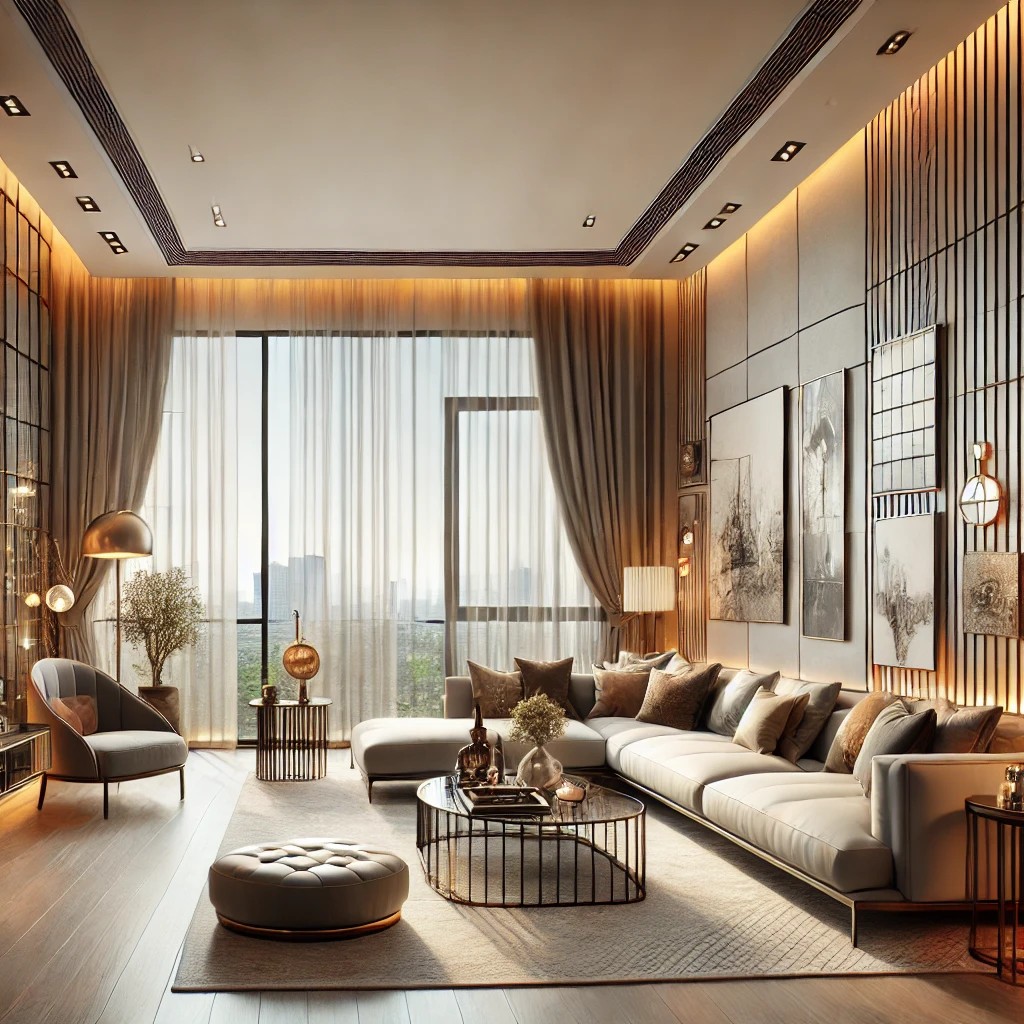
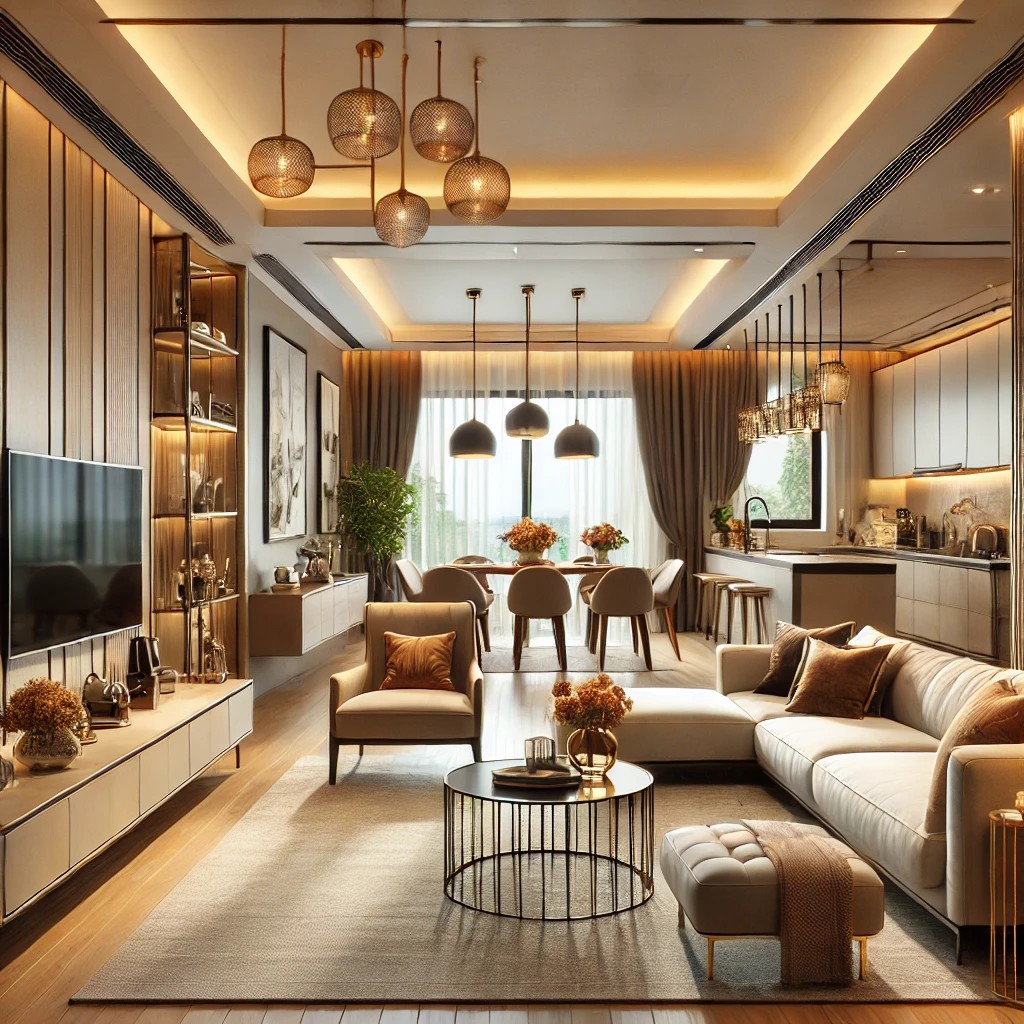
- Precision in Detail: The devil is in the details, and design software ensures that no detail goes unnoticed. From the intricacies of furniture designs to the play of light on surfaces, the precision of 3D renderings allows for an unparalleled level of detail. This precision not only refines the visual aesthetic but also serves as a roadmap for the execution phase.
- Dynamic Spatial Exploration: Design is a spatial dance, and design software allows for dynamic exploration of these spatial choreographies. Clients can virtually navigate through different areas of the designed space, experiencing the flow and proportions in real-time. This dynamic exploration enhances the client’s understanding of spatial relationships and fosters a deeper connection to the design.
- Material Magic: The tactile quality of materials is a crucial aspect of design, and 3D renderings bring these materials to life. Whether it’s the softness of a plush sofa or the sheen of polished marble, the magic of design software allows clients to virtually touch and feel different materials, contributing to informed material selections.
- Adaptive Design Iterations: Design is an iterative journey, and design software provides a dynamic canvas for these iterations. I can experiment with various design alternatives, from color palettes to furniture arrangements, and swiftly visualize the impact of each iteration. This adaptability ensures that the design evolves seamlessly with client feedback and preferences.
- Enhanced Communication: Effective communication is the heartbeat of successful design projects, and 3D renderings serve as a universal language. Design software enables me to communicate ideas more vividly, reducing the gap between the designer’s vision and the client’s understanding. This visual clarity enhances the overall communication and collaboration throughout the design process.
- Realistic Lighting Scenarios: Lighting is a design maestro that orchestrates mood and ambiance. Design software allows for the simulation of realistic lighting scenarios, from the warm glow of ambient lighting to the focused beams of task lighting. Clients can experience the transformative power of lighting choices, influencing their decisions for a well-lit and visually captivating space.
- Interactive Client Engagement: The design journey is a collaborative endeavor, and design software transforms client engagement into an interactive experience. Clients can actively participate in the design process by providing feedback on visualizations, pointing out preferences, and immersing themselves in the evolving design narrative. This interactivity fosters a sense of partnership in the creative journey.
- Streamlining Decision-Making: Informed decision-making is a cornerstone of successful design projects, and design software streamlines this process. Clients can see design options in their entirety, making decisions based on a comprehensive understanding of the visual impact. This streamlined decision-making accelerates the design timeline and ensures client satisfaction.
- Virtual Reality (VR) Integration: The integration of VR technologies takes design software to the next level. Clients can don VR headsets and step into a virtual representation of their designed space. This immersive experience amplifies their connection to the design, providing a firsthand perspective that goes beyond traditional renderings.
- Creating Emotional Resonance: Spaces have the power to evoke emotions, and design software helps me craft designs that resonate emotionally. Clients can experience the emotional ambiance of a space, whether it’s the tranquility of a bedroom retreat or the vibrant energy of a communal living area. This emotional resonance becomes a guiding force in design decisions.
- Efficient Project Visualization: Design projects often involve numerous stakeholders, from architects to contractors. Design software facilitates efficient project visualization by providing a shared platform for all involved parties. This shared visualization ensures that everyone is aligned with the design vision, minimizing misunderstandings and enhancing collaboration.
- Effortless Design Changes: Design is a dynamic process, and design software makes design changes effortless. Whether responding to client feedback or adapting to unforeseen challenges, I can make adjustments in real-time. This flexibility ensures that the design remains adaptable and aligned with the evolving needs of the project.
- Educational Design Experience: Design software transforms the design experience into an educational journey. Clients can gain insights into design principles, spatial considerations, and the impact of various design elements. This educational aspect empowers clients, making them more informed and engaged participants in the design process.
- Powerful Marketing Tool: Beyond client presentations, 3D renderings serve as a powerful marketing tool. High-quality visualizations can be showcased in a designer’s portfolio, on websites, and across social media platforms. This visually compelling marketing approach enhances a designer’s online presence and attracts potential clients.
- Versatile Design Presentations: Design software enables the creation of versatile design presentations. Whether it’s still images, dynamic animations, or interactive virtual tours, the versatility of design presentations ensures that clients can engage with the design in a format that suits their preferences.
- Global Design Collaboration: Design is no longer confined by geographical boundaries. Design software facilitates global collaboration, allowing designers to work with clients and collaborators from different parts of the world. This global connectivity enriches the design process with diverse perspectives and influences.
- Continuous Mastery and Innovation: The realm of design software is vast and ever-evolving, and mastery is a continual journey. Staying abreast of the latest features, tools, and innovations ensures that designers can harness the full potential of design software, pushing the boundaries of creativity and innovation.
In conclusion, the art of leveraging design software for 3D renderings and visualizations is a transformative journey that transcends traditional design boundaries. It empowers designers to weave intricate narratives, immerses clients in the magic of their envisioned spaces, and propels the design process into a realm where creativity knows no limits. As pixels dance and designs come to life on the digital canvas, the alchemy of design software unfolds, turning dreams into enchanting, visually captivating realities.