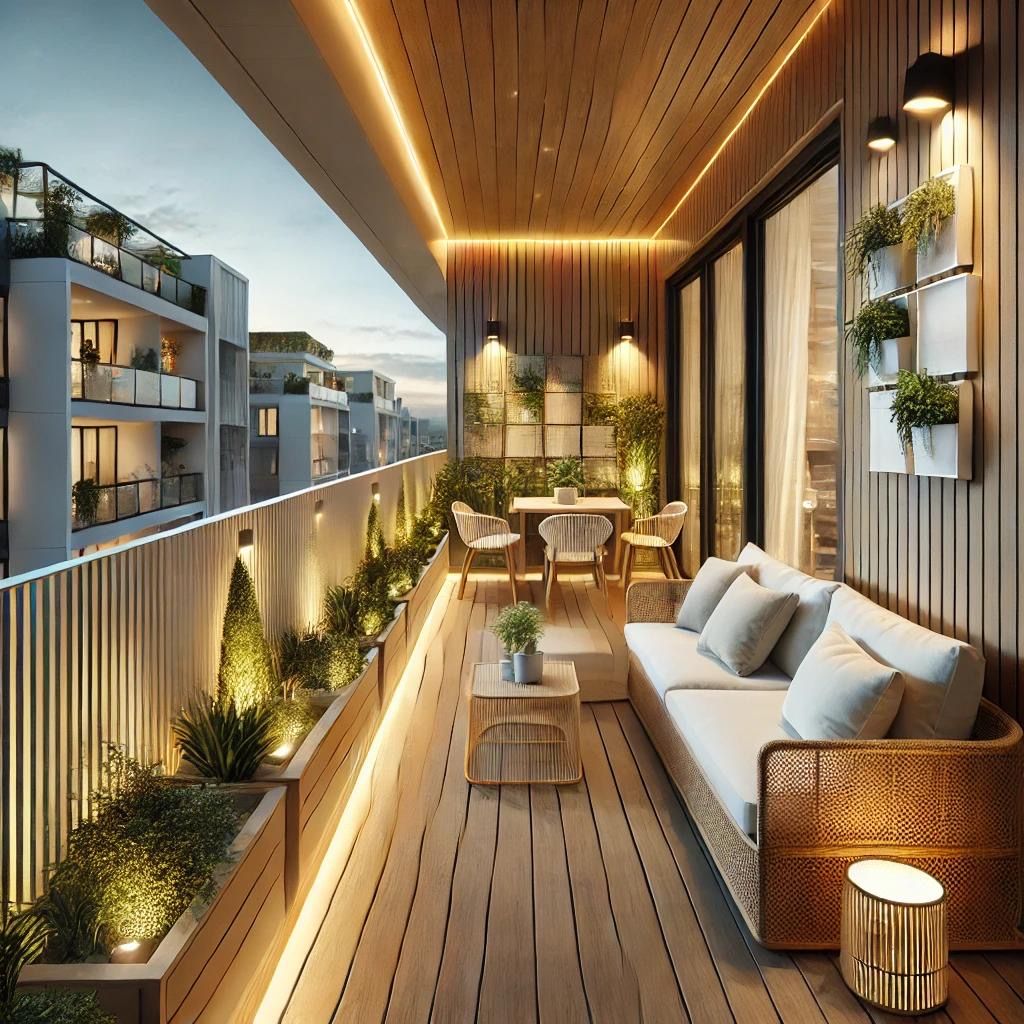
Balancing staying on trend with creating a timeless design is a delicate dance that involves thoughtful consideration and strategic decision-making. Here are some strategies I employ to achieve this balance:
- Understand the Fundamentals of Timeless Design: Before incorporating trends, it’s crucial to have a solid understanding of the fundamentals of timeless design. Elements like classic color palettes, quality materials, and enduring architectural details serve as the foundation. These timeless aspects provide stability while trends come and go.
- Prioritize Timeless Foundations: When designing a space, I prioritize timeless design elements in foundational elements such as flooring, architectural details, and larger furniture pieces. This ensures that even if trends are introduced through smaller elements, the core of the design remains enduring.
- Select Trendy Elements Thoughtfully: While trends can add freshness to a design, it’s essential to select trendy elements thoughtfully. I choose trends that align with the client’s preferences and the overall design vision, ensuring that they enhance rather than dominate the space.
- Use Trends in Accessories and Decor: To strike a balance, I often incorporate trends through accessories and decor items. These are easier to update or replace as trends evolve, allowing the core design to remain timeless. Pillows, throws, artwork, and smaller decor pieces can be swapped out to stay current.
- Integrate Timeless Colors: Colors play a significant role in design trends. While I might experiment with trendy colors in accents or decor, I anchor the color palette with timeless neutrals. This ensures that the overall aesthetic remains timeless, and the trendy colors can be adjusted over time.
- Balance Bold and Neutral: If incorporating bold or trendy patterns, I balance them with neutral backgrounds. This prevents the design from feeling overwhelming and allows for easier updates as trends change. A mix of bold and neutral creates a dynamic yet timeless visual appeal.
- Invest in Timeless Furniture Pieces: Investing in timeless and versatile furniture pieces is a key strategy. These foundational pieces should have classic shapes and durable materials, ensuring that they can stand the test of time. Trendier styles can be incorporated through less permanent elements.
- Experiment with Temporary Trends: Some trends have a shorter lifespan than others. I may experiment with temporary trends in areas where changes can be easily made, such as removable wallpaper or trendy light fixtures. This allows for a playful exploration without long-term commitment.
- Incorporate Sustainable Design Practices: Sustainable design practices often align with timeless principles. By incorporating eco-friendly materials and energy-efficient solutions, the design becomes inherently timeless. This also reflects a commitment to enduring values beyond fleeting trends.
- Consult with the Client: Collaboration with the client is essential. I engage in open discussions about their preferences, including their comfort level with incorporating trends. Understanding their willingness to embrace trends or prioritize timelessness helps tailor the design to their specific desires.
- Consider the Context of the Space: The context of the space influences the balance between trends and timelessness. For example, a residential kitchen may lean more towards timeless elements, while a commercial space might incorporate trends that appeal to a target audience. The context guides the design choices.
- Embrace Classic Patterns: Classic patterns, such as stripes, checks, or herringbone, provide a timeless backdrop. If I decide to introduce trendy patterns, I do so sparingly and ensure they complement rather than dominate the overall design.
- Strategic Use of Accent Walls: Accent walls can be a great way to experiment with trends without overwhelming the entire space. I might use removable wallpaper, bold paint colors, or trendy textures on an accent wall, allowing for easy updates in the future.
- Follow Evolving Trends Cautiously: While staying informed about design trends is important, I approach evolving trends cautiously. I evaluate their potential longevity, relevance to the client’s preferences, and whether they can be integrated seamlessly into the overall design.
- Investigate Timeless Materials: Choosing timeless materials is critical for balancing trends. Materials like marble, hardwood, and natural stone have endured through various design eras. These materials can be complemented by trendier elements without compromising the overall timelessness.
- Create a Design Blueprint: Before starting a project, I create a design blueprint that outlines the balance between timeless and trendy elements. This roadmap helps maintain focus and ensures that trendy additions enhance the overall design without overshadowing the timeless foundation.
- Plan for Flexibility: Designing with flexibility in mind allows for future adjustments. Whether it’s updating accessories, replacing decor items, or making minor modifications, a flexible design approach accommodates evolving trends without a complete redesign.
- Evaluate Long-Term Impact: Before incorporating a trend, I evaluate its potential long-term impact. If a trend aligns with the client’s preferences and has the potential to age gracefully, it may have a place in the design. Otherwise, I prioritize elements with enduring appeal.
By incorporating these strategies, I aim to achieve a harmonious balance between staying on trend and creating a timeless design. The goal is to create spaces that not only reflect current aesthetics but also stand resilient against the passage of time, providing a timeless backdrop for the client’s lifestyle.