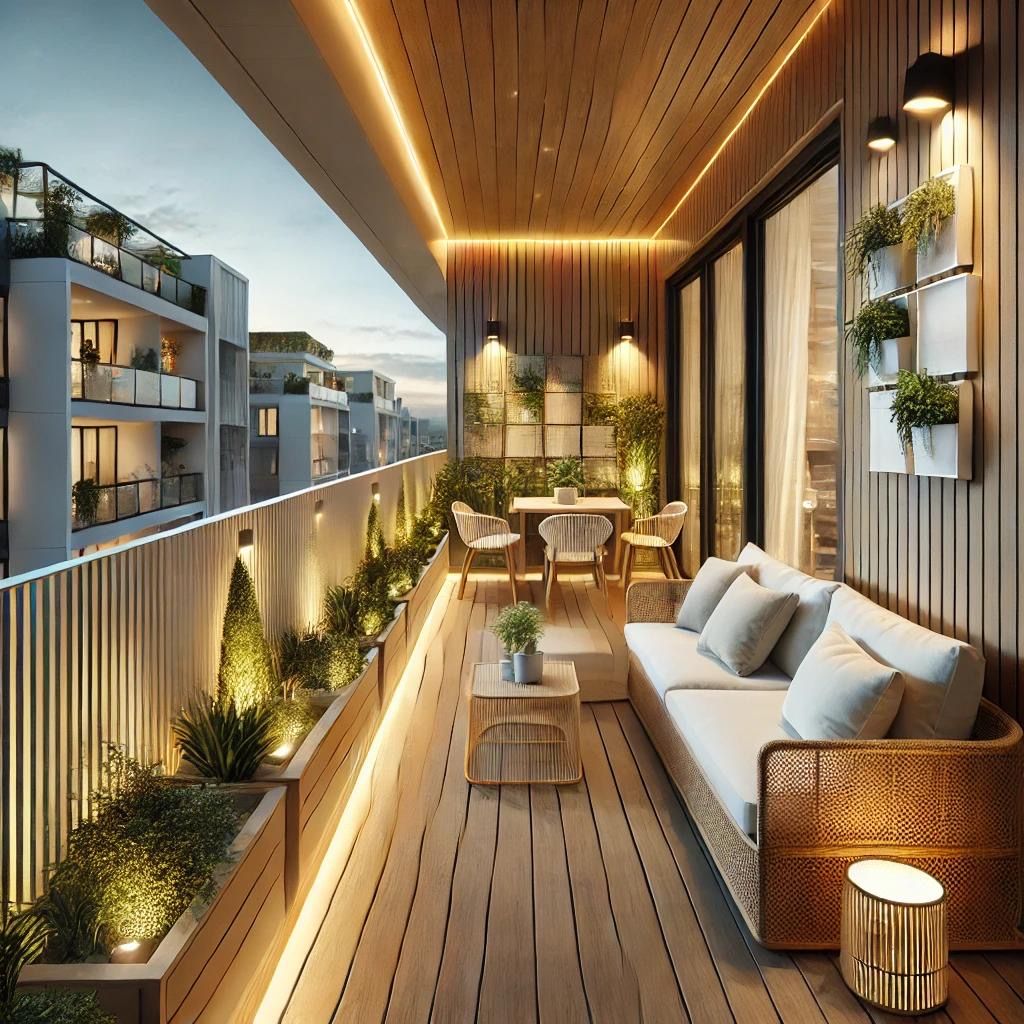
Biophilic design is an innovative approach to architecture and interior design that incorporates elements of nature to create a more harmonious and human-centered built environment. The term “biophilia” refers to the innate human connection with nature, and biophilic design aims to enhance well-being by bringing natural elements into indoor spaces. Here are some key principles and ideas for introducing nature indoors with biophilic design:
- Natural Light:
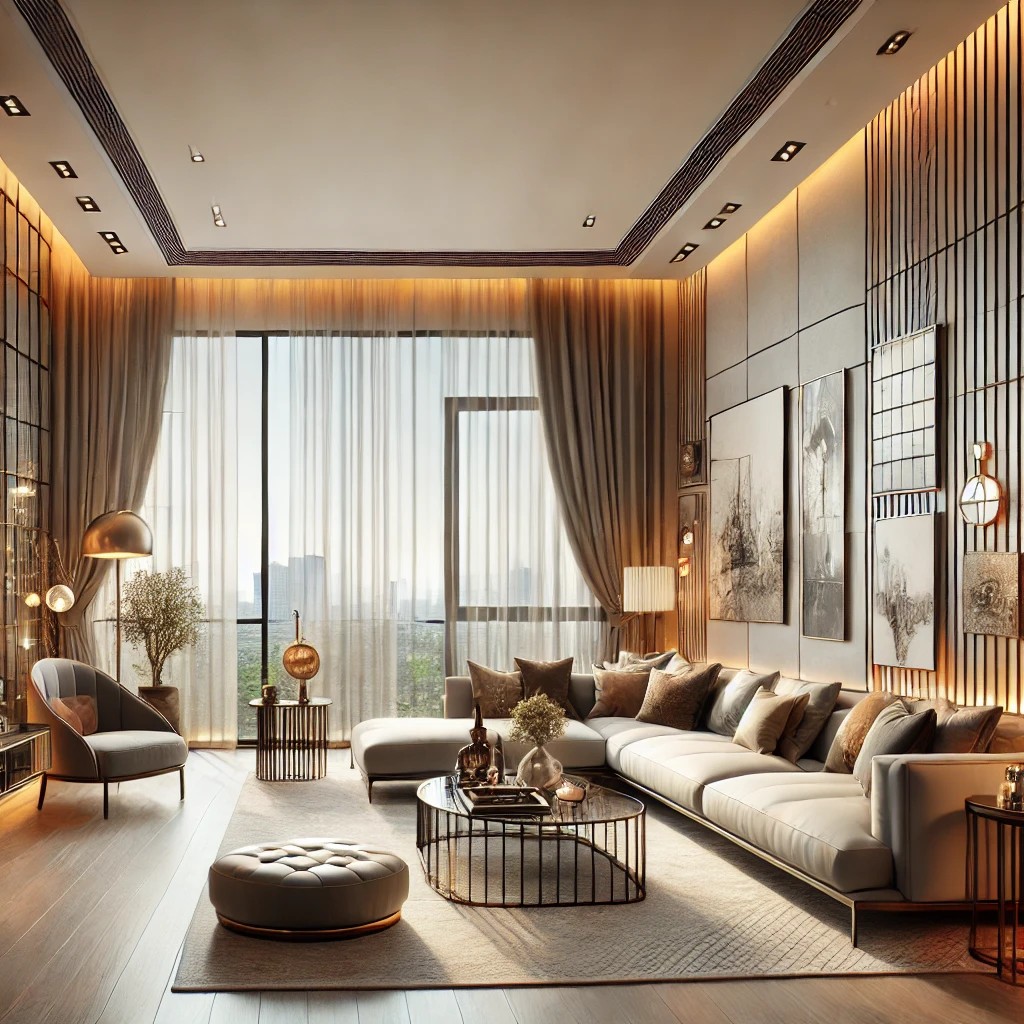
- Maximize natural light by incorporating large windows, skylights, and glass doors.
- Use light-filtering materials to soften and diffuse sunlight, creating a more organic and dynamic lighting environment.
- Greenery and Plants:
- Integrate plants and greenery throughout the space, including potted plants, hanging gardens, or living walls.
- Choose a variety of plant species to introduce diversity and mimic natural ecosystems.
- Natural Materials:
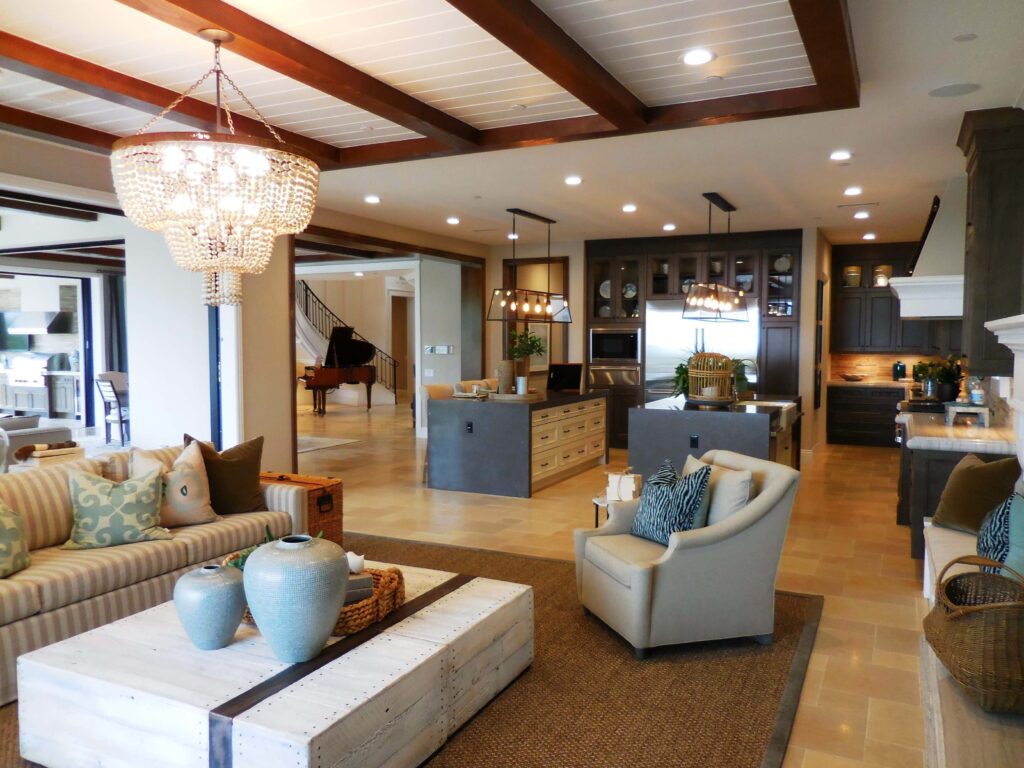
- Use natural materials such as wood, stone, bamboo, and cork for flooring, furniture, and decor.
- Incorporate textures inspired by nature, like rough stone or smooth pebbles.
- Water Features:
- Include water features like indoor fountains, reflecting pools, or aquariums to bring the soothing effects of water into the environment.
- The sound of flowing water can contribute to a calming atmosphere.
- Views of Nature:
- Design spaces to offer views of natural elements, whether it’s a garden, courtyard, or scenic landscape.
- Position workstations and seating areas to take advantage of outdoor views.
- Natural Colors:
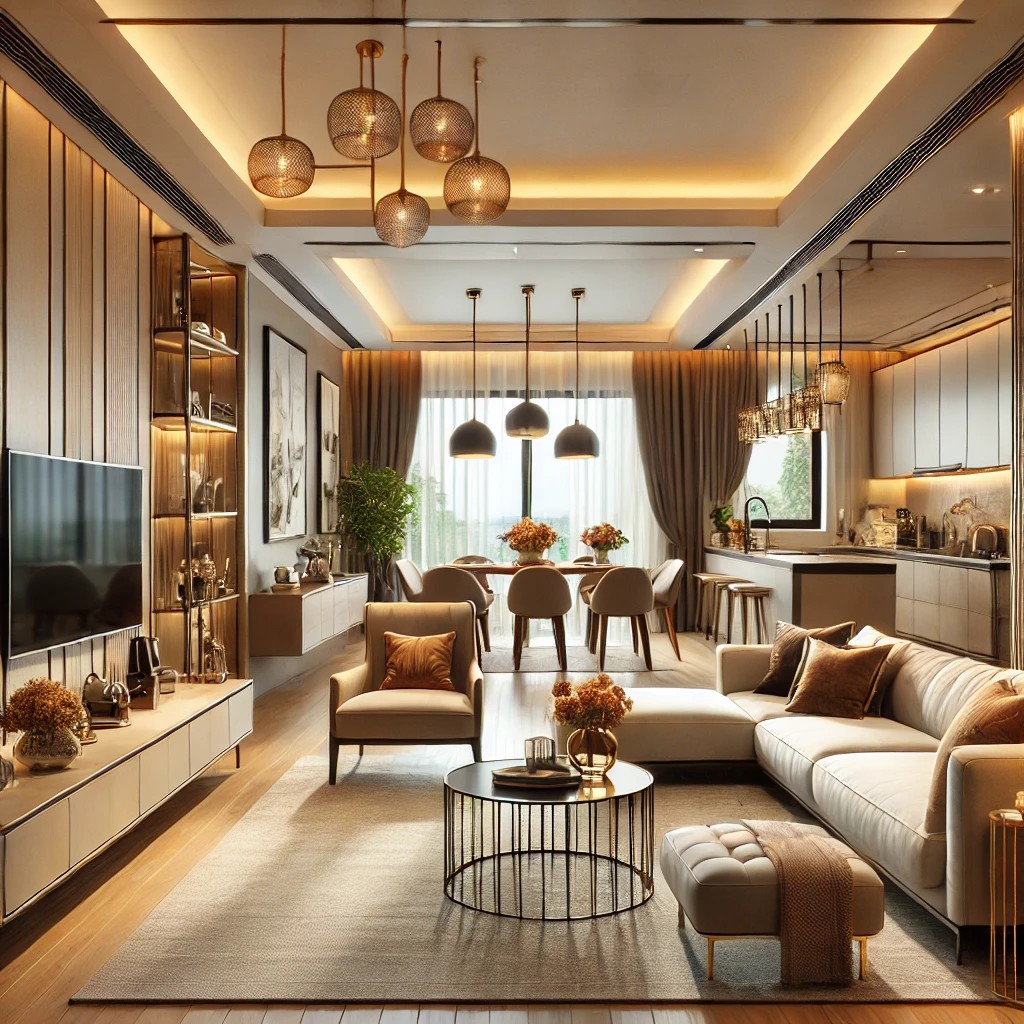
- Choose a color palette inspired by nature, such as earth tones, greens, blues, and browns.
- Consider the psychological impact of colors on mood and well-being.
- Organic Shapes and Patterns:
- Integrate organic shapes and patterns in furniture, decor, and architectural elements.
- Avoid rigid, straight lines in favor of curves and irregular shapes reminiscent of nature.
- Biomorphic Design:
- Incorporate design elements that mimic natural forms and patterns, such as leaf-like structures or organic patterns in carpets and textiles.
- Sensory Engagement:
- Engage multiple senses by incorporating elements like natural scents, sounds of nature, and tactile materials.
- Consider the use of natural fragrances, such as essential oils or scented plants.
- Flexible and Varied Spaces:
- Create flexible and adaptable spaces that allow for a variety of activities, mirroring the diverse environments found in nature.
- Provide spaces for relaxation, collaboration, and focused work.
By integrating these biophilic design principles, indoor spaces can become more conducive to well-being, creativity, and productivity while fostering a deeper connection with the natural world. Whether in residential, commercial, or public settings, the benefits of biophilic design extend to both physical and mental health, creating environments that are not only aesthetically pleasing but also supportive of human needs and experiences.