Chhatarpur Delhi

What interior designers should not do?

What Interior Designers Should Not Do | Interior Design Mistakes Guide 2026
INTERIOR DESIGN MISTAKES GUIDE 2026

What Interior Designers Should Not Do

Discover the biggest mistakes interior designers should avoid including poor planning, ignoring client needs, overcrowding interiors, bad lighting choices, budget mismanagement, and outdated design practices.

What Interior Designers Should Avoid

Interior designers should avoid poor space planning, ignoring functionality, overspending budgets, copying designs without personalization, using improper lighting, overcrowding spaces, and neglecting client preferences.

Why Avoiding Interior Design Mistakes Is Important
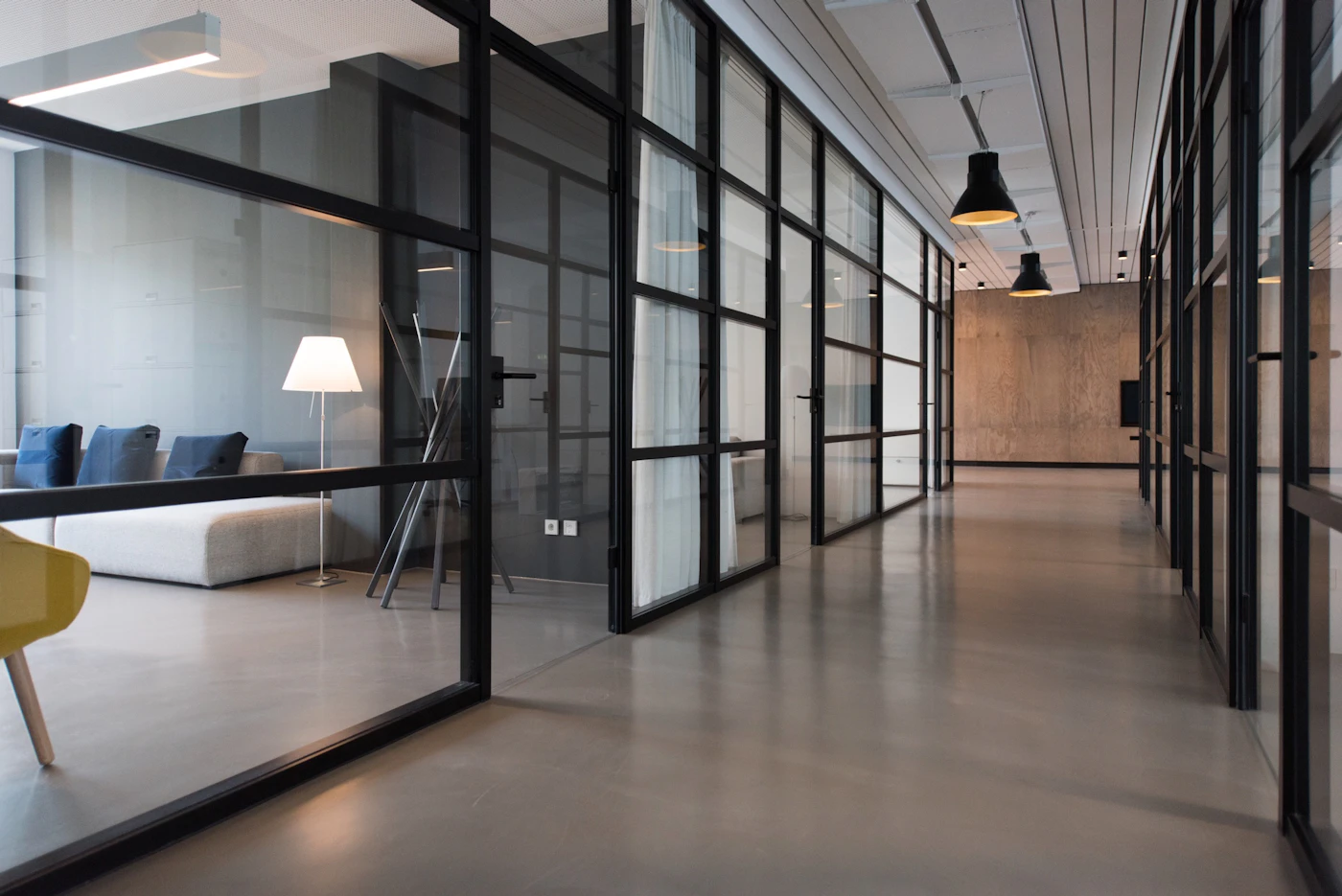
Interior designer planning modern apartment layout

Interior design directly affects comfort, functionality, aesthetics, and property value. Poor planning or design mistakes can create uncomfortable spaces, increase renovation costs, and reduce visual appeal. Modern homeowners in Gurgaon, Noida, and Delhi NCR increasingly expect personalized, functional, and luxurious interiors that match their lifestyles.

80%

Design Issues Caused by Poor Planning

15+

Years Interior Experience

1000+

Interior Projects Completed

Interior Designers Should Not Ignore Client Needs

Interior designer discussing home design ideas with clients

One of the biggest mistakes interior designers can make is ignoring client preferences and lifestyle requirements. Beautiful interiors are not successful unless they are practical and personalized for the homeowner.

  • Understand client lifestyle and daily routines
  • Respect personal design preferences
  • Balance aesthetics with functionality
  • Create practical and comfortable layouts
  • Maintain transparent communication throughout projects

Interior Designers Should Not Overcrowd Spaces

Too Much Furniture

Overloading rooms with furniture reduces comfort and movement space.

Excessive Décor

Too many decorative items create cluttered and visually heavy interiors.

Poor Layout Planning

Bad furniture arrangement disrupts movement flow inside rooms.

Oversized Furniture

Large furniture can make compact apartments feel smaller.

Interior Designers Should Not Ignore Lighting

Modern luxury interior with balanced lighting design

Lighting is one of the most important parts of interior design. Poor lighting can ruin even the best-designed spaces. Interior designers should always combine natural lighting, ambient lighting, task lighting, and decorative fixtures for balanced interiors.

Lighting MistakeProblem Created
Insufficient LightingDark and uncomfortable interiors
Harsh White LightingCold and unattractive atmosphere
Ignoring Natural LightReduced brightness and ventilation
Poor Fixture PlacementUneven lighting distribution

Interior Designers Should Not Ignore Functionality

Modern apartment interior with functional furniture layout

Bad Storage Planning

Insufficient storage creates cluttered and inefficient interiors.

Ignoring Movement Space

Rooms should allow comfortable movement and accessibility.

Uncomfortable Furniture

Furniture should be practical and ergonomically designed.

Wrong Furniture Scale

Furniture size must match room dimensions properly.

Interior Designers Should Not Exceed Budgets

Interior budget planning for modern home renovation
  • Create realistic budget plans before starting
  • Avoid unnecessary luxury upgrades
  • Prioritize essential interior elements first
  • Maintain cost transparency with clients
  • Select materials according to project budget
  • Prevent hidden expenses during execution

Budget management is extremely important for successful interior projects in Delhi NCR where material and labor costs vary significantly.

Interior Designers Should Not Follow Trends Blindly

Overuse of Trends

Temporary trends may become outdated quickly.

Ignoring Timeless Design

Balanced interiors should remain attractive for years.

Copying Designs

Every home should reflect unique personality and functionality.

Ignoring Practicality

Stylish interiors must also be functional and durable.

Common Technical Mistakes Interior Designers Should Avoid

Professional interior planning with technical drawings
Technical MistakeImpact
Improper Electrical PlanningInconvenient switch and socket placement
Poor Ventilation DesignUncomfortable indoor environment
Incorrect MeasurementsFurniture fitting problems
Low-Quality MaterialsReduced durability and frequent repairs
Ignoring Safety StandardsElectrical and structural risks

How Professional Interior Designers Create Better Spaces

Proper Planning

Professional layouts improve space efficiency and comfort.

Balanced Aesthetics

Experts combine beauty with practicality.

Budget Optimization

Smart material selection controls overall costs.

Luxury Finishing

Quality execution creates elegant and long-lasting interiors.

Modern Interior Design Best Practices

Modern luxury apartment interiors with minimalist design
  • Focus on minimalist and clutter-free layouts
  • Use smart lighting and natural materials
  • Create multifunctional spaces for modern living
  • Balance comfort, luxury, and functionality
  • Use sustainable and durable materials
  • Personalize interiors according to client lifestyle

Related Interior Design Resources

Create Functional and Beautiful Interiors

Transform your apartment, villa, or office with professional interior design solutions focused on functionality, luxury aesthetics, smart planning, and personalized living experiences across Delhi NCR.

Book Free Consultation

Common Interior Design Mistakes Experts Always Spot Contents. Not Having a Plan. Not Budgeting Properly. Failing to Establish a Focal Point. Thinking Everything Has to Match. Having your Clutter on Display. Holding onto Heirlooms (you do not like). Using the Wrong Size Area Rug.

What interior designers should not do? Read More »

How can I learn my own design?

How can I learn my own design?

Master the art of interior design from the comfort of your home with a structured, self-taught approach.

The Path to Self-Mastery

Learning design on your own is a journey of discovery. Start by understanding the core interior concept. From mastering software to setting up a home studio, the process of becoming a self-taught interior designer is both challenging and rewarding.

1. Study the Fundamentals

Begin with the basics of design theory. Learn how to balance elements and use color psychology to create specific moods in a room. Even if you start with no experience, these principles are your foundation.

2. Master the Tools

To bring your ideas to life, you must learn the required skills and software. Whether it’s 3D modeling or spatial planning, technical proficiency is what allows you to execute complex interior features like a custom false ceiling.

3. Apply Universal Rules

Familiarize yourself with the golden rule of design. This will help you understand proportions, especially when working on large-scale projects like a villa interior. Remember, becoming a designer is easier than you think if you stay organized and consistent.

4. Build a Portfolio

As you experiment with different modern luxury styles, document your work. A strong portfolio is essential for any home interior designer. It shows your ability to manage a project from concept to the final wall finish.

Start Your Design Journey

Ready to define your style? Explore our pricing guide to understand the industry standards or find your interior design in one word.

Learn Project Management Skills

How can I learn my own design? Read More »

Is interior design easy?

Is interior design easy?

Beyond the aesthetics lies a world of complex project management, tight budgets, and technical precision.

The Designer’s Reality

While often perceived as purely creative, interior design can be highly stressful. Designers must work hard to communicate their interior concept while managing client expectations, tight budgets, and last-minute changes. It is a profession that demands both artistic vision and rigorous technical execution.

1. Communication and Expectations

One of the hardest parts of interior design is ensuring the client’s vision aligns with reality. Applying design theory and color psychology helps in justifying design choices, but managing the human element remains a significant challenge.

2. Technical Complexity

Designing a villa interior involves more than picking furniture. You must understand the golden rule of design, manage structural interior features, and coordinate complex installations like a false ceiling.

3. Professional Skills Required

To make the job look “easy,” you must first learn the required skills. This includes everything from spatial planning to understanding the project manager’s duties in ensuring a project stays on schedule and within budget.

4. Career Challenges

If you are looking to start with no experience, be prepared for a steep learning curve. While the industry offers various modern luxury styles to explore, the day-to-day work involves significant problem-solving and persistence.

Understand the Industry

Success in design comes from preparation. Check our pricing guide to see the financial side of projects, or define your style with interior design in one word.

Work with a Professional Designer

Is interior design easy? Read More »

What is the difference between an interior designer and an interior decorator?

The main difference is that an interior designer changes how a space functions, while an interior decorator improves how it looks.

Interior DesignerInterior Decorator
Plans the layout and functionality of spacesFocuses on aesthetics and styling
Can redesign kitchens, bathrooms, and floor plansSelects furniture, colors, artwork, and accessories
Works with architects, engineers, and contractorsWorks with homeowners or businesses after construction
May handle lighting plans, electrical layouts, and space planningArranges décor to create a cohesive look
Often requires formal education and technical knowledgeMay have design training but typically doesn’t alter structural elements

What an Interior Designer Does

An interior designer is involved in both the technical and creative aspects of a project. Typical responsibilities include:

  • Space planning
  • Kitchen and wardrobe design
  • Lighting design
  • Material and finish selection
  • Custom furniture design
  • Coordination with contractors
  • Budget and project management
  • Ensuring designs comply with building codes where applicable

An interior designer is the right choice if you’re:

  • Renovating your home
  • Building a new house
  • Changing room layouts
  • Planning custom cabinetry or storage
  • Managing a full-home makeover

What an Interior Decorator Does

An interior decorator enhances an existing space without changing its structure. They typically help with:

  • Choosing paint colors
  • Selecting furniture
  • Curtains and blinds
  • Rugs and carpets
  • Artwork and accessories
  • Decorative lighting
  • Styling shelves and tabletops

An interior decorator is ideal if your home already has a functional layout and you want to refresh its appearance.

Which One Should You Hire?

Choose an interior designer if you need:

  • Space planning
  • Structural or layout changes
  • Custom-built furniture
  • Renovation or new-home interiors
  • End-to-end project management

Choose an interior decorator if you need:

  • A style refresh
  • Help selecting furniture and décor
  • Color coordination
  • Seasonal or room-by-room styling

Can One Person Do Both?

Yes. Many professionals offer both interior design and interior decoration services. For example, a designer may create the layout and custom cabinetry, then also select furniture, fabrics, artwork, and accessories to complete the look.

In practice, if your project involves construction, remodeling, or custom interiors, an interior designer is usually the better fit. If the space is already complete and you’re mainly looking to improve its visual appeal, an interior decorator is often sufficient.

Interior layout is the artwork and technology of information people’s conduct to create purposeful areas inside a building, even as indoors re adorning is the furnishing or re adorning of a area with ornamental factors to attain a positive aesthetic. In short, indoors designers can also additionally decorate, however decorators do now no longer layout.

What is the difference between an interior designer and an interior decorator? Read More »

How do I start an interior design job with no experience?

How do I start an interior design job with no experience?

Break into the industry by building a strong foundation through education, internships, and hands-on training.

Building Your Foundation

Before you can formally market yourself as a professional, you need a solid understanding of the interior concept. The best path for beginners is to seek full-time, on-the-job training. Look for internships, apprenticeships, or entry-level roles at established interior design firms.

1. Master the Fundamentals

Starting a career is easier than you think if you focus on the core principles. Understanding design theory and how to apply color psychology in residential spaces will set you apart from other candidates.

2. Gain Practical Experience

Working under a seasoned home interior designer allows you to see how interior features are selected and installed. You’ll learn the importance of the golden rule of design and how to manage complex projects like a villa interior.

3. Develop Essential Skills

To succeed, you must learn the required skills, such as technical drawing and material selection. Understanding the role of a project manager in a design firm will also help you understand the business side of the industry.

4. Understand Different Styles

Familiarize yourself with various aesthetics, from modern luxury styles to minimalist designs. Being able to explain interior design in one word or a single concept is a valuable communication skill for any new designer.

Ready to Launch Your Career?

Start by understanding the market and design costs. Your journey to becoming a professional designer starts with a single step toward education and experience.

Explore Living Room Designs

How do I start an interior design job with no experience? Read More »

What is the best finish for living room walls?

What is the best finish for living room walls?

Achieve a flawless, high-end look by choosing the perfect paint finish for your home’s most social space.

Choosing the Right Sheen

For the living room and dining room, an eggshell or satin finish is the gold standard. These finishes are excellent for hiding flaws and imperfections—particularly on uneven walls—and provide a sophisticated, high-end appearance that is essential when showcasing your interior concept.

1. Aesthetic and Durability

Eggshell finishes offer a soft glow without being overly reflective, which helps in managing light and color psychology. In modern luxury styles, a satin finish provides the durability needed for high-traffic areas while maintaining a silky texture.

2. Enhancing Architectural Features

The right wall finish can accentuate other interior features. For instance, a satin finish on walls paired with a matte false ceiling creates a beautiful contrast that is often seen in high-end villa interiors.

3. Professional Design Strategy

A home interior designer uses design theory to determine how different finishes will react to natural and artificial light. By applying the golden rule of design, they ensure the wall sheen complements the overall room scale and furniture.

4. Expert Application

Achieving a perfect finish requires refined design skills and proper wall preparation. For large residential projects, a project manager ensures that the painting team follows exact specifications for a consistent, professional result.

Elevate Your Living Room

Selecting the perfect finish for your walls is easier than you think. Explore our pricing guide and define your interior design today.

Interior Design in One Word

What is the best finish for living room walls? Read More »

Which material is best for use on interior walls?

Which material is best for use on interior walls?

Discover the top-rated materials for your home, from classic wood paneling to modern glass and luxury marble cladding.

Top Interior Wall Materials

Selecting the best material is crucial for a cohesive interior concept. While wooden paneling remains a top choice for its warmth, modern homes often utilize a mix of textures to achieve high-end interior design.

  • Wooden Paneling
  • Plastic / PVC Panels
  • Glass Wall Material
  • Veneer Plaster
  • Tile & Marble Cladding
  • Plywood Wall Material

1. Warmth and Texture

Wooden paneling is a superb alternative to standard drywall, offering organic texture that influences color psychology by making spaces feel grounded. In modern luxury styles, these materials are often paired with metallic accents for a refined look.

2. Luxury and Durability

Tile and marble cladding are standout interior features in premium villa interiors. These materials offer unmatched durability and can be beautifully integrated with a false ceiling to create a seamless, high-end environment.

3. Design Theory in Material Choice

A home interior designer applies design theory to ensure that the chosen wall material complements the room’s lighting and furniture. Adhering to the golden rule of design ensures that heavy materials like marble don’t overwhelm smaller spaces.

4. Professional Implementation

Working with specialized materials like veneer plaster or glass requires expert design skills. For comprehensive home renovations, a project manager is essential to coordinate the logistics and ensure precision installation.

Start Your Material Transformation

Choosing the right wall material is easier than you think with expert guidance. Check our pricing guide to plan your next interior wall project.

Interior Design in One Word

Which material is best for use on interior walls? Read More »

What are different types of wall covering?

What are different types of wall covering?

Explore versatile materials to transform your walls, from classic wallpaper to luxurious leather and sustainable cork.

The Essential Guide to Wall Materials

Wall coverings are a fundamental part of any interior concept. They define the texture, color, and mood of a room. Whether you’re looking for the durability of tiles or the warmth of wood, selecting the right material is the first step in high-quality interior design.

  • Wallpaper
  • Fabric
  • Plastic / PVC
  • Wood Paneling
  • Cork
  • Glass
  • Tiles
  • Leather

1. Aesthetic Impact and Psychology

The choice of wall covering directly influences color psychology within a space. For example, wood adds organic warmth, while glass can make a room feel modern and expansive. In modern luxury styles, textured coverings like leather or fabric are often used to create depth.

2. Strategic Interior Features

Modern wall coverings often complement other interior features. A stunning accent wall can be further highlighted by a false ceiling with perimeter lighting, a common sight in premium villa interiors.

3. Professional Material Selection

A home interior designer applies design theory to choose coverings that are both beautiful and functional. By adhering to the golden rule of design, they ensure the wall treatment balances with the room’s furniture and scale.

4. Expert Installation

Installing specialized coverings like glass or leather requires advanced design skills and precision. For large-scale projects, a project manager oversees the process to ensure a flawless finish that lasts for years.

Ready to Redefine Your Walls?

Transforming your space with the right wall coverings is easier than you think. Check our pricing guide to get started on your renovation today.

Interior Design in One Word

What are different types of wall covering? Read More »

What kind of art to put in bedroom?

What kind of art to put in bedroom?

Curate a peaceful atmosphere with artwork that promotes rest, relaxation, and visual harmony.

Choosing Art for Tranquility

Traditional artwork choices for a tranquil bedroom include landscapes, garden scenes, botanical images, and ocean views. Simple photographic art pieces work equally well. These styles convey a sense of peace and calm, which is essential for an effective interior concept focused on sleep and relaxation.

1. The Psychology of Calm

Selecting art isn’t just about color; it’s about color psychology. Soft blues and greens in landscapes can lower stress levels. In a modern luxury style bedroom, art serves as a sophisticated focal point that ties the room together.

2. Integrating Art with Architecture

Consider how your art interacts with other interior features. For instance, art placed under a false ceiling with recessed lighting can create a gallery-like feel in villa interiors, enhancing the overall grandeur.

3. Professional Placement

A home interior designer uses design theory to ensure the scale of the artwork matches the wall and furniture. Following the golden rule of design helps in positioning art at the perfect eye level for maximum impact.

4. Expert Execution

Curating a cohesive art collection requires refined design skills. For large residential projects, a project manager coordinates the installation to ensure every piece is secure and perfectly aligned.

Elevate Your Bedroom Design

Finding the perfect art for your home is easier than you think. Explore our pricing guide and define your interior design today.

Interior Design in One Word

What kind of art to put in bedroom? Read More »

How to decorate walls in bedroom?

How to Decorate Walls in Bedroom? | Modern Bedroom Wall Decor Ideas 2026
BEDROOM WALL DECOR IDEAS 2026

How to Decorate Walls in Bedroom?

Discover modern bedroom wall decoration ideas using wallpapers, wall panels, mirrors, lighting, paintings, textures, floating shelves, and luxury décor concepts for stylish interiors.

Best Ways to Decorate Bedroom Walls

Bedroom walls can be decorated using wallpapers, textured paint, wall panels, mirrors, artwork, floating shelves, decorative lighting, wooden finishes, and modern wall décor accessories to create elegant and relaxing interiors.

Why Bedroom Wall Decoration Is Important

Luxury modern bedroom wall decor with elegant lighting

Bedroom wall decoration improves aesthetics, comfort, and ambiance while creating a personalized and relaxing environment. Modern bedroom interiors in Gurgaon, Noida, and Delhi NCR increasingly focus on stylish wall treatments that combine luxury, functionality, and contemporary design trends.

1000+

Bedroom Interiors Designed

15+

Years Interior Experience

80%

Homes Prefer Accent Walls

Best Bedroom Wall Decoration Ideas

Wallpaper Designs

Modern wallpapers add texture, luxury, and visual depth to bedroom walls.

Wooden Wall Panels

Wooden panels create elegant and warm bedroom interiors.

Textured Paint

Designer paint textures create modern and premium wall finishes.

Decorative Mirrors

Mirrors make bedrooms appear larger, brighter, and more stylish.

Floating Shelves

Floating shelves add decorative and functional storage solutions.

Artwork & Paintings

Wall art creates personality and enhances bedroom aesthetics.

Modern Accent Wall Ideas

Modern bedroom accent wall with textured panels and lighting
  • Create a statement wall behind the bed
  • Use wooden slats for modern luxury interiors
  • Add wallpaper with subtle textures and patterns
  • Use ambient LED strip lighting for soft effects
  • Install upholstered wall panels for premium aesthetics
  • Choose neutral and calming color palettes

Accent walls are one of the most popular modern bedroom trends because they instantly improve the visual appeal without overcrowding the space.

Best Colors for Bedroom Walls

Color ThemeEffect on Bedroom
White & BeigeCreates calm and spacious interiors
Grey TonesAdds modern and elegant aesthetics
Pastel ShadesCreates relaxing and soft environments
Earthy ColorsAdds warmth and natural beauty
Dark Accent ColorsCreates luxury and dramatic interiors

Bedroom Wall Decor Using Lighting

Luxury bedroom wall lighting with modern decor ideas

Wall Sconces

Decorative wall lights create elegant and cozy bedroom ambiance.

LED Strip Lighting

Hidden LED lights highlight wall textures and panels beautifully.

Pendant Lighting

Stylish hanging lights add luxury and sophistication.

Backlit Panels

Backlit wall panels create modern hotel-style bedroom interiors.

Luxury Bedroom Wall Decor Trends

Luxury bedroom wall design with modern wall panels and decor
  • Marble-finish wall panels
  • Minimalist textured walls
  • Upholstered headboard walls
  • Smart mood lighting systems
  • Large decorative mirrors
  • Metal and wooden wall accents
  • Luxury wallpaper designs

Small Bedroom Wall Decoration Tips

Use Light Colors

Light shades make small bedrooms look larger and brighter.

Add Mirrors

Mirrors reflect light and visually expand the room.

Use Vertical Designs

Vertical panels create the illusion of higher ceilings.

Keep Décor Minimal

Minimal decoration avoids visual clutter in compact rooms.

Choose Floating Furniture

Floating shelves and décor maximize usable space.

Add Soft Lighting

Warm lighting improves comfort and visual appeal.

Bedroom Wall Decoration Cost in Delhi NCR

Modern bedroom wall decor ideas for luxury apartments
Wall Decoration TypeAverage Cost
Wallpaper Installation₹80 – ₹350 per sq. ft.
Wooden Wall Panels₹250 – ₹900 per sq. ft.
Textured Paint₹60 – ₹250 per sq. ft.
Decorative Mirrors₹5,000 – ₹50,000+
LED Wall Lighting₹3,000 – ₹40,000+

Tips for Creating Beautiful Bedroom Walls

  • Focus on one accent wall instead of decorating every wall
  • Use calming and relaxing color combinations
  • Combine textures with soft lighting effects
  • Keep décor balanced and clutter-free
  • Match wall finishes with furniture style
  • Use premium materials for luxury appearance

Related Interior Design Resources

Create Stylish Bedroom Walls with Modern Decor

Transform your bedroom interiors with elegant wall decoration ideas including wallpapers, lighting, mirrors, wall panels, and luxury finishes for beautiful and relaxing spaces across Delhi NCR.

Book Free Consultation

Here are a few clean methods you may take your bed room wall readorning to the following level. Paint (or wallpaper) the wall a rich, colourful color. … Hang a patterned rug. Add a wall mural. Create a gallery wall. … Hang a room divider. Hang a horizontal portray or mirror. … Hang a chain of wall artwork horizontally.

How to decorate walls in bedroom? Read More »

How do you beautify a small bedroom?

How do you beautify a small bedroom?

Turn your compact space into a stylish sanctuary with expert tips on lighting, storage, and bespoke furniture.

Mastering the Art of Small Spaces

Beautifying a small bedroom starts with a constrained color palette and maximizing natural light. Tricking the eye with mirrors and using bespoke, made-to-measure furniture can dramatically change the feel of the room. These strategies are core to a successful interior concept, ensuring every element works together harmoniously.

1. Visual Expansion and Lighting

Letting the light in and using mirrors are classic ways to trick the eye. This aligns with color psychology, where bright, airy spaces promote a sense of calm. In modern luxury style, lighting is often enhanced with a false ceiling to add depth and elegance.

2. Bespoke Storage Solutions

Maximize your storage by having pieces made to measure. A custom headboard that works hard or built-in wardrobes are essential interior features in high-end villa interiors, allowing for beauty without the clutter.

3. Applying Design Theory

A professional home interior designer uses design theory to create focal points, like a feature wall, that detract from the room’s size. By following the golden rule of design, you can balance scale and proportion perfectly.

4. Professional Project Management

Achieving a high-end look in a small space requires advanced design skills. For complex renovations, a project manager ensures that every detail, from the feature wall to the custom furniture, is executed flawlessly.

Transform Your Bedroom Today

Beautifying your home is easier than you think. Check our pricing guide and start your interior design journey now.

Interior Design in One Word

How do you beautify a small bedroom? Read More »

What color furniture hides dust?

What color furniture hides dust?

Discover the best furniture shades for a clean-looking home with minimal maintenance.

The Secret to Low-Maintenance Living

If you are looking for furniture that stays looking clean longer, try mid-tone colors like gray, blue, green, or even cream. These shades are much easier to maintain than stark white or deep black, which tend to show every speck of dust and dirt. Integrating these practical choices into your interior concept ensures your home remains beautiful with less effort.

1. Why Mid-Tones Work

Mid-tone shades effectively camouflage dust because they are closer to the color of the dust itself. This is a practical application of color psychology in home maintenance. In modern luxury styles, selecting the right palette is as much about function as it is about form.

2. Complementary Design Elements

To further reduce the visibility of dust, consider textures and finishes. A false ceiling with integrated lighting can also help by directing light away from surfaces where dust settles. These interior features are common in high-end villa interiors.

3. Professional Material Selection

A home interior designer uses design theory to select materials that resist showing wear. By following the golden rule of design, they balance aesthetic appeal with the realities of daily life.

4. Expert Project Oversight

Achieving a clean, cohesive look requires advanced design skills. For comprehensive updates, a project manager ensures that all finishes and furniture choices align with a low-maintenance lifestyle.

Ready for a Stress-Free Home?

Designing a home that’s easy to clean is easier than you think. Explore our pricing guide and transform your interior design today.

Interior Design in One Word

What color furniture hides dust? Read More »

What color furniture makes room look bigger?

What color furniture makes room look bigger?

Transform your living space with the right furniture shades to create an expansive and inviting atmosphere.

The Impact of Smooth Tones

To make a room appear larger, go with smooth tones like off-white, light blues, and soft greens. Brighter rooms naturally feel more inviting and expansive. Choosing the right furniture colors is a vital part of your overall interior concept, helping to balance light and space effectively.

1. Leveraging Color Psychology

Using light-colored furniture isn’t just about aesthetics; it’s rooted in color psychology. Light shades reflect more light, preventing the room from feeling heavy. This approach is essential in modern luxury style where openness is key.

2. Strategic Space Enhancement

Pairing light furniture with a false ceiling or large mirrors can double the visual space. In high-end villa interiors, designers use these interior features to create a sense of grandeur and flow.

3. Professional Design Theory

A home interior designer applies design theory to ensure furniture doesn’t overwhelm the room. Following the golden rule of design helps in selecting pieces that harmonize with the wall colors to expand the horizon.

4. Expert Execution and Management

Achieving a spacious look requires advanced design skills. For large-scale projects, a project manager ensures every piece of furniture is perfectly placed to maximize the room’s potential.

Start Your Design Journey

Creating a spacious home is easier than you think. Check our pricing guide and define your interior design today.

Interior Design in One Word

What color furniture makes room look bigger? Read More »

What does every small bedroom need?

What does every small bedroom need?

Maximize your sanctuary with smart furniture, vertical storage, and light-reflecting design elements.

Maximizing Limited Square Footage

Every small bedroom requires furniture that maximizes space. Choose furnishings that fill the available distance to its most potential. Vertical areas are valuable, especially when you are low on closet space. Incorporating these elements into your interior concept ensures a functional and beautiful retreat.

1. Vertical Storage Solutions

Wall hooks and floating shelves are essential for keeping floor space clear. This approach is a core part of design theory, allowing you to utilize every inch of your room. It’s a common feature in modern luxury styles where efficiency meets elegance.

2. Light and Reflection

Reflection is key to making a small space feel grand. Use mirrors and strategic lighting, perhaps paired with a false ceiling, to bounce light around. This aligns with color psychology to prevent the room from feeling cramped.

3. Texture and Layers

Adding layers and texture prevents a small room from feeling flat. A home interior designer can help you select the right interior features to add depth without clutter, following the golden rule of design.

4. Professional Execution

Designing for small spaces requires specific design skills. Whether it’s a villa interior or a studio, a project manager ensures that custom furniture fits perfectly and the layout remains airy.

Ready to Optimize Your Bedroom?

Creating a perfect small bedroom is easier than you think. Check our pricing guide and start your interior design journey today.

Interior Design in One Word

What does every small bedroom need? Read More »

What color curtains make a room look bigger?

What color curtains make a room look bigger?

Unlock the secret to an expansive, airy home by choosing window treatments that enhance visual space.

The Science of Visual Expansion

Choosing light-colored paint for your walls and matching custom drapes can make any room appear significantly larger. Since bright hues are more reflective, they help the space feel airier and more open by maximizing natural light. In contrast, dark colors absorb light, often making a room feel smaller and more enclosed. This strategy is a cornerstone of a well-planned interior concept.

1. Reflective Hues and Openness

Light tones like off-white, cream, or soft pastels create a seamless transition between walls and windows. This technique is a staple in design theory to enhance perceived square footage, especially in modern luxury styles.

2. Complementary Interior Features

To further expand your space, pair light curtains with other interior features such as mirrors or a high-gloss false ceiling. In luxury villa interiors, these elements work together to create a sense of infinite space.
3. Professional Space Planning

A home interior designer understands how color psychology affects spatial perception. By applying the golden rule of design, they ensure your room feels balanced and grand rather than cluttered.

4. Expert Project Management

Achieving the perfect look requires advanced design skills. For comprehensive home updates, a project manager ensures that every element, from paint selection to curtain installation, aligns with your vision of an open home.

Ready to Expand Your Living Space?

Creating a spacious home is easier than you think. Explore our pricing guide and discover how professional interior design can transform your home.

Interior Design in One Word

What color curtains make a room look bigger? Read More »

What color curtains brighten a room?

What color curtains brighten a room?

Illuminate your living space by choosing the right window treatments to maximize natural light.

The Power of Light Fabrics

Heavy curtains can make a room feel dark and enclosed. To lighten a space, focus on lighter curtain colors and airy fabrics. A warm yellow or soft blue can instantly make any room feel airier, helping to spread light while maintaining privacy. This is a key element in any professional interior concept.

1. Choosing the Right Palette

Lighter hues are essential for brightness. Incorporating soft tones aligns with color psychology to create a positive atmosphere. This approach is common in modern luxury style, where light and space are prioritized.

2. Enhancing Architectural Light

Curtains should complement other interior features like mirrors or a false ceiling with cove lighting. In high-end villa interiors, designers use sheer fabrics to ensure the room remains vibrant throughout the day.

3. Professional Design Strategy

A home interior designer uses design theory to balance window treatments with the rest of the room. Following the golden rule of design ensures that your bright curtains don’t overwhelm the space.

4. Expert Execution

Selecting and installing the perfect curtains requires specific design skills. For larger renovations, a project manager ensures that every detail, from fabric choice to rod placement, is executed perfectly.

Brighten Your Home Today

Transforming your space is easier than you think. Explore our pricing guide and start your interior design journey today.

Interior Design in One Word

What color curtains brighten a room? Read More »

Which color is best in Vastu?

Which color is best in Vastu?

Harness the power of directional energies with the perfect Vastu-compliant color palette for your home.

The Science of Vastu Colors

As per Vastu Shastra, colors are not just aesthetic choices but tools to balance directional energies. For example, a room facing the North-West should ideally have curtains in white, representing purity and clarity. Integrating these principles into your interior concept ensures a harmonious living environment.

1. Directional Color Guidelines

Choosing the right hue depends on the room’s orientation. West-facing rooms benefit from gray tones, while South-East facing rooms thrive with vibrant purple or pink. These selections are part of advanced design theory used to create balanced modern luxury styles.

2. Vastu for Specific Spaces

Whether you are designing a grand villa interior or a compact apartment, directional colors matter. A home interior designer can help you select the right interior features and finishes that align with these ancient rules.

3. Psychology and Harmony

Vastu colors often overlap with color psychology. Following the golden rule of design helps maintain aesthetic balance while adhering to Vastu. Consider how these colors interact with architectural elements like a false ceiling.

4. Professional Design Execution

Implementing a full Vastu palette requires expert design skills. A project manager ensures that every material, from paint to fabric, meets the required standards for a positive home.

Transform Your Home with Vastu

Creating a Vastu-compliant home is easier than you think. Check our pricing guide and start your interior design journey with confidence.

Interior Design in One Word

Which color is best in Vastu? Read More »

How can I make my house look nice without money?

You can make your house look significantly better without spending much—or even any money—by focusing on decluttering, rearranging, cleaning, and using what you already have.

1. Declutter Every Room

The fastest way to improve a space is to remove unnecessary items.

  • Clear countertops and tables.
  • Store away items you don’t use daily.
  • Donate or recycle things you no longer need.
  • Keep only a few decorative pieces on display.

A clutter-free room immediately feels larger and more inviting.

2. Rearrange Your Furniture

Try a new layout before buying anything.

  • Move furniture away from walls where appropriate.
  • Create clear walking paths.
  • Position seating to encourage conversation.
  • Place your largest furniture piece as the focal point.

Even a different arrangement can make a room feel brand new.

3. Deep Clean Everything

A clean home always appears more polished.

Focus on:

  • Washing windows
  • Dusting shelves
  • Cleaning light fixtures
  • Vacuuming rugs
  • Mopping floors
  • Polishing mirrors

Natural light reflects better in a clean space.

4. Let More Light In

Open curtains during the day.

  • Remove anything blocking windows.
  • Clean the glass for maximum brightness.
  • Use mirrors to reflect natural light into darker areas.

Brighter rooms tend to feel larger and more welcoming.

5. Style What You Already Own

Look around your home for items that can become décor.

  • Stack books on a coffee table.
  • Display attractive bowls or baskets.
  • Arrange candles together.
  • Showcase travel souvenirs.
  • Group similar-colored objects.

Displaying items intentionally creates a more curated look.

6. Bring Nature Indoors

Plants instantly make a home feel more alive.

If you don’t want to buy plants:

  • Propagate cuttings from existing plants.
  • Use fresh branches from your garden.
  • Display flowers or greenery from your yard in a vase.

7. Fold and Organize Textiles

Neatly arranged fabrics make a room feel finished.

  • Fold blankets neatly.
  • Fluff cushions.
  • Straighten bedding.
  • Hang towels evenly.

Small details have a surprisingly large visual impact.

8. Rearrange Decorative Items

Move accessories between rooms.

For example:

  • Move artwork from the bedroom to the living room.
  • Swap lamps between rooms.
  • Exchange cushions from one sofa to another.

The change feels fresh without any new purchases.

9. Create Simple Vignettes

Instead of spreading decorations everywhere, group them.

A simple combination such as:

  • A plant
  • A candle
  • A stack of books

creates a balanced, designer-inspired display.

10. Hide Visible Cables

Bundle or tuck away charging cables and wires behind furniture where possible.

Reducing visual clutter makes a room appear more organized.

11. Keep a Consistent Color Palette

If a room feels busy, remove a few brightly colored accessories so the remaining colors work together more harmoniously.

12. Make the Entryway Inviting

The entrance sets the tone for the whole home.

Keep it tidy by:

  • Removing extra shoes.
  • Hanging coats neatly.
  • Keeping the floor clear.
  • Adding a simple bowl or tray for keys.

The biggest improvements cost nothing

If you only do five things, prioritize:

  1. Declutter.
  2. Deep clean.
  3. Rearrange furniture.
  4. Maximize natural light.
  5. Organize and style the items you already own.

These changes can dramatically improve the appearance of your home without requiring a budget.

Find unfastened stuff. Always be at the hunt without spending a dime stuff! … Use unfastened printable. … Free pallets are your nice friend. … Use up your scrap wood. … Upcycle trash. … Look in nature. … Clutter and take away stuff. … Rearrange your furniture.

How can I make my house look nice without money? Read More »

How can I make my home look positive?

How can I make my home look positive?

Transform your living space into a sanctuary of optimism and vibrant energy.

The Foundation of Positive Energy

Creating a positive home environment starts with simple yet impactful changes. Focusing on natural sunlight, de-cluttering, and inviting nature in through plants and flowers can instantly shift the mood. Integrating these elements into your interior concept is the first step toward a more joyful lifestyle.

1. Light and Air

Natural sunlight simply packs a punch when it comes to mood elevation. Opening windows and using light-reflecting interior features like mirrors can brighten your space. This aligns with professional design theory used in high-end villa interiors.

2. Color and Art

Applying a fresh coat of paint and hanging meaningful artwork can breathe new life into a room. Understanding color psychology helps you select shades that promote happiness and peace, a core part of modern luxury style.

3. Balance and Harmony

A professional home interior designer often follows the golden rule of design to ensure a space feels balanced. For more complex projects, a project manager ensures that every detail contributes to a positive atmosphere, including architectural elements like a false ceiling.

4. Professional Implementation

Achieving a cohesive and positive look requires specific design skills. Whether you are wondering is interior designer easy or ready to start, professional guidance can make the process seamless.

Start Your Positive Transformation

Ready to redefine your interior design? Check out our pricing guide and discover how to create a home that reflects your best self.

Interior Design in One Word

How can I make my home look positive? Read More »

What makes a house feel luxurious?

What makes a house feel luxurious?

Luxury is more than a price tag—it is an experience defined by detail, comfort, and sensory appeal.

The Essence of Luxury

Luxury is all about attention to detail and comfort. Appealing to all the senses is a superb place to start—incorporating scented candles or diffusers adds substance, style, and sophistication. Integrating these elements into a cohesive interior concept is the foundation of a high-end home.

1. Visual Sophistication and Space

Adding mirrors to your walls can significantly enhance the feeling of luxury by creating depth and light. This technique is a staple in modern luxury style. A professional home interior designer uses these visual tricks to make any space feel like a grand villa interior.

2. Architectural Details

High-end homes often feature custom interior features that set them apart. For instance, a bespoke false ceiling with integrated lighting can transform a standard room into a masterpiece of design theory.

3. The Psychology of Elegance

Understanding color psychology allows you to choose palettes that evoke wealth and tranquility. Following the golden rule of design ensures that your luxury elements remain balanced and timeless.

4. Professional Execution

Achieving a truly luxurious finish requires expert design skills and meticulous oversight by a project manager. From the initial layout to the final decor, every step counts.

Elevate Your Living Space

Creating a luxurious home is easier than you think with the right guidance. Explore our pricing guide and define your interior design journey today.

Interior Design in One Word

What makes a house feel luxurious? Read More »

Which color sofa is good for living room as per Vastu?

Which color sofa is good for living room as per Vastu?

Align your home’s energy with peace and wisdom through Vastu-compliant color choices.

Vastu Principles for Seating

According to the core ideas of Vastu Shastra for living room interiors, your sofa should ideally be white or blue. These colors are deeply associated with clarity, wisdom, serenity, and purity, helping to produce a peaceful atmosphere in your home. Integrating these shades into your interior concept ensures a balanced flow of energy.

1. The Significance of White and Blue

White represents purity and openness, while blue symbolizes serenity and wisdom. Choosing these colors for your main seating follows professional design theory to create a visually calming space. These palettes are staples in modern luxury styles.

2. Strategic Living Room Layout

Beyond color, the placement of your sofa is vital. A home interior designer can help position your furniture to maximize positive energy. For larger spaces like villa interiors, balancing these colors with natural interior features is key.

3. Enhancing the Vibe with Lighting

Vastu-compliant colors look best under the right illumination. Consider a false ceiling with soft lighting to enhance the serene blue or crisp white of your sofa. This aligns with the golden rule of design: balance and harmony.

4. Professional Design Skills

Selecting the right fabric and shade requires specific design skills. Whether you are working with a project manager on a full renovation or just updating your furniture, understanding color psychology is essential for a happy home.

Create Your Harmonious Home

Designing a Vastu-compliant living room is easier than you think. Explore our pricing guide and learn more about professional interior design today.

Interior Design in One Word

Which color sofa is good for living room as per Vastu? Read More »

Scroll to Top