Wall Panel Design
Transform plain walls into elegant architectural features with modern wall panel design. Explore fluted wooden panels, MDF, PVC, WPC, 3D textures, stone finishes, TV walls, bedroom panelling and custom feature walls for contemporary homes.
What Is Wall Panel Design?
Wall panel design is an interior treatment that uses decorative or functional panels to add texture, depth, pattern and character to otherwise plain walls.
Modern wall panels can be made from materials such as wood, MDF, PVC, WPC, fabric and stone-look finishes. Different materials are suitable for different rooms and applications.
In contemporary Indian homes, wall panels are commonly used behind TV units, beds, sofas, dining areas, entrance walls, study spaces and home offices. They can also be combined with lighting, storage and furniture to create a coordinated interior.
15 Wall Panel Design Ideas for Modern Homes
Choose a panel style according to the room, wall size, lighting, maintenance requirements and overall interior theme.
Fluted Wall Panel Design
Vertical fluted panels add rhythm and texture while creating a clean contemporary appearance.
Wooden Wall Panel Design
Wood finishes bring warmth and natural character to living rooms, bedrooms and dining areas.
MDF Wall Panel Design
MDF can be shaped into mouldings, geometric patterns, fluted designs and decorative feature walls.
3D Wall Panel Design
Three-dimensional patterns create depth and can become a strong visual focal point.
PVC Wall Panel Design
PVC offers a practical option for selected applications where moisture resistance and easy maintenance matter.
WPC Wall Panel Design
WPC panels can provide a contemporary wood-like appearance for suitable interior applications.
Marble Wall Panel Design
Marble-look and stone-look surfaces can create a luxurious feature wall without excessive decorative elements.
TV Wall Panel Design
Combine panels with a TV console, concealed wiring, storage and integrated lighting.
Bedroom Wall Panels
Use panels behind the bed to create a refined headboard feature wall.
Living Room Wall Panels
A feature wall behind the sofa can add depth and visual balance to the living room.
Fabric Wall Panels
Upholstered panels can create a softer appearance and may also be useful where acoustic comfort is important.
Backlit Wall Panels
Concealed LED lighting can highlight textures, patterns and architectural details.
Geometric Wall Panels
Geometric lines and framed patterns can create a structured modern feature wall.
Entrance Wall Panels
A panelled entrance wall can create a strong first impression with minimal furniture.
Panelled Partition Wall
Decorative slats and jaali-style panels can visually divide spaces while maintaining openness.
Why Choose Wall Panel Design?
A well-designed panelled wall can do more than decorate a room. It can become part of the architecture and coordinate with furniture, lighting and storage.
- Adds texture and visual depth
- Creates a strong feature wall
- Can conceal selected wiring and services
- Can complement TV units and furniture
- Creates visual zoning in open-plan interiors
- Can help cover certain minor surface imperfections
- Provides opportunities for integrated lighting
- Can introduce warmth through wood textures
- Offers many styles and price points
Wall Panel Design Inspiration
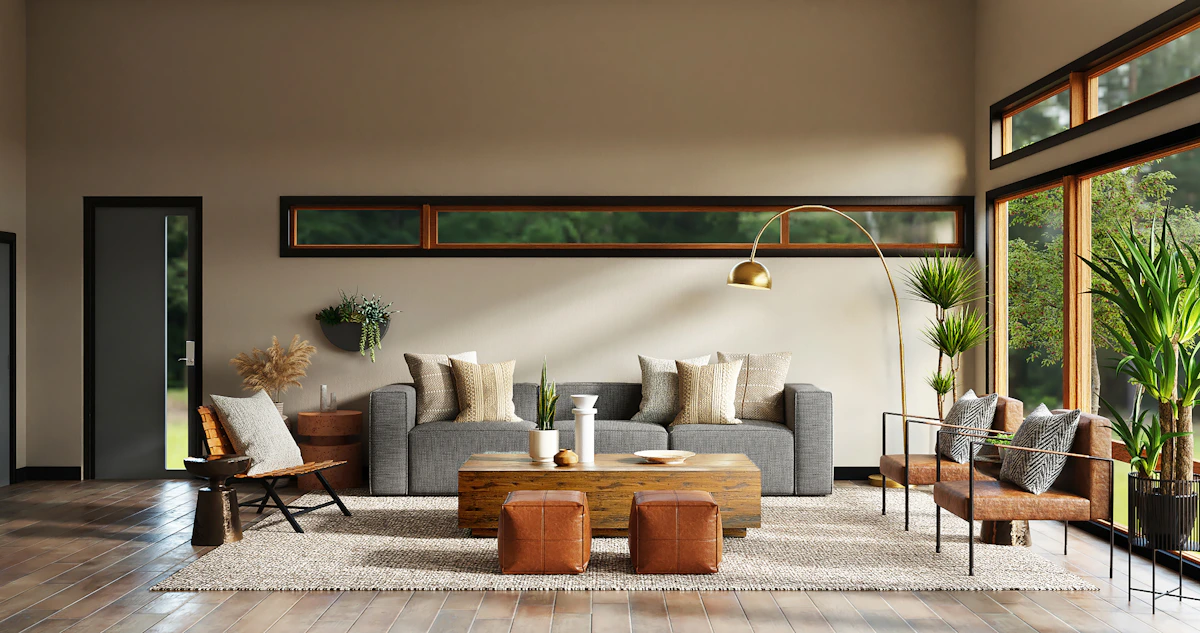
The photographs below are provided as visual inspiration and are not represented as completed Interior A to Z projects. Free interior photography can be sourced from Unsplash.

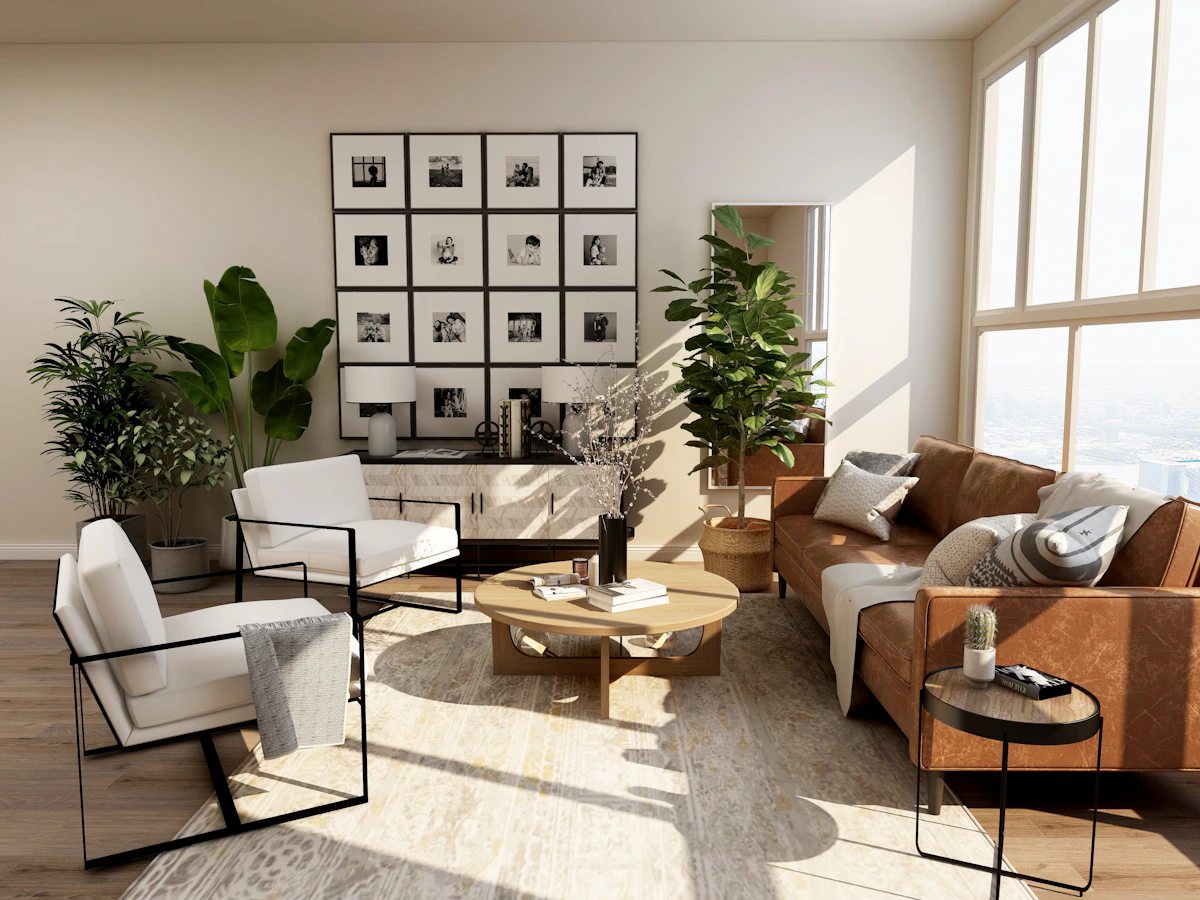
Free image inspiration: Unsplash Interior Wall Collection
Wall Panel Materials Compared
The best wall panel material depends on the room, desired appearance, moisture exposure, maintenance requirements, durability and budget.
| Material | Appearance | Common Applications | Key Consideration |
|---|---|---|---|
| Wood | Warm and natural | Living rooms, bedrooms, premium interiors | Cost and maintenance vary by wood and finish |
| MDF | Smooth and customizable | Mouldings, fluted panels, feature walls | Needs suitable finish and moisture protection |
| PVC | Wide range of patterns | Selected moisture-prone applications | Choose quality products suitable for the location |
| WPC | Wood-like contemporary finish | Feature walls and decorative applications | Check product specifications and installation conditions |
| Fabric | Soft and luxurious | Bedrooms, offices and acoustic applications | Cleaning and fabric maintenance |
| Stone / Marble Look | Premium and dramatic | TV walls, living rooms, entrance walls | Weight, installation and material cost |
TV Wall Panel Design
A TV wall is one of the most popular applications for wall panels. The panel can become the visual background for the television while the lower console provides storage.
- Fluted panels behind the TV
- Wood and marble combinations
- Stone-look feature walls
- Floating TV consoles
- Concealed cable management
- Backlit panel details
- Open display shelves
- Closed storage cabinets

Bedroom Wall Panel Design
A panelled bedroom wall can replace a conventional headboard or work together with one. The best design is usually proportional to the bed and ceiling height.
- Full-height fluted panels
- Upholstered headboard panels
- Wood veneer panels
- MDF moulding designs
- Vertical slat panels
- Backlit panels
- Neutral textured panels
- Panel and wallpaper combinations
Wall Panel Design for Living Room
The living room is one of the most effective places to use wall panelling because the feature wall can become the visual anchor of the space.
Sofa Back Wall
Use subtle wood, fluted or moulded panels behind the sofa for texture and depth.
TV Feature Wall
Combine decorative panels with a floating TV console, storage and concealed wiring.
Entrance Wall
Use panels to create a sophisticated focal point near the main entrance.
Display Wall
Combine panels with niches, artwork and carefully positioned lighting.
Partition Wall
Vertical slats can divide living and dining areas without completely closing the space.
Luxury Accent Wall
Stone-look, marble-look or premium wood finishes can create a dramatic contemporary statement.
Wall Panel Design for Small Rooms
Small rooms benefit from carefully scaled wall panels. A full wall does not always need heavy decoration; selective vertical or linear detailing can create depth without making the room feel crowded.
- Use vertical fluted lines
- Choose lighter colours
- Avoid excessive patterns
- Use integrated lighting
- Coordinate panels with furniture
- Use one main feature wall
- Consider floating furniture
- Maintain visual breathing space

Fluted Wall Panel Design
Fluted panels use repeated vertical grooves to create rhythm and texture. They are especially effective behind TV units, sofas, beds and entrance consoles.
Natural Wood Fluted Panel
A warm wood finish creates a natural and premium appearance.
Dark Fluted Panel
Deep tones can create a dramatic contemporary feature wall.
Light Oak Fluted Panel
Light wood tones can make a compact interior feel warm without appearing heavy.
Fluted Panel with LED
Integrated lighting emphasizes the vertical texture and creates evening ambience.
Half-Wall Fluting
Partial panelling can provide texture while keeping the upper wall visually open.
Fluted Panel Partition
Vertical slats can separate spaces while preserving light and visual connection.

3D Wall Panel Design
3D panels create raised patterns and shadows across a wall. They can be used as statement features when the rest of the room is kept relatively simple.
- Geometric 3D patterns
- Wave textures
- Abstract relief panels
- Painted MDF designs
- Decorative gypsum-inspired patterns
- Backlit 3D walls
- Feature walls behind sofas
- Bedroom accent walls
Wall Panel Maintenance Tips
Proper maintenance depends on the panel material and manufacturer’s care instructions.
Dust Regularly
Use a suitable soft cloth or cleaning method to remove dust from grooves and textured surfaces.
Avoid Excess Moisture
Unless the product is specifically designed for moisture, avoid excessive water exposure.
Clean Spills Quickly
Prompt cleaning helps prevent staining on suitable panel finishes.
Follow Manufacturer Guidance
Different materials require different cleaning products and methods.
Inspect Edges
Check joints and edges periodically for damage or separation.
Resolve Dampness First
Do not use wall panels to permanently conceal active dampness or water leakage.
Wall Panel Design in Delhi NCR
Interior A to Z provides customized interior design solutions across Delhi NCR, Gurgaon and Noida. Wall panels can be integrated into complete home interiors or designed as individual feature walls.
Wall Panel Design in Delhi
Feature walls, TV units, bedroom panels and custom architectural wall treatments for apartments and homes.
Wall Panel Design in Gurgaon
Contemporary wall treatments for apartments, villas, builder floors and premium residences.
Wall Panel Design in Noida
Space-efficient panel solutions for modern apartments, living rooms, bedrooms and TV walls.
Wall Panel Design Cost
There is no single wall panel price because the final cost depends on the material, panel thickness, design complexity, surface preparation, area, finish, lighting and installation.
| Panel Type | General Cost Position | Typical Cost Factors |
|---|---|---|
| PVC Panels | Budget to Mid-Range | Pattern, quality, thickness and installation |
| MDF Panels | Mid-Range | Design, paint/finish, thickness and fabrication |
| WPC Panels | Mid-Range | Profile, finish, quality and installation |
| Wood Veneer Panels | Mid to Premium | Veneer species, substrate, finish and detailing |
| Stone / Marble Finish | Premium | Material, slab/panel type, cutting and installation |
| Custom 3D Panels | Mid to Premium | Pattern complexity, fabrication and finishing |
These are broad design categories rather than fixed quotations. Actual project pricing should be calculated after measuring the wall and selecting the material and finish.
Wall Panel Design Process
A planned approach helps ensure that the panel design, furniture, lighting and electrical work are coordinated.
Measure the Wall
Record wall dimensions, ceiling height, doors, windows, switches and electrical points.
Choose the Design Style
Select fluted, wooden, moulded, 3D, stone-look, fabric or other panel styles according to the interior.
Select the Material
Compare durability, maintenance, moisture exposure, appearance and budget.
Coordinate Furniture
Plan the panel around the TV, sofa, bed, console, bookshelves or other furniture.
Plan Lighting
Coordinate LED strips, spotlights, wall lights and electrical points before installation.
Install & Finish
Prepare the wall, install the selected panels and complete joints, edges, paint and lighting details.
Common Wall Panel Design Mistakes
Wrong Scale
Oversized patterns on small walls can make a room feel visually busy.
Too Many Materials
Combining too many panel finishes can reduce visual cohesion.
Ignoring Lighting
Panel texture often looks significantly better when lighting is planned with the design.
Poor Material Selection
A material should be selected according to the room’s moisture, maintenance and usage conditions.
Hiding Dampness
Active moisture problems should be repaired before installing decorative panels.
Ignoring Electrical Points
TVs, sockets, switches and lighting should be coordinated before the panels are fabricated.
Which Wall Panel Design Is Best for a Modern Home?
For most modern homes, the best wall panel design depends on the room and intended use. Fluted wood or MDF works well for warm contemporary interiors, stone-look panels suit dramatic TV walls, upholstered panels suit bedrooms, and PVC or WPC can be considered for suitable moisture-prone applications.
- Choose fluted panels for vertical texture
- Choose wood for warmth
- Choose MDF for customizable patterns
- Choose PVC for suitable moisture-sensitive applications
- Choose WPC for selected wood-look applications
- Choose fabric panels for softness and acoustic applications
- Choose stone or marble-look panels for luxury TV walls
- Use integrated lighting to highlight texture
- Match the panel scale with the room size
Frequently Asked Questions About Wall Panel Design
What is wall panel design?
Wall panel design uses decorative or functional panels to add texture, depth, pattern and visual interest to interior walls. Common materials include wood, MDF, PVC, WPC, fabric and stone-look finishes.
Which wall panel is best for a living room?
Fluted wood or MDF panels, decorative moulding, stone-look panels and textured panels can all work well. The choice should match the room’s style, lighting and maintenance requirements.
Which wall panel is best for a bedroom?
Wooden, MDF, upholstered and fluted panels are popular choices for bedrooms and can be used behind the bed.
Are PVC wall panels good for interiors?
PVC panels can be useful where moisture resistance, easy maintenance and budget are important. Select products according to the actual room and installation conditions.
Are wall panels expensive?
Costs vary according to material, thickness, finish, design complexity, area and installation. MDF, PVC and WPC can occupy different price points, while premium wood and stone options generally cost more.
Can wall panels hide uneven walls?
Panels can cover certain minor surface imperfections, but the wall should be assessed first. Active dampness, leakage or structural problems should be repaired rather than concealed.
Can wall panels be used behind a TV?
Yes. Wall panels are widely used as TV feature walls and can be combined with floating consoles, concealed wiring, storage and integrated lighting.
Which wall panel is suitable for humid areas?
Moisture-friendly PVC or WPC products may be suitable for some humid applications, subject to manufacturer specifications and correct installation.
Transform a Plain Wall Into a Designed Feature
Share your wall dimensions, room type, preferred style and budget with Interior A to Z to explore a customized wall panel design for your home.