Can I interior design myself?
Can I Interior Design Myself?
Yes. Many homeowners can handle planning, styling and smaller decorative changes themselves. The key is knowing where DIY is practical and where technical design or execution work benefits from professional input.
What can I interior design myself?
DIY interior design is most practical when you are making decisions that do not require major structural changes or specialist site coordination. You can develop the visual direction of a room and progressively improve it as your needs and budget become clearer.
Choose a design style
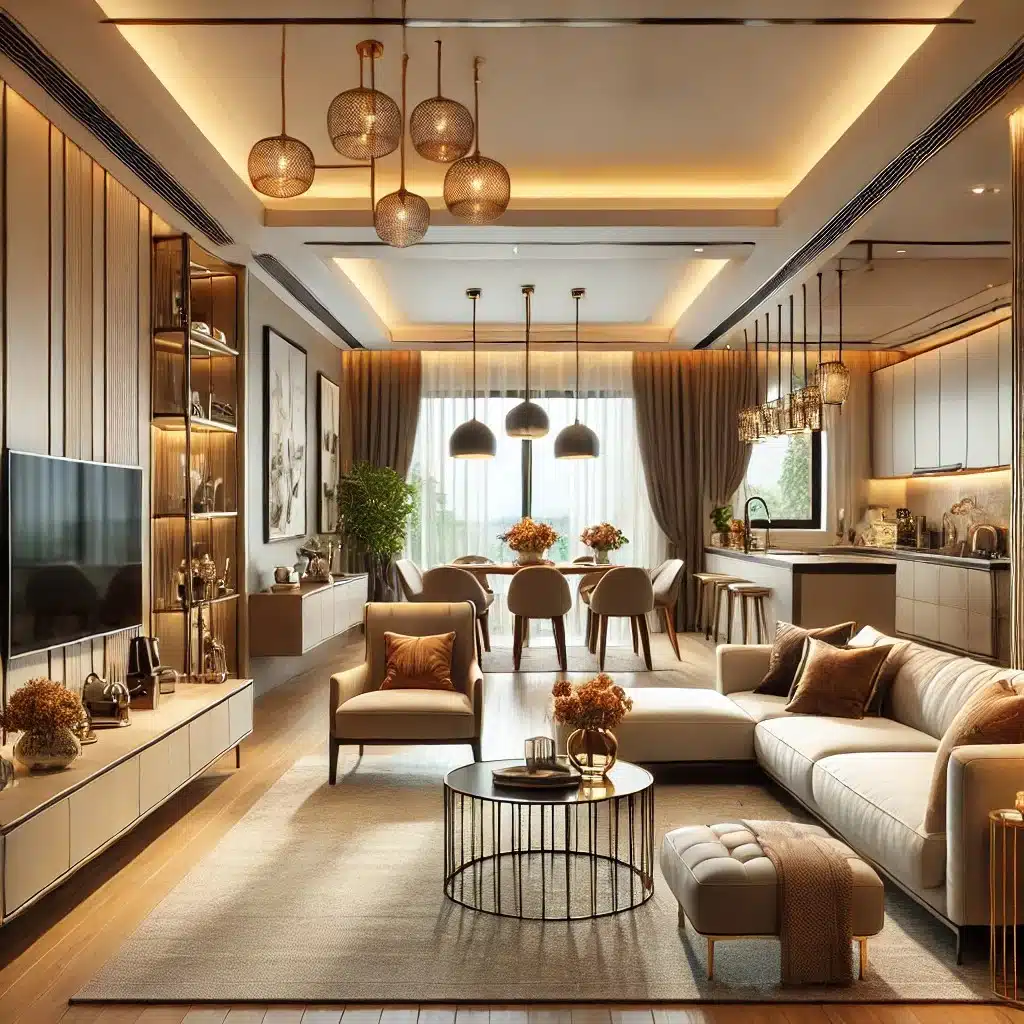
Start with a coherent visual direction such as modern, minimalist, contemporary or another style that suits your home and lifestyle.
Plan furniture
Measure the room and map furniture positions before buying. Leave comfortable circulation paths rather than filling every available area.
Choose colours
Create a restrained palette for walls, furniture, fabrics and accents so the rooms feel connected.
Style the room
Art, cushions, curtains, rugs, plants and accessories can change the character of a room without major construction.
Refresh furniture
Selected furniture can sometimes be painted, refinished or updated with new handles or upholstery.
Improve lighting
Layer ambient, task and accent lighting where practical, while keeping electrical work within appropriate safety requirements.
How to design your home yourself: a practical process
A simple sequence helps prevent buying furniture and décor before the room has been properly planned.
Understand the space
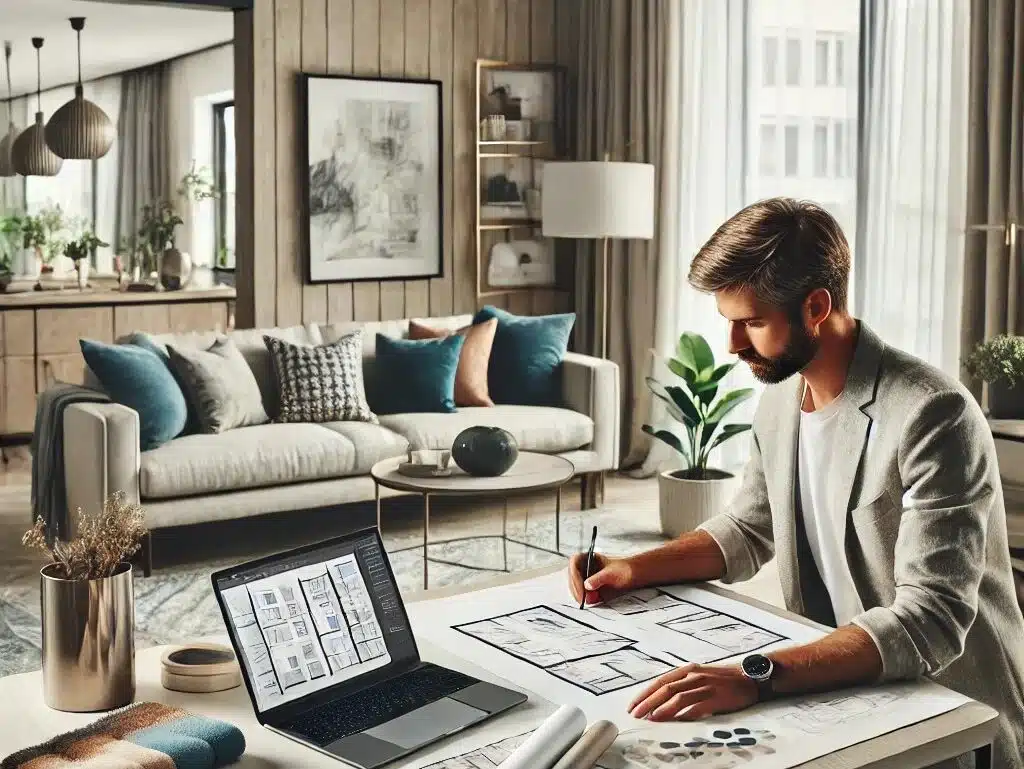
Measure rooms, note doors and windows, identify circulation routes and record existing electrical or plumbing points.
Define how each room will be used
List daily activities, storage needs, work-from-home requirements, family use and other practical priorities.
Set a realistic budget
Separate essential work from optional upgrades. A defined budget makes furniture and material decisions easier.
Build a mood board
Collect references for colours, furniture, lighting, textures and finishes. Remove ideas that do not work together.
Plan the layout before shopping
Check proportions and movement before committing to sofas, beds, dining furniture, storage or other large pieces.
Execute in stages
Finish the highest-priority spaces first and evaluate what remains before adding optional decorative work.
Why space planning matters in DIY interior design
A room can look attractive in individual photographs and still work poorly in everyday life. Space planning connects furniture size, circulation, storage and activities before styling decisions are finalized.
If your project involves difficult layouts, extensive storage or a complete home transformation, the space planning service can provide a useful professional reference point.
- Measure before purchasing large furniture.
- Maintain practical walking paths.
- Consider door and cabinet opening clearances.
- Plan storage around real household use.
- Keep frequently used areas accessible.
Can DIY interior design save money?
It can reduce some design and decorating expenses, particularly when you reuse furniture, complete simple decorative projects yourself or purchase standard items rather than commissioning extensive customization. However, saving money should not mean skipping planning where mistakes could become expensive.
Interior A to Z’s current budget-oriented guidance also emphasizes prioritizing important rooms, simplifying design, comparing materials and getting a detailed quotation when professional execution is involved. See the affordable interior design guide for broader budget-planning ideas.
DIY interior design vs professional help
| DIY can work well for | Professional help may be useful for |
|---|---|
| Decorating and styling | Complete-home planning |
| Painting and selected refreshes | Complex space planning |
| Furniture selection | Modular kitchens and custom cabinetry |
| Artwork, textiles and accessories | Detailed electrical and lighting coordination |
| Simple furniture updates | Custom woodwork and coordinated execution |
| Phased room improvements | Large renovation or turnkey projects |
The distinction is not that DIY is “wrong” and professional design is “right.” It depends on the complexity of the project, your available time, your technical confidence and how much coordination the work requires.
When should I hire an interior designer?
Professional help becomes more valuable when several parts of the project must work together and mistakes would be difficult or expensive to correct.
Full-home transformation
Multiple rooms, storage systems, lighting and finishes need a consistent plan.
Modular kitchen
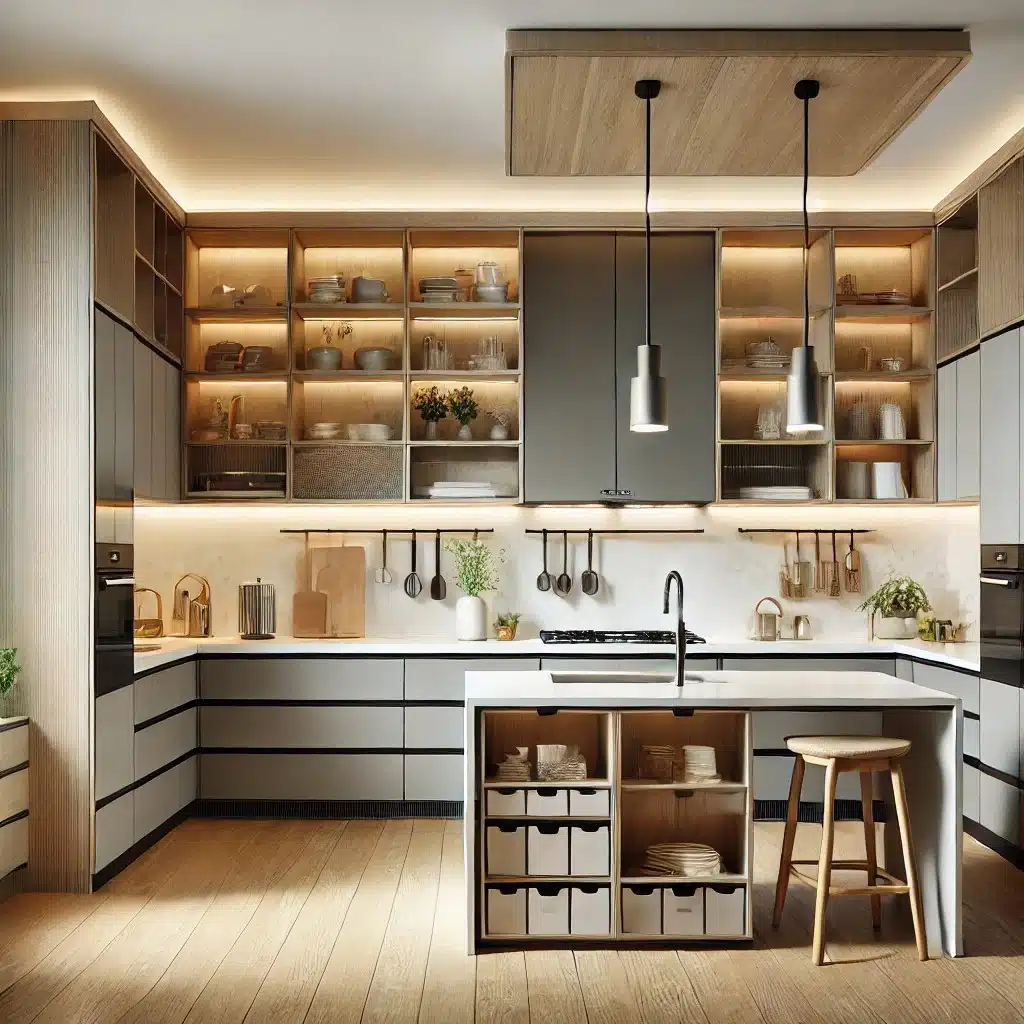
Kitchen layouts combine cabinetry, appliances, services, storage and practical clearances.
Custom furniture
Detailed measurements, material specifications and fabrication coordination become important.
Renovation
Changes involving existing construction, electrical or plumbing require more planning than styling.
Limited time
Professional coordination can be useful when you cannot manage multiple vendors and decisions yourself.
Need for a defined scope
A structured design process can help convert ideas into drawings, specifications and an execution plan.
For a broader project, review complete home interior design or consider turnkey interior design when design and execution need to be coordinated.
Common DIY interior design mistakes to avoid
- Buying before measuring: furniture that is too large can damage circulation and make a room feel crowded.
- Changing too many things at once: a phased approach makes it easier to assess what works.
- Ignoring storage: attractive rooms still need practical places for everyday belongings.
- Overusing trends: select finishes and colours that remain comfortable for your household over time.
- Under-planning lighting: decorative fixtures alone may not provide the task lighting a room needs.
- Attempting specialist work without appropriate expertise: electrical, structural, plumbing and complex fabrication work should be approached with suitable professional support.
Frequently asked questions
Can I really interior design my own house?
Yes. You can handle many planning, decorating and styling decisions yourself. The more complex the construction, services, custom fabrication and coordination become, the more useful professional support may be.
What is the easiest part of interior design to DIY?
Decorative work such as choosing colours, arranging furniture, selecting artwork, updating textiles and refreshing selected furniture is generally easier to manage yourself than technical construction work.
Can I design my home on a low budget?
Yes. Prioritize essential rooms, reuse suitable furniture, choose practical materials, avoid unnecessary customization and complete optional improvements in phases.
Should I hire an interior designer for a modular kitchen?
A modular kitchen involves layout, storage, appliances, services, materials and fabrication. Professional planning can be useful when the layout or execution is complex.
Can I do DIY interior design and still hire a designer?
Yes. A hybrid approach can work well. You can define your style and handle simple décor while using professional help for space planning, technical design, custom work or execution.
What should I prepare before asking a designer for help?
Prepare your floor plan if available, room list, measurements, inspiration images, practical requirements and approximate budget. This makes the first discussion more focused.
Design it yourself—or get expert help where it matters
Your own ideas can be the starting point. If the project moves into complex planning, custom interiors or coordinated execution, professional design support can help turn those ideas into a workable plan.
Explore Interior A to Z Services