Required Skills for an Interior Designer
Interior design combines creativity with practical planning, technical knowledge and communication. Learn the essential skills needed to develop ideas, plan spaces, select materials, present designs and coordinate real projects.
What skills does an interior designer need?
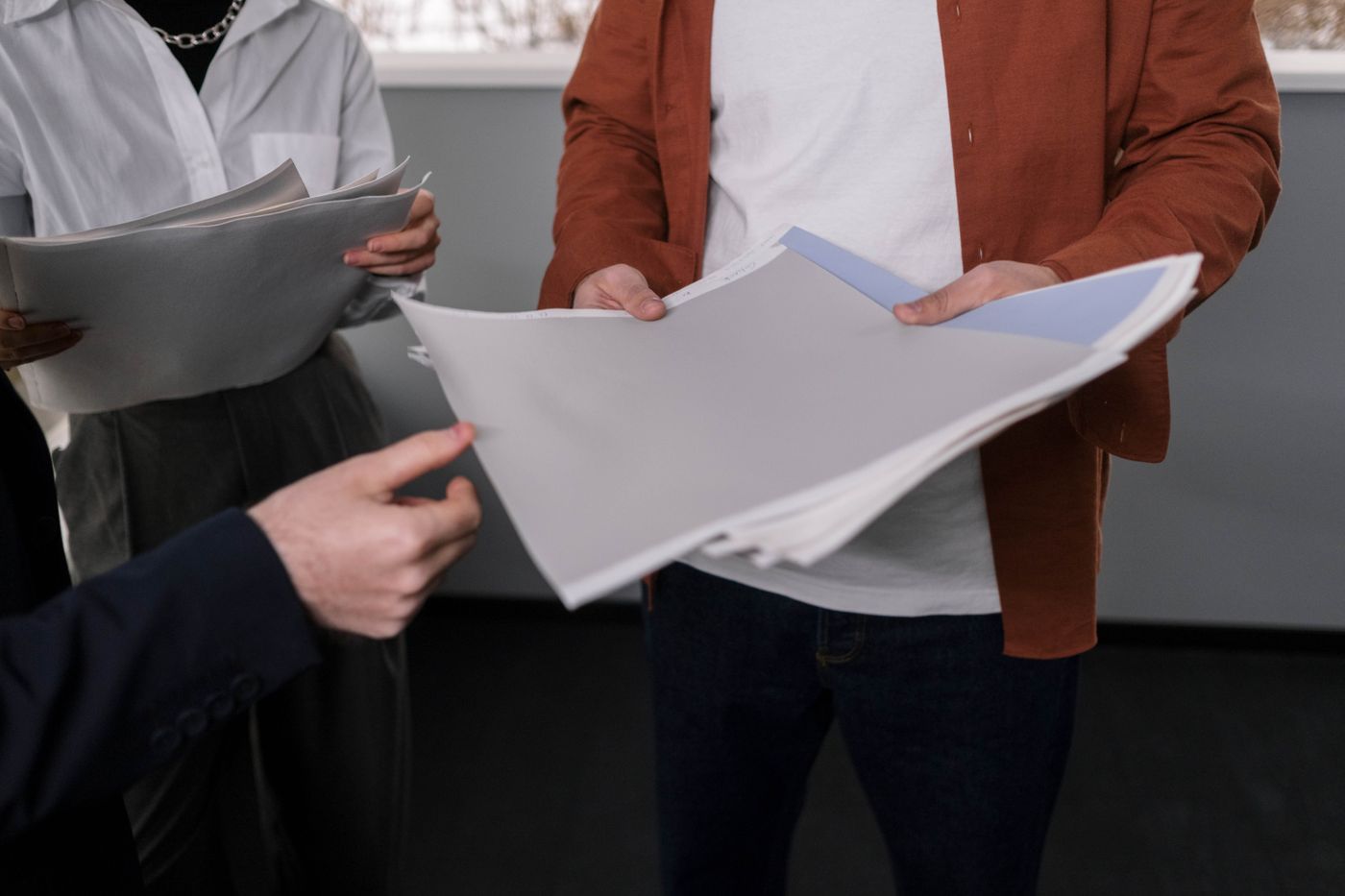
An interior designer needs a combination of creative, technical and professional skills. Creativity helps develop concepts, while space planning, material knowledge, lighting and visualization help turn those concepts into practical interiors.
Communication, problem-solving and project coordination are equally important because interior design is normally a collaborative process. The exact balance of skills varies according to whether a designer works primarily on residential interiors, commercial projects, visualization, technical design or project execution.
10 essential skills for an interior designer
These skills work together. A designer does not simply choose colours and furniture; the role can involve understanding the space, developing layouts, communicating concepts, selecting materials and coordinating implementation.
Creativity
Creativity helps designers develop original concepts and find solutions that respond to the character, requirements and limitations of a space.
Space planning
Designers need to understand furniture placement, circulation, room relationships, storage and functional zoning before detailed design decisions are made.
Design principles
Knowledge of proportion, balance, rhythm, contrast, harmony, emphasis and scale helps create visually coherent interiors.
Material knowledge
Understanding boards, laminates, veneers, hardware, stone, glass, fabrics and other finishes helps designers select materials appropriate to each application.
Lighting knowledge
Designers should understand natural light and the role of ambient, task and accent lighting in different rooms and activities.
Visualization
The ability to communicate a proposed interior through sketches, drawings, layouts and 3D visualization is valuable throughout the design process.
Communication
Designers must listen carefully and explain concepts, materials, constraints and decisions to clients and project collaborators.
Problem-solving
Every project has constraints involving space, budget, structure, storage, materials or execution. Designers need practical ways to resolve them.
Project coordination
Interior projects often require coordination between design, materials, vendors, contractors, furniture and installation.
Attention to detail
Details such as dimensions, junctions, hardware, lighting, finishes and alignment can significantly affect the final result.
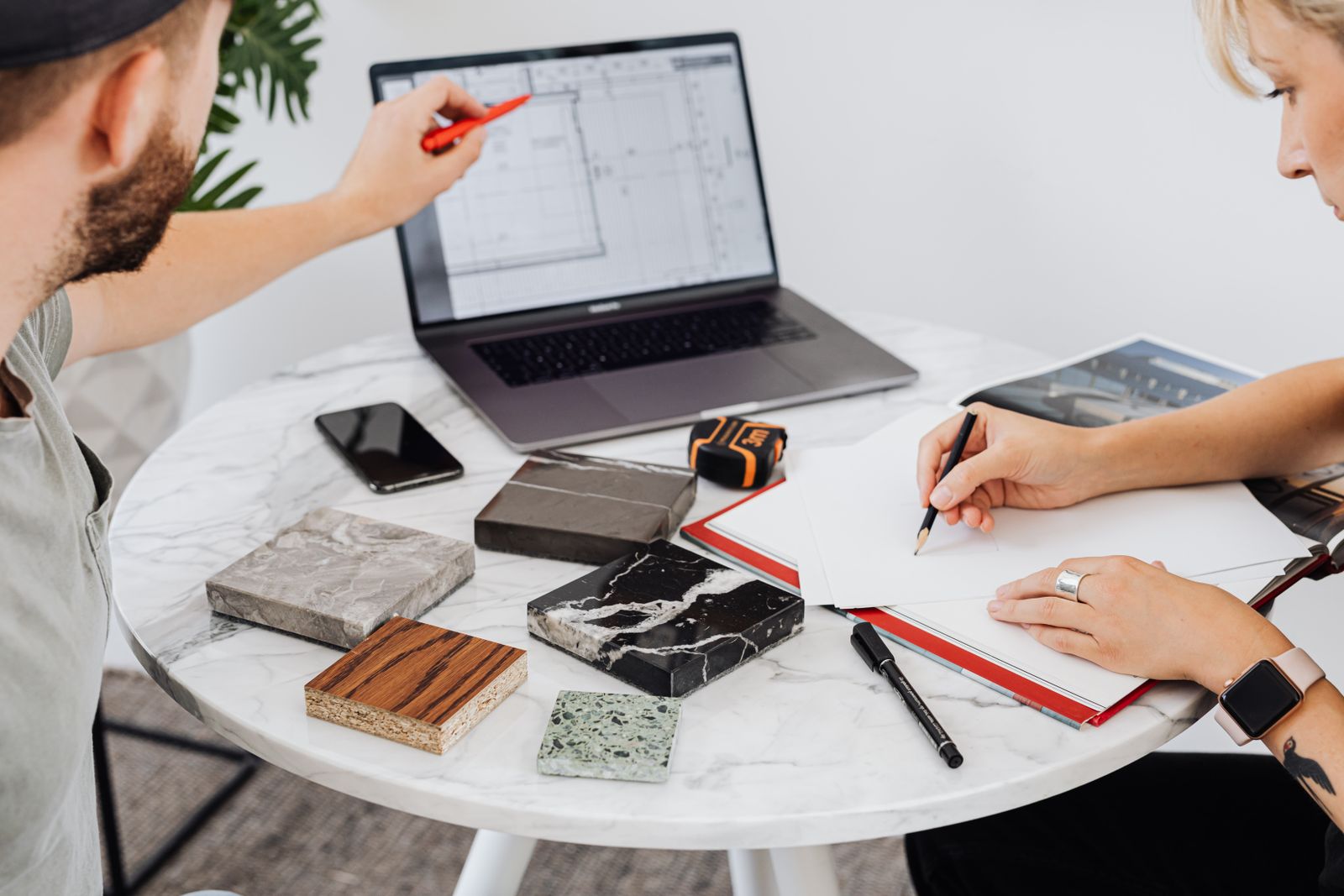
Space planning is one of the most important skills
A visually attractive room can still fail if furniture placement, circulation or storage is poorly planned. Space planning focuses on how people actually use the room.
Designers consider dimensions, furniture, movement, storage, doors, windows, lighting and the relationship between different areas before developing the final visual language.
Learn more about space planning in interior design .
What space planning involves
- Understanding room dimensions
- Furniture placement
- Circulation and movement
- Functional zoning
- Storage planning
- Door and window relationships
- Lighting and activity zones
- Relationship between rooms
Creative skills help turn requirements into a design concept
Creativity in interior design is not simply about making a space unusual. It involves finding an appropriate visual and spatial response to the client’s requirements, architecture, lifestyle and practical constraints.
Visual observation
Develop the ability to notice proportion, colour, texture, lighting, material relationships and spatial composition.
Concept development
Turn a brief into a coherent design direction that can guide furniture, finishes, colours, lighting and architectural details.
Colour and material coordination
Understand how colours, textures and materials interact rather than selecting each finish independently.
Design storytelling
Present a design concept clearly through mood boards, layouts, references, drawings and visualizations.
Technical knowledge turns design ideas into workable plans
Interior design requires practical knowledge in addition to visual creativity. Technical understanding helps designers communicate with contractors, manufacturers, suppliers and other professionals.
Interior designers need practical material knowledge
Material selection affects appearance, durability, maintenance, construction and budget. A designer should understand why a material is being specified rather than selecting it only because it looks good.
| Material area | Useful knowledge | Why it matters |
|---|---|---|
| Plywood and boards | Grade, thickness, application and moisture requirements | Important for cabinetry, furniture and storage. |
| Laminate and veneer | Finish, texture, colour, application and maintenance | Influences both appearance and long-term use. |
| Hardware | Hinges, channels, drawer systems, handles and fittings | Hardware directly affects furniture functionality. |
| Lighting | Fixture type, placement, colour temperature and purpose | Lighting affects both function and atmosphere. |
| Surface finishes | Stone, glass, tiles, fabrics, paint and other finishes | Different spaces require different performance characteristics. |
Continue with the Interior Hardware Guide , Plywood for Interior Design and Laminate Guide .
Communication is a core interior design skill
Designers work with people. They need to understand a client’s requirements, explain design decisions and coordinate with professionals involved in execution.
Strong communication also means asking the right questions before making design decisions.
Good communication includes
- Listening to the client’s requirements
- Explaining design concepts clearly
- Discussing scope and priorities
- Presenting materials and alternatives
- Documenting decisions
- Communicating changes
- Coordinating with site teams
- Managing professional expectations
Interior designers also need project coordination skills
Depending on the role and project scope, designers may coordinate multiple activities between design development and completion.
Planning
Organize design tasks, drawings, material decisions and approvals in a logical sequence.
Vendor coordination
Communicate specifications and requirements with suppliers, manufacturers and contractors.
Budget awareness
Understand priorities and make design decisions within the agreed project scope and budget.
Site coordination
Understand how design drawings and specifications translate into physical work on site.
Quality awareness
Pay attention to materials, dimensions, finishes, installation and alignment during implementation.
Problem resolution
Respond to unexpected site conditions or design conflicts with practical alternatives.
See how these skills connect through the Interior A to Z design methodology .

Do interior designers need drawing skills?
Drawing is useful because it allows designers to communicate ideas quickly. However, modern interior design workflows also use CAD, digital drafting and 3D visualization.
The most important ability is to communicate spatial ideas clearly. Hand sketching can support that ability, while digital tools can provide accuracy and detailed documentation.
Learn more about whether drawing skills are necessary for interior designing .
Skills develop at different stages of an interior design career
| Stage | Skills to develop | Practical focus |
|---|---|---|
| Student | Design principles, drawing, space planning, research and visualization | Build a strong foundation through academic and personal projects. |
| Beginner | CAD, materials, documentation, presentation and client communication | Learn how design ideas move toward real projects. |
| Intermediate | Project coordination, specifications, vendors and problem-solving | Take greater responsibility for complete project stages. |
| Experienced | Design leadership, client management, mentoring and strategic decision-making | Connect design quality with project delivery and professional practice. |
Interior design skills should keep developing
Materials, software, technology, construction methods and client expectations change over time. Continuous learning helps designers remain familiar with new possibilities while strengthening their existing skills.
Related: Build Your Network and Stay Updated on Industry Trends .
Build a portfolio that demonstrates your abilities
Skills become more meaningful when you can demonstrate them through actual work. A portfolio can combine completed projects, academic projects, concept designs, drawings, material studies and visualizations.
Required skills for an interior designer FAQs
What skills are required to become an interior designer?
Important skills include creativity, space planning, knowledge of design principles, material understanding, lighting, drawing and visualization, communication, problem-solving, project coordination and familiarity with relevant digital design tools.
Is drawing skill necessary for interior design?
Drawing can be useful for communicating ideas, but interior designers also use plans, digital drawings, CAD software and 3D visualization tools. The level of hand-drawing skill required can vary by role and workflow.
Do interior designers need to know CAD or 3D software?
Digital design skills are useful for many interior design roles. CAD and visualization software can help designers communicate layouts, dimensions, furniture and design concepts accurately.
Why is communication important for an interior designer?
Interior designers communicate with clients, architects, contractors, suppliers and other professionals. Clear communication helps translate requirements into design decisions and coordinate the project.
Can interior design skills be learned?
Yes. Many interior design skills can be developed through education, practical projects, observation, software training, material research, site experience and continuous professional learning.
What technical knowledge is useful for interior designers?
Useful technical knowledge includes space planning, measurements, materials, furniture construction, lighting, electrical requirements, drawings, specifications, finishes and basic understanding of construction and execution.
Learn the skills. Understand the space. Design for real life.
A strong interior designer combines creative thinking with practical planning, material knowledge, technical communication and an understanding of how people use spaces.
Interior A to Z provides residential and commercial interior design solutions across Delhi NCR, Gurgaon and Noida.