Build Your Network & Stay Updated on Interior Design Trends
Interior design is a constantly changing profession. Building meaningful professional relationships and continuously learning about new materials, technologies, design ideas and client expectations can help designers develop their knowledge and professional opportunities.

Why networking and trend awareness matter in interior design
Interior design combines creative thinking with technical planning, material knowledge, communication and project coordination. A designer rarely works completely alone. Depending on the project, successful execution may involve architects, contractors, technical designers, project managers, lighting specialists, furniture professionals and material suppliers.
Professional networking helps designers learn from these relationships, while continuous research helps them understand new approaches and changing expectations. The goal is not to copy every new trend. It is to understand what is changing and decide what is actually useful for a particular project.
How interior designers can build a strong professional network
A useful network is built through genuine professional relationships. Instead of collecting contacts, focus on meeting people whose knowledge, skills or experience can contribute to better design work.
Connect with architects
Relationships with architects can improve understanding of building structure, planning, materials, proportions and coordination between architecture and interiors.
Work with technical specialists
Technical designers, contractors and project managers can provide practical insight into drawings, construction, site coordination and execution.
Build supplier relationships
Material suppliers and manufacturers can help designers understand new finishes, hardware, surfaces, lighting products and furniture systems.
Meet other designers
Peer relationships create opportunities to exchange ideas, discuss project challenges and learn how other professionals approach design.
Attend industry events
Exhibitions, design talks, workshops and professional events can provide direct exposure to people, products and emerging ideas.
Maintain relationships
Networking becomes more valuable when relationships are maintained through useful conversations, collaboration, referrals and knowledge sharing over time.
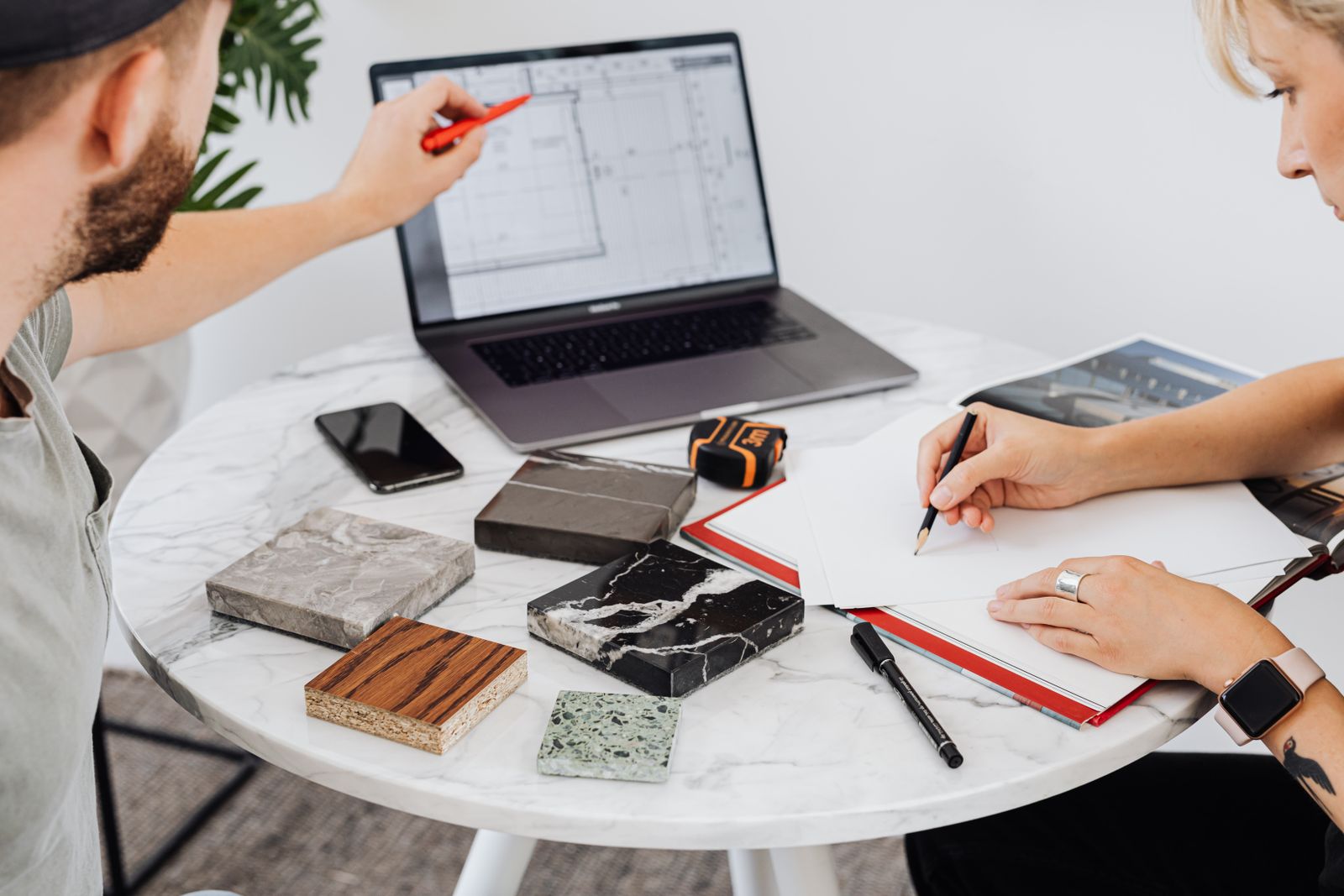
Interior design is a collaborative profession
A well-designed space depends on more than visual creativity. Designers need to communicate ideas clearly and coordinate with different specialists throughout a project.
Strong professional relationships can make it easier to understand practical constraints and create a smoother connection between concept, documentation, materials and execution.
Useful professional connections
- Architects and spatial planners
- Technical and CAD designers
- Project managers
- Contractors and site teams
- Lighting specialists
- Furniture manufacturers
- Material and hardware suppliers
- Kitchen and wardrobe specialists
How to remain up-to-date with interior design trends
Trend awareness requires an ongoing learning habit. Instead of relying on a single social media feed, designers can combine several sources of information and compare ideas before applying them to real projects.
Follow reliable design resources
Read established design publications, manufacturer information, professional resources and specialist articles to understand new materials, technologies and design directions.
Study completed projects
Project case studies can reveal how designers solve practical problems involving layout, storage, materials, lighting, furniture and construction.
Explore new materials
Visit showrooms and suppliers to understand changes in laminates, plywood, hardware, surfaces, fabrics, lighting and other interior products.
Learn new design technology
Keep developing skills in CAD, 3D visualization, digital presentation, project documentation and other tools relevant to your workflow.
Observe changing client expectations
Real projects provide valuable information about changing expectations around storage, flexible rooms, lighting, technology, sustainability and personalization.
Interior design trends worth following
Current Interior A to Z trend coverage highlights warmer, more personal and multifunctional interiors, including natural materials, layered lighting, smart technology, flexible rooms and personalized décor.
Warm minimalism
Clean layouts are being combined with warmer neutrals, wood, textiles and softer lighting.
Natural and tactile materials
Wood, stone, linen, cane and other tactile finishes can add warmth and visual depth.
Layered lighting
Ambient, task and accent lighting can make interiors more flexible and functional.
Smart-home integration
Lighting, curtains, security and connected devices are increasingly considered during interior planning.
Multifunctional spaces
Rooms increasingly need to support work, study, relaxation, entertainment or multiple household activities.
Personalized interiors
Artwork, collections, meaningful objects and selected vintage pieces can make homes feel less generic.
Explore the detailed current interior design trends for 2026 for a broader look at changing design directions.
Should designers follow every new trend?
No. Trend awareness and trend dependency are different things. A professional designer should understand a trend before deciding whether it fits a particular property, client and budget.
| Consideration | Useful question | Why it matters |
|---|---|---|
| Function | Does the idea improve how the space is used? | Good design should support everyday activities. |
| Durability | Will the material or finish work for the expected usage? | Appearance should be balanced with performance. |
| Budget | Does the idea fit the project’s priorities? | Trend choices should not undermine the overall scope. |
| Property | Does it suit the room’s dimensions and architecture? | Not every trend works equally well in every space. |
| Longevity | Can the idea remain useful as preferences change? | A strong foundation reduces dependence on short-lived trends. |
For a deeper look at how professional design decisions can be structured, see the Interior A to Z design methodology .
Build skills alongside your network
Networking becomes more useful when it is supported by practical knowledge. Interior designers can strengthen their professional development by continuously improving both creative and technical skills.
Design theory
Understand proportion, balance, rhythm, contrast, harmony and other principles that help turn ideas into coherent interiors.
Space planning
Learn how furniture, storage, circulation and room relationships influence the usability of a space.
Material knowledge
Develop a practical understanding of boards, laminates, hardware, surfaces, fabrics and other materials.
Lighting
Understand ambient, task and accent lighting and how lighting interacts with furniture and architecture.
Digital visualization
Develop the ability to communicate design concepts through drawings, CAD documentation and 2D or 3D visualization.
Project coordination
Improve communication, documentation, scheduling and coordination skills needed to move from design concept to execution.
Read the guide to required skills for an interior designer for a more detailed breakdown.
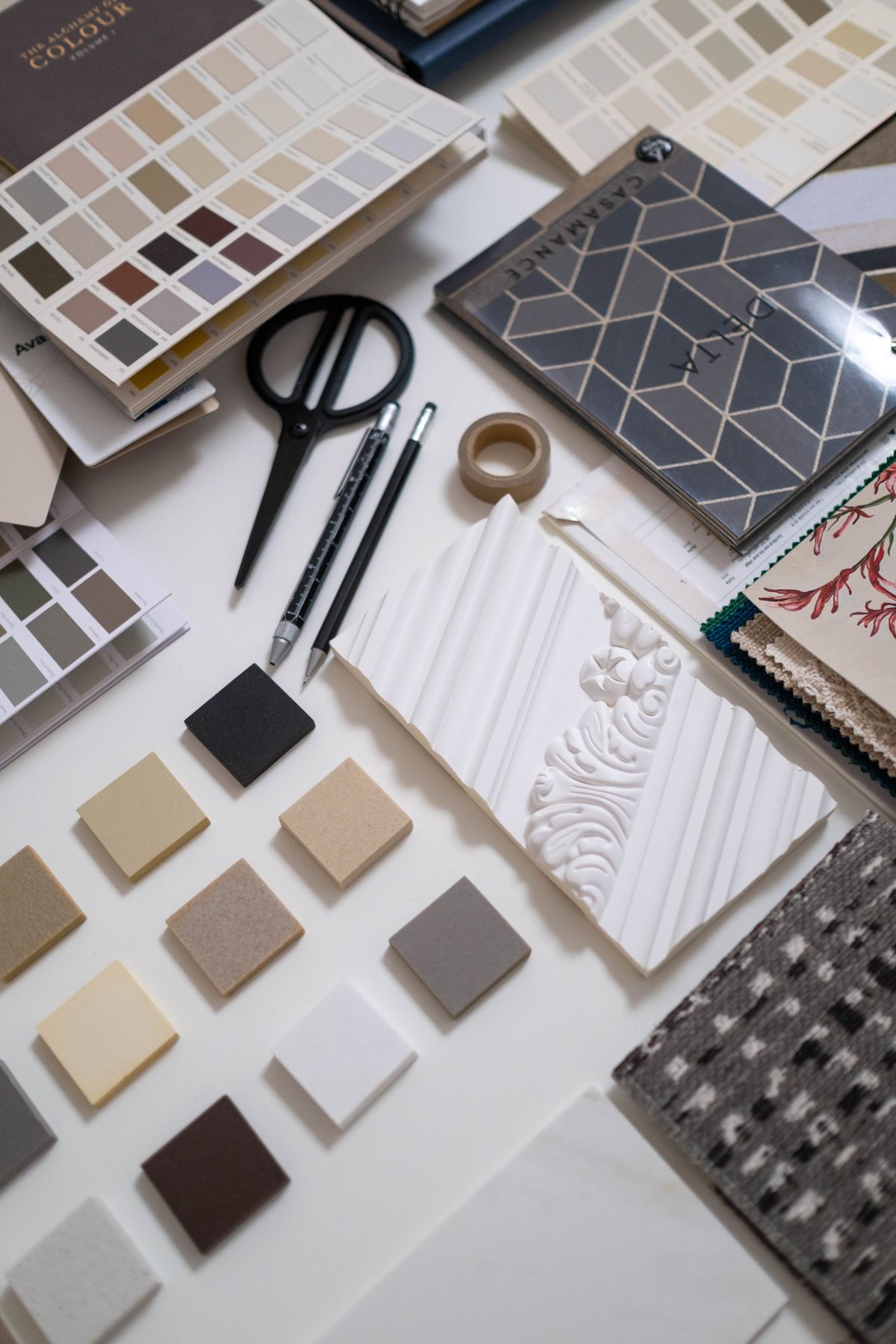
Stay close to materials, products and manufacturers
One of the most effective ways to understand the interior design industry is to study the products being used in real projects.
Designers should regularly explore material specifications, finishes, hardware, lighting systems, furniture construction and installation requirements rather than relying only on photographs.
- Compare material specifications.
- Understand where a product is appropriate.
- Study maintenance and durability requirements.
- Review available finishes and colours.
- Understand installation requirements.
- Consider the relationship between material and budget.
Related reading: Interior Hardware Guide and Plywood for Interior Design .
Create a simple trend-learning routine
Staying current does not require spending every day researching trends. A simple and consistent learning routine can be more useful.
Weekly
Review new projects, materials, design publications and professional discussions relevant to your field.
Monthly
Visit a showroom, attend a design event, speak with a supplier or review a new software or technical workflow.
Quarterly
Review your portfolio and identify which skills, materials, technologies or design areas you need to develop further.
Networking is part of building a sustainable design career
A professional network can develop gradually through education, projects, suppliers, colleagues, events, referrals and industry relationships.
The strongest professional relationships usually come from useful collaboration and consistent work rather than simply collecting contacts.
Focus on these five areas
- Keep improving your design skills.
- Learn from experienced professionals.
- Understand new products and technology.
- Document and present your work clearly.
- Maintain professional relationships over time.
If you are exploring the profession further, read: Make a Career in Interior Designing .
Related interior design resources
Networking and interior design industry trends FAQs
Why is networking important for interior designers?
Networking helps interior designers exchange knowledge, develop professional relationships, discover collaborations and understand how different specialists contribute to a project.
How can an interior designer stay updated with industry trends?
Designers can follow reputable design publications, attend events, study new materials, review completed projects, observe changing technology and regularly update their knowledge.
What professionals should interior designers network with?
Useful professional relationships can include architects, technical designers, contractors, project managers, lighting specialists, furniture makers, material suppliers and other design professionals.
Are interior design trends important for a designer’s career?
Trend awareness can help designers understand changing client expectations, materials, technologies and design directions. Professional judgment is still needed to decide which ideas are appropriate for a particular project.
How often should interior designers update their skills?
Continuous learning is useful because design software, materials, construction methods, technology and client expectations change over time.
Keep learning. Keep connecting. Keep designing.
Interior design is a combination of creative thinking, technical knowledge, practical experience and professional collaboration. Building your network and staying informed can help you understand the industry while developing a stronger design practice.
Interior A to Z provides residential and commercial interior design solutions across Delhi NCR, Gurgaon and Noida.