Is Interior Designer a Stressful Job?
An honest look at deadlines, client expectations, budgets, technical constraints and the creative satisfaction that comes with professional interior design.
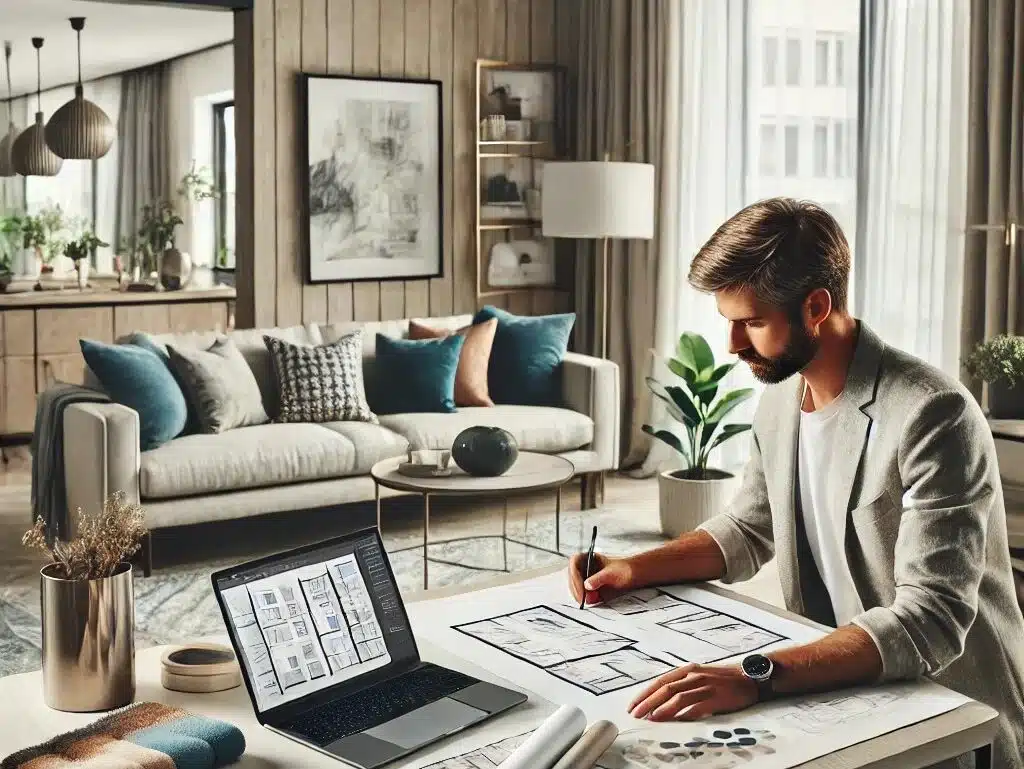
Interior design is creative work with real project pressure.
The existing Interior A to Z article describes professional interior design as a role that can involve high-pressure situations, particularly when designers are balancing client expectations, technical constraints, deadlines, budgets and vendor coordination.
Where the pressure usually comes from
Stress is not caused by creativity itself. It often appears where several project responsibilities overlap.
Designers need to understand what clients want, explain trade-offs and manage revisions without losing the project’s direction.
Design decisions, procurement, manufacturing and site work often need to happen in sequence, making timing important.
Material choices and custom features must fit the agreed financial scope while still meeting the design brief.
Interior projects can involve contractors, fabricators, suppliers and installers whose work must be coordinated.
Site conditions, dimensions, services and construction constraints can require designers to revise creative ideas.
Changes are part of many design projects. Clear communication helps separate useful refinement from avoidable confusion.
Design is also project management.
Professional interior design is more than selecting colours and furniture. The work can involve:
- Budget planning and cost control
- Vendor and contractor coordination
- Material selection and procurement
- Design documentation and measurements
- Site visits and execution decisions
- Client communication and approvals
That pressure can also create meaningful work.
The original page points to the rewarding side of the profession: seeing a concept become a finished space and creating a harmonious design that solves a real client’s needs.
For many designers, the combination of creative thinking, problem solving and visible results is an important part of the appeal.
Different stages bring different pressures.
A well-defined process can make complex interior projects easier to manage.
Brief
Understand the client, property, lifestyle, priorities and budget.
Concept
Develop the design direction, layouts, materials and visual language.
Detail
Resolve dimensions, furniture, storage, lighting and technical requirements.
Execution
Coordinate suppliers, site work, installation and finishing through completion.
Interior design connects drawings to real spaces.
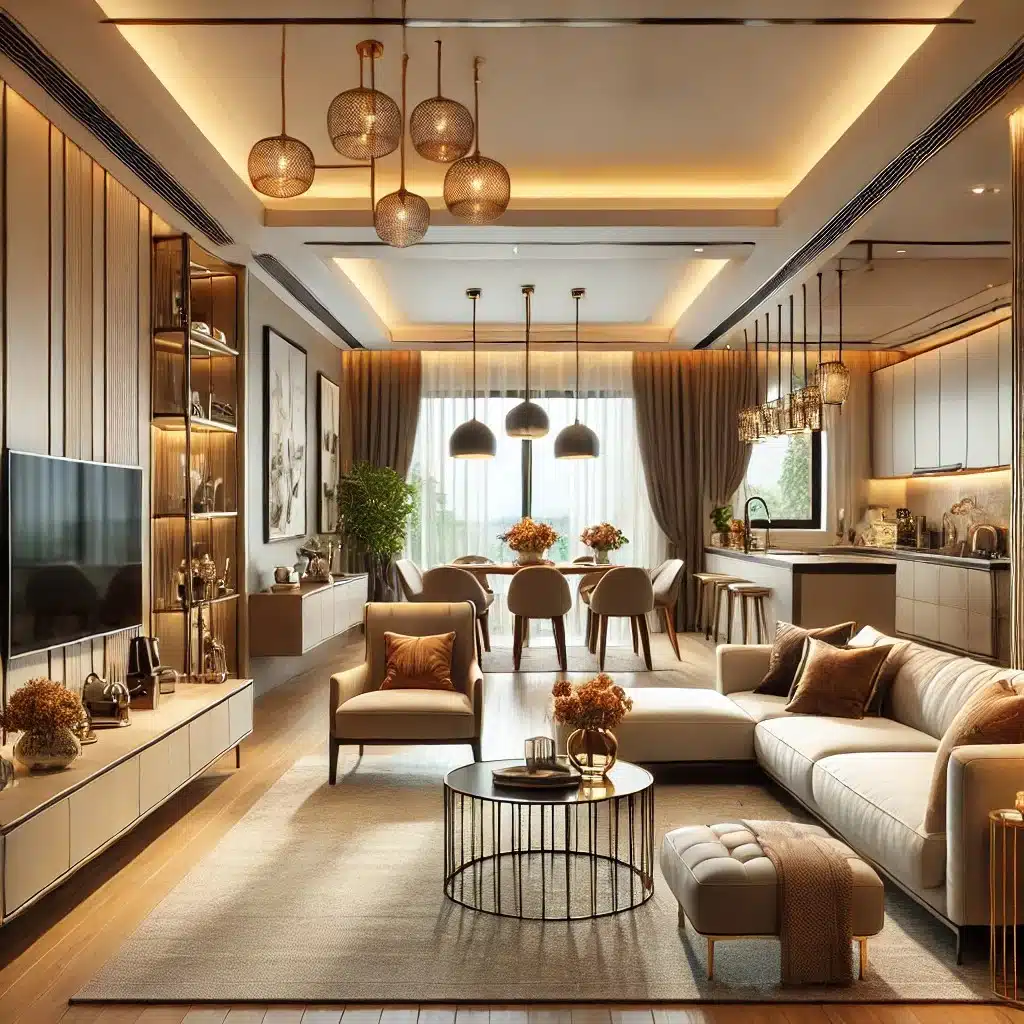
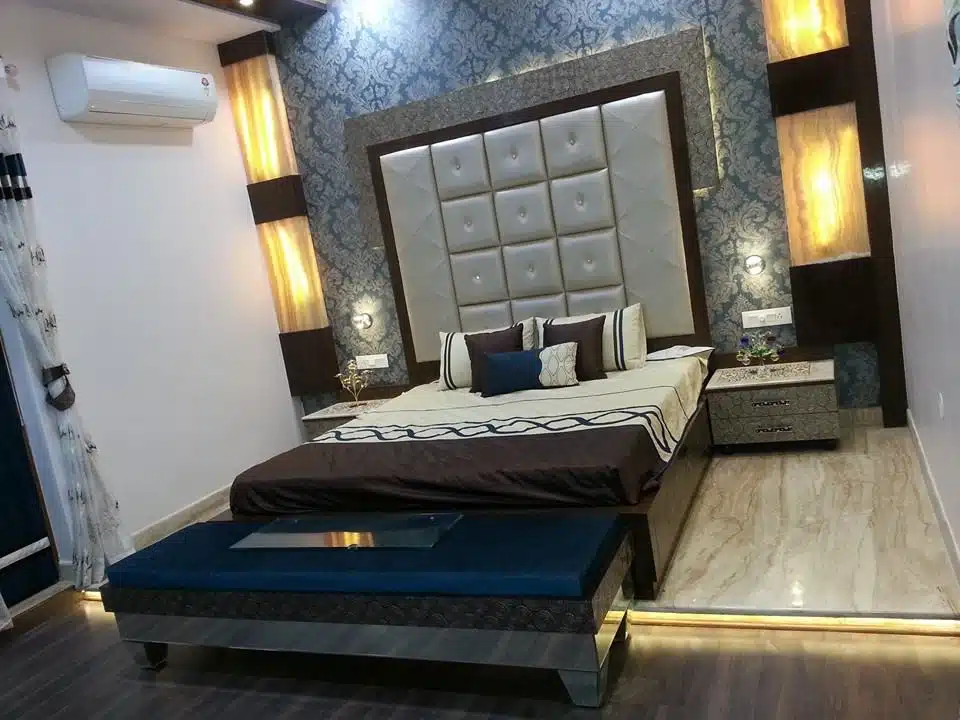
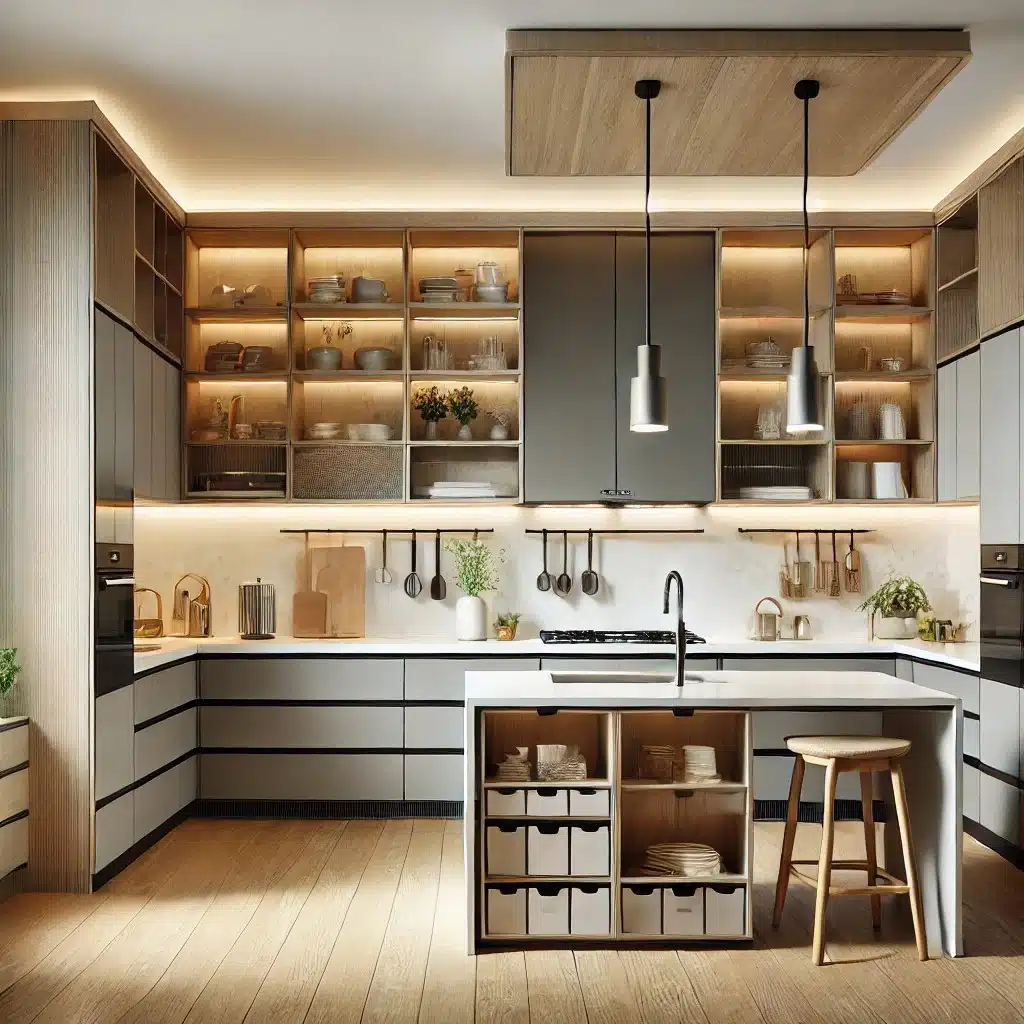
Skills that can help an interior designer handle pressure.
There is no single personality type that determines whether someone will enjoy interior design. Practical skills can make demanding projects more manageable.
Communication
Explain design decisions clearly and establish expectations before work begins.
Organization
Track drawings, materials, decisions, vendors, deadlines and changes.
Problem Solving
Find practical alternatives when site conditions or budgets change.
Design Thinking
Balance aesthetics, function, proportion, materials and the client’s brief.
Is interior design a stressful career?
Is interior designer a stressful job?
It can be stressful during demanding project phases because the work may involve client expectations, deadlines, budgets, technical constraints and vendor coordination. Stress varies significantly by role, project and work environment.
What is the most stressful part of interior design?
Common pressure points include balancing client expectations with technical and financial constraints, coordinating multiple people and keeping projects on schedule.
Is interior design only a creative job?
No. Professional interior design combines creativity with communication, technical planning, budgeting, project coordination, materials and execution.
Is interior design rewarding despite the pressure?
It can be. Completing a project and seeing a design concept become a functional finished space can provide a strong sense of accomplishment.
What skills are useful for an interior designer?
Useful skills include communication, organization, spatial thinking, design fundamentals, material knowledge, problem solving, budgeting awareness and project coordination.