Interior designing

What do luxury bedrooms have?

What Do Luxury Bedrooms Have? 15 Essential Features | Interior A to Z
Luxury bedroom with upholstered bed, warm lighting and elegant interior
Luxury Bedroom Design Guide

What Do Luxury Bedrooms Have?

Luxury bedrooms are not simply rooms filled with expensive furniture. They combine proportion, comfort, storage, lighting, materials and carefully edited details to create a sophisticated private retreat.

Quick answer

A luxury bedroom typically has a well-proportioned bed, statement headboard, custom wardrobe, layered lighting, premium-looking finishes, quality textiles, organized storage, a controlled colour palette and a strong sense of visual calm. The most important feature is how these elements work together.

15 Luxury bedroom features
4+ Useful lighting layers
1 Coordinated design language
∞ Ways to personalize the room
Elegant contemporary bedroom with coordinated furniture and soft textures
The luxury formula

Luxury is a system, not a shopping list.

A sophisticated bedroom begins with the essentials: bed position, circulation, wardrobe, storage, lighting and furniture proportions.

Once the functional foundation works, materials, upholstery, wall treatments, curtains, rugs and decorative objects can be layered into the room.

Interior A to Z’s current bedroom guidance places the bed, circulation, wardrobe, dressing area, lighting and storage before decorative details.

Explore the complete Bedroom Interior Design guide →

01 — Essential features

15 things luxury bedrooms commonly have

The following features can be adapted to master bedrooms, apartments, villas and compact bedrooms. Not every room needs every element.

01 / BED

A well-proportioned bed

The bed should suit the room dimensions and leave comfortable circulation around it. Correct scale is one of the foundations of a premium-looking bedroom.

02 / HEADBOARD

A statement bed wall

Upholstery, veneer, fluted panels, wallpaper, paint or integrated lighting can create a strong focal point behind the bed.

03 / LIGHTING

Layered illumination

Ambient, bedside, dressing, wardrobe and accent lighting allow the bedroom to support different activities and moods.

04 / STORAGE

Custom wardrobes

Full-height wardrobes and customized internal organization help integrate storage into the architecture of the room.

05 / DRESSING

A dedicated dressing zone

Where space permits, a dressing area can combine a mirror, drawers, wardrobe storage, seating and task lighting.

06 / TEXTILES

Layered fabrics

Quality bedding, curtains, cushions, throws and upholstery add softness and visual depth.

07 / COLOUR

A controlled colour palette

Sophisticated bedrooms often repeat a small number of compatible colours instead of using too many unrelated shades.

08 / MATERIALS

Coordinated finishes

Wood, veneer, stone-look surfaces, glass, metal, upholstery and wall finishes should complement one another.

09 / FLOORING

A comfortable floor treatment

Wood, quality flooring and correctly scaled rugs can make the bedroom feel warmer and more complete.

10 / CURTAINS

Full-height window treatments

Properly scaled curtains can soften the room and visually emphasize ceiling height.

11 / MIRRORS

Strategic reflective surfaces

Mirrors can support dressing, increase perceived depth and reflect available light when positioned carefully.

12 / ART

Curated artwork

One or two substantial pieces can create personality without making the room visually crowded.

13 / COMFORT

A relaxation zone

Larger bedrooms can accommodate a bench, lounge chair or small seating area for reading and relaxing.

14 / TECHNOLOGY

Discreet smart features

Charging points, lighting controls, concealed wiring and selected smart functions can improve convenience without dominating the design.

15 / PERSONALITY

Personal details

The best bedroom interiors reflect the person using the room through art, books, objects, colours and meaningful details.

02 — Luxury lighting

A luxury bedroom rarely depends on one ceiling light.

Layered lighting gives the bedroom flexibility. Current Interior A to Z lighting guidance recommends combining soft ambient illumination with bedside, wardrobe, dressing and accent lighting where appropriate.

Layer 01

Ambient

Soft general illumination for comfortable movement around the bedroom.

Layer 02

Bedside

Reading lights, wall lights or pendants positioned for practical use.

Layer 03

Dressing

Focused illumination around mirrors and dressing areas.

Layer 04

Accent

Subtle illumination for the headboard, wall panels, niches or artwork.

Read: 12 Smart Bedroom Lighting Ideas and Lighting Design .

03 — Luxury storage

In a luxury bedroom, storage becomes part of the architecture.

A premium wardrobe is not simply larger. It is better organized, properly proportioned and visually integrated into the room.

Exterior details

  • Full-height shutters
  • Handle-less or refined hardware
  • Tinted or fluted glass where suitable
  • Warm wood or veneer finishes
  • Integrated mirrors
  • Coordinated wardrobe elevation

Interior organization

  • Double and long hanging zones
  • Adjustable shelves
  • Drawer organization
  • Accessory storage
  • Shoe and bag organization
  • Pull-out systems where useful

Lighting & convenience

  • Internal LED lighting
  • Sensor-based illumination where appropriate
  • Soft-close hardware
  • Dedicated dressing lighting
  • Full-length mirror zones
  • Integrated vanity options

Walk-in luxury

  • Dedicated clothing zones
  • Central dressing island where space permits
  • Glass display sections
  • Full-height storage
  • Jewellery and accessory drawers
  • Focused dressing-room lighting

Explore: Luxury Wardrobe Interior Ideas →

04 — Materials & finishes

Premium bedrooms use materials with restraint.

Luxury does not require every surface to be expensive. The stronger approach is to select a small number of complementary materials and repeat them consistently.

WOOD

Warm wood & veneer

Wood tones add warmth and can balance glass, stone, metal and upholstered surfaces.

UPHOLSTERY

Soft tactile surfaces

Upholstered headboards and selected wall details create comfort and visual softness.

GLASS

Glass & mirrors

Reflective materials can add depth and light when used selectively.

WALLS

Controlled wall treatments

Panelling, wallpaper, paint, textured finishes and fluted details can create a sophisticated focal point.

TEXTILES

Layered soft furnishings

Curtains, rugs, bedding and upholstery add texture and acoustic softness.

METAL

Refined hardware

Consistent metal finishes on handles, lights and selected accessories can tie the design together.

05 — Luxury versus clutter

The difference is often what you leave out.

A luxury bedroom should have enough detail to feel personal but enough negative space to remain calm.

AreaRefined approachWhat can reduce the effect
Bed wallOne strong focal compositionToo many competing panels
WardrobeIntegrated, organized storageVisible clutter and unused gaps
LightingSoft layered illuminationOne harsh central fixture
ColoursSmall coordinated paletteToo many unrelated colours
DecorFew meaningful piecesOverfilled shelves and surfaces
FurnitureCorrectly scaled piecesOversized furniture restricting circulation
06 — Bedroom luxury audit

How many luxury features does your bedroom already have?

Check the features already present in your bedroom to identify where the next improvement could have the greatest visual impact.

0 / 10 completed

07 — By bedroom size

Luxury works in small bedrooms too.

SMALL BEDROOM

Use vertical space

Full-height wardrobes, sliding systems, floating furniture, mirrors and integrated lighting can create a cleaner appearance.

Small Bedroom Luxury Ideas →

MASTER BEDROOM

Create distinct zones

A larger master suite can accommodate a stronger bed wall, dressing area, walk-in wardrobe, seating and layered lighting.

Luxury Master Bedroom Guide →

APARTMENT

Prioritize storage

Use furniture and wardrobes that solve storage needs without overwhelming the available floor area.

VILLA

Build a private retreat

Larger spaces can combine sleeping, dressing and relaxation zones into one coordinated suite.

MODERN

Keep lines clean

Restrained colours, integrated storage and carefully placed lighting can create a contemporary luxury aesthetic.

WARM LUXURY

Balance softness and structure

Combine warm wood, textiles, soft lighting and controlled decorative elements for a more comfortable atmosphere.

08 — Master bedroom formula

The strongest luxury master bedrooms balance five zones.

01

Sleep

Comfortable bed, headboard, bedside storage and suitable lighting.

02

Dress

Wardrobe, dressing mirror, drawers and practical task lighting.

03

Store

Organized clothing, accessories and concealed everyday storage.

04

Relax

Seating, reading or occasional lounge space where the room permits.

05

Connect

Charging, controls, television or study functions integrated without visual clutter.

06

Illuminate

Lighting layers designed around the actual activities of the room.

07

Personalize

Art, objects, fabrics and colours that make the space feel individual.

08

Edit

Keep enough negative space for the room to feel calm and breathable.

10 — Frequently asked questions

Luxury bedroom FAQs

What do luxury bedrooms have?

Luxury bedrooms commonly combine a well-proportioned bed, statement headboard, custom storage, layered lighting, premium-looking materials, quality textiles, coordinated colours, practical storage and carefully selected decorative details.

What makes a bedroom look luxurious?

Proportion, visual calm, coordinated materials, layered lighting, good storage, quality textiles and a strong focal point can make a bedroom look luxurious.

Do luxury bedrooms need expensive furniture?

Not necessarily. The overall effect depends strongly on layout, proportion, coordination, workmanship, lighting, storage and material selection.

What type of wardrobe is used in luxury bedrooms?

Luxury bedrooms may use full-height fitted wardrobes, sliding or hinged systems, tinted glass, veneer finishes, integrated lighting, customized internal storage or walk-in wardrobes where space permits.

What lighting does a luxury bedroom need?

A layered lighting plan can combine soft ambient lighting, bedside reading light, wardrobe illumination, dressing mirror lighting, accent lighting and decorative fixtures where suitable.

Can a small bedroom look luxurious?

Yes. Small bedrooms can use proportionate furniture, vertical storage, sliding wardrobes, mirrors, integrated lighting, lighter finishes and clear circulation to create a refined appearance.

What is the most important luxury bedroom feature?

There is no single feature that works for every room. A good layout, comfortable bed, practical storage and appropriate lighting should normally be resolved before decorative upgrades.

Interior A to Z

Design a bedroom that feels luxurious because it works beautifully.

Plan the bed, wardrobe, storage, lighting, materials and finishing details as one coordinated interior rather than as separate purchases.

What do luxury bedrooms have? Read More »

How to design a luxurious living room?

How to design a luxurious living room?

Master the art of high-end design with strategic layering, statement elements, and professional curation.

The Blueprint for Luxury

Creating a luxurious living room requires a focus on scale and texture. Key strategies include using large rugs to anchor the space, opting for statement lighting, and installing lush window treatments. To complete the interior concept, incorporate oversized art, luxurious throws, and glam accessories like wall mirrors.

1. Structural and Architectural Foundation

In a modern villa, luxury is built into the architecture. By applying design theory, you can create interior features that maximize space and light, ensuring your villa concept feels cohesive and grand.

2. Aesthetic and Sensory Layering

The best interior style is achieved through careful sensory layering. This includes using color psychology to set the mood and selecting the best wall finish to provide a tactile sense of quality.

3. Professional Design Guidance

To avoid common living room design mistakes, it is often worth paying an interior designer. An expert villa interior designer applies the basics of design to manage the full scope of what interior design includes.

4. Financial Precision

A luxurious result requires a clear financial roadmap. Use an interior design cost per sq ft guide and learn how to calculate the cost of interior design to ensure your budget supports your luxury goals.

Expert Redesign Services

Find out who can redesign your house to achieve a truly luxurious living room design.

What to Expect When You Hire an Interior Designer

How to design a luxurious living room? Read More »

What makes a living room luxury?

What Makes a Living Room Luxury? 15 Essential Design Features | Interior A to Z
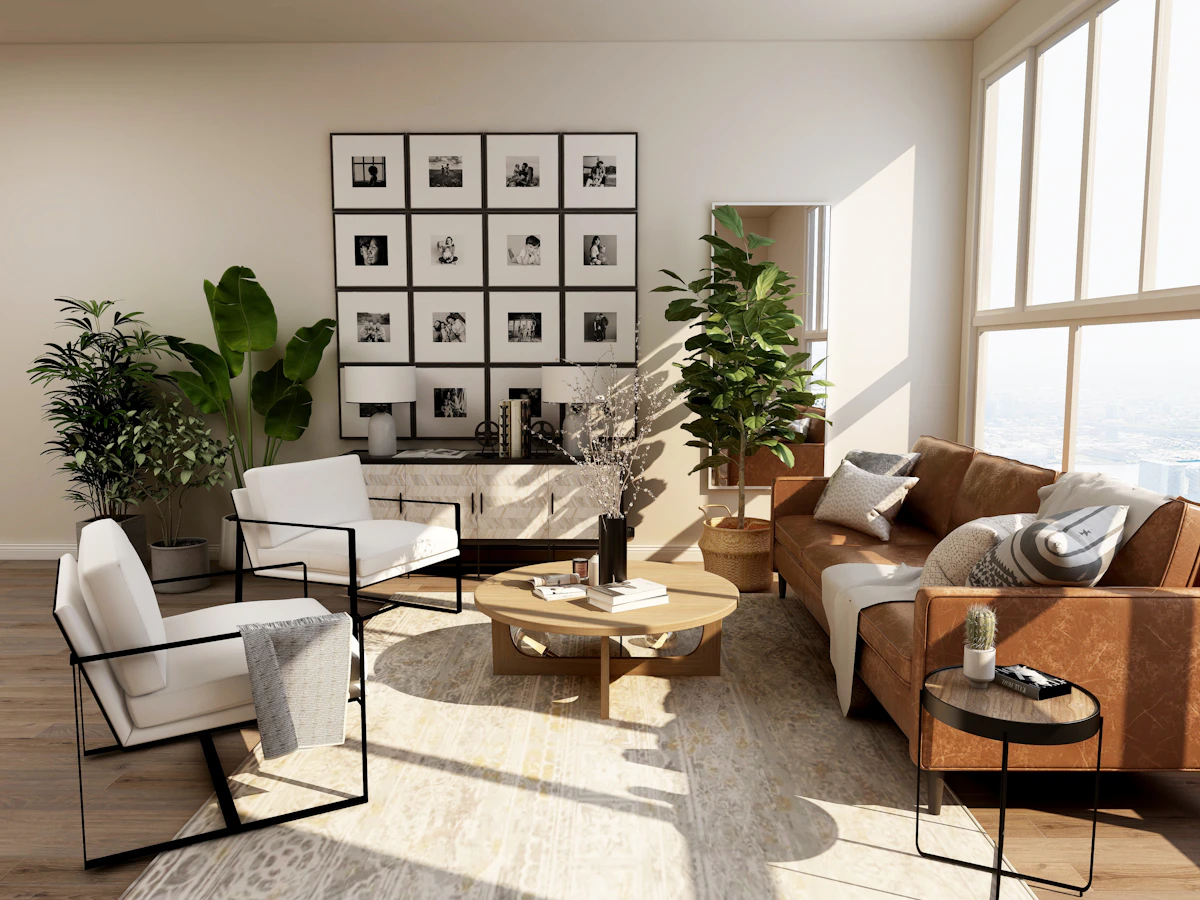
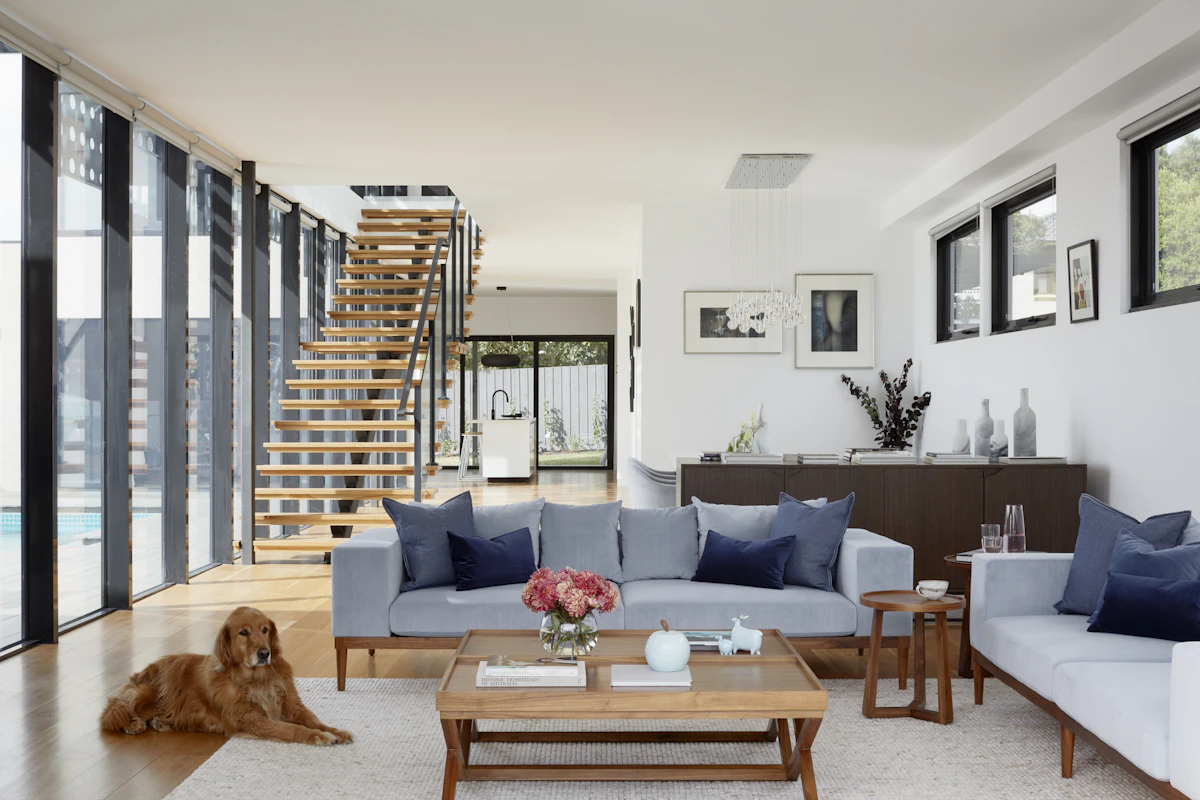
Luxury modern living room with elegant sofa, coffee table and layered lighting
Luxury Living Room Guide

What Makes a Living Room Luxury?

A luxurious living room is more than expensive furniture. It is a carefully planned combination of proportion, comfort, premium finishes, statement lighting, storage, texture and visual restraint.

Quick answer

A luxury living room usually has well-scaled seating, a strong focal point, premium-looking materials, layered lighting, a large correctly proportioned rug, customized storage, coordinated colours, quality textiles and curated artwork or décor. The result should feel comfortable and intentional rather than crowded.

15 Luxury living room features
3+ Lighting layers
1 Clear visual focal point
∞ Ways to personalize
Sophisticated contemporary living room with neutral furniture and warm lighting
The luxury principle

Luxury begins with the way the room is planned.

Current Interior A to Z living-room guidance places space planning, circulation, seating, TV placement, lighting, storage and materials before decorative styling.

That order matters. A beautiful sofa arrangement will not feel luxurious if it blocks movement. A premium TV wall can still feel wrong if its proportions do not relate to the room.

The strongest interiors make furniture, architecture, lighting and decoration feel like parts of one composition.

Explore the complete Living Room Interior Design guide →

01 — Essential features

15 features that can make a living room feel luxurious

The best luxury living rooms do not necessarily use every feature. Select elements according to room size, architecture, lifestyle and budget.

01 / PROPORTION

Furniture that fits the room

Sofa, chairs, coffee table, console and storage should relate to the dimensions of the room and leave comfortable circulation.

02 / SEATING

Comfortable premium seating

A well-designed sofa arrangement should support conversation, relaxation and everyday family use without overcrowding the space.

03 / FOCAL POINT

A strong visual anchor

The focal point might be a TV wall, artwork, fireplace, architectural feature or statement furniture composition.

04 / RUG

A correctly scaled rug

A large enough rug can visually connect sofas, chairs and the coffee table instead of leaving furniture floating independently.

05 / LIGHTING

Layered lighting

Combine ambient, accent and decorative lighting to create depth and different evening atmospheres.

06 / WALLS

A refined feature wall

Veneer, wood panels, fluted surfaces, textured finishes, wallpaper or paint can create a sophisticated architectural backdrop.

07 / TV UNIT

Integrated entertainment wall

A premium TV unit can combine display, storage, concealed wiring, lighting and coordinated wall finishes.

08 / STORAGE

Concealed storage

Cabinets, consoles, drawers and integrated storage reduce everyday clutter and preserve visual calm.

09 / MATERIALS

Coordinated premium finishes

Wood, stone-look finishes, metal, glass, upholstery and textured walls should complement one another.

10 / TEXTURE

Layered textiles

Curtains, cushions, upholstery and rugs introduce softness, depth and acoustic comfort.

11 / COLOUR

A controlled colour palette

Neutral or earthy foundations with carefully selected accents often create a more coherent premium appearance.

12 / ART

Curated artwork

One large artwork or a carefully composed collection can create personality without overwhelming the room.

13 / WINDOWS

Elegant window treatments

Properly scaled curtains and sheers can soften the architecture and frame natural light.

14 / CEILING

Architectural ceiling details

A restrained false ceiling, cove lighting or selected ceiling detail can integrate lighting without making the room heavy.

15 / PERSONALITY

Intentional styling

Plants, books, objects, art and accessories should tell the homeowner’s story rather than simply imitate a showroom.

02 — Statement lighting

Luxury living rooms use light as part of the architecture.

Statement lighting can create the first impression, while concealed and accent lighting provide the atmosphere underneath it.

Layer 01

Ambient

General illumination from ceiling fixtures, recessed lights or suitable indirect sources.

Layer 02

Accent

Focused light for artwork, feature walls, niches and selected architectural details.

Layer 03

Decorative

Chandeliers, pendants, floor lamps or wall lights that contribute to the visual identity of the room.

Layer 04

Indirect

Cove or concealed illumination can create a softer evening atmosphere and highlight architectural lines.

For broader guidance, explore Interior Lighting Design .

03 — The luxury living room palette

Premium does not mean using every expensive finish at once.

A sophisticated room usually benefits from a controlled combination of materials. Repetition creates cohesion; contrast creates interest.

Warm materials

  • Natural or engineered wood tones
  • Warm veneer finishes
  • Textured upholstery
  • Linen and soft fabrics
  • Warm metallic accents
  • Natural-looking stone surfaces

Architectural finishes

  • Feature wall panelling
  • Fluted details
  • Designer wallpaper
  • Textured paint
  • Decorative mouldings
  • Integrated niches

Soft layers

  • Large area rugs
  • Premium-looking curtains
  • Cushions in coordinated fabrics
  • Throws
  • Upholstered seating
  • Soft decorative accessories

Reflective accents

  • Mirrors
  • Glass
  • Selected metallic details
  • Decorative lighting
  • Gloss accents used selectively
  • Curated display objects
04 — Luxury TV wall & focal point

Give the room one dominant visual story.

The focal point should be strong enough to define the room without competing with every other wall and piece of furniture.

OPTION 01

Statement TV wall

Combine the television, concealed wiring, storage, display niches, lighting and wall finishes into one integrated composition.

OPTION 02

Art-led wall

Use one large artwork or a carefully planned collection as the visual anchor of the room.

OPTION 03

Architectural wall

Panels, stone-look surfaces, mouldings, textured finishes or integrated shelving can create architectural depth.

See the complete Living Room Interior Design guide →

05 — Luxury versus clutter

The room becomes more luxurious when visual noise is reduced.

Luxury is often created through restraint. The goal is not to remove personality but to give important elements enough space to be noticed.

AreaRefined approachWhat can reduce the effect
SofaCorrect scale and comfortable upholsteryOversized furniture blocking circulation
RugLarge enough to connect the seating groupVery small rug floating under the coffee table
LightingLayered and adjustableOne harsh central fixture
WallsOne or two strong focal treatmentsEvery wall competing for attention
DécorCurated and intentionalOverfilled shelves and surfaces
ColoursCoordinated paletteToo many unrelated colours
06 — Luxury living room audit

How many premium design ingredients does your living room have?

Use this quick checklist to identify the areas that may deserve attention before adding more decoration.

0 / 10 completed

07 — By room size

Luxury living rooms can work at different scales.

SMALL LIVING ROOM

Prioritize proportion

Use compact but comfortable seating, wall-mounted or integrated storage, controlled colours and a clear circulation path.

APARTMENT

Use multifunctional design

Combine TV storage, display, concealed cabinets and seating into carefully planned furniture compositions.

LARGE HOME

Create multiple zones

Larger rooms can include conversation seating, reading corners, statement artwork, console furniture and dedicated entertainment areas.

VILLA

Use architecture as a feature

Large windows, ceiling height, stone or wood details and custom furniture can be integrated into the overall composition.

MODERN

Keep the lines clean

Integrated storage, simple furniture silhouettes and restrained materials create a contemporary luxury language.

WARM LUXURY

Balance elegance with comfort

Warm wood, soft fabrics, muted colours, layered lighting and natural textures can prevent the room from feeling formal or cold.

08 — The luxury living room formula

Eight layers that should work together.

01

Layout

Establish circulation, seating relationships and viewing zones first.

02

Furniture

Select comfortable pieces that suit the room’s scale and lifestyle.

03

Architecture

Use walls, ceiling, niches and built-ins to strengthen the room.

04

Lighting

Combine ambient, accent and decorative sources for depth.

05

Materials

Coordinate wood, stone, glass, metal, upholstery and wall finishes.

06

Textiles

Add rugs, curtains, cushions and upholstery for softness and texture.

07

Styling

Introduce art, books, plants and accessories with restraint.

08

Personality

Make the room reflect the people who actually live in the home.

10 — Frequently asked questions

Luxury living room FAQs

What makes a living room luxury?

A luxury living room combines good proportions, comfortable and appropriately scaled furniture, premium-looking materials, layered lighting, coordinated colours, integrated storage, a strong focal point and carefully selected décor.

What furniture makes a living room look luxurious?

Well-proportioned sofas, accent chairs, a correctly scaled coffee table, a refined console and customized storage can create a sophisticated living room when arranged with good circulation.

How can I make my living room look expensive?

Focus on furniture proportion, a correctly scaled rug, layered lighting, quality-looking textiles, coordinated finishes, a strong focal wall and reduced visual clutter.

What lighting is used in luxury living rooms?

Luxury living rooms can combine ambient ceiling lighting, concealed or cove lighting, accent lighting, wall lighting, decorative pendants or chandeliers and focused illumination for selected artwork or architectural details.

Does a luxury living room need expensive materials?

Not necessarily. Proportion, layout, workmanship, lighting, coordination and visual restraint strongly influence how premium a room feels.

How do I make a small living room look luxurious?

Use proportionate furniture, clear circulation, multifunctional storage, a controlled colour palette, appropriately scaled rugs and layered lighting while avoiding unnecessary visual clutter.

What should a luxury TV unit include?

A well-planned TV unit can include the television position, concealed wiring, storage cabinets, display niches, integrated lighting and selected wall finishes.

Can a luxury living room still be comfortable?

Yes. Luxury living room design should balance appearance with everyday comfort, circulation, seating requirements, storage and the way the family actually uses the room.

Interior A to Z

Create a living room that feels luxurious because every detail belongs.

Plan your seating, TV wall, storage, lighting, materials and styling as one coordinated interior instead of selecting each element separately.

What makes a living room luxury? Read More »

How do rich people decorate their houses?

How do rich people decorate their houses?

Achieve a millionaire-inspired look with sculptural elements, organic curves, and premium materials.

The Millionaire Aesthetic

To decorate like a millionaire and achieve a high-end look, choose sculptural fixtures and accessories that resemble pieces from an expensive art gallery. Organic curves, geometric shapes, and natural materials like glass, stone, and metallic finishes all contribute to a sophisticated interior concept.

1. Architectural and Structural Grandeur

In a modern villa, decoration starts with the structure. By applying advanced design theory, designers create interior features that emphasize luxury, often rooted in a bespoke villa concept.

2. Curated Style and Atmosphere

Achieving the best interior style involves more than just expensive furniture. It requires a deep understanding of color psychology and selecting the best wall finish to create an atmosphere of effortless opulence.

3. The Value of Professional Expertise

True luxury is highly curated, which is why it is often worth paying an interior designer. An expert villa interior designer masters the basics of design and manages exactly what interior design includes for high-net-worth clients.

4. Precision in Planning

Executing a millionaire-style home requires precise financial management. You must calculate the cost of interior design accurately. Using an interior design cost per sq ft guide helps you avoid living room design mistakes while focusing on quality.

Achieve Your Dream Home

Discover who can redesign your house into a masterpiece of luxury decoration.

What to Expect When You Hire an Interior Designer

How do rich people decorate their houses? Read More »

What is luxury home style?

What Is Luxury Home Style? 15 Features of a Luxury Home | Interior A to Z
Luxury modern home interior with premium furniture, natural materials and elegant lighting
Luxury Home Style Guide

What Is Luxury Home Style?

Luxury home style is more than expensive furniture or decorative finishes. It combines thoughtful planning, refined proportions, premium materials, custom details, layered lighting, comfort and personal character into one cohesive home.

Quick answer

A luxury home typically combines intelligent space planning, quality materials, custom furniture, architectural detailing, layered lighting, integrated storage, technology, comfort and carefully edited décor. Luxury can be modern, classic, minimalist, Indian, contemporary or eclectic; the defining factor is how consistently the home is designed.

15 Luxury home features
7+ Common luxury styles
1 Cohesive design language
∞ Ways to personalise
Elegant luxury living room with refined furniture and warm interior finishes
01 — The definition

Luxury is a complete experience, not a price tag.

Interior A to Z’s current luxury design guidance describes luxury through proportion, craftsmanship, comfort, quality materials, customized furniture, layered lighting and personalisation.

The original page also describes luxury homes through premium architecture and materials, aesthetic excellence, expert design curation and financial planning.

A more useful modern approach is to think beyond size or expensive objects. A well-planned apartment can have a luxury interior just as a large villa can.

Explore Luxury Interiors →

02 — The anatomy of luxury

15 features that define a sophisticated luxury home.

These features can be adapted to apartments, builder floors, independent houses, villas and larger residences.

01 / PLANNING

Purposeful space planning

Every room, circulation route, storage zone and furniture position should have a clear purpose.

02 / PROPORTION

Refined proportions

Furniture, walls, ceilings, lighting and decorative elements should relate naturally to the dimensions of the home.

03 / MATERIALS

Quality materials

Stone, timber, glass, metal, upholstery and engineered finishes can introduce depth when selected for both appearance and performance.

04 / CRAFT

Custom craftsmanship

Bespoke cabinetry, furniture, wall treatments and architectural elements allow the interior to respond precisely to the property.

05 / LIGHT

Layered lighting

Ambient, task, accent and decorative lighting create atmosphere while supporting practical everyday activities.

06 / STORAGE

Integrated storage

Kitchens, wardrobes, TV units, libraries, bars and utility storage can be integrated without making the home feel crowded.

07 / COMFORT

Everyday comfort

Ergonomic furniture, climate control, acoustics, lighting and convenient storage are part of luxury as much as appearance.

08 / TECHNOLOGY

Discreet smart technology

Smart lighting, entertainment, climate systems, charging and automation can be integrated without dominating the design.

09 / COLOUR

A cohesive palette

Colours should establish a visual relationship between rooms while still allowing individual spaces to have their own identity.

10 / TEXTURE

Layered textures

Wood, stone, fabric, glass, metal, plaster and upholstery can create richness without relying on excessive decoration.

11 / ARCHITECTURE

Architectural detailing

Ceilings, wall panels, niches, mouldings, doors and built-ins can become part of the home’s visual identity.

12 / ART

Curated artwork

Art, sculpture, mirrors and selected objects can provide personality and focal points throughout the home.

13 / PRIVACY

Thoughtful privacy

Room relationships, curtains, partitions and zoning should support how residents use private and social areas.

14 / DURABILITY

Long-term quality

Material selection should consider maintenance, durability, cleaning, replacement and the way each surface will age.

15 / PERSONALITY

Personal character

The strongest luxury homes reflect the owner’s lifestyle, collections, interests, routines and preferred level of comfort.

03 — Luxury home styles

Luxury does not have one fixed appearance.

Luxury can be expressed through different architectural and interior languages. The important part is consistency between the property, lifestyle, materials and furniture.

STYLE 01

Modern Minimalist

Clean lines, restrained colours, integrated storage and carefully selected architectural details.

STYLE 02

Contemporary Luxe

Modern furniture, expressive textures, statement lighting and premium materials balanced with comfortable living.

STYLE 03

Modern Classic

Classical proportions and refined detailing combined with modern furniture, lighting and technology.

STYLE 04

Indian Luxury

Contemporary planning combined with handcrafted details, rich textiles, natural materials and selected cultural references.

STYLE 05

Traditional

Detailed joinery, classic furniture, rich fabrics, decorative lighting and established architectural language.

STYLE 06

Eclectic

Different influences brought together through a controlled palette, consistent proportions and intentional styling.

STYLE 07

Warm Minimalism

Natural materials, soft neutrals, curved furniture, tactile finishes and comfortable uncluttered spaces.

STYLE 08

Villa Luxury

Architecture, landscape, large openings, custom interiors and indoor-outdoor relationships form the design language.

04 — Choose the right style

Start with the property, then choose the expression.

The same luxury concept should not be copied into every property. Architecture, natural light, room proportions and lifestyle should influence the design direction.

Apartment

Prioritize storage, circulation, visual openness, lighting and furniture proportion.

Builder Floor

Use architectural details, custom furniture, integrated storage and a cohesive room-to-room palette.

Independent House

Coordinate entrance, living, dining, bedrooms, kitchen and private spaces into one complete design language.

Villa

Integrate architecture, large openings, landscaping, lighting, custom furniture and indoor-outdoor living.

05 — Materials & finishes

Luxury materials should be selected for beauty and performance.

Premium materials can create depth and character, but the right material depends on the room, maintenance requirements, lifestyle and long-term use.

Stone & marble

  • Feature walls
  • Flooring
  • Kitchen surfaces
  • Bathroom surfaces
  • Console tops
  • Architectural details

Wood & veneer

  • Wall panelling
  • Wardrobes
  • TV units
  • Doors
  • Custom furniture
  • Kitchen cabinetry

Metal & glass

  • Lighting fixtures
  • Furniture details
  • Wardrobe shutters
  • Partitions
  • Display units
  • Decorative accents

Textiles

  • Upholstery
  • Curtains
  • Rugs
  • Bedding
  • Cushions
  • Decorative fabrics

Read more: Luxury Home Interior Design Ideas →

06 — The invisible side of luxury

Some of the most important luxury features are barely visible.

A sophisticated home should work effortlessly. Storage, technology, lighting controls, acoustics, wiring and hardware can be planned early so they disappear into the finished design.

01

Concealed wiring

Plan electrical and entertainment requirements before walls and furniture are finalized.

02

Smart lighting

Scene controls and dimming can allow lighting to change according to activity, time and mood.

03

Acoustic comfort

Curtains, rugs, upholstery, wall treatments and room planning can contribute to a more comfortable acoustic environment.

04

Premium hardware

Hinges, runners, handles and internal accessories influence the everyday experience of kitchens, wardrobes and cabinetry.

05

Storage planning

Storage should be planned around the actual belongings and routines of the household rather than added as an afterthought.

06

Climate comfort

Air-conditioning, ventilation, curtains and furniture placement should work together for comfortable daily use.

07 — Luxury versus maximalism

A luxury home does not need to be visually crowded.

Contemporary luxury increasingly focuses on proportion, comfort, craftsmanship, tactile materials and visual restraint rather than simply adding more expensive objects.

Design decisionRefined approachCommon problem
FurnitureComfortable and correctly scaledToo many oversized pieces
MaterialsSmall coordinated paletteEvery surface uses a different finish
LightingLayered and adjustableOne bright fixture controls the entire room
DécorFew meaningful statement piecesEvery surface is filled
TechnologyIntegrated and discreetVisible wires and equipment
ColourConsistent throughout the homeUnrelated palettes from room to room
08 — Planning process

How to plan a luxury home interior from the beginning.

The best results come when architecture, furniture, materials, lighting, storage and technology are developed together rather than one after another.

01

Assess

Understand the floor plan, structure, utilities, daylight, ventilation, access and property constraints.

02

Define

Establish lifestyle requirements, design preferences, priorities, storage needs and the desired experience.

03

Concept

Develop the layout, mood direction, colour palette, materials, furniture language and lighting approach.

04

Detail

Finalize drawings, joinery, hardware, finishes, lighting circuits, furniture and technology.

05

Budget

Consider design, construction, materials, furniture, appliances, installation, taxes and contingency.

06

Execute

Coordinate procurement, manufacturing, installation and quality checks across the project.

07

Review

Inspect workmanship, resolve snags and confirm that the finished home matches the design intent.

08

Live

The final measure of luxury is how comfortably and naturally the home supports everyday life.

09 — Luxury home audit

How complete is your luxury home concept?

Check the elements you have already considered. The result is a simple planning indicator, not a professional design assessment.

0 / 10 completed

11 — Frequently asked questions

Luxury home style FAQs

What is luxury home style?

Luxury home style is an interior and architectural approach that combines thoughtful planning, premium or carefully selected materials, refined proportions, custom furniture, layered lighting, comfort, technology and personal expression.

What makes a house look luxurious?

A house can feel luxurious when its architecture, furniture, lighting, materials, storage, colours and decorative details work together with good proportions and visual restraint.

What materials are used in luxury homes?

Luxury homes may use natural stone, marble, wood, veneer, glass, metal, leather, linen, premium upholstery and carefully selected engineered finishes according to the room and intended use.

What are the main luxury home interior styles?

Luxury can be expressed through contemporary, modern minimalist, modern classic, traditional, transitional, Indian luxury, eclectic or other styles. The defining qualities are coherence, comfort, craftsmanship, proportion and personalization.

Does a luxury home need to be large?

No. Luxury design can be adapted to apartments, builder floors and compact homes. Good planning, proportion, storage, lighting and material coordination are important regardless of property size.

How do I plan a luxury home interior?

Start with the property’s architecture and daily routines, then develop the layout, design concept, materials, furniture, lighting, storage, technology, budget and execution details as one coordinated plan.

Is luxury interior design always modern?

No. Luxury can be modern, contemporary, classic, traditional, eclectic, Indian or minimalist. The design language should suit the property’s architecture and the homeowner’s preferences.

What is the most important part of luxury home design?

There is no single feature that defines every luxury home. Good planning, proportion, comfort, material coordination, lighting, craftsmanship and personalization should work together.

Interior A to Z

Make luxury feel personal, practical and timeless.

Plan architecture, furniture, storage, lighting, materials and technology as one cohesive home interior rather than as separate purchases.

What is luxury home style? Read More »

How do I make my interior look luxurious?

How Do I Make My Interior Look Luxurious? 15 Expert Ideas | Interior A to Z
Luxury Home Interior Guide

How Do I Make My Interior Look Luxurious?

You do not need to fill your home with expensive décor. A luxurious interior comes from proportion, quality materials, layered lighting, comfortable furniture, visual restraint and carefully coordinated details.

Quick Answer

To make your interior look luxurious, focus first on the layout and furniture scale, then create a restrained colour palette, layer the lighting, upgrade selected materials, integrate storage and finish the room with a small number of strong decorative details. The goal is a cohesive home, not a collection of expensive objects.

15Luxury upgrades
3Lighting layers
1Cohesive palette
0Need for clutter
The luxury principle

Luxury is created by better decisions, not simply higher prices.

A room can contain marble, brass and designer furniture and still feel ordinary if the proportions are wrong or the finishes compete with each other.

The strongest interiors usually begin with space planning, circulation, furniture proportions and storage. Materials, lighting and decoration then support the architecture instead of overwhelming it.

This approach also makes luxury more achievable for apartments, builder floors, villas and independent homes with different sizes and budgets.

Elegant luxury living room interior with refined furniture and lighting
01 — Transform the room

15 ways to make an interior look luxurious

Start with the elements that affect the entire room before spending heavily on decorative accessories.

01

Fix furniture proportions

Choose sofas, beds, tables and chairs that fit the room. Oversized or undersized furniture immediately reduces visual sophistication.

02

Create a calm colour palette

Begin with two or three compatible base colours. Add stronger tones through artwork, cushions, rugs or selected furniture rather than everywhere.

03

Layer your lighting

Combine ambient, task and accent lighting. This gives the room depth and lets the atmosphere change from daytime to evening.

04

Use premium materials selectively

A carefully chosen stone, veneer, metal, glass or textured finish can become a focal point without covering every surface.

05

Make storage disappear

Full-height wardrobes, integrated TV units and concealed storage keep visual clutter away and allow the architecture to stand out.

06

Upgrade the hardware

Handles, hinges, drawer systems and fittings are touched every day. Good hardware can make cabinetry feel substantially more refined.

07

Add texture

Combine smooth and tactile surfaces such as wood, stone, fabric, glass, upholstery and textured walls to create depth.

08

Choose one strong focal point

A statement TV wall, artwork, staircase, fireplace, headboard or dining pendant can anchor the room more effectively than many competing features.

09

Use larger artwork

One properly scaled artwork can look more sophisticated than a collection of small decorative pieces scattered across the walls.

10

Invest in curtains

Full-height curtains with good fabric and appropriate proportions can make ceilings appear taller and soften the entire room.

11

Choose a quality rug

A properly sized rug visually connects seating and furniture while adding softness, texture and acoustic comfort.

12

Keep surfaces edited

Luxury often depends on visual restraint. Leave breathing space around furniture and allow important objects to stand out.

13

Repeat materials intelligently

Repeat a wood tone, metal finish or fabric family in different rooms to create a connected design language.

14

Improve ceiling details

Simple recessed details, concealed lighting or carefully proportioned ceiling treatments can elevate a room without making it busy.

15

Add personal character

Art, books, objects, photographs and furniture should reflect the people who live there. Personal character makes luxury feel authentic.

02 — Lighting

Lighting is one of the fastest ways to change how a room feels.

A single ceiling light tends to flatten a room. Layered lighting gives architecture, furniture and materials a more sophisticated visual hierarchy.

Ambient General illumination that makes the room comfortable and usable.
Task Focused light for reading, cooking, dressing, working and other activities.
Accent Focused illumination for artwork, textures, niches and architectural details.
Decorative Pendants, chandeliers and wall lights that contribute to the room’s identity.
Concealed Indirect light around ceilings, niches and joinery for a softer architectural effect.

Explore the complete lighting design guide .

Luxury interior with layered warm lighting Elegant interior lighting detail
03 — Materials

Choose fewer materials and coordinate them better.

Premium materials create impact when their colour, texture, scale and finish work together. More materials do not automatically mean more luxury.

Stone & Marble Use selectively on floors, countertops, feature walls, bathrooms and architectural focal points.
Wood & Veneer Add warmth through cabinetry, wall panels, furniture and bespoke joinery.
Glass & Metal Introduce lightness, reflection and refined contemporary detailing.
Fabrics & Textiles Use upholstery, curtains, rugs and cushions to soften hard architectural surfaces.

Before selecting a finish, consider appearance, durability, maintenance, moisture, expected use and budget. See Choosing the Right Materials for Home Interiors .

04 — Quiet luxury

What makes a room look expensive without looking overdecorated?

The answer is usually coordination. The room should feel intentional from the entrance to the smallest finishing detail.

Less refinedMore luxurious
Too many colours competing togetherControlled palette with carefully chosen accents
Furniture purchased without measuringFurniture selected around room proportions
One bright ceiling lightLayered ambient, task and accent lighting
Every wall treated as a feature wallOne or two deliberate focal areas
Open shelves filled with objectsCurated display with concealed everyday storage
Many unrelated finishesSmall, coordinated material palette
Decoration without a purposeArt and objects with personal or visual significance
05 — Room by room

Apply luxury differently in every part of the home.

Living Room

Prioritize seating proportions, a properly sized rug, layered lighting, a controlled TV wall, curtains and one strong visual focal point.

Bedroom

Focus on the bed wall, upholstered textures, bedside lighting, full-height curtains, integrated wardrobes and calm colours.

Kitchen

Combine efficient planning with premium-looking cabinetry, good hardware, coordinated counters, task lighting and concealed clutter.

Dining Area

Use correct table proportions, comfortable seating, a statement pendant and a restrained feature wall or artwork.

Bathroom

Coordinate tiles, stone, mirrors, lighting, sanitaryware and hardware instead of mixing too many finishes.

Home Office

Build around an ergonomic desk, integrated storage, task lighting, controlled background detailing and visual calm.

06 — A complete design language

Luxury should continue from room to room.

Your living room, bedroom, kitchen and hallway do not need to look identical. They should, however, feel as though they belong to the same home.

01 — BASE

Choose the palette

Establish the main neutral colours and one or two accent directions.

02 — MATERIAL

Repeat key finishes

Carry selected wood, metal, stone or fabric tones between spaces.

03 — LIGHT

Layer illumination

Coordinate ceiling, wall, furniture and accent lighting throughout the home.

04 — DETAIL

Personalize

Finish with artwork, objects, furniture and details that reflect your lifestyle.

07 — Luxury interior audit

How luxurious does your interior currently feel?

Tick the improvements that already exist in your home. The result is a simple planning guide rather than a design score.

Select the statements that apply to your home.
09 — Frequently asked questions

How to make your interior look luxurious: FAQ

How do I make my interior look luxurious on a budget?

Start with the layout, decluttering, furniture proportions, lighting and colour palette. Upgrade a few high-visibility elements rather than trying to make every surface expensive.

What colours make a home look luxurious?

Warm neutrals such as ivory, beige, taupe, greige and earthy shades create a sophisticated base. Deeper colours can then be used selectively through artwork, furniture, rugs or accent walls.

Does lighting really make an interior look more luxurious?

Yes. Layered ambient, task and accent lighting creates depth and highlights furniture, artwork, textures and architectural details. Concealed lighting can add another level of softness.

Which materials make interiors look luxurious?

Stone, marble, wood, veneer, glass, metal, quality fabrics and carefully selected wall finishes can all create a premium appearance. The key is coordination and appropriate application rather than using every material at once.

Can a small apartment look luxurious?

Yes. Small apartments can benefit greatly from correct furniture scale, concealed storage, consistent finishes, layered lighting, mirrors and carefully selected focal points.

Is luxury interior design the same as expensive interior design?

No. A luxurious interior depends on thoughtful planning, proportion, craftsmanship, comfort, material coordination, lighting and personal character. Price is only one factor.

Interior A to Z

Make your home feel luxurious, not merely decorated.

From space planning and material selection to custom furniture, lighting, modular kitchens, wardrobes and execution, a cohesive design approach can transform how the entire home looks and feels.

How do I make my interior look luxurious? Read More »

What is the concept of luxury design?

What Is the Concept of Luxury Design? Principles & Ideas | Interior A to Z
Luxury Interior Design Guide

What Is the Concept of Luxury Design?

Luxury design is not simply about expensive furniture, marble or decorative objects. It is the art of combining authenticity, personalization, comfort, craftsmanship and thoughtful planning into one cohesive living experience.

Quick Answer

The concept of luxury design is to create a home that feels distinctive, comfortable and highly personal. Instead of relying only on expensive finishes, luxury design coordinates space planning, proportion, materials, lighting, furniture, storage, technology and personal details so the entire home works beautifully together.

01 Authenticity
02 Personalisation
03 Craftsmanship
04 Experience
01 — The central idea

Luxury design is about how a home feels, works and belongs to you.

A luxury interior should not feel like a showroom copied into a house. It should feel deliberately created around the people who live there.

The original concept behind this page is built around authenticity, personalization and improving quality of life. That remains an important foundation for modern luxury interiors.

Contemporary luxury design expands this idea through thoughtful layouts, quality materials, bespoke furniture, layered lighting, technology, comfort and carefully controlled detailing.

In other words, the objective is not to make a room look expensive. The objective is to make the complete living experience feel considered.

Refined luxury living room interior with elegant furniture and layered lighting
02 — Six foundations

The six principles behind a luxury interior.

These principles work together. A beautiful finish cannot compensate for poor planning, and an expensive room can still feel uncomfortable if it ignores the way people actually live.

01

Authenticity

The design should have a clear identity rather than simply copying a trend. Materials, colours, furniture and artwork should feel appropriate to the home and its occupants.

02

Personalisation

Luxury becomes more meaningful when the design responds to routines, hobbies, collections, privacy, entertaining habits, storage and comfort.

03

Purposeful Planning

Room relationships, movement, furniture scale, sightlines, natural light and circulation should be resolved before decorative decisions dominate.

04

Craftsmanship

Precise joinery, aligned doors, quality hardware, finished edges and carefully installed materials contribute strongly to perceived quality.

05

Comfort

Comfortable seating, good acoustics, practical storage, natural light, climate comfort and ergonomic furniture are part of luxury—not extras.

06

Visual Harmony

Colour, texture, proportion, lighting and materials should work together so that no single element makes the room feel unnecessarily busy.

03 — Luxury is an experience

Style should have substance.

A luxury home needs to be visually refined while remaining comfortable and practical for everyday life.

This is where colour psychology, material selection, lighting and spatial planning become important. The most successful spaces do not ask the homeowner to choose between beauty and usability.

Space Furniture and circulation should feel natural rather than crowded.
Light Daylight and layered artificial lighting should support different moods.
Material Finishes should be selected for appearance, performance and longevity.
Detail Small decisions in joinery, hardware and installation create refinement.
Comfort Furniture, acoustics, temperature and privacy should support daily life.
Luxury contemporary interior with neutral colours Premium interior detail with refined furniture
04 — Key elements

What does luxury design include?

Luxury is created through the relationship between architecture, furniture, finishes, lighting and functionality.

Space Planning

Plan movement, furniture scale, sightlines, privacy and room relationships before choosing decorative finishes.

Premium Materials

Stone, timber, glass, metal, leather, textiles and refined finishes can add depth when selected selectively.

Bespoke Furniture

Custom wardrobes, kitchens, TV units, vanities, libraries and furniture can make difficult spaces work more effectively.

Layered Lighting

Ambient, task, accent and decorative lighting create atmosphere and highlight architecture, furniture and artwork.

Smart Integration

Lighting scenes, climate controls, shading, security and entertainment can be integrated without dominating the visual design.

Wellness

Comfortable bedrooms, acoustic privacy, natural light, ventilation and ergonomic furniture can have greater long-term value than decoration alone.

Statement Elements

Artwork, sculptural lighting, a feature wall or special stone surface can provide a focal point when used with restraint.

Long-Term Quality

Durability, repairability, maintenance and timeless proportions help the interior remain useful and attractive over time.

05 — The luxury formula

Luxury happens when the elements support each other.

Think of luxury as a system rather than a shopping list.

01 Planning
02 Proportion
03 Materials
04 Lighting
05 Craftsmanship
06 Personalisation

If one element is strong but the others are ignored, the room can feel incomplete. When the six areas are coordinated, even a relatively restrained interior can feel sophisticated.

06 — Luxury vs. excess

Luxury design does not mean maximalism.

A luxurious interior can be minimalist, contemporary, modern classic, traditional or eclectic. What matters is coherence and quality.

Luxury designVisual excess
Few carefully selected focal pointsMultiple competing statement features
Controlled material paletteToo many unrelated finishes
Furniture chosen for proportion and comfortFurniture selected mainly for appearance
Concealed practical functionsVisible wires, clutter and unnecessary accessories
Personal artwork and meaningful objectsDecoration added simply to fill space
Quality that can be maintainedExpensive finishes without considering maintenance
07 — Room by room

How the luxury concept changes across the home.

LIVING

Living Room

Focus on conversation, seating comfort, furniture scale, acoustics, lighting, concealed storage and one clear focal point.

KITCHEN

Kitchen & Dining

Combine workflow, durable surfaces, premium hardware, efficient storage, task lighting and carefully coordinated cabinetry.

BEDROOM

Bedroom

Prioritize calm colours, comfortable lighting, acoustic privacy, wardrobe organization, bedside usability and quality textiles.

BATHROOM

Bathroom

Plan waterproofing, ventilation, storage, mirror lighting, fittings, drainage and maintenance alongside the aesthetic.

STUDY

Home Office

Use ergonomic furniture, glare-controlled lighting, integrated storage, power planning and acoustic comfort.

ENTRY

Entrance

Create the first impression with proportion, lighting, storage, artwork, a console or architectural feature without overcrowding the space.

08 — Planning

How to turn a luxury concept into a real interior.

A strong concept needs technical planning before fabrication and execution begin.

01 — DISCOVER

Define the lifestyle

Identify routines, family requirements, style preferences, storage, technology, privacy and comfort priorities.

02 — ASSESS

Understand the property

Verify dimensions, architecture, daylight, ventilation, utilities, structure and site restrictions.

03 — CONCEPT

Build the design language

Develop layouts, mood direction, colours, materials, furniture, lighting and storage concepts.

04 — DETAIL

Resolve the details

Finalize drawings, joinery, hardware, lighting circuits, technology, finishes and specifications.

05 — BUDGET

Prioritize investment

Separate essential work, high-impact upgrades, furniture, appliances, finishes, installation and contingency.

06 — SOURCE

Approve materials

Compare samples and specifications for appearance, durability, maintenance, availability and performance.

07 — EXECUTE

Coordinate installation

Fabrication, civil work, electrical work, lighting, joinery and finishing should follow the approved design.

08 — REFINE

Review the finished home

Inspect alignment, finishes, hardware, lighting, functionality, defects and final styling before handover.

09 — Common mistakes

What can make a luxury interior feel less luxurious?

Too many statement materials

Marble, metallics, bold colours, feature walls and decorative ceilings can compete when everything is treated as a focal point.

Ignoring storage

A beautiful room loses its visual calm when everyday objects have nowhere practical to go.

Choosing appearance over performance

A material should also work for the room’s moisture, traffic, cleaning and maintenance requirements.

Poor furniture scale

Furniture that is too large, too small or poorly arranged can make even premium rooms feel awkward.

Weak lighting

Expensive materials cannot reach their full potential if the room has flat or badly positioned lighting.

Copying a showroom

A luxury home should respond to its residents rather than looking like an unrelated collection of catalogue products.

10 — Luxury design audit

Does your design concept feel genuinely luxurious?

Use this simple checklist to identify which parts of your interior concept are already resolved.

Select the statements that apply to your project.
12 — Frequently asked questions

Luxury design concept: FAQ

What is the concept of luxury design?

Luxury design is the creation of a refined, comfortable and highly personalised environment through thoughtful planning, proportion, craftsmanship, quality materials, lighting, functionality and personal expression.

What are the main principles of luxury interior design?

The main principles include authenticity, personalization, purposeful planning, visual harmony, quality materials, craftsmanship, comfort, layered lighting, integrated storage and carefully selected details.

Is luxury interior design only about expensive materials?

No. Premium materials can contribute to luxury, but proportion, planning, craftsmanship, comfort, durability, lighting and personalization are equally important.

Can luxury design be minimalist?

Yes. Luxury can be minimalist, contemporary, modern classic, traditional or eclectic. The defining qualities are coherence, comfort, craftsmanship, proportion and personal relevance rather than visual excess.

How does personalization create luxury?

Personalization makes the design respond to the homeowner’s routines, storage needs, preferences, collections, privacy requirements and comfort rather than using a generic template.

When should luxury interior design planning begin?

Planning should begin before major execution decisions. Layout, measurements, storage, electrical requirements, lighting, materials, furniture and technology should be coordinated before fabrication and installation.

Interior A to Z

Design luxury around the way you actually live.

From space planning and material selection to bespoke furniture, lighting, kitchens, wardrobes and execution, the right design process turns a luxury concept into a practical and personal home.

What is the concept of luxury design? Read More »

What are the characteristics of luxury interior design?

What Are the Characteristics of Luxury Interior Design? | Interior A to Z
Luxury Interior Design Guide

What Are the Characteristics of Luxury Interior Design?

Luxury interior design is defined by more than expensive finishes. Refined proportions, premium materials, bespoke furniture, layered lighting, craftsmanship, comfort and personal character work together to create a sophisticated home.

Quick Answer

The key characteristics of luxury interior design include thoughtful space planning, refined proportions, quality materials, bespoke furniture, layered lighting, craftsmanship, integrated storage, comfort, visual restraint and personalization. The result should feel sophisticated, functional and distinctly connected to the homeowner.

12 Core characteristics
3 Lighting layers
1 Cohesive design language
∞ Ways to personalize
01 — The definition

Luxury is a complete design experience, not a collection of expensive products.

A luxury interior should feel considered from the moment you enter the home to the smallest detail in a wardrobe, kitchen or bathroom.

Luxury interiors are built through thoughtful space planning, refined proportions, carefully selected finishes, customized furniture, layered lighting and details that make a home feel distinctly personal.

A luxury interior can be dramatic or understated. It can be minimalist, contemporary, modern classic, traditional or eclectic. What matters is the quality and relationship between the individual elements.

The strongest luxury interiors are therefore not necessarily the most decorated. They are the ones where the design decisions feel intentional.

Elegant luxury interior with refined furniture and premium finishes
02 — The defining characteristics

12 characteristics of luxury interior design.

These characteristics work together rather than independently. A premium material cannot compensate for poor proportions, and beautiful furniture cannot replace thoughtful planning.

01

Refined Proportions

Furniture, ceilings, wall treatments, rugs, lighting and decorative features should relate naturally to the scale of the room.

02

Premium Materials

Stone, wood, veneer, glass, metal, textiles and refined finishes can create depth when selected for the right location and purpose.

03

Bespoke Furniture

Custom furniture allows dimensions, storage, materials and detailing to respond directly to the architecture and lifestyle.

04

Layered Lighting

Ambient, task and accent lighting create atmosphere while highlighting selected architectural, furniture and decorative elements.

05

High-Quality Craftsmanship

Precise joinery, aligned doors, finished edges, quality hardware and careful installation make a major difference to the final result.

06

Visual Restraint

Luxury often comes from editing. Fewer competing colours, materials and decorative features allow important elements to stand out.

07

Personal Character

Art, furniture, objects, textures and collections should reflect the homeowner rather than reproduce a generic showroom.

08

Quiet Functionality

Storage, wiring, technology, acoustics and climate requirements should be integrated so practical functions do not create clutter.

09

Comfort

Good seating, ergonomics, privacy, natural light, acoustics and everyday usability are essential parts of a successful home.

10

Consistency

Materials, colours, proportions and lighting should create continuity across the home without making every room identical.

11

Architectural Detailing

Wall panels, niches, ceilings, doors, built-ins and carefully detailed transitions can give an interior architectural depth.

12

Long-Term Quality

Luxury materials and furniture should also be selected for durability, maintenance, performance and lasting relevance.

03 — The anatomy of luxury

Luxury is created by several subtle decisions working together.

One dramatic feature can attract attention, but a complete luxury interior depends on the relationship between many smaller decisions.

Proportion Furniture and architectural features should fit the room naturally.
Material Finishes should introduce depth while maintaining a coordinated palette.
Lighting Different lighting layers should support both atmosphere and function.
Furniture Comfortable and appropriately scaled pieces should feel integrated.
Storage Everyday objects should have practical places without overwhelming the design.
Detail Hardware, joinery, profiles and finishing should receive careful attention.
Character The finished home should feel personal rather than generic.
Luxury living room with custom furniture and layered lightingPremium interior material and furniture detail
04 — Premium materials

Luxury materials should be selected, not simply accumulated.

Premium materials create impact when their colour, texture, scale, finish and practical performance work together.

Marble & Stone

Suitable for flooring, feature walls, kitchens, bathrooms and selected architectural statements.

Wood & Veneer

Adds warmth and depth to wardrobes, wall panels, cabinetry, furniture and bespoke joinery.

Glass & Metal

Introduce reflection, lightness and contemporary detailing when balanced with softer materials.

Textiles

Upholstery, rugs, curtains and cushions add softness, texture and acoustic comfort.

Before approving a finish, consider maintenance, moisture, cleaning, durability, replacement availability and daily use—not appearance alone.

05 — The luxury formula

A sophisticated interior follows a clear hierarchy.

Think of luxury as a system where each layer supports the next.

01 Architecture
02 Planning
03 Furniture
04 Materials
05 Lighting
06 Craftsmanship
06 — Luxury vs expensive

What is the difference between expensive and luxurious?

Spending more can increase the quality of individual components, but sophistication depends on how those components are designed together.

Simply expensiveLuxury design
Uses costly materials throughout the room. Uses the right premium material in the right location.
Purchases expensive standalone furniture. Selects furniture for proportion, comfort and integration.
Adds decorative light fixtures. Creates a complete layered lighting strategy.
Adds storage wherever space is available. Integrates storage into the architecture.
Follows multiple trends simultaneously. Creates a controlled and enduring design language.
Replicates a showroom appearance. Reflects the homeowner’s lifestyle and personality.
Focuses mainly on visible finishes. Also considers comfort, acoustics, technology and usability.
07 — Room by room

Characteristics of luxury across the home.

LIVING ROOM

Proportion & Comfort

Comfortable seating, correct furniture scale, a strong focal point, layered lighting and integrated storage form the foundation.

KITCHEN

Precision & Function

Custom cabinetry, quality hardware, efficient work zones, premium surfaces and integrated appliances create a refined kitchen.

BEDROOM

Comfort & Calm

Upholstery, soft lighting, thoughtful wardrobes, quality textiles and controlled colours create a private retreat.

BATHROOM

Material Continuity

Coordinated stone, tile, sanitaryware, mirrors, fittings and lighting create a clean and sophisticated environment.

DINING

Atmosphere

Table proportions, comfortable chairs, statement lighting and carefully selected artwork can create an elegant entertaining zone.

HOME OFFICE

Quiet Functionality

Ergonomic furniture, task lighting, concealed storage, power planning and acoustic comfort combine work with visual refinement.

08 — Lighting

Layered lighting is a defining characteristic of luxury.

A sophisticated lighting plan should respond to architecture, activity and atmosphere rather than relying on one bright ceiling fixture.

01 — AMBIENT

General light

Provides comfortable overall illumination for everyday movement and use.

02 — TASK

Functional light

Supports cooking, reading, dressing, working and other specific activities.

03 — ACCENT

Highlight light

Draws attention to artwork, materials, niches, furniture or architectural features.

04 — DECORATIVE

Identity light

Pendants, chandeliers and wall lights can become carefully selected design features.

Explore the complete lighting design guide .

09 — Common mistakes

What can weaken a luxury interior?

Too Many Statement Features

When every wall, ceiling and furniture piece demands attention, the room loses visual hierarchy.

Poor Furniture Scale

Furniture that is too large or too small can make an otherwise premium room feel uncomfortable and unbalanced.

Uncoordinated Materials

Marble, wood, metal, colours and fabrics should form a coherent palette rather than appear as unrelated samples.

Visible Clutter

Everyday objects, wires and miscellaneous storage can undermine the calm appearance of a carefully designed room.

Weak Lighting

Expensive materials cannot reach their full potential if the room has flat or badly positioned lighting.

Ignoring Maintenance

Materials should be chosen for real-life use, cleaning requirements, moisture exposure and durability as well as appearance.

10 — The design process

Luxury requires detailed planning before execution.

The more customized the interior becomes, the more important it is to establish the design direction before fabrication and installation.

01 — ASSESS

Study the property

Verify dimensions, architecture, daylight, ventilation, utilities, access and site restrictions.

02 — DEFINE

Understand the lifestyle

Establish routines, preferences, storage requirements, privacy and comfort priorities.

03 — CONCEPT

Develop the direction

Create layouts, colours, materials, furniture and lighting concepts.

04 — DETAIL

Resolve specifications

Finalize drawings, joinery, hardware, lighting circuits, finishes and technology requirements.

05 — BUDGET

Prioritize investment

Allocate resources across design, construction, materials, furniture, appliances, delivery and installation.

06 — SOURCE

Approve materials

Review samples and specifications for appearance, performance, maintenance and availability.

07 — EXECUTE

Coordinate work

Coordinate civil, electrical, joinery, furniture, lighting and finishing according to the approved design.

08 — REFINE

Inspect and complete

Review workmanship, alignment, lighting, hardware, finishes and final styling before handover.

11 — Luxury interior audit

Does your home have the characteristics of luxury design?

Use this quick checklist to identify which fundamentals are already addressed in your project.

Select the characteristics that already apply to your home.
13 — Frequently asked questions

Characteristics of luxury interior design: FAQ

What are the main characteristics of luxury interior design?

The main characteristics include thoughtful space planning, refined proportions, premium materials, bespoke furniture, layered lighting, craftsmanship, integrated storage, comfort, visual restraint and personalization.

What makes an interior look luxurious?

Balanced proportions, coordinated materials, custom furniture, layered lighting, high-quality finishes, integrated storage, comfortable furniture and carefully selected details can make an interior feel luxurious.

Is luxury interior design only about expensive materials?

No. Luxury is created through planning, proportion, craftsmanship, materials, lighting, comfort, functionality and personalization. Expensive materials alone do not guarantee a sophisticated interior.

What materials are commonly used in luxury interiors?

Common choices include marble, natural stone, wood and veneer, glass, metal, premium fabrics and carefully selected wall finishes.

Can luxury interior design be minimalist?

Yes. Luxury can be minimalist, contemporary, modern classic, traditional or eclectic. The defining qualities are coherence, proportion, craftsmanship, comfort and personal relevance.

Why is bespoke furniture important in luxury interiors?

Bespoke furniture can be designed around exact room dimensions, storage requirements, lifestyle needs, materials and proportions, making the interior more integrated and personalized.

How does lighting contribute to luxury interior design?

Ambient, task and accent lighting create different layers of illumination, highlight architecture and materials, improve comfort and allow the atmosphere to change according to activity and time of day.

Interior A to Z

Create a luxury interior around the way you live.

A successful luxury home brings together space planning, premium materials, bespoke furniture, lighting, storage, craftsmanship and personal details into one coordinated design.

What are the characteristics of luxury interior design? Read More »

What is modern luxury interior colour?

What Is Modern Luxury Interior Colour? | Luxury Colour Guide
Modern Luxury Interior Design

What Is Modern Luxury Interior Colour?

Modern luxury interior colour is a carefully balanced palette of refined neutrals, warm natural shades, sophisticated dark tones and selective metallic accents. The goal is not to make a room look expensive through colour alone, but to create depth, calm, elegance and visual consistency.

Quick answer: Modern luxury interiors usually begin with an understated foundation such as ivory, beige, taupe, warm grey or soft white. Richer colours such as walnut, charcoal, deep green, navy or terracotta can add depth, while brass, bronze, gold or other metallic details provide controlled highlights.
The Modern Luxury Palette

Luxury colour is about balance, not excess

The most successful modern luxury colour schemes combine a quiet base with carefully selected contrast. Instead of covering every surface in dramatic colours, designers typically use a restrained foundation and introduce richness through furniture, stone, wood, textiles, artwork, lighting and small accents.

Ivory
Warm Beige
Taupe
Walnut
Charcoal
Sage / Deep Green
Core Principles

7 characteristics of a modern luxury colour scheme

01

Refined Neutrals

Beige, ivory, taupe, cream, warm white and sophisticated greys create a calm foundation that allows furniture and architectural details to stand out.

02

Warm Undertones

Modern luxury often feels warmer when colours contain subtle beige, brown, sand or earthy undertones instead of relying entirely on cool whites.

03

Controlled Contrast

Charcoal, black, walnut, navy or deep green can create depth when used selectively against a lighter base.

04

Natural Material Colours

Stone, marble, walnut, oak, linen and natural fabrics introduce colour through texture rather than relying only on painted surfaces.

05

Elegant Metallics

Brass, bronze, muted gold and brushed metal can provide small points of visual sparkle without overwhelming the room.

06

Layered Tones

Using several shades from the same colour family creates depth while maintaining a cohesive and sophisticated appearance.

07

Personal Accents

Art, cushions, rugs, curtains and decorative objects can introduce deeper colours that reflect the personality of the homeowner.

Colour Combinations

Modern luxury colour combinations that work beautifully

A premium colour scheme usually becomes more convincing when the colours are connected to materials and finishes. The following combinations can be adapted to apartments, villas, builder floors and contemporary homes.

01 · Ivory + Walnut + Brass

A warm and timeless combination for living rooms, dining areas and sophisticated bedrooms.

02 · Beige + Deep Green + Natural Stone

Creates a relaxed, nature-inspired luxury atmosphere without becoming overly formal.

03 · Taupe + Charcoal + Bronze

A stronger contemporary palette suitable for modern living rooms, entertainment walls and premium apartments.

04 · Cream + Terracotta + Wood

Adds warmth and character while retaining a refined contemporary foundation.

05 · Warm Grey + Navy + Brass

A sophisticated combination for studies, bedrooms and formal living spaces.

06 · Sand + Black + Oak

Creates modern contrast while keeping the overall interior visually warm.

Room by Room

How to use modern luxury colours throughout the home

Living Room

Warm neutrals with one strong focal point

Use beige, ivory or warm grey for the larger surfaces. Add walnut, charcoal, marble or a deeper accent colour through the TV wall, coffee table, artwork or upholstery.

Bedroom

Soft, calm and layered

Bedrooms generally benefit from quieter colours such as taupe, cream, warm grey, muted green or dusty blue. Upholstered headboards, curtains and soft lighting can add depth without visual clutter.

Kitchen

Neutral cabinetry with material contrast

Beige, greige, warm white, walnut and charcoal work particularly well with stone countertops, glass, brushed metal hardware and integrated lighting.

Dining

Use lighting and finishes to enrich the palette

A neutral dining space can become more luxurious through a sculptural pendant, wood dining table, upholstered chairs, textured wall finish and a controlled metallic detail.

Bathroom

Stone-inspired colours create a premium foundation

Warm stone, marble-inspired surfaces, beige, charcoal and brushed metal can create a hotel-inspired contemporary bathroom.

Home Office

Deep accents create focus

Walnut, charcoal, muted green and navy can provide visual depth in a study while keeping the overall environment professional and comfortable.

Colour Psychology

How colour affects the feeling of a luxury interior

Colour familyTypical feelingGood applications
Ivory & CreamSoft, bright and timelessLiving rooms, bedrooms, walls
Beige & SandWarm, relaxed and welcomingWhole-home palettes
TaupeRefined and sophisticatedBedrooms, living rooms, wardrobes
Walnut & BrownWarm, grounded and premiumFurniture, wall panels, kitchens
CharcoalDramatic and contemporaryFeature walls, furniture, offices
Deep GreenNatural, rich and calmingAccent walls, upholstery, décor
NavyElegant and confidentBedrooms, studies, accent furniture
Luxury Formula

How to create a sophisticated colour palette

60%

Dominant Colour

Use a calm neutral for most walls, larger furniture and major surfaces. This establishes visual continuity.

30%

Secondary Colour

Introduce wood, stone, a complementary neutral or a deeper tone through furniture, cabinetry, flooring and textiles.

10%

Accent Colour

Use stronger colours or metallic details selectively through artwork, cushions, lighting, handles and decorative objects.

Avoid These Mistakes

What can make a luxury colour scheme look less sophisticated?

Too Many Accent Colours

Using several unrelated strong colours can break visual continuity. Choose one dominant accent family and repeat it selectively.

Too Much Gold

Metallic details are usually more effective when treated as highlights rather than covering every surface.

Ignoring Natural Light

The same paint can look completely different in daylight and artificial light. Test colours in the actual room before final selection.

Matching Everything Exactly

A sophisticated interior does not require every item to have identical colours. Layer related tones and textures instead.

Following Trends Blindly

Permanent finishes should generally remain adaptable. Use stronger trends in elements that can be changed more easily.

Forgetting Texture

Colour becomes more luxurious when combined with texture from wood, stone, fabric, glass, metal and wall finishes.

Luxury Colour Audit

Does your colour palette feel modern and luxurious?

Use this quick checklist before finalising your interior palette.

Select the checklist items to evaluate your palette.
Frequently Asked Questions

Modern luxury interior colour FAQ

What colours are used in modern luxury interiors?

Popular foundations include ivory, cream, beige, taupe, warm grey and soft white. Richer colours such as walnut, charcoal, navy, deep green and terracotta can be introduced as secondary or accent colours.

Is beige a luxury interior colour?

Yes. Beige can create a sophisticated luxury foundation when combined with good proportions, quality materials, appropriate lighting and complementary colours such as walnut, brass, stone or deep green.

Is white suitable for modern luxury interiors?

White can work very well, particularly when warmer whites are combined with wood, stone, textured fabrics and carefully selected lighting. Completely stark white schemes can feel less warm depending on the room.

What colours make a home look expensive?

There is no single colour that automatically makes a home look expensive. Sophisticated neutrals, natural wood tones, deep accent colours and restrained metallic details can contribute to a premium appearance when they are proportioned and coordinated properly.

Which colour combination is best for a luxury living room?

Warm ivory or beige with walnut, charcoal, natural stone or muted brass can create a refined living room. The best combination depends on natural light, flooring, furniture size and the overall architecture.

How can I add colour to a luxury bedroom?

Keep the architectural background calm and introduce colour through the headboard, upholstery, curtains, artwork, rug, cushions or a controlled accent wall. Deep green, muted blue, taupe and warm earthy colours can work particularly well.

Can modern luxury interiors use dark colours?

Yes. Charcoal, deep green, navy and dark walnut can add depth and drama. They are generally easier to balance when paired with lighter surfaces, good lighting and warm materials.

How important is lighting when choosing interior colours?

Lighting is extremely important because natural and artificial light can change how colours appear. Test major paint and material samples in the actual space at different times of day before making the final decision.

Interior A to Z

Create a modern luxury colour palette for your home

A successful luxury interior is not created by choosing expensive colours. It comes from coordinating colour, proportion, materials, furniture, lighting and functionality into one cohesive design language.

© Interior A to Z · Luxury Interior Designers · Delhi NCR · Interior A to Z

What is modern luxury interior colour? Read More »

What is modern luxury interior design?

What is modern luxury interior design?

Discover the elegance of clean lines, geometric precision, and functional sophistication.

The Modern Luxury Aesthetic

Modern luxury interior design is defined by straight, clean lines and sleek geometric shapes. Unlike traditional styles, it avoids intricate curves or problematic details in favor of glossy designs and practical furniture. This approach is central to creating a high-end interior concept that feels both current and timeless.

1. Architectural Precision and Form

In a modern villa, the emphasis is on open spaces and structural integrity. By utilizing advanced design theory, designers can integrate unique interior features that highlight the home’s architecture, often starting with a clear villa concept.

2. Style and Atmosphere

Achieving the best interior style in a modern luxury home requires a sophisticated use of color psychology. From the foundation of the best wall finish to the final decor, every choice must enhance the sense of refined luxury.

3. Expert Guidance

Because modern luxury relies on perfect execution, it is often worth paying an interior designer. A professional villa interior designer understands the basics of design and can navigate the complexities of what interior design includes.

4. Budgeting for Excellence

To bring a modern luxury vision to life, you must calculate the cost of interior design accurately. Using an interior design cost per sq ft guide helps you avoid living room design mistakes while maintaining high standards.

Transform Your Home with Modern Luxury

Find out who can redesign your house into a sleek, modern sanctuary.

What to Expect When You Hire an Interior Designer

What is modern luxury interior design? Read More »

What is high-end interior?

What is high-end interior?

Defining the elements of comfort, quality, and sophistication in premium spaces.

The Pillars of High-End Design

Pinpointing precisely what defines a high-end interior varies by preference, but all high-stop interiors focus on comfort, quality, detail, and sophistication. This delicate balance is what makes a professional interior concept so desirable.

1. Quality and Craftsmanship

High-end interiors, such as those in a modern villa, rely on superior materials and execution. By applying advanced design theory, professionals ensure that every one of the interior features feels intentional and luxurious, often rooted in a strong villa concept.

2. Sophisticated Style and Atmosphere

Achieving the best interior style involves more than just expensive furniture. It requires a mastery of color psychology and the selection of the best wall finish to create an environment that feels both exclusive and welcoming.

3. The Professional Touch

Because of the complexity involved in high-end projects, it is often worth paying an interior designer. A dedicated villa interior designer brings expertise in the basics of design and manages the full scope of what interior design includes.

4. Strategic Investment

When planning a premium space, you must accurately calculate the cost of interior design. Referencing an interior design cost per sq ft guide helps you avoid common living room design mistakes while ensuring a high-end result.

Elevate Your Space to High-End Status

Discover who can redesign your house to meet the highest standards of luxury.

What to Expect When You Hire an Interior Designer

What is high-end interior? Read More »

What is luxury residential design?

What is luxury residential design?

Exploring the intersection of high-end materials, bespoke craftsmanship, and personalized comfort.

The Essence of Luxe Interiors

Luxury domestic layout is historically related to luxe metals like gold, silver and copper. Adding these accents highlights your interiors, especially when paired with premium fabrics like velvet and silk to provide your home a glamorous look. This level of detail is a hallmark of a sophisticated interior concept.

1. Bespoke Elements and High-End Features

In a modern villa, luxury is defined by exclusivity. Designers use advanced design theory to integrate unique interior features that go beyond standard decor, often building around a specific villa concept.

2. Aesthetic Harmony and Style

Achieving the best interior style in luxury design requires a deep understanding of color psychology. From selecting the best wall finish to choosing rare materials, every element must contribute to a cohesive, high-end atmosphere.

3. Professional Mastery

To execute a truly high-end space, it is often worth paying an interior designer. A specialized villa interior designer brings mastery of the basics of design and can manage the vast scope of what interior design includes at this level.

4. Investment and Planning

Luxury design requires a precise approach to calculate the cost of interior design. Understanding the interior design cost per sq ft for premium projects helps homeowners avoid living room design mistakes that could compromise the high-end feel.

Ready for a Luxury Transformation?

Connect with professionals who can redesign your house into a masterpiece of luxury.

What to Expect When You Hire an Interior Designer

What is luxury residential design? Read More »

What is a residential setting?

What is a residential setting?

Defining the environments designed for human habitation and specialized care.

Defining Residential Settings

A residential setting refers to any environment designed or used for human habitation. This includes traditional homes as well as educational, childcare, and elder care settings. Creating a functional interior concept is essential for ensuring these spaces provide both comfort and utility.

1. Habitation and Care Environments

Whether it is a private modern villa or a specialized care facility, residential settings must adhere to fundamental design theory. Designers focus on unique interior features that cater to the specific needs of the residents, often developing a comprehensive villa concept for larger estates.

2. Specialized Residential Design

In settings like elder care or childcare, the best interior style must balance aesthetics with safety. Applying color psychology and selecting the best wall finish are critical steps in creating a supportive environment.

3. The Value of Professional Expertise

Navigating the requirements of a residential setting is why it is often worth paying an interior designer. A skilled villa interior designer understands the basics of design and can clearly explain what interior design includes for complex settings.

4. Planning and Cost Management

To successfully develop a residential setting, one must calculate the cost of interior design accurately. Avoiding living room design mistakes and referencing an interior design cost per sq ft guide helps maintain budget control.

Need Help Designing a Residential Setting?

Consult with experts who know who can redesign your house or care facility effectively.

What to Expect When You Hire an Interior Designer

What is a residential setting? Read More »

What is an example of residential?

What is an example of residential?

Understanding the different types of living spaces and how they define our lifestyle.

Defining Residential Spaces

Residential means regions wherein humans are living or lodge. This includes, however is now no longer confined to, unmarried and a couple of own circle of relatives dwellings, condominiums, cell homes, condo complexes, motels, and hotels. Every residential type requires a tailored interior concept to feel like home.

1. Traditional Residential Dwellings

The most common examples are single-family homes and modern villas. These structures allow for the most extensive use of design theory and custom interior features to create a unique villa concept.

2. Multi-Family and Urban Living

Condominiums and apartments are prime residential examples that often require a focus on the best interior style and smart use of color psychology. Choosing the best wall finish can significantly improve the quality of life in these shared structures.

3. Professional Residential Design

Because residential spaces are so personal, it is often worth paying an interior designer. Whether you need a villa interior designer or an apartment specialist, they understand the basics of design and what interior design includes.

4. Budgeting for Your Home

The scale of your residential project determines how you calculate the cost of interior design. From avoiding living room design mistakes to understanding the interior design cost per sq ft, professional planning ensures success.

Looking to Redesign Your Residence?

Find out who can redesign your house and create the perfect living environment.

What to Expect When You Hire an Interior Designer

What is an example of residential? Read More »

What is the latest trend in residential designs?

What is the latest trend in residential designs?

Discover the shift towards organic shapes, comfort, and personalized luxury.

The Rise of Curved Aesthetics

Curved shapes are gaining recognition for each furnishings and structural factors like counters and walls. We count on to peer greater curved sofas, rectangular espresso tables, and different declaration portions like curved kitchen islands. They upload a hint of playfulness and melt a space, growing the experience of consolation it provides. This organic shift is a core part of modern interior concepts.

1. Organic Space Planning

Modern residential design is moving away from rigid lines. Whether designing a modern villa or a city apartment, designers are using design theory to create fluid movements. This trend highlights unique interior features that prioritize well-being.

2. Personalized Color and Texture

Applying color psychology is more important than ever. Homeowners are looking for the best interior style that reflects their personality, often starting with the best wall finish to set the mood. In a villa concept, this translates to bespoke luxury.

3. Professional Guidance is Key

With complex trends emerging, it is often worth paying an interior designer. A specialized villa interior designer can help you master the basics of design and define what interior design includes for a trend-forward home.

4. Smart Budgeting for Trends

Implementing the latest trends requires careful planning to calculate the cost of interior design. Understanding the interior design cost per sq ft helps in avoiding common living room design mistakes while staying on budget.

Ready to Update Your Home?

Consult with experts who know who can redesign your house to match the latest styles.

What to Expect When You Hire an Interior Designer

What is the latest trend in residential designs? Read More »

What are the different types of residential structures?

What are the different types of residential structures?

A comprehensive classification of homes and their unique design requirements.

Classification of Residential Structures

Every structure requires a unique interior concept. Common classifications include:

  1. Single-detached house
  2. Semi-detached house
  3. Row house (Townhouse)
  4. Apartment or flat in a duplex
  5. Apartment in a building with 5+ stories
  6. Apartment in a building with fewer than 5 stories
  7. Other single-attached houses
  8. Movable dwellings

1. Detached and Semi-Detached Houses

These structures offer the most flexibility for interior features. Whether it is a modern villa or a traditional home, designers use design theory to create expansive villa concepts.

2. Apartments and Multi-Story Living

Living in a high-rise or duplex requires smart space management. Choosing the best interior style and applying color psychology can transform these spaces. It is often worth paying an interior designer to optimize these layouts.

3. Professional Design Expertise

A specialized villa interior designer or residential expert understands the basics of design. They help you define what interior design includes and select the best wall finish for your specific structure.

4. Planning and Budgeting

The type of structure influences how you calculate the cost of interior design. From avoiding living room design mistakes to understanding the interior design cost per sq ft, professional planning is key.

Ready to Transform Your Structure?

Find out who can redesign your house and start your journey today.

What to Expect When You Hire an Interior Designer

What are the different types of residential structures? Read More »

What are residential types?

What are residential types?

An overview of common housing structures and how they influence interior design.

5 Common Types of Residential Housing

Understanding your property type is the first step in creating a successful interior concept. Common types include:

  • Single Family Detached Home
  • Single Family Semi-Detached Home
  • Townhome
  • Multi-family Residential (Condominiums)
  • Mobile Homes

1. Detached and Semi-Detached Homes

Standalone structures offer the most design freedom. Whether you are working on a modern villa or a traditional house, these types allow for extensive customization of interior features and unique villa concepts.

2. Townhomes and Condominiums

These multi-family options often require a specialized approach to design theory to maximize space. Choosing the best interior style and the best wall finish can significantly impact the perceived size of these units.

3. Professional Design for Every Type

Regardless of the residential type, it is often worth paying an interior designer. A professional villa interior designer or apartment specialist understands the basics of design and helps define what interior design includes for your specific home.

4. Budgeting for Your Home Type

Property type influences how you calculate the cost of interior design. Factors like color psychology and the interior design cost per sq ft vary based on the scale and structure of the building.

What are residential types? Read More »

What is the primary focus of a residential interior designer?

What is the primary focus of a residential interior designer?

Transforming personal spaces into functional, safe, and exquisite environments.

The Designer’s Mission

Interior designers make indoor areas functional, safe, and exquisite with the aid of using figuring out area necessities and choosing crucial and ornamental items, consisting of colors, lighting, and materials. They should be capable of draw, read, and edit blueprints. This process starts with a clear interior concept.

1. Space Planning and Functionality

A designer’s first priority is ensuring the home works for the inhabitants. Whether it’s a modern villa or a compact apartment, they apply design theory to optimize flow and usability while highlighting key interior features.

2. Aesthetic Harmony

From selecting the best wall finish to applying color psychology, designers create a cohesive look. In a villa concept, this often involves balancing luxury with personal comfort to create luxury villas that feel like home.

3. Professional Expertise

It is often worth paying an interior designer to navigate the complexities of the basics of design. A specialized villa interior designer will work with a project manager to define what interior design includes for your specific needs.

4. Avoiding Costly Mistakes

Designers help you avoid common living room design mistakes and provide a clear best interior style. They also help you calculate the cost of interior design accurately, keeping the interior design cost per sq ft within your budget.

Ready to Work with a Pro?

Find out who can redesign your house and what to expect during the process.

What to Expect When You Hire an Interior Designer

What is the primary focus of a residential interior designer? Read More »

What are residential furnishings?

What are residential furnishings?

Discover the essential elements that transform a house into a personalized home.

Defining Home Essentials

Residential fixtures and furnishings encompass sofas, love seats, beds, mattresses, china cabinets, credenzas, chest of drawers, mirrors, carpets, tables and chairs. Selecting the right pieces is a key part of any interior concept.

1. Functional and Aesthetic Pieces

Furnishings are more than just utility; they are core interior features. Whether you are designing for a modern villa or an apartment, your choice of furniture should follow a clear design theory to ensure harmony.

2. Creating Atmosphere

The right furnishings complement the best wall finish and work with color psychology to create a mood. In a villa concept, high-end furnishings are what distinguish luxury villas from standard homes.

3. Professional Selection

Choosing the best interior style for your furnishings can be overwhelming, which is why it is often worth paying an interior designer. A professional villa interior designer understands the basics of design and helps you avoid common living room design mistakes.

4. Investment and Planning

When you calculate the cost of interior design, furnishings represent a significant portion of the budget. Understanding the interior design cost per sq ft helps in planning for high-quality, durable pieces.

Ready to Furnish Your Dream Home?

Consult with experts who can redesign your house with the perfect furnishings.

What to Expect When You Hire an Interior Designer

What are residential furnishings? Read More »

What is the difference between residential and commercial interiors?

Residential vs. Commercial Interiors

Understanding the fundamental differences in design scope, purpose, and execution.

The Basics of Interior Design

Residential interior designers focus on personal homes, condos, and apartments. Commercial interior designers create public areas inclusive of hospitals, healthcare clinics, schools, workplace areas, retail stores, network centers, and health centers. Regardless of the sector, a strong interior concept is the foundation of success.

1. Scope and Purpose

Residential design is personal and emotional, often revolving around a specific villa concept or family lifestyle. Commercial design is functional and brand-oriented, requiring a deep understanding of design theory to manage high-traffic public spaces safely and efficiently.

2. Aesthetic and Technical Requirements

While a home might focus on the best wall finish for comfort, commercial spaces prioritize durability and building codes. Both utilize color psychology, but for different goals—relaxation at home versus productivity or sales in a business environment.

3. Professional Management

For large-scale projects, it is always worth paying an interior designer. A project manager ensures that the basics of design are met while defining what interior design includes for that specific project type.

4. Budgeting and Costs

When you calculate the cost of interior design, commercial projects often involve larger scales and different procurement processes. Understanding the interior design cost per sq ft is vital for both homeowners and business owners.

Need a Professional Redesign?

Discover who can redesign your house or office space today.

What to Expect When You Hire an Interior Designer

What is the difference between residential and commercial interiors? Read More »

What is the importance of residential interior design?

Importance of Residential Interior Design: 15 Powerful Benefits
Interior A to Z · Residential Interior Design Delhi NCR · Gurgaon · Noida · +91 98910 50117
Residential Interior Design · Delhi NCR

What Is the Importance of Residential Interior Design?

Residential interior design is about much more than making a home look beautiful. Thoughtful planning can improve space utilization, storage, lighting, comfort, functionality and the overall experience of everyday living.

Explore Interior Services Home Interior Design
15+ Years Interior design experience
500+ Projects Residential and interior projects
Delhi NCR Delhi · Gurgaon · Noida
360° Planning Design, materials and execution
Why Residential Interior Design Matters

A well-designed home should work beautifully every day.

The importance of residential interior design comes from its ability to connect aesthetics with practical living. A successful home interior considers how people move, cook, sleep, work, relax, store belongings and use each room.

Residential interior design can bring together space planning, furniture, storage, lighting, materials, colours, finishes and décor into one coordinated design direction. Instead of treating every room separately, the home can be planned as a connected environment.

For apartments, builder floors, villas and independent homes across Delhi NCR, Gurgaon and Noida, the right design approach depends on the property layout, lifestyle, requirements and project scope.

Explore Home Interior Design
Modern residential interior design with comfortable living room
The Foundation

What does residential interior design actually improve?

01 · SPACE

Better Space Planning

Furniture, circulation, room zoning and storage can be planned according to the actual dimensions and movement patterns of the home.

02 · FUNCTION

Improved Functionality

Kitchens, bedrooms, living areas and work zones can be designed around the way residents actually use them.

03 · STORAGE

Smarter Storage

Built-in wardrobes, modular kitchens and customized storage can reduce clutter while making better use of available space.

04 · LIGHT

Better Lighting

Ambient, task and accent lighting can be coordinated to support different activities and create a comfortable atmosphere.

05 · STYLE

A Consistent Aesthetic

Colours, furniture, materials, textures and finishes can follow a cohesive design language throughout the home.

06 · VALUE

Long-Term Practical Value

Thoughtful layouts, durable materials and useful storage can make a home more comfortable and practical over time.

15 Key Benefits

15 important benefits of residential interior design

The importance of residential interior design becomes clearer when design decisions are connected to everyday problems inside the home.

01. Maximizes Available Space

Furniture and storage can be positioned to make better use of both large and compact rooms.

02. Improves Home Functionality

Each space can be planned according to its actual purpose and daily activities.

03. Creates Better Storage

Wardrobes, cabinets, shelves and built-in storage can reduce unnecessary clutter.

04. Makes Rooms More Comfortable

Furniture proportions, circulation and lighting can contribute to a more comfortable environment.

05. Creates Visual Harmony

A coordinated colour, material and furniture palette helps different rooms feel connected.

06. Supports Everyday Lifestyle

Design can be adapted to families, couples, children, work-from-home needs and hobbies.

07. Improves Kitchen Efficiency

Kitchen layouts can organize cooking zones, appliances, storage and work surfaces.

08. Enhances Bedroom Comfort

Bedrooms can combine practical wardrobes, comfortable furniture, lighting and calm finishes.

09. Makes Lighting More Effective

Different lighting layers can support reading, cooking, entertaining and relaxation.

10. Helps Material Selection

Materials can be selected according to durability, maintenance, appearance and application.

11. Reduces Design Confusion

A defined design direction makes decisions about furniture, finishes and décor easier.

12. Supports Budget Planning

Priorities and project scope can be established before major purchases and execution begin.

13. Personalizes the Home

Colours, furniture, artwork, textures and layouts can reflect the people who live there.

14. Improves Renovation Planning

Electrical, lighting, ceiling, furniture and storage requirements can be considered together.

15. Creates a More Complete Home

The final interior can balance aesthetics, comfort, functionality and practical requirements.

Residential Interior Design

Design every part of the home with purpose.

1. Space Planning

Good design begins before furniture arrives.

Space planning is one of the most important parts of residential interior design. The objective is to organize rooms, furniture, storage, circulation and functional zones so the home feels comfortable rather than crowded.

  • Furniture dimensions and placement
  • Door and window positions
  • Walking and circulation paths
  • Storage requirements
  • Electrical and lighting points
  • Daily lifestyle and room usage
Thoughtfully planned modern home interior
2. Functionality

A beautiful home must also be practical.

Residential interior design connects visual appearance with everyday functionality. The best layouts consider what residents need to do in each space rather than simply filling rooms with furniture.

Living Room

Plan seating, television placement, circulation, lighting and storage around how the family uses the room.

Bedroom

Combine bed placement, wardrobes, bedside storage, dressing areas and lighting without compromising movement.

Kitchen

Coordinate work zones, cabinetry, appliances, countertops and storage for efficient everyday cooking.

Dining Area

Create sufficient movement around the dining table while connecting the area naturally with the kitchen and living room.

Home Office

Plan desk position, lighting, storage, electrical points and visual privacy for focused work.

Entry & Storage

Use practical storage for shoes, bags, keys and daily essentials to reduce clutter near entrances.

Premium residential interior with coordinated furniture and lighting
3. Comfort & Lifestyle

Interior design should reflect how you actually live.

Every household has different routines. A family with children may need more storage and durable finishes. A work-from-home professional may require a dedicated workspace. A compact apartment may need multifunctional furniture.

Residential interior design becomes valuable when these requirements are translated into practical layouts, furniture, storage, lighting and materials.

Explore Customized Interior Design
4. Aesthetic Direction

Choose a design style that supports the home.

Modern Minimalist

Clean forms, practical furniture, restrained colours and uncluttered spaces.

Contemporary

Balanced furniture, modern finishes, layered lighting and comfortable textures.

Modern Luxury

Premium materials, customized furniture, statement lighting and refined detailing.

Scandinavian

Light colours, natural textures, simple furniture and a comfortable atmosphere.

Modern Indian

Contemporary planning combined with Indian materials, patterns, art and décor.

Warm Contemporary

Soft neutral colours, wood tones, comfortable furniture and subtle decorative details.

5. Storage & Organization

Smart storage can change the way a home feels.

Storage is one of the most practical reasons to invest in residential interior design. Well-planned storage helps keep everyday belongings organized without overwhelming the visual appearance of the home.

  • Full-height wardrobes
  • Modular kitchen cabinets
  • TV and entertainment storage
  • Entryway shoe storage
  • Under-bed storage
  • Study and home-office storage
  • Utility and cleaning storage
Residential interior storage and organized living space
6. Materials & Finishes

Material choices influence appearance, maintenance and durability.

Residential interior design also helps homeowners evaluate materials according to where and how they will be used. A kitchen, bedroom wardrobe and living-room wall do not necessarily require the same finish or specification.

Kitchen Materials

Consider moisture, heat, cleaning requirements, hardware, cabinetry and countertop use.

Wardrobe Finishes

Select finishes according to appearance, daily use, maintenance and the overall bedroom palette.

Flooring

Consider durability, maintenance, visual continuity and the requirements of different rooms.

Wall Finishes

Paint, wallpaper, wood finishes, panels and textured surfaces can create different visual effects.

Lighting

Select fixtures and colour temperature according to room function and desired atmosphere.

Hardware

Handles, hinges, drawer systems and accessories affect everyday usability and finishing quality.

7. Budget & Planning

Residential interior design can also make spending more intentional.

Good planning does not automatically mean spending more. It helps identify priorities, compare materials, define the project scope and reduce avoidable changes during execution.

PRIORITY 01

Plan Essential Areas First

Kitchens, wardrobes, storage, lighting and other functional requirements can be prioritized before decorative additions.

PRIORITY 02

Compare Equivalent Specifications

Quotations should be compared by scope, materials, hardware, finishes and inclusions rather than headline price alone.

PRIORITY 03

Reduce Rework

Planning electrical points, storage, furniture and finishes before execution can reduce unnecessary changes later.

8. The Residential Design Process

From first idea to completed home.

A structured residential interior design process helps connect the design concept with real-world measurements, materials and execution.

01

Consultation

Understand property, lifestyle, requirements and priorities.

02

Site Study

Review dimensions, existing conditions and functional requirements.

03

Space Planning

Develop layouts, circulation, furniture and storage.

04

Design

Develop colours, materials, furniture and visual direction.

05

Materials

Finalize relevant finishes, hardware, lighting and specifications.

06

Execution

Coordinate fabrication, installation and finishing according to scope.

Residential Interior Design in Delhi NCR

Why residential interior design is especially useful for urban homes.

Apartments, builder floors and modern homes often need to balance limited floor area with storage, furniture, workspaces and family requirements. A planned interior approach can address these requirements together.

Frequently Asked Questions

Residential Interior Design FAQs

What is the importance of residential interior design?

Residential interior design is important because it connects aesthetics with practical living. It can improve space planning, storage, lighting, furniture placement, comfort, functionality and the overall visual consistency of a home.

What are the main benefits of residential interior design?

Major benefits include better space utilization, improved storage, practical furniture layouts, better lighting, coordinated materials, personalized design, improved comfort and more organized living spaces.

Is interior design only about making a home look beautiful?

No. A residential interior design plan should consider functionality, circulation, storage, lighting, furniture, materials, maintenance and lifestyle requirements along with aesthetics.

Why is space planning important in residential interior design?

Space planning organizes furniture, storage, circulation and functional zones. It helps ensure that rooms remain usable and comfortable rather than becoming overcrowded.

Can residential interior design improve storage?

Yes. Wardrobes, modular kitchens, built-in cabinets, TV units, utility storage and other customized solutions can be planned according to the available space and household requirements.

Can an interior designer work with a specific budget?

A residential interior project can be planned around a defined budget by prioritizing essential work, comparing suitable materials and controlling the project scope. Final costs depend on the property, specifications, customization and execution requirements.

Does Interior A to Z provide residential interior design in Delhi NCR?

Interior A to Z provides residential interior design services for homes, apartments, builder floors and villas across Delhi NCR, Gurgaon and Noida, subject to project scope and location.

Can Interior A to Z design a complete home?

Yes. Complete home interior projects can include living areas, bedrooms, kitchens, wardrobes, storage, lighting, furniture, materials and other requirements according to the agreed project scope.

Start Your Residential Interior Project

Design a home that looks good and works well.

Share your property type, location, approximate size, requirements, preferred design style and budget. The right residential interior design approach can then be planned around your actual home.

Call +91 98910 50117 WhatsApp Consultation

What is the importance of residential interior design? Read More »

Scroll to Top
Interior A to Z — Premium Footer