


Living room design shapes how a home feels and functions. It is the social center, the relaxation zone, and often the first impression of the interior. A successful design balances comfort, layout, lighting, and visual harmony.
Across homes in Gurgaon, Noida, and Delhi NCR, modern living rooms are designed to feel open, calm, and welcoming rather than overcrowded.
This guide explains practical design principles that work in both small apartments and large homes.
What Defines Good Living Room Design?
Strong living room design is structured.
Design thinking influenced by Bauhaus emphasizes function and proportion — beauty follows layout clarity.
Core foundations:
- Clear focal point
- Balanced furniture layout
- Comfortable circulation
- Layered lighting
- Controlled palette
- Visual breathing space
The room should flow naturally.
Anchor the Room with a Focal Point
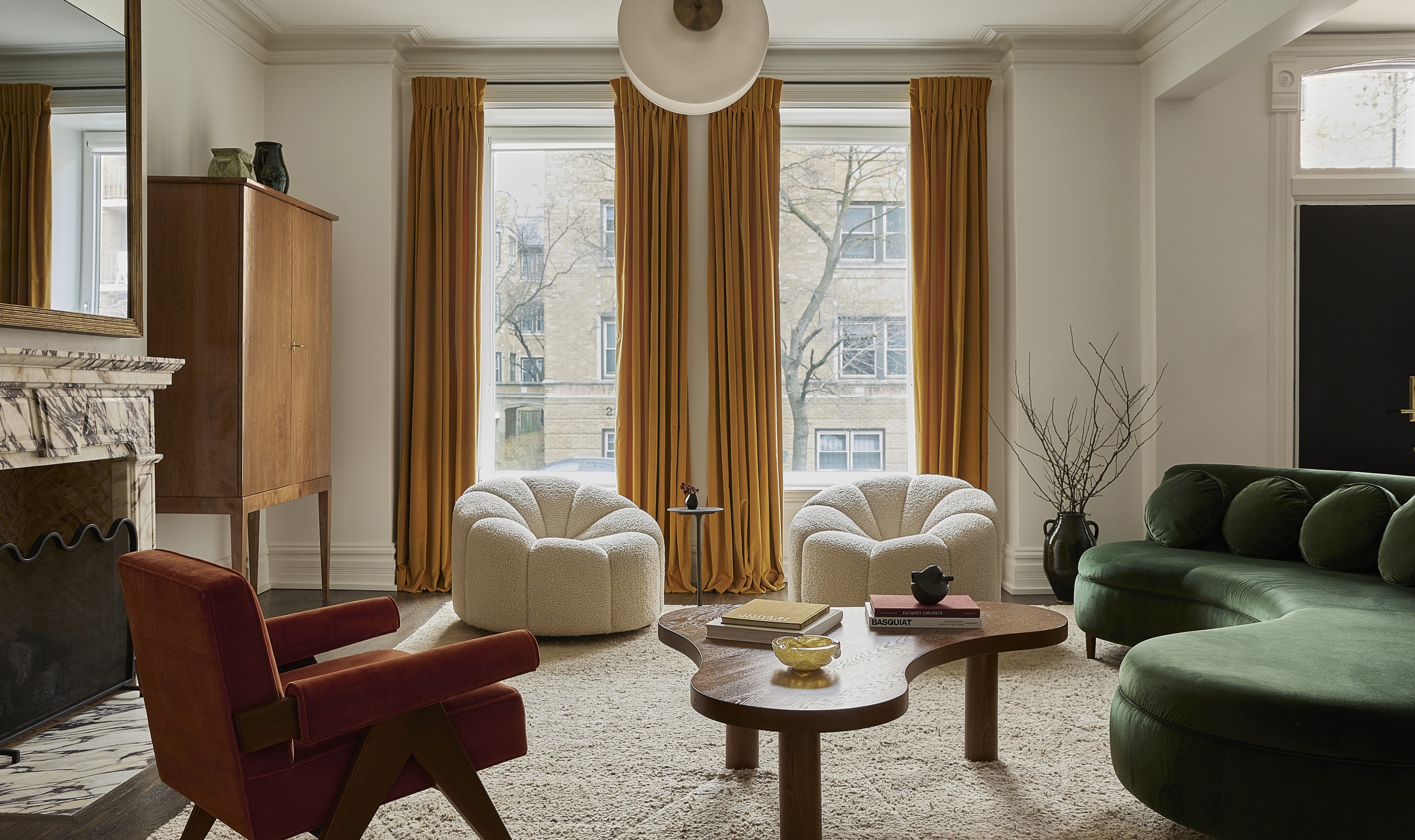

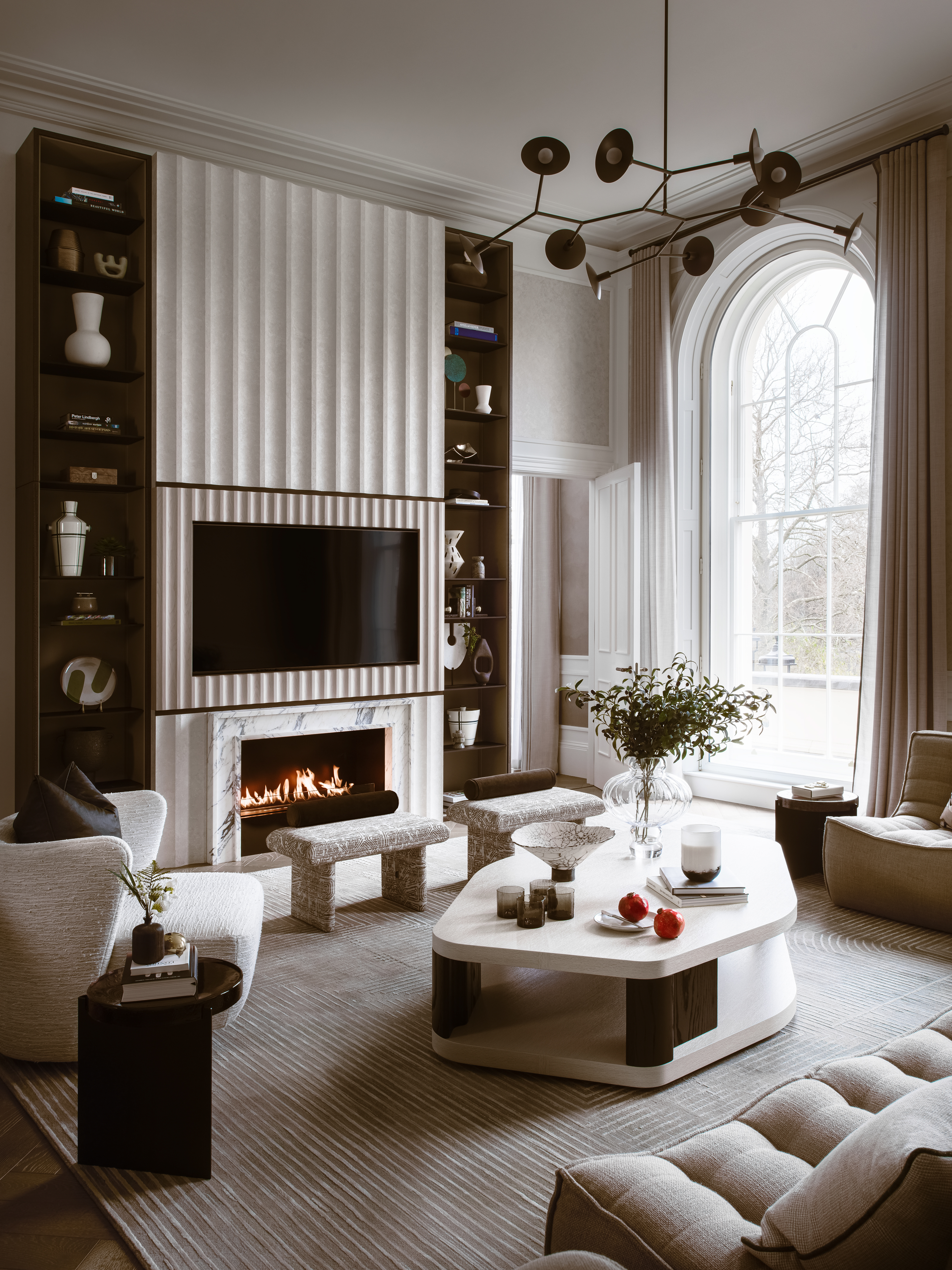
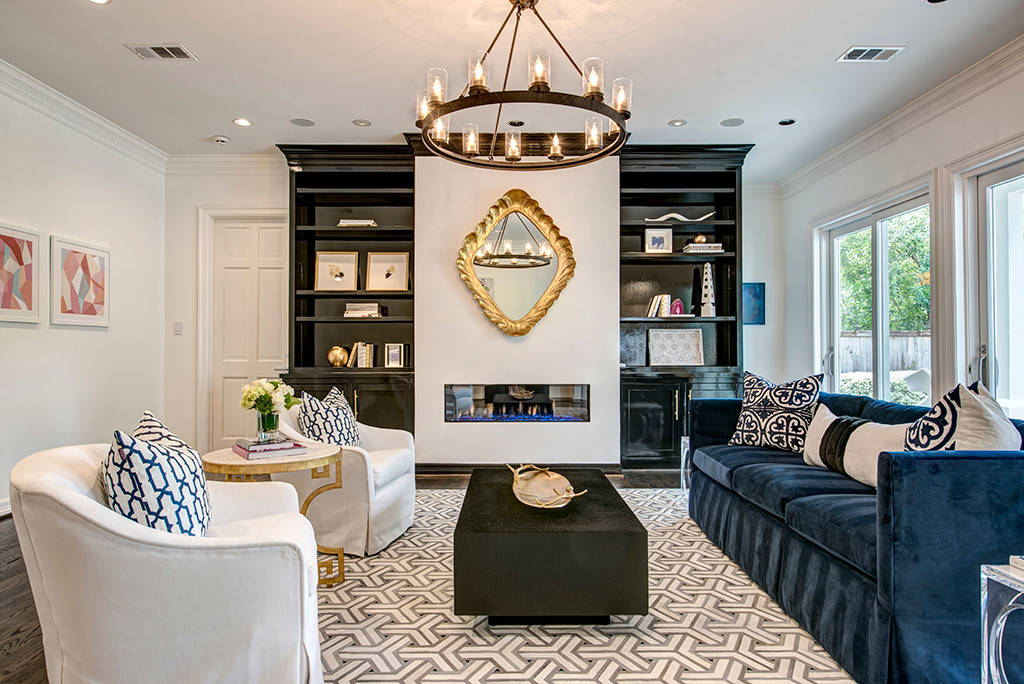
Every living room needs a visual anchor.
Common focal points:
- Sofa + artwork wall
- Fireplace
- TV wall
- Window view
- Statement light fixture
Furniture should face the anchor.
Create a Conversation Layout
Furniture should support interaction.
Arrange seating to:
- Face inward
- Allow eye contact
- Keep walking paths open
- Center around a rug
Distance between seats should feel intimate.
Use a Light, Cohesive Palette


Colour controls atmosphere.
Best palettes:
- Warm neutrals
- Soft greys
- Earth tones
- Natural wood
- Muted accents
Too many colours create noise.
Layer Lighting for Depth
Lighting should come from multiple sources.
Combine:
- Ceiling ambient light
- Floor lamps
- Table lamps
- Accent lighting
- Natural daylight
Layered light adds warmth.
Choose Proportional Furniture
Oversized furniture crowds rooms.
Rules:
- Sofa ≈ 2/3 wall length
- Coffee table ≈ 2/3 sofa width
- Leave walking clearance
- Maintain visual balance
Scale defines comfort.
Add Texture for Warmth

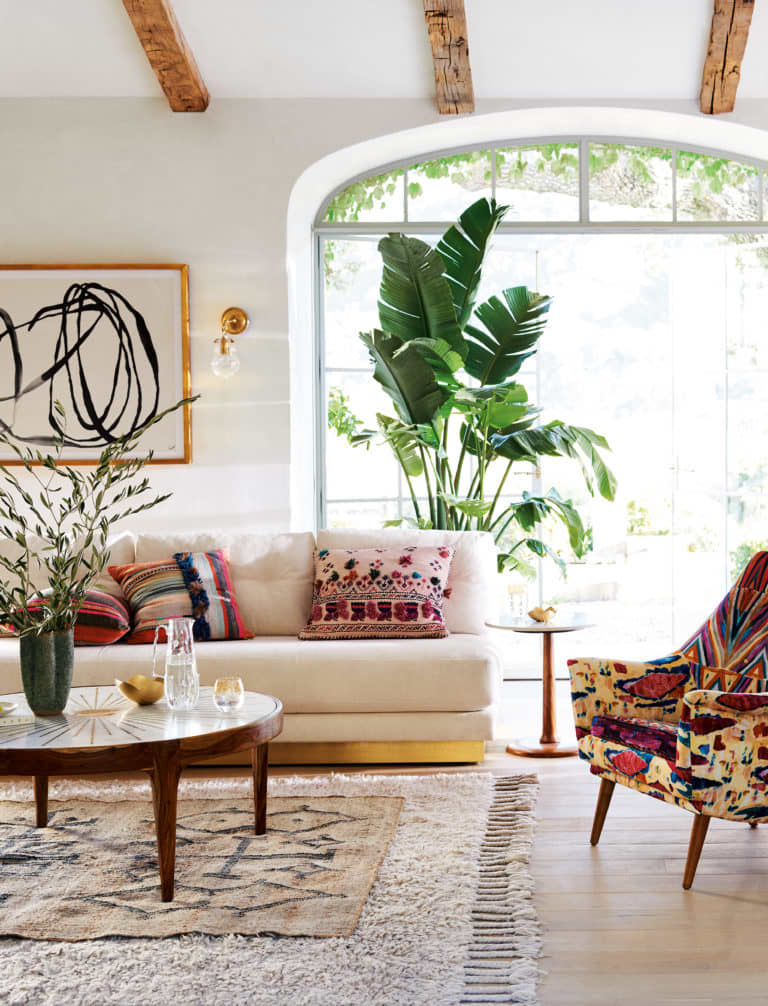


Texture prevents flatness.
Layer:
- Rugs
- Cushions
- Throws
- Upholstery
- Natural materials
Texture adds depth quietly.
Use Rugs to Define Zones
Rugs organize furniture visually.
Guidelines:
- Front legs on rug
- Large enough to anchor seating
- Neutral or subtle pattern
A small rug shrinks a room.
Keep Surfaces Edited
Avoid decorative overload.
Limit:
- Coffee table objects
- Shelf accessories
- Console styling
Negative space is elegant.
Add Vertical Interest
Walls shape the room.
Options:
- Statement art
- Gallery wall
- Shelving
- Textured panel
- Mirror
Vertical decor balances furniture.
Include One Organic Element
Plants soften interiors.
Add:
- Floor plant
- Table greenery
- Natural wood accents
Nature adds calm energy.
Maintain Open Flow


Clear walking paths improve comfort.
Avoid:
- Blocking doors
- Crowding seating
- Tight traffic routes
Flow equals relaxation.
Avoid Common Living Room Mistakes
Do not:
- Push all furniture to walls
- Use harsh overhead lighting
- Oversize decor
- Mix too many styles
- Crowd surfaces
- Ignore scale
Editing strengthens design.
Benefits of Thoughtful Living Room Design
Strong design improves:
- Comfort
- Social interaction
- Visual calm
- Functionality
- Spacious feeling
- Atmosphere
The room shapes daily life.
Summary
Living room design succeeds through layout clarity, proportion, lighting, and texture. A strong focal point, balanced furniture, and edited decor create spaces that feel calm and inviting. Whether designing a compact Noida apartment or a spacious Gurgaon home, the principles remain universal: harmony, flow, and intention.
A great living room is not filled.
It is composed.