


Minimalist decor is not about emptiness — it is about intentional living. The goal is to remove visual noise while keeping warmth, comfort, and personality. A minimalist home feels calm, breathable, and functional.
In modern apartments and homes across Gurgaon, Noida, and Delhi NCR, minimalism is used to create spaces that feel larger and mentally quieter.
This guide explains practical minimalist tips that work in real homes.
What Defines Good Minimalist Decor?
Minimalism follows structure.
Design philosophies influenced by Bauhaus emphasize function, clarity, and restraint — every object should justify its presence.
Core foundations:
- Purposeful objects
- Neutral palette
- Clean lines
- Hidden storage
- Negative space
- Visual calm
Minimalism is editing, not deprivation.
Tip 1: Edit Before Decorating
Remove first, add later.
Ask:
- Do I use this daily?
- Does it add beauty?
- Does it have meaning?
If not, it goes.
Clarity begins with subtraction.
Tip 2: Use a Soft Neutral Palette


Neutral colours expand space and calm the mind.
Best tones:
- Warm white
- Beige
- Pale grey
- Soft earth tones
- Light wood
Colour should whisper.
Tip 3: Invest in Fewer, Better Pieces
Quality replaces quantity.
Choose:
- Solid furniture
- Timeless materials
- Durable finishes
- Functional design
Minimalism values longevity.
Tip 4: Keep Surfaces Mostly Empty
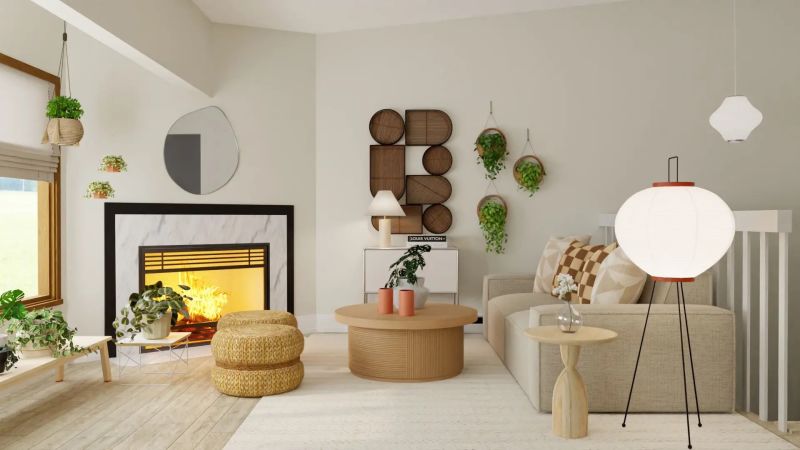


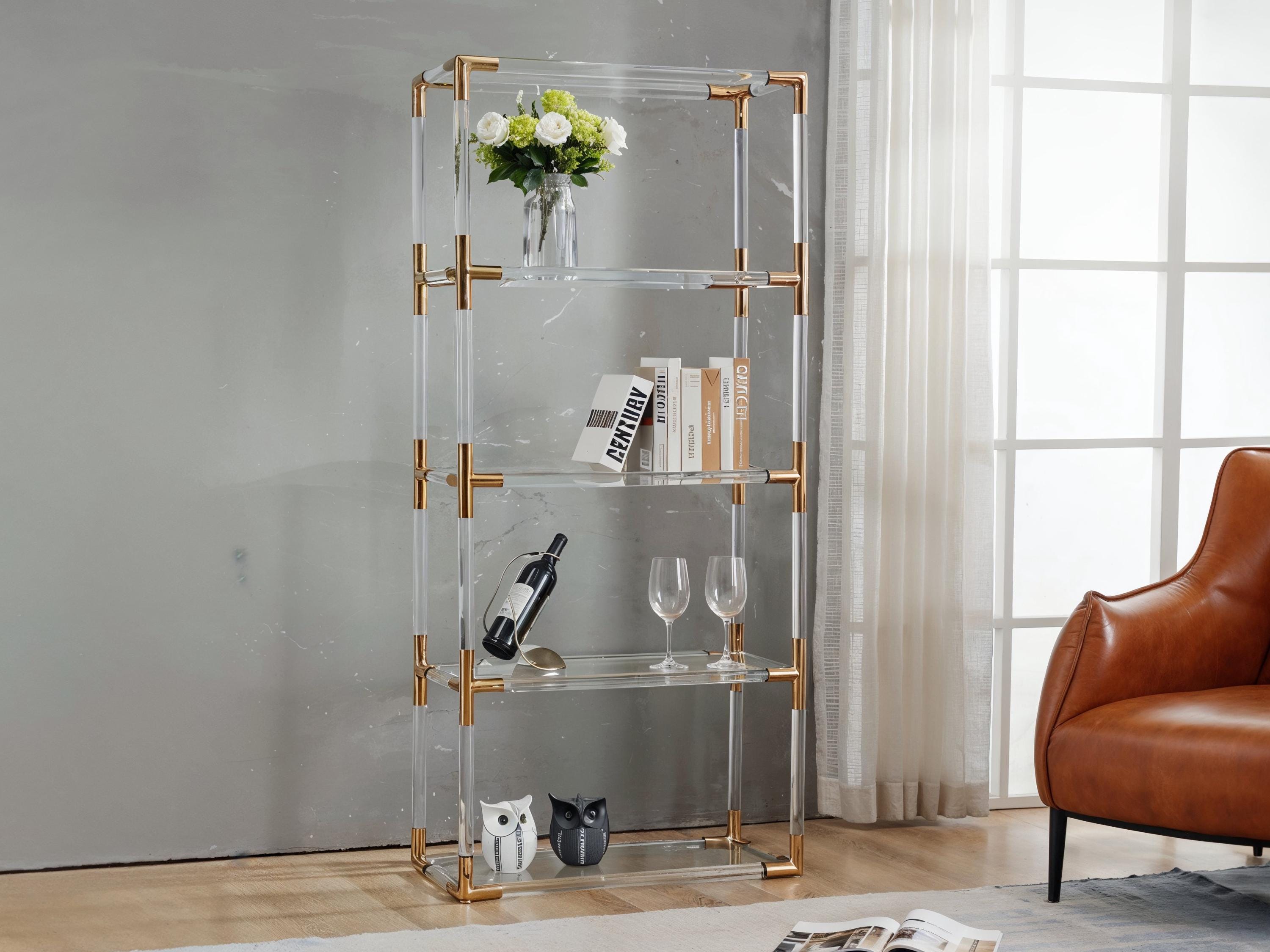
Clear surfaces reduce stress.
Display only:
- Essentials
- One accent object
- Organized groupings
Breathing space is visual luxury.
Tip 5: Hide Storage Aggressively
Clutter must disappear.
Use:
- Closed cabinets
- Storage furniture
- Built-ins
- Under-bed drawers
- Hidden compartments
Out of sight = calm.
Tip 6: Use Texture Instead of Color
Texture adds warmth without noise.
Combine:
- Linen
- Wood
- Wool
- Matte ceramics
- Soft upholstery
Texture replaces decoration.
Tip 7: One Focal Point Per Room
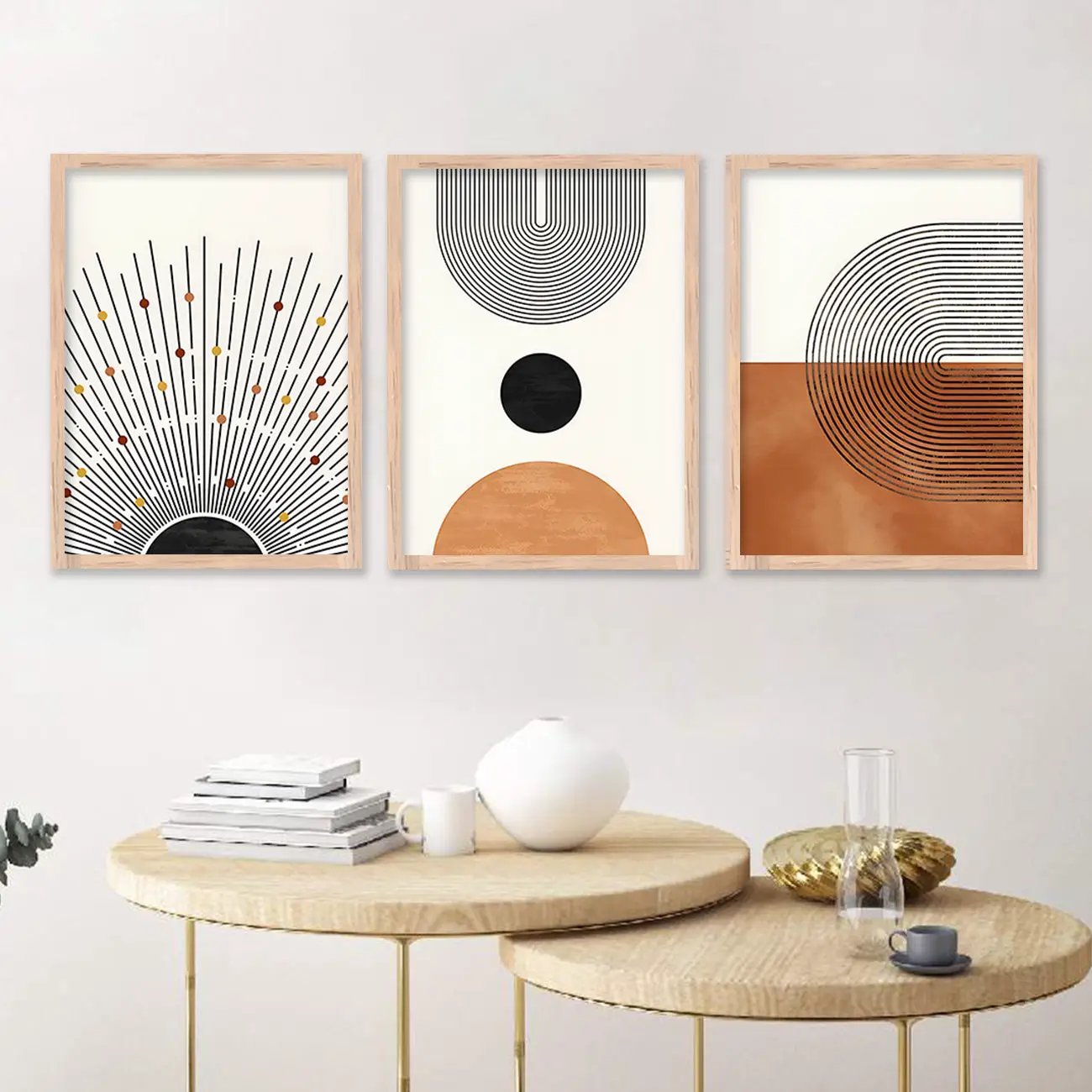
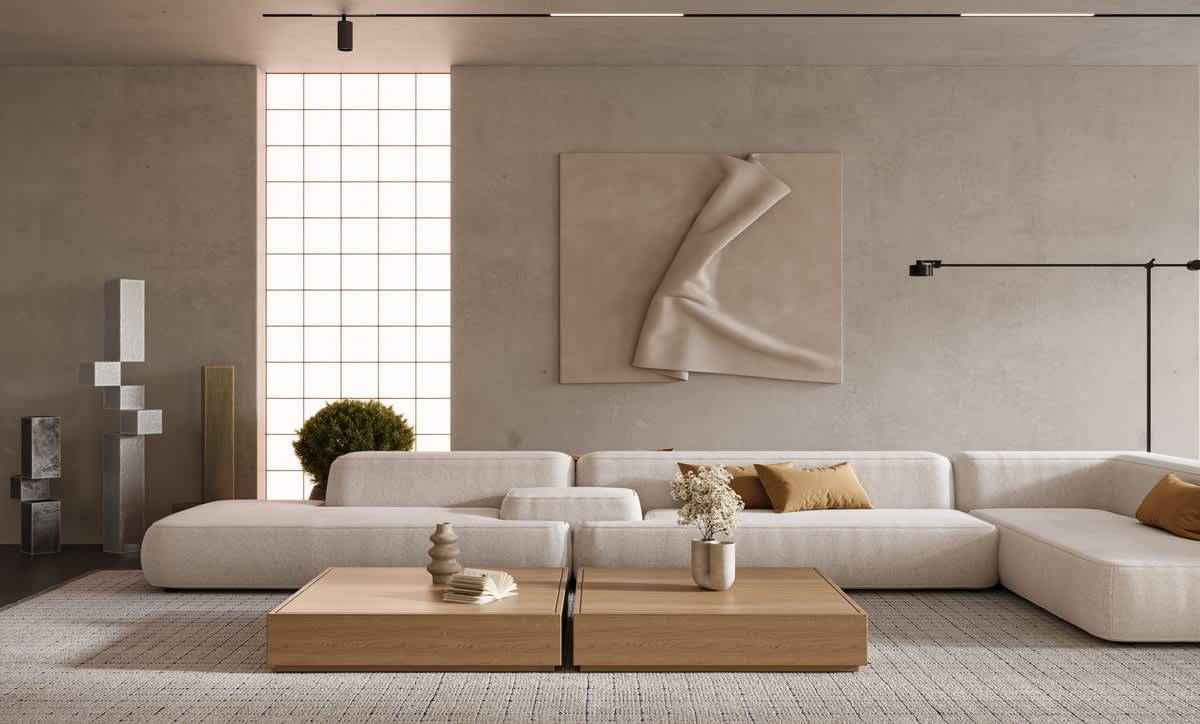
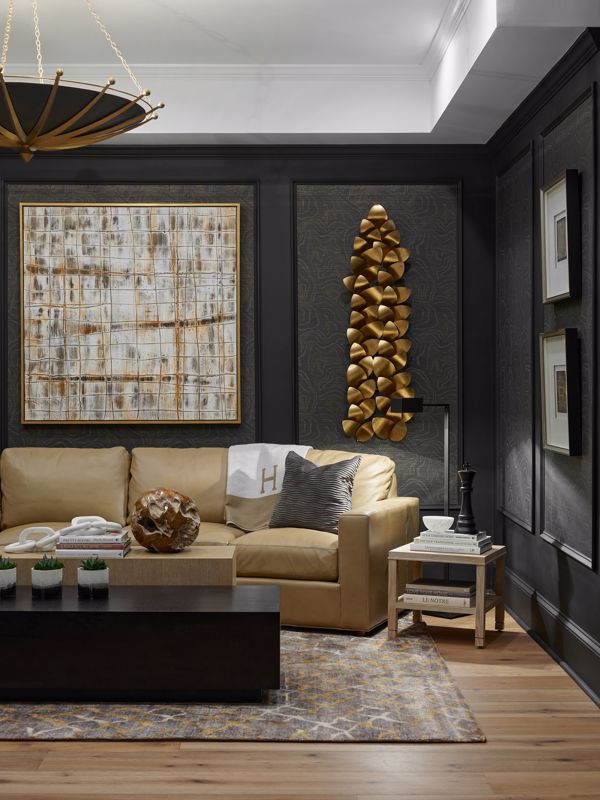

Too many accents create chaos.
Choose:
- Large artwork
- Sculptural lamp
- Feature wall
- Unique furniture piece
One anchor is enough.
Tip 8: Choose Lightweight Furniture
Heavy shapes crowd rooms.
Look for:
- Raised legs
- Slim silhouettes
- Open bases
- Low profiles
Visual air increases space.
Tip 9: Maximize Natural Light
Light defines minimal homes.
Use:
- Sheer curtains
- Mirrors
- Gloss accents
- Open sightlines
- Light walls
Brightness expands perception.
Tip 10: Repeat Materials for Cohesion
Consistency creates calm.
Repeat:
- Wood tones
- Fabrics
- Metal finishes
- Colour accents
Harmony prevents visual noise.
Tip 11: Decorate in Odd Numbers
Odd groupings feel natural.
Use:
- 3 objects on a table
- 5 items on a shelf
- 1 statement piece
Structure guides the eye.
Tip 12: Limit Visible Technology
Hide cables and devices.
Use:
- Cable trays
- Concealed charging
- Closed media storage
- Wireless accessories
Tech clutter breaks calm.
Tip 13: Let Walls Breathe
Not every wall needs art.
Empty walls:
- Rest the eye
- Highlight focal pieces
- Increase perceived space
Silence is part of design.
Tip 14: Add One Organic Element
Plants humanize minimal spaces.
Choose:
- Single large plant
- Small tabletop greenery
- Natural branches
- Ceramic planter
Nature adds warmth.
Tip 15: Maintain a Daily Reset Habit
Minimalism is maintenance.
End each day by:
- Clearing surfaces
- Returning objects
- Resetting rooms
Order sustains calm.
Benefits of Minimalist Decor
Strong minimalist homes provide:
- Mental clarity
- Less stress
- Easier cleaning
- Visual calm
- Spacious feeling
- Timeless style
Minimalism supports wellbeing.
Summary
Minimalist home decor succeeds through editing, neutral palettes, hidden storage, and intentional focal points. Texture replaces clutter, light replaces heaviness, and negative space becomes design. Whether styling a compact Noida apartment or a Gurgaon home, the principles remain universal: clarity, restraint, and purpose.
Minimalism is not about owning less.
It is about choosing better.