What Are the Characteristics of Luxury Interior Design?
Luxury interior design is defined by more than expensive finishes. Refined proportions, premium materials, bespoke furniture, layered lighting, craftsmanship, comfort and personal character work together to create a sophisticated home.
The key characteristics of luxury interior design include thoughtful space planning, refined proportions, quality materials, bespoke furniture, layered lighting, craftsmanship, integrated storage, comfort, visual restraint and personalization. The result should feel sophisticated, functional and distinctly connected to the homeowner.
Luxury is a complete design experience, not a collection of expensive products.
A luxury interior should feel considered from the moment you enter the home to the smallest detail in a wardrobe, kitchen or bathroom.
Luxury interiors are built through thoughtful space planning, refined proportions, carefully selected finishes, customized furniture, layered lighting and details that make a home feel distinctly personal.
A luxury interior can be dramatic or understated. It can be minimalist, contemporary, modern classic, traditional or eclectic. What matters is the quality and relationship between the individual elements.
The strongest luxury interiors are therefore not necessarily the most decorated. They are the ones where the design decisions feel intentional.
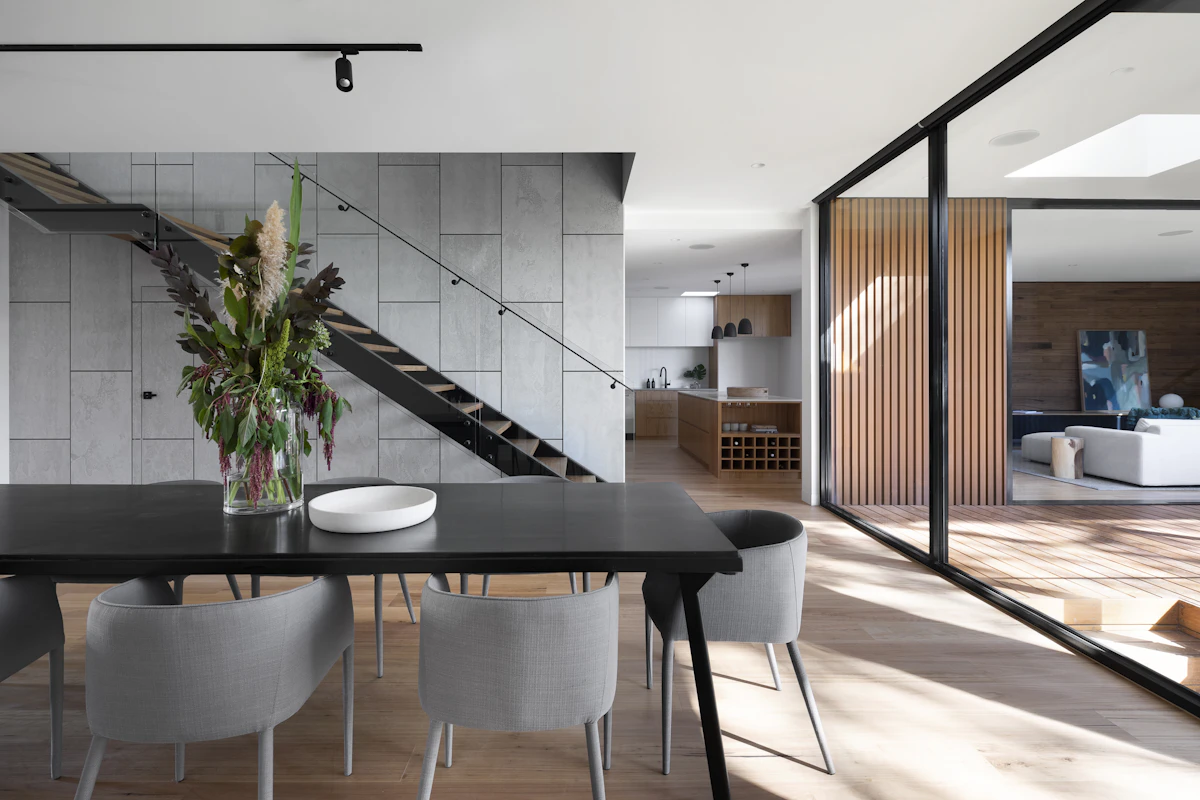
12 characteristics of luxury interior design.
These characteristics work together rather than independently. A premium material cannot compensate for poor proportions, and beautiful furniture cannot replace thoughtful planning.
Refined Proportions
Furniture, ceilings, wall treatments, rugs, lighting and decorative features should relate naturally to the scale of the room.
Premium Materials
Stone, wood, veneer, glass, metal, textiles and refined finishes can create depth when selected for the right location and purpose.
Bespoke Furniture
Custom furniture allows dimensions, storage, materials and detailing to respond directly to the architecture and lifestyle.
Layered Lighting
Ambient, task and accent lighting create atmosphere while highlighting selected architectural, furniture and decorative elements.
High-Quality Craftsmanship
Precise joinery, aligned doors, finished edges, quality hardware and careful installation make a major difference to the final result.
Visual Restraint
Luxury often comes from editing. Fewer competing colours, materials and decorative features allow important elements to stand out.
Personal Character
Art, furniture, objects, textures and collections should reflect the homeowner rather than reproduce a generic showroom.
Quiet Functionality
Storage, wiring, technology, acoustics and climate requirements should be integrated so practical functions do not create clutter.
Comfort
Good seating, ergonomics, privacy, natural light, acoustics and everyday usability are essential parts of a successful home.
Consistency
Materials, colours, proportions and lighting should create continuity across the home without making every room identical.
Architectural Detailing
Wall panels, niches, ceilings, doors, built-ins and carefully detailed transitions can give an interior architectural depth.
Long-Term Quality
Luxury materials and furniture should also be selected for durability, maintenance, performance and lasting relevance.
Luxury is created by several subtle decisions working together.
One dramatic feature can attract attention, but a complete luxury interior depends on the relationship between many smaller decisions.
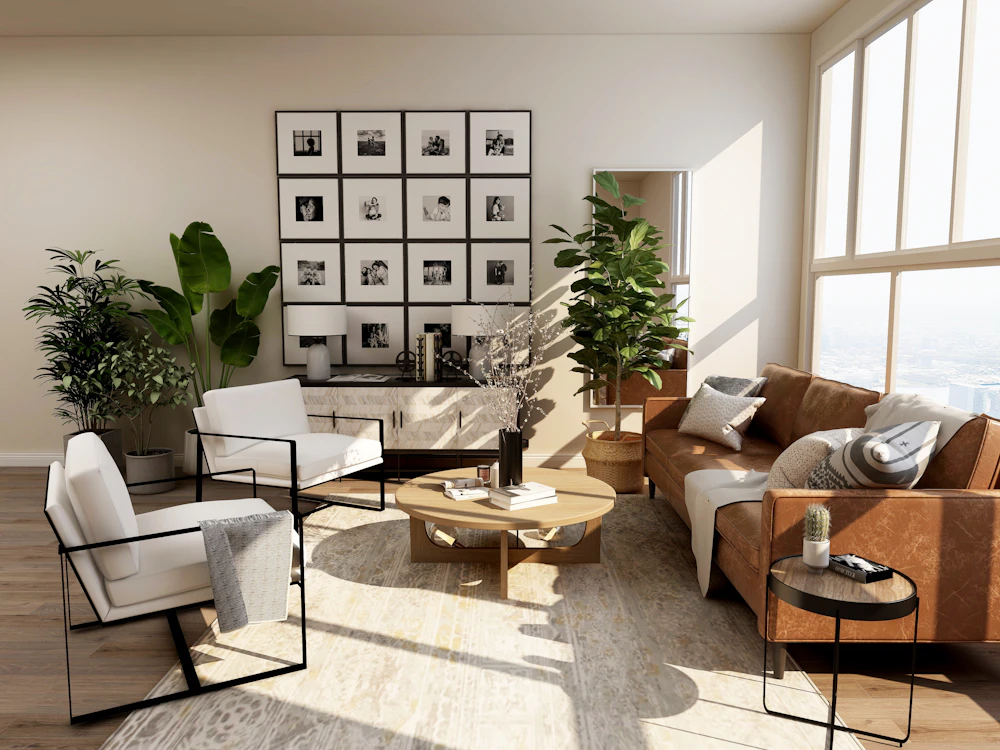
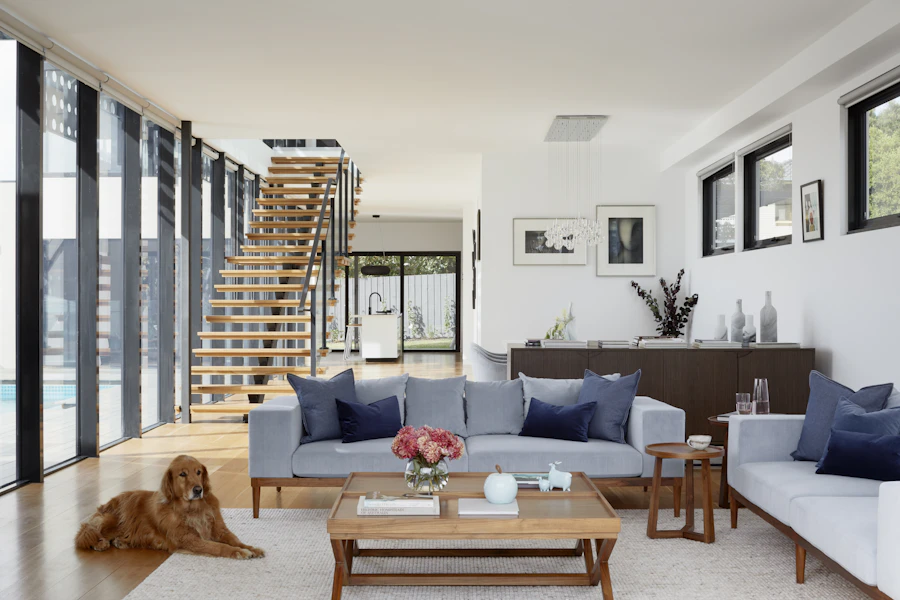
Luxury materials should be selected, not simply accumulated.
Premium materials create impact when their colour, texture, scale, finish and practical performance work together.
Marble & Stone
Suitable for flooring, feature walls, kitchens, bathrooms and selected architectural statements.
Wood & Veneer
Adds warmth and depth to wardrobes, wall panels, cabinetry, furniture and bespoke joinery.
Glass & Metal
Introduce reflection, lightness and contemporary detailing when balanced with softer materials.
Textiles
Upholstery, rugs, curtains and cushions add softness, texture and acoustic comfort.
Before approving a finish, consider maintenance, moisture, cleaning, durability, replacement availability and daily use—not appearance alone.
A sophisticated interior follows a clear hierarchy.
Think of luxury as a system where each layer supports the next.
What is the difference between expensive and luxurious?
Spending more can increase the quality of individual components, but sophistication depends on how those components are designed together.
| Simply expensive | Luxury design |
|---|---|
| Uses costly materials throughout the room. | Uses the right premium material in the right location. |
| Purchases expensive standalone furniture. | Selects furniture for proportion, comfort and integration. |
| Adds decorative light fixtures. | Creates a complete layered lighting strategy. |
| Adds storage wherever space is available. | Integrates storage into the architecture. |
| Follows multiple trends simultaneously. | Creates a controlled and enduring design language. |
| Replicates a showroom appearance. | Reflects the homeowner’s lifestyle and personality. |
| Focuses mainly on visible finishes. | Also considers comfort, acoustics, technology and usability. |
Characteristics of luxury across the home.
Proportion & Comfort
Comfortable seating, correct furniture scale, a strong focal point, layered lighting and integrated storage form the foundation.
Precision & Function
Custom cabinetry, quality hardware, efficient work zones, premium surfaces and integrated appliances create a refined kitchen.
Comfort & Calm
Upholstery, soft lighting, thoughtful wardrobes, quality textiles and controlled colours create a private retreat.
Material Continuity
Coordinated stone, tile, sanitaryware, mirrors, fittings and lighting create a clean and sophisticated environment.
Atmosphere
Table proportions, comfortable chairs, statement lighting and carefully selected artwork can create an elegant entertaining zone.
Quiet Functionality
Ergonomic furniture, task lighting, concealed storage, power planning and acoustic comfort combine work with visual refinement.
Layered lighting is a defining characteristic of luxury.
A sophisticated lighting plan should respond to architecture, activity and atmosphere rather than relying on one bright ceiling fixture.
General light
Provides comfortable overall illumination for everyday movement and use.
Functional light
Supports cooking, reading, dressing, working and other specific activities.
Highlight light
Draws attention to artwork, materials, niches, furniture or architectural features.
Identity light
Pendants, chandeliers and wall lights can become carefully selected design features.
Explore the complete lighting design guide .
What can weaken a luxury interior?
Too Many Statement Features
When every wall, ceiling and furniture piece demands attention, the room loses visual hierarchy.
Poor Furniture Scale
Furniture that is too large or too small can make an otherwise premium room feel uncomfortable and unbalanced.
Uncoordinated Materials
Marble, wood, metal, colours and fabrics should form a coherent palette rather than appear as unrelated samples.
Visible Clutter
Everyday objects, wires and miscellaneous storage can undermine the calm appearance of a carefully designed room.
Weak Lighting
Expensive materials cannot reach their full potential if the room has flat or badly positioned lighting.
Ignoring Maintenance
Materials should be chosen for real-life use, cleaning requirements, moisture exposure and durability as well as appearance.
Luxury requires detailed planning before execution.
The more customized the interior becomes, the more important it is to establish the design direction before fabrication and installation.
Study the property
Verify dimensions, architecture, daylight, ventilation, utilities, access and site restrictions.
Understand the lifestyle
Establish routines, preferences, storage requirements, privacy and comfort priorities.
Develop the direction
Create layouts, colours, materials, furniture and lighting concepts.
Resolve specifications
Finalize drawings, joinery, hardware, lighting circuits, finishes and technology requirements.
Prioritize investment
Allocate resources across design, construction, materials, furniture, appliances, delivery and installation.
Approve materials
Review samples and specifications for appearance, performance, maintenance and availability.
Coordinate work
Coordinate civil, electrical, joinery, furniture, lighting and finishing according to the approved design.
Inspect and complete
Review workmanship, alignment, lighting, hardware, finishes and final styling before handover.
Does your home have the characteristics of luxury design?
Use this quick checklist to identify which fundamentals are already addressed in your project.
Explore more Interior A to Z luxury design guides.
Characteristics of luxury interior design: FAQ
What are the main characteristics of luxury interior design?
The main characteristics include thoughtful space planning, refined proportions, premium materials, bespoke furniture, layered lighting, craftsmanship, integrated storage, comfort, visual restraint and personalization.
What makes an interior look luxurious?
Balanced proportions, coordinated materials, custom furniture, layered lighting, high-quality finishes, integrated storage, comfortable furniture and carefully selected details can make an interior feel luxurious.
Is luxury interior design only about expensive materials?
No. Luxury is created through planning, proportion, craftsmanship, materials, lighting, comfort, functionality and personalization. Expensive materials alone do not guarantee a sophisticated interior.
What materials are commonly used in luxury interiors?
Common choices include marble, natural stone, wood and veneer, glass, metal, premium fabrics and carefully selected wall finishes.
Can luxury interior design be minimalist?
Yes. Luxury can be minimalist, contemporary, modern classic, traditional or eclectic. The defining qualities are coherence, proportion, craftsmanship, comfort and personal relevance.
Why is bespoke furniture important in luxury interiors?
Bespoke furniture can be designed around exact room dimensions, storage requirements, lifestyle needs, materials and proportions, making the interior more integrated and personalized.
How does lighting contribute to luxury interior design?
Ambient, task and accent lighting create different layers of illumination, highlight architecture and materials, improve comfort and allow the atmosphere to change according to activity and time of day.
Create a luxury interior around the way you live.
A successful luxury home brings together space planning, premium materials, bespoke furniture, lighting, storage, craftsmanship and personal details into one coordinated design.