Finding the perfect aesthetic for your home or workspace.
Defining Your Aesthetic
Decorating styles are the foundation of any beautiful space. Whether you prefer the sleek look of modern flats or the grandeur of luxury villas, understanding these styles is key to working effectively with a home interior designer.
Top Decorating Styles Explained
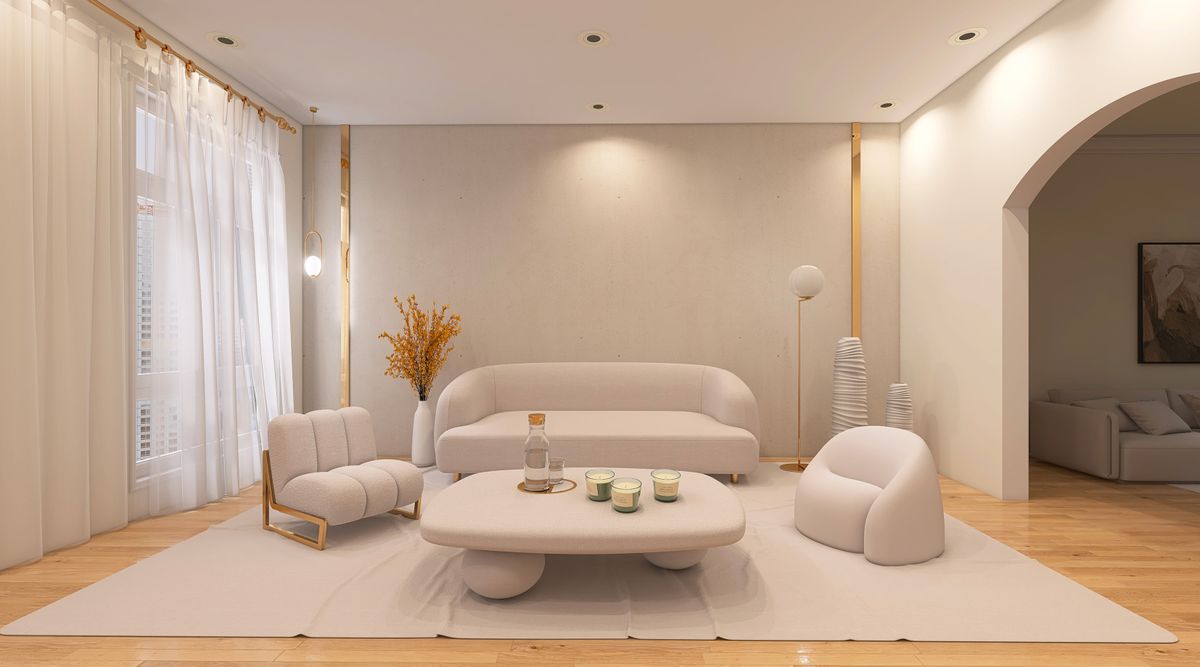
Modern & Minimalist
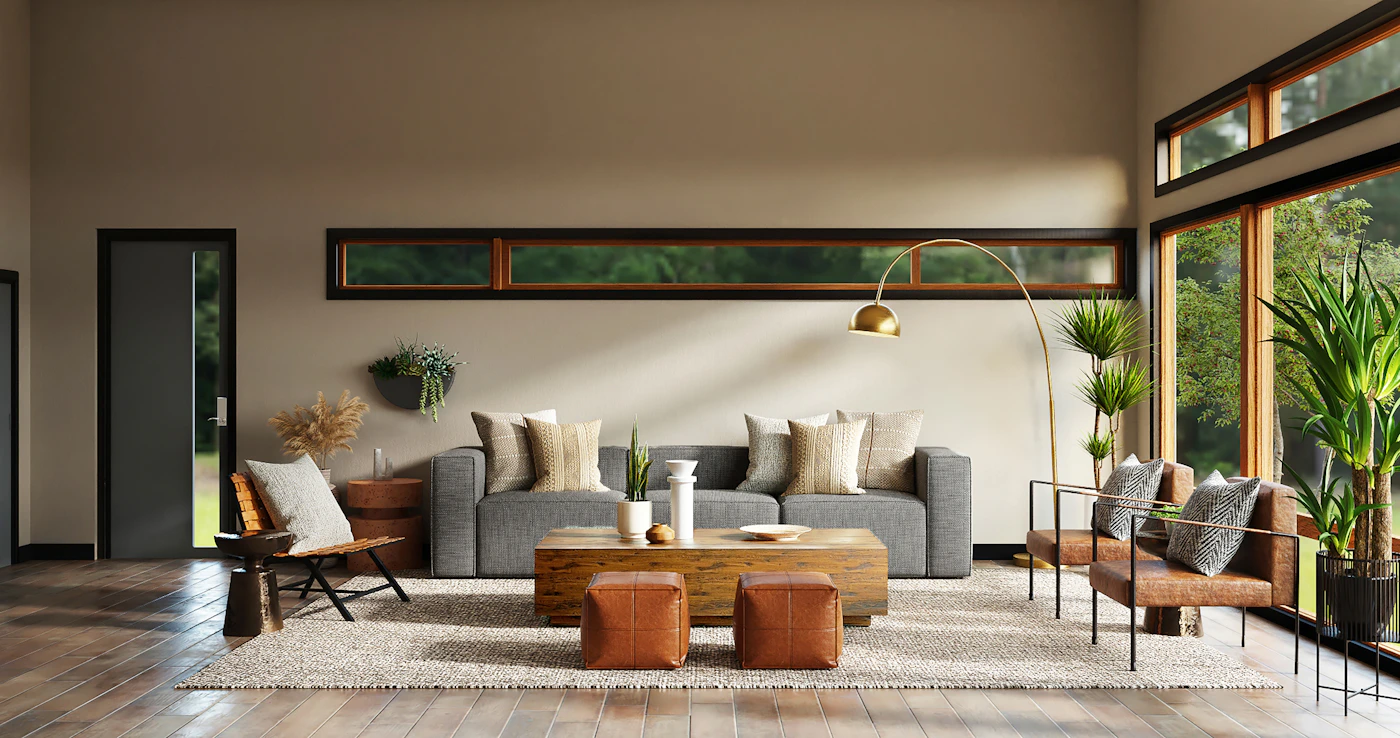
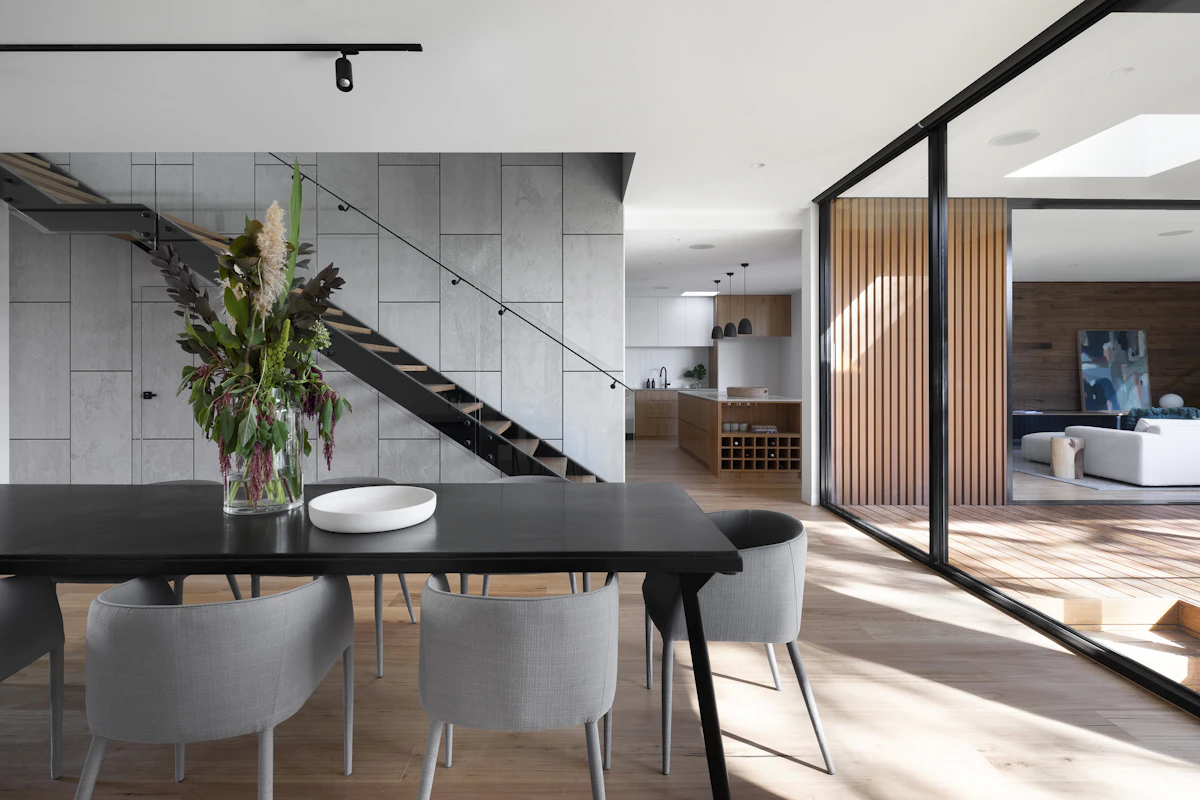
Focuses on “less is more.” This style uses neutral palettes and clean lines, often seen in high-end projects by top designers in Delhi NCR. It relies heavily on design theory to create airy, functional spaces.
Contemporary & Glam
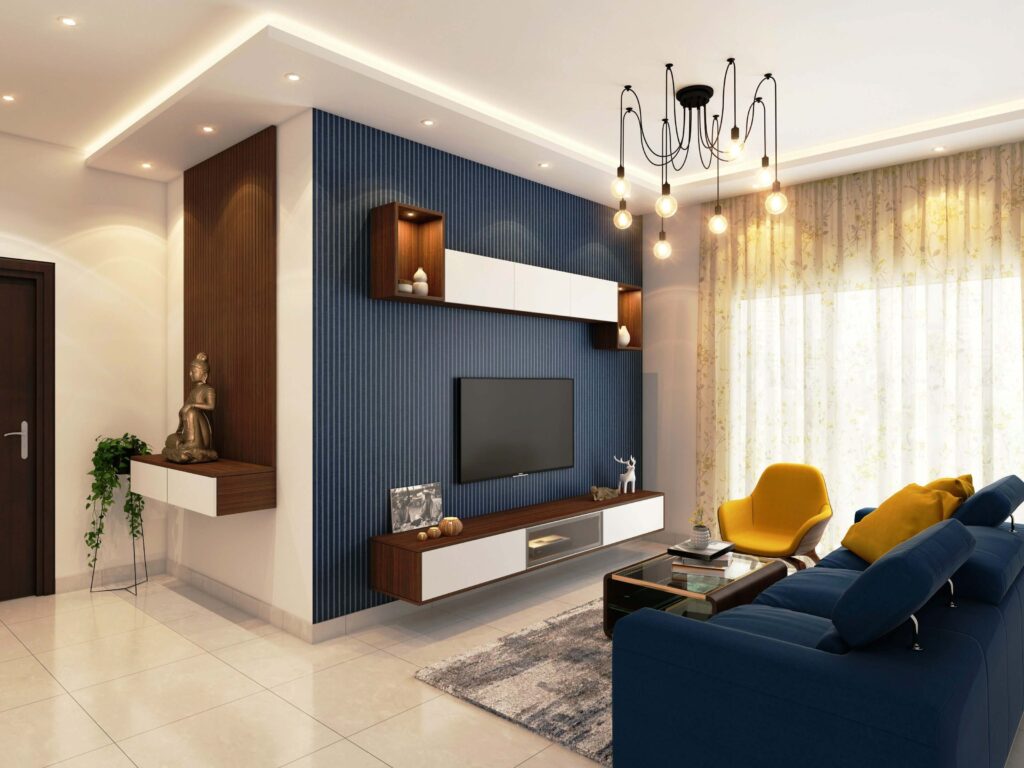
A softer, more fluid style that incorporates current trends. It often features bold lighting schemes and sophisticated false ceiling designs to add a touch of luxury.
Coastal & Rustic
Coastal styles bring the ocean indoors with blues and whites, while rustic styles focus on raw, natural materials. Both benefit from a deep understanding of color psychology and how colors affect our moods.
Interior Decoration That Makes a Home Feel Beautiful.
Discover practical interior decoration ideas for modern homes,
apartments and villas—from colour palettes and furniture styling to
lighting, textiles, wall décor and finishing details.
Interior decoration is the process of improving the visual character
and atmosphere of an interior through carefully selected colours,
furniture, fabrics, lighting, artwork, accessories and finishes.
Unlike major structural changes, decoration can often refresh an
existing room without completely rebuilding the space.
Simple definitionInterior decoration focuses on how a room looks and feels. It brings
together colour, furniture, lighting, texture and accessories to create
a balanced and personalized environment.
The Foundation
Good decoration is about balance, not filling every corner.
A beautiful interior does not need excessive decoration. The strongest
rooms usually have a clear visual direction, comfortable furniture,
suitable lighting and enough open space to let important elements
stand out.
Choose a consistent colour palette
Use furniture that fits the room
Layer different types of lighting
Combine textures for visual depth
Use artwork and accessories selectively
Keep circulation comfortable
Decoration Ideas
15 interior decoration ideas that can transform a room.
These principles can be adapted to apartments, builder floors, villas
and independent homes across Delhi NCR, Gurgaon and Noida.
01
Choose a Colour Palette
Start with two or three core colours and use complementary tones for
furniture, walls, fabrics and accessories.
02
Style the Furniture
Choose furniture according to room proportions and create a layout
that supports comfortable movement.
03
Layer the Lighting
Combine ambient, task and accent lighting to create depth and a more
comfortable atmosphere.
04
Add Textures
Mix wood, fabric, glass, metal, stone and soft furnishings to add
tactile and visual variety.
05
Use Wall Décor
Artwork, mirrors, panels and carefully selected wall finishes can
become strong focal points.
06
Add Indoor Plants
Plants can introduce natural colour and soften contemporary
interiors.
07
Style the Curtains
Curtains influence light, privacy, softness and the perceived height
of a room.
08
Choose the Right Rug
A correctly sized rug can visually connect seating, tables and other
furniture within a room.
09
Create a Focal Point
Use one strong feature such as artwork, a TV wall, statement light or
architectural finish.
10
Use Mirrors
Strategically positioned mirrors can reflect light and visually
increase the sense of openness.
11
Style Open Shelves
Combine books, artwork, plants and decorative objects while leaving
enough negative space.
12
Coordinate Hardware
Handles, knobs, frames and metal finishes can be coordinated to give
a room a more finished appearance.
13
Decorate the Bedroom
Use bedding, bedside lighting, curtains, artwork and soft textures to
create a comfortable bedroom atmosphere.
14
Refresh the Entryway
A console, mirror, lighting and a small amount of décor can create a
stronger first impression.
15
Keep It Personal
Family photographs, artwork, books and meaningful objects can make
the interior feel individual rather than generic.
Decoration Styles
Choose a style that works with your home and lifestyle.
Interior decoration does not need to follow a single trend. The style
should work with the property’s architecture, natural light, furniture,
lifestyle and maintenance requirements.
ModernClean & practical
ContemporaryCurrent & refined
MinimalistSimple & uncluttered
ScandinavianLight & comfortable
LuxuryRich & sophisticated
TraditionalClassic & detailed
IndustrialRaw & architectural
EclecticPersonal & expressive
Room-by-Room
Interior decoration ideas for every part of your home.
Each room needs a different combination of furniture, lighting,
storage and decorative elements.
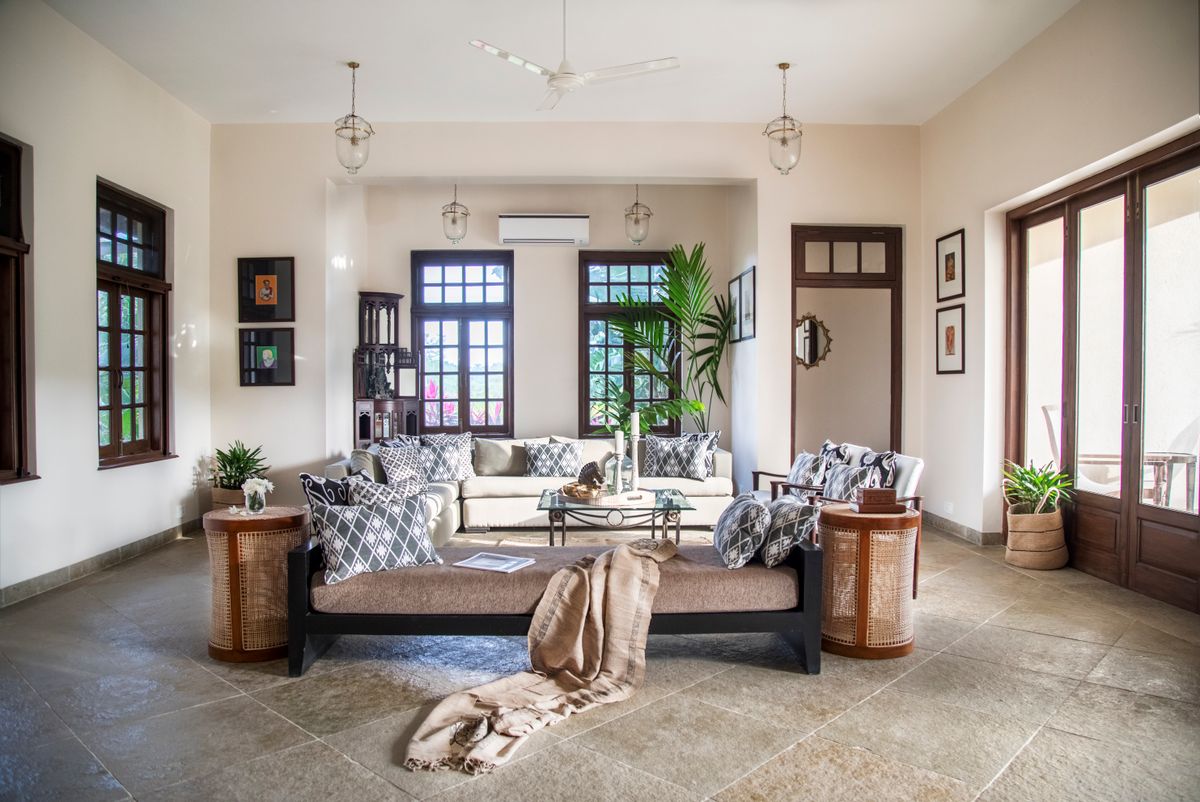
Living Room
Focus on sofa placement, rugs, curtains, lighting, artwork, TV wall
styling and comfortable circulation.
Use a suitable dining table, chairs, pendant lighting, wall décor and
storage to create a connected dining environment.
Foyer
Make the entrance feel intentional with a console, mirror, artwork,
lighting and practical storage.
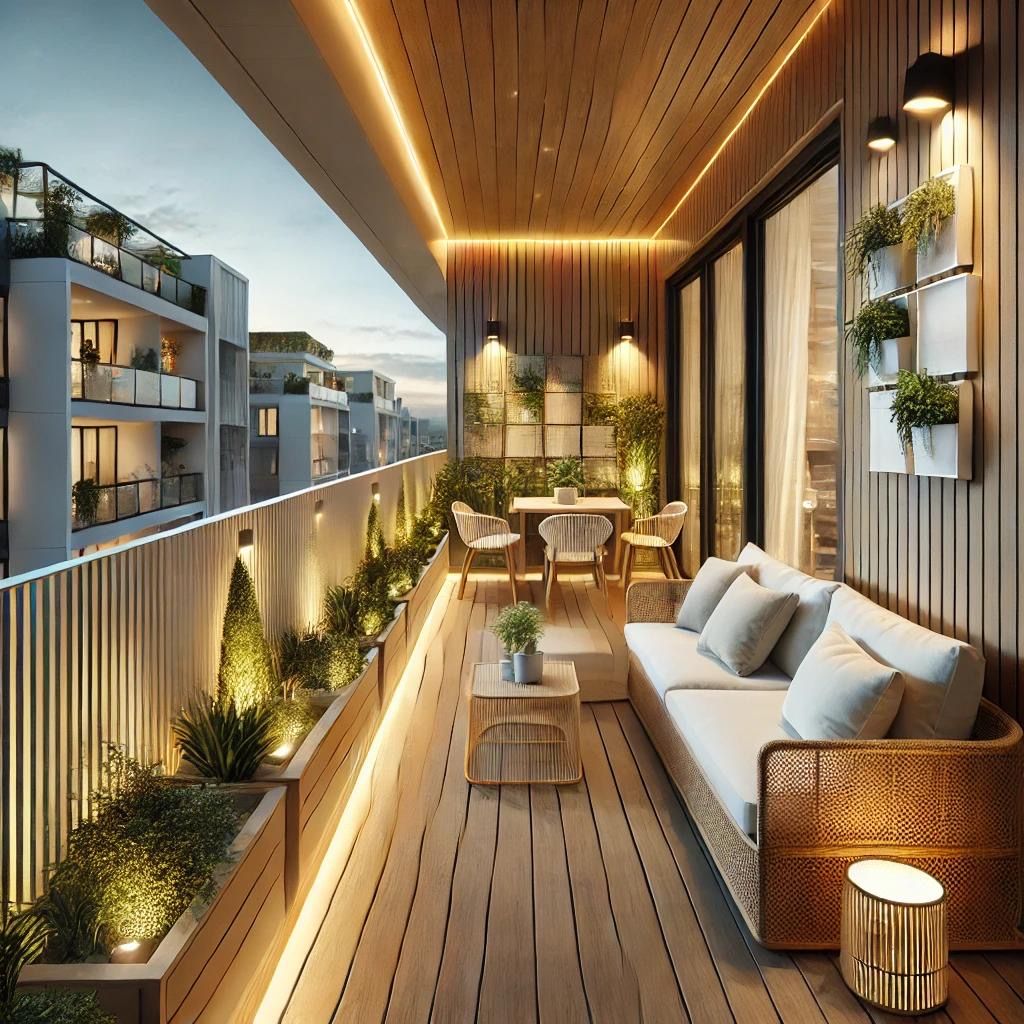
Balcony
Use weather-suitable furniture, plants, lighting and textiles to turn
an unused balcony into a comfortable extension of the home.
Delhi NCR Interior Decoration
Interior decoration for homes in Delhi NCR, Gurgaon and Noida.
Interior decoration requirements vary between apartments, builder
floors, villas and independent houses. Interior A to Z combines
decoration with practical residential interior planning, furniture,
lighting, storage, kitchens and finishes.
Explore location-specific services for homeowners planning interiors
in Delhi NCR, Gurgaon and Noida.
A simple process for creating a cohesive interior.
Good decoration becomes easier when the major decisions are made in a
logical order.
STEP 01
Understand the Space
Study the room dimensions, natural light, existing furniture,
circulation and functional requirements.
STEP 02
Choose the Design Direction
Decide on the preferred style, colour palette, mood and level of
decoration.
STEP 03
Select Major Furniture
Choose sofas, beds, dining tables and other major pieces before
adding smaller decorative objects.
STEP 04
Layer Lighting and Textiles
Add curtains, rugs, cushions, lamps and other elements that create
softness and visual depth.
STEP 05
Finish With Accessories
Add artwork, plants, books, mirrors and personal objects without
overcrowding the space.
Personal Style
Your home should look designed—not copied.
Trends can provide inspiration, but personal decoration should reflect
the people who actually use the home.
Combine practical furniture with meaningful objects, artwork, books,
photographs, plants and colours that suit your lifestyle.
Use personal artwork
Display meaningful objects
Mix new and existing furniture
Select colours you can live with long term
Frequently Asked Questions
Interior decoration questions answered.
What is interior decoration?
Interior decoration focuses on enhancing the appearance and
atmosphere of an interior through colours, furniture, textiles,
lighting, artwork, wall treatments and decorative accessories.
What is the difference between interior design and interior decoration?
Interior design generally covers broader planning, functionality,
space planning and technical coordination, while interior decoration
focuses primarily on visual styling, furnishings, colours,
accessories and finishes.
How can I decorate my home beautifully?
Start with a clear colour palette, correctly sized furniture,
layered lighting, coordinated textiles, suitable wall décor and
carefully selected accessories. Keep the design balanced rather than
overcrowded.
What are popular interior decoration styles?
Popular styles include modern, contemporary, minimalist,
Scandinavian, traditional, industrial, luxury and eclectic
decoration.
Can an interior decorator decorate an existing home?
Yes. Existing spaces can often be refreshed through furniture
styling, colour changes, lighting, textiles, wall décor, artwork and
accessories without completely rebuilding the property.
Ready to give your home a more refined look?
Explore Interior A to Z for residential interior design, modular
kitchens, luxury interiors and turnkey solutions across Delhi NCR,
Gurgaon and Noida.
Future Prospects as an Interior Designer: 15 Career Opportunities
Interior Design Career Guide
Future Prospects as an Interior Designer: 15 Career Opportunities
Explore the future prospects as an interior designer, from residential
interiors and commercial projects to sustainable design, 3D visualization,
smart homes, freelancing and running your own design studio.
What are the future prospects as an interior designer?
The future prospects as an interior designer extend far beyond choosing
colours and furniture. Modern designers work with space planning,
technology, materials, sustainability, visualization, lighting,
furniture, project coordination and client experience.
Interior design is also becoming more specialized. A designer can build
a career in residential interiors, commercial spaces, hospitality,
workplace design, modular kitchens, sustainable interiors, visualization,
styling or independent consultancy.
Technology is another important part of the profession. Digital
visualization, 3D design, smart-home systems and AI-assisted workflows
are changing how design ideas are developed and communicated.
Career Opportunities
15 Future Career Paths for Interior Designers
Interior design is a broad profession. The following career paths allow
designers to specialize according to their interests, technical abilities
and preferred project type.
01
Residential Interior Designer
Design apartments, villas, independent houses and complete homes with
practical layouts, furniture, storage, lighting and finishes.
02
Commercial Interior Designer
Work on offices, retail spaces, clinics, studios, restaurants and
other commercial environments.
03
Luxury Interior Designer
Develop highly customized interiors using premium materials,
sophisticated detailing, bespoke furniture and layered lighting.
04
Modular Kitchen Specialist
Focus on kitchen layouts, cabinetry, storage optimization, hardware,
finishes, appliances and functional work zones.
05
Furniture Designer
Create customized furniture that responds to room dimensions,
ergonomics, aesthetics, storage and lifestyle requirements.
06
Lighting Designer
Develop ambient, task and accent lighting strategies that improve
functionality and atmosphere.
07
Hospitality Designer
Design hotels, restaurants, cafés, resorts and guest environments
around experience, identity and operational requirements.
08
Workplace Designer
Plan offices around collaboration, productivity, privacy, technology,
employee experience and flexible working patterns.
09
Sustainable Interior Designer
Work with responsible materials, energy-efficient solutions,
durability, natural light and environmentally conscious design.
10
3D Visualization Specialist
Produce realistic 3D models, renders and visual presentations that
help clients understand proposed spaces.
11
Interior Stylist
Focus on furniture arrangement, colours, textiles, accessories,
artwork and final visual presentation.
12
Design Consultant
Provide specialist advice on layouts, colours, materials, furniture,
lighting or individual rooms without managing the complete project.
13
Interior Design Entrepreneur
Build an independent studio and manage design, client relationships,
vendors, marketing and project execution.
14
Design Content Creator
Build an audience through interior design education, project
showcases, social media, video and visual content.
15
AI & Digital Design Specialist
Combine design knowledge with emerging digital tools for concept
development, visualization, research and workflow automation.
The Future of the Profession
Interior Design Is Becoming More Digital, Sustainable and Personalized
Future-focused designers will increasingly combine creative thinking with
technical knowledge. Current interior-design discussions are moving toward
smart homes, sustainability, personalization, flexible layouts and
technology-assisted design. :contentReference[oaicite:2]{index=2}
AI-Assisted DesignUse emerging tools for ideation, mood boards, visualization and design research.
3D VisualizationPresent layouts and concepts through realistic digital environments.
Smart HomesUnderstand connected lighting, security, climate control and home automation.
Sustainable MaterialsConsider durability, maintenance, sourcing and environmental impact.
Flexible SpacesCreate interiors that adapt to changing family, work and lifestyle needs.
Personalized DesignBuild spaces around the user’s lifestyle rather than following one fixed style.
Essential Skills
Skills That Can Strengthen an Interior Design Career
A successful designer needs more than artistic ability. Interior design
involves planning, technical coordination, communication, materials,
budgeting and execution.
Space planning
Furniture planning
Colour theory
Material knowledge
Lighting design
3D visualization
Design software
Client communication
Project coordination
Budget awareness
Vendor coordination
Business development
Career Development
A Practical Interior Designer Career Path
There is no single route into the profession. Designers can gradually
increase responsibility by combining education, software skills,
practical project experience and specialization.
01 · Learn
Study design fundamentals, drawing, space planning, materials and design software.
02 · Practice
Build experience through internships, junior design roles and practical projects.
03 · Specialize
Choose an area such as residential, luxury, kitchens, commercial or sustainable design.
04 · Grow
Move toward senior design roles, consulting, freelancing or your own design business.
Freelance & Business
Can Interior Designers Build Their Own Business?
Yes. Experienced designers can move beyond employment and develop
independent practices. A small studio can begin with design consultancy
and gradually expand into complete design and execution services.
Business growth depends on design quality, project management,
communication, portfolio development, referrals, digital visibility and
reliable execution partners.
For designers working in Delhi NCR, understanding local housing,
apartment layouts, builder floors, villas, material markets and
execution requirements can also help build a specialized regional
practice.
Build Your Practice
Potential business models
Freelance design consultancy
Residential design studio
Turnkey interior firm
Kitchen & wardrobe studio
Luxury interior consultancy
Commercial design practice
India & Delhi NCR
Future Opportunities for Interior Designers in India
India’s expanding residential, commercial and hospitality environments
create different types of interior-design work. Designers can specialize
in apartments, independent houses, villas, offices, retail, restaurants,
kitchens, wardrobes and complete turnkey projects.
In Delhi NCR, Gurgaon and Noida, residential interior design can involve
everything from space planning and 3D design to modular kitchens,
wardrobes, lighting, furniture, materials and execution. Interior A to Z
currently positions its services across Delhi NCR, Gurgaon and Noida. :contentReference[oaicite:3]{index=3}
Delhi NCR
Opportunities across apartments, independent homes, luxury residences,
offices and commercial properties.
The Future Belongs to Designers Who Combine Creativity With Practical Skills
The interior design profession is expanding into technology, smart
living, sustainability, personalization and specialized consulting.
Designers who understand both aesthetics and how spaces actually work
can develop careers across multiple project types.
The strongest foundation is a combination of design thinking, technical
knowledge, communication, practical project experience and continuous
learning.
Frequently Asked Questions
Future Prospects as an Interior Designer — FAQs
What are the future prospects as an interior designer?
Interior designers can work in residential, commercial, hospitality,
workplace, retail, furniture, lighting, visualization, sustainable
design and consulting fields. Designers can also build independent
studios or businesses.
Is interior design a good career for the future?
Interior design offers multiple professional paths because designers
can specialize in different property types, services and technical
disciplines.
What skills will interior designers need in the future?
Useful skills include space planning, design software, 3D
visualization, material knowledge, sustainability, communication,
project coordination, budgeting and business development.
Will AI replace interior designers?
AI can assist with ideation, visualization and repetitive digital
workflows, but interior projects still require understanding of the
physical property, client requirements, materials, measurements,
coordination and implementation.
Can interior designers work as freelancers?
Yes. Freelancers can provide consultations, space planning, styling,
visualization, kitchen design, furniture design and other specialized
services.
Can an interior designer start a company?
Yes. Designers with suitable experience can establish a studio,
consultancy or full-service interior design company.
Which specialization should an interior designer choose?
The choice depends on individual interests, strengths, education,
market demand, project experience and preferred working environment.
Residential, commercial, hospitality, visualization, sustainable
design and specialist services are among the available directions.
Interior A to Z
Design, Learn, Specialize and Build Your Future
Explore professional interior design services, projects and resources
from Interior A to Z across Delhi NCR, Gurgaon and Noida.
A growing field focusing on eco-friendly materials and energy-efficient layouts. This specialization often applies advanced design theory to maximize natural light and ventilation.
Skills You Need as an Interior Designer: 15 Essential Skills
Interior Design Career Guide
Skills You Need as an Interior Designer: 15 Essential Skills
Learn the essential creative, technical and professional skills you need as an
interior designer, from space planning and CAD to materials, communication,
project management and business development.
The skills you need as an interior designer go beyond creativity and
decoration. Professional interior design combines creative thinking with
space planning, technical drawing, materials, lighting, visualization,
communication, project management and practical problem solving.
Interior A to Z’s existing career guidance also highlights technical
drafting, CAD, 3D rendering, design theory, materials and project management
as important areas for aspiring designers.
A successful designer needs to understand both how a space should look and
how it should function. The ability to communicate ideas clearly and turn
design concepts into practical solutions is equally important.
Core Skills
Start with these fundamentals
Creativity and design thinking
Space planning
Colour and design theory
CAD and technical drawing
3D visualization
Material knowledge
Lighting and furniture planning
Communication
Project management
Business awareness
Professional Toolkit
15 Essential Skills You Need as an Interior Designer
These skills provide a practical foundation for students, beginners,
freelancers and professionals developing a career in interior design.
01
Creativity
Develop original design concepts while keeping the client’s requirements,
space and budget in mind.
02
Space Planning
Plan furniture, circulation, storage and functional zones according to the
dimensions and purpose of a space.
03
Design Theory
Understand balance, proportion, scale, rhythm, harmony and contrast to
create cohesive interiors.
04
Colour Theory
Create suitable colour palettes and understand how colours influence the
appearance and atmosphere of a room.
05
Material Knowledge
Learn about laminates, veneers, wood, stone, tiles, fabrics, glass,
hardware, finishes and their practical applications.
06
CAD & Technical Drawing
Create accurate plans, elevations, layouts and technical drawings that
communicate design ideas clearly.
07
3D Visualization
Use 3D models and rendered views to help clients understand proposed
interior spaces before execution.
08
Lighting Knowledge
Understand ambient, task and accent lighting and how lighting affects
functionality and atmosphere.
09
Furniture Planning
Select or design furniture according to room dimensions, comfort,
ergonomics, storage and design style.
10
Communication
Explain concepts, drawings, materials, revisions and design decisions to
clients and project teams.
11
Project Management
Organize project scope, schedules, approvals, vendors, tasks and
execution requirements.
12
Problem Solving
Find practical solutions when site conditions, dimensions, budgets or
client requirements change.
13
Attention to Detail
Check dimensions, finishes, junctions, proportions, hardware, lighting and
other important design details.
14
Client Management
Listen carefully to client requirements and maintain clear communication
throughout the design process.
15
Business & Budgeting
Understand quotations, project budgets, procurement, pricing, marketing
and the commercial side of interior design.
Professional Development
Interior Design Requires More Than Creative Skills
Interior designers work across several stages of a project. Client
requirements, space planning, concepts, materials, drawings, budgeting,
vendor coordination and execution all require different abilities.
Creative Thinking
Create concepts that combine aesthetics with practical requirements.
Analytical Thinking
Evaluate dimensions, circulation, storage, budget and project constraints.
Technical Thinking
Understand drawings, measurements, materials, lighting and construction details.
Communication
Present ideas clearly to clients, contractors, vendors and project teams.
Organization
Keep drawings, selections, revisions, schedules and approvals organized.
Business Thinking
Understand pricing, scope, procurement, marketing and client relationships.
Technical Skills
Technical Knowledge Makes Design Ideas Practical
A creative concept needs to become a real, buildable interior. Technical
skills help designers communicate dimensions, layouts, materials and
execution requirements accurately.
CAD drafting
Floor-plan reading
Measurements
3D modelling
3D rendering
Furniture layouts
Lighting layouts
Material specifications
Basic construction knowledge
Site coordination
Soft Skills
Soft Skills That Help Interior Designers Succeed
Interior design is a people-focused profession. Designers regularly
communicate with clients, contractors, suppliers and other professionals.
Active Listening
Understand how clients live, what problems they face and what they expect
from their interior project.
Presentation
Explain mood boards, layouts, materials, drawings and 3D views in a clear
and understandable way.
Negotiation
Handle discussions about scope, budgets, revisions, materials and project
expectations professionally.
Adaptability
Adjust designs when site conditions, materials, timelines or client
requirements change.
Time Management
Organize meetings, drawings, approvals, procurement and project tasks
efficiently.
Problem Solving
Develop practical alternatives while protecting the main objectives of the
interior design.
Design Workflow
How Interior Design Skills Work Together
Professional interior design is a combination of several skills rather than
one single ability.
01 · Understand
Study the property, lifestyle, requirements and project scope.
02 · Plan
Develop layouts, circulation, furniture placement and functional zones.
03 · Design
Develop colours, materials, furniture, lighting and visual concepts.
04 · Execute
Coordinate approved designs with vendors, contractors and site requirements.
Technology
Digital Skills Are Important for Modern Interior Designers
Digital tools allow designers to create drawings, develop 3D models,
visualize materials and communicate concepts more effectively.
The specific software used depends on the designer, studio and type of
project. The important objective is to become capable of producing accurate,
clear and professional design information.
2D Drafting
Prepare accurate plans, elevations and technical drawings.
3D Modelling
Develop digital models of proposed interior spaces.
Rendering
Present materials, lighting and design atmosphere visually.
Digital Presentation
Create professional mood boards and client presentations.
Specialization
Interior Design Skills Can Lead to Different Career Paths
Once the fundamentals are strong, designers can develop specialist
knowledge according to their interests and career goals.
Residential Interior Design
Work on apartments, houses, villas, bedrooms, living rooms, kitchens and
complete home interiors.
Commercial Interior Design
Design offices, retail spaces, restaurants, studios and other business
environments.
Luxury Interior Design
Develop highly customized spaces using premium materials and detailed
design solutions.
Modular Kitchen Design
Specialize in kitchen layouts, cabinets, storage, hardware and functional
workflows.
Furniture Design
Create customized furniture based on dimensions, ergonomics, materials and
client requirements.
3D Visualization
Focus on digital modelling, rendering and visual communication for design
studios and clients.
Career Development
Build your interior design skills step by step
Learn design fundamentals
Practice space planning
Learn technical drawing
Develop 3D skills
Study materials
Gain site experience
Build a portfolio
Learn project management
Improve communication
Develop business skills
Professional Growth
Keep Learning After You Start Working
Interior design changes with materials, technology, construction methods
and lifestyle requirements. Continuous learning is therefore an important
part of professional development.
Designers can improve by studying completed projects, learning from site
conditions, understanding new materials, improving software skills and
developing better project-management systems.
Related Interior Design Guides
Continue Learning About Interior Design Careers
Interior Design Careers
Explore different career paths and opportunities within the interior design
profession.
Build a Skill Set That Combines Creativity and Practical Knowledge
Creativity helps you generate ideas. Space planning makes those ideas
functional. Technical knowledge helps communicate them. Materials,
budgeting and project management help turn them into real spaces.
Developing these skills progressively can create a strong foundation for
residential, commercial, luxury, hospitality, visualization or independent
interior design work.
Frequently Asked Questions
Skills You Need as an Interior Designer — FAQs
What skills do you need as an interior designer?
Important skills include creativity, space planning, design theory,
colour theory, material knowledge, CAD, 3D visualization, lighting,
communication, project management, problem solving and business awareness.
Do interior designers need to know CAD?
CAD is a useful professional skill because it helps interior designers
prepare accurate plans, layouts, elevations and technical drawings.
Is creativity enough to become an interior designer?
Creativity is important, but professional interior design also requires
technical knowledge, space planning, materials, communication, budgeting
and project coordination.
What technical skills should an interior designer learn?
Useful technical skills include CAD drafting, floor-plan reading,
measurements, 3D modelling, rendering, material knowledge, lighting
planning and basic construction knowledge.
What soft skills are important for interior designers?
Communication, active listening, organization, negotiation, adaptability,
client relationship management and problem solving are valuable soft skills.
Can an interior designer work independently?
Yes. Interior designers can work as freelancers, consultants or independent
studio owners after developing suitable design, project-management and
business skills.
Which interior design specialization can I choose?
Possible areas include residential interiors, commercial interiors, luxury
design, modular kitchens, furniture design and 3D visualization.
Interior A to Z
Develop the Skills Behind Better Interior Design
Explore professional interior design services, projects and additional
interior design resources from Interior A to Z.
Transforming creativity into a professional career through technical mastery and design theory.
Building a Professional Foundation
An interior designing course is essential for moving beyond simple decoration to professional space planning. By understanding what interior designers do, students learn to manage complex projects for modern flats and luxury villas.
Training includes CAD, SketchUp, and 3D rendering. These tools are vital for creating detailed false ceiling designs and lighting schemes that meet professional standards.
Space Planning & Optimization
Students master how to make rooms feel luxurious through smart layouts, ensuring every square foot is utilized efficiently while staying within a client’s budget.
Interior designing combines creativity, technical knowledge, communication, and problem-solving skills to create functional and beautiful spaces for homes, offices, and commercial projects. It is one of the fastest-growing creative professions in Delhi NCR and India.
What Does an Interior Designer Do?
Interior designers plan layouts, select materials, create color palettes, design furniture arrangements, manage lighting, and execute complete interior projects. They work on apartments, villas, offices, restaurants, hotels, and commercial spaces.
Space Planning
Interior designers optimize layouts for comfort, functionality, and aesthetics.
Creative Design
Designers create beautiful interiors using colors, furniture, lighting, and décor.
Project Management
Professionals manage budgets, vendors, timelines, and execution processes.
₹3L+
Starting Annual Salary
15%+
Industry Growth Rate
1000+
New Projects Every Year
Skills Required for Interior Designing
Creativity and artistic vision
Communication and presentation skills
Knowledge of materials and colors
CAD and 3D software expertise
Problem-solving ability
Project management skills
Attention to detail
Advantages of Choosing Interior Designing as a Career
Creative Freedom
Interior design allows professionals to express creativity while designing unique spaces.
High Demand
Modern homes, offices, and commercial spaces continue to increase demand for interior designers.
Flexible Career Options
You can work independently, with firms, or start your own interior design business.
Good Income Potential
Experienced designers and luxury design specialists can earn significantly high incomes.
Challenges in Interior Designing
Challenge
Description
Client Expectations
Managing changing client requirements and preferences.
Project Deadlines
Interior projects often require strict timeline management.
Budget Constraints
Balancing luxury design with available budgets.
Site Coordination
Managing labor teams and vendors during execution.
Career Opportunities in Interior Design
Interior designers can specialize in multiple industries including residential interiors, commercial design, hospitality interiors, furniture design, luxury villas, retail spaces, and modular flat design.
Residential Interiors
Design apartments, villas, and luxury homes.
Commercial Interiors
Create office spaces, retail stores, and corporate environments.
Hospitality Design
Work on hotels, restaurants, cafés, and resorts.
Furniture & Décor
Specialize in customized furniture and décor styling.
Interior Design Career Scope in Delhi NCR
Delhi, Gurgaon, and Noida have rapidly growing demand for interior designers due to increasing luxury housing projects, office spaces, and modern apartment developments. Interior designers in Delhi NCR work on premium villas, modular apartments, offices, and commercial spaces. Professional luxury home interior designers are particularly sought after for high-end residential projects.
Build a successful creative career in interior design and transform homes, offices, and luxury spaces with innovative ideas and professional expertise.
Great interior design is more than choosing attractive
colours, furniture and fabrics. A professional designing
mindset combines creativity, functionality, technical
knowledge, psychology, spatial planning and an understanding
of how people actually use a space.
A designing mindset means looking beyond decoration and
solving a space through function, proportion, circulation,
lighting, materials, ergonomics, aesthetics and the
homeowner’s lifestyle. It allows an interior designer to
create spaces that are not only beautiful but also practical,
comfortable and purposeful.
Beyond Decoration
Why a Designing Mindset Matters
Interior design begins with understanding a problem. A room
may be too small, poorly lit, difficult to organize or simply
unsuitable for the way a family lives.
A designer with the right mindset does not immediately start
selecting colours or furniture. The first step is to
understand the space, the people using it and the objective
behind the project.
How will people move through the room?
Where should storage be located?
How much natural and artificial light is available?
Which materials suit the lifestyle and maintenance needs?
How can the design remain attractive without sacrificing comfort?
This problem-solving approach is what separates thoughtful
interior design from simple decoration.
Core Principles
6 Qualities of a Strong Designing Mindset
A professional interior designer needs a combination of
creative thinking and practical decision-making. These
principles help turn an empty room into a purposeful space.
01
Think Function First
Every design decision should have a purpose. Furniture,
storage, lighting and circulation need to support the way
people actually use the room.
02
Understand Proportion
Good proportion creates visual balance. Furniture that is
too large can overwhelm a small room, while pieces that are
too small can make a large room feel disconnected.
03
Solve Spatial Problems
Designers should identify wasted corners, difficult
circulation, insufficient storage and awkward layouts before
adding decorative elements.
04
Use Light Intentionally
Natural and artificial lighting influence comfort, mood and
visual perception. Layered lighting can make a space feel
warmer and more functional.
05
Understand Materials
A good design considers durability, maintenance, texture,
cost and application rather than selecting materials only
for appearance.
06
Design for People
The final space should reflect the lifestyle, habits,
preferences and practical requirements of the people living
or working there.
Professional Knowledge
Interior Design Requires More Than Creativity
A professional designing mindset combines artistic judgment
with technical awareness. This is especially important when
working on complete residential interiors.
Space Planning
Space planning determines how furniture, circulation,
storage and functional zones fit together.
Furniture dimensions
Walking clearances
Room zoning
Storage requirements
Door and window movement
Lighting Design
Lighting should be planned as part of the architecture and
furniture layout rather than treated as an afterthought.
Ambient lighting
Task lighting
Accent lighting
Decorative fixtures
Electrical planning
Material Selection
Materials need to match the location, usage and maintenance
expectations of the client.
Wood and boards
Stone and countertops
Glass and metal
Wall finishes
Hardware and fittings
Budget Awareness
A designing mindset also means understanding how design
decisions affect the overall investment.
Material cost
Labour and installation
Customization
Furniture requirements
Contingency planning
Practical Design Process
How Designers Apply a Designing Mindset
Good interior design decisions usually develop through a
structured process rather than isolated decoration choices.
01 — Observe
Understand the existing space, architecture, light,
circulation and limitations.
02 — Understand
Identify the client’s lifestyle, priorities, budget and
functional requirements.
03 — Solve
Develop layouts and design solutions that address the
problems identified during planning.
04 — Refine
Select materials, colours, furniture and lighting that
support the overall concept.
Design vs Decoration
Interior Design Is About Solving Problems
Decoration can improve the appearance of a room. Interior
design goes further by considering how the entire environment
functions.
Decoration Focuses On
Colours
Accessories
Soft furnishings
Decorative objects
Styling
Design Focuses On
Space planning
Functionality
Ergonomics
Lighting
Materials
Storage
Circulation
Budget and execution
Explore More Interior Design
Apply the Designing Mindset to Different Spaces
The same design principles can be adapted to different rooms
and property types across Delhi NCR.
Home Interior Design
Learn how professional space planning can improve the
functionality and appearance of an entire home.
A strong designing mindset encourages questioning before
committing to a visual idea.
Does the layout support everyday movement?
Is there enough storage for the household?
Are furniture dimensions appropriate for the room?
Does the lighting plan serve different activities?
Are materials suitable for the intended use?
Can the design be maintained easily?
Does the design respect the available budget?
Does every major design element have a purpose?
Frequently Asked Questions
Designing Mindset in Interior Design – FAQs
What is a designing mindset?
A designing mindset is a problem-solving approach that
considers function, space, proportion, lighting, materials,
comfort, aesthetics and the needs of the people using a
space.
Why is a designing mindset important in interior design?
It helps designers create interiors that work practically
rather than focusing only on appearance. A strong mindset
considers how people move, store belongings, work, relax and
interact with the space.
Is interior design only about decoration?
No. Professional interior design involves space planning,
functionality, lighting, materials, ergonomics, storage,
technical coordination and aesthetics. Decoration is only
one part of the overall design process.
What skills should an interior designer have?
Important skills include spatial planning, visual
communication, material knowledge, lighting awareness,
budgeting, technical coordination, creativity, problem
solving and communication with clients and contractors.
How does a designing mindset improve a home interior?
It helps connect the layout, furniture, lighting, storage,
colours and materials into one coherent solution. The result
can be more functional, comfortable and visually balanced.
Does the designing mindset matter for small homes?
Yes. Small homes often benefit significantly from thoughtful
space planning because every square foot needs to perform a
useful function.
Can a designing mindset work with a limited budget?
Yes. Good design does not necessarily require expensive
materials. Prioritizing layout, proportion, lighting,
storage and high-impact elements can produce an effective
interior within a controlled budget.
Delhi NCR Interior Design
Turn Design Thinking Into a Better Home
Whether you are planning a modern apartment, family home,
luxury residence or complete renovation, a thoughtful design
process can help you make better decisions from the beginning.
Moving beyond decoration to professional space planning and structural integrity.
Passion vs. Profession
A natural affinity for colors and fabrics is a great start, but a professional home interior designer must also master technical disciplines. Understanding what interior designers do reveals that the job is far more complex than just “decorating.”
The Multi-Disciplinary Approach
Technical Mastery
A designing mindset involves understanding structural integrity, building codes, and spatial concepts. This is critical when planning false ceiling designs or complex lighting schemes that require electrical precision.
Understanding the critical differences in education, technical scope, and project execution.
The Fundamental Difference
While both aim to create beautiful spaces, the primary difference lies in the scope of work. Interior designers handle structural changes and space planning, whereas decorators focus on surface-level aesthetics. Understanding these types of designers is essential for any renovation.
Create a beautiful, functional and personalized home with
professional interior designers serving Delhi NCR, Gurgaon
and Noida. From modular kitchens and wardrobes to complete
turnkey home interiors, we design spaces around your lifestyle.
The best interior design is not only beautiful.
It makes everyday living easier, more comfortable
and more personal.
Choosing the right interior designers in Delhi,
Noida and Gurgaon means looking beyond furniture
and decoration. A successful project combines space planning,
lighting, storage, materials, furniture and execution into
one coordinated design.
Interior A to Z provides residential interior design solutions
across Delhi NCR, Gurgaon and Noida, including
modern apartments, independent homes, villas and complete
turnkey interiors.
Our approach focuses on practical planning, personalized
aesthetics, transparent communication and professional execution.
Local Interior Design Services
Interior Designers Across Delhi NCR
Whether you live in South Delhi, Gurgaon or Noida,
our design approach adapts to your property, lifestyle,
floor plan and budget.
Interior Designers in Delhi
Contemporary and luxury home interiors for apartments,
independent homes and residences across Delhi.
From one-room makeovers to complete residential projects,
our services cover the essential spaces and details
required for a finished home.
01
Living Room Interiors
Modern TV units, feature walls, furniture layouts,
lighting, storage and decorative elements.
02
Modular Kitchens
Functional kitchen layouts with organized storage,
premium finishes, hardware and appliance planning.
03
Bedroom Interiors
Comfortable bedrooms with wardrobes, dressing areas,
lighting, custom furniture and personalized finishes.
04
Turnkey Interiors
Coordinated design, manufacturing, installation and
execution for complete residential interiors.
Delhi Interior Design
Interior Designers in Delhi for Elegant, Functional Homes
Delhi homes have diverse architectural styles and spatial
requirements. From South Delhi residences to modern apartments,
a strong design begins with understanding the property.
We combine practical space planning with your preferred
colours, materials, furniture style and lifestyle requirements
to create a home that feels personal rather than generic.
Build a complete design language across every part of your home.
Living Rooms
Elegant layouts, TV units, feature walls and lighting.
Modular Kitchens
Smart storage and functional premium kitchen design.
Bedrooms
Relaxed bedrooms with wardrobes and custom furniture.
Simple & Transparent
Our Interior Design Process
A structured process helps keep design decisions,
budgets and execution aligned.
01
Consult
Understand your requirements.
02
Site Visit
Study the space and measurements.
03
Concept
Develop the design direction.
04
3D Design
Visualize the proposed interiors.
05
Finalize
Approve materials and details.
06
Execute
Manufacturing and installation.
Why Homeowners Choose Interior A to Z
Designed Around Your Home, Not a Template
Local Delhi NCR Experience
Design recommendations consider the local residential
market, apartment layouts and practical requirements
of Delhi, Gurgaon and Noida homes.
Personalized Design
Your lifestyle, storage needs, preferred colours,
materials and design style guide the concept.
2D & 3D Visualization
Visual planning helps you understand the proposed
space before execution.
Turnkey Execution
Complete residential projects can be coordinated from
design through manufacturing and installation.
15+Years Experience
500+Projects Completed
1200+Happy Clients
FREEInitial Consultation
Frequently Asked Questions
Interior Designers Delhi Noida Gurgaon FAQs
How do I choose the right interior designers in Delhi, Noida or Gurgaon?
Compare the designer’s relevant residential experience,
portfolio, design process, material quality, execution
capabilities, communication process and the clarity of
the proposed scope and budget.
Do you provide interior design services across Delhi NCR?
Interior A to Z provides residential interior design
solutions across Delhi NCR, including Delhi, Gurgaon
and Noida.
What services do interior designers provide?
Services can include space planning, living room interiors,
modular kitchens, bedrooms, wardrobes, custom furniture,
lighting, 2D/3D visualization and turnkey execution.
Do you provide modular kitchen design in Gurgaon and Noida?
Yes. Modular kitchen planning can be integrated into
residential interior projects in Gurgaon, Noida and
other Delhi NCR locations.
Can you design a complete home interior?
Yes. A complete residential project can combine living
room, kitchen, bedroom, wardrobe, storage, lighting,
furniture and other interior requirements into one
coordinated design.
How much does home interior design cost in Delhi NCR?
Interior design costs vary according to the home’s size,
number of rooms, materials, furniture, kitchen and wardrobe
scope, finishes and execution requirements. A site assessment
and detailed scope are recommended before preparing a project
estimate.
Do you offer a free interior design consultation?
Interior A to Z currently promotes free consultation,
site visit and design/budget discussion services. Confirm
the exact scope and availability when contacting the team.
Delhi • Gurgaon • Noida
Ready to Design Your Dream Home?
Discuss your floor plan, requirements, preferred style and
budget with an interior design professional serving Delhi NCR.
Luxury interior design solutions for apartments, villas, and offices across the Delhi NCR region.
Expert Design Across the NCR
Finding the right specialist is key to a successful project. Whether you need a home interior designer or a commercial expert, our guide covers the best in the region. Learn more about what interior designers do to start your journey.
Regional Specializations
Delhi: Luxury & Tradition
Delhi designers excel in blending modern luxury with traditional aesthetics. They are masters of design theory, creating opulent spaces in areas like South Delhi and Chhatarpur.
Important Qualities of Interior Designers: 15 Skills That Matter
Choosing an interior designer is about more than finding
someone with attractive design ideas. The right professional
combines creativity with space planning, technical knowledge,
communication, budgeting, attention to detail and reliable
project management.
15 Essential Qualities
Creative • Technical • Professional
15Essential Qualities
06Core Skill Areas
03Delhi NCR Locations
01Hiring Checklist
What Are the Most Important Qualities of Interior Designers?
The most important qualities of interior designers include
creativity, communication, space-planning ability,
technical knowledge, attention to detail, problem-solving,
budget management, time management, material knowledge and
project coordination.
A successful designer combines artistic vision with practical
decision-making to create spaces that look beautiful and work
well for everyday life.
THE COMPLETE GUIDE
Why the Qualities of an Interior Designer Matter
An interior design project involves considerably more than
choosing colours and furniture. A professional designer must
understand the client’s lifestyle, interpret the floor plan,
develop a concept, coordinate materials, plan lighting and
storage, and communicate decisions throughout the project.
The strongest interior designers combine
creative thinking with practical expertise. They can identify
what looks good while also considering dimensions, circulation,
ergonomics, maintenance, budget and long-term usability.
This is particularly important for residential projects in
Delhi NCR, Gurgaon and Noida, where apartments, builder floors,
villas and compact homes can have very different planning and
execution requirements.
15 ESSENTIAL QUALITIES
Important Qualities of Interior Designers
QUALITY 01
Creativity and Design Vision
Creativity allows an interior designer to develop original
concepts rather than simply reproducing existing designs.
The designer should be able to combine colours, materials,
textures, furniture and architectural elements into a cohesive
visual direction.
QUALITY 02
Excellent Space Planning
A beautiful room must also function well. Strong space planning
ensures furniture proportions, circulation, storage, doors,
windows and activity zones work together.
QUALITY 03
Strong Communication Skills
Interior projects involve many decisions. A good designer
explains options clearly, listens carefully and keeps clients
informed about layouts, materials, costs and changes.
QUALITY 04
Attention to Detail
Small details can determine whether a finished interior feels
polished. A professional designer checks proportions,
junctions, hardware, lighting positions, finishes and
installation details.
QUALITY 05
Technical Knowledge
Interior designers need practical knowledge of drawings,
materials, lighting, electrical requirements, furniture
dimensions, finishes, construction methods and services.
QUALITY 06
Material Knowledge
A designer should understand the strengths, limitations,
appearance, maintenance and appropriate applications of
materials used in kitchens, wardrobes, flooring, walls and
furniture.
QUALITY 07
Budget Management
A good designer understands that every project has financial
limits. They help prioritise where to invest and where
cost-effective alternatives can achieve a similar result.
QUALITY 08
Problem-Solving Ability
Every project can present unexpected challenges. Designers
must respond logically to structural limitations, site issues,
material availability, dimensions and changing requirements.
When design and execution are handled together, project
management becomes essential. The designer must coordinate
vendors, contractors, materials and site activities.
QUALITY 11
Understanding Client Needs
The designer should understand how the client lives, works,
entertains and uses each room. Personalisation starts with
asking the right questions.
QUALITY 12
Adaptability
Good designers can adapt their ideas to different floor plans,
budgets, architectural conditions, lifestyles and changing
client requirements.
QUALITY 13
Knowledge of Trends
Professional designers should understand current trends
without becoming dependent on them. Timeless planning should
remain the foundation.
QUALITY 14
Professional Responsibility
Reliability matters. A professional should communicate
commitments clearly, document important decisions and take
responsibility for their part of the project.
QUALITY 15
Passion for Better Spaces
The best designers remain curious about materials, architecture,
furniture and spatial experiences and continuously look for
ways to improve their work.
THE FIVE CORE SKILL AREAS
What Makes a Good Interior Designer?
The qualities above can be grouped into five practical
categories. When evaluating a designer, look beyond the
portfolio and consider how the person performs in each area.
1. Creative Ability
Look for original concepts, strong visual composition and
the ability to adapt design ideas to the client’s home.
2. Technical Expertise
The designer should understand dimensions, drawings,
materials, lighting, furniture and construction details.
3. Client Communication
Good communication reduces misunderstandings and keeps
important design and budget decisions transparent.
4. Project Management
The ability to coordinate schedules, vendors, procurement
and execution can make the overall process significantly
more organised.
5. Practical Thinking
The final interior should be comfortable, maintainable,
functional and appropriate for the client’s lifestyle.
6. Client-Centred Approach
A professional designer should design around the client’s
needs rather than imposing one standard style on every home.
LOOK BEYOND THE PORTFOLIO
Interior Designer Qualities: What to Check
A portfolio shows visual results, but a successful project
also depends on planning and execution. Use this simple
comparison when evaluating potential designers.
Quality
What It Means
What You Should Look For
Creativity
Ability to develop attractive concepts
Original ideas suited to your home
Space Planning
Efficient use of available space
Clear layouts and comfortable circulation
Communication
Clear exchange of ideas and decisions
Responsive and understandable communication
Technical Knowledge
Understanding of design and execution
Detailed drawings and practical solutions
Budget Management
Controlling project spending
Clear priorities and realistic estimates
Project Management
Coordinating project activities
Organised scheduling and execution
CLIENT-FIRST DESIGN
A Good Interior Designer Should Listen Before Designing
One of the most valuable qualities of an interior designer
is the ability to understand the person who will use the
space.
Understand your lifestyle and daily routines.
Ask about your preferred design style.
Understand your storage requirements.
Discuss budget expectations honestly.
Consider maintenance and durability.
Respect your existing furniture when required.
Explain design alternatives clearly.
Adapt the design to your priorities.
DELHI NCR INTERIOR DESIGN
Choosing Interior Designers in Delhi, Gurgaon and Noida
Local knowledge can be valuable when planning a residential
interior. Property types, apartment layouts, material
availability, execution conditions and client requirements
can differ across Delhi NCR.
Delhi
Look for designers who can work with different property
types and understand the importance of efficient storage,
circulation, lighting and practical layouts.
Once you know the important qualities of interior designers,
the next step is to evaluate candidates systematically.
Review Relevant Projects
Look for projects similar to your property type, size,
style and level of customisation.
Discuss Your Budget Early
A clear budget conversation helps establish realistic
priorities before design development begins.
Ask About the Process
Understand how the designer handles concept development,
drawings, approvals, procurement and execution.
Understand Deliverables
Ask what is included in the design scope and what services
are handled separately.
Check Communication
Notice whether the designer listens carefully and explains
complex design decisions in a straightforward way.
Ask About Timelines
Discuss expected design, procurement and execution stages
before committing to the project.
PROFESSIONAL INTERIOR DESIGN
Why These Qualities Matter During a Real Project
Interior design involves many interconnected decisions.
A designer may need to solve a storage problem while
maintaining the visual concept, adjust furniture dimensions
to improve circulation, select an alternative material because
of availability, or modify lighting to suit the room.
This is why the combination of creative ability and practical
problem-solving is so important. A strong designer does not
only produce a beautiful concept; they help translate that
concept into a functional finished interior.
What are the most important qualities of an interior designer?
The most important qualities include creativity,
communication, space-planning ability, technical knowledge,
attention to detail, problem-solving, budgeting, time
management, material knowledge and project coordination.
What makes a good interior designer?
A good interior designer combines creative thinking with
practical planning. They understand the client’s lifestyle,
communicate clearly, manage budgets, select suitable materials
and coordinate the design through execution.
What skills should I look for when hiring an interior designer?
Look for strong space planning, design expertise,
communication, technical knowledge, budgeting, material
selection, project management, attention to detail and the
ability to understand your requirements.
Why is communication important for interior designers?
Clear communication ensures that the designer understands
the client’s expectations and that decisions about layouts,
materials, budgets, timelines and changes are properly
documented and understood.
Can an interior designer help reduce mistakes and unnecessary costs?
Professional planning can reduce common mistakes involving
furniture dimensions, layouts, lighting, materials, storage
and execution. Designers can also help prioritise spending
according to the project’s requirements.
What qualities should an interior designer have in Delhi NCR?
An interior designer working in Delhi NCR should understand
local property types, materials, vendors, execution
requirements, apartment layouts, space constraints and the
expectations of homeowners in Delhi, Gurgaon and Noida.
DESIGN YOUR HOME WITH CONFIDENCE
Choose an Interior Designer for More Than Just Good Looks
The right designer combines creativity, technical knowledge,
communication, planning and execution to create a home that
looks beautiful and works for everyday life.
Essential skills and traits to look for when hiring a professional for your home or office.
What Defines a Professional?
A great interior designer isn’t just an artist; they are project managers and problem solvers. Understanding what interior designers do helps you appreciate the complex skills required for a successful transformation.
Core Qualities & Skills
Creativity and Design Theory
Creativity is the foundation, but it must be backed by design theory. This ensures that spaces are not just pretty, but balanced and functional. A designer should know how to use color psychology to create the right atmosphere.
Understanding the different specializations in interior design across Delhi, Gurgaon, and Noida.
Choosing the Right Specialist
Interior design is a broad field. Whether you are looking for a home interior designer or a commercial expert, understanding their specialization ensures your project follows the right design theory.
Focused on productivity, branding, and public spaces. They understand what interior designers do to balance business goals with aesthetic appeal.
Hospitality & Retail Designers
Experts in creating customer experiences in hotels, restaurants, and shops. They use color psychology and strategic lighting to influence mood and behavior.
Discover how interior designers transform spaces across Delhi and Gurgaon with functional and beautiful designs.
The Role of a Professional Designer
Interior designers create functional, beautiful, and safe spaces. From initial design theory application to final execution, they manage every detail of your home transformation.
Core Responsibilities
Space Planning & Layout
Designers optimize your floor plan for better flow and utility. This is especially important for modern flat interiors where space must be used efficiently.
Aesthetic Development
Selection of colors, materials, and textures is a key task. Designers use color psychology to ensure your home feels exactly how you want it to. They understand how colors affect our moods and apply this to every room.
Technical & Custom Solutions
From designing a custom false ceiling to selecting the right lighting fixtures, designers handle the technical aspects that make a room “pop.”
Why Hire an Interior Designer?
Expertise in Specialized Spaces: Whether you need a villa interior designer or help with a small apartment, professionals bring tailored solutions.
Design principle entails the basics and ideas of making visible verbal exchange and all varieties of art. It offers with how we see and understand visible information, and separates thoughts of style, flavor and fashion from the regularly occurring ideas of aesthetics which can be not unusual place to each person. It is foundational to the pursuit of layout, photography, example and visible arts in general. This not unusual place visible language connects designers and picture makers from records to cutting-edge day and continent to continent. Design principle entails an information of the tangible factors inclusive of form, space, proportion, color, scale, texture, structure (grid), composition, line, form and quantity and the way to set up them to acquire balance, rhythm, pattern, hierarchy, emphasis, and unity. Design principle, mixed with a motive or trouble to solve, consequences in powerful layout solutions.
What is Design Theory? | Chhatarpur Delhi and Gurgaon
Design theory is the foundation of all good interiors. It refers to the principles, rules, and strategies that guide how spaces are planned, styled, and experienced. As an expert home interior designer serving Chhatarpur, Delhi, and Gurgaon, we use design theory to ensure every project is not only beautiful but also functional and balanced. To see how these principles apply to color, check our guide on color psychology.
Understanding Design Theory
Design theory brings structure to creativity. It combines psychology, art, and functionality to create spaces that work for people. For those living in modern flats, these principles are essential for optimizing space.
Core elements of design theory in interiors include:
Balance: Distributing visual weight evenly—symmetrical, asymmetrical, or radial.
Contrast: Using differences in color, texture, or shape to create interest.
Rhythm: Repeating elements like patterns or colors for flow. See our tips on tile patterns for inspiration.
End-to-End Execution: From concept sketches to finished interiors.
Final Thoughts
Design theory is the backbone of interior design. It transforms ideas into functional, harmonious, and aesthetically pleasing spaces. Whether you live in Chhatarpur, Delhi, or Gurgaon, applying these principles ensures your home feels balanced, stylish, and practical.
Looking to design your home with expert guidance?Contact us today to experience interiors shaped by strong design theory.
Do you sense tense in a yellow room? Does the destination blue make you sense calm and relaxed? Artists and indoors designers have lengthy believed that destination can dramatically have an effect on moods, feelings, and emotions. “Colors, like features, comply with the adjustments of the emotions,” the artist Pablo Picasso as soon as remarked. Color is a effective conversation device and may be used to sign action, have an effect on mood, or even have an effect on physiological reactions. Certain shades were related to physiological adjustments, such as improved blood pressure, improved metabolism, and eyestrain. This article discusses what destination psychology method and the way shades have an effect on the thoughts and body. It additionally explores studies at the impact of destination and the mental reactions human beings might also additionally experience.
Color Psychology in Interior Design | Chhatarpur Delhi and Gurgaon
Color psychology is the study of how colors influence our emotions, behaviors, and overall well-being. In interior design, colors play a vital role in setting the tone of a space—whether it’s a calm retreat, an energetic hub, or a sophisticated living area. As an experienced home interior designer serving Chhatarpur, Delhi, and Gurgaon, we help homeowners select color palettes that create the right atmosphere. For more on how specific hues impact you, see our guide on how colors affect our moods.
Understanding Color Psychology in Interiors
Blue – Calm & Relaxing
Encourages tranquility and focus.
Ideal for bedrooms, studies, and bathrooms.
Green – Fresh & Balanced
Symbolizes growth and harmony.
Works well in living rooms, kitchens, and home offices.
Yellow – Cheerful & Uplifting
Sparks creativity and energy.
Best for dining areas, kitchens, or children’s rooms.
Red – Passionate & Stimulating
Evokes warmth and excitement.
Effective as an accent color in dining rooms or social spaces.
Grey – Neutral & Sophisticated
Offers balance and modernity.
Perfect as a backdrop in living rooms and contemporary modern flats.
Color psychology transforms interiors from simple spaces into environments that influence mood and behavior. By understanding how different hues affect emotions, you can design a home that feels harmonious and vibrant.
Planning to redesign your home in Chhatarpur, Delhi, or Gurgaon? Connect with our interior design experts today for personalized color solutions.
How Colors Affect Our Moods in Interior Design: 9 Powerful Tips
Interior Design · Color Psychology
How Colors Affect Our Moods in Interior Design
Discover how color choices can change the atmosphere of your home,
from calming bedrooms and balanced living rooms to energetic kitchens
across Chhatarpur, Delhi, Gurgaon and Delhi NCR.
Interior A to Z · Residential Interior Design · Delhi NCR
Quick answer: How do colors affect our moods in interior design?
Interior colors influence the visual character of a room and can
contribute to feelings of calm, energy, warmth, freshness or comfort.
Blue and green are commonly used to create quieter environments,
while yellow and warmer tones can introduce energy. The final effect
depends on the shade, natural light, artificial lighting, room size,
materials and personal preference.
Why Color Matters in Home Interior Design
Color is one of the most noticeable design decisions in a home.
It interacts with furniture, flooring, lighting, textures and
architectural details to create the overall atmosphere of a room.
Understanding how colors affect our moods in interior design
makes it easier to create spaces that feel intentional rather than
simply decorated.
Blue — Calm & Focused
Soft blue can create a quiet, composed atmosphere. It can work well
in bedrooms, study areas and spaces where relaxation is important.
Green — Fresh & Balanced
Green connects visually with nature and can bring a refreshing quality
to living rooms, bedrooms and contemporary home interiors.
Yellow — Warm & Energetic
Soft yellow and ochre tones can introduce warmth and energy. They can
work particularly well as accents in kitchens, dining areas and
family spaces.
How Colors Affect Our Moods Room by Room
There is no universal “best” color for every room. The right palette
should respond to the room’s function, daylight, furniture and the
atmosphere you want to create.
Living Room
Living rooms benefit from colors that feel welcoming without becoming
visually overwhelming. Warm neutrals, muted greens, soft beige and
carefully selected accent colors can create a sophisticated setting.
Bedroom
Bedrooms generally benefit from visually restful palettes. Soft blue,
sage green, warm beige and muted earthy tones can create a comfortable
backdrop for sleep and relaxation.
Kitchen
Kitchens can accommodate brighter accents because they are active,
functional spaces. Warm whites, natural wood tones, muted green,
soft yellow and neutral cabinetry can create a balanced look.
Study or Home Office
A study needs visual comfort as well as focus. Soft blue, green,
neutral grey and natural wood combinations can provide a composed
working environment.
Dining Area
Dining spaces can use warmer shades to create an intimate and
welcoming atmosphere. Terracotta, muted ochre, warm beige and
natural wood can work particularly well.
Children’s Room
Instead of covering an entire room with highly saturated colors,
consider softer base tones with playful accents that can evolve
as the child grows.
9 Smart Tips for Choosing Interior Colors
Good color planning is about more than choosing a paint shade from
a sample card. Consider the complete room before making the final
decision.
01 · Start With Light
Check Natural Lighting
Observe the room at different times of the day before selecting
a final wall color.
02 · Build a Base
Use a Neutral Foundation
Neutral walls can provide flexibility while furniture and accessories
introduce personality.
03 · Add Contrast
Use Accent Colors Carefully
A controlled accent color can add depth without making the room
feel visually crowded.
04 · Consider Scale
Make Small Rooms Feel Open
Lighter palettes can help compact rooms feel visually more spacious,
especially when paired with good lighting.
05 · Coordinate
Match Materials
Coordinate paint with flooring, wardrobes, kitchen finishes,
curtains and furniture rather than choosing colors independently.
06 · Test First
Sample Before Painting
Test colors on the actual wall because surrounding materials and
lighting can significantly change their appearance.
07 · Think Long Term
Avoid Trend-Only Decisions
Choose colors that you can comfortably live with rather than
selecting a shade solely because it is currently popular.
08 · Layer Texture
Don’t Rely Only on Paint
Wood, stone, fabric, rugs, artwork and lighting can introduce
color variation without changing every wall.
09 · Keep the Home Connected
Create a Consistent Palette
Repeating selected tones across connected rooms can make an
apartment or home feel more cohesive.
Color Psychology and Lighting Work Together
One of the most common mistakes in residential interiors is selecting
a wall color without considering lighting. The same paint can appear
noticeably different under direct sunlight, warm LEDs and cooler
artificial light.
Lighting design should therefore be considered alongside color.
Layered ambient, task and accent lighting can change how surfaces,
furniture and finishes are experienced throughout the day.
Color Ideas for Chhatarpur, Delhi and Gurgaon Homes
Homes across Delhi NCR have different layouts, daylight conditions,
apartment sizes and architectural styles. A color palette should
therefore be developed around the actual property rather than copied
from a trend board.
Chhatarpur & South Delhi
Larger homes, builder floors and independent houses can accommodate
layered palettes combining warm neutrals, wood tones, statement
walls and carefully controlled accents.
Gurgaon
Contemporary Gurgaon apartments often benefit from clean neutral
foundations, natural textures, warm lighting and selected accent
colors that complement modern furniture.
Delhi NCR Apartments
Compact apartments can benefit from lighter visual palettes,
reflective surfaces, coordinated storage and lighting that helps
maintain a sense of openness.
Plan Your Home Around Color, Light and Function
A successful interior palette should work with the entire home:
space planning, furniture, modular kitchen finishes, wardrobes,
lighting, flooring and décor.
Interior A to Z provides residential interior design and turnkey
solutions across Chhatarpur, South Delhi, Gurgaon, Noida and Delhi NCR.
How do colors affect our moods in interior design?
Colors can influence the visual atmosphere of a room and contribute
to feelings of calm, energy, warmth, freshness or comfort. The effect
also depends on lighting, room size, finishes and personal preference.
Which colors are best for a relaxing bedroom?
Soft blues, muted greens, warm neutrals and gentle earthy shades
can create a calm bedroom atmosphere. Consider the room’s natural
light and existing furniture before making a final choice.
What colors work well in small apartments?
Lighter neutrals, soft whites, pale beige and muted colors can help
a compact room feel visually open. Lighting, mirrors and furniture
scale are equally important.
How does lighting change interior colors?
Natural and artificial lighting can change how a color appears.
Warm lighting generally makes a space feel warmer, while cooler
lighting can make certain shades appear crisper.
Can an interior designer help choose a home color palette?
Yes. A designer can coordinate wall colors with flooring, furniture,
wardrobes, kitchen finishes, lighting and decorative materials to
create a consistent palette throughout the home.
Ready to Create a Better Mood at Home?
Discuss your property, preferred style, color preferences and interior
requirements with Interior A to Z for a practical design approach.
For nearly each home, there may be a choice of tiles laid at the ground or at the wall. Tiles have the advantage of being hygienic, resistant, long lasting and extra affordable than maximum materials. This sort of wall or ground protecting is good for any room as a way to see spills taking place right here and there in addition to in a room in which water is gift consisting of the kitchen and the bathroom. Since tiles have continually been a favorite amongst readorning designs, they may be to be had in a whole lot of types: from ceramic, glass to concrete tile. Tiles additionally are available in a extensive variety of styles and designs. With the array of picks to be had for tiles, there are without a doubt tile designs for everyone. Sometimes a easy mild tinted glass tile is the of completion that a room could need. On any other note, first-class splashes of shade on tiles can magically spruce up the whole outlook of the room.
Tiles are more than a functional finish—they define the style, mood, and personality of a space. From living rooms to kitchens and bathrooms, the right tile patterns can transform interiors into elegant, modern, or traditional spaces. As an expert home interior designer serving Chhatarpur, Delhi, and Gurgaon, we guide clients in selecting tile patterns that balance durability with design.
Why Tile Patterns Matter in Interior Design
Visual Appeal: Patterns add rhythm, symmetry, and character.
Functionality: Slip-resistant, easy-to-clean options for kitchens and bathrooms.
Customization: Patterns can highlight focal points like feature walls or floors.
Versatility: Works across modern, luxury, industrial, or traditional themes.
Popular Tile Patterns for Homes in Chhatarpur & Gurgaon
Herringbone Pattern
Tiles laid at 45° angles create a dynamic, elongated look.
Perfect for living rooms, kitchens, and entryways.
Chevron Pattern
Similar to herringbone but with a continuous V-shape.
Great for backsplashes, shower walls, or accent areas.
Hexagon Tiles
Honeycomb-shaped tiles create a trendy, geometric look.
Used in kitchens, bathrooms, and feature walls.
Tips for Choosing Tile Patterns
Match the scale of the pattern to room size (larger tiles for spacious rooms, smaller for compact areas).
Neutral colors keep designs timeless, while bold shades add drama. Check our guide on wall colors for coordination.
Combine plain and patterned tiles for balance.
Use grout colors strategically—contrasting grout highlights patterns, while matching grout keeps it subtle.
Why Work with an Interior Design Firm in Chhatarpur & Gurgaon?
Tailored layouts: Professional guidance for compact city apartments or large villas.
Material expertise: Recommendations for long-lasting, easy-to-maintain tiles.
Custom styling: Blending tile patterns with furniture, wall colors, and lighting. Explore our lighting ideas.
Execution: Ensuring perfect alignment and finish for maximum impact. To understand investment, view our interior design cost guide.
Final Thoughts
Tile patterns are a versatile way to add depth, texture, and style to your interiors. Whether in Chhatarpur, Delhi, or Gurgaon, the right design can elevate your living spaces effortlessly.
Looking for tile pattern design solutions for your home? Connect with our interior design experts in Gurgaon and Delhi NCR to explore curated patterns for every space.
Bringing nature into the interior is called Green Interior. Plants harmonize a space in any form and create a diverse atmosphere. The best way to feel nature in a house surrounded by cement and a densely packed apartment forest is to use flowers and plants. Flowers and plants are essential interior items for health. If you are looking for home styling ideas, green interiors convey freshness to the body and mind, making the space as well as the people living in the house healthy. If more than one-tenth of the indoor space is filled with plants, it can be effective in purifying the air as well as controlling humidity, which is helpful in dry winter.
Green interior for a cool and cozy bedroom
Plant pots play a big role in making a space harmonious and inducing various atmospheres depending on its type and size. A tall flowerpot was used to add a fresh and cozy feeling to the monotone bedroom, which was simply decorated with a bed and small accessories. For more luxury home decor ideas, tall houseplants in a glossy brown firewood are created to offset the cold feeling that a simple and modern interior can give, and shelves and ornaments emphasizing a wooden top plate add a cozy feel.
Saving Dead Space
When it comes to decorating your home, usually corners are underutilized. If furniture and lighting are difficult to install, there aren’t many ideas to decorate. In that case, put a green plant in the dead space to give the space a lively expression. You can explore more unused places in your house to find hidden potential. Tall, exotic-looking houseplants are placed in the corner space of the dining room, which is made of glass that is well lit, to add a rich atmosphere.
Your own space decorated with green interior
Green flowerpots that suit your taste are grouped and displayed in a well-lit place, and armchairs are placed to create a quiet and cozy space where you can sit alone and meditate or look out the window. Green plants, which are effective in calming emotions and stabilizing emotions, are placed near a sunny window so that you can enjoy the healing effect. This is a great addition to living room interior design concepts.
refreshing bathroom interior
In most cases, the bathroom is not in a direction that receives a lot of light, but it is better to grow plants that can grow well in a humid and poorly lit space. The idea of installing a buried shelf at the bedside of the bathtub, which is accented with a wooden floor and walls, is a standout idea. You can also check our multi-functional creative interiors for more smart space-saving concepts.
Nature at Home: Green Interior Design Ideas | Interior Design Firm Gurgaon
Bringing nature indoors is one of the most impactful ways to create calming, healthy, and stylish interiors. As a professional interior design firm in Gurgaon, we help homeowners in Gurgaon, Noida, and Delhi NCR design green interiors that combine sustainability with beauty.
The world of decoration is full of beauty and different distinct ideas, but what some people face when choosing decorations is the problem of rooms with small spaces, which require touches of special decoration in order to be able to brighten the room again, how is this achieved? Perhaps it is the question that comes to your mind, first of all, lighting and using it in the decor in a correct way so that you can add a distinctive radiance to the room and create harmony between furniture and decor, so today we will serve you 6 unique and very genius ideas for decoration that will illuminate your home with warmth and beauty.
1- Colorful and luminous walls
Colored walls are one of the very genius solutions in the decor that provide light inside the room in a distinctive way, so beige, dark orange and white were used to achieve the ideal in the design of the room and consequently the feeling of more space, and lose the feeling of monotony inside that room, any feeling of monotony you can feel inside a room With those cheerful colors and scattered lighting everywhere in a delightful and distinctive way.
2- Multi functional furniture
Rooms with narrow spaces require order and accuracy in choosing furniture that is multi-use. Narrow rooms, when their furniture is poorly chosen and not organized in a good way, become uncomfortable at all, so be careful when choosing furniture and decorations for your home’s rooms that are narrow in space and stay away from sofas and chairs with wide and large legs because they It takes up room space. For expert help, a home interior designer can provide tailored furniture layouts.
3- Shelves are an element of beauty
The view of the harmonious shelves filled with decorations and precious books is one of the most beautiful scenes that lovers of reading can see in the decor. and luminous.
4- Mirrors and a charming touch
One of the elements that enhance lighting and can make your room bright are mirrors and use them in decoration. Mirrors can reflect light inside the room and also enhance the feeling of spaciousness. Learn more about making small rooms feel luxurious with mirrors.
5– illuminated drawer
Lighting does a lot, so designing distinctive lighting is the main goal of decorating a small and dark room, so the stairs had to be used in a smart way as we see and add some lamps to create interesting lights inside the room.
Decorating Ideas with Lighting for Living Rooms | Interior Design Firm Gurgaon
Lighting is one of the most powerful tools in interior design. In a living room, the right lighting not only illuminates the space but also defines its mood, highlights décor, and enhances functionality. Whether you are furnishing a luxury villa or a modern flat, the right lighting is essential.
Why Lighting Matters in Living Room Design
Creates Ambience: Sets the mood—warm and cozy or bright and vibrant.
Adds Style: Decorative fixtures double as design elements.
Improves Functionality: Supports reading, entertaining, or relaxing.
Highlights Features: Accentuates artwork, textures, and architectural details.
Decorating Ideas with Lighting for Living Rooms
Layered Lighting
Combine ambient (general), task (functional), and accent (decorative) lighting.
Example: ceiling lights for overall brightness, floor lamps for reading, and wall sconces for highlighting artwork.
Statement Chandeliers
A chandelier instantly becomes the centerpiece of a living room.
Modern glass, crystal, or geometric metal chandeliers add drama and elegance, perfect for luxury home interiors.
Recessed Lighting
Perfect for Gurgaon apartments with low ceilings.
Provides even illumination without taking up visual space.
Floor and Table Lamps
Add warmth and flexibility.
Place beside sofas or accent chairs for cozy corners.
Wall Sconces
Ideal for highlighting art, textured walls, or mirrors.
Save floor space while adding decorative flair.
Pendant Lights
Work well in open living-dining layouts.
Clustered pendants can add a modern, artistic vibe.
LED Strip Lighting
Place under shelves, behind TVs, or along false ceilings.
Creates soft, ambient glows and a contemporary look.
Smart Lighting
Use dimmable or color-changing lights for versatile moods.
Perfect for entertaining, movie nights, or everyday use.
Tips for Choosing Living Room Lighting
Match fixtures to the overall style—modern, traditional, or industrial.
Balance warm and cool lighting for comfort.
Use mirrors to enhance natural and artificial light.
Scale fixtures to suit room size—avoid oversized lights in compact spaces.
Why Work with an Interior Design Firm in Gurgaon?
Expert planning: Designers layer lighting for both aesthetics and function.
Custom solutions: Tailored lighting layouts for apartments, villas, and open spaces.
Vendor access: Premium fixtures from trusted suppliers. To understand the investment, view our interior design cost guide.
Integration: Lighting designed in harmony with furniture, colors, and décor.
Final Thoughts
Lighting is more than utility—it is décor that defines your living room’s personality. From statement chandeliers to cozy lamps and modern LED features, the right mix of lighting transforms ordinary spaces into stunning ones.
Planning to revamp your living room with stylish lighting in Gurgaon, Noida, or Delhi NCR? Contact our interior design experts today to explore customized lighting solutions for your home.
Create a children’s room that feels playful today and
sophisticated tomorrow. Learn how to coordinate artwork,
colours, furniture, lighting and storage while allowing
your child’s personality to become part of the design.
A successful children’s room should not look like a collection
of unrelated toys and furniture. The best designs create a
visual connection between the bed, study area, storage,
artwork, lighting and colour palette.
The goal is not to make every element identical. The goal is
to make different elements feel as though they belong together.
This balance allows the room to express a child’s interests
without becoming visually overwhelming. It also makes it easier
to update the room as the child grows.
Design Principles
9 Essential Children’s Room Interior Design Ideas
Use these principles to create a children’s bedroom that
combines personality, comfort, organization and timeless style.
1. Start With a Clear Colour Palette
Select two or three primary colours and use them consistently
across walls, furniture, bedding and accessories. This creates
visual harmony without making the room feel repetitive.
2. Let Artwork Add Personality
Artwork is one of the easiest elements to change as a child
grows. Use framed illustrations, prints, photographs or
creative projects to personalize the room.
3. Choose Furniture That Can Grow
Avoid designing every piece around a short-lived age or
theme. Select adaptable beds, desks, wardrobes and storage
that can remain useful for several years.
4. Make Storage Part of the Design
Toys, books, clothes and school supplies need dedicated
storage. Open shelves, drawers and baskets can make
organization easier for children.
5. Create a Dedicated Study Zone
A properly positioned desk with comfortable seating,
task lighting and accessible storage creates a useful
learning environment.
6. Layer the Lighting
Combine general lighting with bedside and study lighting.
Soft decorative lighting can add atmosphere without
replacing practical illumination.
7. Avoid Too Many Themes
A room completely based on one cartoon or short-term
interest can quickly feel outdated. Use removable décor
to express current interests instead.
8. Introduce Natural Textures
Wood, cotton, wool, woven baskets and soft textiles add
warmth and make a children’s room feel comfortable rather
than overly manufactured.
9. Keep the Background Timeless
Neutral walls and long-lasting furniture create a flexible
foundation. Personal style can then be introduced through
artwork, bedding, rugs and accessories.
Art & Taste
How to Coordinate Art and Taste in a Child’s Room
Children’s rooms should encourage creativity, but creativity
does not require visual chaos. A simple design system can give
children freedom while maintaining a sophisticated interior.
Choose a Base Colour
Start with a calm wall and furniture palette.
Choose an Accent Colour
Repeat one energetic colour through selected accessories.
Frame Children’s Art
Turn drawings and school projects into rotating artwork.
Create a Gallery Wall
Use consistent frames to make different artwork feel cohesive.
Use Removable Décor
Posters, cushions and bedding can change as interests evolve.
Leave Some Empty Space
Visual breathing room makes the room feel calmer and larger.
Design For Every Stage
Children’s Room Design by Age
The best children’s room is flexible enough to evolve with
changing routines, interests and study requirements.
01
Young Children
Focus on safe circulation, accessible storage, soft textures,
playful artwork and easy-to-clean surfaces.
Low-level storage
Soft furnishings
Play area
Easy-access bookshelves
02
School-Age Children
Introduce a dedicated study zone, better organization and
more personalized artwork while retaining flexibility.
Study desk
Task lighting
School storage
Display shelves
03
Teenagers
Give teenagers more control over colours, artwork and
furniture while maintaining a practical storage system.
Flexible desk
Wardrobe organization
Personal artwork
Relaxation zone
Smart Storage
Storage Ideas That Keep Children’s Rooms Organized
Storage should be easy for children to understand and use.
A visually attractive room is difficult to maintain if
everything has to be hidden in one large cupboard.
Open shelves for books and favourite objects
Drawers under beds for seasonal storage
Closed wardrobes for clothing
Wall shelves for artwork and collections
Storage baskets for toys
Dedicated study drawers for school supplies
Vertical storage in compact bedrooms
Colour Inspiration
Beautiful Children’s Room Colour Combinations
Instead of relying on stereotypical colour choices, create
palettes based on the room’s light, furniture and the child’s
personality.
Warm Neutral + Terracotta
Earthy and timeless.
White + Sage Green
Calm and natural.
Beige + Dusty Blue
Soft and sophisticated.
Neutral + Playful Accents
Flexible as children grow.
Delhi NCR Interior Design
Children’s Room Interior Design in Delhi, Gurgaon & Noida
Children’s bedrooms in Delhi NCR often need to make efficient
use of limited apartment space. A good design should provide
sleeping, studying, playing and storage zones without making
the room feel crowded.
For homes in Delhi, Gurgaon and Noida, customized planning can
help adapt furniture dimensions, storage and lighting to the
actual room rather than forcing standard furniture into the space.
Interior A to Z provides customized interior design solutions
across Delhi NCR, Gurgaon and Noida, with services covering
home interiors, furniture, storage, lighting and space planning.
Discuss the child’s age, interests and daily routine.
02
Measure
Study room dimensions, windows, doors and circulation.
03
Plan
Create furniture, storage and lighting layouts.
04
Personalize
Add colours, artwork and accessories with intention.
05
Execute
Complete the room with coordinated materials and finishes.
Frequently Asked Questions
Children’s Room Interior Design FAQs
How do I coordinate a children’s room?
Start with a simple colour palette and coordinate the bed,
study furniture, storage, lighting and artwork around it.
The elements do not need to match exactly; they should share
complementary colours, materials or proportions.
How can I make a child’s bedroom look stylish?
Use a restrained colour palette, good lighting, coordinated
furniture, attractive storage and age-appropriate artwork.
Keep highly themed elements removable so the room can evolve.
What colours are best for children’s bedrooms?
There is no single best colour. Neutral bases with soft greens,
blues, terracotta, warm beige or other controlled accent colours
can create flexible and attractive interiors.
How can I design a children’s room that grows with the child?
Choose adaptable furniture, neutral permanent finishes and
removable décor. Artwork, bedding, rugs and accessories can
change more easily than wardrobes, flooring or built-in furniture.
What storage is best for children’s rooms?
A combination of closed wardrobes, drawers, open shelves and
accessible baskets works well. Frequently used items should
be easy for children to reach and organize.
Can Interior A to Z design children’s rooms in Delhi NCR?
Yes. Interior A to Z provides customized home interior
solutions across Delhi NCR, including Delhi, Gurgaon and Noida.
Should children’s rooms have a dedicated study area?
If space permits, a dedicated study zone is useful. A suitable
desk, comfortable chair, task lighting and organized storage
can make homework and creative activities easier.
Delhi • Gurgaon • Noida
Design a Children’s Room That Grows With Your Child
Share your child’s age, room size, preferred style and
requirements. Get practical ideas for layout, colours,
furniture, storage and artwork.
Children’s rooms are considered one of the most delicate rooms in the house in design and taste, and because we prepare them for our flowers, we must take into account their comfort, harmony and love for them. In designing according to your need, today we will present you with more than one model that will help you choose the best design that suits your children’s room without others, while clarifying some of the things that are indispensable in any children’s room whatever as foundations that must always be preserved.
smart baby room
When your child enjoys intelligence and a love of sharing and learning, you can choose a design like this integrated model in which square cabinets appear on the wall to store his things, toys, and lesson books. general, so do not deprive your child of what he loves in the decor of his room, try to create a healthy atmosphere for him beside his hobbies and study his lessons to achieve progress in everything with great success.
dreamy baby room
Your imaginary child is a wonderful creator and author. Do not deprive him of the stories he loves and the movies he loves. Make him a separate house inside his room. Make him feel the privacy he loves. What do you think of this cottage bed, as if it is on a tree branch in the forest, all of this will encourage your child to Meditation and creativity and the formation of his personality in a strong way.
creative child’s room
The tools that the child needs for creativity in his early years do not go beyond paper, pen and coloring, prepare his room for him in this sense, there are paintings and colors for drawing, and if you are afraid on the walls of color staining, then leave them unpainted like this wonderful model.
Looking forward kid’s room
Your child’s aspiration for mystery and space diving is an innate love that cannot be changed. Invest his love and passion for space diving by designing his room in a way related to planets and stars and make his bed a means for imagination, meditation and travel and make it in the shape of a rocket traveling upward. This will help him expand Perceive and strengthen his sense of meditation.
The place where the child sleeps is what attracts him the most in the bedroom, so we must make this place specifically suitable for his age, height and characteristics. The bed is changed only after that with another of the same color, shape and style, but without sides and a little longer, and thus you will have gained the protection and reassurance of your child, and on the other hand, the design of the room will not change after the child’s growth period.
Girls’ room in their colors
The girls’ room has special colors that do not go out of it, such as pink, cream, and light pink – and the males have colors that are closer to them, such as red and sky blue – and they are very popular colors in those rooms, and express tenderness, beauty and innocence, so make her like the crowned queen in her room And there is no objection to a little customization around the bed, whether with light or the necessary mosquito net in the case of young children for a peaceful sleep away from insects, and you cannot overlook the role of natural light and natural air outlets for better health next to the elegant design.
Coordination of Children’s Rooms: Balancing Art and Taste | Interior Design Firm Gurgaon
Designing children’s rooms goes beyond choosing bright colors or playful furniture. It requires balancing creativity, functionality, and aesthetics to create a space that nurtures growth while reflecting refined taste. As an interior design firm in Gurgaon, we specialize in crafting kids’ rooms that merge fun and practicality for families across Gurgaon, Noida, and Delhi NCR.
Key Principles of Coordinating Children’s Rooms with Art and Taste
Age-Appropriate Design
For toddlers: Use soft colors, safe furniture, and playful art.
For school-age children: Add study areas, interactive décor, and flexible storage.
For teens: Opt for personalized themes, bold accents, and more mature styling.
Balanced Color Schemes
Use cheerful shades like yellow, blue, or green in moderation.
Pair bold tones with neutrals to avoid overstimulation.
Accent walls with wallpaper or decals work well without overwhelming the space.
Art as a Focal Point
Gallery walls with illustrations or framed kids’ artwork.
Chalkboard or whiteboard walls for creativity.
Rotating art displays to keep the room dynamic.
Furniture Coordination
Multi-functional furniture like bunk beds, trundle beds, or study tables with storage.
Rounded corners and sturdy materials for safety.
Timeless designs that adapt as children grow.
Lighting and Ambience
Layered lighting: ceiling lights, bedside lamps, and study task lights.
Soft, warm tones for a cozy atmosphere.
Personalization with Taste
Incorporate the child’s hobbies—sports, music, art—through décor.
Blend playful elements with elegant finishes for long-term appeal.
Why Work with an Interior Design Firm in Gurgaon?
Space Planning: Designers optimize small Gurgaon apartments and large villas alike.
Aesthetic Balance: Combining child-friendly fun with tasteful interiors.
Custom Furniture: Designed for safety, durability, and growth.
End-to-End Execution: From color selection to final styling.
Benefits of Thoughtful Children’s Room Design
Stimulates creativity and learning
Provides safe, functional spaces for play and rest
Grows with the child, reducing the need for frequent redesigns
Reflects a balance of childlike energy and refined interiors
Final Thoughts
Coordinating children’s rooms requires blending art, taste, and functionality. With the right colors, furniture, and creative details, you can create a room that inspires your child while staying stylish.
Looking to design a children’s room in Gurgaon, Noida, or Delhi NCR? Contact our expert interior designers today for customized, playful yet tasteful solutions.