Lighting Design for Homes That Feels Beautiful, Functional & Effortless
Good lighting does more than illuminate a room. It shapes mood, highlights architecture, improves everyday comfort and changes how colours, furniture and materials are experienced. Discover expert lighting design strategies for homes in Delhi, Gurgaon, Noida and across Delhi NCR.
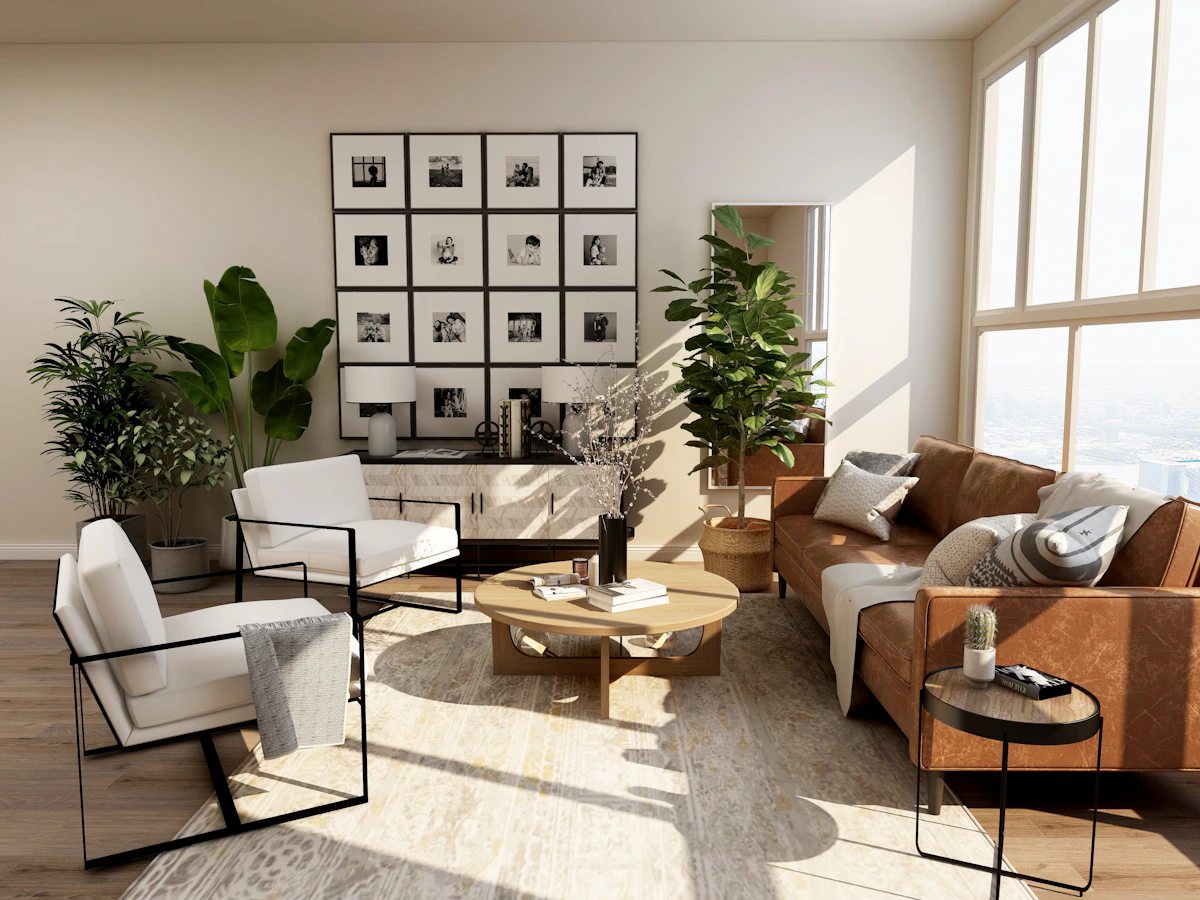 Design Light in Layers, Not Just Fixtures
Ambient • Task • Accent • Decorative • Indirect • Smart Controls
Design Light in Layers, Not Just Fixtures
Ambient • Task • Accent • Decorative • Indirect • Smart Controls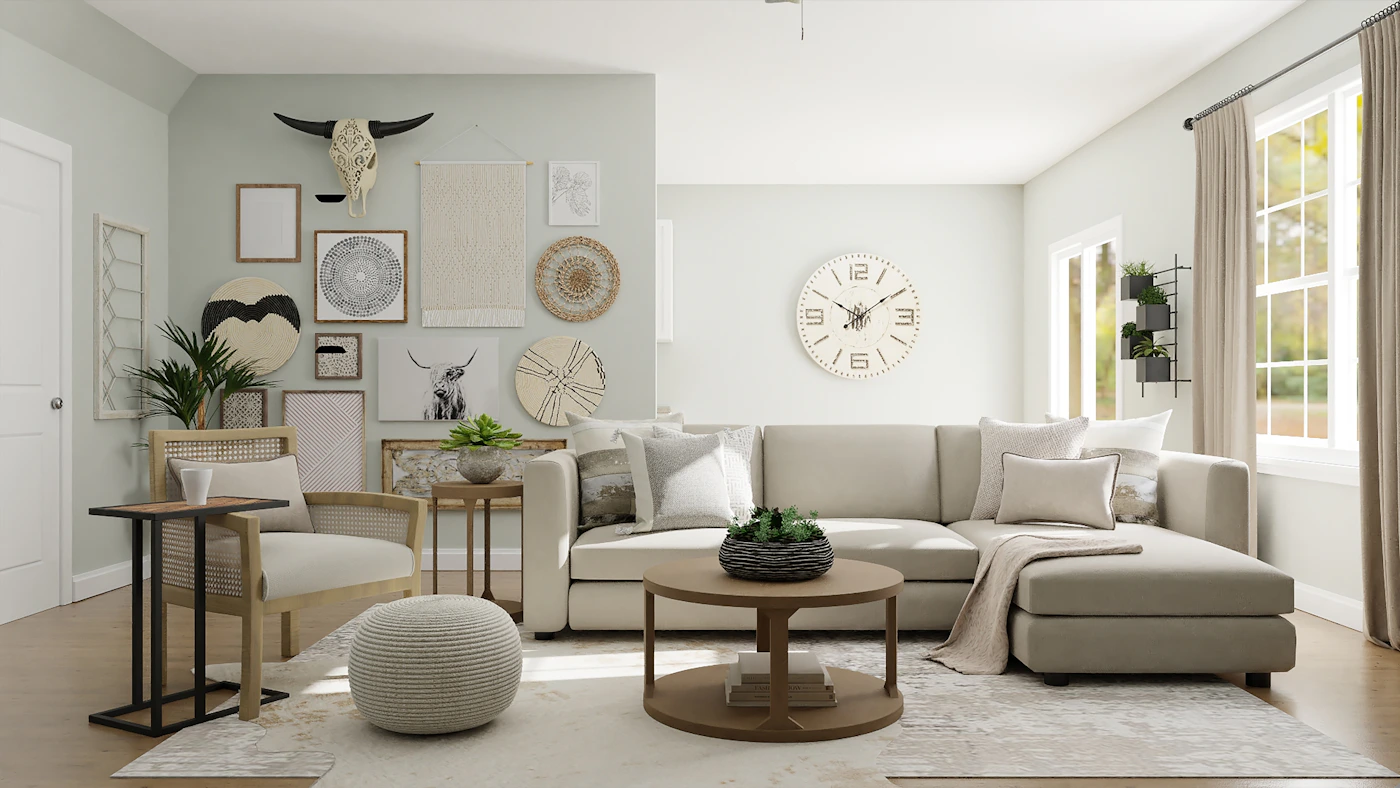
Why Lighting Design Is One of the Most Important Parts of a Home Interior
Lighting can completely change how an interior is perceived. The same furniture, wall colour and flooring can look dramatically different under harsh overhead light compared with a carefully layered lighting scheme.
Professional lighting design combines natural daylight with ambient, task, accent, decorative and indirect illumination. The goal is not simply to make every corner bright, but to create the right amount of light for different activities and times of day.
Lighting should also be coordinated with furniture, ceiling design, wall finishes, artwork, cabinetry, circulation and electrical planning. When it is considered early, the final interior feels more cohesive and intentional.
15 Brilliant Lighting Design Ideas for Modern Homes
Combine different lighting techniques according to room function, ceiling height, furniture arrangement and the atmosphere you want.
Ambient Lighting
Establish comfortable general illumination using well-distributed ceiling fixtures, recessed lights or concealed sources.
Task Lighting
Provide focused light for reading, cooking, studying, working, dressing and other activities requiring better visibility.
Accent Lighting
Highlight artwork, wall textures, plants, niches, architectural features or selected furniture pieces.
Cove Lighting
Use concealed light around ceiling edges or architectural recesses for a soft, indirect and sophisticated glow.
Pendant Lighting
Use decorative pendants above dining tables, kitchen islands, counters and selected living zones.
Wall Sconces
Add vertical illumination beside beds, mirrors, artwork, corridors or feature walls without depending only on ceiling fixtures.
Under-Cabinet Lighting
Improve kitchen worktops and storage areas with focused illumination positioned below wall cabinets.
Backlit Features
Add depth to mirrors, panels, shelving, artwork or selected wall features using concealed backlighting.
Decorative Fixtures
Chandeliers, sculptural pendants and statement lamps can act as visual features as well as sources of illumination.
Layered Lighting
Combine ambient, task and accent sources so one room can support different activities and moods.
Dimmable Lighting
Dimmers provide greater flexibility by allowing illumination levels to change between daytime activities and evening relaxation.
Smart Lighting
App, sensor or voice-controlled lighting can make everyday lighting more convenient and adaptable.
Warm Bedroom Lighting
Use softer, warmer illumination around beds, headboards and bedside zones to create a comfortable evening environment.
Mirror Lighting
Balanced illumination around bathroom or dressing mirrors can improve visibility while reducing unflattering shadows.
Natural Light Planning
Make daylight part of the lighting strategy through window planning, reflective surfaces and appropriate curtains or blinds.
Build a Flexible Lighting System Instead of Relying on One Fixture
A single central ceiling light rarely creates the depth and flexibility required in a contemporary home.
Ambient Layer
The foundation of the room’s illumination. It should provide comfortable general visibility without creating unnecessary glare.
- Recessed downlights
- Ceiling fixtures
- Concealed cove illumination
- Well-distributed general lighting
Task Layer
Focused illumination supports specific activities where more precise visibility is needed.
- Reading lamps
- Kitchen worktop lights
- Study lighting
- Dressing and wardrobe illumination
Accent Layer
Accent light directs attention toward architectural or decorative elements and introduces visual depth.
- Artwork
- Feature walls
- Wall textures
- Niches and display shelves
Decorative Layer
Decorative fixtures become part of the interior composition and can establish a strong visual focal point.
- Designer chandeliers
- Pendant lights
- Floor lamps
- Table lamps
Indirect Layer
Hidden illumination can create softer surfaces and architectural depth without exposing the light source directly.
- Cove lighting
- Backlit panels
- Headboard lighting
- Wall washing
Control Layer
Dimmers, separate circuits and smart controls allow lighting to adapt to different activities and times of day.
- Separate zones
- Dimming
- Scene controls
- Smart automation
Lighting Design for Every Room in the Home
Each room needs a different lighting strategy because its activities, furniture, ceiling and visual priorities are different.
Living Room Lighting
The living room benefits from flexible layers that support conversation, relaxation, reading and entertaining.
- Ambient ceiling illumination
- Cove lighting for soft background glow
- Accent lighting for artwork and wall textures
- Floor or table lamps for secondary illumination
- Decorative chandelier or pendant where appropriate
Bedroom Lighting
Bedroom lighting should feel comfortable and controlled rather than excessively bright.
- Warm ambient illumination
- Bedside reading lights
- Headboard or cove lighting
- Wardrobe interior lighting
- Dimmable controls for evening use
Kitchen Lighting
Kitchen lighting must balance general visibility with focused illumination over preparation and cooking zones.
- General ceiling lighting
- Under-cabinet task lighting
- Pendants over islands or counters
- Focused work-zone illumination
- Separate circuits for flexibility
Dining Area Lighting
Dining lighting can become a visual centerpiece while creating a warm and inviting atmosphere.
- Statement pendant or chandelier
- Warm ambient lighting
- Dimming for different occasions
- Accent lighting for artwork or niches
Home Office & Study
Work areas need comfortable task lighting with attention to glare, screen reflections and visual comfort.
- Focused desk illumination
- Balanced ambient light
- Adjustable task lamps
- Reduced glare around screens
- Natural daylight where possible
Bathroom Lighting
Bathrooms require practical illumination while maintaining a clean and refined appearance.
- General ceiling lighting
- Balanced mirror illumination
- Backlit mirrors where suitable
- Accent lighting for niches
Wardrobe & Dressing Area
Lighting inside storage areas makes clothing and accessories easier to locate while adding a premium touch.
- Internal wardrobe lights
- Vertical illumination
- Sensor-controlled lighting
- Mirror lighting
Corridors & Entryways
Transitional spaces should be safe and functional while connecting the lighting language of adjoining rooms.
- Wall lights
- Recessed fixtures
- Artwork accent lighting
- Subtle indirect illumination
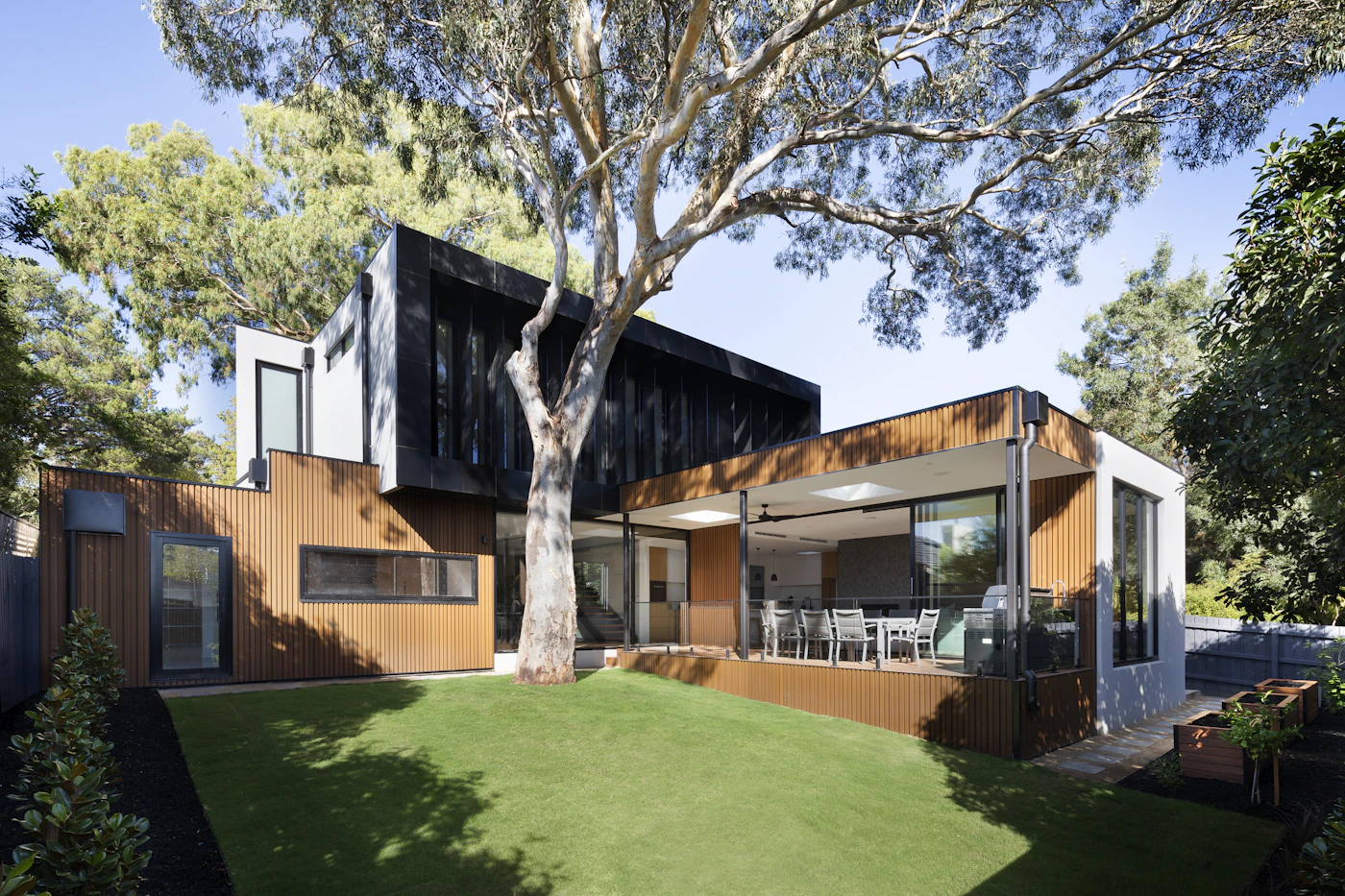
Expert Lighting Advice: Design the Light With the Interior
Lighting should not be an afterthought added after furniture and ceilings are finalized. It works best when planned alongside the complete interior concept.
Coordinate With Furniture
Fixture locations should respond to sofas, dining tables, beds, desks, kitchen counters and circulation.
Coordinate With Ceiling Design
Recessed fixtures, cove lighting and decorative elements should work with the geometry of the false ceiling.
Protect Visual Comfort
Avoid excessive glare and poorly positioned light sources that create uncomfortable brightness.
Use Separate Zones
Separate circuits and controls allow different areas and lighting layers to operate independently.
Think About the Evening
A home should not depend on daytime daylight. Plan a comfortable evening atmosphere using warm and indirect sources.
Consider the Whole Palette
Light affects how wall colours, stone, wood, fabrics and metallic finishes appear, so lighting and material selection should be coordinated.
Warm, Neutral or Cool Light? Choose According to the Room
Colour temperature influences the atmosphere of an interior and the way finishes appear. The ideal choice depends on function, materials and personal preference.
Warm White
Often suitable for bedrooms, living rooms and relaxing areas where a softer and more intimate atmosphere is desired.
Neutral White
A versatile choice for kitchens, studies, dressing areas and modern spaces where accurate visibility and a clean appearance matter.
Cooler White
Can support specific work-oriented environments, but should be used thoughtfully in residential interiors to avoid an overly clinical feel.
Layered Temperatures
Different zones can use different lighting characteristics when the transition is intentional and visually coordinated.
Use Natural Light
Daylight should be considered part of the overall lighting system. Window orientation and coverings can influence the final atmosphere.
Sample Before Finalizing
Lighting should be evaluated with actual wall colours, furniture and materials rather than relying only on fixture specifications.
Make the Ceiling Part of the Lighting Strategy
A well-designed ceiling can conceal light sources, define zones and introduce depth without making the room visually heavy.
Cove Lighting
Concealed illumination around ceiling edges can create a soft indirect glow and emphasize the architectural geometry.
Recessed Downlights
Carefully positioned recessed lights can provide general illumination while maintaining a clean ceiling appearance.
Layered Ceiling Lighting
Combine recessed fixtures with concealed and decorative sources instead of making every light perform the same role.
Feature Lighting
Use selected ceiling elements to emphasize dining tables, seating zones, artwork or architectural features.
Minimal Ceiling Approach
Modern interiors do not always need elaborate false ceilings. Strategic fixtures can deliver a sophisticated result with simpler architecture.
Smart Controls
Multiple lighting scenes can make the same ceiling support bright daytime activity and softer evening ambience.
How Professional Home Lighting Design Is Planned
Good lighting begins with the room rather than the fixture catalogue. Each stage should be coordinated before execution.
Assess
Study layout, daylight, ceiling height and room function.
Zone
Identify activity zones and determine where focused light is required.
Layer
Combine ambient, task, accent and decorative lighting.
Select
Choose fixture types, finishes and light characteristics.
Coordinate
Finalize electrical points, circuits, switches and controls.
Adjust
Check the finished illumination after fixtures, furniture and finishes are installed.
Modern Smart Lighting Ideas for Connected Homes
Smart lighting can improve convenience when automation is integrated with the interior rather than added without a clear lighting strategy.
App Control
Control selected lighting zones from a smartphone or connected home system.
Voice Control
Voice-enabled lighting can provide convenient control of scenes and individual zones.
Scene Settings
Create different settings for entertaining, relaxation, movie nights, working and everyday use.
Motion Sensors
Sensors can be useful in wardrobes, passages, utility areas and other spaces where automatic illumination adds convenience.
Dimming
Dimmable systems allow illumination levels to change throughout the day without changing the fixture.
Zone Control
Independent controls allow living, dining, kitchen and accent lighting to respond to different activities.
Common Home Lighting Mistakes
One Central Light
Relying on a single ceiling fixture often leaves corners, walls and activity zones visually flat or poorly illuminated.
Too Many Downlights
Filling the ceiling with fixtures does not automatically create a better lighting plan and can increase glare and visual clutter.
Ignoring Furniture Layout
Lighting points should follow the actual furniture arrangement, especially dining tables, beds, worktops and reading areas.
No Dimming or Zoning
A room can become much more versatile when different lighting layers can be controlled independently.
Ignoring Glare
Bright exposed fixtures positioned in the wrong locations can reduce comfort even when the room appears well illuminated.
Lighting as an Afterthought
Delaying lighting decisions can result in visible wiring, awkward fixture locations and unnecessary electrical modifications.
Ignoring Wall Colours
Light interacts with surfaces. A fixture that works beautifully with one wall colour may produce a very different effect with another.
Overusing Decorative Lights
Statement fixtures should support the composition rather than compete with every other design element in the room.
No Maintenance Planning
Fixtures should be selected with accessibility, cleaning and future maintenance in mind.
Home Lighting Design in Delhi, Gurgaon & Noida
Lighting requirements vary by property type, room size, architecture and lifestyle. A local interior design approach can coordinate lighting with the broader home design.
Delhi
Lighting solutions for apartments, builder floors, independent homes and premium residences, with emphasis on layered illumination, decorative fixtures and practical electrical planning.
Gurgaon
Modern lighting strategies for apartments, villas and contemporary homes, including sophisticated cove lighting, pendants, accent lighting and smart controls.
Noida
Space-conscious lighting plans for modern apartments and homes, balancing practical illumination with clean contemporary aesthetics.
Related Lighting & Interior Design Resources
Explore more room-specific lighting ideas, complete home interiors, luxury design and practical planning resources from Interior A to Z.
Lighting Design for Homes FAQ
What is lighting design for homes?
Home lighting design is the planned use of natural and artificial light to improve visibility, comfort, atmosphere and visual balance. It combines ambient, task, accent and decorative lighting according to how each room is used.
What are the three main types of interior lighting?
The three primary layers are ambient lighting for general illumination, task lighting for focused activities and accent lighting for highlighting selected features.
Is warm or cool lighting better for a home?
Neither is universally better. Warm lighting is often comfortable for bedrooms and living spaces, while more neutral lighting can support kitchens, studies and work areas. The choice should consider room function and materials.
What is layered lighting?
Layered lighting combines different sources such as ambient, task, accent, decorative and indirect illumination so a room can adapt to different activities and moods.
How should lighting be planned with a false ceiling?
Lighting should be coordinated with the false ceiling during the design stage. Recessed fixtures, cove lighting, downlights and decorative fixtures should be positioned according to furniture, circulation and ceiling geometry.
Can lighting make a small home look bigger?
Yes. Evenly distributed ambient light, concealed illumination, wall washing and carefully positioned accent lighting can reduce dark corners and visually improve the sense of openness.
Should lighting be planned before interior execution?
Yes. Electrical points, circuits, switches, dimmers, concealed lighting and fixture locations should be coordinated before execution to reduce unnecessary rework.
What lighting works best for a living room?
Layered lighting generally works well: combine comfortable ambient illumination with floor or table lamps, decorative fixtures, accent lighting and indirect sources such as cove lighting.
How can I improve bedroom lighting?
Use comfortable ambient lighting together with bedside task lighting, headboard or cove illumination and separate controls. Dimming can provide additional flexibility for evening use.
Should all lights in a home have the same colour temperature?
Not necessarily. Different rooms and activities may benefit from different lighting characteristics, but transitions should remain intentional and visually coordinated.
Transform Your Home With Light Designed Around the Way You Live
Share your floor plan, room photographs, preferred style and approximate requirements with Interior A to Z. Develop a coordinated lighting strategy for your living room, bedrooms, kitchen, dining area, study and complete home.