Interior designing

What is the best material to use for bathroom walls?

Acrylic is the fine gadget to apply for bathe partitions due to the fact it’s far the safest, least excessive maintenance, and clean to install, which means your bathe can be achieved in as low as one day. Acrylic is one of the maximum long lasting substances used with inside the bathe creation industry, and for appropriate reason.

What is the best material to use for bathroom walls? Read More »

How can I make my small bathroom stylish?

Add a few warmth. … Paint the tiles. … Float your vanity. … Open the vanity. … Go for glass. … Install dimmer lights. … Don’t neglect about the little touches. … Update your fixtures.

How can I make my small bathroom stylish? Read More »

How do you make a small room feel luxurious?

How Do You Make a Small Room Feel Luxurious? 17 Expert Ideas
INTERIOR A TO Z · DELHI NCR · GURGAON · NOIDA +91 98910 50117 · info@interioratoz.com
Small Room Luxury Interior Design

How Do You Make a Small Room Feel Luxurious?

Discover 17 smart ways to make a small room feel luxurious with better proportions, elegant colours, layered lighting, premium textures, concealed storage and carefully selected furniture.

17 Small-room luxury ideas
5 Core design principles
3 Delhi NCR markets
360° Design-to-execution approach
The Luxury Formula

Luxury Is About How the Room Feels, Not How Large It Is

A small room does not need oversized furniture or excessive decoration to look premium. The strongest luxury interiors usually begin with proportion, circulation, lighting, material coordination and visual calm.

In a compact bedroom, living room, guest room or apartment, every visible element has more influence. A streamlined wardrobe, a beautifully detailed wall, warm lighting, quality upholstery and concealed storage can create a much more refined result than simply adding more décor.

Key principle: In a small room, choose fewer things — but make each important element intentional.
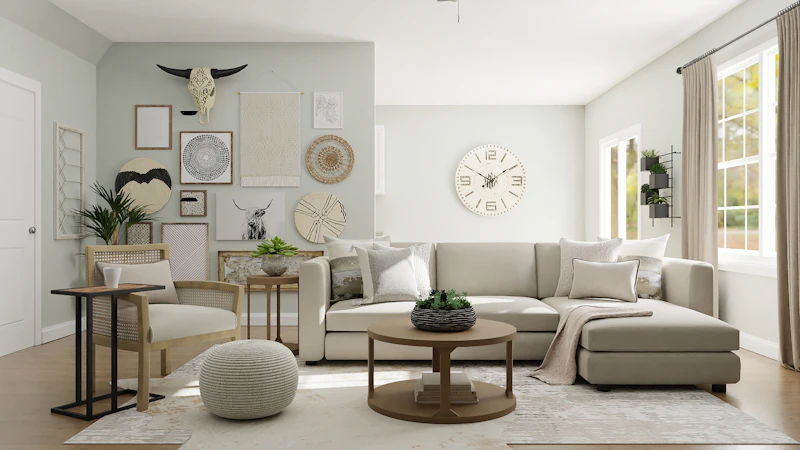
Elegant small room interior with refined furniture and warm lighting
17 Practical Ideas

How to Make a Small Room Feel Luxurious

These ideas work particularly well in compact apartments, bedrooms, living rooms and builder-floor homes where every square foot matters.

01

Start With the Layout

Before choosing finishes, plan furniture placement and circulation. A clear layout immediately makes a compact room feel more controlled and sophisticated.

02

Choose a Refined Colour Palette

Warm white, cream, beige, taupe and soft grey create a calm visual foundation. Add deeper tones through selected accents rather than overwhelming the room.

03

Use One Strong Focal Point

A statement headboard, feature wall, artwork, pendant or TV wall can provide luxury without filling every surface with decoration.

04

Layer the Lighting

Combine ambient, task and accent lighting. Warm illumination can add depth and create a softer, more premium evening atmosphere.

05

Use Full-Height Storage

Take wardrobes and built-in cabinetry upward. Vertical storage keeps more of the floor visible while reducing everyday clutter.

06

Choose Streamlined Furniture

Avoid pieces that are too deep or visually heavy. Furniture should fit the room rather than dominate it.

07

Try Floating Furniture

Floating TV units, consoles, shelves and selected storage can expose more floor area and create a lighter visual appearance.

08

Add a Carefully Placed Mirror

Mirrors can reflect daylight and surrounding finishes, increasing perceived depth when positioned thoughtfully.

09

Invest in Textures

Velvet, linen, wood grain, fluted details, stone textures and soft upholstery can make a neutral room feel richer without adding clutter.

10

Hang Curtains Higher

Full-height curtains can draw the eye upward and make the room feel taller. Choose a simple fabric with an elegant fall.

11

Keep the Ceiling Calm

A clean ceiling with subtle lighting generally works better in a compact room than an overly detailed false ceiling.

12

Use Multifunctional Furniture

Storage beds, nesting tables, compact desks and furniture with hidden storage can improve functionality without crowding the room.

13

Coordinate Materials

Limit the number of competing finishes. Two or three coordinated materials often create a more sophisticated look.

14

Make Clutter Disappear

Luxury depends heavily on visual order. Plan concealed storage for cables, accessories, clothes, books and everyday objects.

15

Use Soft Decorative Layers

Add a small number of cushions, throws, artwork, plants or accessories that complement the room rather than compete for attention.

16

Protect Natural Light

Keep windows visually open and avoid placing bulky furniture directly in front of the main source of daylight.

17

Prioritize Quality Over Quantity

One well-designed feature can have more impact than several average decorative pieces. Spend attention where it changes the room most.

Luxury Inspiration

Small Spaces Can Still Have a Strong Design Identity

The objective is not to make every surface look expensive. It is to create a coherent visual language where furniture, lighting, colour, materials and storage work together.

The Small Room Luxury Formula

Five Elements That Create the Premium Feel

If the room is small, concentrate your design effort on the elements that have the strongest visual and practical impact.

Proportion Furniture and finishes should match the actual dimensions of the room.
Lighting Use multiple layers to create depth instead of relying on one ceiling light.
Materials Coordinate a small number of quality textures for a calm, refined result.
Storage Hide everyday objects so the room maintains visual order.
Room-by-Room Strategy

How to Make Different Small Rooms Feel Luxurious

Small Bedroom

Create a calm hotel-inspired feel without overcrowding the room.

  • Upholstered or visually strong bed wall
  • Full-height wardrobe with sliding shutters
  • Warm bedside and concealed lighting
  • Storage bed where appropriate
  • Soft neutral colours and layered textiles

Small Living Room

Keep the floor visually open and let one or two features create the room’s personality.

  • Correctly scaled sofa
  • Compact or nesting coffee table
  • Floating TV unit
  • One strong feature wall
  • Layered ambient and accent lighting

Small Guest Room

Combine hospitality with practical storage and a clean visual layout.

  • Compact bed with integrated storage
  • Small bedside table
  • Full-height wardrobe
  • Mirror for visual depth
  • Warm reading and ambient lights

Small Apartment Room

Use multifunctional planning so one room can support more than one daily activity.

  • Built-in storage
  • Foldable or multifunctional furniture
  • Vertical shelving
  • Coordinated wall and furniture colours
  • Minimal but intentional décor
Luxury Colour Palette

Colours That Work Well in Small Luxury Interiors

Neutral colours are an effective starting point because they create a quiet background for furniture, lighting and materials. Darker shades can still work when used strategically.

Warm White Clean & soft
Warm Beige Elegant & timeless
Taupe Rich & sophisticated
Muted Sage Natural & calm
Charcoal Use as an accent
Avoid These Mistakes

What Can Make a Small Room Look Less Luxurious?

Luxury is easily lost when the room becomes visually crowded or the furniture is not proportional to the available space.

01 · Oversized Furniture

Large sofas, beds or cabinets can consume circulation space and make the entire room feel compressed.

02 · Too Many Colours

Excessive colour changes create visual noise. Use a controlled base palette with a few intentional accents.

03 · One Harsh Light

A single bright ceiling fixture can flatten the room. Layer the lighting instead.

04 · Open Clutter

Too many visible objects reduce the sense of order that makes an interior feel premium.

05 · Overdecorating

A compact room usually benefits from fewer, better-selected accessories.

06 · Ignoring Vertical Space

Leaving walls unused can waste valuable storage and design opportunities.

Delhi NCR Small-Space Design

Luxury Small Room Design for Gurgaon, Noida & Delhi NCR

Compact apartments and builder floors require careful planning because storage, furniture scale and circulation have to work together.

Design Process

How to Plan a Luxury Small Room Step by Step

A structured design process prevents expensive changes later and helps every square foot perform a useful function.

01

Measure

Record room dimensions, openings, ceiling height and fixed elements.

02

Plan

Develop furniture placement and protect comfortable circulation.

03

Store

Identify concealed and vertical storage requirements.

04

Light

Create ambient, task and accent lighting layers.

05

Finish

Select coordinated colours, textures, furniture and materials.

06

Style

Add a few meaningful decorative elements after the functional work is complete.

Frequently Asked Questions

Small Room Luxury Design FAQs

How do you make a small room feel luxurious?

Start with proportion and layout, then add coordinated colours, premium textures, layered lighting, concealed storage and one or two strong focal elements. Luxury comes from visual order and thoughtful detailing rather than simply filling the room with expensive objects.

What colours make a small room look luxurious?

Warm white, cream, beige, taupe and soft grey create a sophisticated foundation. Deeper shades such as charcoal, navy or muted green can provide contrast when used selectively.

Can a small bedroom look luxurious?

Yes. Use a strong bed-wall treatment, streamlined furniture, full-height storage, soft textiles, selective mirrors and warm layered lighting. Keep circulation clear and avoid oversized furniture.

Do mirrors make a small room feel bigger?

A strategically positioned mirror can reflect light and create a greater sense of visual depth. The position and size should be chosen according to the room rather than adding mirrors everywhere.

What furniture is best for a small luxury room?

Choose correctly scaled furniture, streamlined silhouettes, multifunctional pieces and selected floating or built-in elements. The objective is to preserve circulation and reduce visual heaviness.

How can lighting make a small room feel expensive?

Combine ambient ceiling lighting with wall lights, bedside lights, concealed illumination, floor or table lamps and carefully selected accent lighting. Warm light can create a more intimate atmosphere.

Can I make a small room luxurious without spending a lot?

Yes. Prioritize layout, lighting, colour, textiles, storage and one strong focal point before spending heavily on every surface. Good proportion and visual consistency often have a significant effect.

Interior A to Z

Make Your Small Room Feel Larger, Calmer & More Luxurious

Share your room size, location and requirements. Interior A to Z can help plan the layout, storage, furniture, lighting, materials and finishes around the actual space.

How do you make a small room feel luxurious? Read More »

Why are top floor apartments better?

If you like herbal daylight, the first-rate ground to stay on is probably the pinnacle ground. Top ground residences will routinely come up with greater daylight than something on a decrease ground. This advantages each fitness and permit you to store cash on lights costs (discover ways to preserve software payments low in an condominium here).

Why are top floor apartments better? Read More »

How can I make my apartment less depressing?

Try including a vibrant rug, a few pillows, or a touch colorful paintings to provide a darkie room new life. Bring in a touch nature. Bringing in a touch little bit of the outdoor global is first-class in any space, however mainly first-class in darkie or windowless spaces, that can have a close, claustrophobic feel.

How can I make my apartment less depressing? Read More »

How can I decorate my apartment for free?

Creative Ways to Decorate for Absolutely No Money Use Up Leftover Paint. If you’ve got carried out any portray lately, or ever, you maximum probably have a a few leftover in a can someplace in your own home or garage. … Drape Some Extra Fabric. … Go Organic. … Convert to “Open Shelving” … Display Something Old in New Ways.

How can I decorate my apartment for free? Read More »

What adds the most value to an apartment?

The Best Ways to Increase the Value of an Apartment for Rent Invest in terrific windows. Most flats are a piece confined in size, that may make tenants experience stuffy. … Improve the lighting fixtures system. … Create a subject matter for the apartment. … Make certain the kitchen is up-to-date. … Keep the lavatories neat and tidy.

What adds the most value to an apartment? Read More »

Which floor in apartment is best?

The higher flooring also are regarded to get higher ventilation, clean air and extra publicity to daylight as compared to the decrease flooring. Natural daylight will continually maintain your rental brilliant and in the course of iciness it’s going to maintain it warm.

Which floor in apartment is best? Read More »

Which floor of apartment is safest?

The pinnacle ground is the maximum steady out of all of the levels. Thieves or different invaders will not often make their manner to the pinnacle of the constructing. If you are at the pinnacle, you may experience secure from folks who would possibly push into the constructing from the outside.

Which floor of apartment is safest? Read More »

How can I style an apartment for cheap?

Use big mirrors to make area appear and experience bigger. Create a budget — the bounds will make you extra creative. … Make home windows taller. … Don’t beautify your entire condominium all at once. … Choose thin furniture. … Make it functional. … Let the mild in. … Use scale to make a small condominium experience big. … Keep colors mild.

How can I style an apartment for cheap? Read More »

How can I make a simple apartment look luxurious?

Set Out Fresh Flowers. A vegetation can do wonders on your space. … Decorate Your Walls. … Style Your Surfaces. … Add Faux Fur. … Choose Your Own Lighting. … Stock a Snack Bowl. … Create a Pleasant Scent. … Lay Down Area Rugs.

How can I make a simple apartment look luxurious? Read More »

Is it better to live higher or lower in an apartment?

Living on a better ground has its advantages. You get higher perspectives of your locality, higher mild and ventilation, and there may be decrease effect of street-degree disturbances as compared to the ones at the floor and decrease flooring. Higher flooring also are normally unfastened from the risk of mosquitoes and rodents (in particular rats).

Is it better to live higher or lower in an apartment? Read More »

How can I maximize my small apartment living room?

Add an phantasm of area with mirrors. … Design to emphasise the vertical. … Distract with assertion pieces. … Use impartial shadeation throughout. … Keep the room feeling cozy. … Make furnishings multi-functional. … Float a choice of furnishings. … Display paintings strategically.

How can I maximize my small apartment living room? Read More »

How do I set up an apartment living room?

How to Set Up an Apartment Living Room: 15 Brilliant Ideas
Apartment Living Room Design Guide Delhi NCR · Gurgaon · Noida
APARTMENT LIVING ROOM DESIGN GUIDE

How to Set Up an Apartment Living Room

The right living room layout can make an apartment feel larger, more comfortable and easier to use. The key is to balance furniture, circulation, storage, lighting and visual focus.

Explore 15 practical apartment living room ideas covering furniture placement, seating, TV units, lighting, colours, storage and small-space solutions.

Smart Space Planning Furniture scaled to the room
Clear Circulation Comfortable movement through the room
Layered Lighting Ambient, task and accent lighting
Practical Storage Less clutter and better organization
LIVING ROOM PLANNING

How Do You Set Up an Apartment Living Room?

To set up an apartment living room effectively, start with the room’s dimensions, entry points, windows and circulation paths. Decide how the room will be used before selecting furniture.

For most apartments, the goal is not to fill the available space. Instead, create a comfortable arrangement where people can sit, talk, watch television, work occasionally and move through the room without obstacles.

Quick answer: What is the most important rule? Prioritize function and circulation first. Place the main seating, define the focal point and maintain comfortable walking paths before adding decorative furniture.

What Should You Consider Before Arranging Furniture?

  • Room length and width
  • Location of doors and windows
  • Natural light direction
  • TV and electrical points
  • Number of people using the room
  • Required seating
  • Storage requirements
  • Dining or work-from-home requirements
  • Air-conditioner and fan positions
  • Preferred design style
15 PRACTICAL IDEAS

15 Apartment Living Room Setup Ideas

Use these principles to create a living room that looks organized while remaining comfortable for everyday use.

01

Start With the Focal Point

Choose the main visual focus before arranging furniture. This could be a TV wall, window, artwork, architectural feature or statement wall.

02

Prioritize Function Over Decoration

Decide whether the room is primarily for conversation, television, entertaining, reading, work or a combination of activities.

03

Create Clear Walking Paths

Do not allow sofas, tables or cabinets to block entrances, balcony doors or frequently used circulation routes.

04

Choose the Right Sofa Size

Measure the room before buying the sofa. A smaller, well-proportioned sofa can work better than an oversized sectional.

05

Float Furniture When Possible

Not every piece of furniture needs to touch a wall. Floating the sofa can help define the living area in open-plan apartments.

06

Use a Compact Coffee Table

Select a coffee table that leaves enough space for people to move around it comfortably.

07

Add Flexible Seating

Accent chairs, ottomans or movable stools can provide additional seating without permanently occupying large amounts of floor space.

08

Use a Functional TV Unit

A streamlined TV unit can combine entertainment storage with display space while keeping cables and devices organized.

09

Use Vertical Storage

Tall cabinets and wall-mounted storage can increase capacity without consuming too much floor area.

10

Layer the Lighting

Combine ceiling lighting with floor lamps, wall lights, table lamps or accent lighting for greater flexibility.

11

Keep Colours Controlled

A restrained palette helps an apartment living room feel more visually connected and less cluttered.

12

Use Mirrors Strategically

Position mirrors where they can reflect natural light or visually extend the room without creating distracting reflections.

13

Define Zones in Open Plans

Use rugs, furniture orientation and lighting to visually separate seating, dining and work zones.

14

Keep the Horizon Clear

Avoid excessive tall furniture across the room. Maintaining some visual openness can make the apartment feel larger.

15

Leave Breathing Space

Empty space is part of good design. Do not add furniture simply because a wall or corner is available.

FURNITURE LAYOUT

Best Apartment Living Room Furniture Layouts

The best layout depends on the room shape, entry points, windows and how the family uses the space.

Sofa Facing TV

A straightforward arrangement for households that use the living room primarily for television and relaxation.

  • Place the TV at the main focal wall
  • Position sofa opposite it
  • Add one or two flexible seats
  • Keep circulation clear

Conversation Layout

Better suited to households that frequently entertain or prefer face-to-face conversations.

  • Face seating toward each other
  • Use a central coffee table
  • Keep the TV secondary
  • Use accent chairs for flexibility

Open-Plan Zoning

Useful when the living room connects directly to dining or another functional area.

  • Float the main sofa
  • Use a rug to define the zone
  • Maintain dining circulation
  • Coordinate colours and materials
FURNITURE SELECTION

How to Choose Furniture for an Apartment Living Room

Sofa

Measure both the living room and access route before ordering. Consider door width, lift dimensions and staircase access in apartments.

  • Measure wall and floor space
  • Check door clearance
  • Consider seat depth
  • Choose durable upholstery

Coffee Table

The table should support everyday use without becoming an obstacle between the seating and other parts of the room.

  • Keep proportions balanced
  • Consider rounded corners
  • Use storage if needed
  • Allow comfortable movement

TV Unit

Keep the design proportional to the wall. Combine closed storage with a small amount of open display space.

  • Hide cables
  • Plan device ventilation
  • Include storage
  • Avoid excessive depth

Accent Chairs

Accent chairs are useful when additional seating is required without installing a large sectional sofa.

  • Choose lightweight designs
  • Coordinate upholstery
  • Keep them movable
  • Avoid overcrowding
SMALL APARTMENT

How to Make a Small Apartment Living Room Look Bigger

  • Choose furniture that is proportional to the room.
  • Use furniture with visible legs where appropriate to create a lighter visual appearance.
  • Use full-height storage instead of multiple small cabinets.
  • Keep the floor relatively open.
  • Use one coordinated colour palette.
  • Avoid too many decorative objects.
  • Use mirrors where they genuinely improve light or depth.
  • Make use of natural light rather than blocking windows with heavy furniture.
  • Use curtains that extend close to ceiling height where appropriate.
  • Keep cables, remote controls and everyday items organized.
Small-space rule If the room feels crowded after adding a piece of furniture, the solution is usually better editing rather than adding more storage or decoration.
LIVING ROOM LIGHTING

Living Room Lighting Ideas for Apartments

Good lighting changes how the room feels at different times of day. Instead of relying on one ceiling fixture, create layers.

A

Ambient Lighting

Provides general illumination through ceiling fixtures, recessed lights or other broad sources.

B

Task Lighting

Use floor lamps or table lamps near reading chairs, work areas or other activity zones.

C

Accent Lighting

Highlight artwork, wall textures, shelves or architectural features to add depth.

D

Decorative Lighting

A pendant, wall light or sculptural lamp can become a design element as well as a source of illumination.

E

Warm Evening Light

Use appropriately warm lighting for a comfortable evening atmosphere, especially in relaxation zones.

F

Switching Zones

Separate lighting circuits allow different combinations for watching TV, entertaining, reading or relaxing.

COLOUR & MATERIALS

Best Colour Ideas for an Apartment Living Room

Warm Neutrals

Beige, warm white, taupe and natural wood can create a calm and adaptable foundation.

Soft Greys

Grey can work well when balanced with warm wood, textured fabrics and appropriate lighting.

Earthy Tones

Terracotta, olive, tan and muted brown tones can add warmth without overwhelming a smaller room.

Controlled Accent Colour

Use one or two accent colours through cushions, artwork, chairs or decorative objects rather than covering every surface.

STORAGE

Smart Storage Ideas for Apartment Living Rooms

TV Unit Storage Use closed cabinets for electronics, documents and everyday items.
Wall-Mounted Shelves Use vertical wall space for books and selected decorative objects.
Storage Ottoman Add flexible seating and hidden storage in one compact piece.
Built-In Cabinet Useful when the apartment requires significant additional storage.
Console Storage A narrow console can provide useful storage without consuming much floor area.
Hidden Cable Storage Plan cable routes and equipment storage before finalizing the TV unit.
COMMON MISTAKES

10 Apartment Living Room Setup Mistakes to Avoid

1. Buying Furniture Before Measuring Always measure the room and access route first.
2. Blocking the Main Path Keep entry and circulation routes open.
3. Oversized Sofa A large sofa can dominate a small apartment.
4. Too Many Chairs Seating should match actual usage rather than maximum possible occupancy.
5. One Light Source Layer lighting for different activities and times of day.
6. Too Much Decoration Decorative items should support the design rather than create clutter.
7. Ignoring Storage Plan where everyday items will actually be kept.
8. Poor TV Placement Consider viewing distance, glare, cables and room orientation.
9. Ignoring Natural Light Do not unnecessarily block windows with tall furniture.
10. Designing Only for Appearance The living room should remain comfortable and practical every day.
DELHI NCR APARTMENT INTERIORS

Apartment Living Room Design in Delhi NCR, Gurgaon & Noida

Apartment living rooms in Delhi NCR can vary significantly in size, orientation and layout. The design should respond to the actual property rather than using a generic template.

For apartments in Delhi, Gurgaon and Noida, homeowners often need to balance storage, family seating, television viewing, work-from-home requirements and everyday maintenance within a limited footprint.

A practical interior design approach starts with the floor plan and identifies the most important functions. Furniture, lighting, storage and finishes are then selected around those priorities.

If you are planning an apartment interior, compare designers based on relevant portfolio work, project scope, materials, execution process and clarity of the quotation rather than design appearance alone.

DESIGN PROCESS

Apartment Living Room Design Process

1

Measure

Record room dimensions, doors, windows and services.

2

Define Function

Decide how the room will be used every day.

3

Plan Layout

Place the sofa, focal point, storage and circulation paths.

4

Select Materials

Choose furniture, colours, lighting and finishes.

5

Install & Style

Complete installation and add only useful decorative elements.

READY TO REDESIGN YOUR LIVING ROOM?

Create an Apartment Living Room That Works for You

Share your apartment layout, room dimensions and design requirements to discuss a practical interior solution.

LIVING ROOM CONSULTATION

Discuss Your Apartment Interior

Tell us about your apartment and living room requirements.

Request a Consultation

Share your project details.

Interior A to Z

Interior design solutions for residential and commercial projects across Delhi NCR.

Service Areas Delhi NCR · Gurgaon · Noida
Services Living Rooms · Home Interiors · Kitchens · Bedrooms
FAQ

How to Set Up an Apartment Living Room — FAQs

How do I set up an apartment living room?

Start by measuring the room and identifying doors, windows, electrical points and circulation paths. Define the main function of the room, select appropriately sized furniture and arrange the main seating around a clear focal point. Finish with lighting, storage and decoration.

How should furniture be arranged in a small apartment living room?

Use furniture that is proportional to the room and keep walking paths clear. A compact sofa, flexible accent seating and a small coffee table can often provide comfortable seating without overcrowding the room.

Should my sofa face the TV?

If television is a primary activity, placing the main seating toward the TV is practical. If conversation is more important, consider a layout where seating faces each other while keeping the TV as a secondary focal point.

How can I make a small apartment living room look bigger?

Use appropriately scaled furniture, maintain clear floor space, use vertical storage, control the colour palette, maximize natural light and avoid unnecessary decorative clutter.

What type of sofa is best for an apartment?

The best sofa depends on the room dimensions and household needs. Measure both the room and access route before ordering. Compact straight sofas or appropriately sized sectionals can work well depending on the layout.

How many seats should an apartment living room have?

Plan seating around the number of people who regularly use the room rather than trying to maximize the number of seats. Flexible chairs or ottomans can provide additional seating when required.

What lighting is best for an apartment living room?

Use a combination of ambient, task and accent lighting. Ceiling fixtures provide general illumination, while floor lamps, table lamps and accent lights provide additional flexibility.

How do I choose an interior designer for an apartment?

Look for relevant apartment projects, review the designer’s scope of work, understand materials and execution, compare quotations and confirm the project process before signing an agreement.

Function Over Form. The maximum vital component whilst arranging any room is to apprehend and feature the format reflect, how the gap may be used. … Always Allow For Flow. … Balance is Key. … Every Seat Gets a Buddy. … Create Zones. … Don’t be a Wallflower. … Keep the Horizon Clear. … Find a Focus.

How do I set up an apartment living room? Read More »

What color makes a room look clean?

As you would possibly expect, growing paint colors that make your private home appearance purifier is similar to smooth clothing. White and vibrant colors generally tend to provide off a purifier vibe.

What color makes a room look clean? Read More »

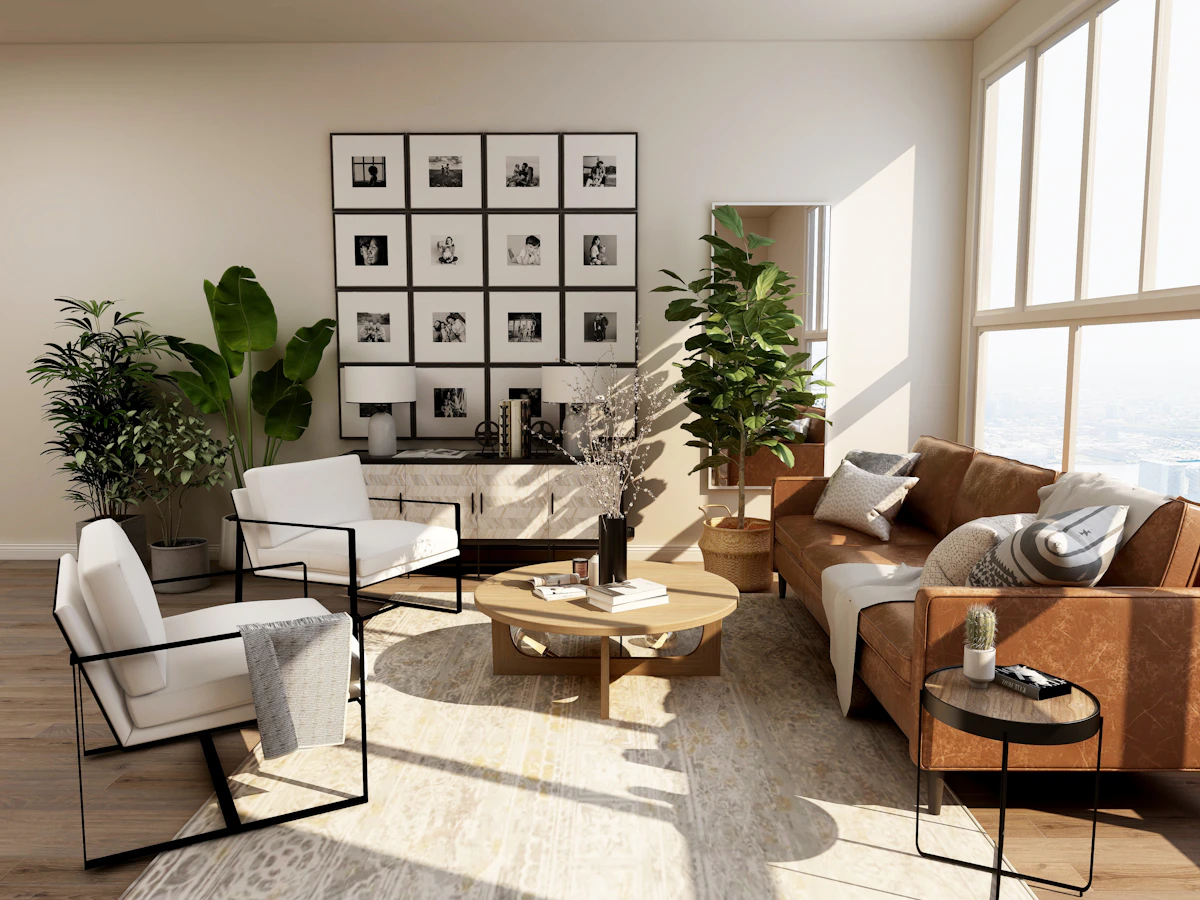
What makes a house feel luxurious?

A house feels luxurious not because of its size, but because of the quality of design, materials, lighting, and attention to detail. Even a modest home can look high-end when these elements are thoughtfully combined.

1. High-Quality Materials

Premium materials create a lasting impression, such as:

  • Natural stone or engineered quartz countertops
  • Hardwood or premium tile flooring
  • Veneer or solid wood finishes
  • High-quality fabrics like linen, velvet, or leather
  • Brushed metal hardware in consistent finishes

2. Layered Lighting

Luxury homes use multiple light sources instead of relying on a single ceiling fixture.

Include:

  • Ambient lighting for overall illumination
  • Task lighting for kitchens and workspaces
  • Accent lighting for artwork or architectural features
  • Decorative fixtures like chandeliers or pendant lights

Dimmable lights add flexibility and create a more refined atmosphere.

3. Custom Storage

Built-in storage keeps the home organized and visually clean.

Examples include:

  • Floor-to-ceiling wardrobes
  • Custom TV units
  • Walk-in closets
  • Hidden storage solutions

4. A Neutral, Cohesive Color Palette

Soft neutrals such as white, beige, grey, taupe, and warm wood tones create a timeless and elegant look. Consistent colors throughout the home also make it feel more spacious and harmonious.

5. Thoughtful Furniture Selection

Luxury interiors prioritize quality over quantity.

Choose:

  • Well-proportioned furniture
  • Comfortable seating
  • Pieces that complement each other in style and scale
  • Enough open space to avoid a crowded feel

6. Statement Features

One or two standout elements can elevate a room, such as:

  • A feature wall
  • A designer light fixture
  • A large piece of artwork
  • A marble dining table
  • A sculptural coffee table

These focal points add character without overwhelming the space.

7. Attention to Small Details

Luxury is often defined by craftsmanship and finishing touches.

Pay attention to:

  • Perfectly aligned cabinet doors
  • Minimal visible wiring
  • Soft-close drawers
  • High-quality door handles
  • Clean joints and finishes

8. Natural Light

Large windows, sheer curtains, and mirrors help maximize daylight, making interiors feel brighter, larger, and more inviting.

9. Minimal Clutter

A tidy, organized home instantly feels more sophisticated.

  • Keep countertops clear.
  • Store everyday items out of sight.
  • Display only a few carefully chosen decorative pieces.

10. Comfort

A luxurious home should also be comfortable.

Consider:

  • Ergonomic furniture
  • Quality mattresses
  • Soft rugs
  • Plush cushions
  • Effective ventilation and temperature control

Luxury Doesn’t Always Mean Expensive

Many high-end interiors achieve their look through good design rather than extravagant spending. Simple upgrades such as repainting walls, replacing outdated hardware, improving lighting, using coordinated textiles, and reducing clutter can make a significant difference.

Key Takeaway

The features that most consistently make a home feel luxurious are:

  • Premium materials
  • Layered lighting
  • Custom storage
  • Cohesive colors
  • Quality furniture
  • Statement design elements
  • Fine craftsmanship
  • Natural light
  • Clutter-free spaces
  • Everyday comfort

When these elements work together, a home feels elegant, functional, and welcoming—regardless of its size.

Luxury is all approximately interest to element and comfort, and attractive to all of the senses is a great vicinity to start – together with scented candles or diffusers. Candles upload substance, style, elegance, and sophistication to any space. Additionally, including mirrors on your partitions can assist to enhance the sensation of luxurious inside the home.

What makes a house feel luxurious? Read More »

Which two color combination is best for living room?

Purple and pink, teal with white, yellow with grey, yellow with blue, inexperienced with teal, and brown and white are a number of the high-quality destination mixtures for dwelling room.

Which two color combination is best for living room? Read More »

What colors make a living room look bigger?

What Colors Make a Living Room Look Bigger? 17 Expert Ideas
Living Room Interior Design · Delhi · Gurgaon · Noida +91 98910 50117 · info@interioratoz.com
Small Living Room Colour Guide

What Colors Make a Living Room Look Bigger?

Discover how warm white, cream, beige, soft grey and other light colours can work with natural light, furniture, mirrors and layout to create a brighter and more spacious-looking living room.

17 Colour & styling ideas
6+ Light palette options
3 Core NCR markets
360° Layout + colour approach
The Simple Answer

Light Colours Can Help a Living Room Feel More Spacious

So, what colors make a living room look bigger? Warm white, cream, light beige, soft grey and other restrained light tones are useful starting points.

Lighter surfaces can reflect more available light and reduce the visual heaviness of walls. But colour is only one part of the result.

Furniture size, circulation, window treatments, mirrors, storage, ceiling height and lighting all influence how spacious a living room appears.

Interior A to Z’s current small-living-room guidance similarly recommends light colour schemes together with proportionate furniture, mirrors, floating storage, clear layouts and layered lighting.

The best colour for a small living room is not simply the lightest colour. It is the colour that works with the room’s natural light, furniture, proportions and overall design.
17 Practical Ideas

What Colors Make a Living Room Look Bigger?

Start with the palette, then use lighting, furniture and styling to reinforce the sense of openness.

01 · WARM WHITE

Warm White

Warm white can create a bright, clean appearance without the sometimes harsh feeling of a very stark white.

02 · CREAM

Soft Cream

Cream works well when you want a lighter room with more warmth. Pair it with natural wood and soft textiles.

03 · BEIGE

Light Beige

Pale beige can make a room feel calm and cohesive, especially when walls, curtains and larger furniture remain within related tones.

04 · SOFT GREY

Soft Grey

A light warm grey can provide a contemporary foundation without creating the visual weight of a much darker grey.

05 · GREIGE

Light Greige

Greige combines qualities of grey and beige and can work well with wood, cream, white and muted accent colours.

06 · PALE GREEN

Soft Muted Green

A pale muted green can introduce colour while maintaining a relatively calm and airy visual character.

07 · CEILING

Keep the Ceiling Light

A light ceiling can visually support the sense of height and prevent the upper part of a compact room from feeling heavy.

08 · TRIM

Coordinate Walls and Trim

Closely related wall and trim colours can reduce strong visual boundaries and create a more continuous appearance.

09 · CURTAINS

Use Light Curtains

Soft, light curtains can preserve the feeling of openness while floor-to-ceiling installation can emphasize vertical height.

10 · NATURAL LIGHT

Maximise Daylight

Keep windows visually open and avoid heavy treatments that unnecessarily block available daylight.

11 · MIRRORS

Add a Strategic Mirror

A well-positioned mirror can reflect light and create a stronger sense of depth.

12 · FURNITURE

Choose Smaller-Scale Furniture

Even the perfect colour cannot make a room feel spacious if the sofa, chairs and tables are too large for the available floor area.

13 · STORAGE

Use Floating Storage

Wall-mounted TV units, shelves and cabinets can reduce the amount of visual mass occupying the floor.

14 · FLOOR

Keep Floor Tones Consistent

Coordinating flooring with the larger furniture and wall palette can create stronger visual continuity.

15 · ACCENTS

Use Dark Colours as Accents

Charcoal, navy, black or deeper wood tones can add contrast. Use them selectively rather than covering every surface.

16 · LIGHTING

Layer the Lighting

Combine ambient, accent and decorative lighting so the room maintains depth and warmth after sunset.

17 · CLUTTER

Keep the Room Visually Calm

Fewer visible objects and better storage allow the selected colours and furniture to create the visual impression of space.

Colour Palette

Best Light Colour Families for a Small Living Room

There is no universal “best” colour. Consider the room’s orientation, daylight, flooring, furniture and desired atmosphere.

Warm White

Best when you want maximum brightness with a softer residential feel.

Cream

A warmer alternative that works naturally with wood, beige and earthy accents.

Light Beige

Creates a warm, calm foundation and can connect furniture and curtains.

Soft Grey

Suitable for contemporary interiors when you want a cooler, cleaner appearance.

Greige

A versatile combination of grey and beige for modern neutral interiors.

Pale Green

Adds a gentle natural colour without the visual weight of a deep green.

Visual Inspiration

Light Colours Work Best When the Whole Room Supports Them

A pale wall colour alone cannot compensate for oversized furniture, blocked windows or excessive visual clutter.

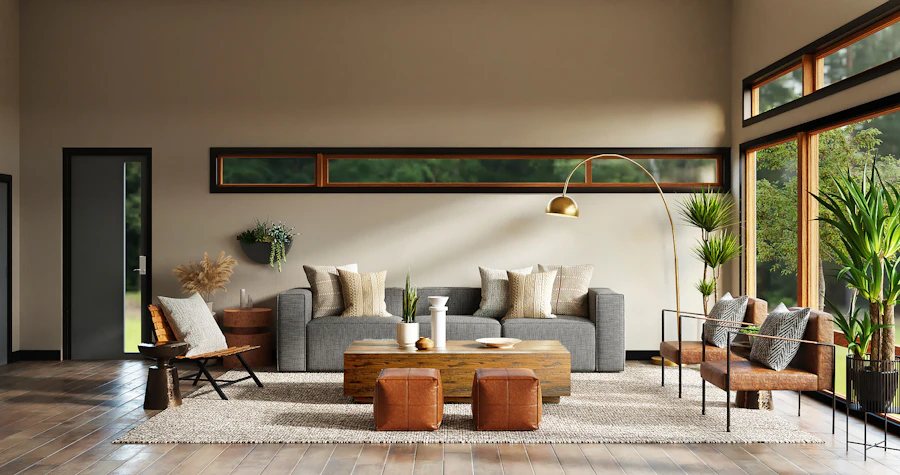
Small living room with neutral colours and modern furniture
More Than Paint

Colour Is Only One Part of Making a Living Room Look Bigger

The most successful small living rooms combine colour with proportion, light and organization.

  • Use a light or visually connected wall palette
  • Keep large furniture appropriately scaled
  • Maintain clear circulation paths
  • Maximise useful natural light
  • Use mirrors where they improve the room’s visual depth
  • Choose floating or integrated storage where appropriate
  • Keep decorative objects intentional
  • Add layered lighting for evening depth
Room Planning

How Colour Changes the Feeling of Different Living Room Elements

01 · WALLS

Walls

Light, coordinated colours can reduce the visual heaviness of walls and create a brighter foundation.

02 · CEILING

Ceiling

A light ceiling can help maintain a sense of vertical openness, particularly in compact rooms.

03 · FURNITURE

Furniture

Sofas and cabinets in lighter or coordinated tones can reduce visual contrast and make the composition feel calmer.

04 · CURTAINS

Curtains

Light curtains that relate to the wall colour can maintain continuity while adding softness.

Smart Design Process

How to Choose the Right Living Room Colour

STEP 01

Study Natural Light

Observe how much daylight enters the room and whether it changes significantly throughout the day.

STEP 02

Check Existing Finishes

Consider flooring, doors, windows, kitchen finishes and furniture before selecting the wall colour.

STEP 03

Select the Base Colour

Choose a warm white, cream, beige, grey or another suitable foundation colour.

STEP 04

Add Controlled Contrast

Introduce darker or stronger tones through cushions, artwork, rugs, furniture or selected feature areas.

STEP 05

Test Before Painting

View colour samples under the actual room’s natural and artificial lighting before finalizing the finish.

STEP 06

Coordinate the Whole Room

Connect the wall colour with furniture, curtains, rugs, lighting, artwork and storage for a complete result.

Avoid These Mistakes

Colours Alone Cannot Fix a Poor Living Room Layout

A light colour can help, but poor furniture placement can still make a living room feel cramped.

  • Avoid oversized sofas in compact rooms
  • Do not block windows with large furniture
  • Avoid too many competing accent colours
  • Do not fill every wall with cabinets
  • Avoid excessive decorative objects
  • Keep main walking routes clear
A spacious-looking living room is created by the relationship between colour, light, scale, storage and circulation.
Delhi NCR Living Rooms

Living Room Colour & Interior Design in Delhi, Gurgaon & Noida

Colour choices should respond to the apartment or home rather than following a generic formula. Natural light, floor area, furniture and the surrounding architecture all matter.

Delhi

Small and medium living rooms can benefit from light palettes, practical furniture, integrated storage and layered lighting.

Living Room Design Delhi →

Noida

Compact Noida apartments can benefit from light colour schemes, multifunctional furniture, floating storage and clear circulation.

Living Room Design Noida →
Frequently Asked Questions

Living Room Colour FAQs

What colors make a living room look bigger?

Light shades such as warm white, cream, light beige and soft grey can help a living room feel brighter and more open, particularly when combined with natural light and an uncluttered layout.

Does white make a living room look bigger?

White can create a brighter and more open appearance by reflecting available light. Warm whites can provide a softer residential feel.

Does beige make a small living room look bigger?

Light beige can help create a visually calm and spacious appearance. It works particularly well when walls, curtains and larger furniture use related tones.

What is the best colour for a small living room?

There is no single best colour for every room. Warm white, cream, light beige, soft grey and pale muted colours are practical options, depending on natural light, furniture and the desired atmosphere.

Do dark colours make a living room look smaller?

Dark colours can make surfaces feel visually heavier when used extensively in a small or poorly lit room. They can still work as controlled accent colours or on selected feature walls.

What else makes a living room look bigger?

Appropriately sized furniture, mirrors, natural light, clear circulation, floating storage, floor-to-ceiling curtains and layered lighting can contribute to a more spacious appearance.

How can I make a small living room look stylish and spacious?

Use a light coordinated palette, proportionate furniture, smart storage, mirrors where appropriate, clear walking routes and layered lighting. Keep decorative elements intentional rather than excessive.

Related Resources

Continue Planning Your Living Room

Explore related Interior A to Z guides for living room layouts, small spaces, colour schemes, furniture and complete residential interiors.

Interior A to Z

Ready to Make Your Living Room Feel Bigger?

Share your living room dimensions, photographs or floor plan, preferred colours and furniture requirements to develop a practical, visually balanced interior.

What colors make a living room look bigger? Read More »

What makes home look cheap?

Here are some upkeep and readorning errors that may make your own home appearance or appear cheap, and the way to keep away from them: Cutting the incorrect corners whilst renovating. Poor paint quality. Unflattering lighting. Skipped window treatments. Wrong-length rugs. Maxima list decor even as advertising and marketing the home.

What makes home look cheap? Read More »

What color is best for a living room?

There isn’t any any one destination this is first-rate for a dwelling room, however, specialists endorse that neutrals and inexperienced tones are the ideal sun sunglasses for each interesting and winding down after a protracted day.

What color is best for a living room? Read More »

What are the advantages and disadvantages of flat?

The first benefit of a flat is that it has a tendency to be much less costly and more secure than a house. With decrease preservation costs, apartments cannot be constructed from scratch however have the benefit of having adorned with higher finishes.

What are the advantages and disadvantages of flat? Read More »

Scroll to Top
Interior A to Z — Premium Footer