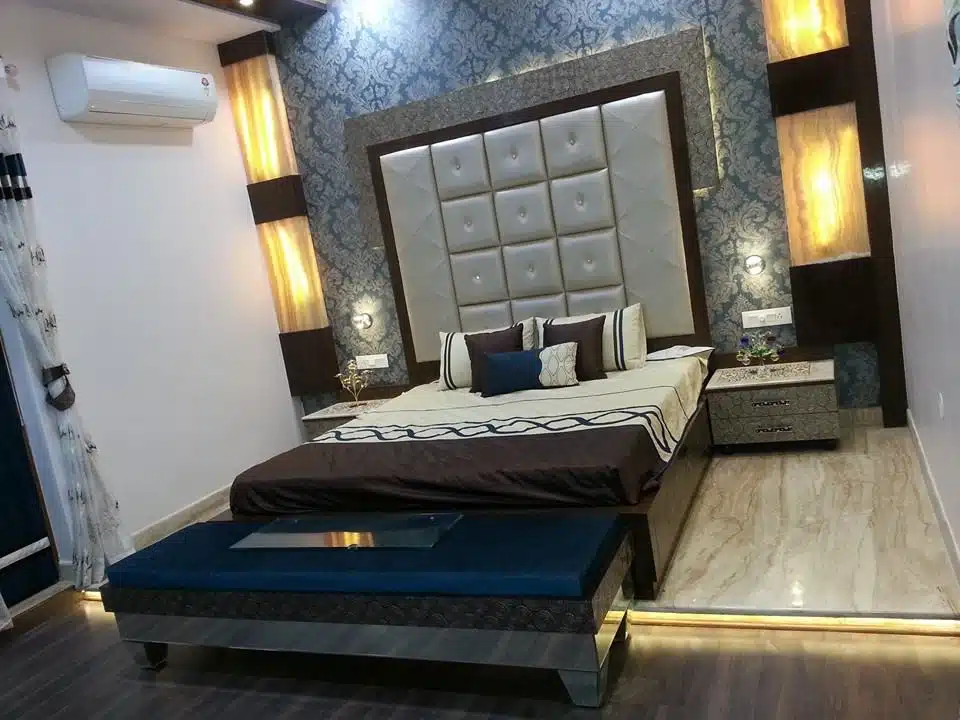
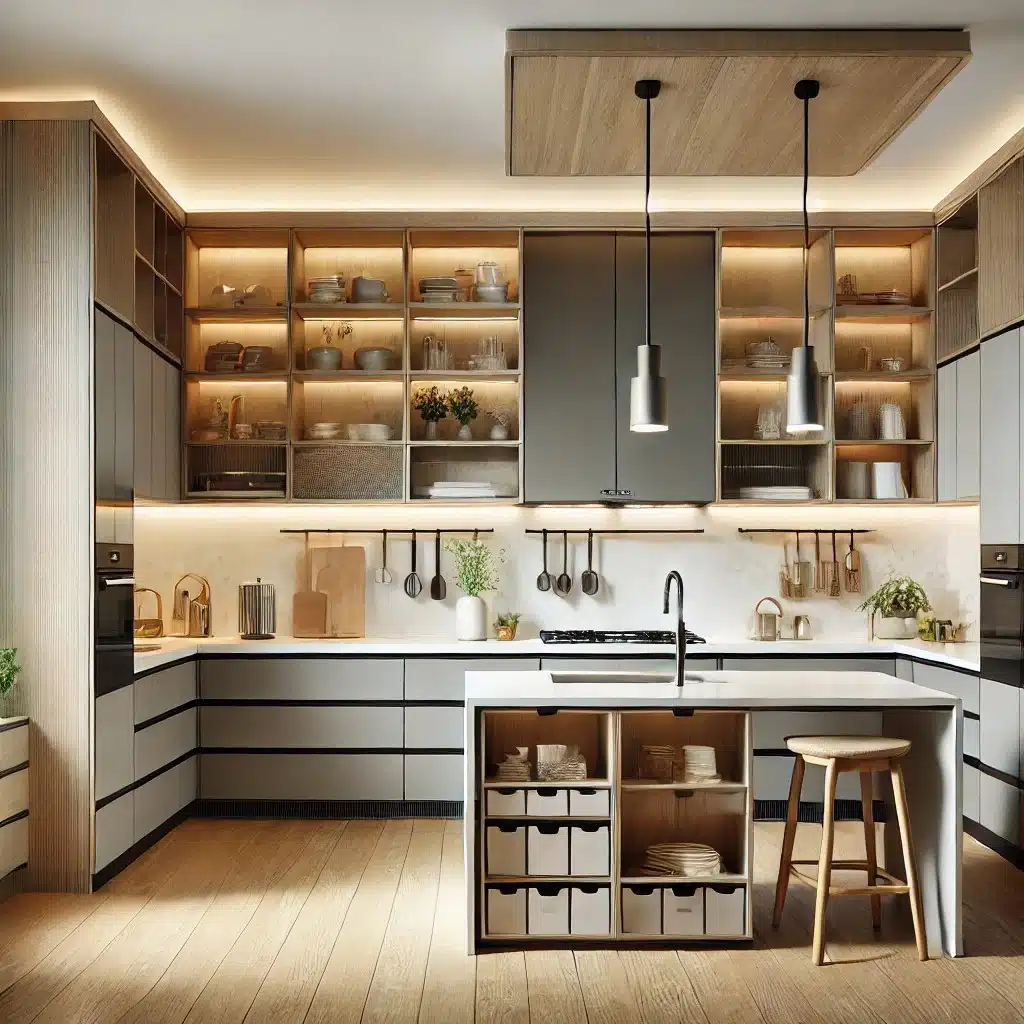
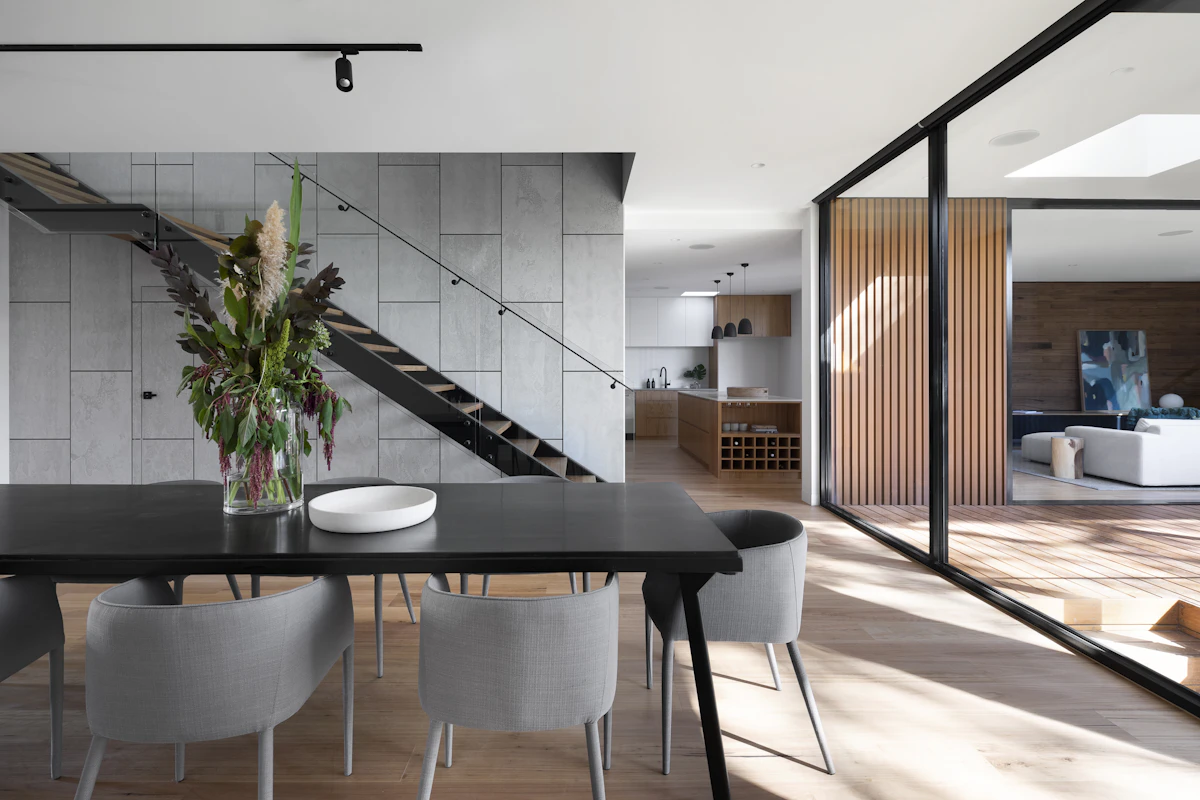
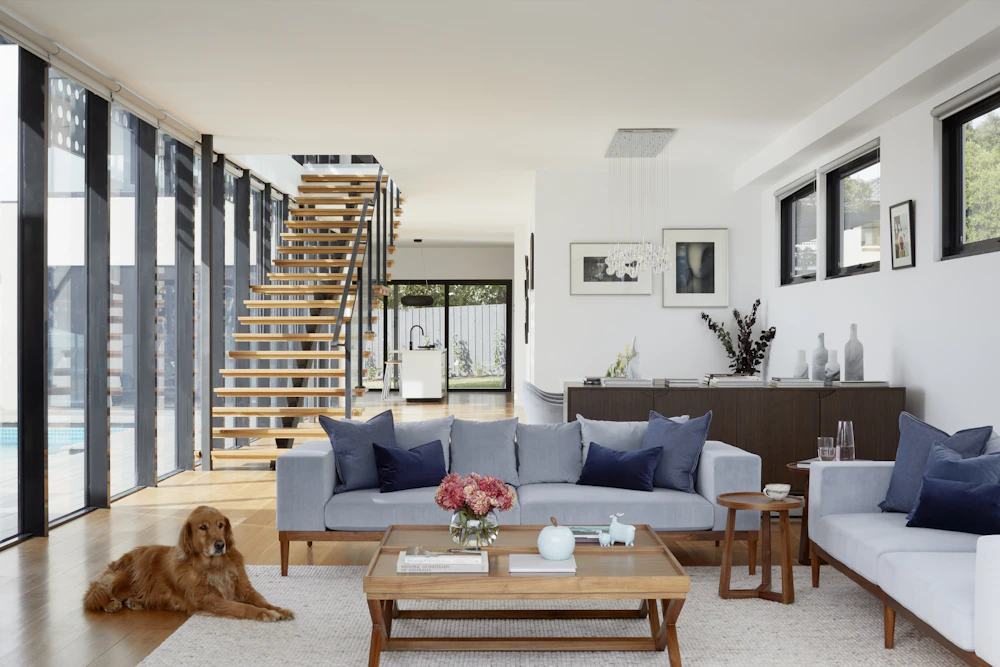
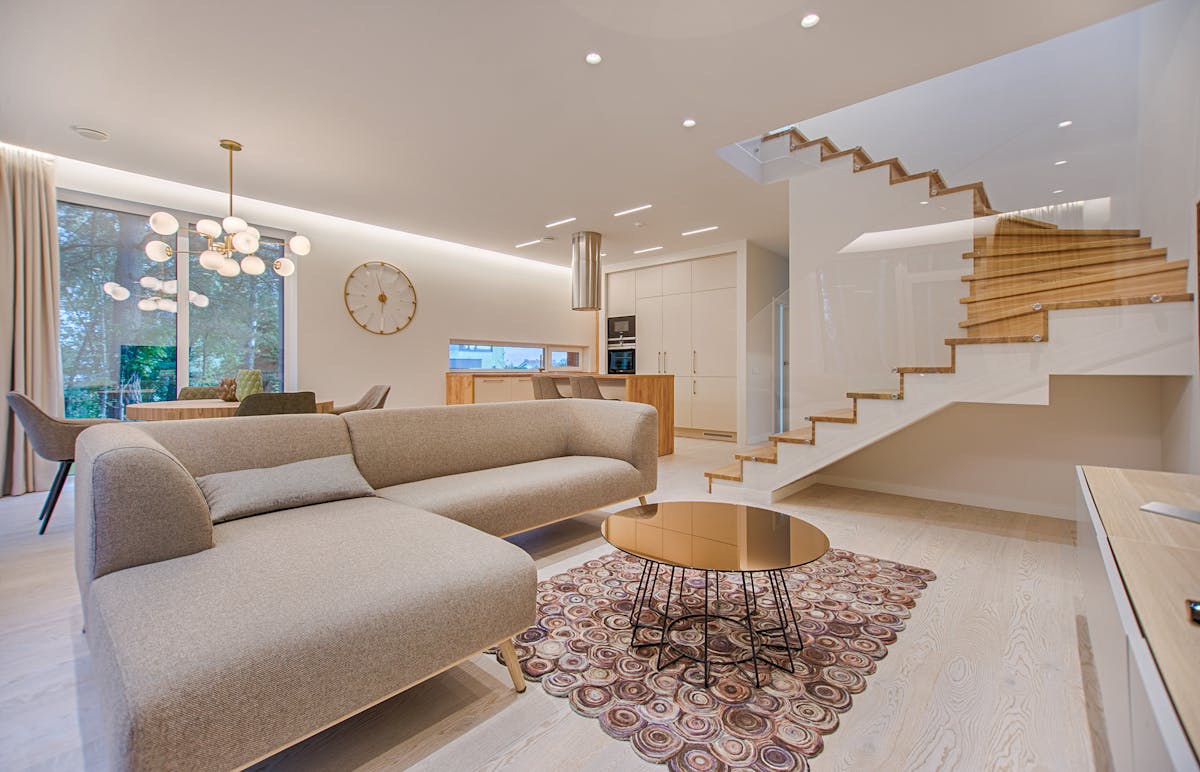
Colors don’t just affect how a room looks—they influence mood, relaxation, and even sleep quality. If you’ve ever wondered, “What color helps you sleep best?”, the answer lies in soothing, calming shades that create a peaceful environment. Whether you’re decorating a bedroom in Delhi NCR, Gurgaon, or Noida, here’s a guide to choosing the right color for restful sleep.
The Best Colors for Sleep
Soft Blue
Blue is widely considered the best color for sleep.
Calms the mind and reduces stress.
Creates a serene, tranquil atmosphere.
Light to mid-tone blues work especially well in bedrooms.
Gentle Green
Green is associated with nature and balance.
Soft sage, olive, or mint shades create a refreshing yet calming space.
Works well with wooden furniture and natural fabrics.
Lavender and Soft Purple
Light lavender or lilac tones are soothing.
Promote relaxation and reduce anxiety.
Add a touch of luxury without being overpowering.
Warm Neutrals
Beige, taupe, ivory, and cream create a cozy, safe environment.
Versatile and timeless.
Easy to pair with soft furnishings and lighting.
Pale Pink or Peach
Subtle pastel pinks and peach tones bring warmth.
Gentle and comforting, ideal for cozy bedrooms.
Best when paired with neutrals to avoid being too sweet.
Colors to Avoid in Bedrooms
Bright Red: Too energizing, increases alertness.
Vibrant Orange: Stimulating and can disturb rest.
Neon Yellow: Cheerful but overly activating for sleep spaces.
Pure White: Feels sterile and may reflect too much light.
Tips for Using Sleep-Friendly Colors
Stick to lighter tones for walls, with deeper shades as accents.
Pair soothing wall colors with soft lighting and cozy textiles.
Use natural elements like wood, linen, or plants to enhance calmness.
Avoid busy patterns or high-contrast combinations that feel chaotic.
Why It Matters in Delhi NCR Homes
In busy urban areas like Delhi, Gurgaon, and Noida, stress and fast-paced lifestyles often affect sleep. Choosing calming bedroom colors can create a restful retreat and improve relaxation after a long day.
Summary
The colors that help you sleep best are soft blues, gentle greens, lavender tones, warm neutrals, and pale pinks. These shades promote calmness, relaxation, and comfort. Avoid overly bright or harsh colors that overstimulate the mind.
Call to Action
Planning a bedroom makeover in Delhi NCR, Gurgaon, or Noida? Choose calming shades that improve your sleep quality—or consult an interior designer to create a soothing, stylish bedroom tailored to your lifestyle.
What Is the Best Shape for a Living Room? | Living Room Layout Guide 2026
LIVING ROOM DESIGN GUIDE 2026
What Is the Best Shape for a Living Room?
Discover the best living room shapes for comfort, functionality, furniture placement, and modern aesthetics including rectangular, square, open-plan, and L-shaped living room layouts.
A rectangular living room is considered the best shape because it offers better furniture arrangement, natural movement flow, balanced layouts, and efficient space utilization for both modern and traditional interiors.
Why Living Room Shape Matters
The shape of a living room directly affects furniture placement, lighting, movement flow, and overall functionality. A well-shaped living room creates a comfortable and visually balanced environment while maximizing available space. Modern homes in Gurgaon, Noida, and Delhi NCR increasingly focus on open and practical living room layouts for better lifestyle experiences.
70%
Homes Prefer Rectangular Layouts
15+
Years Interior Expertise
1000+
Living Rooms Designed
Best Living Room Shapes Explained
Rectangular Living Room
The most practical layout for furniture arrangement, TV placement, and movement flow.
Square Living Room
Creates balanced layouts and symmetrical furniture arrangements.
L-Shaped Living Room
Perfect for open-plan homes with separate entertainment and dining areas.
Open-Plan Living Room
Modern open layouts combine living, dining, and kitchen spaces seamlessly.
Why Rectangular Living Rooms Are Best
Easy furniture arrangement and zoning
Better walking and movement space
Ideal for TV units and entertainment walls
Allows natural lighting distribution
Suitable for both small and large homes
Creates visually spacious interiors
Rectangular layouts are commonly preferred in modern apartments because they support modular furniture, open layouts, and better circulation within the room.
Living Room Shape Comparison
Living Room Shape
Main Advantage
Best For
Rectangular
Efficient furniture placement
Apartments and modern homes
Square
Balanced and symmetrical layouts
Compact homes
L-Shaped
Flexible zoning
Open-plan homes
Open-Plan
Spacious and modern appearance
Luxury interiors
Ideal Living Room Dimensions
Small Living Room
10×12 feet layouts work well with minimalist furniture and smart storage.
Medium Living Room
12×18 feet spaces offer balanced layouts for families and entertainment.
Large Living Room
18×24 feet layouts allow luxury furniture and open-plan designs.
Luxury Living Room
Large open spaces with double-height ceilings create premium interiors.
Best Furniture Layout for Living Rooms
Place sofas facing focal points like TV units or windows
Maintain comfortable walking space around furniture
Use rugs to define seating zones
Add accent chairs for balanced layouts
Use modular furniture for small living rooms
Allow natural light to flow throughout the room
Modern Living Room Design Trends
Minimalist Interiors
Clean layouts with simple furniture and neutral colors.
Open Layouts
Living and dining spaces combined for spacious interiors.
Smart Lighting
Decorative LED lighting improves ambiance and aesthetics.
Luxury Wall Panels
Modern TV walls and textured panels enhance visual appeal.
Modular Furniture
Multifunctional furniture improves flexibility and storage.
Natural Materials
Wood, marble, and textured fabrics create elegant interiors.
Tips to Make Any Living Room Look Better
Use light color palettes for spacious appearance
Add mirrors to reflect light and create depth
Choose furniture proportional to room size
Use layered lighting for better ambiance
Keep layouts clutter-free and functional
Add indoor plants for freshness and warmth
Living Room Interior Design Cost in Delhi NCR
Modern living room interiors in Gurgaon, Noida, and Delhi NCR generally start from ₹1.5 lakhs for basic setups and can exceed ₹10 lakhs for luxury customized interiors depending on furniture, wall treatments, lighting, and décor.
Transform your living room with modern layouts, luxury furniture, smart lighting, and stylish interior design solutions for apartments and villas across Delhi NCR.
When designing or styling a home, the living room takes center stage. Its shape influences not only the aesthetics but also the comfort, functionality, and flow of the entire house. If you’re wondering, “What is the best shape for a living room?”, here’s a guide to help you understand which layouts work best for both apartments and villas in Delhi NCR, Gurgaon, and Noida.
The Ideal Shape: Rectangular Living Rooms
The rectangular shape is often considered the best for living rooms because it offers balance and flexibility.
Easy to divide into zones (seating, entertainment, reading corner).
Allows for natural flow of movement.
Works well with most furniture arrangements.
Ideal for both compact flats and spacious villas.
Square Living Rooms
Square-shaped living rooms are also common.
They create a sense of symmetry and balance.
Furniture must be arranged carefully to avoid crowding.
Best suited for small to medium-sized homes in Noida and Delhi.
L-Shaped Living Rooms
An L-shaped living room provides versatility.
Can separate formal and informal seating.
Ideal for open-plan homes where the living room connects to the dining area.
Popular in modern Gurgaon apartments and villas.
Long or Narrow Living Rooms
While not ideal, narrow rooms can still be functional.
Use smart furniture placement to create zones.
Add mirrors and light colors to make the room feel wider.
Choose multi-purpose furniture to maximize space.
What Makes a Shape “Best”?
The best living room shape is one that balances:
Functionality: Easy movement and seating arrangement.
Proportion: Not too long, too narrow, or too cramped.
Flexibility: Can adapt to changing furniture or décor.
Light and Ventilation: Shape that maximizes natural light feels more welcoming.
Summary
The best shape for a living room is typically rectangular, as it offers balance, flexibility, and comfort. Square and L-shaped layouts are also effective, while long narrow rooms can work with smart design adjustments. Ultimately, the best shape depends on how well it supports seating, movement, and the overall flow of your home.
Call to Action
Planning a new living room layout in Delhi NCR, Gurgaon, or Noida? Choose the shape that maximizes space and comfort—or consult a professional interior designer to optimize your living room for style and functionality.
The easiest way to make your room feel luxurious is to focus
on lighting, proportion, texture, colour, comfort and
visual restraint. Use layered warm lighting, quality
curtains and bedding, a coordinated colour palette, correctly
scaled furniture, an attractive rug and a few carefully
selected accessories. Luxury does not require every item to
be expensive; a cohesive and uncluttered design often creates
a more premium appearance.
The Luxury Formula
Luxury Is About How a Room Feels
A luxurious interior is not simply a collection of expensive
products. It is the result of thoughtful planning, balanced
proportions, beautiful materials, comfortable furniture,
layered lighting and carefully edited details.
10 Proven Ideas
How to Make Your Room Feel Luxurious
Use these interior design principles to create a sophisticated
room without making it look overcrowded or artificial.
01
Layer Your Lighting
Combine ceiling lights, floor lamps, bedside lamps,
wall lights and accent lighting. Warm and dimmable
lighting creates depth and a more refined atmosphere.
02
Choose a Refined Colour Palette
Start with warm white, cream, beige, taupe or soft grey.
Add one or two deeper accent colours rather than mixing
too many competing shades.
03
Upgrade Your Textiles
Velvet, linen, cotton, wool and other tactile materials
can immediately add depth. Layer curtains, cushions,
bedding, throws and rugs for a richer visual experience.
04
Use Statement Furniture
Choose fewer, better-proportioned pieces. An upholstered
bed, sculptural chair, elegant console or refined coffee
table can become the room’s visual anchor.
05
Add a Large Rug
A correctly sized rug helps connect furniture and makes
the room feel complete. Avoid rugs that are too small
for the furniture arrangement.
06
Introduce Mirrors & Artwork
Large artwork and well-positioned mirrors create focal
points while adding character, light and visual depth.
07
Use Metallic Accents
Brass, gold, chrome or matte black can add sophistication
through handles, lamps, frames and small decorative details.
Keep metallic finishes coordinated.
08
Declutter the Room
Luxury benefits from visual breathing space. Remove
unnecessary objects and use concealed or integrated
storage to keep surfaces organised.
09
Improve Small Details
Door handles, switches, curtain hardware, skirting,
cabinetry profiles and lighting controls can dramatically
influence the finished appearance.
10
Add Personal Character
Display meaningful artwork, books, photographs, objects
and accessories. The best luxury rooms feel personal
rather than copied from a showroom.
Designer Approach
Quality Over Quantity Creates Luxury
One of the most effective ways to make a room feel luxurious
is to stop adding unnecessary things. Instead, concentrate
your budget and attention on the elements that have the
greatest visual and functional impact.
Use furniture with the correct scale and proportion.
The same luxury principles can be adapted to bedrooms,
living rooms, dining areas and bathrooms.
Bedroom
Layered bedding, soft lighting and an upholstered focal point.
Living Room
Balanced furniture, statement lighting and curated artwork.
Dining Room
Elegant lighting, comfortable seating and refined finishes.
Bathroom
Premium-looking fittings, lighting and coordinated surfaces.
Smart Luxury
How to Make a Room Look Expensive on a Budget
You do not need to completely renovate your room to create
a more luxurious appearance. Start with high-impact changes.
Lighting
Replace harsh single-source lighting with warm layered
lighting and attractive lamps.
Textiles
Upgrade curtains, cushions, bedding and rugs before
spending heavily on decorative objects.
Decluttering
Remove visual noise and keep only useful or meaningful
decorative pieces on display.
Artwork
One large, well-framed artwork can create more impact
than many small decorative pieces.
Mirrors
A large mirror can increase the perception of space,
reflect light and create a polished focal point.
Hardware
Coordinated handles, knobs, curtain hardware and lighting
details can provide an affordable finishing upgrade.
Delhi NCR Interior Design
Luxury Room Design in Delhi, Gurgaon & Noida
Luxury interiors in Delhi NCR can be adapted to apartments,
builder floors, villas and independent homes. The goal is to
balance elegance with everyday functionality.
Luxury Interiors in Delhi
Create timeless interiors using refined colours,
elegant furniture, layered lighting and personalised
artwork.
Luxury Interiors in Gurgaon
Modern Gurgaon homes often benefit from contemporary
materials, integrated storage, smart lighting and clean
architectural detailing.
Luxury Interiors in Noida
Use thoughtful space planning, premium-looking finishes,
custom furniture and controlled colour palettes to create
a sophisticated Noida home.
Frequently Asked Questions
Luxury Room Design FAQs
How do I make my room feel luxurious?
Focus on layered lighting, refined colours, quality
textiles, appropriately scaled furniture, decluttering,
artwork, mirrors and coordinated finishing details.
Luxury is created through a cohesive combination of
elements rather than one expensive item.
What colours make a room look luxurious?
Warm neutrals such as cream, ivory, beige, taupe and
soft grey provide an elegant base. Deep green, navy,
burgundy, black, brass and gold can be used as controlled
accent colours.
Does lighting make a room look more expensive?
Yes. Layered ambient, task and accent lighting adds
depth and atmosphere. Warm, dimmable lighting generally
creates a softer and more sophisticated environment.
How can I make a room luxurious without spending a lot?
Start with decluttering, improve the lighting, use
coordinated textiles, add a correctly sized rug,
introduce artwork or a large mirror and upgrade a few
visible hardware details.
Can a small bedroom look luxurious?
Absolutely. Use furniture that fits the room, maintain
clear circulation, use a restrained colour palette,
maximise natural light and integrate storage wherever
possible.
Is luxury interior design always expensive?
No. Luxury is strongly influenced by planning, proportion,
material coordination, lighting, comfort and visual
restraint. Strategic upgrades can produce a premium
appearance without replacing everything in the room.
Interior A to Z
Ready to Make Your Room Feel Luxurious?
Get professional guidance for your bedroom, living room or
complete home interior. Create a space that looks sophisticated,
feels comfortable and reflects your personality.
Green, grey, and blue are the maximum famous dwelling room hues for 2023. New seek information evaluation determined that we’re making bolder selections in our dwelling spaces, embracing brilliant and wealthy shades, in addition to a few extra surprising hues.
Color trends for living rooms are shifting in 2025, moving away from cold greys and stark whites toward warmer, richer, and more expressive tones. If you’re wondering, “What is the new color for living rooms?”, the answer isn’t just one shade—it’s a palette of modern, earthy, and mood-enhancing colors that bring warmth and style to homes in Delhi NCR, Gurgaon, and Noida.
The Top Living Room Colors for 2025
Soft Olive Green and Sage
Green is dominating living room palettes this year. Soft olive and muted sage connect interiors with nature, creating calm and balance—perfect for urban apartments.
Warm Beige and Clay Tones
Earthy neutrals like beige, taupe, and clay are replacing stark greys. These tones bring warmth and elegance while pairing easily with wood furniture and metallic accents.
Jewel Tones for Accent Walls
Deep emerald, sapphire blue, and burgundy are trending for bold accents. They add depth and richness without overwhelming the entire room.
Mushroom Grey and Warm Neutrals
Cool greys are fading, replaced by mushroom grey and greys with beige undertones. These moody neutrals feel softer and more welcoming.
Textured Finishes
Color isn’t just flat anymore. Textured paints and matte finishes are being combined with warm hues to give living rooms a layered, luxurious look.
How to Use These Colors in Your Living Room
Paint all walls in a warm neutral like clay beige, and highlight one wall with a jewel tone.
Pair olive green walls with light wood and brass accents.
Use textured finishes behind the TV unit or sofa for depth.
Complement wall colors with rugs, cushions, and curtains in coordinating shades.
Why These Colors Work in Indian Homes
In Delhi NCR, Gurgaon, and Noida, living rooms often double as both entertainment zones and family spaces. The new earthy and warm shades:
Reflect natural light better in compact apartments.
Make large villa spaces feel cozy and welcoming.
Offer flexibility for pairing with traditional or modern furniture.
Summary
The new colors for living rooms in 2025 include soft olive green, muted sage, warm clay beige, mushroom grey, and bold jewel tones for accents. These shades create stylish, comfortable, and timeless interiors—perfect for both apartments and villas.
Call to Action
Planning a living room makeover in Delhi NCR, Gurgaon, or Noida? Choose from these trending shades to keep your interiors fresh and modern—or consult a professional interior designer for the perfect color palette for your home.
Here are a few clean approaches you could take your bed room wall readorning to the subsequent level. Paint (or wallpaper) the wall a rich, colourful color. … Hang a patterned rug. Add a wall mural. Create a gallery wall. … Hang a room divider. Hang a horizontal portray or mirror. … Hang a chain of wall artwork horizontally.
Bedroom walls are more than just surfaces—they set the tone for relaxation, style, and personality. If you’re wondering, “What to put on a bedroom wall?”, there are plenty of options, from art to textures, that can transform a plain room into a cozy retreat. Whether it’s a flat in Noida, a villa in Gurgaon, or an apartment in Delhi NCR, here are stylish ideas to decorate your bedroom walls.
1. Artwork and Paintings
Large canvas art adds elegance and character.
Choose calming colors and abstract themes for bedrooms.
A gallery wall with smaller frames can showcase memories or favorite prints.
2. Mirrors
Decorative mirrors make rooms feel bigger and brighter.
Choose framed mirrors for a classic look or sleek designs for modern interiors.
Place opposite a window to reflect natural light.
3. Accent Walls
Create a feature wall with textured paint, wallpaper, or wooden panels.
Use subtle patterns for a cozy feel or bold textures for a luxury vibe.
In Delhi NCR apartments, accent walls make small rooms stand out.
4. Shelves and Storage
Floating shelves for books, plants, or décor items.
Wall-mounted storage doubles as both functional and decorative.
Ideal for compact bedrooms in Noida where space-saving is key.
5. Tapestries or Fabric Art
Fabric wall hangings add warmth and texture.
Works well in boho, rustic, or cozy bedroom designs.
6. Wall Clocks and Sculptures
Minimalist clocks or metallic wall sculptures add a classy touch.
Best used on walls without heavy furniture.
7. Photographs and Personal Memories
Family photos in elegant frames.
A curated photo wall tells your personal story.
Mix black-and-white frames for a timeless effect.
8. Lighting Fixtures
Wall sconces, LED strips, or backlit panels add ambiance.
Decorative lights serve as both functional and aesthetic elements.
9. Plants and Greenery
Wall-mounted planters bring freshness into bedrooms.
Ideal for adding a natural touch in urban homes.
Styling Tips for Bedroom Walls
Keep balance: Don’t overcrowd every wall.
Match wall décor with color palette and furniture.
Focus on one main feature wall and keep others subtle.
Use warm lighting to highlight wall elements.
Summary
If you’re asking, “What to put on a bedroom wall?”, options include artwork, mirrors, accent walls, floating shelves, fabric art, clocks, personal photos, decorative lighting, and wall-mounted plants. The key is balance—choose items that enhance relaxation while reflecting your personality.
When it comes to bedroom décor, walls play a huge role in setting the mood and style of the space. If you’ve been wondering what to put on a bedroom wall, the good news is that there are plenty of creative and practical options. The right wall décor can make your bedroom feel cozy, elegant, or even luxurious without requiring a complete makeover.
Artwork and paintings are always a popular choice. A large canvas or abstract piece can act as a focal point, while a gallery of smaller frames can bring a personal touch to the space. If you want something functional as well as decorative, mirrors are excellent. They make rooms look bigger and reflect natural light, which is especially useful in apartments in Delhi NCR where space may be limited.
Accent walls are another way to add depth. Textured paint, wallpaper, or wooden panels can instantly transform a plain room. If space is a concern, floating shelves are both stylish and practical—they can hold books, plants, or decorative items while keeping the room uncluttered. Tapestries and fabric hangings bring warmth and texture, perfect for bohemian or rustic styles, while minimalist clocks or wall sculptures add sophistication.
For a personal touch, framed family photographs or curated photo walls are simple yet impactful. Lighting can also become part of your wall décor; sconces, LED strips, or backlit panels create ambiance while highlighting design features. Finally, greenery is always a winner. Wall-mounted planters or vertical gardens bring freshness into the room and soften the overall look.
The key is to avoid overcrowding every wall. Focus on one main feature and let the others remain subtle. By mixing elements like artwork, mirrors, accent walls, shelves, or greenery, you can create a balanced and stylish bedroom that reflects your personality. Whether in Gurgaon, Noida, or Delhi, these wall décor ideas will help you turn your bedroom into a restful and beautiful sanctuary.
Call to Action
Planning a bedroom makeover in Delhi NCR, Gurgaon, or Noida? Start by transforming your walls with these ideas—or consult a professional interior designer to create a stylish, restful sanctuary.
Choosing the right color for a bedroom is essential because it affects mood, sleep quality, and overall comfort. While personal taste plays a role, certain shades are universally better for creating a restful atmosphere. If you’re wondering, “What is the best color to decorate a bedroom?”, here’s a guide with expert-backed suggestions.
Why Bedroom Color Matters
Bedrooms are personal sanctuaries for rest and relaxation. Colors can:
Influence emotions and energy levels.
Make a room feel larger, cozier, or brighter.
Set the overall style—modern, minimal, luxury, or traditional.
Best Colors for Bedrooms
1. Soft Blues
Known for their calming effect.
Reduce stress and promote better sleep.
Work beautifully with white, beige, or grey accents.
2. Gentle Greens
Associated with nature and freshness.
Create balance and harmony.
Perfect for urban homes in Delhi NCR, Gurgaon, and Noida where greenery may be limited.
3. Warm Neutrals
Shades of beige, taupe, cream, and light grey.
Timeless, versatile, and cozy.
Easy to pair with wooden furniture and soft furnishings.
4. Lavender or Soft Purple
Relaxing and slightly luxurious.
Works well for both modern and classic interiors.
5. Pale Pink or Peach
Subtle tones that feel warm and inviting.
Great for bedrooms needing a touch of softness without overpowering.
6. Off-White or Cream
Keeps bedrooms bright and spacious.
Best combined with textured fabrics or accent décor to avoid looking plain.
Colors to Avoid in Bedrooms
Bright Red or Neon Orange: Too stimulating, can disturb sleep.
Strong Yellow: Overly energizing.
Dark Brown or Black (in excess): Can make the room feel heavy or gloomy.
Styling Tips With Bedroom Colors
Pair wall colors with matching curtains and bedding.
Use accent walls for bolder shades while keeping others neutral.
Add layered lighting to enhance the mood.
Incorporate textures (rugs, cushions, throws) to add depth.
Summary
The best colors to decorate a bedroom are soft, calming shades like blue, green, lavender, warm neutrals, or off-white. These tones promote relaxation and create a cozy, inviting environment—ideal for restful nights. Avoid overly bright or harsh colors that may overstimulate.
Call to Action
Planning a bedroom makeover in Delhi NCR, Gurgaon, or Noida? Choose soothing bedroom colors and pair them with smart lighting and décor for the perfect retreat. For a personalized touch, consult a professional interior designer.
The exceptional bed room hues we might propose to make you satisfied are yellow, blue, green, and pastel sun sunglasses consisting of lilac. But remember, do not pass overboard or you’ll be too satisfied to sleep!
An expensive-looking house is not necessarily filled with expensive products.
The strongest interiors usually come from good proportions, coordinated materials,
sophisticated lighting, comfortable furniture, integrated storage and visual restraint.
A sophisticated home has visual consistency. Furniture relates to the scale
of the room, materials complement one another, lighting highlights important
areas and storage keeps everyday clutter under control.
Current Interior A to Z luxury guidance similarly places emphasis on proportion,
quality materials, custom furniture, layered lighting, visual restraint and
personal character rather than simply adding expensive objects. :contentReference[oaicite:0]{index=0}
15 Design Principles
What Makes a Home Look More Expensive?
These are the elements that generally have the greatest visual impact.
They can be introduced gradually rather than all at once.
01
Good Furniture Proportions
Furniture should suit the room. Oversized pieces can make a space feel
crowded, while undersized furniture can make a large room feel unfinished.
02
Layered Lighting
Combine ambient, task, accent and decorative lighting instead of relying
on one ceiling fixture.
03
Coordinated Materials
Repeat a controlled combination of wood, stone, metal, glass and textiles
rather than using a different finish on every surface.
04
Custom-Looking Furniture
Built-in and bespoke pieces can look more architectural because their
dimensions respond directly to the room.
05
Concealed Storage
Integrated storage helps keep everyday objects organised while allowing
important walls and architectural details to remain visually clean.
06
A Restrained Colour Palette
A smaller number of coordinated colours can create a calmer and more
sophisticated appearance than too many unrelated shades.
07
Quality-Looking Hardware
Handles, hinges, drawer systems, switches and other frequently touched
details can influence how cabinetry feels and performs.
08
Statement Artwork
One strong artwork or carefully selected collection can give a room
personality without filling every wall.
09
Elegant Curtains
Properly proportioned curtains with suitable fabric and installation can
make windows and rooms feel more finished.
10
Natural Materials
Wood, stone, linen, cotton and other natural-looking textures can add
depth and warmth to an otherwise simple interior.
11
Architectural Wall Details
Fluted panels, mouldings, stone, textured surfaces or carefully designed
feature walls can give architecture more visual depth.
12
Clear Sightlines
Good circulation and an organised visual axis can make a home feel more
spacious and intentionally designed.
13
Comfortable Upholstery
Sofas, dining chairs, beds and accent seating should look inviting as
well as refined.
14
Fewer, Better Accessories
A curated selection of lamps, books, ceramics, mirrors, rugs and decorative
objects can look more deliberate than excessive styling.
15
Personal Character
Artwork, collections, furniture and details that reflect the homeowner
make the interior feel designed rather than simply decorated.
The Biggest Upgrade
Improve Proportion Before Buying More Decor
A room can look expensive with relatively simple finishes when the furniture,
rugs, artwork, curtains and lighting are correctly scaled.
Start with the room dimensions, circulation and main furniture. Then add
decorative elements only where they strengthen the composition.
Correct sofa scale
Appropriate rug size
Balanced wall proportions
Comfortable circulation
Well-positioned lighting
Controlled decoration
Materials
Choose Materials for Depth, Not Just Price
Expensive-looking interiors do not require the most expensive material
everywhere. Material quality matters, but coordination, application,
maintenance and proportion matter too.
Material
Where It Works
How to Use It Well
Natural Stone
Feature walls, countertops, floors and selected architectural details
Use selectively so it remains a focal element
Wood / Veneer
Furniture, wardrobes, wall panels and cabinetry
Repeat related tones for continuity
Glass
Partitions, cabinets and decorative features
Use to introduce lightness and reflection
Metal
Handles, lighting, furniture details and accents
Repeat one or two finishes rather than mixing too many
Textiles
Curtains, rugs, upholstery and cushions
Layer texture and softness to balance hard surfaces
Premium Laminates
Cabinetry, wardrobes and furniture
Select finishes that coordinate with the architectural palette
Colour & Styling
Use Fewer Colours With Better Relationships
A refined palette can begin with a warm neutral and then introduce one or
two supporting colours through furniture, artwork, rugs and accessories.
Warm ivory, beige, taupe, natural wood, muted green, deep blue and earthy
tones can all work well when their undertones and proportions are coordinated.
The objective is not to make every room beige. The objective is to create
a visual relationship between the major surfaces and the smaller details.
Room by Room
How to Create an Expensive-Looking Home
Room
High-Impact Elements
Common Mistake
Living Room
Furniture scale, rug, lighting, artwork, TV wall and curtains
Too much furniture or too many competing finishes
Bedroom
Headboard, bedside lighting, curtains, textiles and wardrobes
Harsh lighting and unrelated furniture styles
Kitchen
Cabinet proportions, hardware, countertop, backsplash and lighting
Too many visible appliances and inconsistent finishes
Dining Room
Table proportions, comfortable chairs, pendant lighting and artwork
Incorrect light height or oversized furniture
Bathroom
Large-format surfaces, vanity, mirror, lighting and concealed storage
Too many patterns and poorly planned storage
Entryway
Console, mirror, lighting, storage and one strong decorative detail
Clutter immediately visible at the entrance
Small Budget, Better Result
How to Make a House Look Expensive Without Overspending
You do not need to upgrade everything. Prioritise the elements that occupy
the most visual space or that you interact with every day.
Improve Lighting
Add appropriate task, ambient and accent lighting before buying additional décor.
Upgrade Curtains
Proper length, fullness and installation can make windows look more finished.
Declutter Storage
Remove unnecessary visual noise and organise everyday belongings.
Use Better Hardware
Updating selected handles, knobs and visible fittings can refresh cabinetry.
Buy One Strong Piece
A good artwork, mirror, chair or light can create more impact than many small objects.
Keep Finishes Consistent
Repeat related materials and metal finishes so the room feels intentionally designed.
Luxury Without Excess
Why Visual Restraint Matters
The most refined interiors often allow a few important elements to stand out.
Too many feature walls, colours, metallic finishes or decorative objects can
weaken the visual hierarchy.
Current luxury-interior guidance from Interior A to Z similarly emphasises
coordinated materials, appropriate proportions, custom details, layered lighting
and restraint. :contentReference[oaicite:1]{index=1}
Visual Inspiration
Let a Few Details Create the Impression
Delhi NCR Homes
Make Your Home Look Refined in Delhi, Gurgaon or Noida
Apartments, builder floors, villas and independent houses can all achieve
a sophisticated appearance. The design should respond to the property’s
proportions, natural light, storage requirements and the lifestyle of the household.
For Delhi NCR homes, a practical luxury approach can combine custom furniture,
integrated storage, premium-looking materials, layered lighting and a coordinated
design language across rooms.
Good proportions, coordinated materials, layered lighting, custom-looking
furniture, integrated storage, quality finishes, restrained decoration
and thoughtful styling can create a refined appearance.
How can I make my house look expensive on a normal budget?
Prioritise lighting, furniture proportions, paint, curtains, storage,
hardware and a small number of strong decorative features instead of
upgrading every surface.
Does expensive-looking interior design require marble?
No. Wood, veneer, stone, glass, metal, textiles, refined laminates and
well-coordinated painted finishes can also create a sophisticated interior.
What colours make a house look expensive?
Warm neutrals, ivory, beige, taupe, muted greens, deep blues and selected
earthy colours can create a refined palette when coordinated with the room.
Does lighting make a house look more expensive?
Yes. Ambient, task, accent and decorative lighting can create depth,
highlight selected details and make the interior feel more considered.
How can I make a small house look luxurious?
Focus on proportion, storage, clear circulation, a controlled colour
palette, appropriate lighting and a small number of high-impact materials
or decorative features.
Interior A to Z
Create a Home That Feels Refined and Personal
Good luxury design starts with the property, lifestyle and proportions.
Build the look through thoughtful planning, materials, furniture, lighting and details.
There is no single colour that is universally wrong for every bedroom.
However, very bright, highly saturated or visually stimulating colours can
feel too intense when used across large surfaces. The better approach is to
consider natural light, room size, furniture, lighting and the atmosphere
you want to create.
A bedroom colour should work with the room’s natural light, proportions,
furniture, flooring, textiles and lighting. Interior A to Z’s current bedroom
guidance recommends calm palettes such as warm neutrals, muted blues,
gentle greens and earthy tones, while also allowing deeper colours as
controlled accents.
The same colour can look completely different in two bedrooms. A strong
colour that feels overwhelming on four walls may work beautifully on a
headboard, one feature wall, artwork, cushions or other smaller details.
Use With Care
10 Bedroom Colours That Can Become Overwhelming When Overused
These colours are not automatically wrong. The concern is mainly their
intensity, amount and relationship with the rest of the room.
01
Bright Red
Saturated red has a strong visual presence. Instead of covering the
entire bedroom, consider muted red, terracotta or a small accent.
02
Neon Yellow
Very bright yellow can feel visually intense. Soft yellow, warm cream
or muted ochre can provide warmth more gently.
03
Neon Green
Highly saturated green can dominate a bedroom. Sage, olive or muted
green can introduce a natural colour with less intensity.
04
Electric Blue
Strong blue can become the dominant visual element. Dusty blue,
blue-grey or muted navy can provide more controlled depth.
05
Bright Orange
Intense orange can feel energetic across large surfaces. Terracotta
or burnt orange can create warmth with more restraint.
06
Hot Pink
Highly saturated pink can dominate the room. Blush, dusty rose or
muted pink can provide colour more softly.
07
Bright Purple
Strong purple can become visually demanding. Lavender, mauve or
dusty plum can create a quieter interpretation.
08
Pure Black Everywhere
Black can be elegant, but covering every major surface may make some
bedrooms feel visually heavy. Use it selectively with texture and light.
09
Very Harsh White
Pure bright white is not automatically wrong, but it can feel stark
in some bedrooms. Warm white or ivory can create a softer backdrop.
10
Too Many Strong Colours
Several saturated colours can compete with one another. A controlled
palette usually creates a more balanced bedroom.
Think About the Whole Room
Colour Should Work With Light, Furniture and Texture
Paint should never be selected in isolation. Flooring, wardrobes,
curtains, bed upholstery, bedding and artificial lighting all influence
how a bedroom colour appears.
A restrained colour scheme can still have plenty of character when
texture, natural materials and carefully selected accent colours are
introduced.
Check natural daylight
Consider room size
Match flooring and furniture
Test paint before finalising
Check the evening lighting
Use strong colours selectively
Colour Comparison
Strong Colour vs. Softer Alternative
Strong Colour
Possible Issue When Overused
Softer Alternative
Better Use
Bright Red
Can dominate the room visually
Terracotta or muted red
Accent wall, artwork or accessories
Neon Yellow
Can feel visually intense
Soft yellow or ochre
Small accents or selected wall
Electric Blue
Can overpower a calm palette
Dusty blue or blue-grey
Feature wall or textiles
Bright Orange
Can create too much visual energy
Terracotta or burnt orange
Cushions, artwork or accessories
Hot Pink
Can become the dominant feature
Blush or dusty rose
Bedding, cushions or artwork
Deep Black
Can feel heavy in some rooms
Charcoal or deep grey
Furniture, trim or selected wall
Calmer Bedroom Palettes
Colours That Are Easy to Build a Restful Bedroom Around
Warm neutrals, muted greens, soft blues, earthy tones and warm whites
provide flexible foundations for bedrooms. Current Interior A to Z
bedroom guidance also emphasises restrained colours, texture, proportion
and layered lighting.
Warm white
Ivory
Beige
Taupe
Soft grey
Muted sage
Dusty blue
Earthy green
Small Bedrooms
Which Colours Should You Use Carefully in a Small Bedroom?
A small bedroom does not require only white walls. The key is controlling
visual weight. Very dark or highly saturated colours can dominate when
used across several large surfaces, while lighter or muted tones can
create a quieter backdrop.
Keep the Base Calm
Warm white, ivory, beige or soft greige can provide a flexible backdrop
for stronger furniture and decorative elements.
Use Strong Colours as Accents
Try a stronger colour on artwork, cushions, bedding, a chair or one
carefully selected feature wall.
Control Contrast
Too many strong contrasts can make a compact bedroom feel visually busy.
Repeat a small number of related colours.
Choose Furniture Carefully
Colour cannot compensate for oversized furniture. Plan the bed,
wardrobe and circulation before finalising decoration.
Use Vertical Elements
Full-height wardrobes, curtains and selected vertical wall details can
help make the room feel more visually organised.
Test the Colour
Always view a sample under both daylight and artificial lighting before
committing to a large painted surface.
Lighting Matters
The Right Colour Can Still Look Wrong Under Poor Lighting
Lighting changes how paint, fabrics and furniture colours are perceived.
A bedroom therefore benefits from a layered lighting plan rather than
relying on one central light source.
01
Ambient Lighting
Provides general illumination for the room. Keep it comfortable rather
than excessively harsh.
02
Bedside Lighting
Table lamps or wall lights provide focused light for reading and
everyday bedside activities.
03
Accent Lighting
Concealed or decorative lighting can highlight a headboard, wall
treatment, niche or architectural detail.
Simple Colour Formula
Use One Main Colour, One Supporting Tone and One Accent
A simple colour hierarchy can help prevent a bedroom from becoming
visually crowded.
60%
Dominant Colour
Use a calm neutral or restrained shade across major surfaces such
as walls, larger furniture or curtains.
30%
Supporting Colour
Introduce a related tone through furniture, bedding, rugs or a
selected feature wall.
10%
Accent Colour
Use a stronger colour through artwork, cushions, accessories,
bedding or a small furniture piece.
Common Mistakes
Bedroom Colour Mistakes to Avoid
Choosing Colour From a Tiny Swatch
A colour can appear different across an entire wall. Test a larger
sample before making the final decision.
Ignoring Natural Light
Consider whether the room receives strong daylight, limited daylight
or mainly artificial light.
Using Too Many Strong Colours
Several saturated colours can compete with one another and create
unnecessary visual activity.
Matching Everything Exactly
A bedroom needs variation in texture and tone. Perfectly matching
every item can make the room feel flat.
Forgetting Furniture Finishes
Wall colour should coordinate with wardrobes, bed, flooring, curtains
and other large surfaces.
Using Harsh Lighting
Even a calm palette can feel uncomfortable under excessively bright
or poorly distributed lighting.
Visual Inspiration
Calm Colours Can Still Create a Beautiful Bedroom
Delhi NCR Bedrooms
Choosing Bedroom Colours for Delhi, Gurgaon and Noida Homes
For apartments, builder floors and larger homes across Delhi NCR, bedroom
colour should be selected together with the actual room dimensions, daylight,
flooring, wardrobe finish, furniture and lighting.
In compact bedrooms, lighter visual masses, proportionate furniture,
efficient storage and clear circulation can work particularly well with
a restrained colour palette.
There is no universally bad bedroom colour. Very bright or highly
saturated colours may feel too intense when used across large surfaces.
The best choice depends on the room, lighting and personal preference.
Is red a bad colour for a bedroom?
Saturated red has a strong visual presence. If you like red, consider
terracotta, muted red or a smaller red accent rather than covering
every wall.
Are dark colours bad for bedrooms?
No. Deep navy, charcoal, forest green and other dark colours can work
well when balanced with lighting, texture, furniture and room proportions.
What colours are calming for a bedroom?
Warm white, ivory, beige, taupe, soft blue, muted green, soft grey and
earthy tones are versatile choices for a calm bedroom.
Should bright colours be avoided completely?
No. Strong colours can work effectively as accents through artwork,
cushions, bedding, a chair or one carefully selected feature wall.
How should I choose a bedroom wall colour?
Consider natural light, room size, flooring, wardrobes, furniture,
curtains and evening lighting. Test the colour in the actual room
before finalising it.
Interior A to Z
Create a Bedroom That Feels Calm and Personal
Choose the colour around your room’s light, proportions, furniture and
lifestyle rather than following a one-colour-fits-all rule.
How Do I Beautify My Living Room? 15 Stunning IdeasLiving Room Design Guide · Delhi NCR
How Do I Beautify My Living Room?
Create a living room that feels elegant, comfortable and personal with
smart furniture planning, balanced colours, layered lighting, beautiful
walls, practical storage and carefully selected décor.
The easiest way to beautify a living room is to improve the space in
layers rather than buying more decoration. Begin with the furniture
layout, then establish a coordinated colour palette, improve lighting,
create a focal wall, add useful storage and finish with textiles,
artwork and accessories.
A beautiful living room should not only look attractive. It should
also provide comfortable seating, clear movement, practical storage
and lighting that works during both daytime and evening.
15 Practical Ideas
Beautiful Living Room Ideas That Make a Real Difference
Instead of filling the room with decorative objects, focus on the
elements that have the greatest visual and functional impact.
01
Start With the Furniture Layout
Arrange the sofa, chairs and coffee table around conversation,
television viewing and natural movement. A good layout instantly
makes a room feel more spacious.
02
Choose the Right Sofa
Select a sofa that matches the room’s proportions. Oversized
furniture can make a compact room feel crowded, while undersized
furniture can make a large room feel unfinished.
03
Create a Focal Point
Give the eye one primary destination. A TV wall, artwork, textured
wall, architectural feature or statement furniture piece can become
the room’s visual anchor.
04
Design an Elegant TV Wall
Combine the television with concealed wiring, storage, display
niches and a restrained wall treatment instead of treating the TV
as an isolated object.
05
Use a Layered Colour Palette
Build the room around two or three coordinated base colours, then
introduce contrast through cushions, artwork, rugs or selected
furniture.
06
Improve the Lighting
Combine general illumination with accent and decorative lighting.
Multiple light sources create more depth than one bright ceiling
fixture.
07
Add Soft Textures
Rugs, curtains, cushions and upholstery soften hard surfaces and
make the living room feel warmer and more comfortable.
08
Use Curtains Correctly
Full-height curtains can visually increase ceiling height. Choose
fabric, colour and fullness according to the room’s architecture
and natural light.
09
Add a Well-Proportioned Rug
A rug can visually connect seating pieces and define the living
zone, particularly in open-plan apartments.
10
Introduce Greenery
Indoor plants can add colour and natural texture. Select plants
according to available sunlight and the amount of maintenance you
prefer.
11
Keep Storage Beautiful
Closed cabinets, consoles and integrated storage help hide everyday
clutter while keeping important items accessible.
12
Style the Coffee Table
Keep coffee-table styling simple. A tray, books, a small plant or
one decorative object can create a polished appearance without
visual clutter.
13
Use Artwork Strategically
Choose artwork according to the size of the wall and surrounding
furniture. One large piece can often have more impact than many
small unrelated frames.
14
Coordinate Materials
Repeat selected finishes across furniture, wall treatments, metal
details and accessories to create a more intentional interior.
15
Remove Visual Clutter
Beauty often comes from editing. Keep frequently used objects
organized and allow important furniture, artwork and architectural
details enough visual space.
Colour + Proportion
Make Your Living Room Look More Expensive With Better Proportion
A luxurious living room is not necessarily created by using expensive
materials everywhere. Proportion, repetition and visual balance often
have a stronger effect on how the space feels.
Match furniture scale to room size.
Keep a consistent base colour palette.
Repeat selected materials across the room.
Use contrast at important focal points.
Avoid overcrowding walls and surfaces.
Keep storage visually integrated.
Lighting
Use Three Layers of Living Room Lighting
Lighting can dramatically change the atmosphere of a living room.
Instead of depending on one ceiling light, combine different sources
for flexibility.
Ambient Lighting
Provides general illumination through ceiling lights, recessed
fixtures or other broad sources.
Pendant lights, floor lamps and table lamps can add character while
providing useful localized illumination.
Warm Evening Lighting
A warmer evening lighting scheme can make a living room feel calmer
and more inviting after sunset.
Small Living Room
How Do I Beautify a Small Living Room?
Small living rooms require more attention to proportion and circulation.
The goal is not to make every surface decorative but to make every
element work harder.
Choose compact, correctly scaled seating.
Use wall-mounted or integrated storage.
Keep the floor visually open.
Use mirrors selectively to reflect light.
Choose a restrained colour palette.
Use one strong focal feature instead of many.
For apartments in Gurgaon, Noida and Delhi NCR, this approach is
particularly useful where living rooms need to accommodate seating,
television, storage and circulation within a limited footprint.
Choose Your Look
Which Living Room Style Should You Choose?
The right style depends on the architecture of the home, lifestyle,
maintenance requirements and personal preference.
Modern Living Room
Clean furniture, simple geometry, practical storage and carefully
selected finishes create a contemporary appearance.
Minimalist Living Room
A limited colour palette, uncluttered surfaces and functional
furniture create a calm and spacious environment.
Luxury Living Room
Premium materials, custom furniture, detailed lighting and carefully
controlled decorative elements can create a more sophisticated look.
Warm Contemporary Living Room
Natural textures, warm neutrals, comfortable furniture and soft
lighting create an inviting modern atmosphere.
Common Mistakes
What Can Make a Beautiful Living Room Look Less Attractive?
Furniture that is too large for the room.
Too many unrelated colours.
Excessive decorative accessories.
Poorly positioned lighting.
Visible wires around the TV.
Insufficient storage for everyday objects.
A rug that is too small for the seating zone.
Feature walls competing with one another.
From Idea to Execution
How to Plan a Beautiful Living Room Step by Step
Understand
Measure the room and identify doors, windows and circulation.
Plan
Decide seating, TV position, storage and major furniture.
Design
Select colours, materials, lighting and wall treatments.
Finalize
Confirm furniture, finishes, hardware and project scope.
Execute
Implement the approved design with coordinated installation.
Delhi NCR Interior Design
Beautify Your Living Room in Gurgaon, Noida or Delhi NCR
Living room interiors can be adapted to apartments, builder floors,
independent houses and villas. The design should respond to the
property’s dimensions, natural light, furniture requirements and the
way the family uses the room.
Interior A to Z provides residential interior design solutions across
Delhi NCR, Gurgaon and Noida, including living rooms, bedrooms,
modular kitchens and complete home interiors.
Start with furniture arrangement, decluttering, curtains, cushions,
rugs, lighting and one strong focal wall. These changes can improve
the appearance without requiring a complete renovation.
What colour is best for a beautiful living room?
Warm white, beige, greige and soft grey provide versatile
foundations. Accent colours can then be introduced through artwork,
cushions, rugs or selected furniture.
How can I make a small living room look luxurious?
Use correctly scaled furniture, concealed storage, layered lighting,
full-height curtains, a restrained palette and one carefully planned
focal point.
How can I make my living room look modern?
Use clean furniture forms, coordinated colours, concealed storage,
a simple TV wall, layered lighting and limited decorative accessories.
Should I hire an interior designer for my living room?
Professional design assistance can be useful when the room involves
complex dimensions, custom furniture, extensive storage, lighting
changes or a larger renovation and execution scope.
Can a living room be designed as part of a complete home?
Yes. Coordinating the living room with the foyer, dining area,
kitchen, bedrooms and wardrobes can create a consistent design
language throughout the home.
Share your living room dimensions, photographs or floor plan, preferred
style and approximate budget. A tailored design can then be planned
around your home’s layout, lifestyle and requirements.
Interior A to Z — Residential interior design, living room
interiors, modular kitchens and turnkey interior solutions across Delhi
NCR, Gurgaon and Noida.
What Makes a Room Look Classy? 15 Elegant Interior Design IdeasElegant Home Interior Guide · Delhi NCR
What Makes a Room Look Classy?
Discover 15 practical ways to make a room look elegant, sophisticated
and expensive-looking through better colour, furniture, lighting,
proportion, storage and décor.
A classy room is usually created through balance rather than
excess. Good proportions, a restrained colour palette,
coordinated materials, comfortable furniture, layered lighting,
practical storage and carefully selected décor can make a room feel
polished and sophisticated.
You do not necessarily need expensive furniture or a complete
renovation. The most noticeable improvement often comes from editing
clutter, correcting proportions and creating a consistent visual
language throughout the room.
15 Design Principles
What Makes a Room Look Classy? Start With These 15 Ideas
Use these principles individually or combine several of them to create
a more refined and cohesive interior.
01
Keep the Colour Palette Controlled
Choose a dominant base colour, one supporting tone and a limited
number of accent colours. Too many unrelated colours can make the
room feel visually busy.
02
Prioritize Good Proportion
Furniture should relate to the size of the room. Correct proportions
often make a bigger difference than expensive finishes.
03
Choose Timeless Furniture Shapes
Clean silhouettes and comfortable proportions create a refined
foundation that is less dependent on short-lived trends.
04
Use Layered Lighting
Combine ambient, accent and decorative lighting instead of relying
on one central ceiling fixture.
05
Declutter Visible Surfaces
A smaller number of carefully chosen objects usually looks more
sophisticated than shelves and tables filled with accessories.
06
Add Quality-Looking Textures
Wood, natural fabrics, stone-look finishes, textured walls and
coordinated upholstery can add depth without excessive decoration.
07
Make Curtains Full Height
Installing curtains closer to the ceiling and allowing them to fall
toward the floor can make a room feel taller and more finished.
08
Create One Strong Focal Point
A statement TV wall, artwork, fireplace-style feature, textured wall
or architectural detail can give the room a clear visual anchor.
09
Coordinate Metal Finishes
Repeating selected finishes such as brass, black, chrome or bronze
across hardware and lighting can make the design feel intentional.
10
Use a Properly Sized Rug
A rug should visually connect the seating area rather than appearing
as a small isolated rectangle in the centre of the room.
11
Hide Everyday Clutter
Integrated cabinets, consoles and storage units help keep wires,
electronics and everyday items visually controlled.
12
Choose Artwork Carefully
One large, well-positioned artwork can create more impact than many
small unrelated decorative pieces.
13
Add Natural Elements
Plants, wood textures and natural fabrics introduce warmth and
prevent a sophisticated room from feeling overly formal.
14
Repeat Materials
Repeating wood, fabric, stone, glass or selected metal finishes
creates visual continuity throughout the room.
15
Leave Some Empty Space
Negative space allows important furniture, artwork and architectural
features to stand out. Empty space is an important part of elegant
interior design.
Elegant Colour Strategy
Which Colours Make a Room Look Classy?
Sophisticated rooms often start with a calm foundation rather than a
complicated colour scheme. Neutral shades provide flexibility while
darker or richer accents create contrast.
Warm Neutrals
Beige, ivory, warm white, taupe and greige can create a soft and
timeless base.
Soft Greys
Grey can look refined when balanced with warm wood, natural fabrics
and appropriate lighting.
Earthy Colours
Olive, terracotta, muted brown and other earthy tones can introduce
warmth without overwhelming the room.
Dark Accents
Charcoal, deep green, navy or black can be used selectively to create
depth and contrast.
Lighting Matters
How Lighting Makes a Room Look More Classy
Lighting can completely change how colours, textures and furniture
appear. A sophisticated room generally benefits from several
carefully positioned light sources.
Ambient Lighting
Provides general illumination through ceiling lights, recessed
lighting or other broad sources.
Accent Lighting
Highlights artwork, wall textures, shelving and architectural
features.
Decorative Lighting
Floor lamps, table lamps and statement pendants add character while
improving the lighting composition.
Warm Evening Lighting
Warm-toned evening illumination can make living spaces feel calmer,
softer and more inviting.
Small Room Design
How Do You Make a Small Room Look Classy?
Small rooms can look sophisticated when every element has a purpose.
The objective is to create visual order rather than fill the available
space.
Use furniture appropriate to the room’s scale.
Choose one dominant focal feature.
Use concealed or integrated storage.
Keep the floor visually open.
Use mirrors selectively.
Avoid too many decorative objects.
Use a restrained colour palette.
Install lighting at different heights.
Materials & Details
Small Details That Give a Room a Premium Feel
A classy interior is often recognized through the details. Door handles,
cabinet hardware, curtain tracks, lighting fixtures, switch plates,
furniture legs and joinery details should work together rather than
compete with one another.
Consistent cabinet hardware
Clean furniture edges
Concealed electrical wiring
Well-finished wall corners
Coordinated curtain hardware
Integrated storage details
Balanced artwork placement
Consistent material combinations
What to Avoid
Common Mistakes That Can Make a Room Look Less Classy
Sophistication is often about knowing what to leave out as much as
knowing what to add.
Too many unrelated colours
Oversized furniture in a small room
Too many decorative accessories
Poorly positioned lighting
Visible cables and wires
Very small rugs under large furniture groups
Multiple competing feature walls
Uncoordinated materials and finishes
Design Principle
Classy Does Not Mean Overdecorated
One of the most useful interior design principles is restraint. A room
can look expensive without being visually crowded.
Instead of adding another decorative object, consider whether improving
the room’s layout, lighting, storage or proportions would have a greater
impact. This approach creates interiors that are easier to maintain and
more comfortable to live in.
Practical Process
How to Create a Classy Room Step by Step
1
Measure
Understand room dimensions, doors, windows and circulation.
2
Plan
Decide furniture positions, storage and focal points.
3
Coordinate
Select colours, materials, furniture and lighting together.
4
Edit
Remove unnecessary elements and control visual clutter.
5
Finish
Add artwork, textiles and accessories selectively.
Delhi NCR Interior Design
Classy Home Interiors in Gurgaon, Noida and Delhi NCR
The principles of elegant interior design can be adapted to
apartments, builder floors, independent houses and villas across
Delhi NCR.
Homes in Gurgaon and Noida often require careful space planning because
living rooms may need to combine seating, television units, storage,
dining connections and circulation within a compact footprint.
A coordinated interior design approach can connect the living room with
the foyer, dining area, modular kitchen, bedrooms and wardrobes so the
entire home feels consistent.
A classy room usually combines good proportions, a coordinated
colour palette, quality-looking materials, layered lighting,
uncluttered surfaces, well-planned furniture and carefully selected
décor.
How can I make my room look classy on a budget?
Begin by decluttering and improving furniture placement. Then
coordinate textiles, upgrade lighting, introduce artwork and use a
limited colour palette. These changes can create a more polished
appearance without a complete renovation.
What colours make a room look elegant?
Warm white, beige, greige, taupe, soft grey and muted earthy colours
can create an elegant foundation. Darker colours can be introduced as
selective accents.
Does expensive furniture make a room look classy?
Not necessarily. Furniture scale, proportion, layout, material
coordination and visual balance can have a greater effect than price
alone.
How do I make a small room look sophisticated?
Use correctly scaled furniture, concealed storage, a restrained
colour palette, layered lighting and fewer but stronger decorative
elements.
Can interior design make an ordinary room look luxurious?
Yes. Better space planning, lighting, material coordination,
furniture proportions, storage and carefully selected finishes can
substantially change the appearance and usability of a room.
Interior A to Z can help plan living rooms, bedrooms, kitchens,
wardrobes and complete residential interiors around your space,
lifestyle and design preferences.
The easiest way to style a room is to create a clear design direction
before buying furniture or décor. Start with the room’s purpose,
choose a colour palette and style, arrange the main furniture, improve
the lighting and then add curtains, rugs, artwork and accessories.
A stylish room should look coordinated without feeling overcrowded.
The most successful interiors balance beauty, comfort,
proportion and function.
15 Practical Ideas
How Can I Style My Room? Start With These Ideas
These room styling ideas work for bedrooms, living rooms, guest rooms,
home offices and other residential spaces.
01
Choose a Clear Design Style
Decide whether you prefer modern, minimalist, contemporary,
traditional, luxury or warm natural interiors before selecting
furniture and accessories.
02
Start With a Colour Palette
Select one main colour family and add one or two supporting shades.
A controlled palette makes different furniture and décor pieces feel
connected.
03
Plan the Furniture First
Furniture has the greatest impact on the room’s layout. Arrange the
major pieces before adding decorative items.
04
Create a Focal Point
Give the room one strong visual anchor such as a bed wall, TV wall,
artwork, architectural feature or statement furniture piece.
05
Layer the Lighting
Combine general lighting with bedside lamps, floor lamps, wall
lights or accent lighting to create different moods.
06
Use Curtains to Add Height
Full-height curtains can make a room feel taller and visually more
finished when their colour and fabric complement the interior.
07
Add a Properly Sized Rug
A rug can visually connect furniture and define a room zone. Select
its size according to the furniture arrangement rather than choosing
the smallest available option.
08
Style the Walls
Artwork, textured paint, wallpaper, wood panels or a carefully
designed feature wall can give a room personality.
09
Mix Textures
Combine fabrics, wood, glass, metal and other finishes to create
visual depth without relying on excessive decoration.
10
Keep Storage Attractive
Integrated wardrobes, cabinets, consoles and shelving can keep
everyday clutter hidden while contributing to the overall design.
11
Add Greenery
Indoor plants can introduce natural colour and texture. Choose
varieties according to available daylight and maintenance needs.
12
Use Artwork Carefully
One appropriately sized artwork can have greater visual impact than
many unrelated small pieces.
13
Coordinate Hardware
Cabinet handles, lighting fixtures and other metal details should
work together rather than introducing too many competing finishes.
14
Leave Some Empty Space
Do not fill every shelf, wall or tabletop. Negative space allows
important furniture and decorative features to stand out.
15
Finish With Personal Details
Books, photographs, artwork, plants and meaningful objects can make
the room feel personal rather than like a showroom.
Choose Your Look
Which Room Style Should You Choose?
The best style depends on the architecture of your home, lifestyle,
maintenance preferences and the atmosphere you want to create.
Modern Room Style
Clean furniture, simple geometry, practical storage and carefully
coordinated finishes create a contemporary appearance.
Minimalist Room Style
A limited palette, uncluttered surfaces and functional furniture
create a calm and spacious interior.
Luxury Room Style
Premium-looking materials, layered lighting, custom furniture and
restrained decorative details create a sophisticated atmosphere.
Warm Contemporary Style
Natural textures, warm neutrals, comfortable furniture and soft
lighting create a relaxed modern room.
Colour Planning
How Should I Choose Colours for My Room?
Start with the largest surfaces and build the palette around them.
Walls, flooring, curtains and large furniture usually establish the
visual foundation.
Use warm white or beige for a calm foundation.
Use greige or soft grey for a contemporary appearance.
Add darker tones for contrast.
Use accent colours through cushions and artwork.
Coordinate curtain and upholstery colours.
Test colours in both daylight and artificial light.
Furniture Planning
How Should I Arrange Furniture to Style My Room?
Furniture arrangement should support the way the room is used. Start
with the largest piece and create comfortable circulation around it.
Start With the Main Furniture
Position the bed, sofa, dining table or work desk first. Secondary
furniture should support the main function of the room.
Maintain Clear Movement
Keep practical walking routes open between doors, windows, furniture
and important storage areas.
Balance the Room
Avoid concentrating all large furniture on one side. Balance visual
weight with storage, artwork, lighting and smaller pieces.
Respect Proportion
Large rooms can accommodate larger furniture, while compact rooms
generally benefit from slimmer and more multifunctional pieces.
Lighting
How Can Lighting Improve Room Styling?
Lighting is one of the easiest ways to change the mood of a room.
Instead of relying on a single ceiling fixture, use several layers.
Ambient Lighting
Provides general illumination through ceiling lights, recessed
fixtures or other broad light sources.
Task Lighting
Provides focused light for reading, working, dressing or other
activities.
Accent Lighting
Highlights artwork, textured walls, shelving or architectural
features.
Decorative Lighting
Floor lamps, table lamps and pendants add character while creating
more flexible lighting.
Small Room Styling
How Can I Style a Small Room?
Small rooms need more attention to proportion and storage. The goal is
to make the space feel organized without filling every available area.
Select furniture according to room size.
Use integrated or concealed storage.
Keep the floor visually open.
Use mirrors where they genuinely improve light or depth.
Choose a restrained colour palette.
Use fewer but stronger decorative features.
Prefer multifunctional furniture where appropriate.
Use vertical storage to make better use of wall height.
Premium Styling
How Can I Make My Room Look More Luxurious?
Luxury is not only about expensive materials. Proportion, lighting,
craftsmanship, consistency and restraint often create the premium
appearance people associate with luxury interiors.
Use full-height curtains.
Coordinate wood and metal finishes.
Add layered lighting.
Use quality-looking upholstery.
Hide cables and everyday clutter.
Create one sophisticated focal wall.
Use artwork at an appropriate scale.
Avoid excessive decorative objects.
Common Mistakes
Room Styling Mistakes to Avoid
A room can have attractive furniture and still feel unfinished when
proportion, colour or visual balance are overlooked.
Buying furniture before measuring the room.
Using too many unrelated colours.
Choosing a rug that is too small.
Using only one ceiling light.
Filling every shelf with accessories.
Ignoring storage requirements.
Hanging artwork at unsuitable heights.
Mixing too many material finishes.
Simple Process
How to Style Your Room Step by Step
1
Measure
Record room dimensions, windows, doors and existing features.
2
Choose
Select your preferred style, colour palette and overall mood.
3
Arrange
Position the major furniture and establish circulation.
4
Layer
Add lighting, curtains, rugs, artwork and useful storage.
5
Edit
Remove unnecessary items and keep only what contributes to the room.
Delhi NCR Interior Design
Room Styling Ideas for Gurgaon, Noida and Delhi NCR
Room styling can be adapted to apartments, builder floors,
independent houses and villas across Delhi NCR.
In Gurgaon and Noida apartments, careful space planning can help
combine furniture, wardrobes, storage, lighting and décor without
making the room feel crowded.
For larger homes in Delhi NCR, room styling can also be coordinated
with the living room, foyer, dining area, modular kitchen and other
spaces to create a consistent interior design language.
Start by choosing a design style and colour palette, then plan
furniture placement, lighting, curtains, storage and wall décor.
Finish with a limited selection of textiles, artwork and accessories.
How can I make my room look stylish on a budget?
Declutter first, rearrange furniture, coordinate cushions and
curtains, improve lighting, add artwork and use one or two strong
decorative features instead of buying many accessories.
What should I put in a stylish bedroom?
A stylish bedroom can include a well-proportioned bed, bedside
tables, layered lighting, coordinated bedding, curtains, a practical
wardrobe, artwork and selected accessories.
How do I style a small room?
Use correctly scaled furniture, concealed storage, a controlled
colour palette, mirrors where useful, layered lighting and fewer
decorative objects.
How do I make my room look luxurious?
Focus on proportion, coordinated materials, layered lighting,
quality-looking textiles, integrated storage, elegant wall treatments
and restrained decoration.
Should I hire an interior designer to style my room?
Professional interior design can be useful when you need custom
furniture, space planning, lighting changes, storage solutions or a
complete room renovation.
Get a room design planned around your space, lifestyle, preferred style
and storage requirements. Interior A to Z provides residential interior
design solutions across Delhi NCR, Gurgaon and Noida.
Can I Interior Design Myself? DIY vs Professional Guide
Home›Interior Design Guides›Can I Interior Design Myself?
DIY Home Interior Guide
Can I Interior Design Myself?
Yes. Many homeowners can handle planning, styling and smaller decorative changes themselves. The key is knowing where DIY is practical and where technical design or execution work benefits from professional input.
Quick answer
You can interior design your own home if you are comfortable planning the layout, choosing a design direction, selecting furniture and styling the space. DIY works particularly well for décor and smaller updates. Complex work such as modular kitchens, custom woodwork, detailed electrical planning and coordinated execution can require professional expertise.
What can I interior design myself?
DIY interior design is most practical when you are making decisions that do not require major structural changes or specialist site coordination. You can develop the visual direction of a room and progressively improve it as your needs and budget become clearer.
Choose a design style
Start with a coherent visual direction such as modern, minimalist, contemporary or another style that suits your home and lifestyle.
Plan furniture
Measure the room and map furniture positions before buying. Leave comfortable circulation paths rather than filling every available area.
Choose colours
Create a restrained palette for walls, furniture, fabrics and accents so the rooms feel connected.
Style the room
Art, cushions, curtains, rugs, plants and accessories can change the character of a room without major construction.
Refresh furniture
Selected furniture can sometimes be painted, refinished or updated with new handles or upholstery.
Improve lighting
Layer ambient, task and accent lighting where practical, while keeping electrical work within appropriate safety requirements.
How to design your home yourself: a practical process
A simple sequence helps prevent buying furniture and décor before the room has been properly planned.
1
Understand the space
Measure rooms, note doors and windows, identify circulation routes and record existing electrical or plumbing points.
2
Define how each room will be used
List daily activities, storage needs, work-from-home requirements, family use and other practical priorities.
3
Set a realistic budget
Separate essential work from optional upgrades. A defined budget makes furniture and material decisions easier.
4
Build a mood board
Collect references for colours, furniture, lighting, textures and finishes. Remove ideas that do not work together.
5
Plan the layout before shopping
Check proportions and movement before committing to sofas, beds, dining furniture, storage or other large pieces.
6
Execute in stages
Finish the highest-priority spaces first and evaluate what remains before adding optional decorative work.
Why space planning matters in DIY interior design
A room can look attractive in individual photographs and still work poorly in everyday life. Space planning connects furniture size, circulation, storage and activities before styling decisions are finalized.
If your project involves difficult layouts, extensive storage or a complete home transformation, the space planning service can provide a useful professional reference point.
Measure before purchasing large furniture.
Maintain practical walking paths.
Consider door and cabinet opening clearances.
Plan storage around real household use.
Keep frequently used areas accessible.
Can DIY interior design save money?
It can reduce some design and decorating expenses, particularly when you reuse furniture, complete simple decorative projects yourself or purchase standard items rather than commissioning extensive customization. However, saving money should not mean skipping planning where mistakes could become expensive.
Interior A to Z’s current budget-oriented guidance also emphasizes prioritizing important rooms, simplifying design, comparing materials and getting a detailed quotation when professional execution is involved. See the affordable interior design guide for broader budget-planning ideas.
DIY interior design vs professional help
DIY can work well for
Professional help may be useful for
Decorating and styling
Complete-home planning
Painting and selected refreshes
Complex space planning
Furniture selection
Modular kitchens and custom cabinetry
Artwork, textiles and accessories
Detailed electrical and lighting coordination
Simple furniture updates
Custom woodwork and coordinated execution
Phased room improvements
Large renovation or turnkey projects
The distinction is not that DIY is “wrong” and professional design is “right.” It depends on the complexity of the project, your available time, your technical confidence and how much coordination the work requires.
When should I hire an interior designer?
Professional help becomes more valuable when several parts of the project must work together and mistakes would be difficult or expensive to correct.
Full-home transformation
Multiple rooms, storage systems, lighting and finishes need a consistent plan.
Modular kitchen
Kitchen layouts combine cabinetry, appliances, services, storage and practical clearances.
Custom furniture
Detailed measurements, material specifications and fabrication coordination become important.
Renovation
Changes involving existing construction, electrical or plumbing require more planning than styling.
Limited time
Professional coordination can be useful when you cannot manage multiple vendors and decisions yourself.
Need for a defined scope
A structured design process can help convert ideas into drawings, specifications and an execution plan.
Buying before measuring: furniture that is too large can damage circulation and make a room feel crowded.
Changing too many things at once: a phased approach makes it easier to assess what works.
Ignoring storage: attractive rooms still need practical places for everyday belongings.
Overusing trends: select finishes and colours that remain comfortable for your household over time.
Under-planning lighting: decorative fixtures alone may not provide the task lighting a room needs.
Attempting specialist work without appropriate expertise: electrical, structural, plumbing and complex fabrication work should be approached with suitable professional support.
Useful Interior A to Z resources for DIY homeowners
Design ideas
Use practical design inspiration to refine your style before purchasing.
Yes. You can handle many planning, decorating and styling decisions yourself. The more complex the construction, services, custom fabrication and coordination become, the more useful professional support may be.
What is the easiest part of interior design to DIY?
Decorative work such as choosing colours, arranging furniture, selecting artwork, updating textiles and refreshing selected furniture is generally easier to manage yourself than technical construction work.
Can I design my home on a low budget?
Yes. Prioritize essential rooms, reuse suitable furniture, choose practical materials, avoid unnecessary customization and complete optional improvements in phases.
Should I hire an interior designer for a modular kitchen?
A modular kitchen involves layout, storage, appliances, services, materials and fabrication. Professional planning can be useful when the layout or execution is complex.
Can I do DIY interior design and still hire a designer?
Yes. A hybrid approach can work well. You can define your style and handle simple décor while using professional help for space planning, technical design, custom work or execution.
What should I prepare before asking a designer for help?
Prepare your floor plan if available, room list, measurements, inspiration images, practical requirements and approximate budget. This makes the first discussion more focused.
Design it yourself—or get expert help where it matters
Your own ideas can be the starting point. If the project moves into complex planning, custom interiors or coordinated execution, professional design support can help turn those ideas into a workable plan.
How to Start Interior Designing for Beginners: A Practical Step-by-Step Guide
Are you wondering how to start interior designing as a beginner? Interior design combines creativity, planning, and functionality to transform everyday spaces. You can begin without formal experience by learning the fundamentals, practicing on small projects, and building a portfolio over time.
This beginner-friendly roadmap is useful whether you want to improve your own home in Delhi NCR, Gurgaon, or Noida or explore interior design as a professional career.
1. Learn the Fundamentals of Interior Design
Begin with the core principles and elements that guide successful interiors. Important principles include balance, proportion, rhythm, emphasis, and harmony. The main design elements are space, line, form, light, color, texture, and pattern.
Understanding these basics will help you make intentional decisions instead of choosing furniture or decorations at random.
2. Practice Space Planning
Space planning is one of the most important interior design skills. Study how people move through a room and how different areas can support specific activities.
Measure the room before selecting furniture.
Create clear circulation paths and functional zones.
Arrange furniture for comfort, conversation, and easy movement.
Practice with a hand-drawn floor plan or a beginner-friendly floor-planning application.
3. Explore Color, Finishes, and Materials
Color and materials influence the mood, character, and durability of a space. Start with a simple neutral base, then introduce accent colors through artwork, textiles, or accessories.
Learn how warm and cool colors affect a room.
Compare fabrics, flooring, wood, stone, and metal finishes.
Create a mood board before purchasing materials.
Visit showrooms in Noida and Gurgaon to compare textures and finishes in person.
4. Understand Lighting Design
Good lighting makes a room more comfortable and functional. Learn the difference between ambient lighting for general illumination, task lighting for focused activities, and accent lighting for highlighting architectural or decorative features.
Make the most of natural light, then layer ceiling fixtures, floor lamps, table lamps, or wall lights to create flexibility throughout the day.
5. Start with Small Interior Design Projects
Practical experience is the fastest way to improve. Redesign a bedroom, living room corner, study area, or balcony before attempting a complete home renovation.
Photograph the space before you begin.
Prepare a mood board and simple furniture layout.
Set a realistic budget and shopping list.
Try a DIY project or upcycle one piece of furniture.
Document what worked and what you would change.
6. Use Interior Design Resources and Software
Build your knowledge through online courses, design books, magazines, and workshops. For digital practice, explore tools such as AutoCAD, SketchUp, or Revit as your skills develop. Start with one tool and learn the features that support floor plans, furniture layouts, and basic 3D visualization.
7. Build a Beginner Interior Design Portfolio
A portfolio does not need to contain paid projects. Include sketches, mood boards, floor plans, material palettes, before-and-after photographs, and digital room concepts. Add a short explanation of the design goal, your process, and the result for each project.
8. Create a Consistent Learning Plan
Set aside regular time each week to study, sketch, visit showrooms, analyze real interiors, or complete a small project. Follow current design trends for inspiration, but focus on timeless principles, practical layouts, sustainable materials, and the needs of the people using the space.
How Long Does It Take to Learn Interior Design?
You can learn the basics in a few weeks, but developing professional-level confidence takes consistent practice. Progress depends on how regularly you study design principles, use planning tools, complete projects, and review your work.
Frequently Asked Questions
Can I start interior designing without a degree?
Yes. You can begin by studying the fundamentals, practicing on personal projects, learning design software, and building a portfolio. Formal education may be useful for certain professional paths, but it is not required to begin learning.
What should I learn first in interior design?
Start with space planning, proportions, color, materials, lighting, and basic drawing. These skills provide a strong foundation for later work with software and larger projects.
What is the best first interior design project?
Choose one manageable room or zone, such as a bedroom, study corner, or living room wall. A small project makes it easier to plan, budget, execute, and document your results.
Final Takeaway
Starting interior design as a beginner is a practical process: learn the basics, plan spaces carefully, experiment with color and materials, improve your lighting knowledge, and practice through small projects. With consistency, your work can develop into a portfolio and eventually a professional opportunity in Delhi NCR, Gurgaon, Noida, or beyond.
Ready to begin? Choose one room, measure it today, and create your first simple mood board and furniture layout.
The normal budget for interior design depends on the size of the home, the level of customization, the quality of materials, and the city. In India, homeowners typically spend anywhere from ₹3 lakh to ₹50 lakh+ for a complete home interior.
Interior designers typically charge using one of these models:
Percentage of project cost: 6–15%
Per square foot: ₹50–₹500+ per sq. ft. (design only)
Fixed fee: ₹1 lakh–₹10 lakh+, depending on project scope
Hourly consultation: ₹1,500–₹10,000+ per hour
Factors That Affect the Budget
Home size
Custom vs. modular furniture
Material selection (laminate, veneer, acrylic, PU, solid wood)
Brand of fixtures and hardware
Smart home automation
Location and labor costs
Scope of civil work, electrical, and plumbing changes
Budget Example for a 3 BHK
For a 1,500 sq. ft. 3 BHK:
Basic interiors: ₹10–15 lakh
Mid-range interiors: ₹18–25 lakh
Luxury interiors: ₹30 lakh–₹60 lakh+
Tips to Stay Within Budget
Set a realistic budget before starting.
Prioritize high-use spaces such as the kitchen and bedrooms.
Choose modular solutions where appropriate.
Allocate 10–15% of your budget as a contingency for unexpected expenses.
Compare quotations from multiple designers and contractors.
A practical rule of thumb is to allocate 10–20% of your property’s value for interior design if you’re aiming for a well-finished, long-lasting interior. For luxury homes with bespoke furniture and premium finishes, the budget can be significantly higher.
When planning a new home or renovation, one of the most common questions is: “What is a normal budget for interior design?” The answer depends on property size, location, quality of materials, and customization. Whether you’re designing a flat in Noida, a villa in Gurgaon, or an office in Delhi NCR, knowing budget ranges helps you plan better.
How Interior Design Costs Are Calculated
Most designers calculate costs in three main ways:
Per square foot rate (most common in India).
Item-based pricing (kitchen, wardrobes, furniture, etc. separately).
Percentage of property value (common in luxury projects).
Per Square Foot Budget Ranges
Basic Interiors: ₹800 – ₹1,200 per sq. ft. (Functional, simple finishes, modular furniture)
Mid-Range / Premium: ₹1,500 – ₹2,500 per sq. ft. (Custom furniture, designer finishes, better materials)
Luxury Interiors: ₹2,500+ per sq. ft. (Imported fittings, premium wood, stone, designer lighting)
Higher in metros like Delhi NCR, Mumbai, Bengaluru.
Material Quality
Local vs. imported finishes can double costs.
Customization Level
Modular = economical; custom carpentry = higher.
Designer Fees
Typically 8–15% of project cost or a fixed package.
Tips to Plan Your Interior Budget
Define essentials (kitchen, wardrobes, lighting) before décor.
Choose modular solutions to save money.
Source materials locally to reduce logistics costs.
Always keep a 10–15% buffer for contingencies.
Summary
A normal budget for interior design in India ranges from ₹800 – ₹2,500 per sq. ft., depending on finishes and scope. For a 3BHK home in Delhi NCR, expect to spend around ₹10–20 lakhs for complete interiors.
Call to Action
Planning interiors in Gurgaon, Noida, or Delhi NCR? Consult a professional designer to get a clear budget breakdown and make the most of your investment.
Interior design in India has transformed from a luxury service into a mainstream industry. With rapid urbanization, lifestyle changes, and the rise of real estate, the demand for professional design services is growing quickly. But many still ask: Does interior design have a future in India? The answer is yes—and here’s why.
Market Growth of Interior Design in India
The Indian interior design market is projected to grow from USD 28.87 billion in 2025 to nearly USD 50 billion by 2030, with a CAGR of ~11–12%.
Other industry reports suggest it could cross USD 70 billion by 2033.
Commercial interiors (offices, retail, hospitality) dominate the market, but residential interiors are expanding rapidly as well.
This data clearly shows that interior design in India has a strong future trajectory.
Key Factors Driving the Future of Interior Design
1. Urbanization and Real Estate Expansion
Cities like Delhi NCR, Gurgaon, and Noida are seeing a rise in apartments, villas, and commercial complexes. Every new space needs thoughtful interiors.
2. Rising Disposable Incomes
As incomes increase, more families invest in stylish and functional homes. Interior design is no longer limited to luxury—it’s becoming a necessity.
3. Lifestyle Aspirations
Modern homeowners want smart, aesthetic, and personalized spaces. From modular kitchens to luxury living rooms, demand is steadily rising.
4. Renovation and Upgradation
People don’t just build new homes—they frequently renovate existing ones. This has created a strong secondary market for designers.
5. Technology in Design
AR/VR walkthroughs, 3D visualization, and smart home integration make design more accessible and appealing to clients.
6. Sustainability and Green Design
Eco-friendly interiors, energy-efficient lighting, and sustainable materials are becoming important, creating new niches for designers.
Challenges Interior Designers Face
While the future looks bright, there are challenges:
Heavy competition from freelancers and small firms.
Clients expecting premium results at low budgets.
Rising material and labor costs.
Lack of trust due to unprofessional execution by some firms.
Designers who adapt to these challenges will stay ahead.
Opportunities Ahead for Designers in India
Tier-2 and Tier-3 cities: Demand is expanding beyond metros.
Niche specialization: Luxury interiors, commercial spaces, sustainable design, and smart homes are high-value areas.
Digital platforms: Online consultations and e-design are gaining popularity.
Summary
Yes, interior design has a strong future in India. With a booming real estate market, growing middle-class aspirations, and increasing use of technology, the industry will only expand further. Designers who combine creativity, technical skills, and professionalism will thrive.
Call to Action
Are you planning to design or renovate your home in Delhi NCR, Gurgaon, or Noida? Consult a professional interior designer today to create a stylish, functional, and future-ready space.
An honest look at deadlines, client expectations, budgets, technical constraints and the creative satisfaction that comes with professional interior design.
CreativeDesign concepts and visual problem solving
TechnicalPlans, dimensions, materials and detailing
Client-ledExpectations, revisions and communication
Project-ledDeadlines, budgets and coordination
THE REALITY OF THE ROLE
Interior design is creative work with real project pressure.
The existing Interior A to Z article describes professional interior design as a role that can involve high-pressure situations, particularly when designers are balancing client expectations, technical constraints, deadlines, budgets and vendor coordination.
Creative responsibilityTurn ideas into spaces that work visually and practically.
Client responsibilityTranslate expectations into clear design decisions.
Project responsibilityKeep design, budget, vendors and timelines aligned.
Technical responsibilityWork with dimensions, materials, detailing and site realities.
COMMON STRESS FACTORS
Where the pressure usually comes from
Stress is not caused by creativity itself. It often appears where several project responsibilities overlap.
01 · Client Expectations
Designers need to understand what clients want, explain trade-offs and manage revisions without losing the project’s direction.
02 · Deadlines
Design decisions, procurement, manufacturing and site work often need to happen in sequence, making timing important.
03 · Budgets
Material choices and custom features must fit the agreed financial scope while still meeting the design brief.
04 · Vendors
Interior projects can involve contractors, fabricators, suppliers and installers whose work must be coordinated.
05 · Technical Limits
Site conditions, dimensions, services and construction constraints can require designers to revise creative ideas.
06 · Revisions
Changes are part of many design projects. Clear communication helps separate useful refinement from avoidable confusion.
THE BUSINESS SIDE
Design is also project management.
Professional interior design is more than selecting colours and furniture. The work can involve:
Budget planning and cost control
Vendor and contractor coordination
Material selection and procurement
Design documentation and measurements
Site visits and execution decisions
Client communication and approvals
THE CREATIVE SIDE
That pressure can also create meaningful work.
The original page points to the rewarding side of the profession: seeing a concept become a finished space and creating a harmonious design that solves a real client’s needs.
For many designers, the combination of creative thinking, problem solving and visible results is an important part of the appeal.
A TYPICAL PROJECT JOURNEY
Different stages bring different pressures.
A well-defined process can make complex interior projects easier to manage.
01
Brief
Understand the client, property, lifestyle, priorities and budget.
02
Concept
Develop the design direction, layouts, materials and visual language.
03
Detail
Resolve dimensions, furniture, storage, lighting and technical requirements.
04
Execution
Coordinate suppliers, site work, installation and finishing through completion.
THE WORK IN PRACTICE
Interior design connects drawings to real spaces.
CAREER FIT
Skills that can help an interior designer handle pressure.
There is no single personality type that determines whether someone will enjoy interior design. Practical skills can make demanding projects more manageable.
Communication
Explain design decisions clearly and establish expectations before work begins.
Organization
Track drawings, materials, decisions, vendors, deadlines and changes.
Problem Solving
Find practical alternatives when site conditions or budgets change.
Design Thinking
Balance aesthetics, function, proportion, materials and the client’s brief.
FAQ
Is interior design a stressful career?
Is interior designer a stressful job?
It can be stressful during demanding project phases because the work may involve client expectations, deadlines, budgets, technical constraints and vendor coordination. Stress varies significantly by role, project and work environment.
What is the most stressful part of interior design?
Common pressure points include balancing client expectations with technical and financial constraints, coordinating multiple people and keeping projects on schedule.
Is interior design only a creative job?
No. Professional interior design combines creativity with communication, technical planning, budgeting, project coordination, materials and execution.
Is interior design rewarding despite the pressure?
It can be. Completing a project and seeing a design concept become a functional finished space can provide a strong sense of accomplishment.
What skills are useful for an interior designer?
Useful skills include communication, organization, spatial thinking, design fundamentals, material knowledge, problem solving, budgeting awareness and project coordination.
A practical beginner’s guide to creating comfortable, functional and attractive spaces
What Is Basic Interior Design?
Basic interior design is the process of improving a space through thoughtful planning, furniture arrangement, lighting, colours, materials, storage and decoration. The goal is to create an interior that looks balanced while supporting everyday comfort and use.
Basic interior design focuses on the essential decisions that make a room work well: how people move through it, where furniture is placed, how the space is lit, which colours and materials are used, and how storage and décor are integrated. It does not require an expensive or highly decorative approach; good planning and suitability are more important than adding more products.
The Core Elements of Basic Interior Design
Space planning
Space planning defines circulation routes, furniture positions, activity zones and the relationship between rooms. It helps prevent overcrowding and makes the available area easier to use.
Furniture selection and arrangement
Furniture should suit the room’s dimensions, purpose, comfort needs and style. Leave practical clearance around doors, walkways and frequently used pieces.
Lighting
A balanced lighting plan may combine natural light with ambient, task and accent lighting. The right approach improves visibility, atmosphere and the way materials appear.
Colour and materials
Colours influence the mood and perceived scale of a room. Materials and finishes add texture, durability and character, so selections should consider maintenance as well as appearance.
Storage
Well-planned storage keeps everyday items organised and reduces visual clutter. Built-in and freestanding solutions can be combined according to the room and budget.
Décor and accessories
Rugs, curtains, artwork, mirrors, plants and accessories add personality. Use them selectively so the room remains comfortable and visually clear.
Basic Principles of Interior Design
Balance: Distribute visual weight through symmetrical, asymmetrical or radial arrangements.
Proportion and scale: Choose furniture and décor that relate appropriately to the room and to one another.
Harmony: Connect colours, shapes, textures and finishes so the space feels cohesive.
Contrast: Use considered differences in colour, texture, material or form to create interest.
Rhythm: Repeat selected elements to guide the eye and create visual flow.
Function: Make comfort, movement, storage and everyday use the starting point for design decisions.
Simplicity: Prioritise useful elements and avoid unnecessary clutter.
What Is Included in a Basic Interior Design Service?
Service area
Typical deliverable
Brief and measurements
Requirements, room measurements, photographs and priorities
Space planning
Furniture layouts, circulation and functional zoning
Colour and material selection
Palette, finishes, flooring, wall treatments and key specifications
Lighting planning
Fixture locations and practical lighting recommendations
Furniture and storage
Product recommendations or concepts for built-in solutions
Décor styling
Guidance on textiles, artwork, mirrors, plants and accessories
Execution support
Depending on the agreement, procurement, installation, coordination or site supervision
The exact service varies by designer and project. Confirm the scope, drawings, revisions, visits, materials, execution responsibilities and exclusions before work begins.
Popular Interior Design Approaches
Modern: Clean lines, practical layouts and a controlled material palette.
Contemporary: Current forms, finishes and trends adapted to the space.
Minimalist: Fewer elements, open space and strong emphasis on function.
Traditional: Classic forms, layered details and familiar materials.
Personalised: A mix of influences selected around the client’s lifestyle and preferences.
A style label is only a starting point. The best result reflects how the occupants live and how the property is used.
A Simple Basic Interior Design Process
Define the rooms, needs, lifestyle and priorities.
Measure the space and review its existing condition.
Prepare a functional layout and identify storage requirements.
Select a suitable colour, material and lighting direction.
Choose furniture, fixtures and décor within the agreed budget.
Confirm drawings, specifications, responsibilities and timeline.
Coordinate procurement, installation and quality checks where included.
Review the completed space and resolve agreed snags.
How to Plan a Basic Interior Design Budget
Start with the scope rather than a generic rate. Separate design services, materials, furniture, custom work, labour, delivery, installation, taxes and supervision. Prioritise high-use items such as storage, lighting, seating and hardware, compare specifications, and keep a reserve for approved changes or unexpected site conditions.
For projects in Delhi NCR, Gurgaon and Noida, the final budget can vary with property type, access, building rules, labour, logistics, material quality, customisation and the level of execution support. A site assessment and itemised scope are more dependable than a broad online estimate.
Benefits of Professional Interior Design
Better use of available space
More comfortable movement and furniture placement
Coordinated colours, finishes and lighting
Improved storage and organisation
Fewer unsuitable purchases and avoidable changes
Clearer specifications and execution planning
Create a Functional, Personal Interior
Planning a home, office or commercial space? Share your location, property type, approximate area, rooms, preferred style, project scope and budget range to receive practical guidance for your next step.
No. Basic design describes the essential planning and styling approach, not a fixed budget. The materials, furniture, finishes and execution level can be adjusted to suit different budgets.
What is the difference between interior design and decoration?
Interior design may include space planning, technical coordination, storage, materials and execution. Decoration generally focuses on colours, furniture, textiles, artwork and accessories.
Can I do basic interior design myself?
Yes, especially for a single room with a clear scope. Professional help is useful when the project involves layout changes, custom furniture, technical services, multiple vendors or complex execution.
What should I prepare before contacting a designer?
Prepare room measurements or floor plans, photographs, a list of requirements, inspiration references, preferred styles, a realistic budget range and your desired timeline.
An interior concept is the creative foundation behind a well-designed
space. It brings together layout, style, colours, materials, furniture,
lighting and details to create one coherent interior.
An interior concept is the central idea that gives a space its
personality, function and visual direction.
When an interior designer develops a concept, the goal is not simply
to select attractive furniture or colours. The concept establishes
how different elements will work together.
For example, a modern interior concept may use clean architectural
lines, neutral colours, simple furniture and carefully integrated
lighting. A luxury concept may introduce richer materials, customized
furniture, layered lighting and distinctive details.
The concept therefore becomes a framework for making design decisions
throughout the home.
The foundation
7 essential elements of an interior concept
A successful concept connects the practical requirements of a space
with its desired visual character.
01
Space Planning
The layout determines how people move, sit, work, store belongings
and interact with each room.
02
Design Style
Modern, contemporary, minimalist, classic, luxury and other styles
provide different visual directions.
03
Colour Palette
Colours establish mood and help different rooms feel connected
without making every space identical.
04
Materials
Wood, stone, glass, metal, fabrics and surface finishes contribute
texture, character and durability.
05
Furniture
Furniture should support the room’s proportions, circulation,
comfort and functional requirements.
06
Lighting
Ambient, task and accent lighting can transform both the usability
and atmosphere of an interior.
07
Details
Artwork, accessories, plants, fabrics, hardware and decorative
elements complete the concept.
From idea to space
How does an interior concept work?
A concept usually starts with understanding the property and the
people who will use it. The designer then translates those requirements
into a visual and functional direction.
Understand the property’s architecture
Identify lifestyle and functional requirements
Select a suitable design style
Create a coordinated colour palette
Select materials and finishes
Develop furniture and storage solutions
Plan lighting and decorative details
Popular directions
Common interior design concepts for homes
The right concept depends on the architecture, lifestyle, budget and
personal preferences of the homeowner.
Modern
Clean lines, practical layouts, restrained colours and functional
furniture.
Minimalist
A carefully edited environment with fewer visual distractions and
purposeful elements.
Contemporary
Current materials, flexible furniture and a balanced combination of
textures and forms.
Luxury
Premium materials, customized furniture, sophisticated lighting and
detailed craftsmanship.
Real-world application
An interior concept should solve problems, not only look beautiful
Good interior design combines aesthetics with everyday usability.
A beautiful concept becomes much more valuable when it also improves
storage, circulation, lighting, comfort and organization.
For an apartment in Gurgaon, for example, the concept may need to
balance limited space with storage, work-from-home requirements,
entertaining areas and a strong visual identity.
This is why the concept should be developed before final material and
furniture decisions are made.
Design process
How an interior concept is developed
A clear process makes it easier to move from an initial idea to a
coordinated interior.
01
Brief
Understand the property, lifestyle and requirements.
02
Direction
Establish the preferred style, mood and visual language.
03
Planning
Develop layouts, furniture positions and storage.
04
Materials
Coordinate colours, finishes, surfaces and lighting.
05
Execution
Translate the approved concept into the completed interior.
Interior design Gurgaon
Creating an interior concept for a Gurgaon home
Gurgaon properties can range from compact apartments to large
builder floors, villas and independent homes. The concept should
respond to the actual property rather than forcing one style onto
every project.
Apartment Interiors
Focus on efficient layouts, integrated storage, multifunctional
furniture and visually open spaces.
Builder Floor Interiors
Use architectural proportions, natural light and customized
furniture to create a cohesive home.
Luxury Homes
Introduce customized details, premium materials and layered lighting
while maintaining functionality.
Frequently asked questions
Interior concept FAQ
What is an interior concept?
An interior concept is the central creative and functional idea
behind an interior project. It connects layout, style, colours,
materials, furniture, lighting and decorative details.
Why is an interior concept important?
It gives the project a clear direction and helps different design
decisions work together instead of being selected independently.
What are the main elements of an interior concept?
Space planning, design style, colour palette, materials, furniture,
lighting, textures and decorative details are the principal elements.
Can an interior concept be customized?
Yes. The concept can be adapted to the property’s architecture,
lifestyle, budget, preferred style and functional requirements.
Can an interior concept be created for a Gurgaon home?
Yes. Interior concepts can be developed for apartments, builder
floors, villas and independent homes throughout Gurgaon and Delhi NCR.
Plan your interior
Have an idea for your home?
Interior A to Z can help translate your requirements into a practical
interior concept for your home in Gurgaon, Noida or Delhi NCR.
What Is Modern Luxury Style? 15 Elegant Interior Ideas
Modern Luxury Interior Design · Delhi NCR
What Is Modern Luxury Style?
Discover how clean contemporary design, premium materials, elegant
lighting and thoughtful space planning come together to create a
sophisticated modern luxury interior.
Modern luxury style combines the clean lines and
practical planning of modern interiors with premium materials,
sophisticated lighting, custom details and comfortable furniture.
The result is refined rather than excessively decorative.
Modern luxury is less about displaying expensive objects and more
about proportion, craftsmanship, material quality, visual balance and
thoughtful execution. This approach is particularly adaptable to
contemporary apartments, builder floors, villas and premium homes.
The Design Philosophy
Modern Luxury Is Elegance Without Excess
The existing Interior A to Z guide describes modern luxury around
high-quality materials, thoughtful layouts and minimal but impactful
details. That principle can be expanded into a complete design
framework: luxury should improve both the appearance and everyday
experience of the space. :contentReference[oaicite:1]{index=1}
Modern
Clean geometry, uncluttered layouts, functional furniture and
contemporary architectural detailing.
Luxury
Premium finishes, sophisticated lighting, refined textures,
customized furniture and attention to craftsmanship.
Comfort
Furniture and spaces are designed for real daily use rather than
purely visual display.
Personalization
The strongest luxury interiors respond to the homeowner’s lifestyle,
preferences, property and functional requirements.
15 Essential Elements
What Defines a Modern Luxury Interior?
These elements can be combined according to the property’s
architecture, lifestyle and desired level of luxury.
01
Clean Lines
Furniture and architectural details generally use controlled
geometry instead of excessive ornamentation.
02
Neutral Foundations
Warm white, beige, taupe, greige and soft grey create a versatile
base for sophisticated interiors.
03
Premium Materials
Stone, marble, quality wood finishes, glass, leather and refined
fabrics add tactile and visual richness.
04
Layered Lighting
Ambient, task, accent and decorative lighting create depth and
flexibility.
05
Custom Furniture
Furniture designed around the room’s dimensions can improve
proportion, storage and overall visual consistency.
06
Integrated Storage
Concealed storage keeps everyday objects organized and protects the
clean appearance of the interior.
07
Statement Lighting
A carefully selected pendant, chandelier or sculptural light can
become a focal feature without overwhelming the room.
08
Texture
Upholstery, wood grain, stone surfaces, wall textures and fabrics
prevent neutral interiors from feeling flat.
09
Visual Balance
Furniture scale, negative space and material repetition are planned
to create a coherent composition.
10
Controlled Metal Accents
Brass, brushed gold, blackened metal or chrome can provide subtle
contrast when used consistently.
11
Natural Light
Window treatments and room layouts should preserve useful daylight
wherever possible.
12
Large-Scale Art
Carefully selected artwork can create a sophisticated focal point
without requiring excessive decoration.
13
Smart Technology
Lighting, entertainment and other home systems can be integrated
discreetly into the design.
14
Quality Craftsmanship
Joinery, alignment, edges, hardware and installation quality strongly
influence the finished appearance.
15
Personal Details
Art, furniture and decorative objects should reflect the homeowner
instead of creating a generic showroom appearance.
Colour Palette
Which Colours Work Best for Modern Luxury Style?
Modern luxury often begins with a restrained neutral foundation. The
original Interior A to Z material similarly identifies whites, greys,
taupes and beiges as common base colours, with deeper or metallic
accents providing contrast. :contentReference[oaicite:2]{index=2}
Warm white for a soft architectural foundation.
Beige and taupe for warmth.
Greige for a contemporary neutral look.
Soft grey for cooler modern interiors.
Charcoal or black for controlled contrast.
Deep green or navy for selective accents.
Brass or brushed gold for restrained metallic detail.
Natural wood tones for warmth and balance.
Premium Finishes
Which Materials Create a Modern Luxury Look?
Premium materials are useful because they introduce depth and tactile
quality. They should be selected according to the property’s
maintenance needs, budget and overall design concept.
Marble & Stone
Marble, quartz and other stone surfaces can be used for flooring,
feature walls, countertops, tables and selected architectural
details.
Wood & Veneer
Wood tones add warmth to otherwise minimal interiors and can be used
for wall panels, cabinetry, wardrobes and furniture.
Glass & Metal
Glass and selected metal finishes can add lightness, reflection and
controlled contrast.
Leather & Fabrics
Upholstery and quality textiles introduce softness and comfort into
contemporary luxury interiors.
Room-by-Room Ideas
Modern Luxury Interior Design Ideas for Every Room
LIVING ROOM
Elegant Living Room
Consider a neutral sofa, statement coffee table, integrated TV unit,
textured wall treatment, layered lighting and carefully selected
artwork.
BEDROOM
Modern Luxury Bedroom
An upholstered headboard, coordinated bedside tables, concealed
wardrobes, warm lighting and layered textiles can create a refined
private space.
KITCHEN
Luxury Modular Kitchen
Use streamlined cabinetry, integrated appliances, premium-looking
countertops, efficient storage and coordinated hardware.
DINING
Modern Dining Area
A well-proportioned dining table, comfortable chairs and one
statement pendant can create a sophisticated dining environment.
FOYER
Luxury Entrance
A console, mirror, lighting feature, textured wall or artwork can
establish the home’s design language from the entrance.
HOME OFFICE
Refined Workspace
Built-in storage, a comfortable desk, task lighting and acoustic
considerations can create a professional yet residential workspace.
Style Comparison
Modern Luxury vs Traditional Luxury
Both approaches can use premium materials and detailed craftsmanship,
but their visual language is different.
Design Element
Modern Luxury
Traditional Luxury
Furniture
Clean silhouettes and contemporary forms
Classical forms and more ornamental detailing
Colours
Neutrals with controlled accents
Richer colours and layered decorative tones
Materials
Stone, glass, wood, metal and contemporary finishes
Rich wood, traditional fabrics and decorative finishes
Lighting
Recessed, architectural and sculptural lighting
Chandeliers and more decorative fixtures
Decoration
Minimal and curated
More layered and ornamental
Overall Feel
Clean, refined and contemporary
Rich, formal and classical
Apartment-Friendly Luxury
Can Modern Luxury Work in a Small Apartment?
Yes. Modern luxury can be adapted to compact apartments by focusing
on proportion, integrated storage, lighting and material consistency
instead of filling the space with furniture.
Choose furniture according to room dimensions.
Use integrated wardrobes and storage.
Keep flooring visually continuous where appropriate.
Use one or two strong focal elements.
Avoid excessive decorative accessories.
Use layered lighting to add depth.
Coordinate materials across connected spaces.
Preserve natural light and circulation.
Delhi NCR Luxury Interiors
Modern Luxury Style in Gurgaon, Noida and Delhi NCR
Modern luxury is particularly adaptable to contemporary apartments,
premium builder floors, villas and penthouses across the NCR region.
Existing Interior A to Z content describes modern luxury interiors in
Gurgaon as a combination of refined aesthetics, functional planning
and premium finishes, while also applying the approach to homes across
Gurgaon, Noida and Delhi NCR. :contentReference[oaicite:3]{index=3}
For an NCR home, the design should respond to the actual floor plan,
natural light, storage requirements, family lifestyle and preferred
level of customization. A luxury concept should therefore be developed
around the property rather than copied from a showroom.
Study the property’s architecture, dimensions and lifestyle needs.
2
Plan
Develop furniture layouts, storage and circulation.
3
Design
Establish colours, materials, lighting and furniture language.
4
Detail
Finalize joinery, hardware, lighting and decorative elements.
5
Execute
Coordinate fabrication, installation and finishing.
What to Avoid
Modern Luxury Interior Design Mistakes
Luxury can lose its impact when too many premium-looking elements are
combined without a coherent design system.
Using too many metallic finishes.
Combining too many unrelated materials.
Choosing oversized furniture.
Filling every wall with decoration.
Ignoring storage and everyday clutter.
Depending on one bright ceiling light.
Copying a showroom design without adapting it.
Choosing materials without considering maintenance.
Frequently Asked Questions
What Is Modern Luxury Style? FAQs
What is modern luxury style?
Modern luxury style combines clean contemporary forms with premium
materials, sophisticated lighting, comfortable furniture, restrained
decoration and carefully planned details.
What colours are used in modern luxury interiors?
Modern luxury interiors commonly use neutral foundations such as
warm white, beige, taupe, greige and soft grey, with darker or
metallic accents used selectively.
What materials are used in modern luxury interior design?
Common materials include natural or engineered stone, marble, wood
veneers, glass, leather, quality fabrics and selected metal finishes
such as brass or brushed gold.
What is the difference between modern luxury and traditional luxury?
Modern luxury emphasizes clean lines, simpler forms, open layouts
and refined materials, while traditional luxury generally uses more
ornamental detailing, classical furniture and decorative elements.
How can I make my home look modern and luxurious?
Use a restrained colour palette, well-proportioned furniture,
premium-looking materials, layered lighting, integrated storage,
coordinated finishes and a limited number of statement elements.
Is modern luxury suitable for apartments?
Yes. Modern luxury can work well in apartments when furniture scale,
storage, circulation, lighting and material selection are planned
carefully.
Create a modern luxury interior around your property’s layout, lifestyle,
preferred materials and functional requirements. Interior A to Z works
on residential interiors across Delhi, Gurgaon, Noida and Delhi NCR.
What Is Modern Elegant Interior Design? 15 Beautiful Ideas
Modern Elegant Interior Design · Delhi NCR
What Is Modern Elegant Interior Design?
Discover 15 refined ideas for creating a modern, elegant and comfortable
home with balanced colours, sophisticated furniture, layered lighting,
beautiful materials and intelligent space planning.
Modern elegant interior design combines the simplicity
of contemporary interiors with refined materials, comfortable
furniture, balanced proportions, sophisticated lighting and carefully
selected decorative details.
The goal is not to make a home look excessively decorated. Instead,
the design creates a calm and polished environment where furniture,
colours, textures, lighting and architecture work together.
This approach can work equally well in apartments, builder floors,
independent houses and villas across Gurgaon, Noida and Delhi NCR.
The Design Philosophy
Modern Elegance Is About Balance, Not Excess
A modern elegant interior should feel contemporary without becoming
cold and refined without becoming overly formal. The design works best
when aesthetics and everyday functionality are planned together.
Modern
Clean lines, functional layouts, contemporary furniture and
uncluttered spaces establish the modern foundation.
Full-height curtains and coordinated fabrics can make rooms feel
taller and more finished.
08
Statement Artwork
One appropriately sized artwork can establish personality without
overcrowding the walls.
09
Natural Textures
Wood, woven fabrics, stone and greenery add warmth to contemporary
spaces.
10
Controlled Metal Accents
Brass, bronze, black or chrome details can provide subtle contrast
when repeated consistently.
11
Visual Simplicity
Avoid filling every surface with accessories. Allow important
furniture and architectural features to stand out.
12
Comfortable Textiles
Rugs, upholstery, cushions and bedding add softness and make modern
interiors feel welcoming.
13
Consistent Finishes
Repeating selected finishes across furniture, walls and hardware
creates visual continuity.
14
Negative Space
Empty space is an important design element that prevents an elegant
room from becoming visually crowded.
15
Personal Details
Books, photographs, art and meaningful objects give the interior
personality and make it feel lived-in.
Colour Planning
Which Colours Work Best for Modern Elegant Interiors?
Elegant modern interiors usually benefit from a controlled colour
palette. Neutral shades create the foundation while deeper accents add
contrast and personality.
Warm white for a soft, timeless foundation.
Beige and taupe for warmth and sophistication.
Greige for a contemporary neutral appearance.
Soft grey for cooler modern interiors.
Charcoal or black for controlled contrast.
Olive, terracotta or muted earthy accents.
Natural wood tones to add warmth.
Brass or bronze details used selectively.
Materials & Finishes
Which Materials Create a Modern Elegant Look?
Material selection should balance appearance, durability, maintenance
and budget. A smaller number of coordinated materials usually creates
a more refined result than many unrelated finishes.
Wood & Veneer
Wood finishes add warmth to modern interiors and work well for
wardrobes, cabinetry, wall panels and furniture.
Stone & Marble
Stone and marble-inspired surfaces can provide visual richness for
flooring, walls, counters and furniture.
Glass
Glass can maintain visual openness while adding a contemporary,
lightweight quality.
Fabric & Upholstery
Quality fabrics, curtains, rugs and upholstery soften clean modern
architecture and improve comfort.
Room-by-Room Design
Modern Elegant Interior Design Ideas for Every Room
LIVING ROOM
Elegant Living Room
Use a comfortable sofa, refined coffee table, integrated TV unit,
layered lighting, curtains and one strong artwork or wall feature.
BEDROOM
Modern Elegant Bedroom
Combine an upholstered headboard, coordinated bedside tables,
concealed storage, soft lighting and layered bedding.
KITCHEN
Elegant Modular Kitchen
Use streamlined cabinets, practical storage, integrated appliances,
coordinated hardware and a durable countertop.
DINING
Modern Dining Area
A well-proportioned table, comfortable chairs and one carefully
selected pendant can create an elegant dining environment.
FOYER
Elegant Entrance
A console, mirror, artwork, lighting or textured wall can establish
the home’s design language from the entrance.
HOME OFFICE
Refined Home Office
Combine an ergonomic desk, integrated storage, task lighting and
coordinated materials for a polished workspace.
Small Home Design
Can Modern Elegant Interior Design Work in a Small Apartment?
Yes. In compact homes, elegance comes from proportion, organization
and visual continuity rather than from adding more furniture.
Use furniture scaled to the room.
Choose integrated wardrobes and storage.
Keep circulation paths clear.
Use a restrained colour palette.
Choose one or two strong focal features.
Use mirrors selectively.
Layer lighting at different heights.
Avoid unnecessary decorative objects.
Style Comparison
Modern Elegant vs Modern Luxury Interior Design
The two styles overlap, but they do not have to be identical. Modern
elegance can be achieved with a moderate material palette, while
modern luxury may involve greater customization and premium finishes.
Element
Modern Elegant
Modern Luxury
Overall Feel
Refined, comfortable and understated
More premium, customized and detailed
Materials
Coordinated quality finishes
Premium and often highly customized finishes
Furniture
Clean and well-proportioned
Often bespoke or highly customized
Decoration
Curated and restrained
Curated statement elements
Lighting
Layered and practical
Layered with more architectural or sculptural features
Practical Process
How to Create a Modern Elegant Home Step by Step
1
Measure
Understand room dimensions, doors, windows and architectural
features.
2
Plan
Establish furniture layouts, storage and circulation.
3
Coordinate
Select colours, materials, furniture and lighting together.
4
Refine
Remove unnecessary elements and balance the visual composition.
5
Execute
Implement the design with coordinated fabrication and installation.
What to Avoid
Common Modern Elegant Interior Design Mistakes
Using too many unrelated colours.
Buying furniture before measuring the room.
Using too many competing feature walls.
Mixing excessive material finishes.
Ignoring storage requirements.
Relying on one bright ceiling light.
Filling every shelf and tabletop.
Choosing trends without considering longevity.
Delhi NCR Interior Design
Modern Elegant Interiors in Gurgaon, Noida and Delhi NCR
Modern elegant design can be adapted to contemporary apartments,
builder floors, independent houses and villas throughout Delhi NCR.
Homes in Gurgaon and Noida often benefit from careful space planning
because living, dining, kitchen and storage requirements need to work
together within a defined footprint.
A coordinated design approach can extend the same colour palette,
materials, furniture language and lighting strategy from the living
room into bedrooms, kitchens, dining areas and the foyer.
Modern elegant interior design combines clean contemporary forms
with refined colours, comfortable furniture, balanced proportions,
quality-looking materials, layered lighting and carefully selected
décor.
What colours are used in modern elegant interiors?
Warm white, beige, taupe, greige, soft grey and muted earthy tones
are commonly used as foundations, with darker or metallic accents
introduced selectively.
How can I make my home look modern and elegant?
Use a restrained colour palette, correctly scaled furniture, layered
lighting, coordinated materials, concealed storage and a limited
number of strong decorative features.
What materials work well in modern elegant interior design?
Wood, stone, marble or engineered stone, glass, quality fabrics,
leather and selected metal finishes can all contribute to a modern
elegant interior when used in a coordinated way.
Can modern elegant design work in a small apartment?
Yes. Smaller homes can use modern elegant design successfully by
prioritizing proportion, integrated storage, open circulation,
restrained colours and carefully layered lighting.
Is modern elegant interior design expensive?
The cost depends on the size of the home, materials, furniture,
customization, lighting and execution scope. An elegant appearance
can also be achieved by prioritizing a few high-impact areas rather
than upgrading everything.
Plan your living room, bedrooms, modular kitchen, wardrobes and complete
home interiors around your property’s layout, lifestyle and preferred
design style.
What Are Modern Interiors? | Modern Interior Design Guide 2026
MODERN INTERIOR DESIGN 2026
What Are Modern Interiors?
Explore the world of modern interiors including minimalist layouts, modular furniture, smart lighting, neutral colors, luxury finishes, and contemporary design ideas for stylish homes and offices.
Modern interiors focus on simplicity, elegant layouts, open spaces, functional furniture, smart lighting, and premium materials to create stylish and comfortable living environments.
Understanding Modern Interior Design
Modern interiors combine beauty with functionality. They use minimalist concepts, modular furniture, neutral color palettes, and open layouts to create clutter-free and luxurious living spaces. Modern homes in Gurgaon, Noida, and Delhi NCR increasingly focus on smart designs that maximize both comfort and visual appeal.
1000+
Modern Interior Projects
15+
Years Design Experience
500+
Luxury Homes Designed
Key Features of Modern Interiors
Minimalist Layouts
Modern interiors avoid clutter and focus on clean open spaces.
Neutral Colors
White, beige, grey, and earthy tones create calm and elegant interiors.
Smart Furniture
Modular and multifunctional furniture improves comfort and space utilization.
Luxury Lighting
Decorative lighting enhances ambiance and modern aesthetics.
Premium Materials
Wood, glass, marble, laminates, and textured finishes define modern interiors.
Smart Automation
Modern homes integrate smart technology and automated systems.
Benefits of Modern Interiors
Create spacious and visually larger interiors
Improve organization and storage efficiency
Enhance luxury and property value
Support modern urban lifestyles
Reduce clutter with clean design concepts
Improve comfort and functionality
Popular Modern Interior Styles
Minimalist Style
Simple furniture, open spaces, and clutter-free layouts.
Contemporary Style
Luxury materials combined with current design trends.
Scandinavian Style
Light wooden textures and bright interiors with cozy aesthetics.
Industrial Style
Metal finishes, concrete textures, and raw materials.
Transform your apartment, villa, or office with elegant modern interiors featuring luxury finishes, minimalist layouts, smart furniture, and contemporary design solutions across Delhi NCR.
Modern interiors are one of the most popular design styles today. Sleek, functional, and minimal, they focus on simplicity and clean lines rather than heavy ornamentation. Whether you are designing an apartment in Noida, a villa in Gurgaon, or an office in Delhi NCR, understanding modern interiors will help you achieve a stylish yet practical space.
Defining Modern Interiors
Modern interior design originated in the early 20th century, influenced by the modernist movement. The idea was to move away from cluttered, ornate décor and embrace simplicity, functionality, and natural materials.
Key features:
Clean lines and minimalism.
Open, airy layouts.
Neutral color palettes with bold accents.
Functional furniture with geometric shapes.
Use of natural light and large windows.
Core Elements of Modern Interiors
1. Simplicity in Design
Modern interiors avoid heavy patterns and excess décor. Instead, they rely on uncluttered spaces with essential furniture and accessories.
2. Neutral Color Palette
Colors like white, beige, grey, and black form the foundation. Bright accents such as red, blue, or green may be added for contrast.
3. Natural Materials
Wood, leather, stone, glass, and steel are commonly used. The focus is on materials that are durable and timeless.
4. Open Layouts
Walls are minimized, creating flow between living, dining, and kitchen areas. This makes small Delhi NCR apartments feel larger.
5. Functional Furniture
Furniture is sleek, with straight edges and geometric forms. Pieces are chosen for both comfort and practicality.
6. Natural Light
Large windows, minimal drapes, and reflective surfaces maximize daylight. This enhances openness and reduces reliance on artificial lighting.
Difference Between Modern and Contemporary Interiors
Modern design: Rooted in the mid-20th century, defined by simplicity, function, and natural elements.
Contemporary design: Reflects current trends and may blend multiple styles.
While often confused, modern interiors are timeless, while contemporary ones keep evolving.
Why Modern Interiors Are Popular in Gurgaon, Noida, and Delhi NCR
Urban homes and offices need designs that balance space efficiency with style. Modern interiors provide:
Spaciousness in compact apartments.
Low-maintenance, clutter-free living.
A professional yet welcoming vibe for offices.
Elegant minimalism for luxury homes.
Summary
Modern interiors are defined by clean lines, open layouts, functional furniture, neutral colors, and natural materials. They create spaces that are uncluttered, practical, and timeless—perfect for both urban apartments and large homes.
Call to Action
Planning a modern makeover for your home or office in Delhi NCR, Gurgaon, or Noida? Explore modern interior design principles or consult a professional designer to create a space that is stylish, functional, and future-ready.