Introduction: Step into a world where classic charm meets enduring sophistication. Traditional interior design is a celebration of time-honored elegance, rich textures, and a sense of coziness. Let’s explore the key elements that define and elevate the aesthetics of traditional interiors.
1. “Classic Color Palettes”: Start with a classic color palette that exudes warmth. Deep, muted tones such as rich burgundy, forest green, or navy blue combined with neutral shades like cream, beige, and taupe create a timeless and inviting atmosphere.
2. “Elegant Furniture Silhouettes”: Select furniture with elegant and timeless silhouettes. Pieces with carved details, rolled arms, and intricate woodwork are quintessential to traditional design. Opt for upholstery in luxurious fabrics like velvet, damask, or silk.
3. “Antique and Reproduction Pieces”: Incorporate antique or reproduction furniture to add authenticity to the space. Whether it’s a vintage armoire, a claw-footed table, or an ornate mirror, these pieces contribute to the traditional charm and tell a story of timeless craftsmanship.
4. “Luxurious Fabrics and Textures”: Embrace luxurious fabrics and textures to enhance the tactile experience. Velvet, silk, brocade, and damask fabrics add a sense of opulence, while plush carpets, Persian rugs, and embroidered textiles contribute to the overall richness.
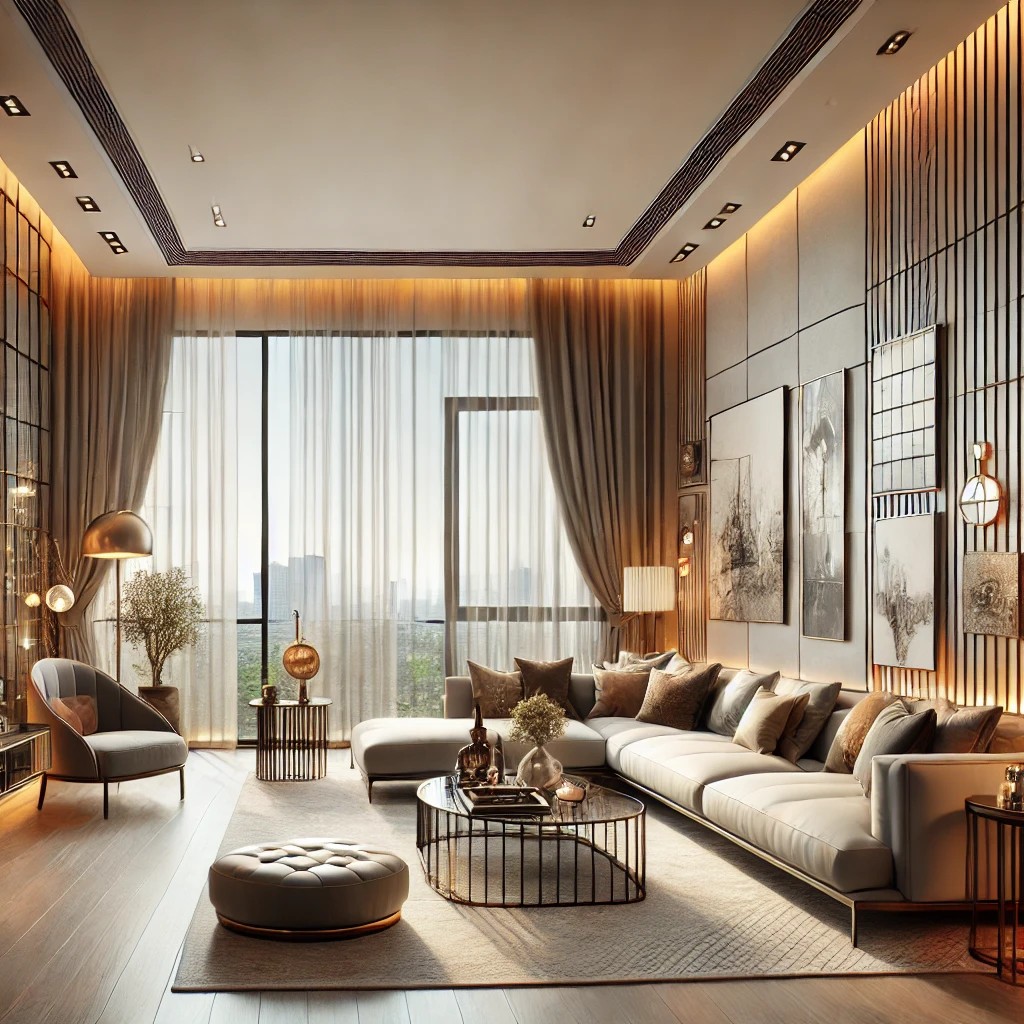
5. “Formal Window Treatments”: Adorn windows with formal treatments such as draperies, valances, or Roman shades. Choose fabrics that complement the color scheme and feature classic patterns like stripes, florals, or damasks to add a touch of refinement.
6. “Symmetry and Balance”: Create a sense of order with symmetry and balance in the arrangement of furniture and decor. Pair matching elements on either side of a focal point, whether it’s a fireplace, a piece of art, or a central table, to achieve a harmonious look.
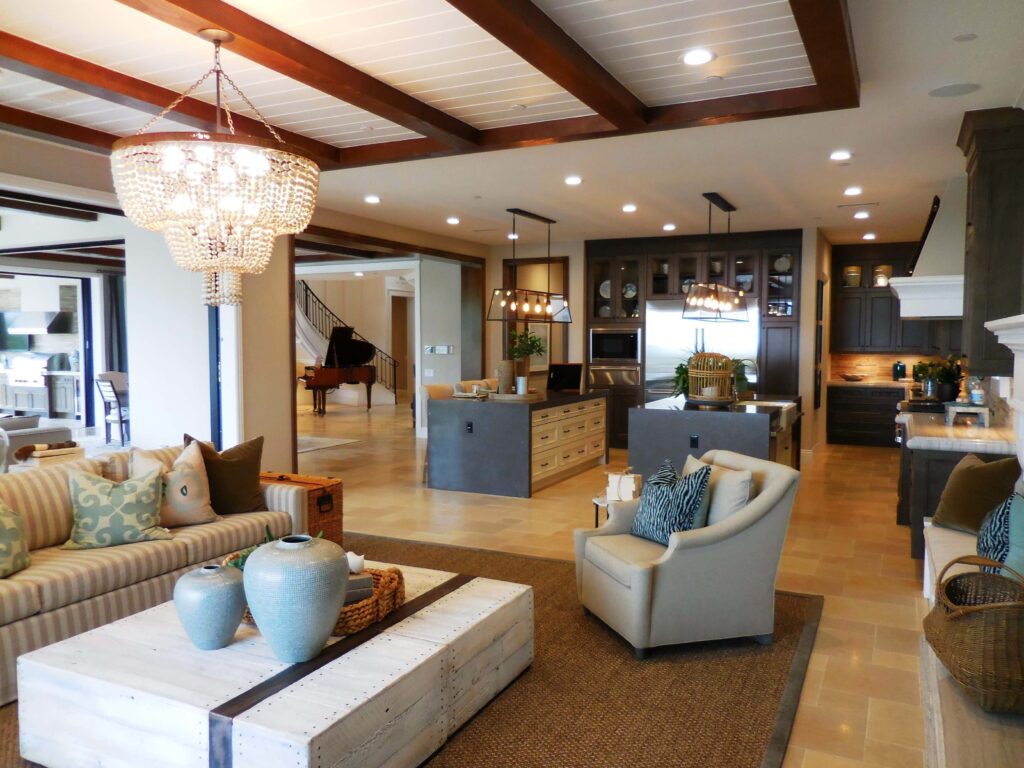
7. “Intricate Molding and Paneling”: Enhance architectural details with intricate molding and paneling. Crown molding, wainscoting, and coffered ceilings contribute to the traditional aesthetic, adding depth and visual interest to the overall design.
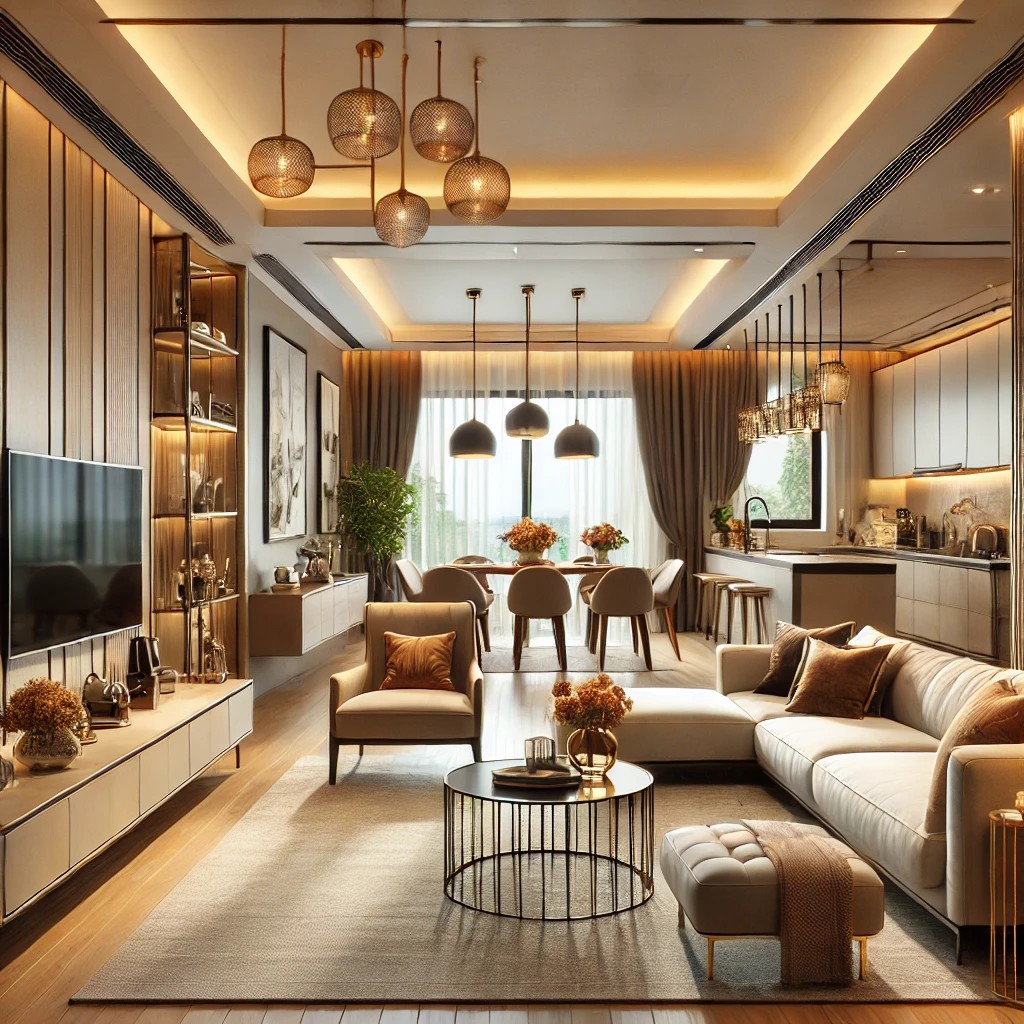
8. “Chandeliers and Statement Lighting”: Install chandeliers and statement lighting fixtures to create a sense of grandeur. Crystal chandeliers or fixtures with ornate detailing serve as focal points, casting a warm and inviting glow throughout the traditional space.
9. “Traditional Art and Decor”: Curate traditional art and decor items to adorn the walls. Oil paintings, framed portraits, or classic landscapes complement the design style, while decorative items like porcelain vases, figurines, and candlesticks add a finishing touch.
10. “Cozy Reading Nooks”: Designate cozy reading nooks with wingback chairs, a side table, and a table lamp. This provides intimate spaces within larger rooms, inviting relaxation and adding a touch of comfort to the traditional interior.
11. “Accent with Wood Finishes”: Accentuate the warmth of traditional design with rich wood finishes. Dark wood tones like mahogany, cherry, or walnut for furniture and paneling create a sense of timeless sophistication.
12. “Floral Patterns and Motifs”: Integrate floral patterns and motifs in fabrics, wallpapers, and decor. Classic floral designs, whether subtle or bold, add a touch of traditional charm and contribute to the overall grace of the interior.
Conclusion: Traditional interior design is an ode to enduring elegance and refined aesthetics. By embracing classic color palettes, elegant furniture, luxurious fabrics, and timeless accessories, you can create a home that stands the test of time while exuding warmth and sophistication. Welcome to a space where tradition meets comfort, and every detail tells a tale of enduring style.