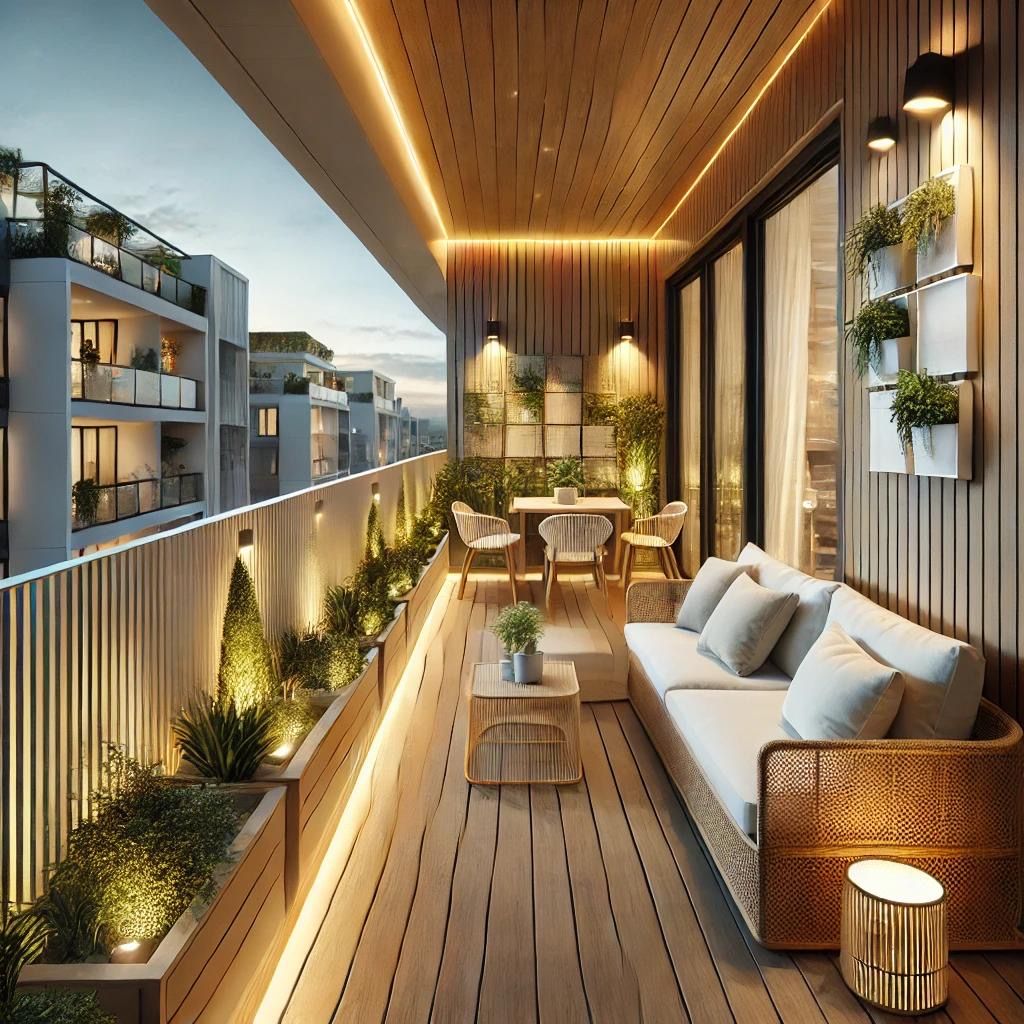
Introduction: Embarking on the journey of designing the interiors of your home is an exciting endeavor where functionality meets aesthetics. Whether you’re starting from scratch or giving your existing space a makeover, let’s explore the essential elements that contribute to a harmonious and stylish house interior.
1. “Define Your Style”: Begin by defining your design style. Whether it’s contemporary, traditional, eclectic, or a blend of styles, understanding your preferences sets the foundation for a cohesive and personalized interior.
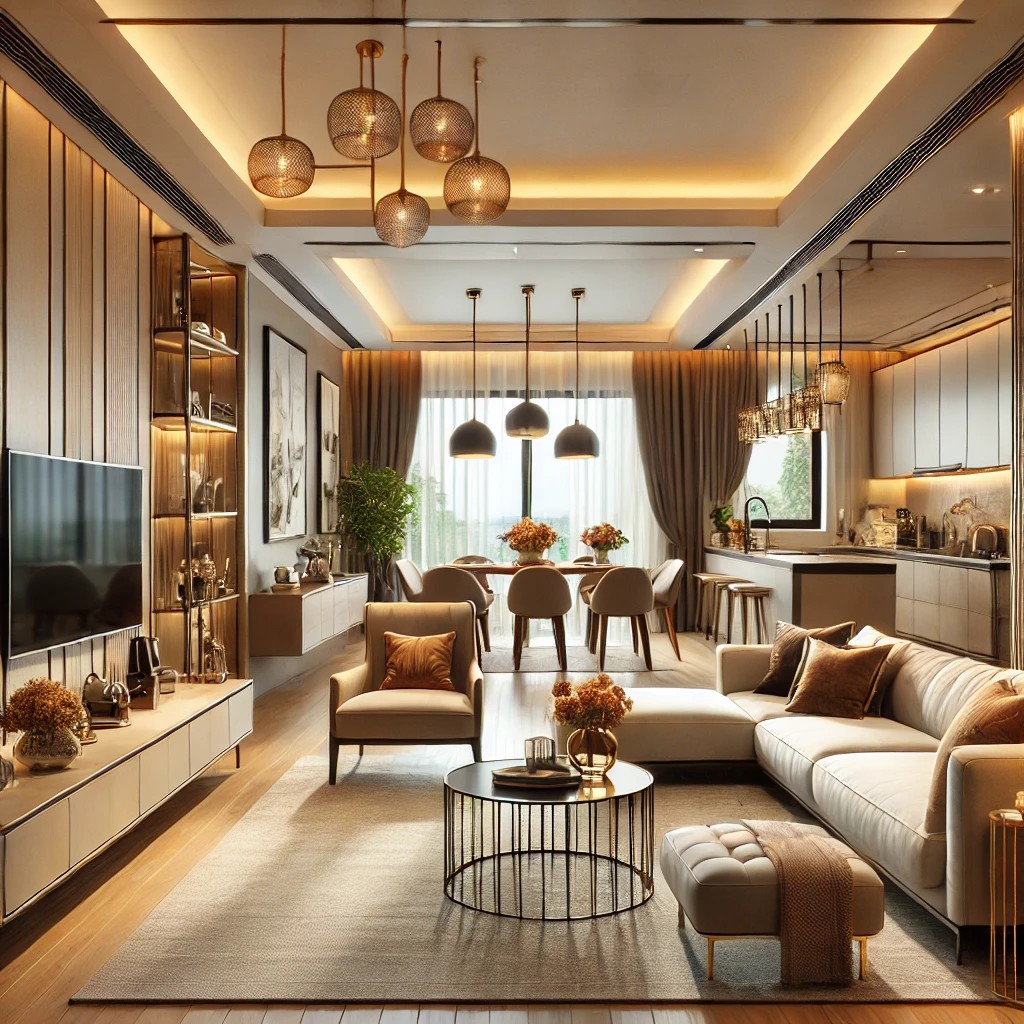
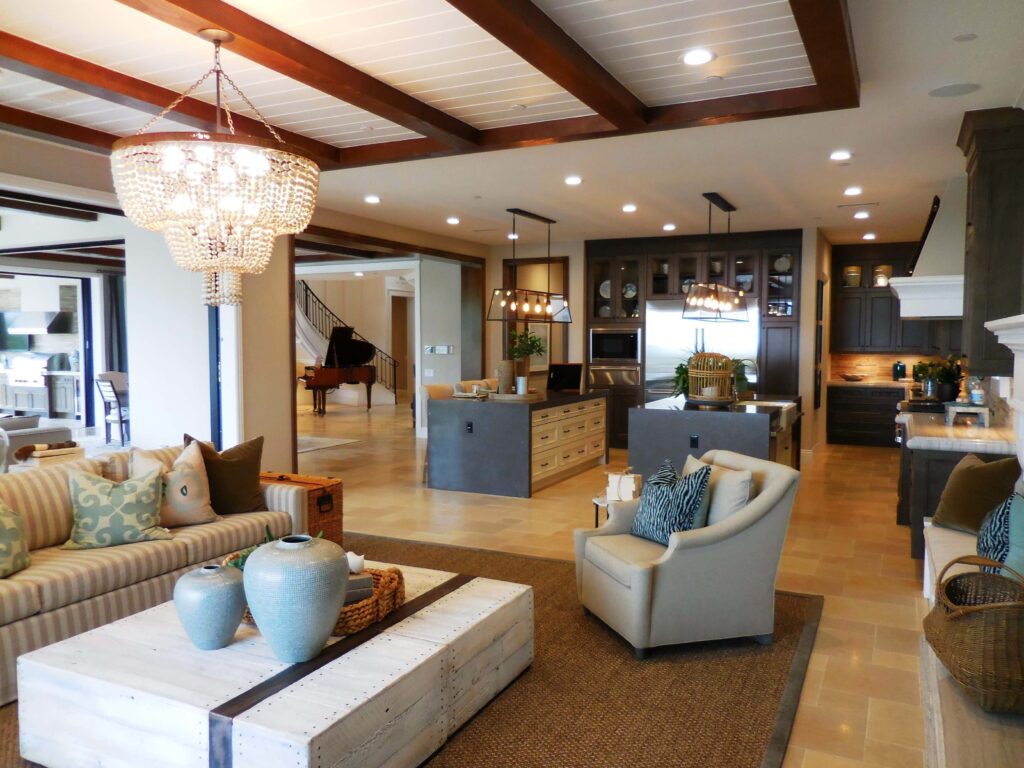
2. “Open Concept Living”: Consider an open concept layout for shared living spaces. Removing unnecessary walls creates a sense of spaciousness and encourages interaction between different areas like the kitchen, dining, and living room.
3. “Cohesive Color Palette”: Establish a cohesive color palette that flows seamlessly from room to room. Consider the mood you want to evoke, the natural light in each space, and how colors complement one another to create a harmonious atmosphere.
4. “Functional Furniture Arrangement”: Arrange furniture in a way that maximizes both functionality and aesthetics. Create conversation areas, consider traffic flow, and ensure that each piece serves a purpose. Don’t forget about comfort and scale in your furniture choices.
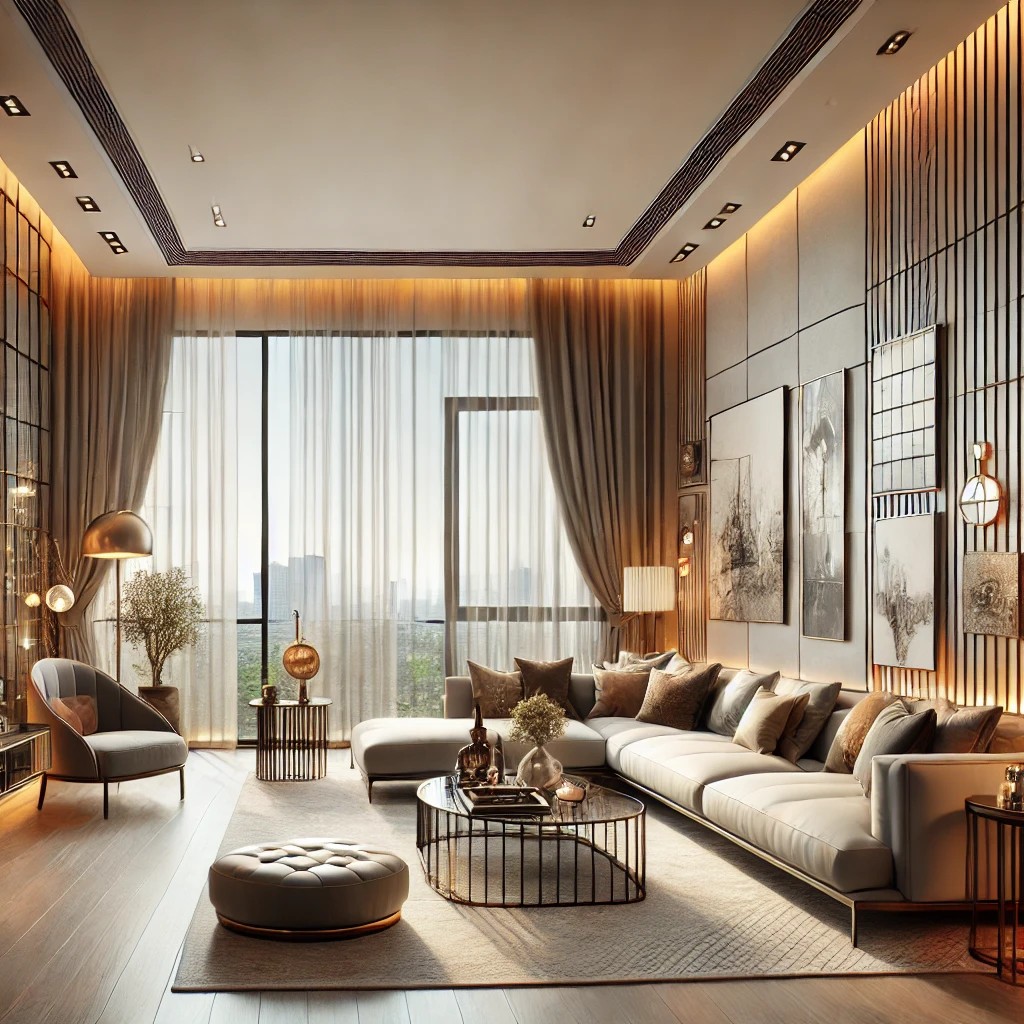
5. “Strategic Lighting”: Illuminate your home with strategic lighting. Combine ambient, task, and accent lighting to create a layered and inviting atmosphere. Consider statement light fixtures that contribute to the overall design aesthetic.
6. “Artful Wall Decor”: Treat your walls as a canvas for artful expression. Whether it’s curated gallery walls, large statement artworks, or textured wall coverings, thoughtful wall decor adds personality and visual interest to your house interior.
7. “Personalized Zones”: Create personalized zones within communal spaces. Designate cozy reading corners, work nooks, or meditation spaces that reflect the unique needs and interests of the household members.
8. “Nature-Inspired Elements”: Integrate nature-inspired elements to bring the outdoors inside. Indoor plants, natural materials like wood and stone, or large windows that frame scenic views enhance the connection with nature and contribute to a calming environment.
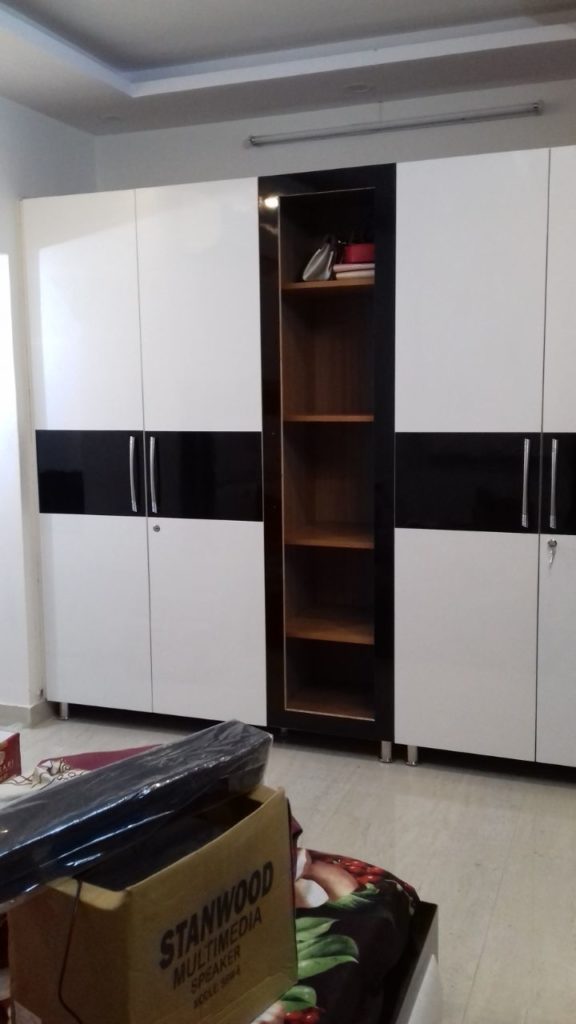
9. “Smart Storage Solutions”: Optimize storage with smart solutions. Consider built-in cabinets, multifunctional furniture with hidden storage, and custom closets to keep belongings organized and maintain a clutter-free environment.
10. “Statement Pieces”: Incorporate statement pieces that capture attention. Whether it’s a unique piece of furniture, a bold rug, or a stunning focal point like a fireplace, these elements add character and become conversation starters.
11. “Personal Touches”: Infuse your home with personal touches. Display cherished memorabilia, family photos, or unique finds from your travels. These items add warmth and make your house feel like a home.
12. “Tech Integration”: Integrate technology seamlessly into your home. Smart home systems, automated lighting, and innovative gadgets enhance convenience and contribute to a modern and efficient living environment.
Conclusion: Designing the interiors of your home is a deeply personal and creative endeavor. By considering your style, optimizing layout and lighting, and infusing personal touches, you can create a house interior that not only looks stunning but also reflects the unique essence of your lifestyle and preferences. Welcome to a home where every detail is designed to bring joy and functionality into your daily life.