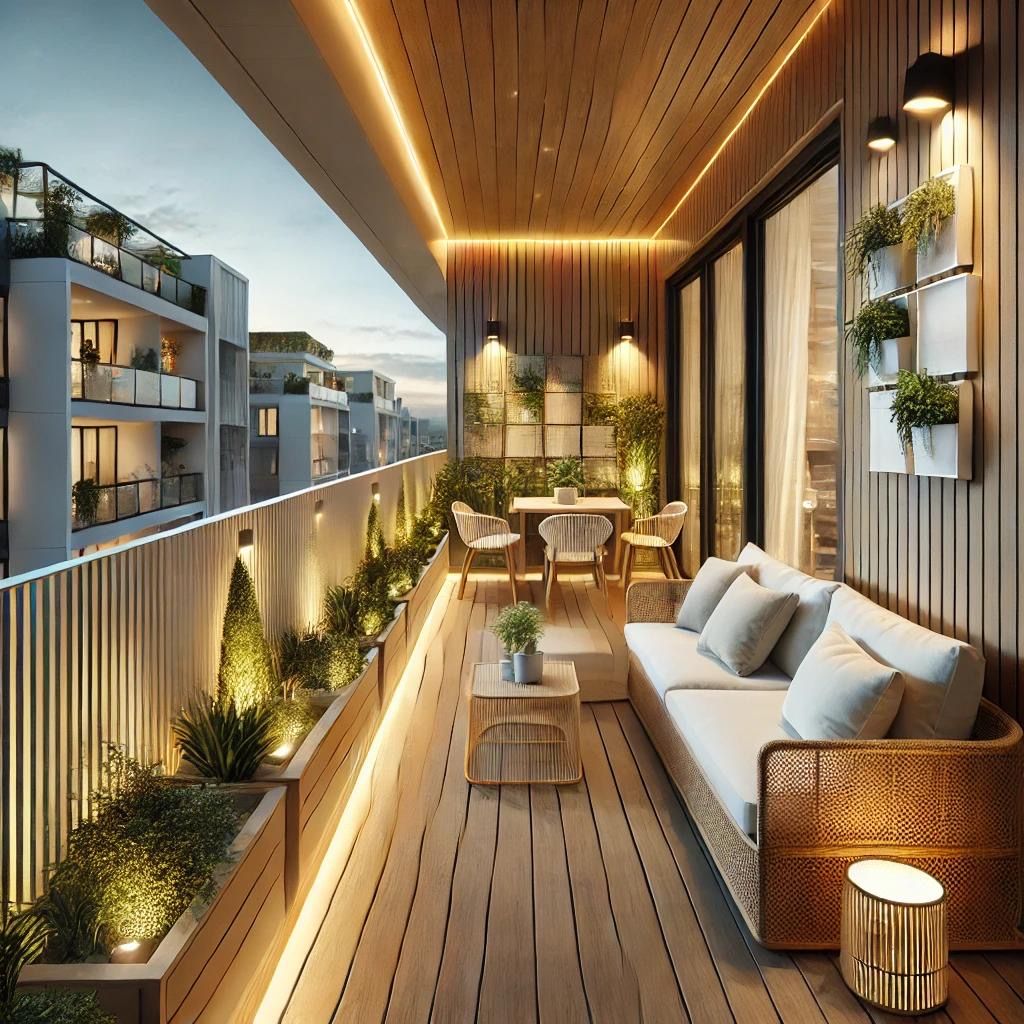
Introduction: Transforming a small office space into a functional and stylish work environment requires strategic planning and a keen eye for design. Let’s explore creative solutions and practical tips to make the most of limited space while maintaining productivity and aesthetics.
1. “Neutral Color Palette”: Opt for a neutral color palette to create a sense of openness and airiness. Whites, light grays, and soft pastels not only visually enlarge the space but also provide a serene backdrop that fosters concentration.
2. “Space-Saving Furniture”: Invest in space-saving furniture designed for efficiency. Choose compact desks, wall-mounted shelves, and foldable chairs to maximize functionality without sacrificing style. Modular furniture can adapt to different tasks throughout the day.
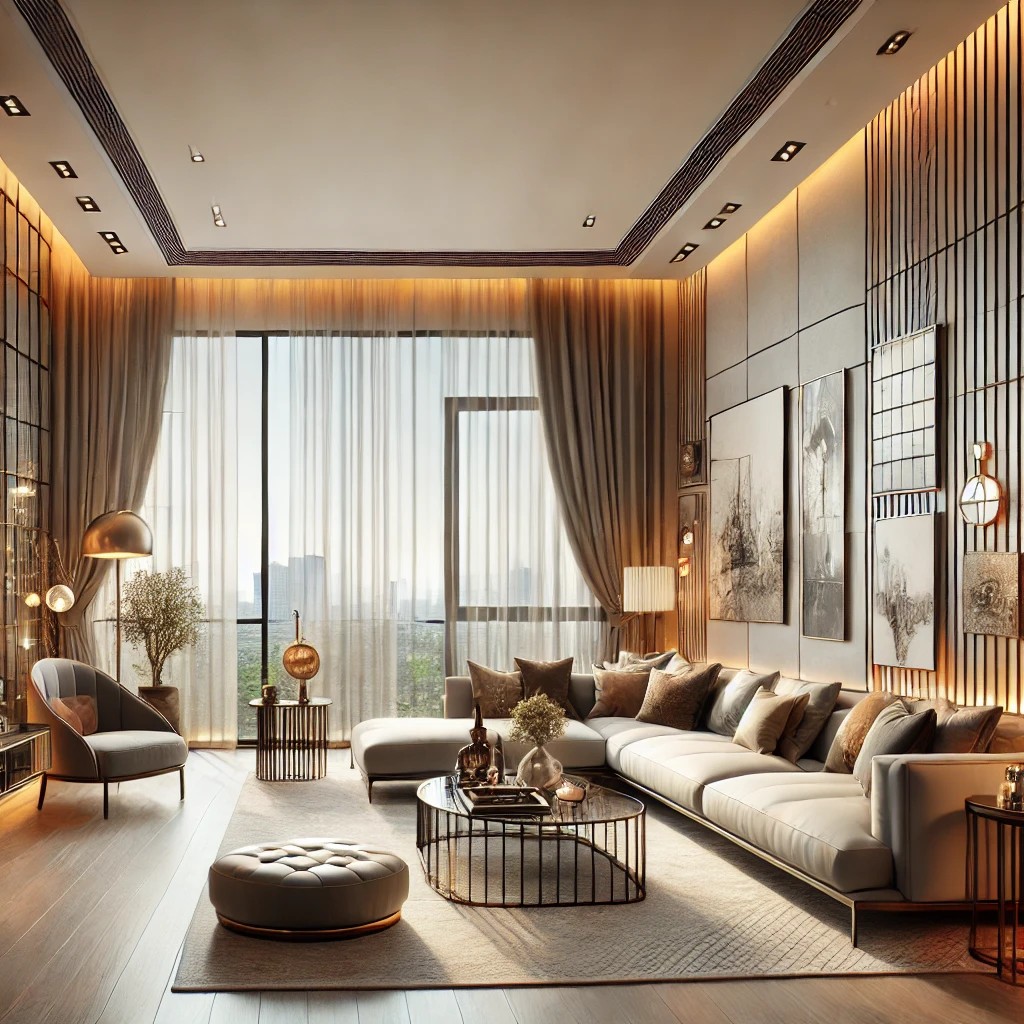
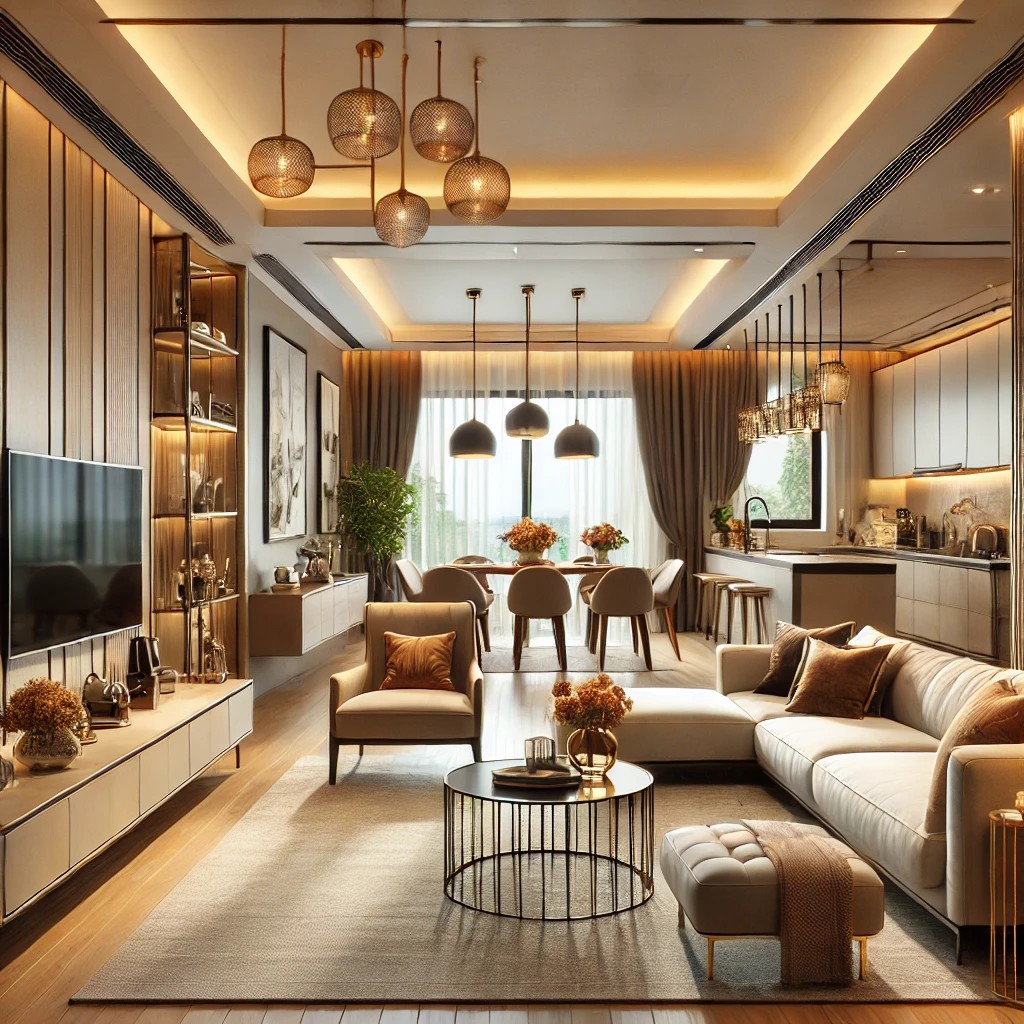
3. “Ample Lighting”: Prioritize ample lighting to enhance productivity. Utilize natural light when possible and complement it with well-placed artificial lighting. Task lighting, pendant lights, or adjustable desk lamps ensure a well-lit and inviting workspace.
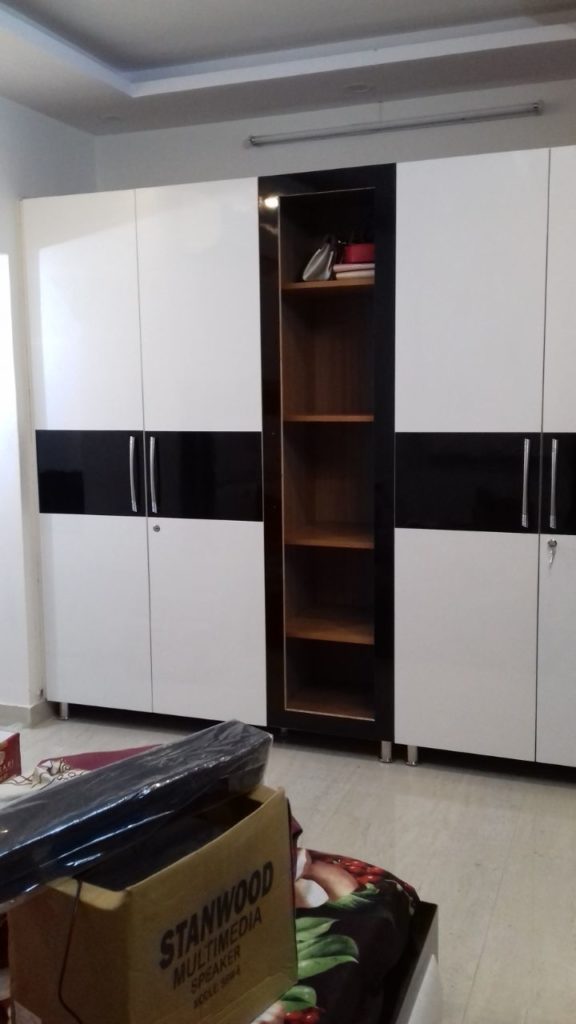
4. “Smart Storage Solutions”: Optimize storage with smart solutions to keep the office clutter-free. Use vertical shelving, built-in cabinets, or floating shelves to maximize wall space. Concealed storage options help maintain a tidy and organized environment.
5. “Minimalist Decor”: Embrace minimalist decor to maintain a clean and uncluttered look. Select a few carefully chosen decor pieces that enhance the aesthetics without overwhelming the space. Consider functional decor, such as storage baskets or desk organizers.
6. “Flexible Layouts”: Design a flexible layout that adapts to different work activities. Arrange furniture to facilitate easy movement and ensure that the layout supports collaboration or focused work, depending on the tasks at hand.
7. “Integrated Technology”: Integrate technology seamlessly into the design. Conceal cords and cables, use wireless devices, and consider built-in charging stations to create a streamlined and modern workspace. This not only enhances functionality but also contributes to a neat appearance.
8. “Personalized Touches”: Infuse personalized touches to make the space uniquely yours. Consider incorporating artwork, motivational quotes, or small plants to add character and warmth to the office environment.
9. “Glass Elements”: Incorporate glass elements to enhance the illusion of space. Glass desks, tabletops, or room dividers maintain an open feel while allowing light to flow freely, creating a more expansive atmosphere.
10. “Dual-Purpose Furniture”: Make the most of every piece of furniture with dual-purpose options. For example, a desk with built-in storage, a fold-out wall desk, or a coffee table that doubles as a work surface adds versatility to the small office space.
11. “Reflective Surfaces”: Introduce reflective surfaces strategically. Mirrors, glass, or metallic finishes can visually expand the space by reflecting light and creating a sense of depth, making the small office feel more open and inviting.
12. “Effective Organization Systems”: Implement effective organization systems to keep documents and supplies in order. Use filing cabinets, trays, and drawer organizers to establish a functional and efficient workspace, preventing the accumulation of unnecessary items.
Conclusion: Designing a small office requires a thoughtful blend of functionality and style. By embracing a neutral color palette, investing in space-saving furniture, and incorporating personalized touches, you can create a small office that maximizes efficiency while providing a visually appealing and comfortable workspace. Welcome to a compact yet inspiring environment where productivity meets design.