Residential interior renovation involves making significant changes to the existing structure, design, and functionality of a home. Whether you’re looking to update a single room or undertake a full home renovation, careful planning and consideration of various factors are crucial. Here’s a step-by-step guide to help you navigate the residential interior renovation process:
- Define Your Goals:
- Clearly articulate the goals of your renovation. Identify what you want to achieve with the project, whether it’s enhancing aesthetics, improving functionality, increasing energy efficiency, or addressing specific issues.
- Assessment and Inspection:
- Conduct a thorough assessment of the existing space. Identify structural issues, electrical and plumbing concerns, and any other potential challenges. It’s crucial to address these issues early in the planning process.
- Budgeting:
- Establish a realistic budget for the renovation. Consider the costs of materials, labor, permits, and any unexpected expenses. It’s advisable to include a contingency fund for unforeseen challenges.
- Hiring Professionals:
- Depending on the scope of the renovation, you may need to hire architects, interior designers, contractors, and other professionals. Choose experienced and reputable professionals to ensure the success of the project.
- Design Phase:
- Work with an interior designer or architect to create a detailed design plan. This plan should encompass layout changes, material selections, color schemes, lighting design, and any other specific design elements.
- Permits and Approvals:
- Check with local authorities to determine whether your renovation requires permits. Obtain all necessary approvals before starting the construction phase to avoid legal complications.
- Demolition and Reconstruction:
- Begin the renovation process by demolishing existing structures or elements as needed. Then, proceed with the reconstruction phase, implementing the changes outlined in the design plan.
- Electrical and Plumbing Upgrades:
- If your renovation involves changes to electrical or plumbing systems, make these upgrades early in the process. This may include rewiring, installing new fixtures, or relocating plumbing lines.
- Material Selection and Procurement:
- Choose materials that align with your design vision, budget, and functional requirements. Order materials well in advance to ensure they are available when needed during the construction phase.
- Quality Control:
- Regularly inspect the work to ensure it meets your expectations and adheres to the design plan. Address any issues or deviations promptly to avoid complications later on.
- Interior Finishes:
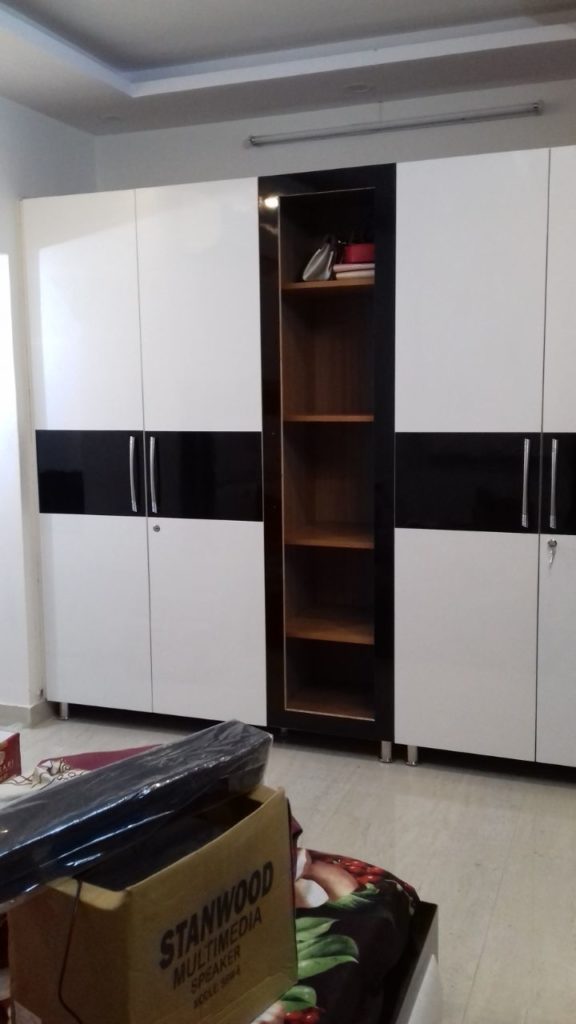
- Install finishes such as flooring, cabinetry, countertops, and paint. This stage brings the design to life and transforms the space into its final form.
- Final Inspections:
- Once the construction is complete, schedule final inspections to ensure that the work complies with building codes and regulations. This step is essential for obtaining the necessary certifications and approvals.
- Furnishing and Decorating:
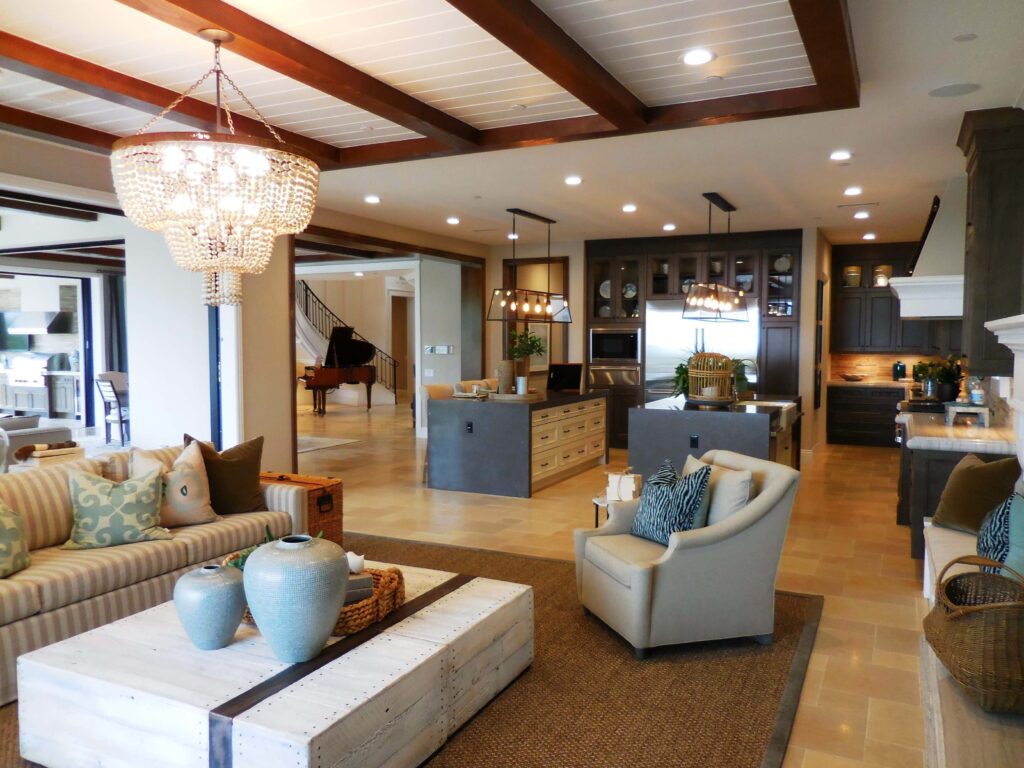
- Complete the renovation by furnishing and decorating the space according to your design plan. This includes placing furniture, hanging artwork, and adding decorative elements.
- Post-Renovation Cleanup:
- Conduct a thorough cleanup of the renovated space, removing any debris or construction-related materials. Ensure that the space is ready for occupancy.
- Maintenance and Enjoyment:
- Implement a maintenance plan for your newly renovated space. Enjoy the results of your hard work and investment while keeping up with routine maintenance to preserve the quality of the renovation.
Remember that effective communication, thorough planning, and attention to detail are essential throughout the residential interior renovation process. Whether you’re updating a single room or transforming your entire home, a well-executed renovation can enhance your living space and improve your overall quality of life.