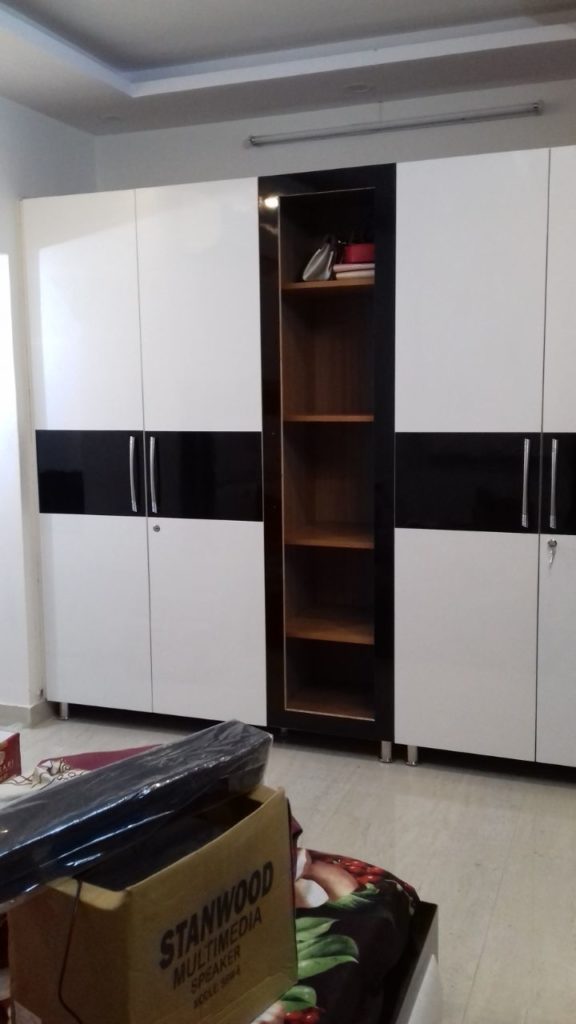
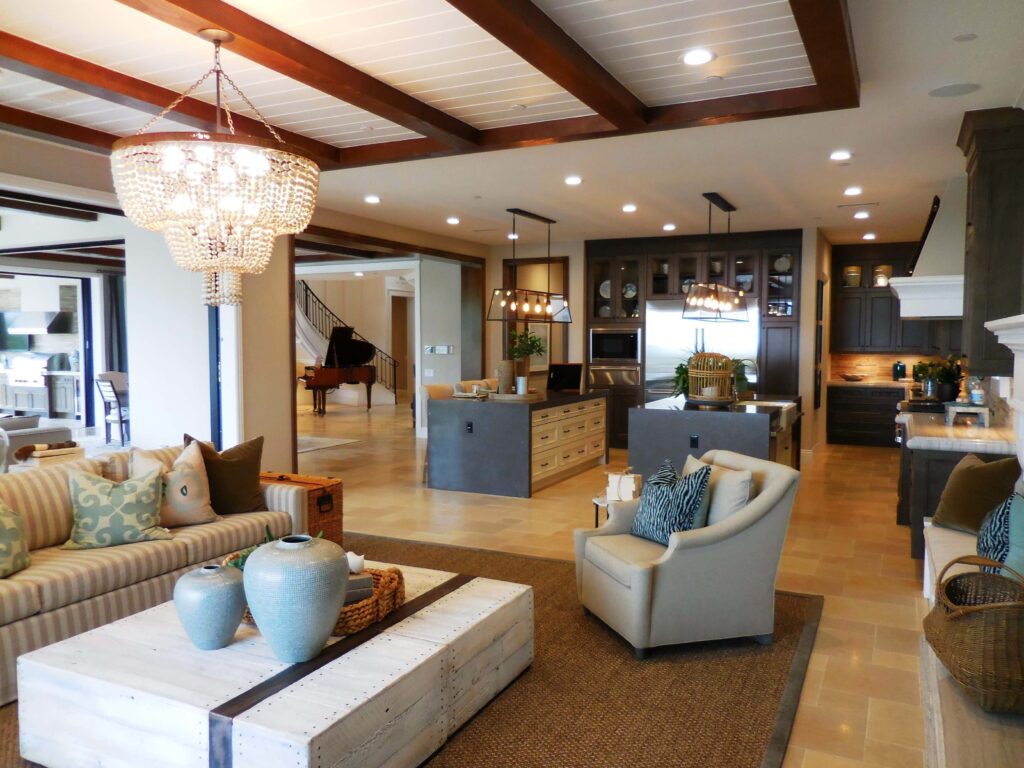
Residential interior remodeling involves making significant changes to the structure, layout, and design of the interior spaces within a home. It can range from minor updates and cosmetic changes to complete overhauls of rooms or entire floors. Here’s a step-by-step guide to help you navigate the residential interior remodeling process:
- Assessment and Planning:
- Evaluate the current state of the interior spaces and identify the areas that need remodeling. Consider your goals for the project, whether it’s improving functionality, updating aesthetics, or addressing specific issues.
- Budgeting:
- Establish a budget for the remodeling project. Include costs for materials, labor, permits, and any unexpected expenses. Having a clear budget will guide decision-making throughout the process.
- Define Scope and Prioritize:
- Clearly define the scope of the remodeling project. Prioritize the areas or rooms that require the most attention. This could be based on practical needs, aesthetic preferences, or a combination of both.
- Hiring Professionals:
- Depending on the complexity of the project, you may need to hire professionals such as architects, interior designers, contractors, and tradespeople. Ensure that they understand your vision and goals for the remodeling.
- Design Phase:
- Collaborate with an interior designer or architect to create a detailed design plan. This plan should include layout changes, material selections, color schemes, lighting design, and any other specific design elements.
- Permits and Approvals:
- Check local building codes to determine whether your remodeling project requires permits. Obtain the necessary approvals before commencing work to avoid legal complications.
- Demolition and Reconstruction:
- Begin the remodeling process by demolishing existing structures or elements as needed. This could involve removing walls, updating flooring, or reconfiguring the layout. Proceed with the reconstruction phase according to the design plan.
- Infrastructure Updates:
- Address any necessary updates to the electrical, plumbing, or HVAC systems. This is an opportune time to make improvements or corrections to these essential elements.
- Material Selection and Procurement:
- Choose materials based on the design plan and your budget. Order materials in advance to ensure they are available when needed during the construction phase.
- Quality Control:
- Regularly inspect the work to ensure it aligns with the design plan. Address any issues or deviations promptly to maintain the project’s integrity.
- Interior Finishes:
- Install finishes such as flooring, cabinetry, countertops, and paint. This phase brings the design vision to life and transforms the space into its final form.
- Fixture and Appliance Installation:
- Install fixtures, appliances, and other elements according to the design plan. This may include lighting fixtures, plumbing fixtures, and any other necessary hardware.
- Final Touches:
- Add final decorative touches such as window treatments, accessories, and artwork to complete the look of the remodeled space.
- Final Inspections:
- Schedule final inspections to ensure compliance with building codes and regulations. This step is crucial for obtaining any necessary certifications and approvals.
- Cleanup and Occupancy:
- Conduct a thorough cleanup of the remodeled space, removing debris and construction-related materials. Once the space is ready, move in and enjoy the transformed interior.
Remember to communicate effectively with the professionals involved, stay flexible as unexpected issues may arise, and have a clear vision of the desired outcome. Residential interior remodeling can significantly enhance the functionality, aesthetics, and value of your home when done thoughtfully and with attention to detail.