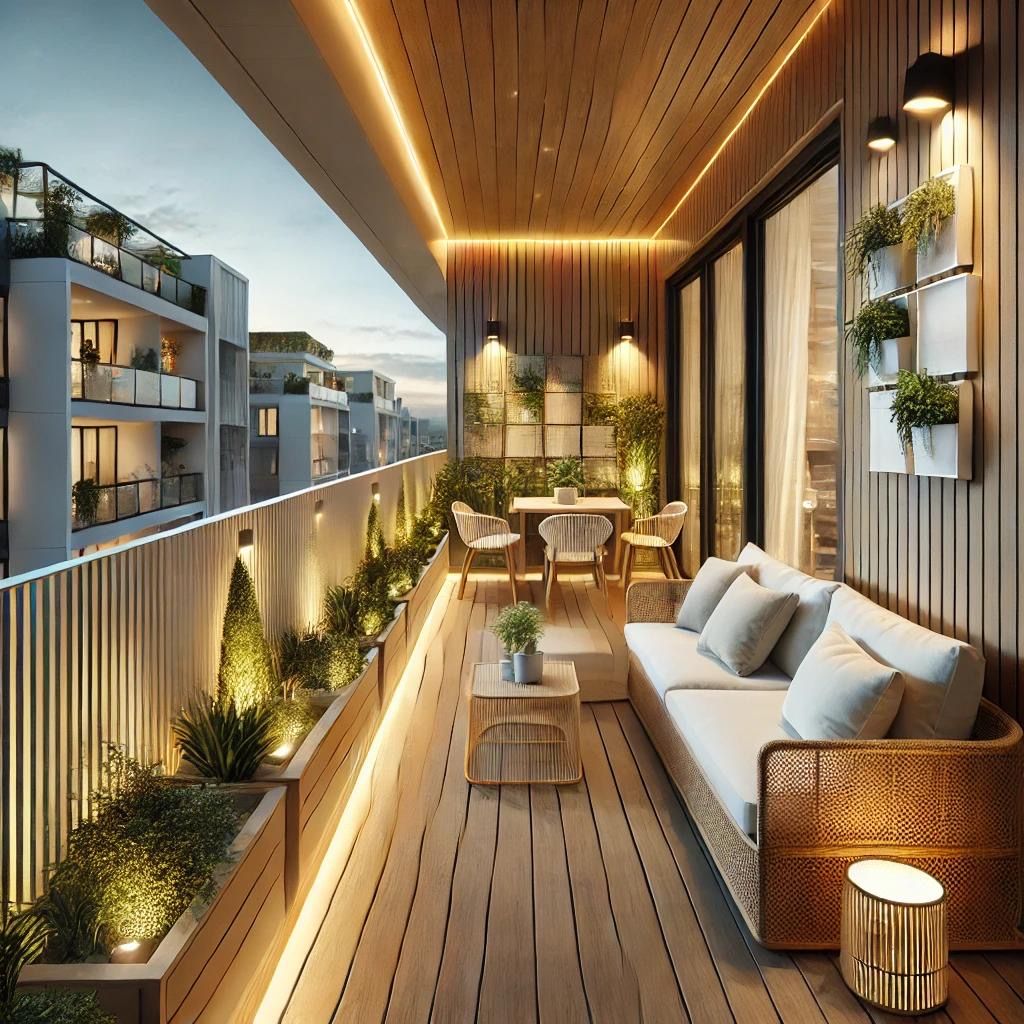
Residential interior decoration involves creating a comfortable, functional, and aesthetically pleasing living space that suits the preferences and needs of the residents. Here are some key considerations and tips for residential interior decoration:
- Define Your Style:
- Identify your preferred interior design style. Whether it’s modern, traditional, eclectic, minimalist, or a blend of styles, knowing your preferences will guide your decorating choices.
- Color Palette:
- Choose a color scheme that reflects your personality and creates the desired atmosphere in each room. Consider factors like room size, natural light, and the mood you want to evoke.
- Furniture Selection:
- Invest in quality, comfortable furniture that complements the style of your home. Consider the scale of the furniture in relation to the room size.
- Layout and Flow:
- Arrange furniture to create a functional layout that promotes good traffic flow. Consider the placement of key pieces, ensuring they serve both aesthetic and practical purposes.
- Personalized Touch:
- Incorporate personal touches such as family photos, artwork, and meaningful decor items. This adds character and makes the space uniquely yours.
- Lighting:
- Use a combination of ambient, task, and accent lighting to create a well-lit and inviting atmosphere. Consider natural light sources and add artificial lighting where needed.
- Window Treatments:
- Choose window treatments that provide privacy, control natural light, and enhance the overall design. Options include curtains, blinds, shades, or a combination.
- Textures and Patterns:
- Introduce a variety of textures and patterns to add visual interest and depth to the space. This can be achieved through rugs, throw pillows, upholstery, and decor items.
- Organization and Storage:
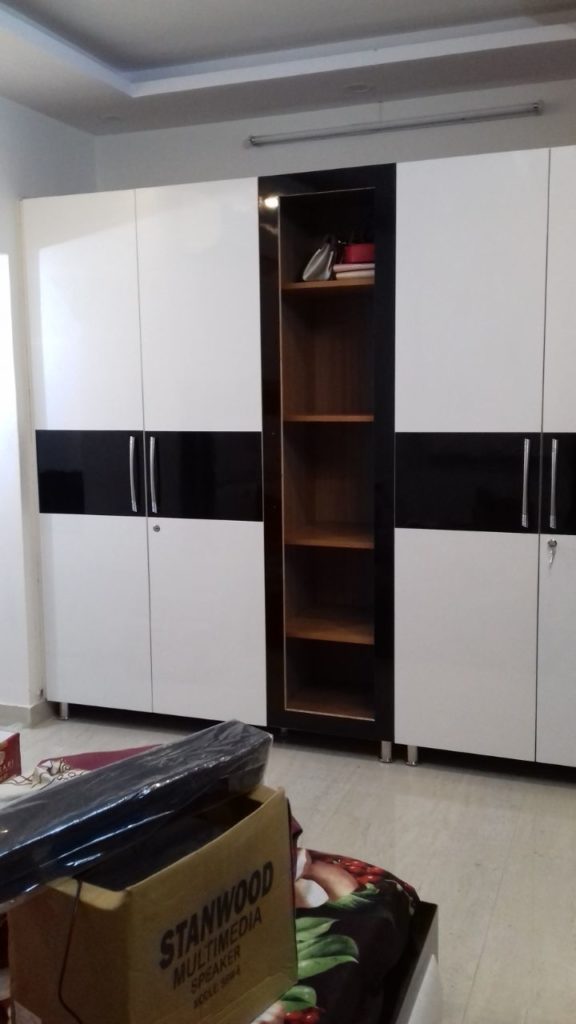
- Prioritize storage solutions to maintain a clutter-free environment. Functional and stylish storage options can include built-in cabinets, shelving, and multifunctional furniture.
- Balance:
- Achieve a sense of balance in the design by distributing visual weight evenly. This applies to color, furniture arrangement, and the placement of decor items.
- Art and Decor:
- Display art and decor that resonates with your taste and complements the overall design. Consider a mix of wall art, sculptures, and decorative items.
- Seasonal Adjustments:
- Make the space adaptable to different seasons by incorporating elements that can be easily changed, such as throw pillows, blankets, and seasonal decor.
- Consider Functionality:
- Tailor the design to accommodate the specific needs and lifestyle of the residents. Functional spaces contribute to a more comfortable and enjoyable living environment.
- Environmentally Friendly Choices:
- If possible, opt for sustainable and eco-friendly materials and practices in your interior decoration choices.
- Budgeting:
- Establish a budget for your interior decoration project and prioritize spending on key elements. Look for affordable alternatives and DIY options to save on costs.
Remember that residential interior decoration is a personal and ongoing process. Regularly assess and update your living spaces to ensure they continue to meet your evolving needs and tastes.