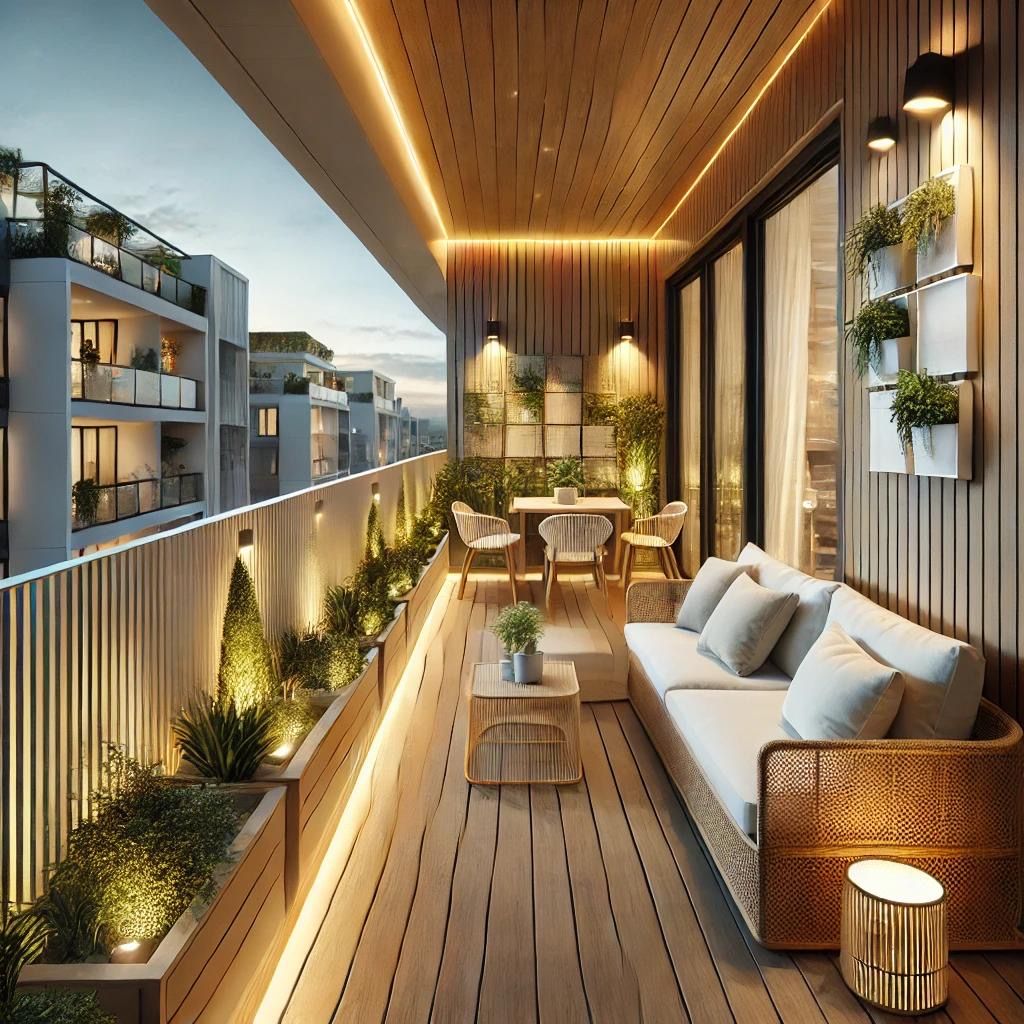
Introduction: Hotel interior design is a delicate dance between luxury, comfort, and creating an immersive experience for guests. From opulent lobbies to serene guest rooms, let’s explore the key elements that contribute to the allure of hotel interiors.
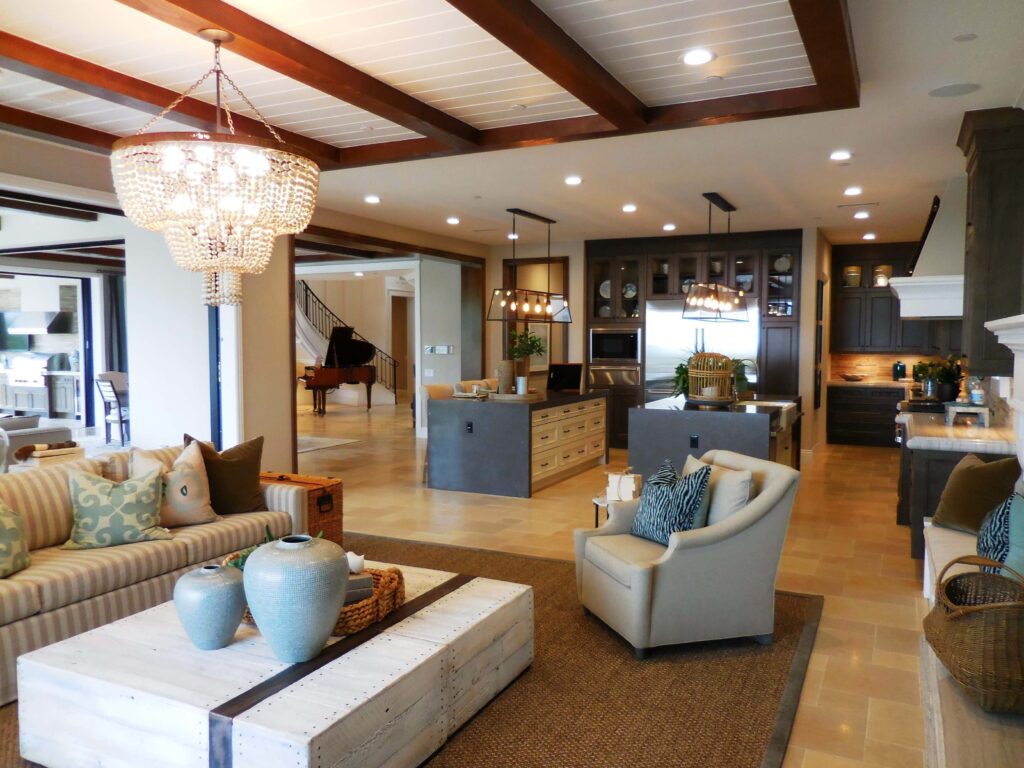
1. “Grand Entrance and Lobby Design”: Make a lasting impression with a grand entrance and lobby design. Statement lighting, luxurious materials, and carefully curated decor set the tone for the hotel experience, welcoming guests into a world of sophistication.
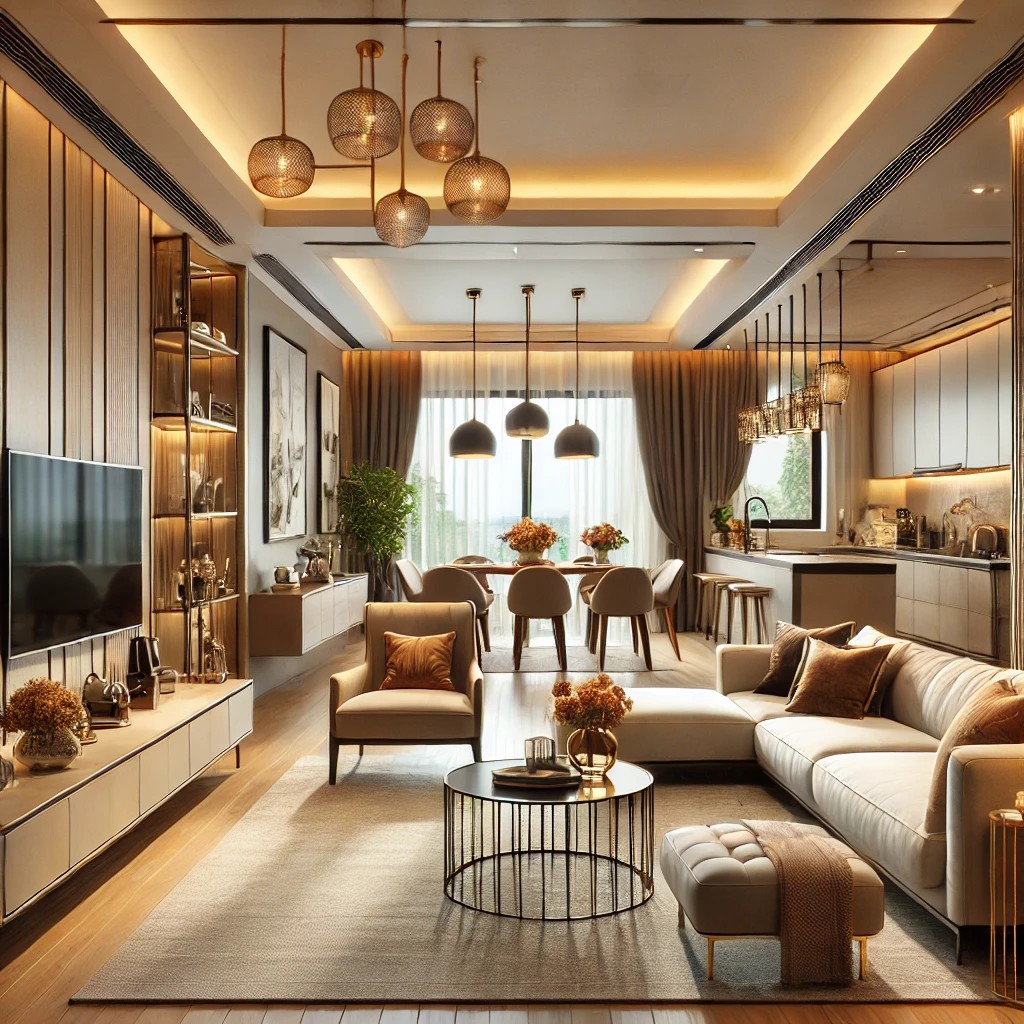
2. “Thoughtful Space Planning”: Efficient and thoughtful space planning is essential for hotel interiors. Design layouts that optimize flow, provide privacy when needed, and offer a seamless transition between different areas, creating an overall sense of ease and comfort.
3. “Sumptuous Guest Room Interiors”: Elevate the guest experience with sumptuous guest room interiors. Plush bedding, high-quality furnishings, and a calming color palette contribute to a restful atmosphere, ensuring guests feel pampered during their stay.
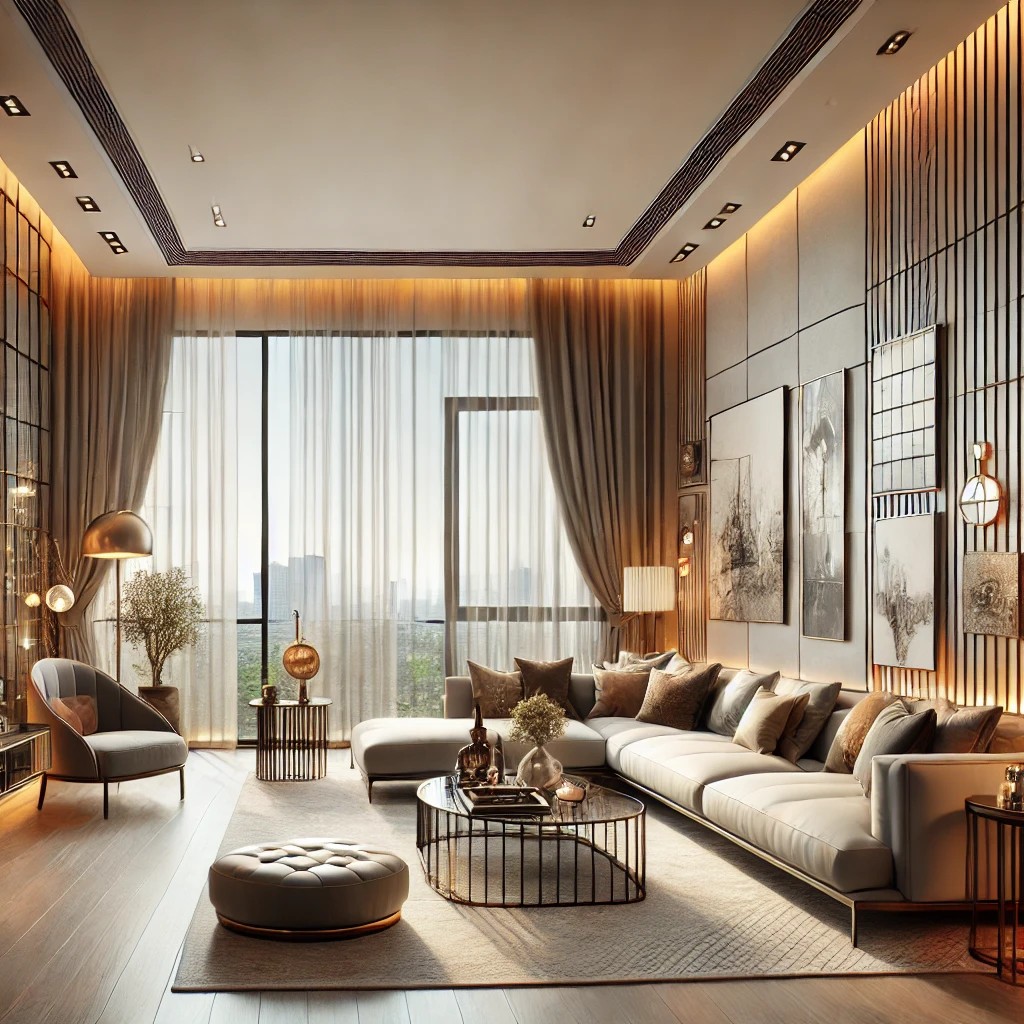
4. “Innovative Materials and Finishes”: Incorporate innovative materials and finishes to add a touch of luxury. Consider marble accents, sleek metallic finishes, and high-quality textiles that not only look elegant but also stand the test of time in a high-traffic hospitality setting.
5. “Luxurious Textures”: Introduce luxurious textures to create a sensory experience. Soft carpets, velvet upholstery, and tactile wall coverings add a layer of richness and comfort, inviting guests to indulge in the tactile pleasures of the space.
6. “Custom Furniture and Fixtures”: Invest in custom furniture and fixtures designed specifically for the hotel. Unique pieces crafted with attention to detail contribute to the exclusivity of the space and create a sense of bespoke luxury.
7. “Signature Art and Decor”: Infuse the hotel with signature art and decor that reflects its identity. Whether it’s a collection of curated artworks, sculptures, or installations, unique decor elements add character and a sense of place to the interiors.
8. “Seamless Technology Integration”: Seamlessly integrate technology to enhance the guest experience. Smart room controls, interactive displays, and high-speed connectivity contribute to a modern and efficient stay, meeting the expectations of today’s tech-savvy travelers.
9. “Well-Designed Public Spaces”: Create well-designed public spaces that encourage social interaction. From stylish lounges to chic bars and restaurants, these spaces should be both aesthetically pleasing and functionally efficient, catering to the diverse needs of guests.
10. “Spa and Wellness Retreats”: Incorporate spa and wellness retreats within the hotel. Luxurious spas, fitness centers, and relaxation areas provide guests with opportunities to rejuvenate and unwind, adding an extra layer of indulgence to their stay.
11. “Sustainable Design Practices”: Integrate sustainable design practices into the hotel interiors. From energy-efficient lighting to eco-friendly materials, incorporating sustainability not only aligns with modern values but also enhances the overall appeal of the space.
12. “Experiential Design Elements”: Curate experiential design elements that tell a story. Consider themed rooms, interactive displays, or unique architectural features that engage guests and create memorable moments, turning their stay into an immersive experience.
Conclusion: Hotel interior design is a symphony of luxury, functionality, and experiential storytelling. By focusing on thoughtful planning, sumptuous materials, and personalized touches, hotel interiors can transcend the ordinary, providing guests with an unforgettable and truly luxurious experience. Welcome to a world where every detail is designed to exceed expectations and redefine the meaning of luxury hospitality.