Introduction: The dining room is more than just a space for meals; it’s a canvas for shared experiences and stylish gatherings. Crafting a dining room interior involves merging functionality with aesthetics. Let’s explore the elements that contribute to a welcoming and visually appealing dining area.
1. “Define Your Style”: Begin by defining the style you want for your dining room. Whether it’s classic, contemporary, rustic, or eclectic, understanding your design preferences sets the tone for the entire space.
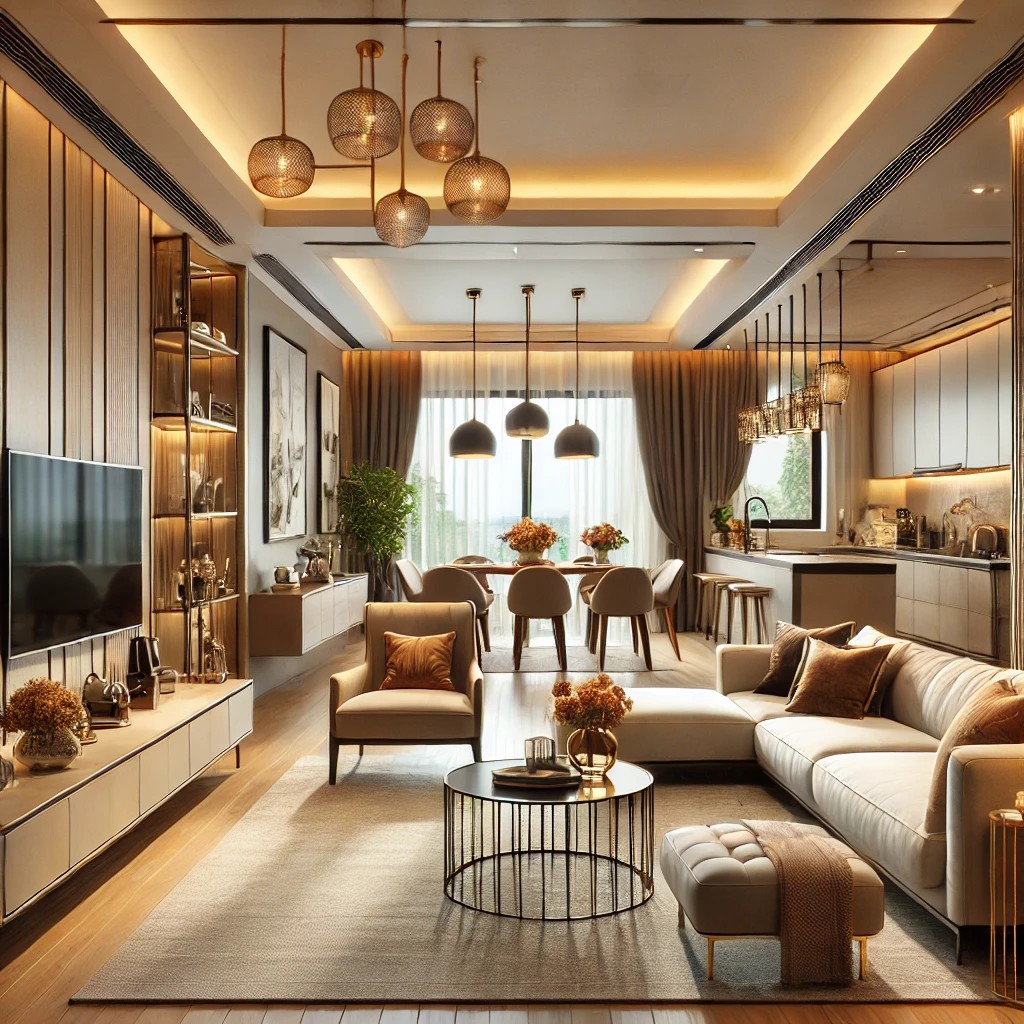
2. “Elegant Dining Furniture”: Invest in elegant dining furniture that complements your chosen style. A statement dining table, comfortable chairs, and possibly a sideboard or buffet add sophistication and functionality to the room.
3. “Harmonious Color Palette”: Choose a harmonious color palette that sets the mood for dining. Consider the size of the room; lighter hues can open up smaller spaces, while deeper tones create a cozy and intimate atmosphere. Cohesive color schemes tie the room together.
4. “Appropriate Lighting”: Install appropriate lighting to enhance the dining experience. A chandelier or pendant light above the dining table serves as a focal point, while additional ambient lighting and task lighting contribute to a well-lit and inviting space.
5. “Table Centerpiece”: Create a captivating table centerpiece. Whether it’s a floral arrangement, a bowl of fresh fruit, or a carefully curated collection of decorative items, the centerpiece adds visual interest and serves as a conversation starter.
6. “Statement Wall Decor”: Adorn the walls with statement decor. Consider framed artwork, decorative mirrors, or a wall-mounted wine rack. Wall decor adds personality to the dining room and complements the overall design.
7. “Rugs and Flooring”: Define the dining area with a rug that complements the room’s style and color scheme. Ensure the rug is large enough to accommodate the dining table and chairs, anchoring the space and adding warmth to the flooring.
8. “Window Treatments”: Select window treatments that balance natural light and privacy. Whether it’s elegant curtains, Roman shades, or sleek blinds, window treatments contribute to the overall aesthetic while allowing for control over the room’s ambiance.
9. “Functional Storage Solutions”: Incorporate functional storage solutions, especially if your dining room serves multiple purposes. A stylish sideboard or buffet can store dining essentials, and open shelving can display decorative items and functional dinnerware.
10. “Personal Touches”: Infuse personal touches to make the dining room uniquely yours. Display family photographs, incorporate heirloom items, or introduce unique decor elements that tell a story and create a warm, inviting atmosphere.
11. “Dining Room Layout”: Consider the layout of the dining room to optimize flow and functionality. Ensure there is enough space between the dining table and walls or other furniture to allow easy movement and access.
12. “Seasonal Decor”: Change up your dining room decor seasonally. Introduce seasonal accents like table runners, seasonal centerpieces, or themed decor to refresh the look and create a dynamic, ever-changing dining experience.
Conclusion: Designing a dining room interior is about blending style with functionality, creating a space that beckons both everyday meals and special occasions. By carefully selecting furniture, playing with color and lighting, and adding personal touches, you can transform your dining room into a stylish haven where every meal is a feast for the senses.