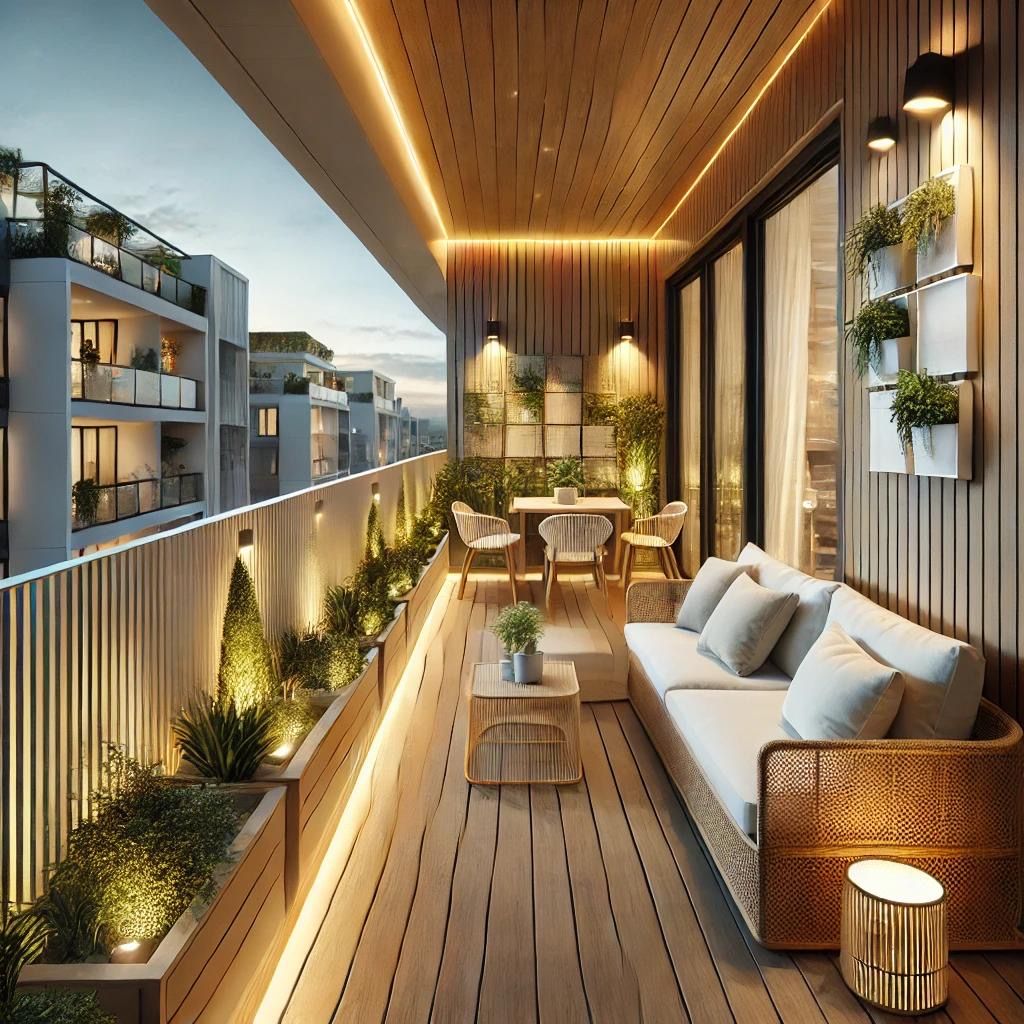
Introduction: Home styling is the transformative touch that turns a house into a haven, reflecting your personality and creating a space that resonates with comfort and style. Let’s delve into the principles and tips that will help you master the art of home styling.
1. “Define Your Style Identity”: Begin by defining your style identity. Whether it’s contemporary, bohemian, minimalist, or a fusion of styles, understanding your preferences serves as the foundation for cohesive and personalized home styling.
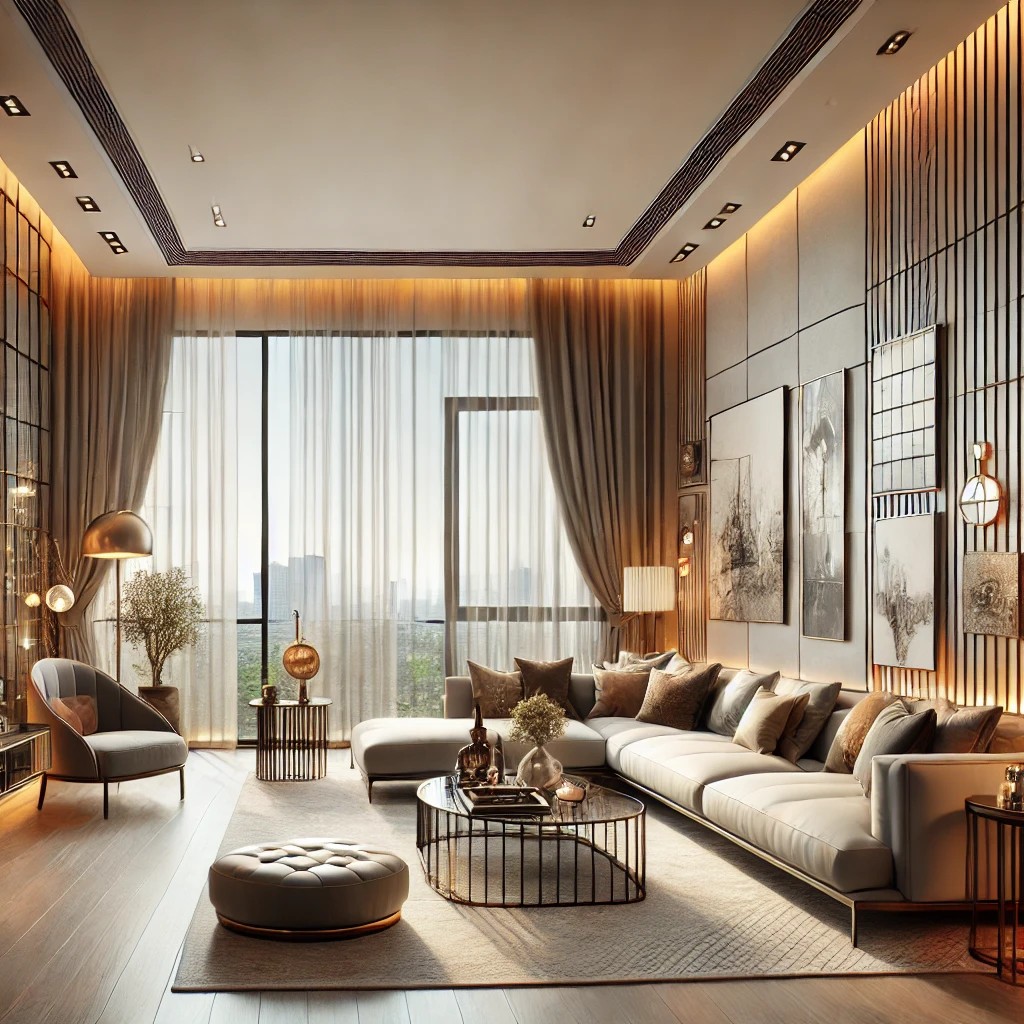
2. “Curate a Cohesive Color Palette”: Establish a cohesive color palette that runs through your home. Consistent color choices create a sense of unity and flow, making each room feel connected while allowing for individualized style within each space.
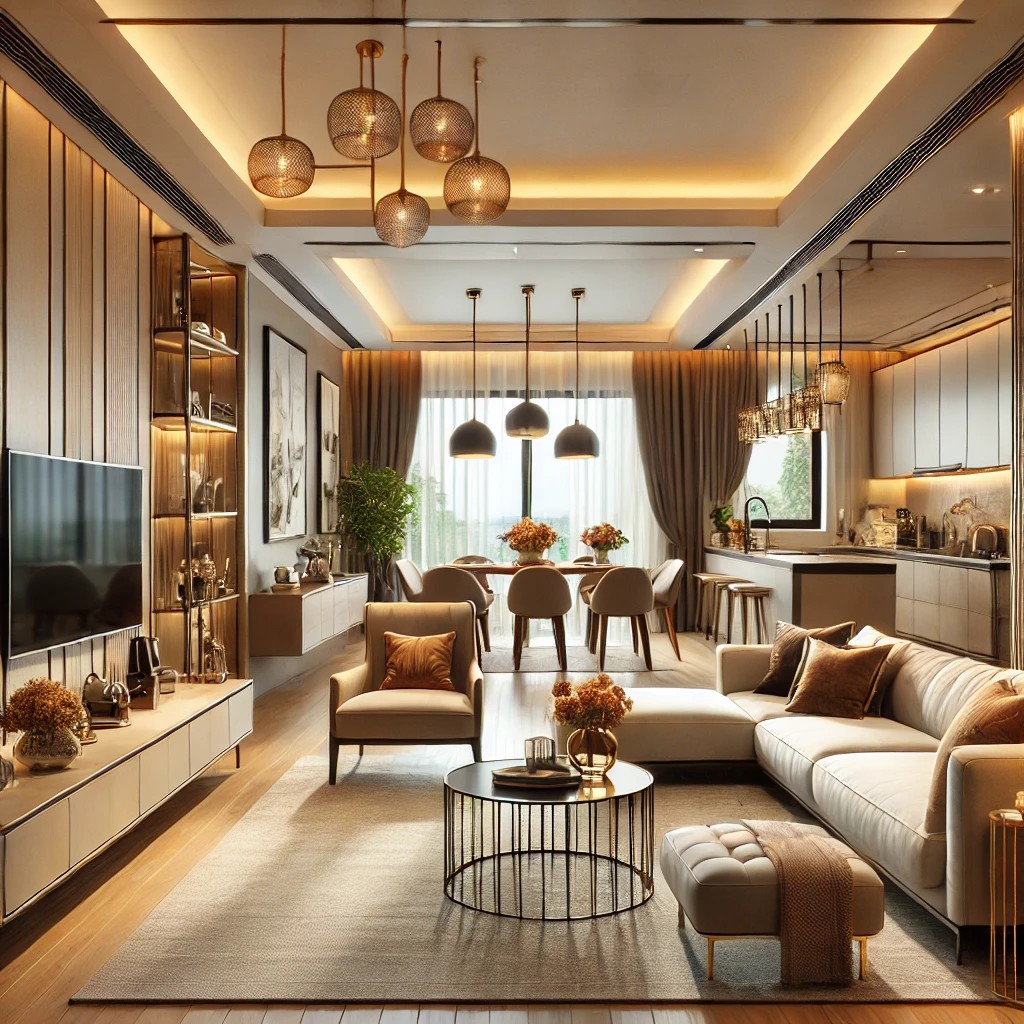
3. “Furniture Arrangement and Flow”: Carefully arrange furniture to optimize flow and functionality. Consider the natural pathways and focal points within each room, ensuring that furniture placement complements the room’s purpose and enhances the overall aesthetic.
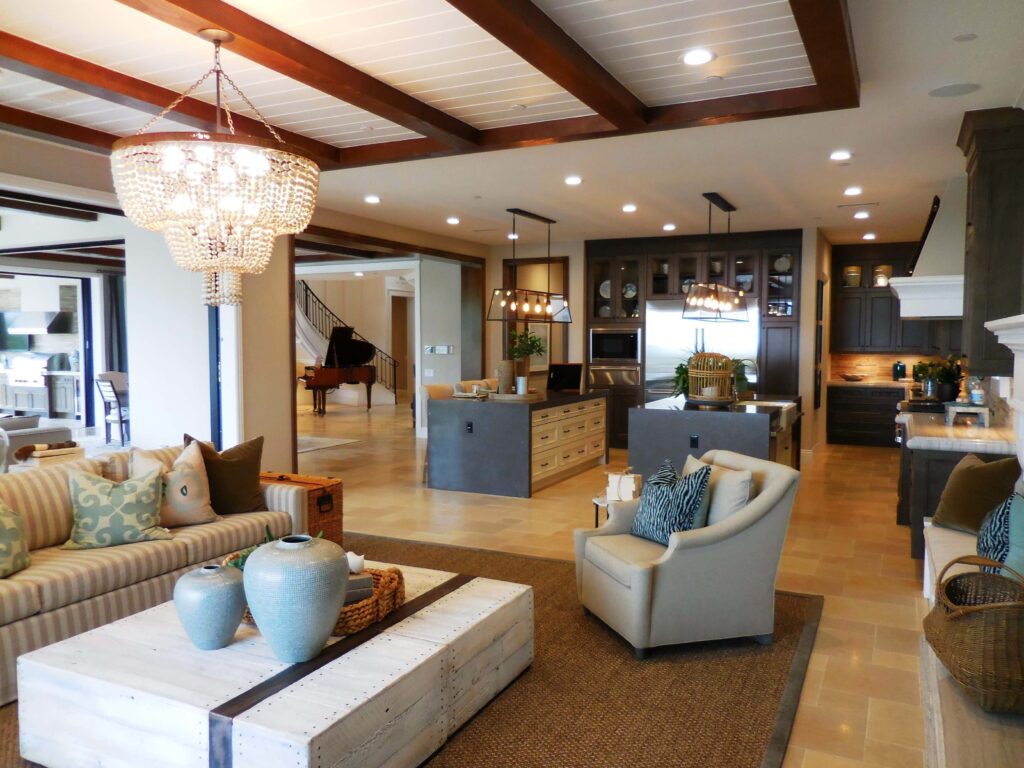
4. “Mix Textures for Visual Interest”: Introduce a variety of textures to add visual interest and warmth. Layer soft fabrics, such as throws and pillows, with hard textures like wood and metal. This creates a dynamic and inviting atmosphere in your home.
5. “Strategic Lighting Choices”: Illuminate your space strategically with a mix of lighting sources. Consider ambient, task, and accent lighting to create a well-lit and inviting atmosphere. Stylish lighting fixtures also serve as decorative elements that enhance the overall design.
6. “Display Thoughtful Decor”: Curate decor items that hold personal meaning and contribute to the overall aesthetic. Display artwork, sentimental objects, or curated collections to infuse your space with personality and tell your unique story.
7. “Incorporate Greenery”: Bring the outdoors inside by incorporating greenery. Indoor plants not only add a touch of nature to your home but also contribute to a healthier and more vibrant atmosphere. Select plants that suit your styling theme and maintenance preferences.
8. “Create Focal Points”: Designate focal points within each room to draw attention and create visual interest. This could be a statement piece of furniture, a striking piece of art, or even an architectural feature like a fireplace.
9. “Embrace Negative Space”: Embrace negative space to avoid overcrowding and maintain a sense of balance. Allow certain areas to breathe, creating a visually pleasing and uncluttered environment that enhances the impact of your chosen decor elements.
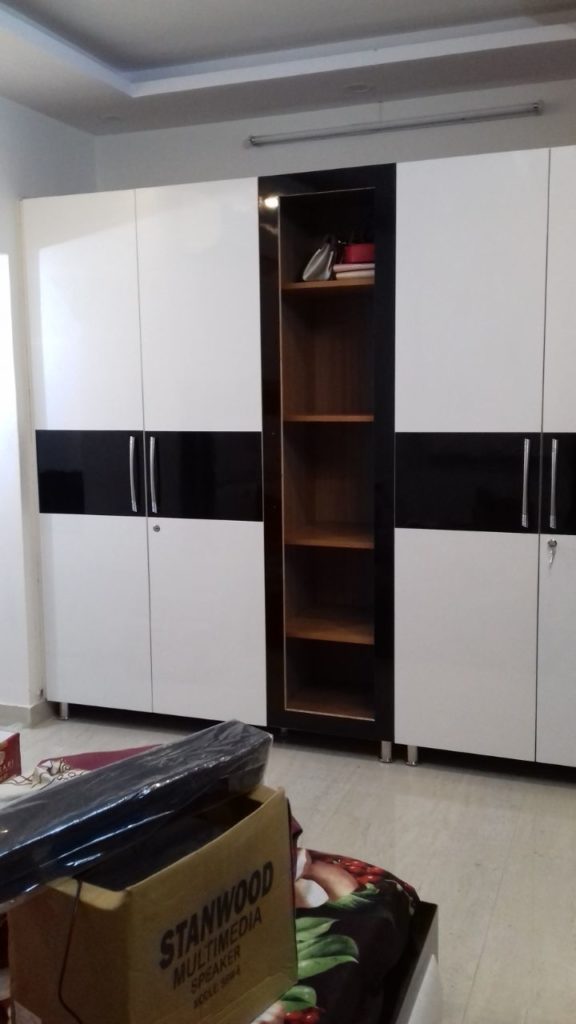
10. “Functional and Stylish Storage”: Optimize storage solutions that are both functional and stylish. Choose furniture pieces that serve dual purposes, such as ottomans with hidden storage or sleek shelving units, ensuring your space remains organized without compromising on style.
11. “Rotate and Refresh”: Keep your home styling dynamic by rotating and refreshing decor items. Switch out seasonal decor, update throw pillows, and introduce new elements periodically to keep your space feeling fresh and inviting.
12. “Reflect Personal Growth”: Allow your home styling to reflect your personal growth and changing preferences. As you evolve, so should your space. Don’t be afraid to experiment with new styles or decor items that resonate with your current taste and lifestyle.
Conclusion: Home styling is an art form that evolves with your personal journey. By defining your style, curating a cohesive palette, and infusing your space with meaningful decor, you can transform your house into a home that not only looks stylish but also feels like a true reflection of you. Welcome to the artful world of home styling, where every detail contributes to the narrative of your life.