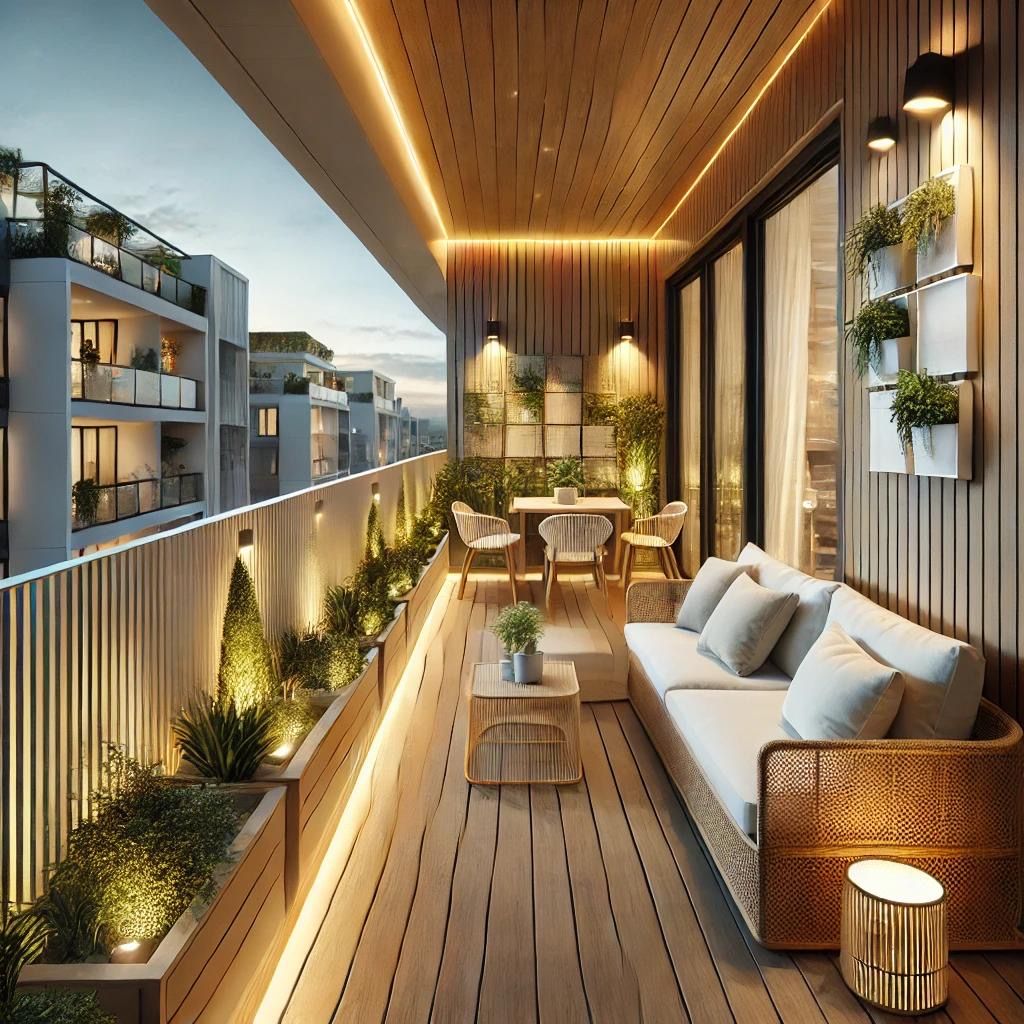
Introduction: Design theory serves as the backbone of creative endeavors in the fields of interior design and decoration. This blog explores the practical applications of design theory from the perspectives of both interior designers and interior decorators, showcasing how these professionals leverage theoretical principles to transform spaces into captivating and functional environments.
- Interior Designers: Functionality Grounded in Theory
- Spatial Dynamics and Traffic Flow:
- Application: Interior designers apply principles of design theory to analyze spatial dynamics. They strategically plan layouts, considering traffic flow and user movement to optimize functionality.
- Outcome: The practical application ensures that spaces are not only aesthetically pleasing but also purposefully designed to enhance the overall user experience.
- Architectural Integration:
- Application: Designers integrate architectural theory into their projects, aligning design concepts with the structural framework. This may involve modifications to the architecture to achieve a cohesive and functional design.
- Outcome: Architectural integration results in spaces that seamlessly marry design aesthetics with structural elements, creating harmonious environments.
- Color Theory:
- Application: Interior designers leverage color theory to evoke specific moods and emotions. They strategically choose color palettes that align with the design concept, considering the psychological impact of colors on occupants.
- Outcome: The practical application of color theory contributes to visually cohesive designs that resonate with the intended atmosphere of the space.
- Material Selection:
- Application: Designers apply design theory to material selection, considering the tactile and visual qualities of materials. They choose materials that not only enhance the aesthetic appeal but also meet practical requirements.
- Outcome: The practical application ensures that materials contribute to the overall design vision while aligning with the functionality and durability needs of the space.
- User-Centered Design:
- Application: Interior designers implement user-centered design theory, considering the needs, preferences, and behaviors of the occupants. They tailor designs to enhance comfort and usability.
- Outcome: Spaces designed with a user-centered approach are not only visually pleasing but also cater to the specific requirements and well-being of those who inhabit them.
- Spatial Dynamics and Traffic Flow:
- Interior Decorators: Aesthetic Flourish Rooted in Theory
- Color Coordination:
- Application: Decorators apply color theory to create visually stunning environments. They strategically coordinate colors, considering complementary and contrasting schemes to achieve a harmonious visual impact.
- Outcome: The practical application results in spaces that captivate the eye, with carefully curated color palettes that align with the desired aesthetic.
- Furnishing Selection:
- Application: Decorators utilize principles of design theory when selecting furnishings. They consider scale, proportion, and style to ensure that each piece contributes cohesively to the overall aesthetic.
- Outcome: The practical application results in well-balanced interiors, where furnishings create a sense of unity and elegance within the design scheme.
- Decorative Elements:
- Application: Decorators strategically place decorative elements, leveraging design theory to achieve visual balance. They consider principles such as symmetry, rhythm, and focal points in the arrangement of decor.
- Outcome: The practical application ensures that decorative elements enhance the overall aesthetic without overwhelming the space, contributing to a curated and visually pleasing atmosphere.
- Style Adaptation:
- Application: Decorators apply design theory when adapting styles to meet client preferences. They understand design trends, historical styles, and contemporary influences to create cohesive design narratives.
- Outcome: The practical application results in spaces that reflect the client’s individual style, with a thoughtful blend of design elements that resonate with their aesthetic tastes.
- Budget-Friendly Solutions:
- Application: Decorators apply design theory to find creative and budget-friendly solutions. They leverage their understanding of design principles to achieve impactful transformations within specified financial constraints.
- Outcome: The practical application ensures that decorators create visually stunning environments without compromising on aesthetic quality, even with budget considerations.
- Color Coordination:
Conclusion: The practical applications of design theory in interior design and decoration underscore the versatility and depth of these professions. Interior designers infuse functionality with design theory, creating purposeful spaces, while interior decorators bring aesthetic flourish to life by applying design theory principles. Together, these professionals showcase the real-world impact of theoretical principles, transforming spaces into captivating and harmonious environments that cater to both form and function.