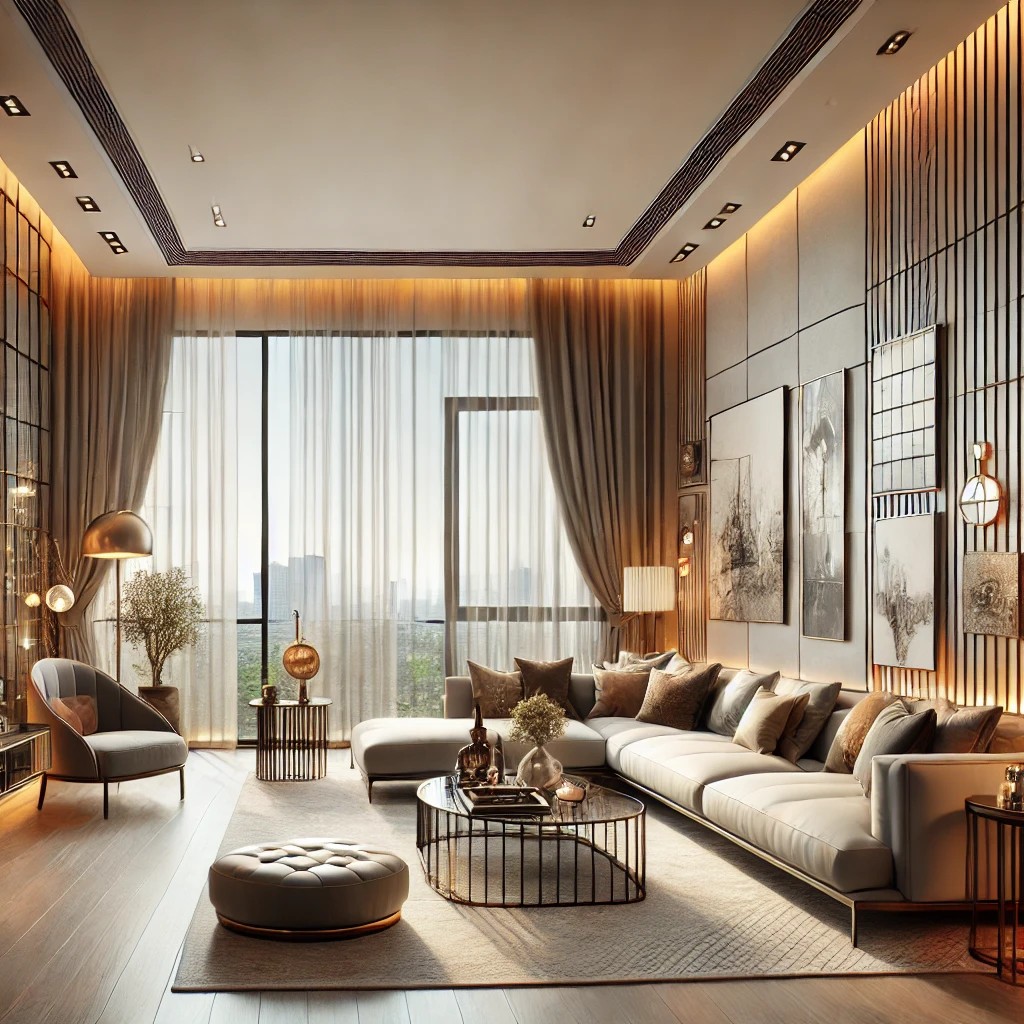
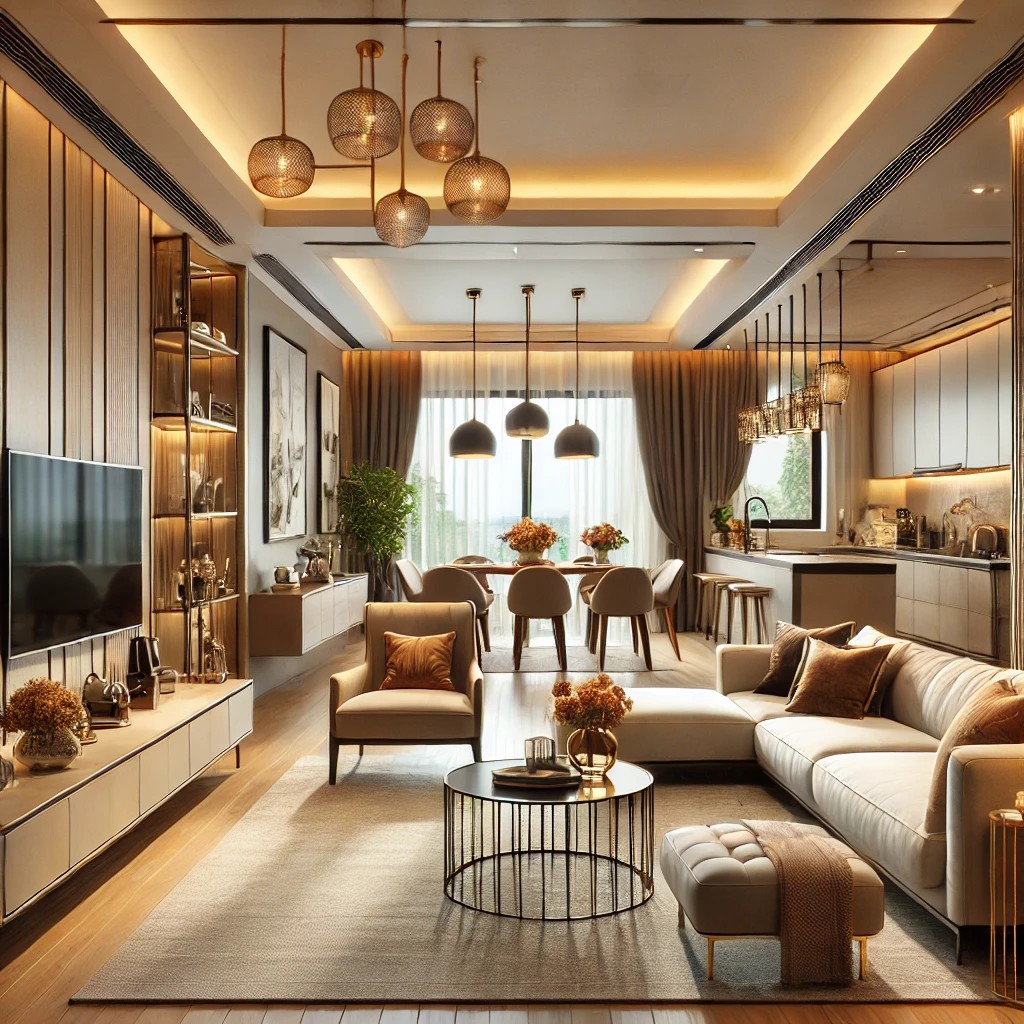
Introduction: The design ecosystem thrives on diversity, and within its rich tapestry, interior designers and decorators play distinctive yet complementary roles. This blog explores how these professionals contribute to the overall design ecosystem, combining their expertise to transform spaces into harmonious, functional, and aesthetically pleasing environments.
- Interior Designers: Architects of Functionality and Form
- Spatial Optimization:
- Contribution: Interior designers contribute by optimizing spatial layouts for maximum functionality. Their expertise in spatial planning ensures that spaces are purposefully designed to meet the practical needs of occupants.
- Impact: The contribution of designers extends beyond aesthetics, creating environments where form seamlessly aligns with function.
- Architectural Integration:
- Contribution: Interior designers collaborate with architects, contributing to the integration of design concepts with architectural elements. They may engage in structural modifications to achieve a cohesive and well-balanced design.
- Impact: The contribution of designers results in spaces where the architectural framework and interior design work in harmony, creating a unified and holistic experience.
- Comprehensive Project Management:
- Contribution: Designers manage projects comprehensively, overseeing every aspect from conceptualization to execution. They coordinate with contractors, artisans, and other professionals to ensure a seamless implementation of the design vision.
- Impact: The contribution of designers leads to the successful realization of design concepts, with a focus on precision, quality, and a cohesive design narrative.
- User-Centered Design:
- Contribution: Interior designers prioritize user-centered design, tailoring spaces to the needs, preferences, and behaviors of the occupants. They contribute to the creation of environments that enhance comfort and usability.
- Impact: The contribution of designers results in spaces that not only look aesthetically pleasing but also prioritize the well-being and satisfaction of those who inhabit them.
- Spatial Optimization:
- Interior Decorators: Curators of Aesthetic Excellence
- Aesthetic Enhancement:
- Contribution: Interior decorators contribute by enhancing the visual appeal of spaces through curated color schemes, furnishings, and decorative elements. Their expertise lies in creating atmospheres that captivate the eye.
- Impact: The contribution of decorators adds a layer of aesthetic excellence to spaces, elevating the overall visual experience and creating environments that reflect individual style.
- Furnishing and Decor Curation:
- Contribution: Decorators excel in curating furnishings and decor, strategically arranging elements to achieve visual harmony. They contribute to the overall ambiance by selecting pieces that complement the design concept.
- Impact: The contribution of decorators results in interiors where each piece contributes cohesively to the overall aesthetic, creating a curated and elegant atmosphere.
- Adaptation of Styles:
- Contribution: Interior decorators contribute by adapting styles to meet client preferences. They bring a nuanced understanding of design trends, historical styles, and contemporary influences to create cohesive design narratives.
- Impact: The contribution of decorators ensures that spaces reflect the client’s individual style, with a thoughtful blend of design elements that resonate with their aesthetic tastes.
- Budget-Friendly Solutions:
- Contribution: Decorators contribute by finding creative and budget-friendly solutions, leveraging design principles to achieve impactful transformations within specified financial constraints.
- Impact: The contribution of decorators ensures that aesthetic quality is not compromised, even with budget considerations, making design accessible and inclusive.
- Aesthetic Enhancement:
- Collaborative Harmony: A Unified Design Ecosystem
- Collaboration:
- Contribution: Interior designers and decorators often collaborate on projects, leveraging their unique strengths. Designers contribute the foundation of functionality, while decorators add the finishing touches of aesthetic refinement.
- Impact: The collaborative contribution results in spaces that strike a perfect balance between form and function, creating a unified and harmonious design ecosystem.
- Diversity in Expertise:
- Contribution: The diversity in expertise brought by designers and decorators contributes to a well-rounded design ecosystem. Each professional’s unique skills enhance the overall versatility and depth of the design field.
- Impact: The contribution of diverse expertise ensures that the design ecosystem can cater to a wide range of client needs, preferences, and project scopes.
- Collaboration:
Conclusion: Interior designers and decorators are integral contributors to the overall design ecosystem, each bringing a unique set of skills and perspectives. Designers prioritize functionality, architectural integration, and comprehensive project management, while decorators excel in aesthetic enhancement, curation, and adaptation of styles. Together, these professionals create a collaborative and unified design ecosystem, enriching spaces with both purposeful design and visual allure. The harmonious interplay of their contributions ensures that the design landscape remains diverse, dynamic, and capable of meeting the diverse needs of clients and the evolving demands of the design industry.