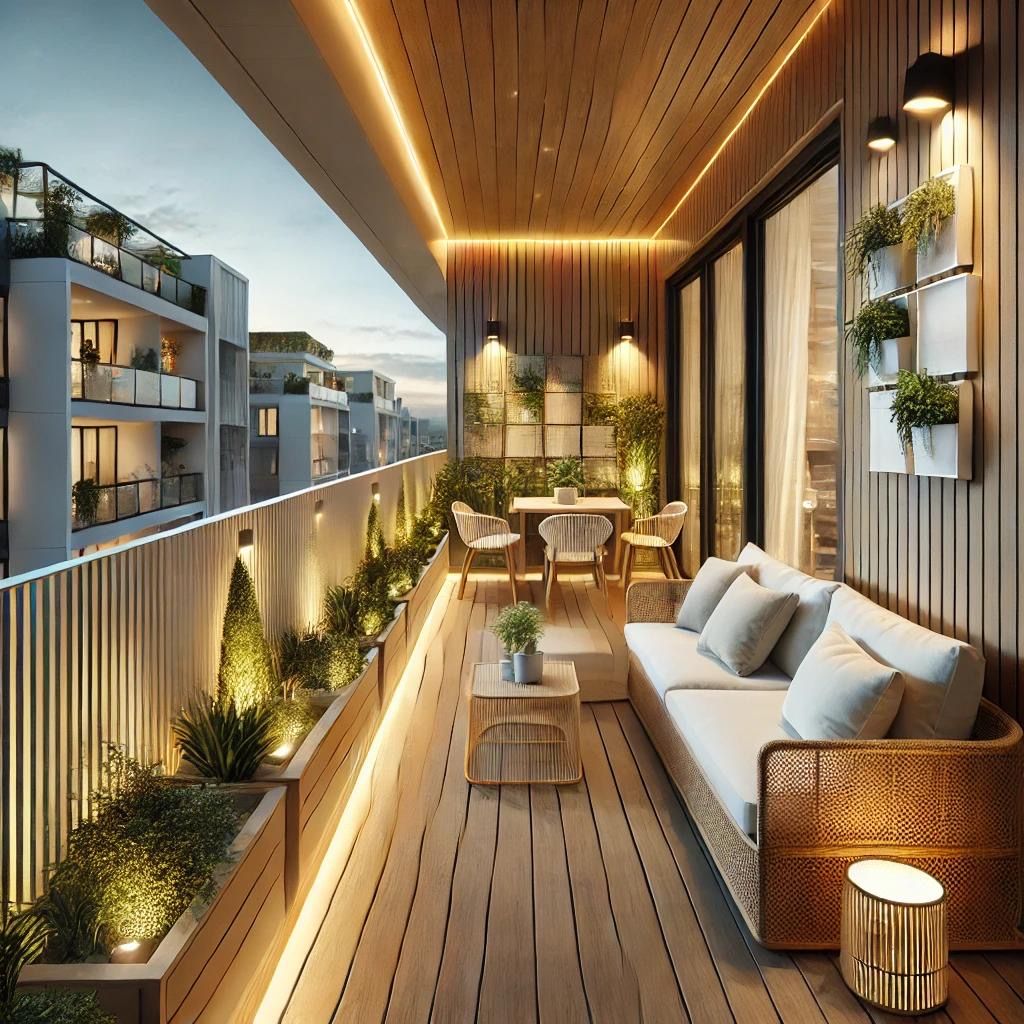
Introduction: The worlds of interior design and interior decoration are marked by distinct strategic approaches, each with its own focus and purpose. This blog aims to unravel the intricacies of these strategic approaches, shedding light on the unique methods employed by interior designers and interior decorators in transforming spaces with intention and artistry.
- Interior Designers: Orchestrating Holistic Transformations
- Strategic Approach:
- Holistic Vision: Interior designers approach projects with a comprehensive and holistic vision, considering both the functional and aesthetic aspects of a space.
- Spatial Analysis: Before the creative process begins, designers conduct thorough spatial analyses, assessing traffic flow, spatial dynamics, and ergonomic considerations.
- Architectural Integration: Designers often collaborate with architects, seamlessly integrating design concepts with the architectural framework. This may involve structural modifications for optimal design realization.
- Conceptualization: The strategic approach involves a meticulous conceptualization phase, where designers define the project scope, goals, and the overall design narrative.
- Implementation:
- Project Management: Interior designers take on the role of project managers, overseeing every aspect from conceptualization to execution. They coordinate with contractors, artisans, and other professionals to ensure a seamless implementation of the design vision.
- Material Selection: Designers strategically choose materials, considering both aesthetic appeal and functionality. Material decisions align with the design concept and contribute to the overall spatial experience.
- Strategic Approach:
- Interior Decorators: Crafting Aesthetic Narratives
- Strategic Approach:
- Aesthetic Focus: Interior decorators center their strategic approach on aesthetic enhancements, with a primary focus on creating visually pleasing environments.
- Client-Centric Design: Decorators strategically collaborate with clients to capture their design preferences, translating these preferences into cohesive aesthetic narratives.
- Furnishing and Decor Curation: The strategic emphasis lies in curating furnishings, color schemes, and decorative elements that align with the client’s stylistic aspirations.
- Style Adaptation: Decorators stay attuned to design trends and strategically adapt styles to meet the client’s desires while ensuring a harmonious and visually appealing outcome.
- Implementation:
- Visual Composition: Decorators excel in the visual composition of a space, strategically arranging furniture, decor, and color schemes to create a cohesive and aesthetically pleasing atmosphere.
- Budget-Friendly Options: A strategic consideration for decorators is often finding creative solutions that enhance aesthetics within a specified budget. They leverage their expertise to achieve impactful transformations without extensive structural changes.
- Strategic Approach:
- Client Interaction: Tailoring Designs to Needs and Desires
- Interior Designers: Engage in extensive client consultations to understand not only aesthetic preferences but also functional needs, lifestyle requirements, and long-term goals. The strategic approach involves tailoring designs to meet these multifaceted client considerations.
- Interior Decorators: Work closely with clients to capture their design preferences and style aspirations. The strategic collaboration revolves around translating these preferences into visually appealing environments.
- Spatial Planning and Aesthetic Harmony: A Comparative Overview
- Interior Designers: Prioritize spatial planning, ensuring that the layout optimizes functionality and adheres to architectural principles. The strategic focus extends beyond aesthetics to encompass comprehensive spatial considerations.
- Interior Decorators: While proficient in spatial arrangements, decorators place a stronger emphasis on aesthetic harmony. Their strategic approach centers on creating visually stunning compositions within existing spatial frameworks.
Conclusion: The strategic approach of interior designers and interior decorators reflects their distinct roles in the realm of design. Interior designers orchestrate holistic transformations, seamlessly integrating functionality and aesthetics, while interior decorators strategically craft aesthetic narratives, focusing on visual harmony and stylistic preferences. Both professions contribute uniquely to the art of transforming spaces, offering strategic approaches tailored to meet diverse client needs and aspirations. The choice between an interior designer and a decorator depends on the project scope, goals, and the balance desired between functional optimization and aesthetic enhancement.