Interior design

Budget Interior Designers in Gurgaon: Affordable Solutions for Stylish Living

Image
Image
Image
Image
Image

Finding budget interior designers in Gurgaon is essential for homeowners who want modern, functional interiors without exceeding their budget. With rapid urban growth across Gurgaon, Noida, and Delhi NCR, many designers now specialize in affordable, space-efficient solutions for apartments, builder floors, and rental homes.

This guide highlights cost-effective interior designers and practical tips to achieve a premium look on a budget.


Affordable Interior Designers in Gurgaon

1. Design Cafe (Gurgaon Studio)

Best for: Budget modular interiors
Why choose them

  • Package-based pricing options
  • Factory-finished modular units
  • Suitable for apartments and compact homes

2. HomeLane Gurgaon

Best for: Affordable turnkey interiors
Highlights

  • Transparent pricing and timelines
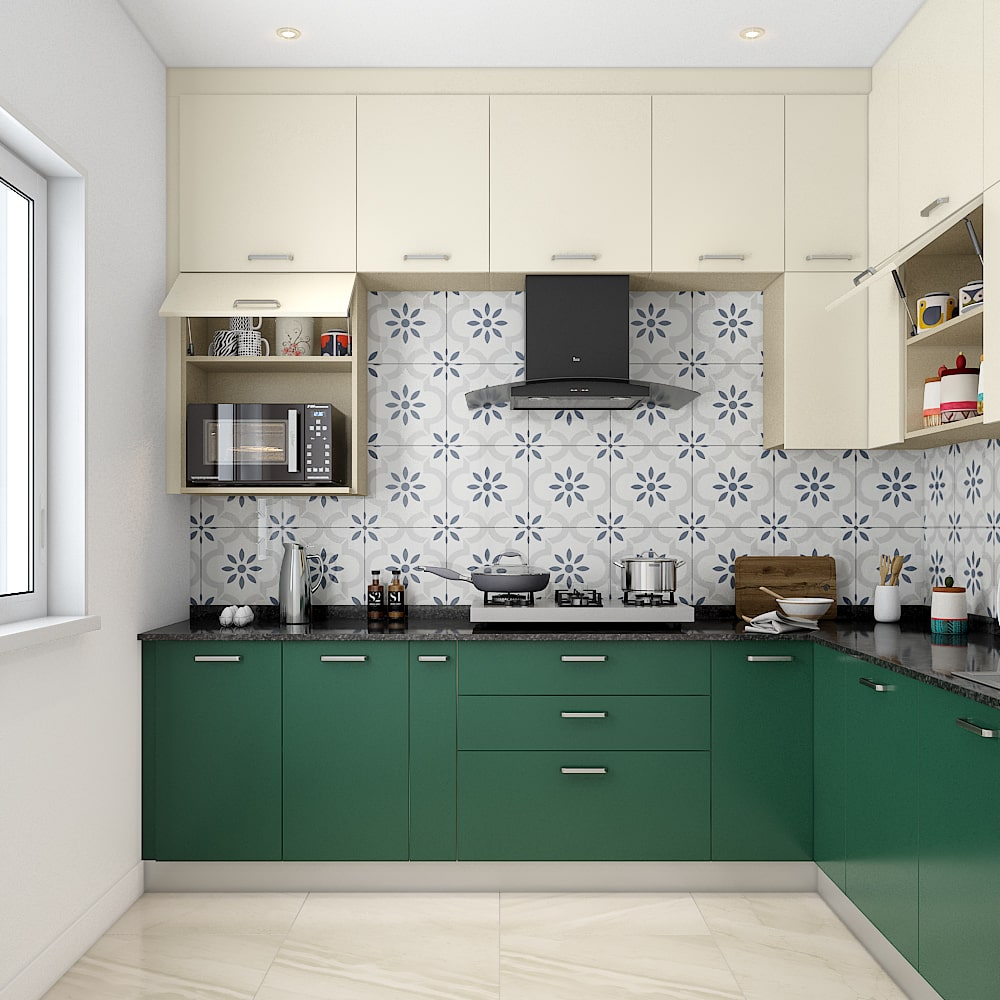
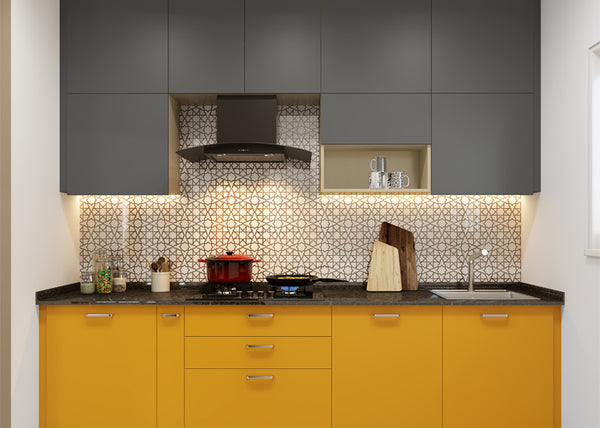
  • Modular kitchens & wardrobes
  • Efficient installation process

3. UrbanDAC

Best for: Budget-friendly home interiors
Key features

  • Transparent costing structure
  • Affordable residential design solutions
  • Practical layouts for urban homes

4. Reecan Interiors

Best for: Cost-effective turnkey projects
Strengths

  • Modern interiors within budget
  • Residential & office interior expertise
  • Functional and stylish solutions

5. SKF Contractor & Interiors

Best for: Low-cost carpentry & interiors
Highlights

  • Budget-friendly materials
  • Ideal for builder floors and rental homes
  • Practical and durable designs

6. Interia

Best for: Affordable luxury-look interiors
Why homeowners choose them

  • Elegant designs using cost-effective materials
  • Smart lighting and layout solutions
  • Customized residential interiors

7. Local Modular Kitchen & Wardrobe Vendors

Best for: Ultra-budget interior upgrades
Why consider

  • Lower costs compared to full-service firms
  • Quick installation timelines
  • Ideal for small apartments and rentals

Average Budget Interior Cost in Gurgaon

Costs vary based on materials and customization.

Estimated pricing:

  • 1 BHK: β‚Ή1.5 – β‚Ή3 lakh
  • 2 BHK: β‚Ή3 – β‚Ή6 lakh
  • 3 BHK: β‚Ή5 – β‚Ή8 lakh
  • Modular kitchen: β‚Ή60,000 – β‚Ή2 lakh
  • Wardrobes: β‚Ή1,200 – β‚Ή2,400 per sq. ft.

Budget planning helps avoid overspending.


How to Achieve Premium Interiors on a Budget

Smart material choices

  • Laminates instead of veneer or solid wood
  • Quartz countertops instead of marble
  • MDF modular units for cost savings

Smart design decisions

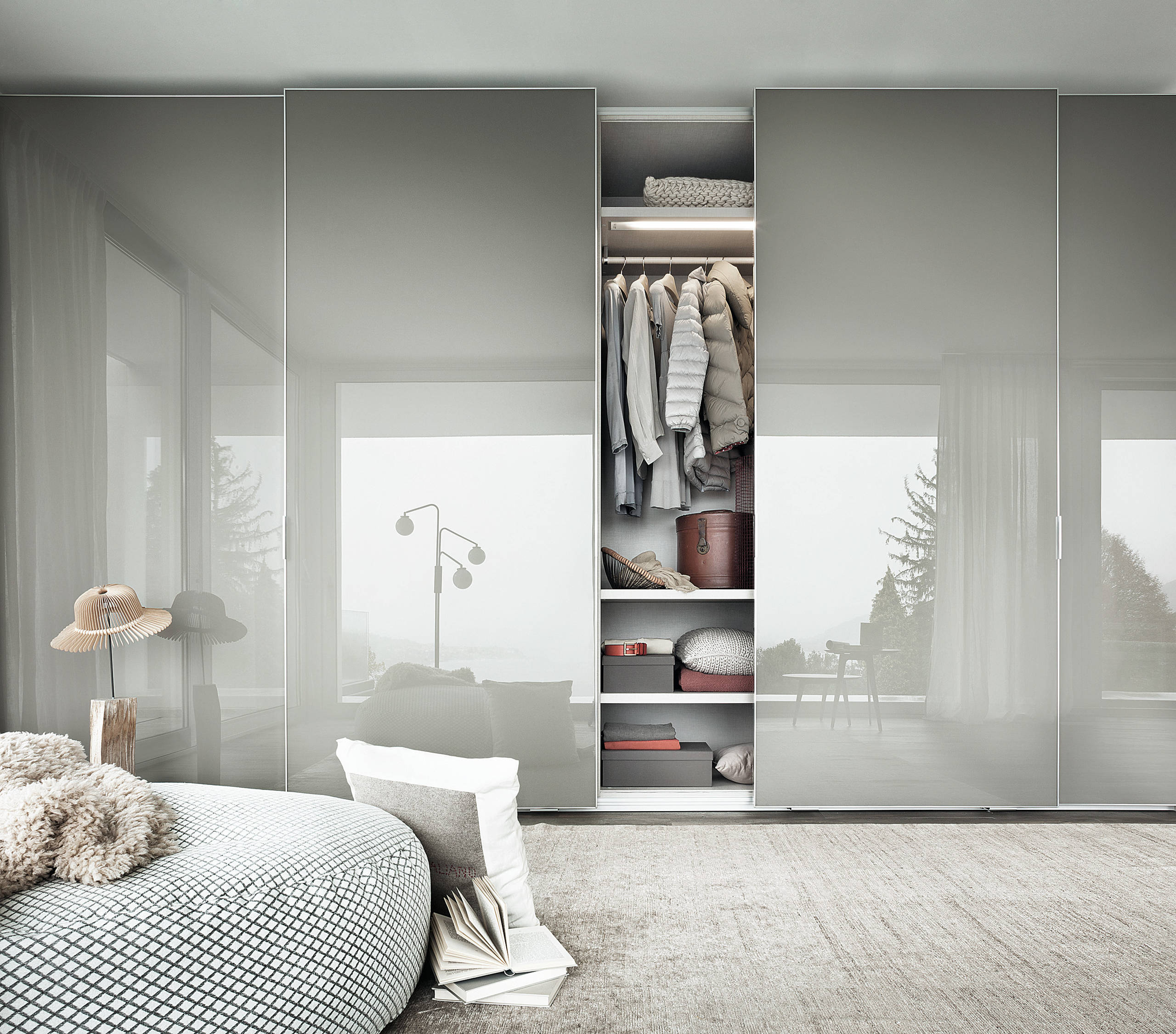
  • Use sliding wardrobes to save space
  • Install LED strip lighting for ambiance
  • Choose neutral palettes for timeless appeal
  • Use mirrors to enhance perceived space

Cost-saving strategies

  • Complete interiors in phases
  • Reuse existing furniture
  • Compare quotes from multiple vendors
  • Focus spending on kitchen & storage

Budget Interior Trends in Gurgaon, Noida & Delhi NCR

Homeowners prefer modern, functional interiors that maximize space.

Trending styles:

  • Minimalist modern layouts
  • Scandinavian-inspired neutral palettes
  • Modular kitchens with smart storage
  • Warm lighting with simple false ceilings
  • Multi-functional furniture for compact homes

These styles provide a premium appearance while staying affordable.


Tips for Hiring the Right Budget Interior Designer

Before finalizing:

  • Review previous budget projects
  • Request a detailed quotation
  • Verify material specifications
  • Confirm timeline commitments
  • Ensure after-installation support

Designers experienced with high-rise apartments can optimize layouts effectively.


Key Takeaways

  • Budget interior designers in Gurgaon offer stylish solutions at affordable prices.
  • Modular interiors and smart materials reduce overall costs.
  • A 2BHK interior typically costs β‚Ή3–6 lakh.
  • Minimalist design and efficient lighting create a premium look.
  • Comparing designers ensures better value and quality.

Final Thoughts

Affordable interior design in Gurgaon focuses on functionality, space efficiency, and modern aesthetics. With the right designer and thoughtful planning, homeowners can create elegant interiors without overspending.

If needed, a shortlist under β‚Ή2 lakh, rental-friendly interiors, or modular kitchen specialists can be provided.

Budget Interior Designers in Gurgaon: Affordable Solutions for Stylish Living Read More Β»

Budget Interior Designers in Gurgaon: Affordable Experts for Modern Apartments

Image
Image
Image
Image
Image

Finding budget interior designers in Gurgaon is ideal for homeowners seeking stylish interiors without overspending. With growing housing demand across Gurgaon, Noida, and Delhi NCR, many professionals now offer cost-effective solutions tailored to apartments, builder floors, and rental homes.

Below are affordable interior designers and firms known for delivering functional, modern spaces within budget.


Affordable Interior Designers in Gurgaon

1. LXM Interior

Best for: Low-budget residential interiors
Why choose them

  • Budget-friendly design execution
  • Practical layouts and finishes
  • Suitable for compact homes (lxminterior.in)

2. Reecan Interiors

Best for: Affordable turnkey interiors
Highlights

  • Experience working within client budgets
  • Residential and office interior solutions (reecan.in)
  • Functional and modern design approach

3. Interia

Best for: Stylish interiors at reasonable cost
Key features

  • Creative lighting and layout solutions
  • Elegant results without overspending (The Interia)

4. UrbanDAC (Affordable Design Services)

Best for: Transparent, low-cost interiors
Strengths

  • Clear pricing with no hidden costs (urbandac.in)
  • Affordable home and office interiors

5. SKF Contractor & Interiors

Best for: Low-cost turnkey solutions
Why homeowners choose them

  • Smart layouts and budget-friendly materials (Skf Contractor)
  • Practical designs for apartments and builder floors

6. Matter of Space

Best for: Affordable interiors with quality finish
Highlights

  • Balance of affordability and craftsmanship (Matter Of Space)
  • Residential and commercial expertise

7. Sara Designs Interior

Best for: Affordable luxury look interiors
Key advantages

  • Budget material selection without compromising quality (Sara Designs)
  • Customized design solutions

Typical Interior Design Costs in Gurgaon

Costs vary based on materials and customization level.

Estimated pricing:

  • Consultation: β‚Ή1,000 – β‚Ή5,000 (Justdial)
  • Full home interiors: β‚Ή1,200 – β‚Ή3,000 per sq. ft. (Justdial)
  • Modular kitchen: β‚Ή50,000 – β‚Ή2.5 lakh (Justdial)
  • Designer fees: β‚Ή150 – β‚Ή250 per sq. ft. (DesignCafe)

Budget projects can be reduced further with smart material choices.


Tips to Reduce Interior Design Costs

Choose smart materials

  • Laminates instead of veneer
  • Quartz or granite instead of marble
  • MDF modular units instead of solid wood

Design smart

  • Sliding wardrobes save space and cost
  • Use mirrors to make rooms feel larger
  • LED strip lighting enhances ambiance affordably

Plan strategically

  • Complete interiors in phases
  • Reuse existing furniture
  • Compare multiple quotes before finalizing

Budget Interior Trends in Gurgaon, Noida & Delhi NCR

Homeowners prefer practical designs that look premium but remain affordable.

Trending styles:

  • Minimalist modern interiors
  • Neutral color palettes with warm lighting
  • Modular kitchens & smart storage
  • Simple false ceilings with LED lighting
  • Multi-functional furniture for compact homes

How to Choose the Right Budget Interior Designer

Before hiring:

  • Review past budget-friendly projects
  • Request a detailed cost breakdown
  • Compare material specifications
  • Confirm timelines and warranties
  • Ensure experience with high-rise apartments

Transparent pricing and planning are essential for affordable interiors. (JSR Developers)


Key Takeaways

  • Budget interior designers in Gurgaon offer stylish and functional solutions.
  • Modular furniture and smart storage reduce overall costs.
  • Interior services typically range from β‚Ή150–₹250 per sq. ft.
  • Affordable materials can still create a premium look.
  • Comparing designers ensures better quality and value.

Final Thoughts

Affordable interior design in Gurgaon focuses on space efficiency, practical materials, and modern aesthetics. With the right designer and planning approach, homeowners can create elegant interiors without exceeding their budget.

If needed, a shortlist under β‚Ή2 lakh, rental home interiors, or modular kitchen specialists can be provided.

Budget Interior Designers in Gurgaon: Affordable Experts for Modern Apartments Read More Β»

Budget Interior Designers in Gurgaon: Smart & Affordable Home Design Options

Image
Image
Image
Image
Image

Finding budget interior designers in Gurgaon is essential for homeowners who want modern, functional interiors without high costs. With rapid housing growth across Gurgaon, Noida, and Delhi NCR, many designers now specialize in cost-effective solutions tailored for apartments, builder floors, and rental properties.

This guide highlights affordable designers and practical strategies to achieve stylish interiors within budget.


Best Budget Interior Designers in Gurgaon

1. Reecan Interiors

Best for: Affordable residential interiors
Why choose them

  • Budget-friendly turnkey solutions
  • Modular kitchens and wardrobes
  • Ideal for compact apartments

2. Urban Homez Interior

Best for: Low-cost modern interiors
Highlights

  • Contemporary designs within budget
  • Space-saving layouts
  • Transparent pricing approach

3. Interia (Gurgaon Projects)

Best for: Smart modular interior packages
Key features

  • Cost-effective modular solutions
  • Functional storage designs
  • Suitable for 2BHK & 3BHK homes

4. A2Z Interior Solutions

Best for: Budget turnkey execution
Strengths

  • Affordable carpentry & dΓ©cor
  • Practical layouts for builder floors
  • Renovation-friendly services

5. Divine Innovation

Best for: Modern interiors on controlled budgets
Highlights

  • Contemporary styling
  • Efficient space utilization
  • Quality materials at reasonable pricing

6. Local Carpenter & Modular Specialists

Best for: Ultra-budget interiors
Why consider

  • Lower labor costs
  • Custom sizing for small spaces
  • Ideal for rental or quick upgrades

Average Interior Design Cost in Gurgaon

Costs vary based on material choices and customization level.

Estimated budget ranges:

  • 1 BHK: β‚Ή1.5 – β‚Ή3 lakh
  • 2 BHK: β‚Ή3 – β‚Ή5.5 lakh
  • 3 BHK: β‚Ή5 – β‚Ή8 lakh
  • Modular kitchen: β‚Ή60,000 – β‚Ή1.8 lakh
  • Wardrobes: β‚Ή1,200 – β‚Ή2,400 per sq. ft.

Opting for laminates, modular units, and simple ceilings helps reduce expenses.


How to Achieve Stylish Interiors on a Budget

Smart material choices

  • Laminates instead of veneer or solid wood
  • Quartz or granite instead of marble
  • MDF or plywood modular units

Space-saving design ideas

  • Sliding wardrobes instead of hinged doors
  • Wall-mounted storage units
  • Foldable or multi-functional furniture

Budget dΓ©cor tips

  • Neutral paint with accent cushions
  • LED strip lighting for ambiance
  • Mirrors to enhance space perception
  • Ready-made dΓ©cor instead of custom pieces

Budget Interior Trends in Gurgaon, Noida & Delhi NCR

Homeowners prefer practical and modern interiors that maximize space.

Popular trends include:

  • Minimalist modern layouts
  • Scandinavian-inspired neutral palettes
  • Modular kitchens with smart storage
  • Warm lighting and simple false ceilings
  • Multi-functional furniture for compact homes

These trends provide a premium look while staying affordable.


Tips for Hiring the Right Budget Interior Designer

Before finalizing:

  • Compare quotes from multiple designers
  • Check previous budget-friendly projects
  • Confirm material specifications
  • Discuss timeline and payment schedule
  • Ensure after-installation support

Designers experienced with high-rise apartments can optimize layout efficiency.


Key Takeaways

  • Budget interior designers in Gurgaon provide affordable yet stylish solutions.
  • Modular furniture and smart storage help reduce costs.
  • A 2BHK interior typically costs β‚Ή3–5.5 lakh.
  • Minimalist design and lighting create a premium feel on a budget.
  • Comparing options ensures better pricing and quality.

Final Thoughts

Affordable interior design in Gurgaon focuses on functionality, efficient storage, and modern aesthetics. With the right designer and thoughtful material choices, homeowners can create elegant interiors without exceeding their budget.

If needed, a shortlist under β‚Ή2 lakh, rental home upgrades, or budget modular kitchen experts can be provided.

Budget Interior Designers in Gurgaon: Smart & Affordable Home Design Options Read More Β»

Budget Interior Designers in Gurgaon: Affordable Design Services for Modern Homes

Image
Image
Image
Image
Image

Finding budget interior designers in Gurgaon is a priority for homeowners who want stylish interiors without overspending. With rapid growth in Gurgaon, Noida, and Delhi NCR, many designers now offer cost-effective solutions tailored for apartments, builder floors, and compact homes.

This guide lists affordable designers and practical tips to achieve premium-looking interiors on a budget.


Affordable Interior Designers in Gurgaon

1. The KariGhars (Gurgaon Projects)

Best for: Budget-friendly modular interiors
Why choose them

  • Space-efficient designs
  • Modular kitchen and wardrobe packages
  • Transparent pricing options

2. Livspace Gurugram Experience Center

Best for: Package-based budget interiors
Highlights

  • Fixed pricing packages
  • 3D visualization before execution
  • Warranty-backed installations

3. HomeLane Gurgaon

Best for: Affordable modular interiors
Key features

  • Factory-finished modular units
  • Budget-friendly packages
  • Quick installation timelines

4. SKF Contractor & Interiors

Best for: Low-cost turnkey interiors
Strengths

  • Cost-effective carpentry work
  • Ideal for builder floors & rental homes
  • Practical design solutions

5. Chaukor Studio (select budget projects)

Best for: Modern minimalist interiors
Highlights

  • Clean, functional designs
  • Smart space planning
  • Budget-conscious material selection

6. Design Peddlers

Best for: Affordable customized interiors
Features

  • Contemporary design approach
  • Efficient storage solutions
  • Suitable for compact apartments

7. Local Modular Kitchen & Wardrobe Specialists

Best for: Ultra-budget interior solutions
Why consider

  • Lower costs than full-service firms
  • Quick installations
  • Custom sizing for small spaces

Average Budget Interior Cost in Gurgaon

Interior costs depend on materials, customization, and design scope.

Estimated pricing:

  • 1 BHK interior: β‚Ή1.5 – β‚Ή3 lakh
  • 2 BHK interior: β‚Ή3 – β‚Ή6 lakh
  • 3 BHK interior: β‚Ή5 – β‚Ή9 lakh
  • Modular kitchen: β‚Ή70,000 – β‚Ή2 lakh
  • Sliding wardrobes: β‚Ή1,200 – β‚Ή2,400 per sq. ft.

Budget projects can be optimized by prioritizing essential areas.


How to Get Premium Interiors on a Budget

Smart material choices

  • Laminates instead of veneer or solid wood
  • Quartz instead of marble
  • PVC or gypsum false ceilings

Design strategies

  • Use mirrors to create spaciousness
  • Choose neutral colors for timeless appeal
  • Install LED strip lighting for ambiance
  • Opt for multi-functional furniture

Cost-saving tips

  • Complete interiors in phases
  • Reuse existing furniture
  • Compare multiple vendor quotes
  • Choose ready-made dΓ©cor elements

Budget-Friendly Interior Trends in Gurgaon & Delhi NCR

Homeowners in Gurgaon, Noida, and Delhi NCR prefer practical yet elegant interiors.

Trending styles include:

  • Minimalist modern interiors
  • Scandinavian-inspired neutral palettes
  • Modular kitchens with smart storage
  • Sliding wardrobes for space efficiency
  • Warm lighting with simple false ceilings

These styles balance affordability with contemporary aesthetics.


Choosing the Right Budget Interior Designer

Before finalizing a designer:

  • Review past budget projects
  • Request detailed quotations
  • Compare material specifications
  • Confirm delivery timelines
  • Ask about after-installation service

Designers experienced with high-rise apartments can optimize space effectively.


Key Takeaways

  • Budget interior designers in Gurgaon offer stylish solutions for modern homes.
  • Modular interiors and smart materials help control costs.
  • A 2 BHK interior typically costs β‚Ή3–6 lakh.
  • Minimalist design and efficient lighting create a premium feel.
  • Comparing designers ensures the best value and quality.

Conclusion

Budget interior design in Gurgaon focuses on maximizing space, selecting cost-effective materials, and creating modern, functional interiors. With thoughtful planning and the right designer, homeowners can achieve elegant interiors without exceeding their budget.

If required, a curated list under β‚Ή2 lakh, rental home interiors, or ultra-budget modular solutions can be provided.

Budget Interior Designers in Gurgaon: Affordable Design Services for Modern Homes Read More Β»

Budget Interior Designers in Gurgaon: Affordable Experts for Stylish Homes

Image
Image
Image
Image
Image

Finding budget interior designers in Gurgaon is easier than ever as homeowners seek smart, cost-effective solutions for modern apartments and builder floors. Affordable designers focus on functionality, modular solutions, and elegant finishes without overspending.

Below are reliable and well-reviewed interior designers offering budget-friendly services across Gurgaon.


Top Budget Interior Designers in Gurgaon

1. Acumen Interiors

Location: Sector 7
Best for: Turnkey interiors on a budget
Why choose them

  • Affordable modular kitchens & wardrobes
  • Complete home interior packages
  • Practical solutions for small apartments

2. Latest Interiors & Constructions

Location: Sector 26A
Best for: Cost-effective full home interiors
Highlights

  • Renovation & dΓ©cor services
  • Budget-friendly material options
  • Suitable for mid-range budgets

3. D’Space Canvas Interiors

Location: Sector 9
Best for: Compact home interiors
Key features

  • Space-saving layouts
  • Modern designs within budget
  • Efficient project execution

4. Designer Homez

Location: Sector 57
Best for: Modular furniture & apartment interiors
Why homeowners prefer them

  • Affordable modular solutions
  • Smart storage designs
  • Functional layouts for high-rise homes

5. Paimaish Interior Designer

Location: Sector 44
Best for: Budget customized interiors
Highlights

  • Affordable residential interiors
  • Modern styling options
  • Flexible design packages

6. Wagma Designs

Location: Sector 30
Best for: Budget-friendly modern interiors
Strengths

  • Contemporary aesthetics
  • Transparent costing
  • Compact home expertise

7. High Creation Interior

Location: Sector 48
Best for: Affordable turnkey design
Features

  • Cost-effective material selections
  • Modern interior styling
  • Suitable for new apartments

Typical Budget Interior Costs in Gurgaon

Costs vary based on customization and materials:

  • 1 BHK: β‚Ή1.5 – β‚Ή3 lakh
  • 2 BHK: β‚Ή3 – β‚Ή6 lakh
  • 3 BHK: β‚Ή5 – β‚Ή9 lakh
  • Modular kitchen: β‚Ή60,000 – β‚Ή1.8 lakh
  • Wardrobes: β‚Ή1,200 – β‚Ή2,500 per sq. ft.

Choosing laminates, modular units, and minimal false ceilings helps reduce costs.


Tips to Keep Interior Costs Low

  • Choose laminates instead of veneer or solid wood
  • Opt for modular furniture over custom carpentry
  • Use neutral paint with accent lighting for impact
  • Install open shelving for budget-friendly storage
  • Upgrade lighting instead of expensive dΓ©cor
  • Furnish priority rooms first

Budget-Friendly Design Trends in Gurgaon Homes

Affordable interiors can still feel premium with smart planning.

Popular trends:

  • Minimalist layouts for compact apartments
  • Neutral palettes with warm lighting
  • Multi-functional furniture solutions
  • Modular kitchens & sliding wardrobes
  • LED strip lighting & simple false ceilings

How to Choose the Right Budget Interior Designer

Before hiring:

  • Review portfolio and past projects
  • Ask for detailed cost breakdowns
  • Compare material quality options
  • Confirm timelines and warranty support
  • Ensure experience with high-rise apartments

Meeting multiple designers helps secure the best value.


Key Takeaways

  • Budget interior designers in Gurgaon provide stylish solutions at affordable prices.
  • Modular furniture and smart layouts help reduce costs.
  • Typical 2 BHK interiors range between β‚Ή3–6 lakh.
  • Minimalist design and efficient lighting create a premium look on a budget.
  • Comparing designers ensures better pricing and quality.

Final Thoughts

Affordable interior design in Gurgaon focuses on functionality, smart storage, and modern aesthetics. With the right designer and thoughtful planning, you can create a stylish home without exceeding your budget.

If needed, a shortlist under β‚Ή3 lakh, modular kitchen specialists, or luxury-look interiors on a budget can be provided.

Budget Interior Designers in Gurgaon: Affordable Experts for Stylish Homes Read More Β»

Budget Interior Designers in Gurgaon: Affordable & Stylish Solutions

Image
Image
Image
Image
Image

Finding budget interior designers in Gurgaon is easier today thanks to growing demand for smart, cost-effective home interiors. Whether you own a compact apartment, builder floor, or villa, affordable designers can deliver stylish results without exceeding your budget.

Below are reliable and well-reviewed interior designers offering affordable services in Gurgaon.


Top Budget Interior Designers in Gurgaon

1. Acumen Interiors

Best for: Affordable turnkey home interiors
Location: Sector 7, Gurgaon
Why choose them:

  • Budget-friendly residential interiors
  • Modular kitchen & wardrobe solutions
  • Turnkey execution for small homes

2. Latest Interiors & Constructions

Best for: Cost-effective full home interiors
Location: Sector 26A
Highlights:

  • Complete interior packages
  • Renovation and dΓ©cor services
  • Suitable for mid-range budgets

3. Designer Homez

Best for: Budget home styling & modular work
Location: Sector 57
Why homeowners prefer them:

  • Affordable modular furniture
  • Space-saving designs
  • Practical layouts for apartments

4. D’Space Canvas Interiors

Best for: Budget-friendly customized interiors
Location: Sector 9
Key features:

  • Compact home solutions
  • Modern design on a budget
  • Efficient project timelines

5. Advance Decor Gurgaon

Best for: Affordable dΓ©cor & turnkey interiors
Location: Sector 102
Highlights:

  • Budget dΓ©cor planning
  • Modern design concepts
  • Ideal for new apartments

6. Designs By Sanvi

Best for: Stylish interiors within controlled budgets
Location: Sector 49
Strengths:

  • Contemporary designs
  • Transparent costing
  • Residential & commercial interiors

7. Livspace – Interior Design Studio, SPR, Gurugram

Best for: Modular interiors with flexible pricing
Location: Sector 73 (SPR)
Why consider them:

  • Package-based pricing options
  • 3D design previews
  • Warranty-backed installations

Typical Interior Design Costs in Gurgaon

Budget interiors vary based on materials and customization level.

Estimated costs:

  • 1 BHK: β‚Ή1.5 – β‚Ή3 lakh
  • 2 BHK: β‚Ή3 – β‚Ή6 lakh
  • 3 BHK: β‚Ή5 – β‚Ή10 lakh
  • Modular kitchen: β‚Ή60,000 – β‚Ή2 lakh
  • Wardrobes: β‚Ή1,200 – β‚Ή2,500 per sq. ft.

Costs depend on finishes, carpentry type, and automation features.


Tips to Save Money on Interior Design

  • Choose modular furniture over custom carpentry
  • Use laminate instead of veneer or solid wood
  • Opt for gypsum false ceilings instead of heavy designs
  • Focus on lighting for visual impact
  • Repurpose existing furniture
  • Prioritize essential rooms first

Budget-Friendly Design Trends in Gurgaon Homes

Affordable interiors can still look premium when designed smartly.

Popular trends:

  • Minimalist layouts for small apartments
  • Neutral palettes with accent lighting
  • Space-saving furniture solutions
  • Open shelving and multifunctional storage
  • Smart modular kitchens

How to Choose the Right Budget Interior Designer

Before hiring, consider:

  • Portfolio and past projects
  • Transparent pricing structure
  • Material quality options
  • Timeline commitments
  • After-installation support

Meeting 2–3 designers helps compare pricing and ideas.


Final Thoughts

Budget interior designers in Gurgaon offer practical and stylish solutions tailored to modern urban homes. With smart planning and the right professional, you can achieve a beautiful interior without overspending.

If you want, a list under β‚Ή3 lakh, modular kitchen specialists, or luxury-looking interiors on a budget can be provided.

Budget Interior Designers in Gurgaon: Affordable & Stylish Solutions Read More Β»

Most Popular Interior Designer: 7 Global Icons Shaping Modern Interiors

Image
Image
Image
Image
Image

Focus Keyword: most popular interior designer

When discussing the most popular interior designer, the answer varies depending on global influence, media reach, and regional demand. Some designers define global luxury trends, while others influence residential interiors across India, including Gurgaon, Noida, and Delhi NCR.

This guide highlights the designers shaping modern interiors and the design trends inspiring today’s homes.


What Makes the Most Popular Interior Designer?

The most popular interior designer is recognized through:

  • Global influence and innovation
  • Signature design identity
  • Celebrity and luxury clientele
  • Media visibility and brand presence
  • Regional relevance and adaptability

Popularity may differ between luxury design circles and everyday homeowners.


Top 7 Most Popular Interior Designers Worldwide

1. Philippe Starck – Visionary of Modern Design

Philippe Starck is widely regarded as the most popular interior designer in contemporary design.

Design Highlights

  • Futuristic minimalism
  • Functional yet artistic interiors
  • Iconic hospitality projects

His work blends innovation with accessibility, shaping modern urban living.


2. Kelly Wearstler – Bold & Sculptural Luxury

Kelly Wearstler’s dramatic and layered interiors redefine modern luxury.

Design Highlights

  • Rich textures and statement dΓ©cor
  • Sculptural furniture pieces
  • Premium hospitality and residential projects

Her style inspires luxury residences worldwide.


3. Peter Marino – Luxury Retail Interior Master

Peter Marino creates immersive retail environments for global fashion houses.

Design Highlights

  • Museum-like retail spaces
  • Art-forward interiors
  • High-end material palettes

His work merges architecture, art, and fashion seamlessly.


4. Joanna Gaines – Modern Farmhouse Movement Leader

Joanna Gaines transformed residential interiors with warm and functional aesthetics.

Design Highlights

  • Neutral tones and natural materials
  • Comfortable, family-friendly layouts
  • Timeless farmhouse appeal

Her approach resonates with homeowners globally.


5. Jonathan Adler – Playful Modern Glam

Jonathan Adler combines mid-century design with contemporary glamour.

Design Highlights

  • Bold patterns and vibrant accents
  • Artistic dΓ©cor elements
  • Chic urban interiors

His accessible luxury style appeals to modern homeowners.


6. Gauri Khan – Luxury Interior Icon in India

Gauri Khan is among India’s most recognized interior designers.

Design Highlights

  • Glamorous contemporary aesthetics
  • Statement lighting and finishes
  • Premium residential and commercial spaces

Her work strongly influences luxury interiors in Delhi NCR, Gurgaon, and Noida.


7. Sunita Kohli – Timeless Indian Elegance

Sunita Kohli is known for heritage restoration and classical interior design.

Design Highlights

  • Traditional craftsmanship integration
  • Elegant historical restoration
  • Cultural richness with modern comfort

Her designs celebrate India’s architectural heritage.


Rising Demand for Interior Designers in Delhi NCR, Gurgaon & Noida

Rapid urbanization has increased demand for professional interior design services.

Why homeowners hire designers:

  • Space optimization in high-rise apartments
  • Luxury styling for modern lifestyles
  • Smart home integration
  • Efficient storage solutions

Trending styles in the region:

  • Contemporary luxury interiors
  • Minimalist modular kitchens
  • Neutral palettes with metallic accents
  • Sustainable and eco-friendly materials

How Popular Designers Influence Modern Homes

Leading designers shape global interior trends by introducing:

  • Open-plan layouts for better flow
  • Multi-functional furniture solutions
  • Statement lighting and feature walls
  • Smart automation and energy efficiency
  • Personalized, lifestyle-driven interiors

These innovations benefit both compact apartments and luxury villas.


Choosing the Right Interior Designer for Your Space

Selecting the right professional is more important than choosing the most popular interior designer.

Key considerations:

  • Design style compatibility
  • Budget planning and transparency
  • Experience with similar properties
  • Local sourcing expertise
  • Ability to maximize small spaces

In Gurgaon and Noida, familiarity with modern apartment layouts is essential.


Key Takeaways

  • The most popular interior designer varies by influence, media reach, and region.
  • Philippe Starck and Kelly Wearstler lead global design trends.
  • Gauri Khan and Sunita Kohli shape luxury interiors in India.
  • Delhi NCR homes favor functional luxury and smart design.
  • Choosing the right designer ensures a personalized and practical space.

Conclusion

Interior design continues to evolve, blending global innovation with regional preferences. Whether inspired by international icons or leading designers in Delhi NCR, thoughtful design can elevate comfort, functionality, and aesthetic appeal.

Explore design ideas, refine your style preferences, and collaborate with a professional to create a space that truly reflects your lifestyle.

Most Popular Interior Designer: 7 Global Icons Shaping Modern Interiors Read More Β»

Most Popular Interior Designer: 7 Global Icons Shaping Modern Interiors

Image
Image
Image
Image
Image

Focus Keyword: most popular interior designer

When discussing the most popular interior designer, the answer varies depending on global influence, media presence, and regional impact. Some designers shape international luxury trends, while others dominate residential interiors across India, including Gurgaon, Noida, and Delhi NCR.

This guide explores the designers who have defined modern interior aesthetics and continue to influence homes, hospitality spaces, and commercial projects worldwide.


What Defines the Most Popular Interior Designer?

Popularity in interior design is determined by:

  • Global influence and trendsetting ability
  • Media presence and celebrity clientele
  • Signature design style and innovation
  • Luxury residential and hospitality projects
  • Cultural and regional relevance

A designer may be globally famous or regionally dominant depending on their design footprint.


7 Most Popular Interior Designers in the World

1. Philippe Starck – The Pioneer of Modern Minimalism

Philippe Starck is often considered the most popular interior designer globally due to his futuristic and functional approach.

Signature Style

  • Minimalist with playful forms
  • Innovative materials and technology
  • Hotel and hospitality design excellence

Why He’s Popular
His work blends accessibility with luxury, influencing modern urban interiors worldwide.


2. Kelly Wearstler – Queen of Bold Luxury

Kelly Wearstler is a trendsetter known for glamorous, layered interiors.

Signature Style

  • Sculptural furniture and textures
  • Bold colors and geometric forms
  • Luxury hospitality design

Her influence is seen in premium residences and luxury hotels across global metros.


3. Peter Marino – Luxury Retail & Fashion Interiors

Peter Marino is synonymous with high-end retail spaces.

Signature Style

  • Art-driven interiors
  • Sophisticated luxury finishes
  • Museum-quality retail environments

He designs flagship stores for luxury fashion brands worldwide.


4. Joanna Gaines – Mass Popularity & Modern Farmhouse

Joanna Gaines brought interior design into mainstream culture.

Signature Style

  • Modern farmhouse aesthetic
  • Neutral palettes and natural textures
  • Comfortable, family-friendly spaces

Her influence reaches homeowners globally through television and lifestyle branding.


5. Jonathan Adler – Modern American Glamour

Jonathan Adler blends mid-century modern design with playful luxury.

Signature Style

  • Bold patterns and color contrasts
  • Contemporary decorative pieces
  • Chic urban interiors

His brand-driven approach makes design accessible to modern homeowners.


6. Gauri Khan – Celebrity Luxury Interiors in India

Gauri Khan is one of India’s most recognized names in interior design.

Signature Style

  • Contemporary luxury aesthetics
  • Glamorous finishes and statement dΓ©cor
  • High-end residential and commercial spaces

Her work influences luxury home design trends in Delhi NCR, Gurgaon, and Noida.


7. Sunita Kohli – Heritage & Classical Elegance

Sunita Kohli is known for restoring historic interiors and creating timeless Indian spaces.

Signature Style

  • Classical Indian craftsmanship
  • Heritage restoration expertise
  • Elegant and culturally rich interiors

She bridges traditional aesthetics with modern functionality.


Most Popular Interior Designers in Delhi NCR, Gurgaon & Noida

Interior design demand is booming across Delhi NCR due to rapid urban growth and luxury housing developments.

Trending design influences include:

  • Luxury apartment interiors in Gurgaon
  • Smart modular homes in Noida
  • Heritage and modern fusion homes in Delhi NCR

Popular design trends in the region:

  • Space-saving modular layouts
  • Contemporary luxury with marble & metal finishes
  • Smart lighting and automation
  • Sustainable materials and eco-friendly dΓ©cor

Why Popular Designers Influence Modern Homes

Top designers shape how people design their homes by introducing:

  • Open-plan living concepts
  • Luxury materials in everyday spaces
  • Functional yet stylish storage solutions
  • Personalized and statement interiors
  • Sustainable and smart-home integration

Their ideas influence both luxury villas and compact urban apartments.


How to Choose the Right Interior Designer for Your Home

Even if you admire the most popular interior designer, selecting the right professional depends on your needs.

Consider these factors:

  • Budget and project scale
  • Design style compatibility
  • Experience with similar projects
  • Knowledge of local materials & vendors
  • Ability to optimize small urban spaces

In cities like Gurgaon and Noida, hiring designers familiar with high-rise layouts and space optimization is essential.


Key Takeaways

  • The most popular interior designer varies by global influence and regional impact.
  • Philippe Starck and Kelly Wearstler dominate global design trends.
  • Gauri Khan and Sunita Kohli influence luxury interiors in India.
  • Delhi NCR homeowners prefer modern luxury with functional design.
  • Choosing a designer should align with your space, budget, and lifestyle.

Final Thoughts

Interior design continues to evolve with global trends and local cultural influences. Whether inspired by international icons or leading designers in Delhi NCR, the right design approach can transform any space into a functional and beautiful environment.

Explore design inspirations, share your style preferences, or consult a professional to create a home that reflects your personality and lifestyle.

Most Popular Interior Designer: 7 Global Icons Shaping Modern Interiors Read More Β»

The Golden Rule of Interior Design

The golden rule of interior design is:

β€œBalance beauty with functionality.”

A space should not only look attractive but also support comfort, usability, and daily living. A visually stunning room loses value if it feels uncomfortable, cluttered, or impractical.


Why This Rule Matters

Image
Image
Image
Image

Great design works on both visual and practical levels.

A well-designed space should:

  • Feel comfortable and easy to use
  • Support daily activities and movement
  • Reflect personal style and identity
  • Maintain visual harmony and balance

Function ensures livability, while aesthetics create emotional appeal.


Key Principles That Support the Golden Rule

1. Balance & Proportion

  • Avoid overcrowding or empty spaces
  • Choose furniture that fits the room size
  • Maintain visual symmetry or intentional asymmetry

2. Function Before Decoration

  • Plan layout and storage first
  • Ensure comfortable seating and lighting
  • Design for real-life usage

3. Comfort & Ergonomics

  • Use supportive furniture
  • Maintain proper heights and spacing
  • Ensure adequate lighting and ventilation

4. Cohesion & Harmony

  • Maintain consistent color palettes
  • Repeat textures and materials
  • Create visual flow between rooms

Common Mistakes That Break the Golden Rule

  • Prioritizing trends over comfort
  • Overcrowding with dΓ©cor items
  • Ignoring lighting and usability
  • Choosing style over practicality
  • Poor furniture scale and placement

Good design improves daily life rather than complicating it.


Simple Tips to Apply the Golden Rule

βœ” Plan layout before buying furniture
βœ” Choose comfort over purely decorative pieces
βœ” Keep pathways clear and uncluttered
βœ” Use layered lighting for functionality
βœ” Add dΓ©cor gradually to maintain balance

Thoughtful choices create lasting comfort and style.


Summary

The golden rule of interior design is to balance beauty with functionality. A successful space combines visual appeal with comfort, usability, and practical living needs.

When aesthetics and functionality work together, interiors become not only beautiful but truly enjoyable to live in.

The Golden Rule of Interior Design Read More Β»

Three Important Qualities for Interior Design

Successful interior design depends on more than aesthetics. It requires a balance of creativity, practical planning, and strong interpersonal understanding. To see how these professional qualities are evolving, explore our Top 5 Interior Design Trends for 2026.

Professional Skills and Budgeting

Whether you are a designer or a homeowner, understanding the financial side of a project is essential. For a detailed breakdown of current pricing in the industry, refer to our Delhi NCR Interior Design Cost Guide 2026. For specific inspiration on modern, functional kitchen setups, don’t miss the latest 2026 kitchen trends.

Lighting and Ambiance

Strategic lighting is a key skill for any designer, ensuring both comfort and aesthetic appeal in a space. Discover our lighting ideas for 2026 to perfectly complement your design projects.

Three Important Qualities for Interior Design Read More Β»

The Importance of Color Sense in Interior Design

A keen visual sense is essential for interior designers. Understanding how colors influence mood, perception, and spatial experience can determine whether a space feels inviting, balanced, or uncomfortable. Effective use of color transforms interiors from ordinary to harmonious and emotionally engaging.


Why Color Knowledge Matters

Image
Image
Image
Image

Color affects how people feel and interact with a space.

Color influences:

  • Mood and emotional response
  • Perception of room size and brightness
  • Comfort and relaxation levels
  • Overall visual harmony

Poor color choices can make even well-designed spaces feel unbalanced.


Understanding Color Psychology

Different colors evoke different emotional responses.

Common effects:

  • Blue: Calm, peaceful, and relaxing
  • Green: Fresh, balanced, and soothing
  • Yellow: Energetic and uplifting
  • Red: Bold, stimulating, and dramatic
  • Neutral tones: Elegant and timeless

Designers use color psychology to match spaces with their intended function.


Basics of Color Theory

Color theory helps designers create balanced and harmonious interiors.

Key concepts include:

Primary colors: Red, blue, yellow
Secondary colors: Green, orange, purple
Tertiary colors: Blends of primary and secondary hues

Understanding these relationships allows for effective color combinations.


Popular Color Schemes in Interior Design

Image
Image
Image
Image

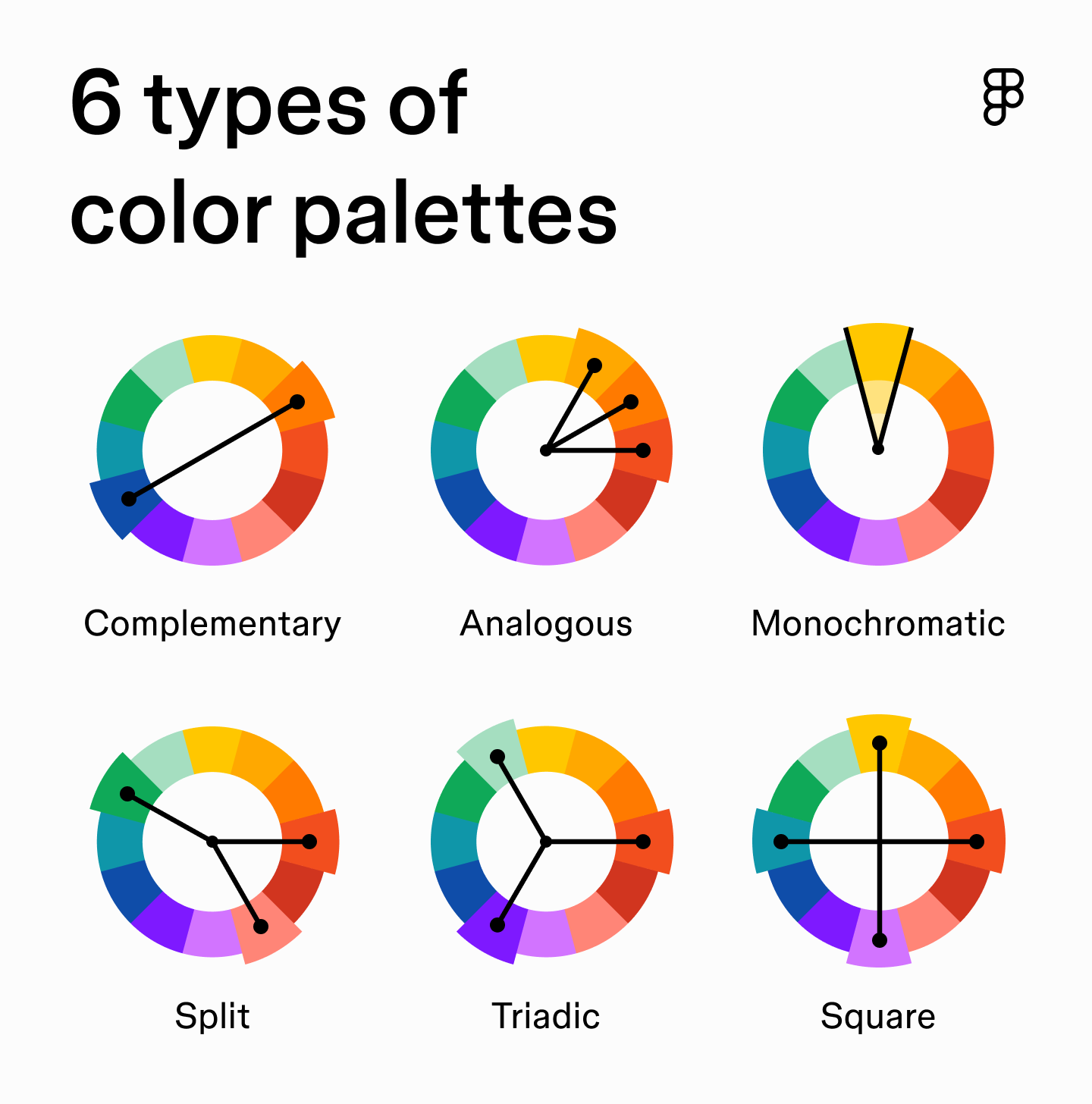
Monochromatic

Uses variations of a single color for a clean, cohesive look.

Complementary

Combines opposite colors (e.g., blue and orange) for visual contrast.

Analogous

Uses neighboring colors on the color wheel for harmony.

Neutral with Accents

Neutral base with bold accents for balance and sophistication.


How Color Affects Space Perception

Strategic color use can visually alter room dimensions.

βœ” Light colors make spaces feel larger and brighter
βœ” Dark colors create coziness and intimacy
βœ” Vertical color patterns add height perception
βœ” Horizontal accents can make rooms feel wider

Designers use these techniques to enhance spatial perception.


Tips for Choosing Harmonious Colors

βœ” Start with a neutral base for flexibility
βœ” Use accent colors to add personality
βœ” Test paint samples in natural and artificial light
βœ” Maintain consistency across connected spaces
βœ” Balance warm and cool tones

Thoughtful selection ensures visual balance.


Common Color Mistakes to Avoid

  • Using too many bold colors in one space
  • Ignoring lighting conditions
  • Following trends without considering longevity
  • Choosing paint before furniture and finishes
  • Lack of contrast leading to flat interiors

Color decisions should support both style and functionality.


Summary

A strong understanding of color theory and psychology is crucial for interior designers. Colors influence mood, spatial perception, and overall harmony within a space. By exploring color relationships, using balanced schemes, and considering lighting and function, designers can create interiors that are both visually appealing and emotionally comfortable.

Effective color choices can elevate a design, while poor selections can undermine an otherwise well-planned space.

The Importance of Color Sense in Interior Design Read More Β»

Basic Skills Every Interior Designer Needs

Interior design blends creativity with technical knowledge and project management. To create functional and visually appealing spaces, designers must develop a combination of artistic, practical, and interpersonal skills.


1. Creativity & Visual Sense

Image
Image
Image
Image

A strong sense of design helps create attractive and harmonious spaces.

Includes:

  • Color coordination and balance
  • Understanding textures and patterns
  • Styling and aesthetic composition

Creativity allows designers to transform ideas into beautiful interiors.


2. Space Planning & Spatial Awareness

Key abilities:

  • Efficient furniture placement
  • Understanding room proportions
  • Creating smooth movement flow
  • Maximizing small spaces

Spatial planning ensures functionality and comfort.


3. Knowledge of Materials & Finishes

Image
Image
Image
Image

Understanding materials ensures durability and visual appeal.

Important knowledge areas:

  • Flooring and wall finishes
  • Fabrics, laminates, and textures
  • Maintenance and durability factors
  • Budget-friendly material alternatives

Material selection impacts both aesthetics and longevity.


4. Technical & Design Software Skills

Essential tools:

  • AutoCAD for drafting layouts
  • SketchUp or 3D software for visualization
  • Photoshop or rendering tools for presentations

Digital skills help communicate ideas clearly to clients and contractors.


5. Communication & Client Management

Image
Image
Image
Image

Designers must clearly convey ideas and understand client needs.

Includes:

  • Listening to client preferences
  • Presenting concepts effectively
  • Negotiating budgets and timelines
  • Managing expectations

Strong communication builds trust and satisfaction.


6. Attention to Detail

Small details influence the overall outcome.

Designers must monitor:

  • Alignment and finishing quality
  • Color matching and textures
  • Hardware and fixture placement

Precision ensures professional results.


7. Project Management & Organization

Interior designers manage multiple moving parts.

Skills include:

  • Scheduling and time management
  • Vendor and contractor coordination
  • Budget tracking and planning
  • Meeting deadlines

Organization ensures smooth execution.


8. Problem-Solving & Adaptability

Unexpected issues arise during projects.

Designers must:

  • Adjust layouts based on site conditions
  • Find alternatives for unavailable materials
  • Resolve budget constraints
  • Adapt to client revisions

Flexibility ensures successful project completion.


Why These Skills Matter

Strong skills help designers create spaces that are:

βœ” Functional and comfortable
βœ” Visually appealing
βœ” Durable and practical
βœ” Delivered on time and within budget

Interior design requires both creativity and technical expertise.


Summary

Basic skills for an interior designer include creativity, spatial planning, material knowledge, technical software proficiency, communication, attention to detail, project management, and problem-solving. Together, these abilities enable designers to transform ideas into functional and aesthetically pleasing environments.

Basic Skills Every Interior Designer Needs Read More Β»

Basic Skills Every Interior Designer Needs

Interior design blends creativity with technical knowledge and project management. To create functional and visually appealing spaces, designers must develop a combination of artistic, practical, and interpersonal skills.


1. Creativity & Visual Sense

Image
Image
Image
Image

A strong sense of design helps create attractive and harmonious spaces.

Includes:

  • Color coordination and balance
  • Understanding textures and patterns
  • Styling and aesthetic composition

Creativity allows designers to transform ideas into beautiful interiors.


2. Space Planning & Spatial Awareness

Key abilities:

  • Efficient furniture placement
  • Understanding room proportions
  • Creating smooth movement flow
  • Maximizing small spaces

Spatial planning ensures functionality and comfort.


3. Knowledge of Materials & Finishes

Image
Image
Image
Image

Understanding materials ensures durability and visual appeal.

Important knowledge areas:

  • Flooring and wall finishes
  • Fabrics, laminates, and textures
  • Maintenance and durability factors
  • Budget-friendly material alternatives

Material selection impacts both aesthetics and longevity.


4. Technical & Design Software Skills

Essential tools:

  • AutoCAD for drafting layouts
  • SketchUp or 3D software for visualization
  • Photoshop or rendering tools for presentations

Digital skills help communicate ideas clearly to clients and contractors.


5. Communication & Client Management

Image
Image
Image
Image

Designers must clearly convey ideas and understand client needs.

Includes:

  • Listening to client preferences
  • Presenting concepts effectively
  • Negotiating budgets and timelines
  • Managing expectations

Strong communication builds trust and satisfaction.


6. Attention to Detail

Small details influence the overall outcome.

Designers must monitor:

  • Alignment and finishing quality
  • Color matching and textures
  • Hardware and fixture placement

Precision ensures professional results.


7. Project Management & Organization

Interior designers manage multiple moving parts.

Skills include:

  • Scheduling and time management
  • Vendor and contractor coordination
  • Budget tracking and planning
  • Meeting deadlines

Organization ensures smooth execution.


8. Problem-Solving & Adaptability

Unexpected issues arise during projects.

Designers must:

  • Adjust layouts based on site conditions
  • Find alternatives for unavailable materials
  • Resolve budget constraints
  • Adapt to client revisions

Flexibility ensures successful project completion.


Why These Skills Matter

Strong skills help designers create spaces that are:

βœ” Functional and comfortable
βœ” Visually appealing
βœ” Durable and practical
βœ” Delivered on time and within budget

Interior design requires both creativity and technical expertise.


Summary

Basic skills for an interior designer include creativity, spatial planning, material knowledge, technical software proficiency, communication, attention to detail, project management, and problem-solving. Together, these abilities enable designers to transform ideas into functional and aesthetically pleasing environments.

Basic Skills Every Interior Designer Needs Read More Β»

5 Key Responsibilities of an Interior Designer

Interior designers do more than make spaces look attractive. They plan, coordinate, and execute environments that are functional, safe, and aesthetically pleasing.


1. Space Planning & Layout Design

Image
Image
Image
Image

Designers analyze how a space will be used and create efficient layouts.

Includes:

  • Furniture placement and circulation flow
  • Maximizing usable space
  • Ergonomic planning for comfort and usability

Proper planning ensures smooth movement and functionality.


2. Understanding Client Needs & Lifestyle

Responsibilities:

  • Discussing client preferences and goals
  • Evaluating daily routines and space usage
  • Aligning design with budget and timelines

Designers translate client vision into practical solutions.


3. Material & Finish Selection

Image
Image
Image
Image

Choosing the right materials affects durability, aesthetics, and maintenance.

Includes:

  • Flooring and wall finishes
  • Fabrics, laminates, and textures
  • Paint colors and surface treatments

Material selection balances style, cost, and longevity.


4. Lighting & Electrical Planning

Key tasks:

  • Designing ambient, task, and accent lighting
  • Planning switch points and electrical layouts
  • Enhancing mood and functionality

Proper lighting improves usability and atmosphere.


5. Project Coordination & Site Supervision

Image
Image
Image
Image

Interior designers ensure the design is executed correctly.

Responsibilities:

  • Coordinating contractors and vendors
  • Monitoring progress and quality
  • Resolving on-site issues
  • Ensuring timelines are met

Supervision ensures the final result matches the design vision.


Why These Responsibilities Matter

Interior designers ensure spaces are:

βœ” Functional and comfortable
βœ” Safe and code-compliant
βœ” Visually appealing
βœ” Efficient and practical
βœ” Delivered on time and within budget

Their role bridges creativity and execution.


Summary

The five core responsibilities of an interior designer include space planning, understanding client needs, selecting materials, planning lighting and electrical layouts, and coordinating project execution. Together, these tasks ensure that a space is not only beautiful but also functional, comfortable, and well-executed.

5 Key Responsibilities of an Interior Designer Read More Β»

Principal Designer / Owner: Role & Responsibilities in a Design Firm

The Principal Designer or Design Firm Owner is the highest-ranking position within an interior design practice. This role combines creative leadership, business management, and strategic decision-making to ensure both design excellence and company growth.


What Does a Principal Designer Do?

Image
Image
Image
Image

Principal designers oversee the overall vision and operations of the firm.

Core responsibilities:

  • Setting the creative direction and design philosophy
  • Approving final concepts and design standards
  • Leading major client presentations and negotiations
  • Managing high-value and flagship projects
  • Ensuring brand consistency across projects

They shape the firm’s identity and design reputation.


Leadership & Business Responsibilities

Beyond design, principal designers handle strategic and operational duties.

Business leadership includes:

βœ” Business development and client acquisition
βœ” Financial planning and budget oversight
βœ” Hiring and mentoring design teams
βœ” Building partnerships with vendors and contractors
βœ” Establishing company policies and workflows

They ensure long-term sustainability and profitability.


Role in Creative Direction

Principal designers guide the firm’s aesthetic and innovation.

Creative leadership involves:

  • Defining signature design style
  • Encouraging innovation and new ideas
  • Reviewing materials and finishes for quality
  • Maintaining design consistency across projects

Their vision influences every project delivered by the firm.


Client & Project Oversight

Principal designers typically manage:

  • High-profile clients
  • Luxury or large-scale projects
  • Final approvals and design sign-offs
  • Conflict resolution and decision-making

They ensure client satisfaction and project success.


Skills Required for Principal Designers

Essential competencies:

  • Advanced design expertise
  • Leadership and team management
  • Business and financial acumen
  • Negotiation and client relationship skills
  • Strategic thinking and problem-solving

This role requires both creative and entrepreneurial abilities.


Career Path to Becoming a Principal Designer

Typical progression:

  1. Junior Interior Designer
  2. Interior Designer
  3. Senior Designer / Project Lead
  4. Design Manager / Creative Director
  5. Principal Designer / Firm Owner

Experience and a strong professional reputation are key to reaching this level.


Difference Between Principal Designer & Creative Director

RolePrincipal DesignerCreative Director
LeadershipOwns/heads firmLeads creative team
Business decisionsYesLimited
Client acquisitionYesOccasionally
Financial responsibilityYesNo
Design oversightYesYes

In smaller firms, one person may perform both roles.


Why This Role Is Critical

A principal designer ensures:

βœ” Design excellence and innovation
βœ” Business growth and financial stability
βœ” Strong client relationships
βœ” Team development and leadership
βœ” Consistent brand identity

Their leadership defines the firm’s success.


Summary

Principal Designers or firm owners lead interior design practices by setting creative direction, managing business operations, and overseeing major projects. They combine design expertise with strategic leadership, ensuring the firm delivers high-quality work while maintaining profitability and growth.

This role represents the pinnacle of an interior design career, blending creativity, leadership, and entrepreneurship.

Principal Designer / Owner: Role & Responsibilities in a Design Firm Read More Β»

Interior Design: Balancing Beauty with Comfort & Function

Interior design is more than arranging attractive furniture or choosing stylish colors. As designer Gardner emphasizes, a space must be both visually appealing and comfortable to live in. A beautifully styled room loses its value if it does not support daily activities, comfort, and usability.


Why Function Matters as Much as Aesthetics

Image
Image
Image
Image

A successful interior combines visual harmony with practical usability.

Functional design ensures:

  • Comfortable movement within the space
  • Easy access to storage and essentials
  • Proper lighting for daily tasks
  • Furniture suited to lifestyle needs

A room should support how people actually live and work.


Elements of Functional Interior Design

1. Space Planning & Layout

  • Clear pathways and uncluttered flow
  • Furniture placement that encourages movement
  • Efficient use of available square footage

2. Ergonomics & Comfort

  • Seating with proper back support
  • Correct table and counter heights
  • Comfortable lighting levels for eyes

3. Practical Storage Solutions

  • Built-in storage to reduce clutter
  • Multi-functional furniture
  • Organized kitchen and wardrobe systems

4. Lighting for Usability

  • Task lighting for work areas
  • Ambient lighting for comfort
  • Accent lighting for atmosphere

The Role of Aesthetics in Livable Spaces

Image
Image
Image
Image

Aesthetics create emotional connection and visual harmony.

Visual design enhances:

  • Mood and relaxation
  • Personal identity and expression
  • Sense of warmth and welcome
  • Overall ambiance of the home

The goal is harmony between beauty and usability.


Common Mistakes That Prioritize Looks Over Comfort

  • Oversized furniture in small rooms
  • Insufficient lighting for daily tasks
  • Lack of storage leading to clutter
  • Trend-driven choices that reduce usability
  • Ignoring ventilation and natural light

Design should enhance daily life, not complicate it.


How Designers Create Livable Interiors

Professional designers consider:

βœ” Lifestyle and daily routines
βœ” Family size and usage patterns
βœ” Climate and natural light
βœ” Maintenance and durability
βœ” Long-term comfort and adaptability

This ensures spaces remain functional over time.


Tips for Creating Comfortable & Beautiful Spaces

βœ” Choose furniture based on comfort first
βœ” Ensure adequate lighting layers
βœ” Maintain clear walking space
βœ” Incorporate storage to reduce clutter
βœ” Use soft textures to enhance comfort
βœ” Balance aesthetics with practicality

Small decisions greatly improve livability.


Summary

Interior design is not just about visual appealβ€”it is about creating functional, comfortable, and livable environments. A well-designed space balances aesthetics with usability, ensuring that it supports daily life while providing visual harmony.

When comfort, functionality, and beauty work together, a space becomes not only attractive but truly enjoyable to live in.

Interior Design: Balancing Beauty with Comfort & Function Read More Β»

How many types of interior designers are there?

Interior design is a diverse profession with multiple specializations based on the type of space, functionality, and technical expertise required. While classifications can vary, the industry commonly recognizes 6 to 8 major types of interior designers.

Below are the most widely accepted categories.


1. Residential Interior Designers

Image
Image
Image
Image

Focus: Private homes and living spaces

Work includes:

  • Living rooms, bedrooms, kitchens
  • Space planning & storage solutions
  • Furniture and dΓ©cor selection

Ideal for: Apartments, villas, and family homes.


2. Commercial Interior Designers

Image
Image
Image
Image

Focus: Business environments

Projects include:

  • Offices and coworking spaces
  • Retail stores & showrooms
  • Restaurants and hotels

Goal: Improve functionality and brand identity.


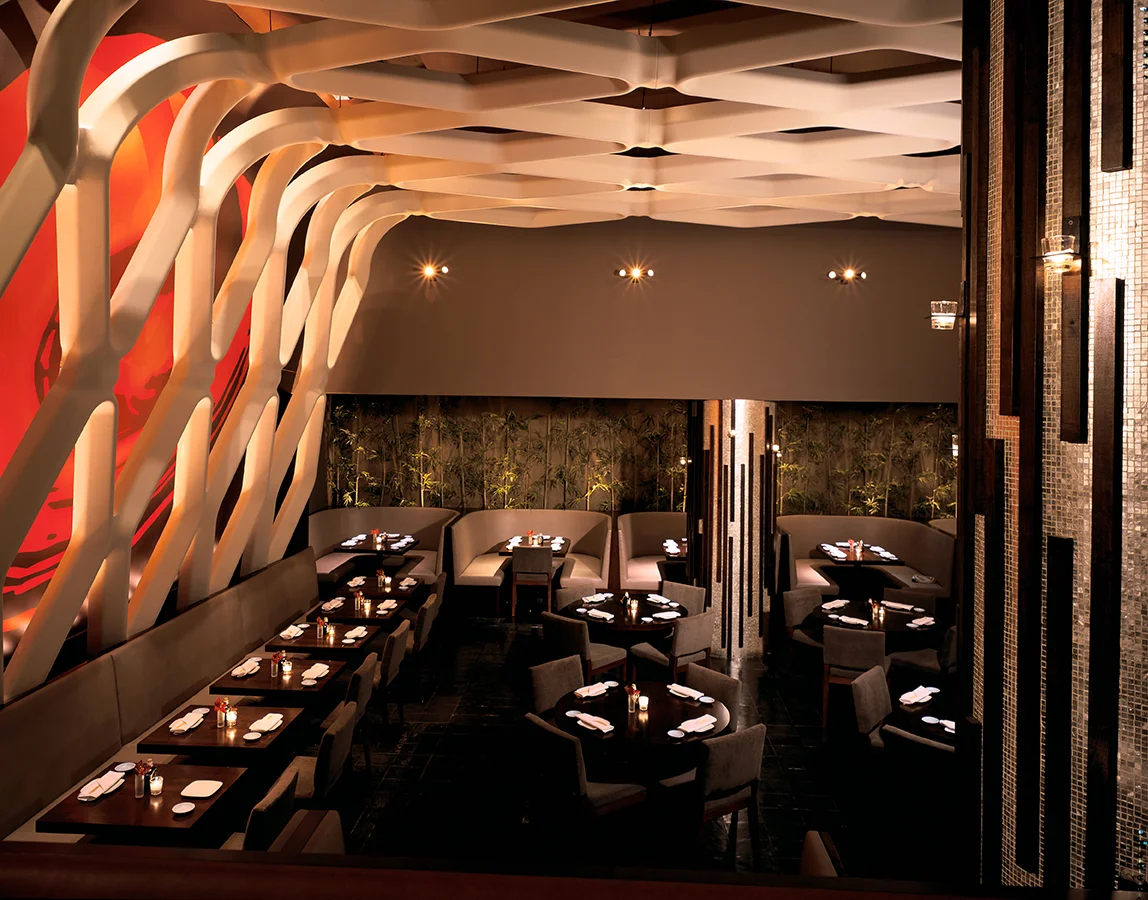
3. Hospitality Interior Designers

Image
Image
Image
Image

Focus: Guest comfort and experience

Work includes:

  • Hotels and resorts
  • Restaurants and lounges
  • Sp as and entertainment spaces

Goal: Create memorable guest experiences.


4. Healthcare Interior Designers

Image
Image
Image
Image

Focus: Medical and wellness environments

Projects include:

  • Hospitals and clinics
  • Therapy and wellness centers
  • Diagnostic facilities

Goal: Safety, hygiene, and patient comfort.


5. Sustainable (Green) Interior Designers

Image
Image
Image
Image

Focus: Environmentally responsible design

Work includes:

  • Eco-friendly materials
  • Energy-efficient planning
  • Indoor air quality improvements

Goal: Reduce environmental impact and promote wellness.


6. Lighting Designers

Image
Image
Image
Image

Focus: Lighting functionality and ambiance

Responsibilities:

  • Ambient, task, and accent lighting
  • Energy-efficient lighting systems
  • Mood and visual enhancement

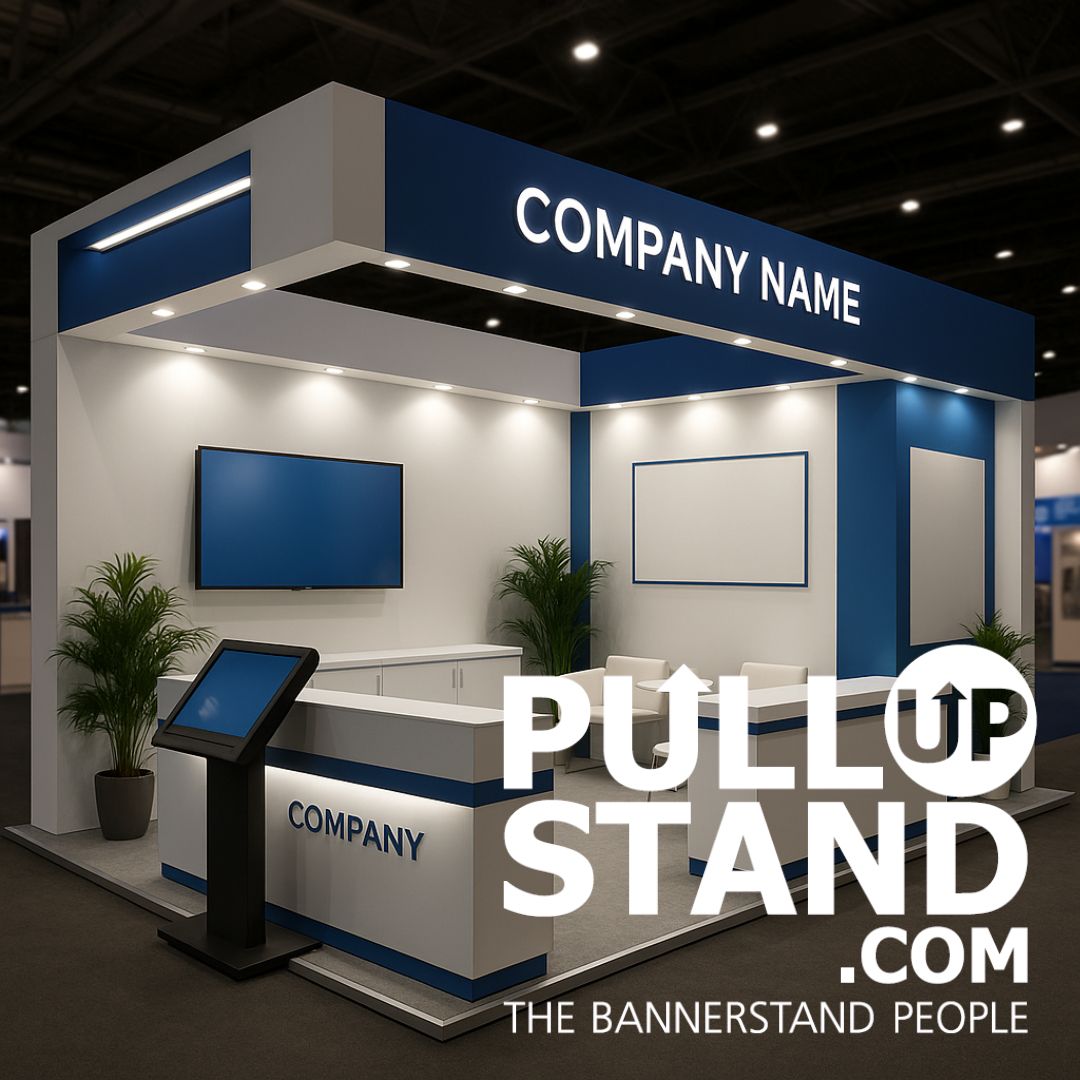
7. Exhibition & Event Designers

Image
Image
Image
Image

Focus: Temporary and experiential spaces

Projects include:

  • Trade show booths
  • Exhibition displays
  • Event and stage setups

Goal: Create engaging visual experiences.


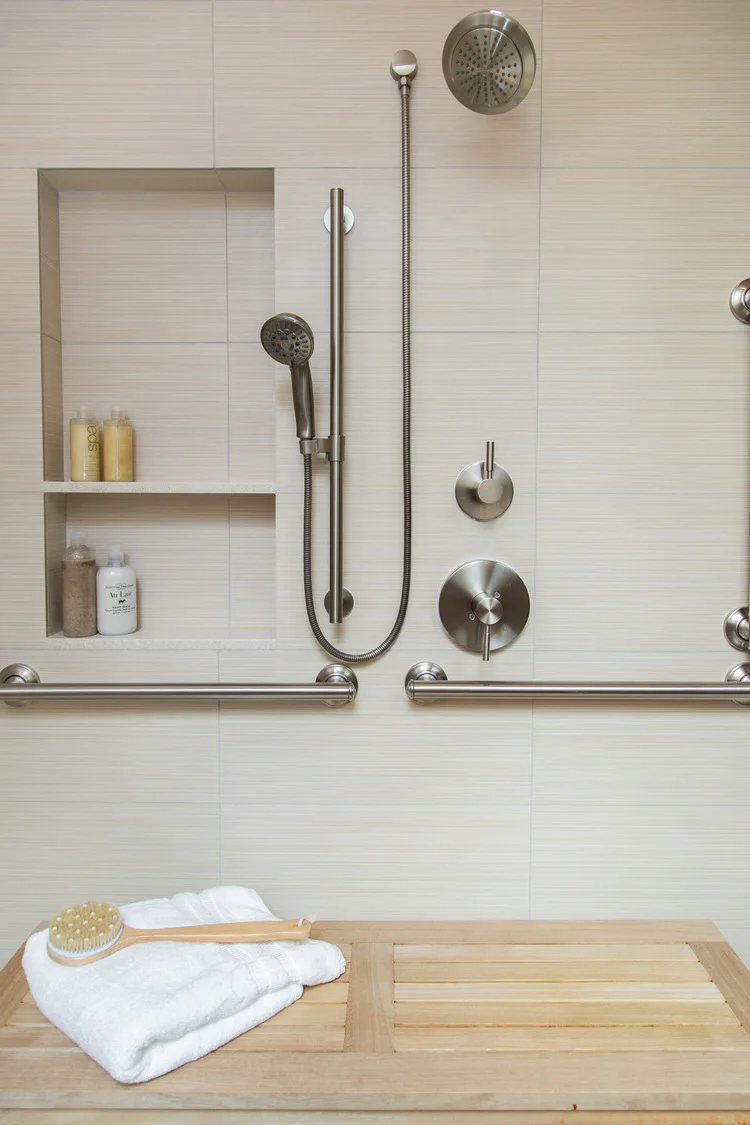
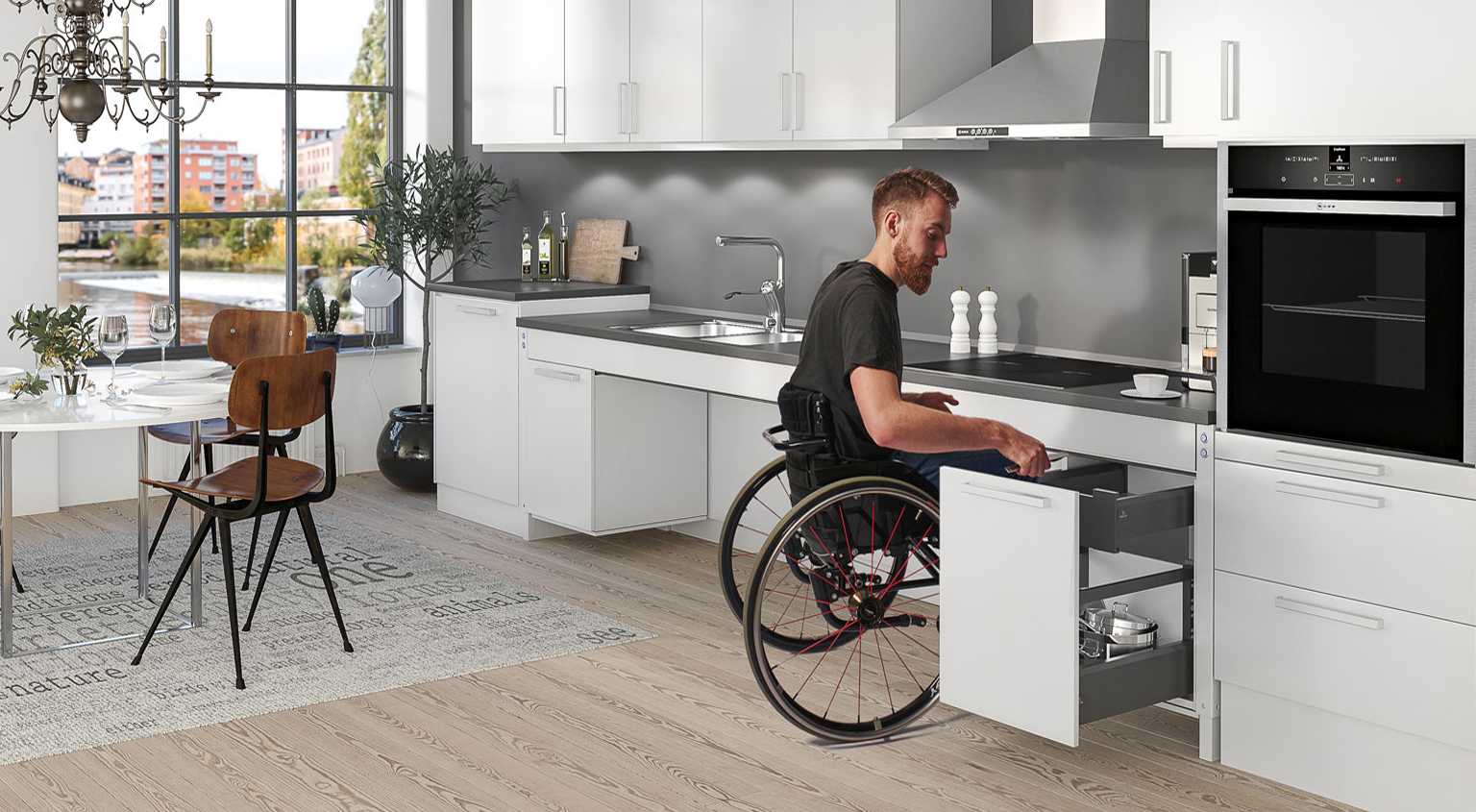
8. Universal / Accessible Design Specialists

Image
Image
Image
Image

Focus: Inclusive and accessible spaces

Work includes:

  • Barrier-free layouts
  • Elderly-friendly interiors
  • Accessibility compliance

Goal: Ensure usability for people of all abilities.


Why So Many Specializations Exist

Different environments require specialized expertise in:

βœ” Safety and building regulations
βœ” User experience and ergonomics
βœ” Sustainability and energy efficiency
βœ” Technical systems and lighting
βœ” Accessibility and inclusivity

Specialization ensures spaces are functional, safe, and purpose-driven.


Summary

There are 6 to 8 primary types of interior designers, including residential, commercial, hospitality, healthcare, sustainable, lighting, exhibition/event, and universal design specialists. Each focuses on specific environments and functional needs.

Understanding these categories helps homeowners choose the right professional and helps aspiring designers identify the best career path.

How many types of interior designers are there? Read More Β»

Red Flags to Watch for When Hiring an Interior Decorator

Hiring an interior decorator can elevate your space visually, but choosing the wrong professional can lead to wasted money, mismatched aesthetics, and project frustration. Recognizing warning signs early helps ensure a smoother experience and better results.


1. No Portfolio or Weak Past Work

Image
Image
Image
Image

Warning signs:

  • No professional photos of completed projects
  • Only stock images or copied designs
  • Limited variety in styles

Why it matters:
A portfolio proves real experience and design capability.


2. Ignores Your Style & Preferences

Red flags:

  • Pushes their personal taste over your preferences
  • Dismisses your ideas or lifestyle needs
  • Recommends trends that don’t suit your space

Why it matters:
Your home should reflect your personality and comfort.


3. Lack of Budget Transparency

Image
Image
Image
Image

Warning signs:

  • Vague pricing or unclear estimates
  • Hidden markups on dΓ©cor items
  • No receipts or cost breakdowns

Why it matters:
Transparent pricing prevents unexpected expenses.


4. Poor Communication & Slow Responses

Red flags:

  • Delayed replies to calls or messages
  • Missed appointments or deadlines
  • Unclear timelines or deliverables

Why it matters:
Clear communication ensures project progress and satisfaction.


5. No Written Agreement or Scope of Work

Warning signs:

  • No contract outlining responsibilities
  • Undefined deliverables or timelines
  • Payment terms not documented

Why it matters:
A written agreement protects both parties and prevents disputes.


6. Limited Vendor Knowledge & Sourcing Issues

Image
Image
Image
Image

Red flags:

  • Cannot suggest reliable vendors
  • Poor-quality dΓ©cor recommendations
  • Overpriced sourcing without justification

Why it matters:
Experienced decorators provide access to trusted suppliers and value pricing.


7. Overpromising Unrealistic Results

Warning signs:

  • Guarantees luxury results on unrealistic budgets
  • Unrealistic timelines for sourcing custom dΓ©cor
  • Claims β€œinstant transformation” without planning

Why it matters:
Professional decorators set realistic expectations.


8. Disorganized Process & Lack of Planning

Red flags:

  • No mood boards or design concepts
  • No shopping lists or sourcing plans
  • Random purchasing without coordination

Why it matters:
A structured approach ensures cohesive styling.


How to Protect Yourself

βœ” Review portfolio and references
βœ” Request a detailed cost estimate
βœ” Define style direction with mood boards
βœ” Insist on a written agreement
βœ” Set clear timelines and milestones

These steps reduce risks and misunderstandings.


Summary

Red flags when hiring an interior decorator include a weak portfolio, ignoring your preferences, unclear pricing, poor communication, lack of written agreements, unreliable sourcing, unrealistic promises, and disorganized planning.

Choosing a decorator who communicates clearly, respects your style, and provides transparent pricing ensures a visually appealing space and a stress-free experience.

Red Flags to Watch for When Hiring an Interior Decorator Read More Β»

Interior Design vs Interior Decorating: Understanding the Difference

Interior design and interior decorating are often used interchangeably, but they are distinct disciplines. While both aim to enhance spaces, they differ in scope, training, and responsibilities.


What Is Interior Design?

Image
Image
Image
Image

Interior design is both an art and a science that focuses on understanding how people use spaces and creating environments that are functional, safe, and visually appealing.

Key responsibilities:

  • Space planning and layout optimization
  • Understanding human behavior and ergonomics
  • Electrical, lighting, and ventilation planning
  • Material selection and building code compliance
  • Coordination with architects and contractors

Interior designers often work on structural planning and functional improvements.


What Is Interior Decorating?

Image
Image
Image
Image

Interior decorating focuses on enhancing the visual aesthetics of a space.

Key responsibilities:

  • Selecting furniture and dΓ©cor
  • Choosing color schemes and fabrics
  • Styling accessories and artwork
  • Window treatments and soft furnishings
  • Creating visual themes and ambiance

Decorators improve the look and feel without altering structural elements.


Core Differences at a Glance

AspectInterior DesignInterior Decorating
FocusFunction + aestheticsAesthetics only
TrainingOften formal education & technical knowledgeNot always required
Structural changesYesNo
Space planningYesNo
Building codes & safetyYesNo
Furniture & dΓ©corYesYes

How They Work Together

Interior designers may handle both structural planning and dΓ©cor styling, ensuring a cohesive outcome. Decorators typically step in after construction or renovation to enhance visual appeal.

In simple terms:

  • Designers create the space.
  • Decorators beautify the space.

When to Hire an Interior Designer

Choose a designer if you need:

  • Layout changes or renovation
  • Kitchen or wardrobe planning
  • Lighting and electrical planning
  • Space optimization
  • Full home interior execution

When to Hire an Interior Decorator

Choose a decorator if you need:

  • Furniture selection and styling
  • Color palette and theme design
  • Curtain, upholstery, and accessories
  • Seasonal or aesthetic refresh

Summary

Interior design is the art and science of creating functional spaces by understanding human behavior, safety, and usability. Interior decorating focuses on furnishing and styling spaces to achieve a desired aesthetic.

While interior designers can decorate, decorators do not handle structural planning. Understanding this distinction helps homeowners choose the right professional for their needs.

Interior Design vs Interior Decorating: Understanding the Difference Read More Β»

Long Hours, Tight DeadΒ­lines & Physical Demands in Interior Design

Interior design is a dynamic profession that blends creativity with project management and on-site execution. While rewarding, it often involves tight deadlines and physical demands. To see how professionals are adapting to new industry standards, explore our Top 5 Interior Design Trends for 2026.

Professional Management and Budgeting

Managing high-pressure work environments requires a deep understanding of project costs and timelines. For a detailed breakdown of current pricing in the industry, refer to our Delhi NCR Interior Design Cost Guide 2026. For specific inspiration on modern, functional kitchen setups, don’t miss the latest 2026 kitchen trends.

Lighting and Ambiance

Strategic lighting is essential for creating comfortable work and living environments, especially in high-end projects. Discover our lighting ideas for 2026 to perfectly complement your design projects.

Long Hours, Tight DeadΒ­lines & Physical Demands in Interior Design Read More Β»

5 Warning Signs You Hired the Wrong Interior Designer

Hiring the right interior designer is essential for achieving a functional, beautiful, and stress-free home transformation. However, if communication breaks down, timelines slip, or quality falls short, the project can become frustrating and costly. Recognizing early warning signs can help you address issues before they escalate.


1. Poor Communication & Lack of Responsiveness

Image
Image
Image
Image

Red flags:

  • Slow replies to calls or messages
  • Unclear explanations about design decisions
  • Ignoring your preferences or concerns

Why it matters:
Clear communication ensures expectations, timelines, and budgets stay aligned.


2. Budget Transparency Issues

Warning signs:

  • Vague cost estimates
  • Hidden charges appearing later
  • No itemized quotation
  • Pressure to upgrade materials without explanation

Why it matters:
Transparency prevents unexpected expenses and financial stress.


3. Frequent Delays Without Valid Reasons

Image
Image
Image
Image

Red flags:

  • Missed deadlines repeatedly
  • Materials not ordered on time
  • Poor coordination with contractors

Why it matters:
Delays increase costs and disrupt move-in plans.


4. Poor Quality Workmanship or Materials

Warning signs:

  • Uneven finishes or poor installation
  • Substandard materials used without approval
  • Hardware failing soon after installation

Why it matters:
Low-quality work affects durability and long-term value.


5. Design Doesn’t Reflect Your Needs or Lifestyle

Image
Image
Image
Image

Red flags:

  • Designer imposes personal style
  • Storage and functionality ignored
  • Layout unsuitable for daily use

Why it matters:
Your home should reflect your lifestyle, not just current design trends.


What to Do If You Notice These Signs

βœ” Discuss concerns immediately and document changes
βœ” Request detailed timelines and cost breakdowns
βœ” Inspect materials before installation
βœ” Consider a third-party site inspection if issues persist
βœ” Review contract terms for dispute resolution

Early action can prevent larger problems.


How to Avoid Hiring the Wrong Designer

  • Review portfolios and past projects carefully
  • Check client testimonials and references
  • Request detailed written proposals
  • Ensure scope, materials, and timelines are documented
  • Clarify revision policies and payment milestones

Proper vetting reduces project risks.


Summary

Warning signs of the wrong interior designer include poor communication, unclear budgeting, repeated delays, low-quality work, and designs that ignore your lifestyle needs. Recognizing these issues early allows homeowners to take corrective action and protect their investment.

Choosing a transparent, communicative, and client-focused designer ensures a smoother process and a home that truly meets your expectations.

5 Warning Signs You Hired the Wrong Interior Designer Read More Β»

Scroll to Top