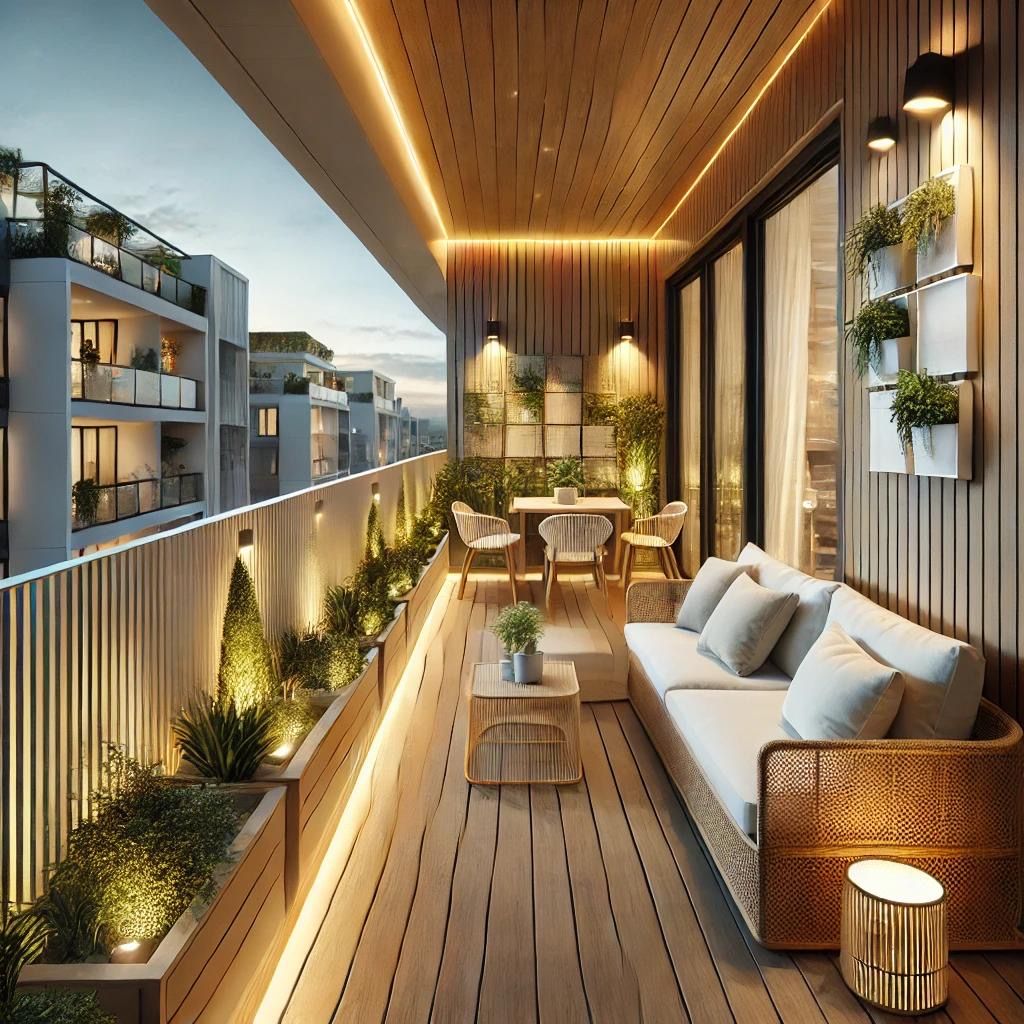
In the modern era, the concept of living spaces has transcended traditional boundaries. As an interior designer, I am captivated by the challenge and opportunity presented by the evolving needs of our clients. Crafting environments that seamlessly blend functionality with style has become a hallmark of contemporary design. Let’s explore the fascinating realm of interior architecture for multi-functional living spaces.
The Evolution of Living
Gone are the days of compartmentalized living. Today, our homes are dynamic hubs where work, leisure, and relaxation converge. Recognizing this shift, interior designers are reimagining spaces to accommodate diverse activities without sacrificing aesthetics. It’s about creating environments that effortlessly adapt to the ebb and flow of modern life.
Open-Concept Versatility
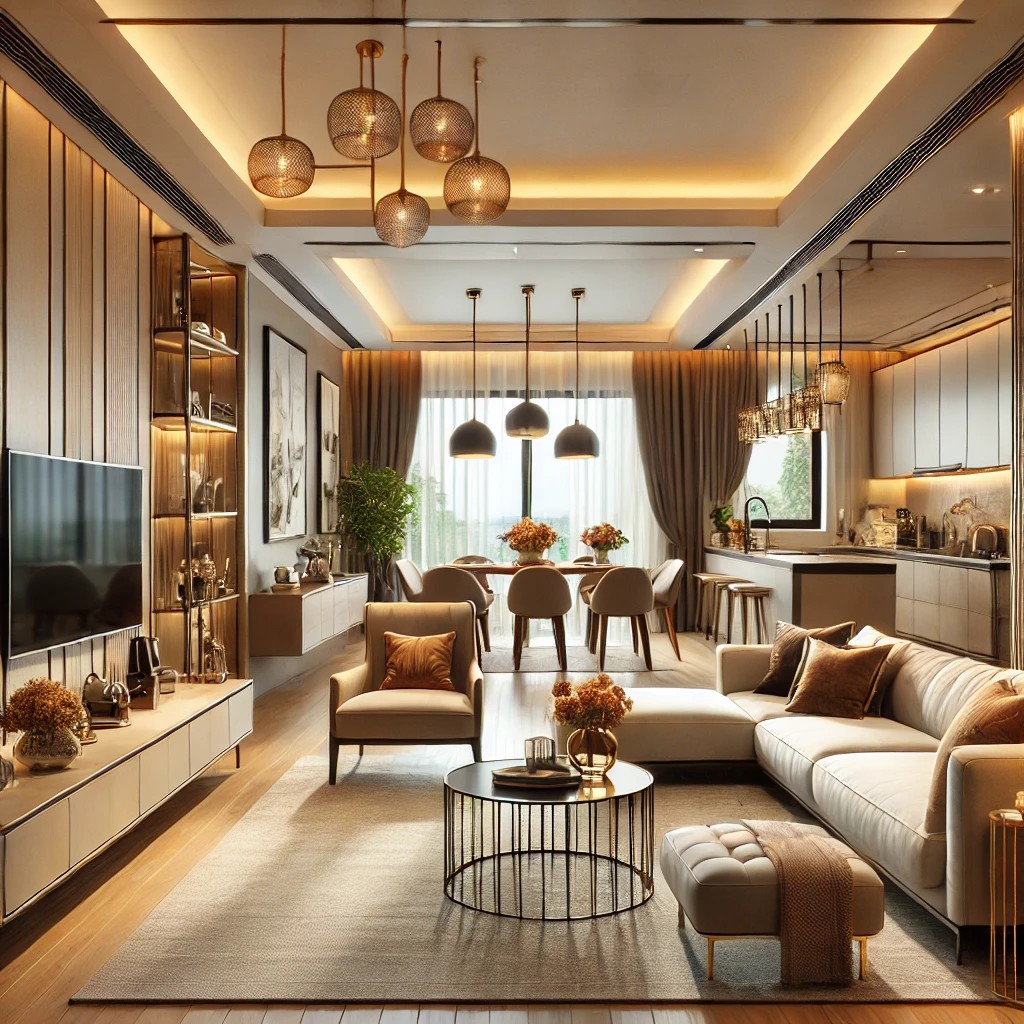
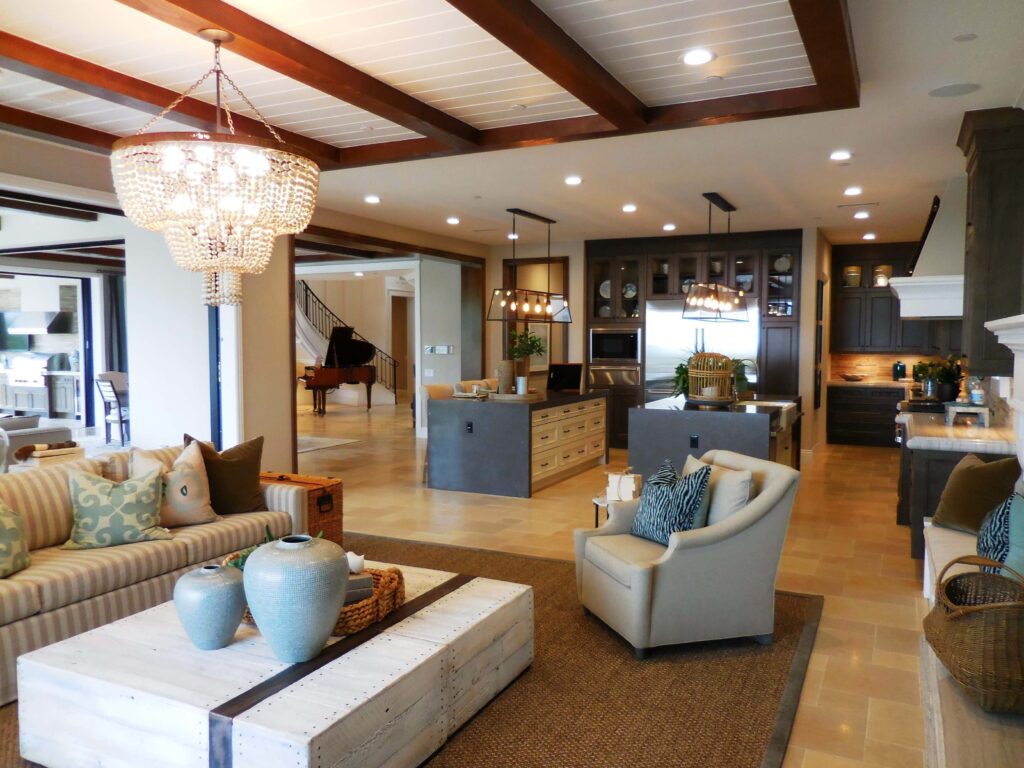
The open-concept layout has become a cornerstone in designing multi-functional living spaces. Breaking down walls fosters a sense of connectivity, allowing different areas to serve multiple purposes. A living room seamlessly transforming into an office or an entertainment space evolving into a dining area is the epitome of adaptability.
Furniture as Transformers
In the quest for functionality, furniture takes center stage as a transformative element. From sofa beds that effortlessly convert a living room into a guest bedroom to modular pieces that shape-shift to meet diverse needs, furniture becomes a dynamic player in the orchestration of multi-functional spaces.
The Home Office Revolution
The rise of remote work has propelled the home office into the spotlight. Interior architects are now challenged to create workspaces that blend professionalism with comfort. A well-designed home office isn’t just a utilitarian space; it’s a curated environment that enhances productivity and promotes a healthy work-life balance.
Seamless Technology Integration
In a world dominated by technology, integrating smart solutions into multi-functional living spaces is essential. From hidden charging stations to automated lighting systems, these innovations enhance convenience without compromising on design aesthetics.
From Workspace to Zen Den
The beauty of multi-functional living spaces lies in their ability to transition effortlessly. A home office during the day can transform into a serene meditation space in the evening. By incorporating elements like adaptable lighting and flexible furniture arrangements, interior architects create sanctuaries that cater to the diverse needs of their occupants.
Maximizing Storage Potential
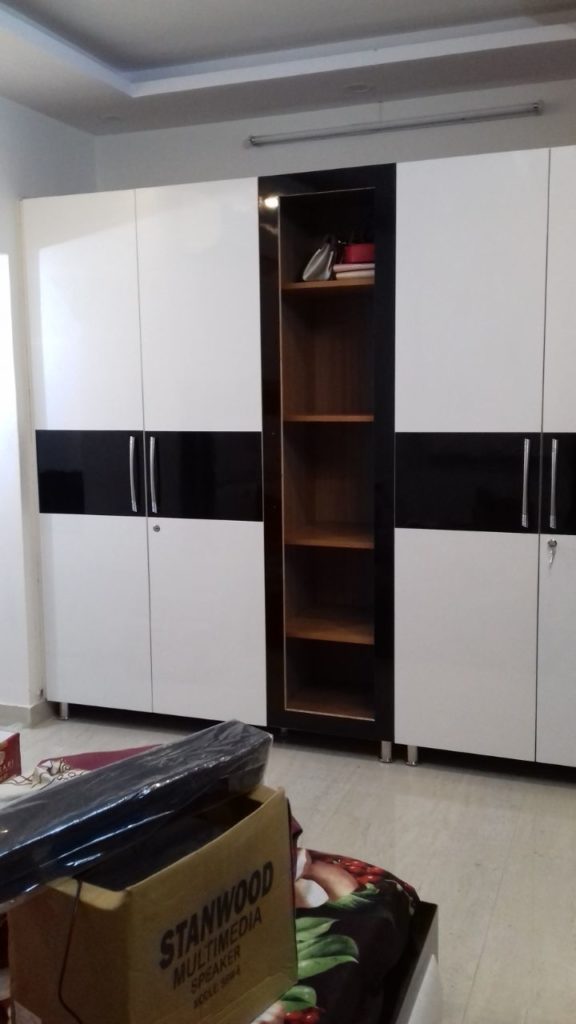
Efficient storage is a linchpin in the success of multi-functional design. Cleverly concealed storage solutions not only declutter spaces but also contribute to a seamless visual flow. From hidden cabinets within walls to multifunctional furniture with built-in storage, every square inch is a canvas for innovation.
Dual-Purpose Design
Consider the dining table that moonlights as a desk or ottomans that open up to reveal hidden storage compartments. Dual-purpose design is an art form that transforms living spaces into dynamic, ever-evolving environments. It’s about optimizing every element to serve a dual role without sacrificing form for function.
Balancing Aesthetics and Functionality
The true magic of interior architecture for multi-functional living lies in the delicate balance between aesthetics and functionality. It’s not just about making space work; it’s about making it beautiful, inviting, and reflective of the unique personalities of those who inhabit it.
Personalized Expression
Every multi-functional space should tell a story. Whether it’s through a curated art collection, bespoke furniture pieces, or personalized decor, the design should be an extension of the occupants’ lifestyles and aspirations.
Fluidity in Design
The key to successful multi-functional living spaces is designing with fluidity in mind. Spaces should evolve seamlessly, adapting to the changing needs of the inhabitants. It’s about creating an ever-changing canvas that mirrors the dynamic nature of contemporary life.
A Design Odyssey
As we navigate the uncharted waters of multi-functional living, interior designers are at the forefront of a design odyssey. It’s a journey that requires creativity, innovation, and a deep understanding of the way people live. Together, let’s embark on this adventure of crafting spaces that are not just functional but also reflect the spirit of our ever-evolving lifestyles.