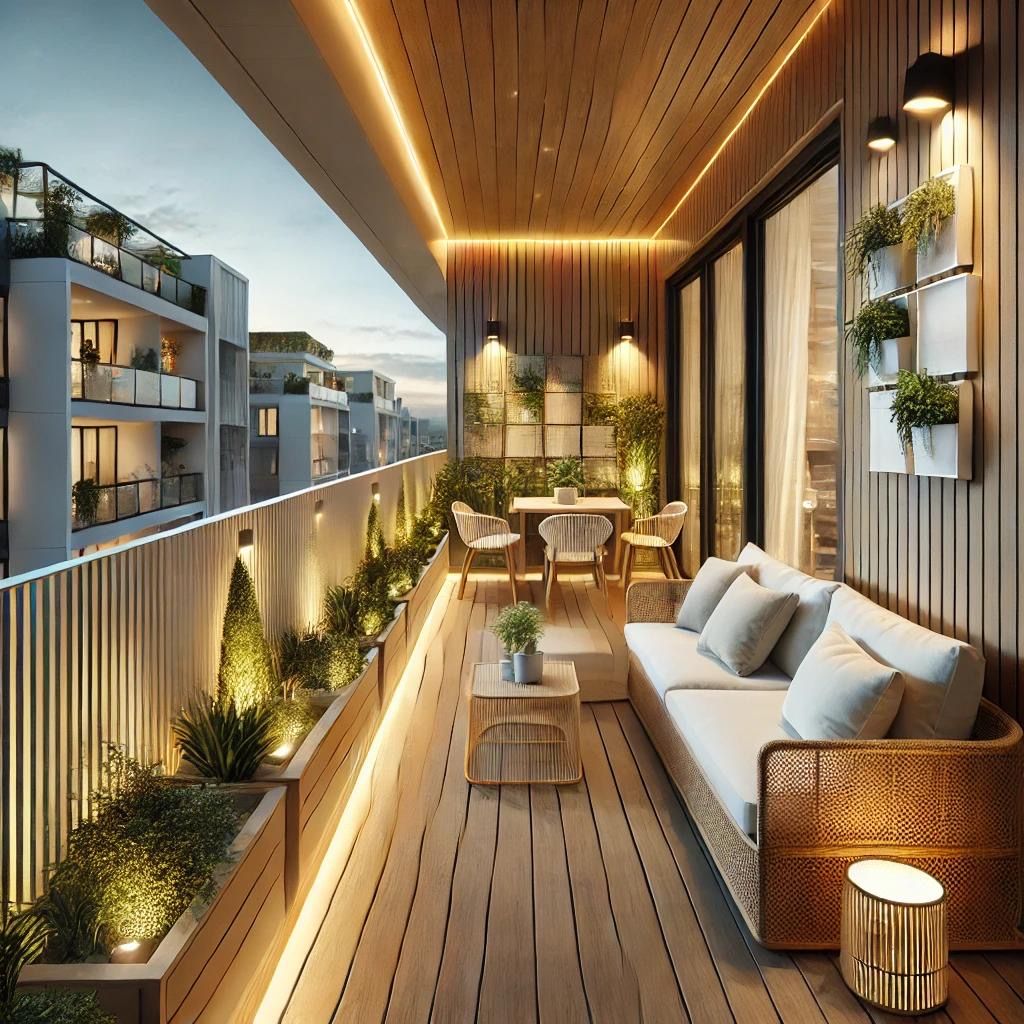
In the ever-evolving landscape of interior design, there is a growing recognition of the significance of cultural and historical preservation. As an interior designer, I find myself increasingly drawn to the idea of blending modern aesthetics with the rich tapestry of our cultural and historical heritage. This approach not only adds depth and character to spaces but also fosters a sense of connection to our roots.
A Symphony of Styles
Interior architecture serves as a canvas where the past and present converge. By seamlessly integrating elements from different eras, we can create a harmonious symphony of styles. This eclectic approach allows for the preservation of cultural nuances while embracing contemporary design principles. Each element tells a story, weaving together a narrative that transcends time.
Bridging Generations
In our fast-paced world, it is crucial to foster a sense of continuity and connection between generations. Designing spaces that pay homage to cultural and historical motifs provides a tangible link to the past. Whether it’s through the choice of materials, colors, or patterns, every decision contributes to a narrative that spans generations.
The Resurgence of Heritage Crafts
One of the most rewarding aspects of incorporating cultural and historical elements into interior design is the revival of heritage crafts. From traditional woodworking techniques to intricate handwoven textiles, these age-old practices add a layer of authenticity to spaces. Supporting and promoting these crafts not only preserves our cultural heritage but also sustains skilled artisan communities.
The Adaptive Reuse Revolution
As an advocate for sustainable design, I find that cultural and historical preservation often aligns seamlessly with the principles of adaptive reuse. Transforming old structures into functional and aesthetically pleasing spaces not only reduces environmental impact but also breathes new life into architectural relics. Each project becomes a unique opportunity to honor the past while embracing the demands of the present.
The Challenge of Modernization
In the face of rapid urbanization and technological advancements, there is a risk of losing the essence of our cultural and historical identity. Interior designers play a pivotal role in striking a balance between modernization and preservation. By conscientiously selecting design elements and materials, we can create spaces that embody the spirit of the past without compromising on functionality.
Case Studies: Transforming History into Home
Exploring case studies of successful projects that prioritize cultural and historical preservation offers valuable insights. Whether it’s a historic residence turned boutique hotel or a heritage building repurposed for contemporary offices, these examples showcase the potential for seamless integration. Each project becomes a testament to the enduring beauty of marrying history with modernity.
Future Forward
In the dynamic world of interior design, the journey of cultural and historical preservation is an ongoing exploration. It requires a delicate dance between honoring traditions and embracing innovation. As we look to the future, I am excited about the evolving role of interior designers as stewards of our cultural legacy. Together, let us continue to craft spaces that not only reflect our contemporary lifestyle but also stand as a testament to the richness of our collective history.