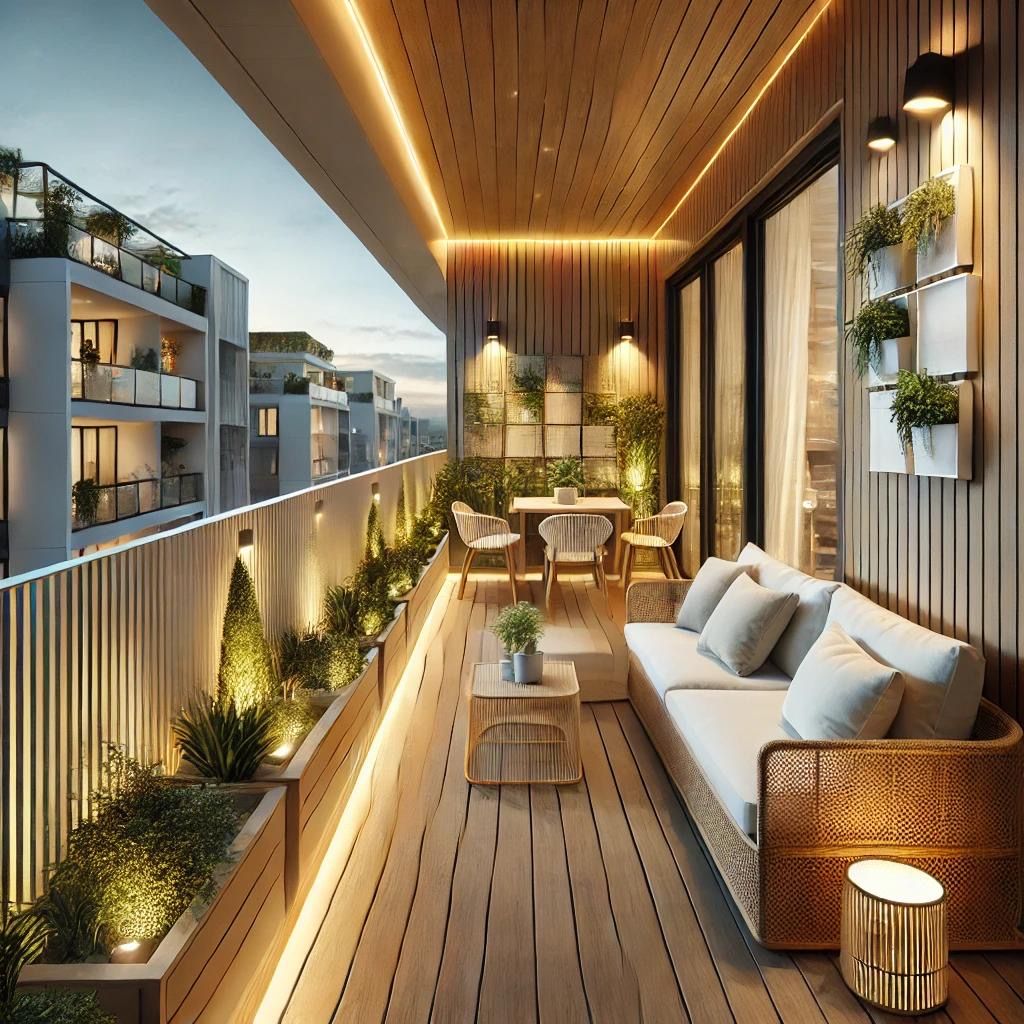
In the realm of interior design, the only constant is change. As an interior designer, I am fascinated by the challenge of creating spaces that respond to the dynamic nature of human life. The evolution of our lifestyles demands a shift towards responsive and flexible interior architect solutions. Let’s delve into the art of designing spaces that adapt, transform, and seamlessly integrate with the ever-changing needs of the people who inhabit them.
The Era of Adaptability
Gone are the days of static living spaces. Today, the need for adaptability is more pronounced than ever. Responsive interior design is about creating environments that can effortlessly transform to accommodate diverse activities. It’s a dance between functionality and aesthetics, where spaces evolve as life unfolds within them.
Transformative Furniture
The heart of responsive design lies in furniture that serves as more than mere decor. Transformative furniture takes center stage, with pieces that shift, fold, or expand to meet various needs. From collapsible dining tables to modular seating arrangements, these pieces are the chameleons of interior architecture.
Dynamic Room Configurations
Spaces that can be easily reconfigured are a testament to the flexibility of modern interior design. Sliding partitions, movable walls, and flexible layouts empower occupants to redefine the purpose of a room on a whim. It’s an architectural ballet, where rooms adapt to the rhythm of daily life.
The Fusion of Technology and Design
In the digital age, technology isn’t just an accessory; it’s an integral part of our lives. Responsive interior architect solutions seamlessly integrate technology to enhance both the form and function of a space. Smart home systems, automated lighting, and interactive surfaces are the building blocks of a digitally responsive environment.
Intelligent Lighting Systems
Lighting is no longer a static element in design. Responsive lighting systems adapt to the time of day, the mood of the occupants, and even external factors. Dynamic lighting not only enhances the visual appeal of a space but also contributes to the well-being and productivity of its inhabitants.
Smart Furniture and Appliances
From refrigerators that suggest recipes based on available ingredients to sofas equipped with USB ports and wireless charging capabilities, smart furniture and appliances are revolutionizing interior spaces. These innovations add a layer of convenience and efficiency to daily life.
Designing for the Long Haul
Responsive design goes beyond addressing immediate needs; it’s about future-proofing spaces. As an interior designer, I see the importance of creating environments that can evolve with the changing dynamics of a family or a business. It’s an investment in the longevity of design solutions.
Adaptable Spaces for Growing Families
For families, spaces need to adapt to the changing needs of children as they grow. What once was a play area can seamlessly transform into a study space or a teenager’s retreat. Designing with growth in mind ensures that spaces remain relevant and functional over the years.
Flexible Workspaces for Professionals
In the era of remote work, the home office is no longer a luxury but a necessity. Responsive interior design caters to the professional landscape by creating workspaces that are not only functional but also conducive to focus and productivity. These spaces effortlessly transition from work to leisure, maintaining a delicate balance.
The Human Touch in Responsive Design
Amidst the technological marvels and adaptable spaces, the human touch remains paramount. Responsive interior architect solutions should not just meet functional needs but also resonate emotionally with the inhabitants. It’s about understanding the unique stories, preferences, and aspirations of those who call a space their own.
Personalized Design Experiences
Each responsive design solution should be a reflection of the people it serves. From color palettes that evoke specific emotions to custom-built furniture that caters to individual preferences, the personalization of spaces is the hallmark of truly responsive design.
Creating Emotional Connections
In the quest for flexibility, it’s essential not to sacrifice the emotional resonance of a space. A home should be more than a collection of movable parts; it should be a sanctuary that nurtures feelings of comfort, joy, and belonging.
Embracing Change, Sustaining Beauty
As we navigate the ever-changing landscape of interior design, the beauty lies in the ability to embrace change without compromising on aesthetics. Responsive and flexible interior architect solutions are not just about adapting to the present; they are a celebration of the evolving nature of life itself. Together, let’s design spaces that respond to the rhythm of life, ensuring that beauty endures through every transformation.