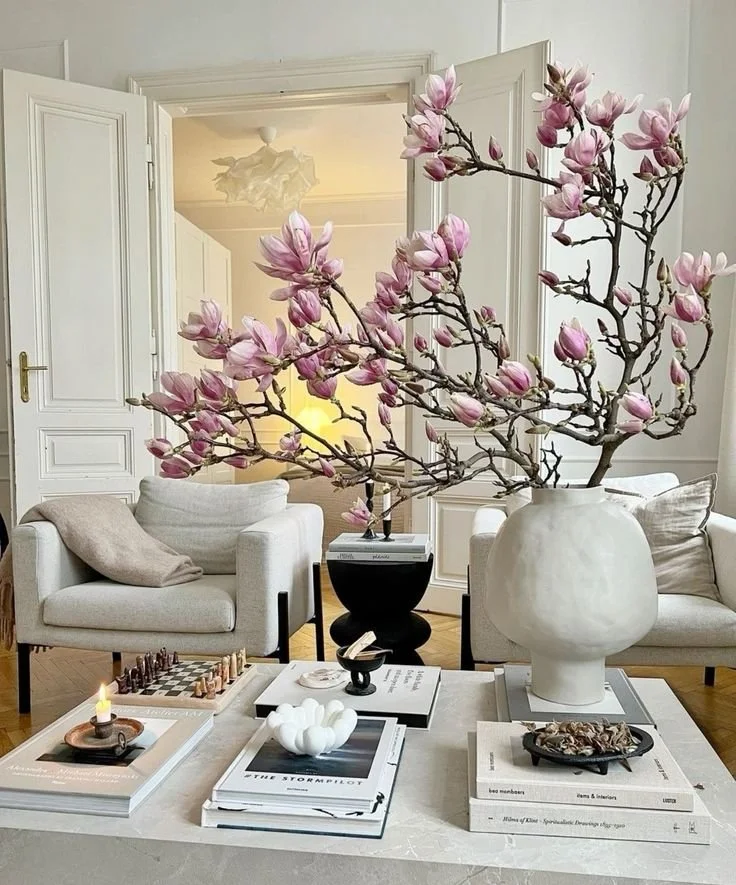
Vase arrangements are one of the simplest ways to elevate a room. A well-composed arrangement adds color, height, and movement while softening hard architectural lines. Whether using fresh flowers, dried stems, or branches, vase styling acts as a visual focal point.
In modern homes across Gurgaon, Noida, and Delhi NCR, vase arrangements are often used to refresh interiors seasonally without changing furniture or decor.
This guide explains professional techniques for creating balanced, elegant vase arrangements.
What Makes a Good Vase Arrangement?
A strong vase arrangement balances proportion, color, and shape. It should complement the room instead of overpowering it.
Traditional floral composition systems such as Ikebana emphasize intentional placement, negative space, and harmony — principles still relevant in modern styling.
Key fundamentals:
- Height variation
- Asymmetry for natural flow
- Controlled color palette
- Breathing space between stems
- Vase-to-flower proportion
Arrangement is design, not decoration.
Choose the Right Vase First


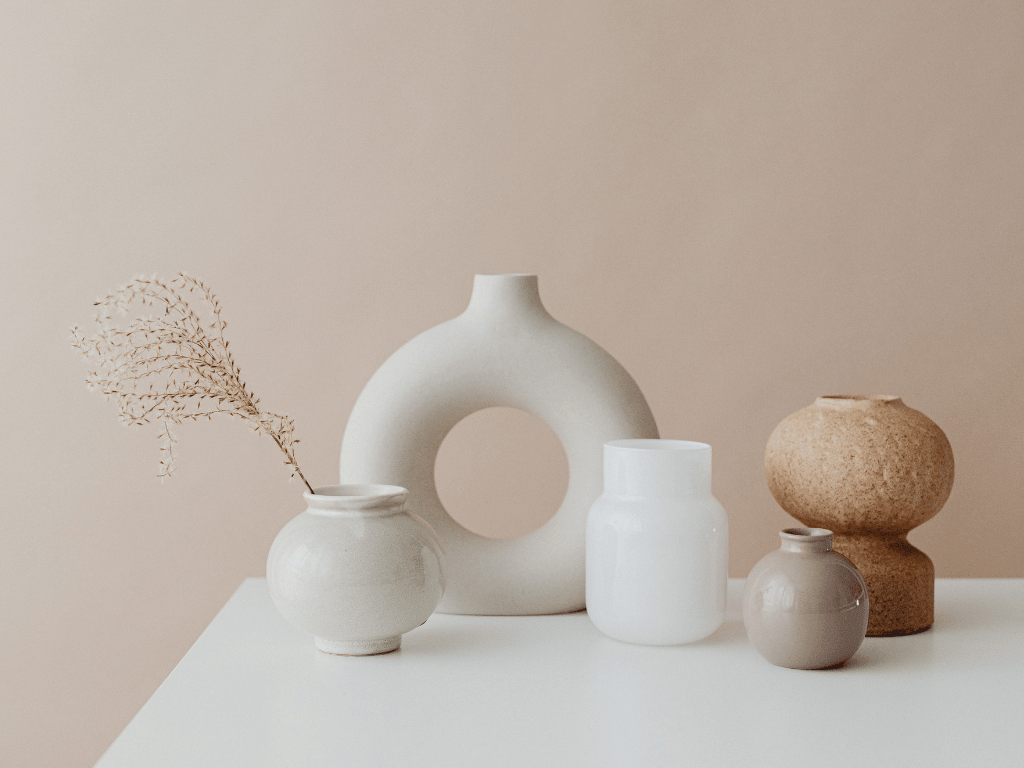
The vase defines the structure.
Common vase styles:
- Sculptural ceramic vases
- Transparent glass cylinders
- Matte stone vessels
- Tall floor vases
- Minimal bud vases
The container should match the room’s material palette.
Rule of proportion: stems should be 1.5 to 2 times the vase height.
Use Odd Numbers of Stems
Odd groupings look organic and balanced.
Examples:
- 3 branches
- 5 flower stems
- 7 mixed greens
Even numbers often feel stiff and symmetrical.
Odd arrangements create natural rhythm.
Focus on a Limited Color Palette

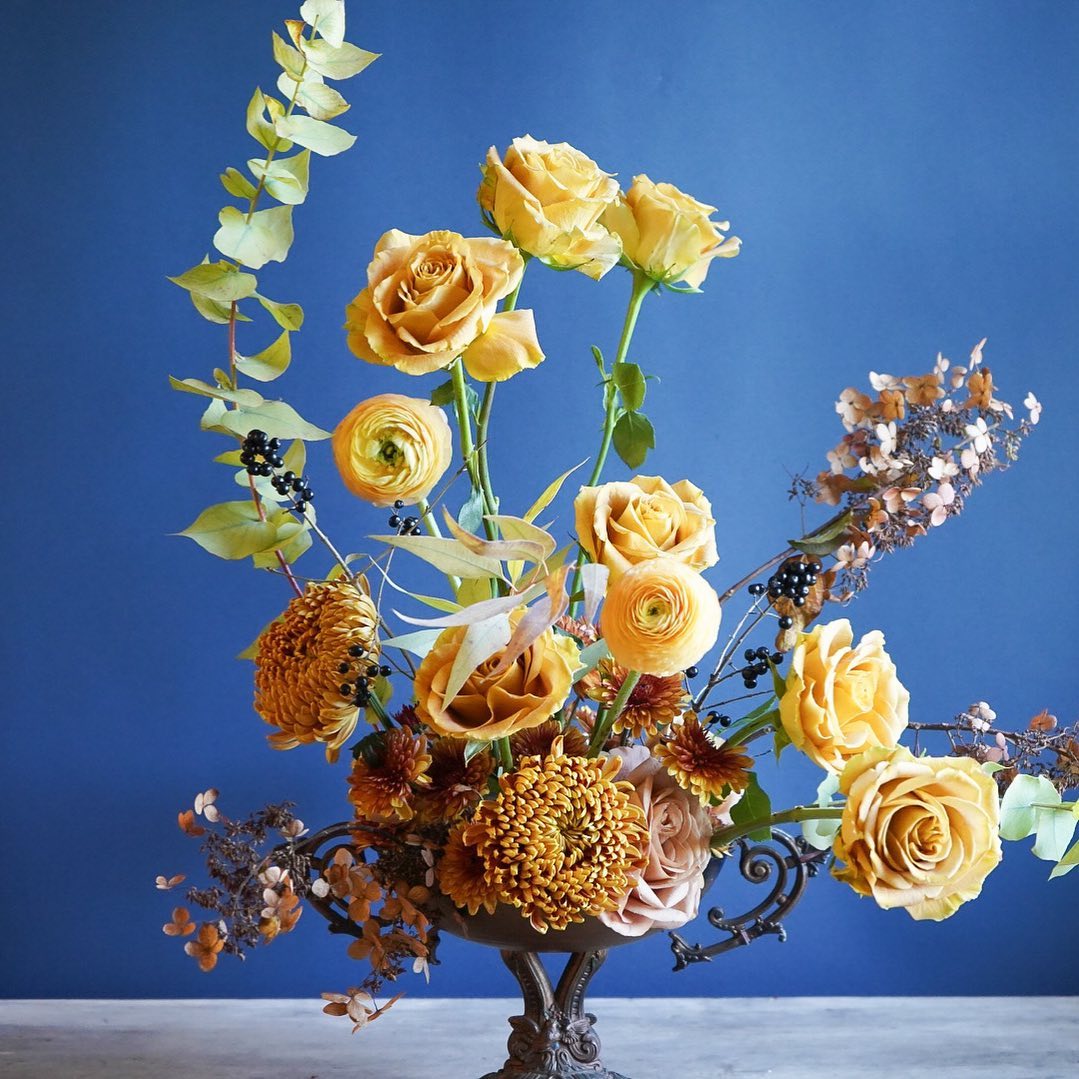
Too many colors create chaos.
Effective palettes:
- Monochrome white
- Earth tones
- Soft pastels
- Green-only foliage
- Neutral dried grasses
Color repetition connects the arrangement to the room.
Mix Textures, Not Just Flowers
Texture adds sophistication.
Combine:
- Flowers
- Leaves
- Branches
- Dried stems
- Grasses
- Seed pods
Texture creates visual depth.
Greenery often matters more than blooms.
Create Movement with Asymmetry


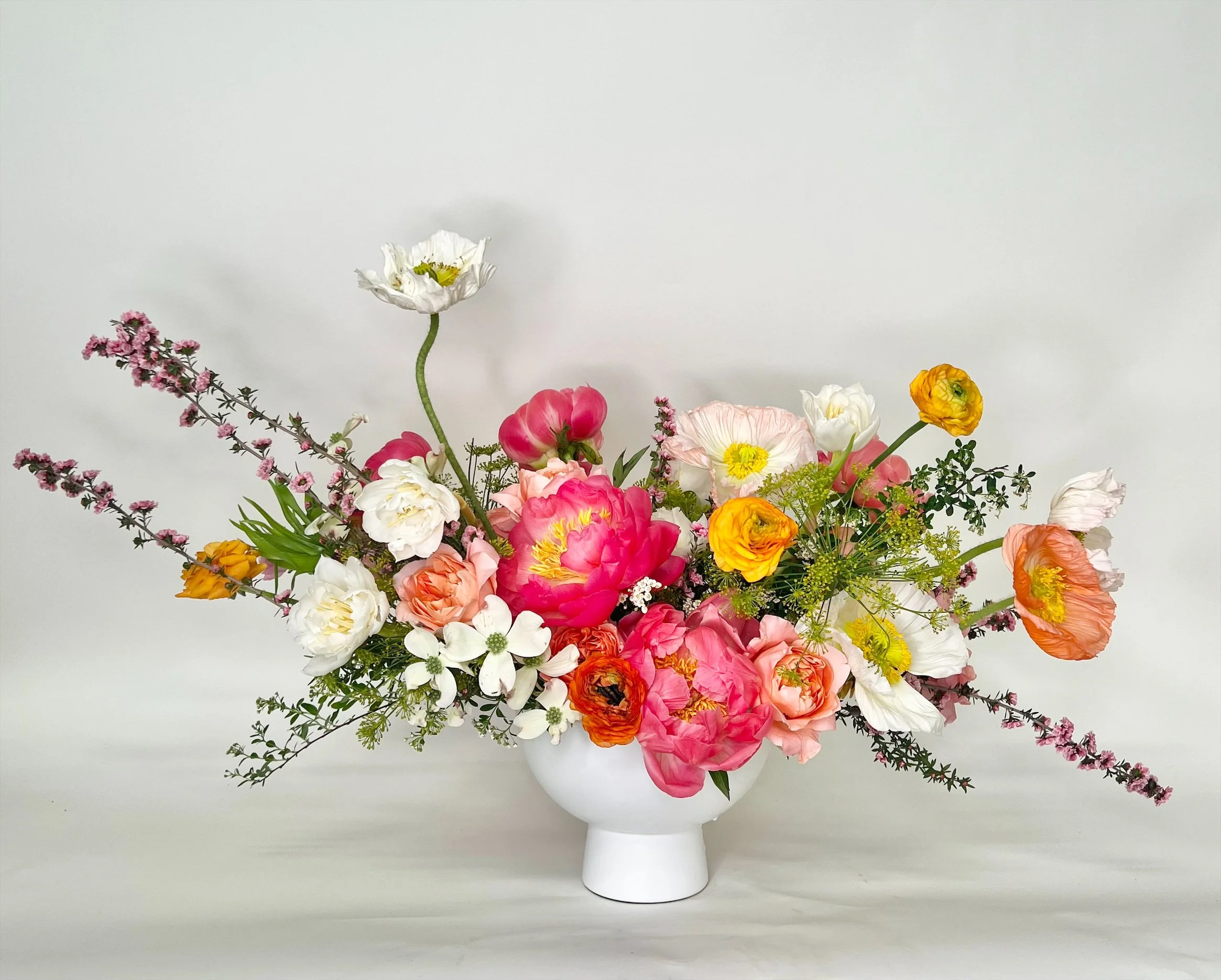

Perfect symmetry feels artificial.
Let stems lean naturally.
Vary heights:
- One dominant tall stem
- Supporting medium stems
- Soft trailing elements
Movement gives life to arrangements.
Match Arrangement to Placement
Different spaces require different scale.
Guidelines:
- Coffee tables → low, wide arrangements
- Dining tables → mid-height, airy
- Consoles → tall sculptural stems
- Bedside tables → small bud vases
- Floor corners → oversized branches
Scale should respect sightlines.
Use Dried and Preserved Elements
Dried arrangements are durable and stylish.
Popular options:
- Pampas grass
- Eucalyptus
- Wheat stalks
- Palm spears
- Dried florals
They suit minimalist and modern interiors.
Keep the Surrounding Surface Clean
Negative space highlights the vase.
Avoid crowding with:
- Too many small objects
- Competing decor
- Excess candles
- Busy table styling
The arrangement should breathe.
Seasonal Rotation Ideas
Refreshing arrangements keeps interiors dynamic.
Examples:
- Spring → fresh greens and light florals
- Summer → bright organic stems
- Autumn → dried grasses and warm tones
- Winter → branches and monochrome palettes
Seasonal change adds subtle evolution.
Benefits of Thoughtful Vase Arrangements
Well-styled florals offer practical value:
- Instant room refresh
- Natural mood enhancement
- Color balance
- Softening of hard surfaces
- Visual focal point
- Seasonal flexibility
Flowers influence atmosphere.
Summary
Vase arrangements combine proportion, texture, and color into sculptural interior accents. By controlling palette, embracing asymmetry, and respecting scale, simple stems become design features. Whether styling a compact Noida apartment or a large Gurgaon residence, the principles remain universal: restraint, balance, and intentional composition.
A good vase arrangement does not decorate a room. It anchors it.