


Small space kitchens demand intelligent design. When square footage is limited, layout, storage, and visual clarity become more important than decoration. A well-designed compact kitchen can feel efficient, open, and stylish without sacrificing function.
In apartments across Gurgaon, Noida, and Delhi NCR, smart kitchen planning is essential for urban living. The goal is to create a workflow that feels effortless while keeping the space visually calm.
This guide explains professional strategies for designing high-performance small space kitchens.
What Makes a Small Kitchen Work Well?
A successful small kitchen is built around efficiency. Every surface and cabinet should serve a purpose.
Modern design thinking influenced by movements like Bauhaus emphasizes functional clarity — an essential principle in compact spaces.
Core priorities:
- Smart layout
- Vertical storage
- Multi-functional furniture
- Clear countertops
- Light color palette
- Integrated appliances
Efficiency replaces excess.
Choose a Compact Layout


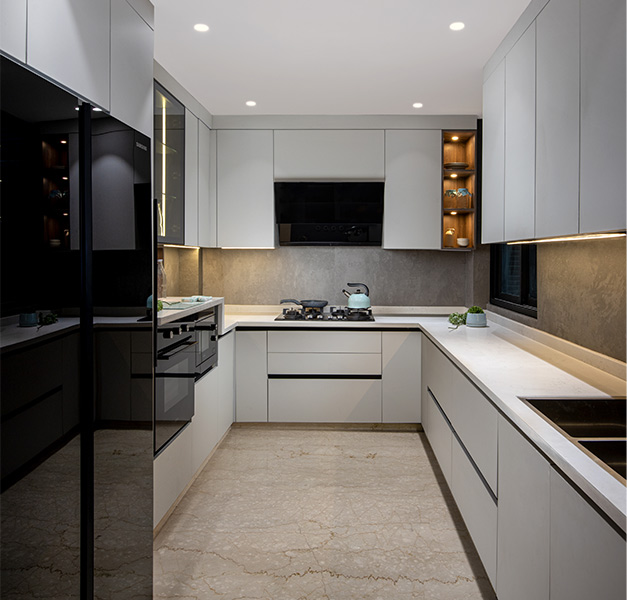
Layout determines usability.
Best formats for small kitchens:
- Galley kitchens
- L-shaped layouts
- Parallel counters
- Single-wall kitchens
Maintain a tight work triangle between sink, stove, and fridge.
Short walking distances increase efficiency.
Use Vertical Storage Aggressively
Wall height is valuable real estate.
Storage ideas:
- Ceiling-height cabinets
- Open shelves above counters
- Magnetic knife strips
- Hanging rail systems
- Tall pantry units
Vertical storage frees countertop space.
Keep the Color Palette Light


Light colors visually expand space.
Effective choices:
- Warm white
- Soft beige
- Pale grey
- Light wood finishes
- Subtle monochrome tones
Dark palettes compress small kitchens.
Integrate Appliances
Hidden appliances reduce visual clutter.
Smart solutions:
- Built-in microwaves
- Panel-ready refrigerators
- Slim dishwashers
- Induction cooktops
- Combination ovens
Integrated design makes kitchens feel larger.
Use Multi-Functional Surfaces


Surfaces should do more than one job.
Examples:
- Fold-down tables
- Extendable counters
- Island with storage
- Breakfast bars
- Pull-out cutting boards
Flexibility increases usability.
Reflect Light with Materials
Reflective surfaces amplify brightness.
Good choices:
- Gloss backsplashes
- Glass cabinet doors
- Polished stone counters
- Metallic accents
- Mirrors in dining zones
Light reflection adds depth.
Keep Countertops Minimal
Visual clarity is essential.
Limit visible items to:
- Coffee machine
- Cutting board
- Decorative bowl
- Small plant
Store everything else.
Clutter shrinks perception of space.
Use Sliding or Pocket Doors
Swing doors consume space.
Alternatives:
- Sliding doors
- Pocket doors
- Open shelving entries
- Glass partitions
Flexible boundaries improve flow.
Add Strategic Lighting
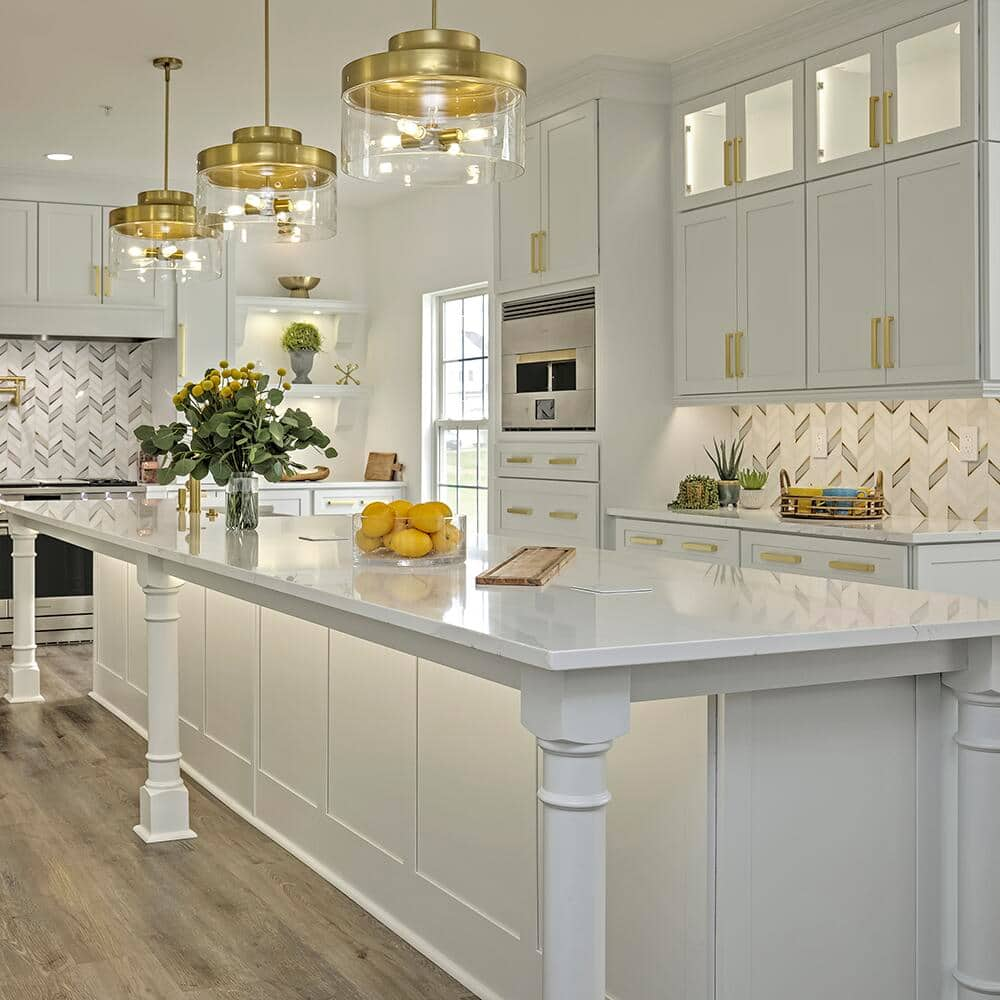

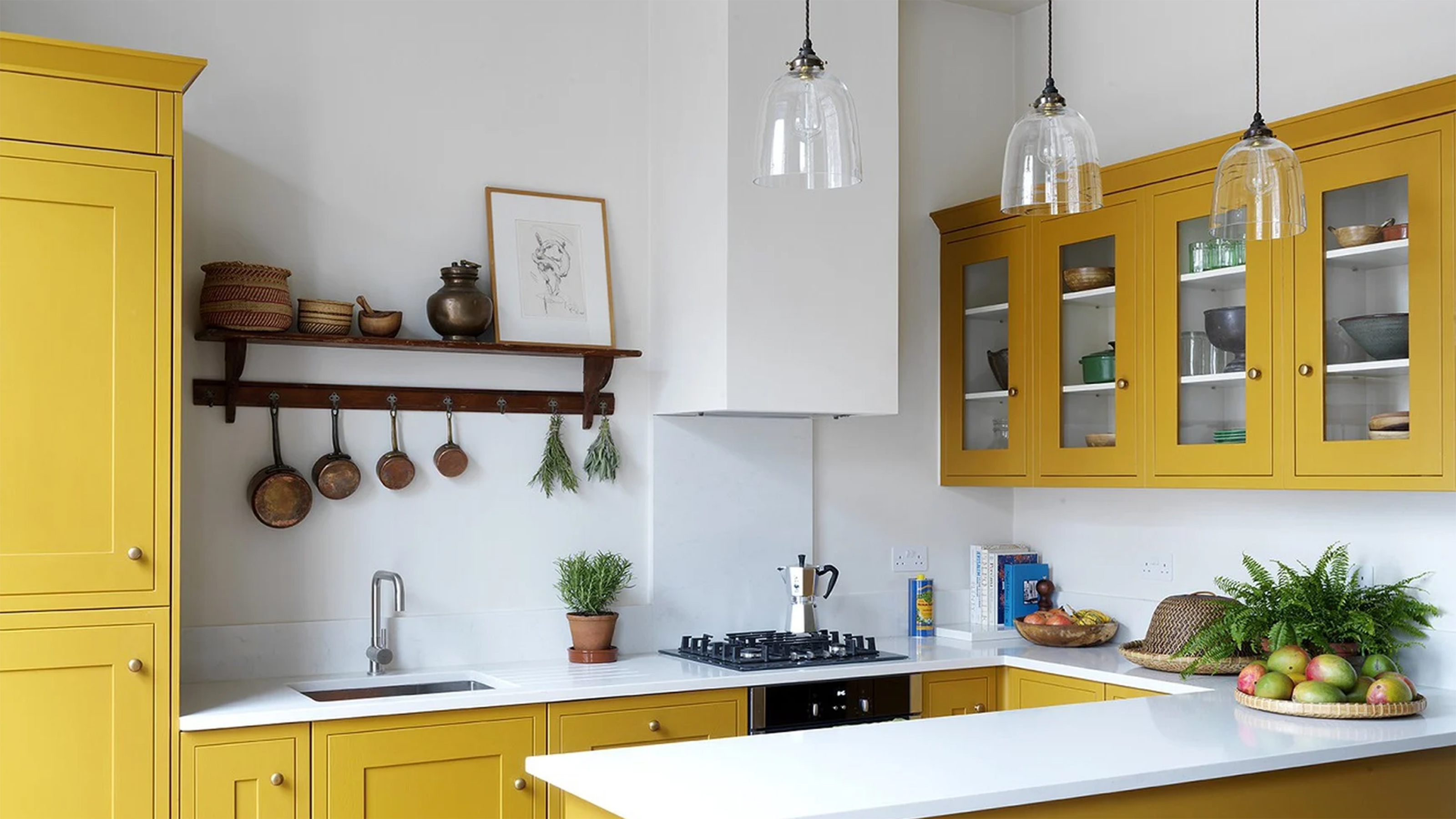
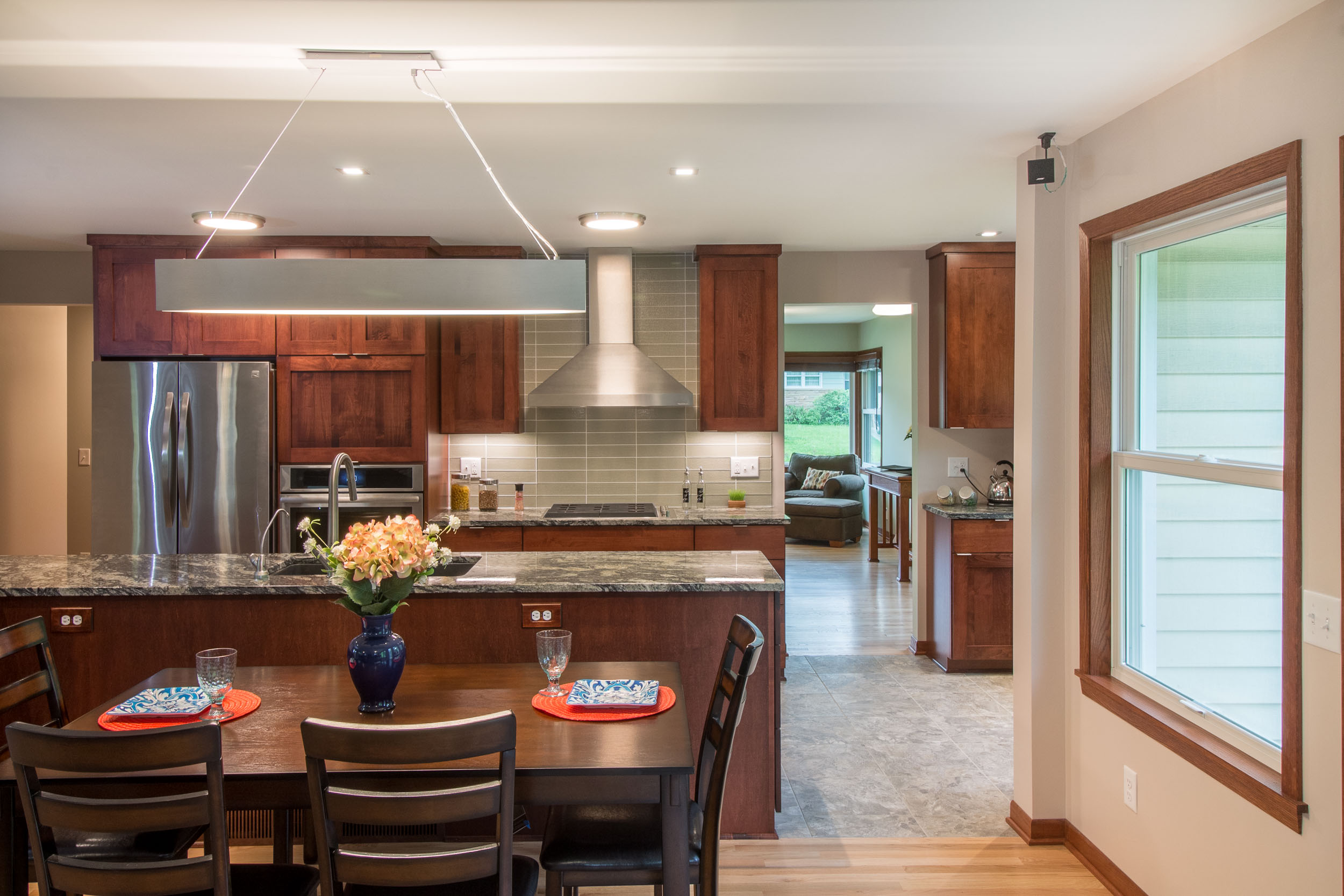
Lighting expands visual perception.
Combine:
- Under-cabinet LED strips
- Ceiling ambient light
- Task lighting
- Warm color temperature
Good lighting prevents shadows.
Benefits of Smart Small Kitchen Design
Efficient compact kitchens provide:
- Faster workflow
- Easier cleaning
- Reduced clutter
- Better organization
- Visual openness
- Higher property appeal
Small kitchens reward intelligent planning.
Summary
Small space kitchens succeed through efficiency, vertical storage, light palettes, and integrated design. Compact layouts, multi-functional surfaces, and layered lighting transform limited square footage into high-performance cooking spaces. Whether designing a Noida apartment kitchen or a Gurgaon studio, the principles remain universal: clarity, flexibility, and smart proportion.
A small kitchen is not a limitation. It is a design puzzle.