Introduction:
In the vibrant tapestry of life, color plays a profound role in shaping our emotions, perceptions, and experiences. Beyond the visual aesthetics, colors have the ability to evoke feelings, influence moods, and transform the atmosphere of our surroundings. The study of this fascinating interplay between color and the human psyche is known as color psychology. Join us on a journey as we delve into the power of color psychology and its transformative impact on both our emotions and the spaces we inhabit.
Colors and Emotions:
Colors have the remarkable ability to communicate without words, stirring emotions and creating connections on a subconscious level. For example, warm colors like reds, oranges, and yellows are often associated with energy, passion, and warmth. On the other hand, cool colors such as blues and greens evoke feelings of calmness, serenity, and introspection. Understanding these emotional nuances allows us to curate spaces that align with our desired atmosphere.
Creating Tranquility with Cool Hues:
In spaces where tranquility is paramount, cool hues take center stage. Soft blues, serene greens, and calming purples instill a sense of peace and relaxation. Bedrooms, meditation corners, and spa-inspired bathrooms benefit from these cool tones, providing a haven for rejuvenation and restful nights.
Infusing Energy with Warm Tones:
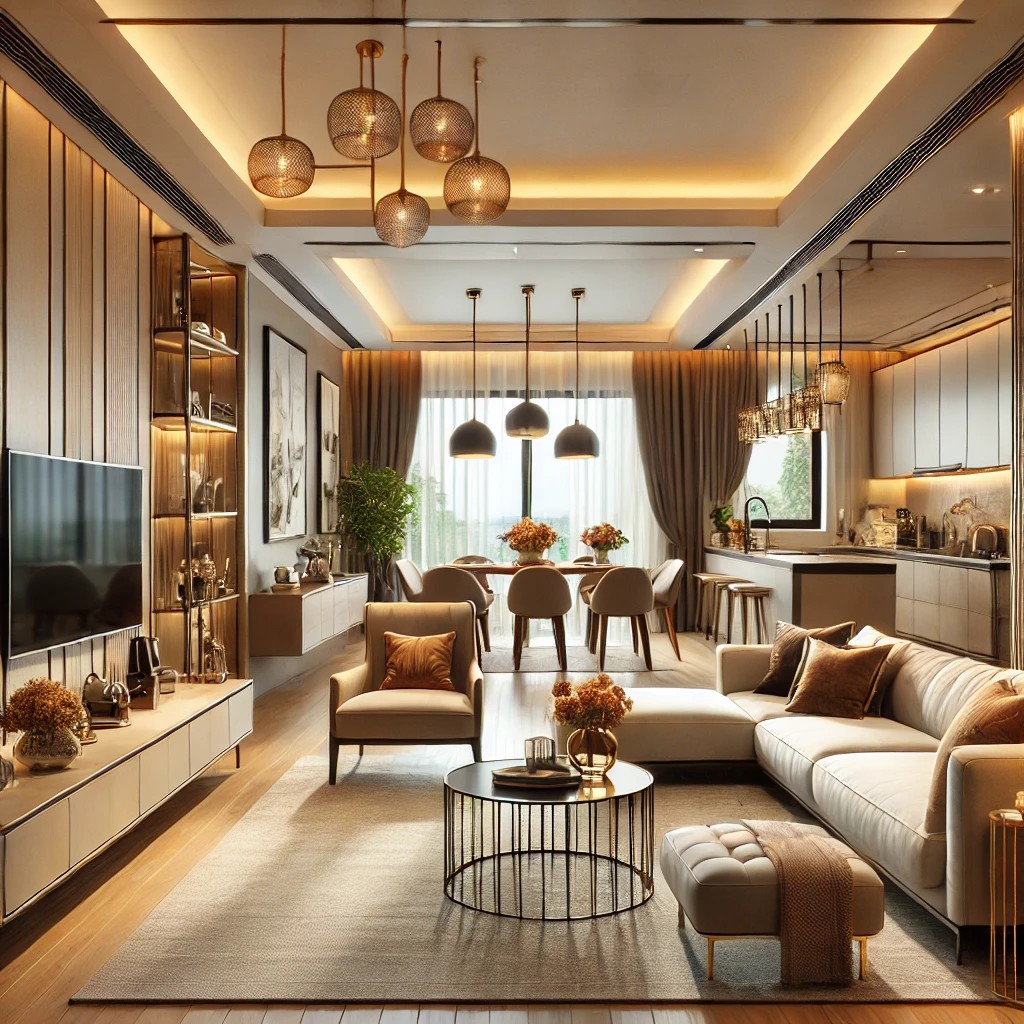
Conversely, spaces designed for energy and sociability thrive on warm tones. Reds, oranges, and yellows inject vibrancy and dynamism into areas like kitchens, living rooms, and social gathering spots. These warm hues stimulate conversation, foster creativity, and create an inviting ambiance for lively interactions.
The Timeless Allure of Neutrals:
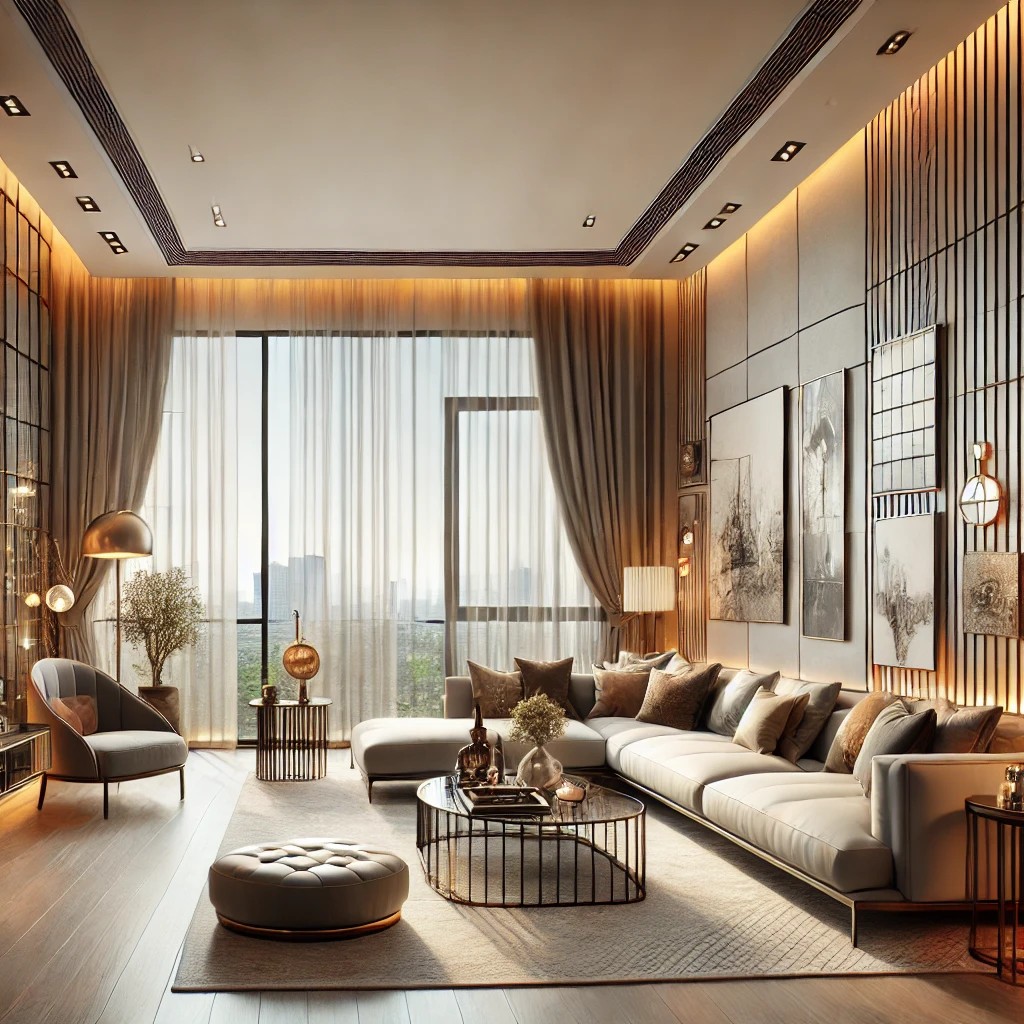
Neutrals, often celebrated for their timeless appeal, offer a sense of balance and versatility. Whites, grays, and beiges serve as neutral backdrops that complement a wide range of styles and color schemes. They create a canvas for personalization and, when combined with other colors, help to achieve a harmonious and balanced aesthetic.
Monochromatic Harmony and Elegance:
Monochromatic color schemes, featuring variations of a single color, embody a sense of harmony and elegance. This approach allows for a cohesive look while playing with different shades and tones. The psychology behind monochromatic palettes lies in their ability to create a unified and refined atmosphere, showcasing the beauty of simplicity and coherence.
Contrasting Colors for Impactful Statements:
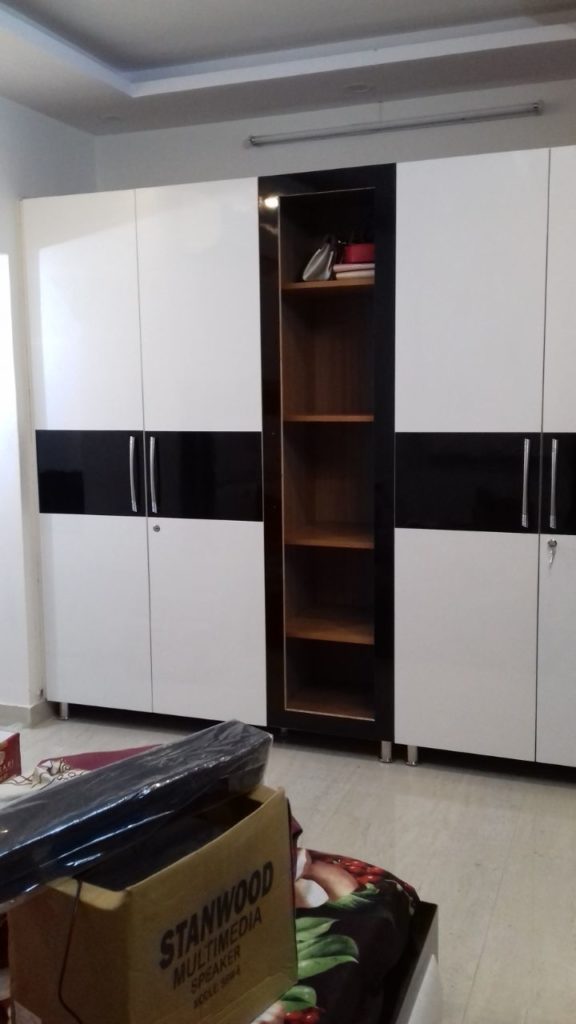
Contrasting color palettes, where colors sit opposite each other on the color wheel, introduce drama and visual impact. This bold choice is often employed in accent walls, furnishings, or accessories to create focal points and add a dynamic element to the overall design. The psychology here is about capturing attention and making a statement.
Personal Expressions through Accent Colors:
Accent colors act as personal expressions within a design, reflecting individual tastes and preferences. Whether it’s a subtle pop of color or a bold statement piece, accents contribute to the uniqueness of a space. The psychology lies in the emotional connection individuals have with these accent colors, turning a room into a canvas for personal storytelling.
Conclusion:
The power of color psychology goes far beyond aesthetics; it’s a language that speaks to our emotions and influences the way we experience the world around us. By harnessing the transformative impact of colors, we can create spaces that resonate with our feelings, support our activities, and enhance our overall well-being. So, let the colors in your life tell a story, and watch as they weave a tapestry of emotions, turning every space into a canvas of vibrant human experiences.