Introduction:
The world of modern interior design is not just about aesthetics; it’s a captivating dance of colors that influences our emotions, behaviors, and overall well-being. The psychology of color palettes plays a crucial role in shaping the atmosphere of our living spaces. Join us on a journey as we explore the fascinating interplay between color and psychology, unraveling the secrets behind the hues that define contemporary interior design.
The Power of Color Psychology:
Color psychology is the study of how colors affect human emotions and behavior. In the realm of interior design, this knowledge is a potent tool for creating spaces that go beyond mere visual appeal. The careful selection and arrangement of colors can evoke specific feelings, set the tone for a room, and even influence our daily experiences within that space.
Calming Hues for Tranquil Retreats:
In a fast-paced world, the need for tranquility within our homes is more crucial than ever. Soft blues, muted greens, and gentle grays are often chosen to infuse a sense of calm and relaxation. These calming hues can transform bedrooms and living spaces into serene retreats, providing a much-needed escape from the demands of the outside world.
Energizing Spaces with Vibrant Tones:
Conversely, vibrant and bold colors are chosen to infuse energy and dynamism into spaces where activity and creativity thrive. Reds, yellows, and oranges are known to stimulate and invigorate, making them popular choices for home offices, kitchens, or areas where social interaction takes place. These lively hues can inspire motivation and creativity.
Balancing Neutrals for Timeless Appeal:
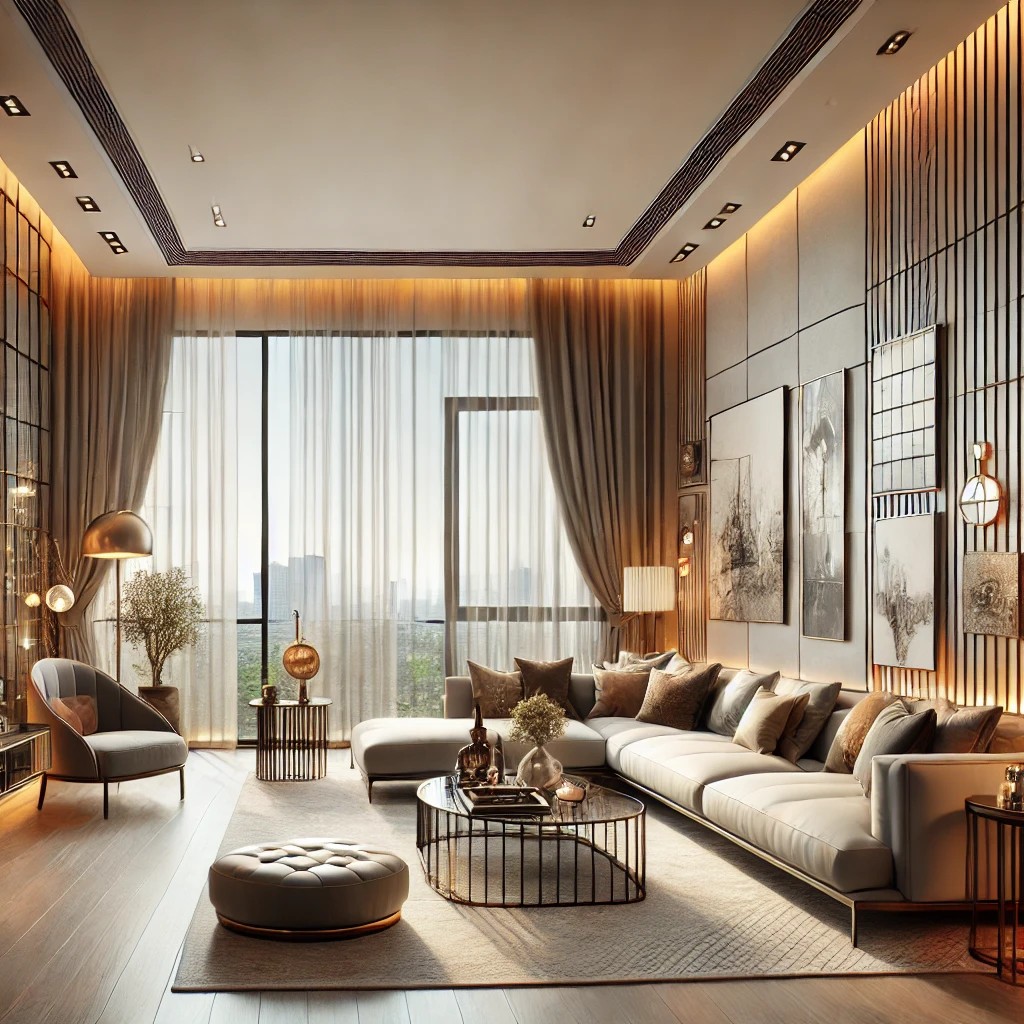
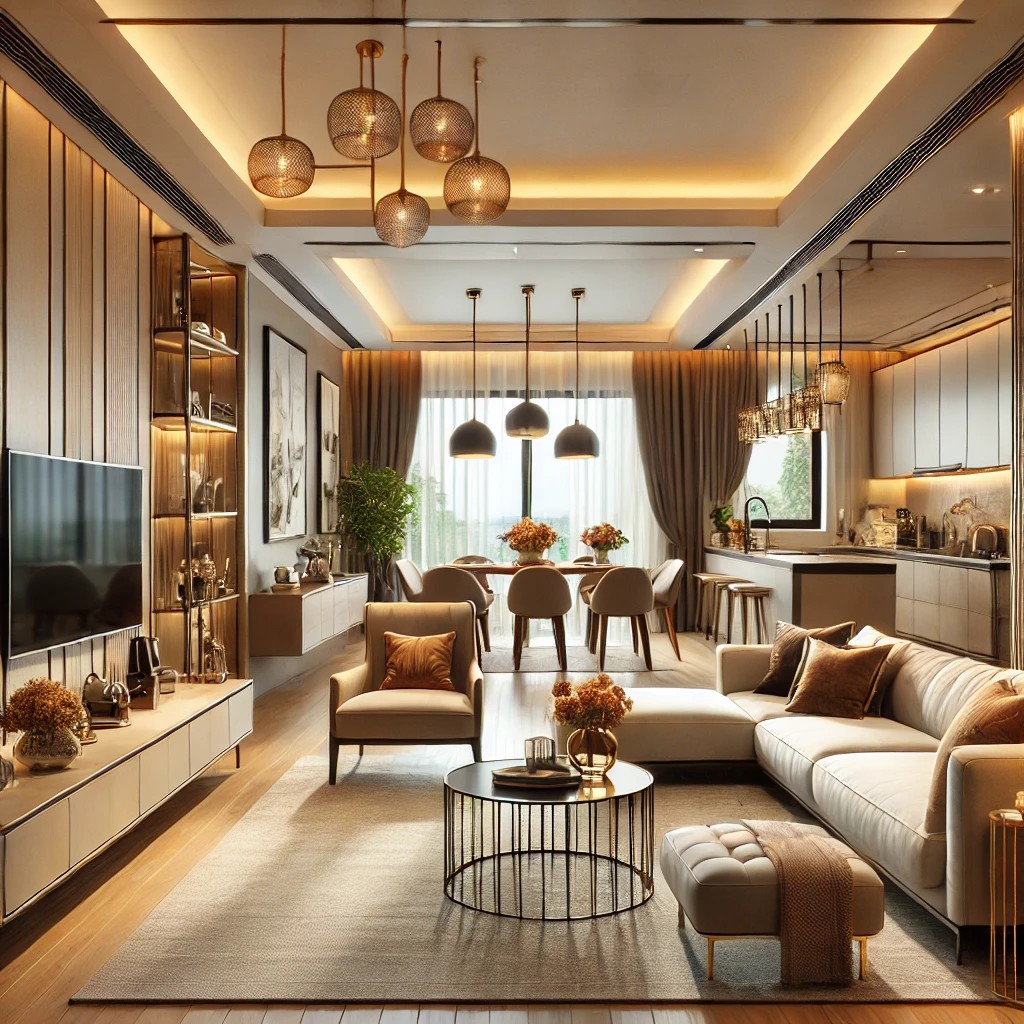
Neutrals, such as whites, grays, and beiges, are the backbone of modern interior design. Beyond their timeless aesthetic, neutrals provide a blank canvas for personalization and act as a versatile backdrop for various styles. The neutrality of these colors allows for easy adaptation to changing trends and personal preferences, ensuring a lasting appeal.
The Allure of Monochromatic Schemes:
Monochromatic color schemes, featuring variations of a single color, offer a sense of harmony and sophistication. This approach allows for a streamlined and cohesive look while enabling the exploration of different shades and tones. The psychology of monochromatic palettes lies in their ability to create a unified and elegant atmosphere.
Contrasting Colors for Drama and Impact:
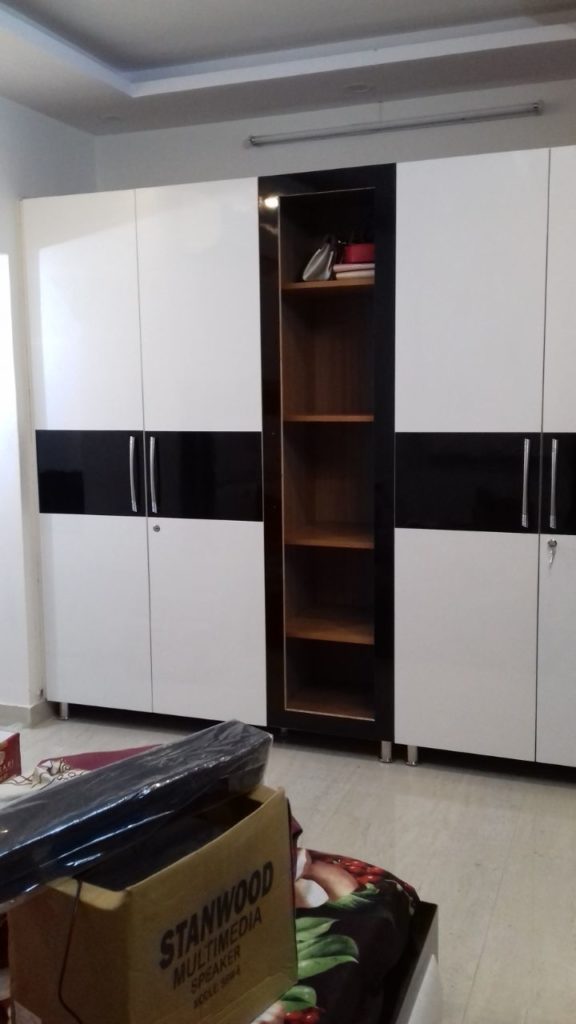
Contrasting color palettes, where colors opposite each other on the color wheel are used, bring drama and visual impact to a space. This bold approach is often employed in accent walls, furnishings, or accessories to create focal points and add a dynamic element to the overall design. The psychology here is about capturing attention and creating a memorable impression.
Personalized Expressions with Accent Colors:
Accent colors serve as personal expressions within a design, allowing homeowners to inject their personality into a space. Whether it’s a pop of a favorite color or a carefully chosen accent, these hues contribute to the uniqueness of a home. The psychology lies in the emotional connection individuals have with these accent colors, making the space feel truly their own.
Conclusion:
In modern interior design, the psychology of color palettes is a powerful tool that goes beyond the visual aspect of aesthetics. It influences our emotions, impacts our well-being, and shapes the overall experience within our homes. Understanding this intricate relationship between color and psychology allows us to craft spaces that not only look beautiful but also feel harmonious and tailored to our individual needs. So, let the colors in your home tell a story, evoke emotions, and create a living environment that resonates with your unique essence.